Cannabis Tolerance Breaks: The Complete Science-Backed Guide
Learn the science behind T-breaks, how CB1 receptors reset, and follow our 21-day protocol to restore cannabis sensitivity mindfully.

Professor High
Your friendly cannabis educator, making science accessible since day one.

There’s a moment many cannabis enthusiasts eventually face: you take your usual dose, wait for that familiar wave of relaxation or creativity, and… nothing much happens. Or at least, not like it used to. If this sounds familiar, you’re experiencing cannabis tolerance—and you’re definitely not alone.
The good news? Your endocannabinoid system is remarkably resilient. With the right approach, you can reset your relationship with cannabis and rediscover why you fell in love with this plant in the first place. Welcome to your complete guide to the tolerance break, backed by the latest 2025 research and designed with your wellbeing in mind.
Understanding Cannabis Tolerance: What’s Actually Happening in Your Brain
Before we dive into solutions, let’s understand the problem. Cannabis tolerance isn’t a character flaw or a sign you’re “doing it wrong”—it’s a perfectly normal neurological adaptation.
The CB1 Receptor Story
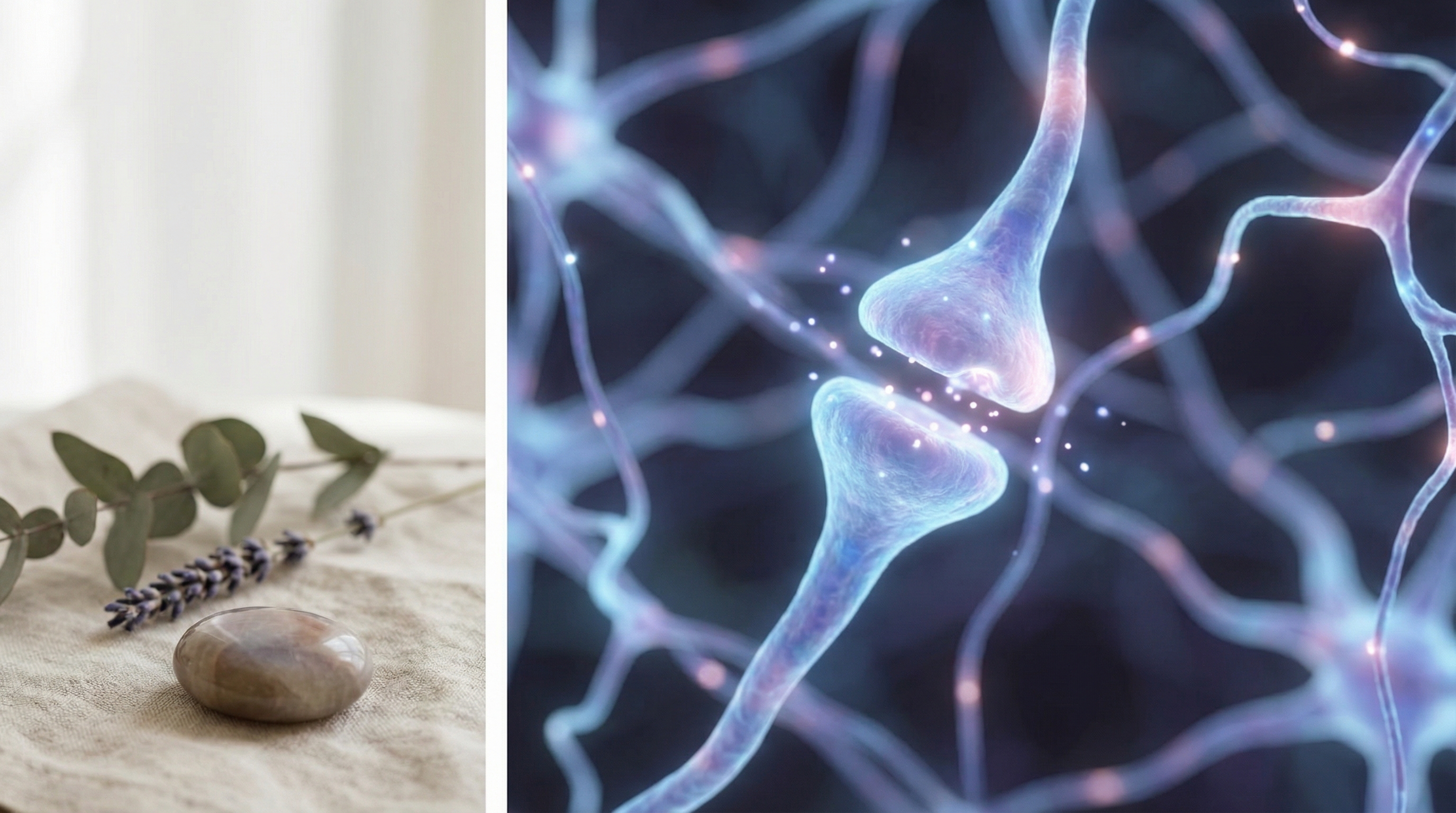
Your endocannabinoid system contains CB1 receptors, primarily located in your brain and central nervous system. These receptors are the landing pads where THC docks to produce its effects. When you consume cannabis regularly, something fascinating happens: your brain essentially says, “Whoa, there’s a lot of activity at these receptors. Let’s dial things down.”
This process is called receptor downregulation. Your brain reduces the number of available CB1 receptors and decreases their sensitivity. It’s your nervous system’s way of maintaining balance—a concept scientists call homeostasis.
The Numbers: What 2025 Research Tells Us
Recent research has given us more precise data on how tolerance develops. Studies published in early 2025 found that regular cannabis users experience approximately a 0.5% decrease in symptom relief per session of use. While that might sound small, it compounds over time.
Consider this: if you consume cannabis daily, after just 100 sessions (roughly three months), you might experience 50% less effect from the same dose. After a year of daily use? The math gets sobering.
But here’s the encouraging part: the same research confirms that CB1 receptors begin recovering within 48 hours of cessation, with significant restoration occurring within 2-4 weeks. Your brain wants to return to baseline—you just need to give it the opportunity.
The Science of the T-Break: Why It Works
A tolerance break (T-break) works by allowing your CB1 receptors to upregulate—essentially the reverse of what happens with regular use. Your brain notices the absence of external cannabinoids and responds by:
- Increasing receptor density: More CB1 receptors become available
- Enhancing receptor sensitivity: Existing receptors become more responsive
- Restoring endocannabinoid tone: Your natural cannabinoid system recalibrates
Research using PET imaging has shown that after approximately 28 days of abstinence, CB1 receptor availability in chronic users becomes virtually indistinguishable from people who’ve never used cannabis. However, meaningful benefits begin much sooner—most people notice significant changes within 7-14 days.
Who Should Consider a T-Break?
A tolerance break might be right for you if:
- You’re using significantly more cannabis to achieve the same effects
- The therapeutic benefits you once experienced have diminished
- You want to reduce your consumption and associated costs
- You’re curious about resetting your relationship with cannabis
- You’re preparing for a period of lower consumption (travel, new job, etc.)
Key Insight: A T-break isn’t about punishment or proving willpower. It’s a strategic reset that honors both your body’s adaptability and your desire for a more intentional cannabis experience.
The 21-Day T-Break Protocol: Your Week-by-Week Guide
Three weeks is the sweet spot for most people—long enough for substantial receptor recovery, short enough to feel achievable. Here’s your roadmap.

Week One: The Adjustment Phase (Days 1-7)
What to expect: This is typically the most challenging week. Your body is adjusting to the absence of external cannabinoids, and you may experience withdrawal symptoms (more on those below).
Daily practices:
- Morning: Start each day with 10 minutes of movement—stretching, walking, or gentle yoga. This helps your body produce natural endocannabinoids.
- Hydration: Aim for 8-10 glasses of water. Proper hydration supports your body’s detoxification processes.
- Evening: Establish a new wind-down routine. If cannabis was part of your sleep ritual, replace it with chamomile tea, a warm bath, or guided meditation.
Mindset tip: Days 2-4 are often the peak of discomfort. Remind yourself this is temporary and actually a sign your body is responding. You’re not suffering—you’re healing.
Week Two: The Stabilization Phase (Days 8-14)
What to expect: Most acute symptoms have passed. You might notice improved dream recall (sometimes vividly—this is normal), more stable energy levels, and moments of surprising mental clarity.
Daily practices:
- Exercise: Increase intensity if you feel ready. Cardio exercise has been shown to release stored THC from fat cells and boost natural endocannabinoid production.
- Journaling: Document how you’re feeling. Note any changes in mood, sleep, appetite, or cognitive function.
- Social connection: Spend time with supportive people. If your social circle revolves around cannabis use, this is a good time to explore other shared activities.
Mindset tip: You may start feeling “normal” and question whether you need to continue. Trust the process—significant receptor recovery is happening even when you can’t feel it.
Week Three: The Integration Phase (Days 15-21)
What to expect: Your system is approaching baseline. Sleep has typically normalized, appetite is stable, and any irritability has faded. Many people report feeling more present and emotionally balanced.
Daily practices:
- Reflection: Consider what role you want cannabis to play going forward. What worked about your previous relationship with it? What didn’t?
- Planning: If you’re planning to return to cannabis, think about your approach. Lower doses? Different consumption methods? Specific occasions only?
- Celebration: Acknowledge what you’ve accomplished. Three weeks of intentional abstinence is meaningful, regardless of what comes next.
Mindset tip: Some people reach this point and decide to extend their break or reduce their consumption long-term. Others are excited to return to cannabis with fresh appreciation. Both are valid choices.
Managing Withdrawal Symptoms: What to Expect and How to Cope
Let’s be real: cannabis withdrawal is a thing, and pretending otherwise doesn’t help anyone. While it’s generally milder than withdrawal from alcohol, opioids, or benzodiazepines, it can still be uncomfortable.

Timeline of Symptoms
| Phase | Timing | Common Symptoms |
|---|---|---|
| Onset | Days 1-3 | Irritability, anxiety, cravings, difficulty sleeping |
| Peak | Days 2-6 | Sleep disturbances, decreased appetite, mood swings, vivid dreams |
| Resolution | Days 4-14 | Gradual improvement, occasional cravings, normalizing sleep |
Symptom-Specific Strategies
Sleep difficulties are often the most challenging aspect. Your endocannabinoid system plays a crucial role in sleep regulation, and it takes time to recalibrate.
- Maintain strict sleep/wake times, even on weekends
- Avoid screens for 1-2 hours before bed
- Consider magnesium glycinate supplementation (consult your healthcare provider)
- Use white noise or sleep stories to occupy a restless mind
- Accept that a few rough nights are part of the process
Appetite changes typically manifest as decreased hunger or nausea, especially in the morning.
- Eat small, frequent meals rather than forcing large ones
- Focus on easily digestible foods: soups, smoothies, toast
- Ginger tea can help with nausea
- Don’t stress about nutrition perfection—this phase is temporary
Irritability and mood swings are your nervous system recalibrating.
- Communicate with people close to you about what you’re doing and why
- Build in extra time for stress-relief activities
- Avoid making major decisions during peak withdrawal
- Physical exercise is remarkably effective for mood regulation
Cravings are normal and don’t indicate weakness.
- Identify your triggers (certain times, places, emotions, people)
- Have a plan for when cravings hit: call a friend, take a walk, do breathing exercises
- Remember that cravings peak and pass—usually within 15-30 minutes
- Keep your “why” front of mind
Important Note: If you’re using cannabis to manage a medical condition, please consult with your healthcare provider before taking a tolerance break. They can help you develop a safe plan that addresses your therapeutic needs.
Returning to Cannabis Mindfully: The Re-Introduction Phase
Congratulations—you’ve completed your T-break. Now comes an often-overlooked but crucial phase: the mindful return.
The Golden Rules of Re-Introduction
Start low, go slow: Your tolerance has reset significantly. What used to be your normal dose may now be overwhelming. Begin with 25-50% of your previous amount and wait to assess effects before consuming more.
Choose your setting carefully: Your first session back should be in a comfortable, familiar environment with no obligations. This isn’t the time for a concert or social gathering.
Single-strain, single-session: Avoid mixing strains or consumption methods on your first few sessions. This helps you accurately gauge your new sensitivity level.
Keep a consumption journal: Track what you consume, when, and how it affects you. This data is invaluable for establishing your new baseline.
Building a Sustainable Relationship
The real goal of a T-break isn’t just to get higher again—it’s to establish a more intentional relationship with cannabis. Consider these practices:
Scheduled consumption days: Some people find that designating specific days for cannabis use (weekends only, for example) prevents tolerance from rebuilding quickly.
Microdosing: Using smaller amounts more intentionally can provide benefits while minimizing tolerance development.
Regular mini-breaks: Even 48-72 hours of abstinence periodically can help maintain sensitivity.
Mindful consumption rituals: Slow down the experience. Appreciate the aroma, the effects, the moment. Cannabis consumed mindfully tends to be more satisfying with less.
Frequently Asked Questions
How long should my T-break be? For most people, 21-28 days provides substantial receptor recovery. However, even 48-72 hours can make a noticeable difference. A week-long break offers meaningful benefits. Choose a duration that feels achievable for your situation.
Will I lose all my tolerance permanently? Unfortunately, no. Tolerance will rebuild with resumed use, though typically more slowly if you consume mindfully. The good news is that subsequent T-breaks often feel easier, and you now have tools for sustainable consumption.
Can I use CBD during my T-break? CBD doesn’t significantly bind to CB1 receptors, so it shouldn’t interfere with your tolerance reset. Some people find CBD helpful for managing withdrawal symptoms, particularly anxiety and sleep issues.
What about other cannabinoids like Delta-8 or THC-O? These compounds do interact with CB1 receptors and would likely interfere with your T-break. For a true reset, abstain from all THC variants.
I’m a medical user. What are my options? Work with your healthcare provider. Options might include: a supervised break with alternative symptom management, a gradual reduction rather than complete cessation, or rotating between different cannabinoid ratios.
Final Thoughts: Honoring Your Relationship with Cannabis
A tolerance break is ultimately an act of self-care and intentionality. It’s you choosing to maintain a healthy, sustainable relationship with a plant that offers real benefits when used mindfully.
Whether you’re a daily consumer looking to reset or someone curious about optimizing your cannabis experience, the principles remain the same: understand the science, prepare thoughtfully, be patient with the process, and return with intention.
Your endocannabinoid system is resilient. Your CB1 receptors want to serve you well. Give them the reset they need, and you’ll rediscover the magic that drew you to cannabis in the first place.
Here’s to mindful consumption, scientific understanding, and the beautiful journey of getting to know this remarkable plant—again and again.
This article is for educational purposes only and should not be considered medical advice. If you have concerns about cannabis use or withdrawal, please consult with a qualified healthcare provider.


