The Entourage Effect Explained: Your Complete Guide to Cannabis Compound Synergy
Discover why whole-plant cannabis works better than isolated THC. Learn about full-spectrum vs isolate and the science of terpene-cannabinoid synergy.

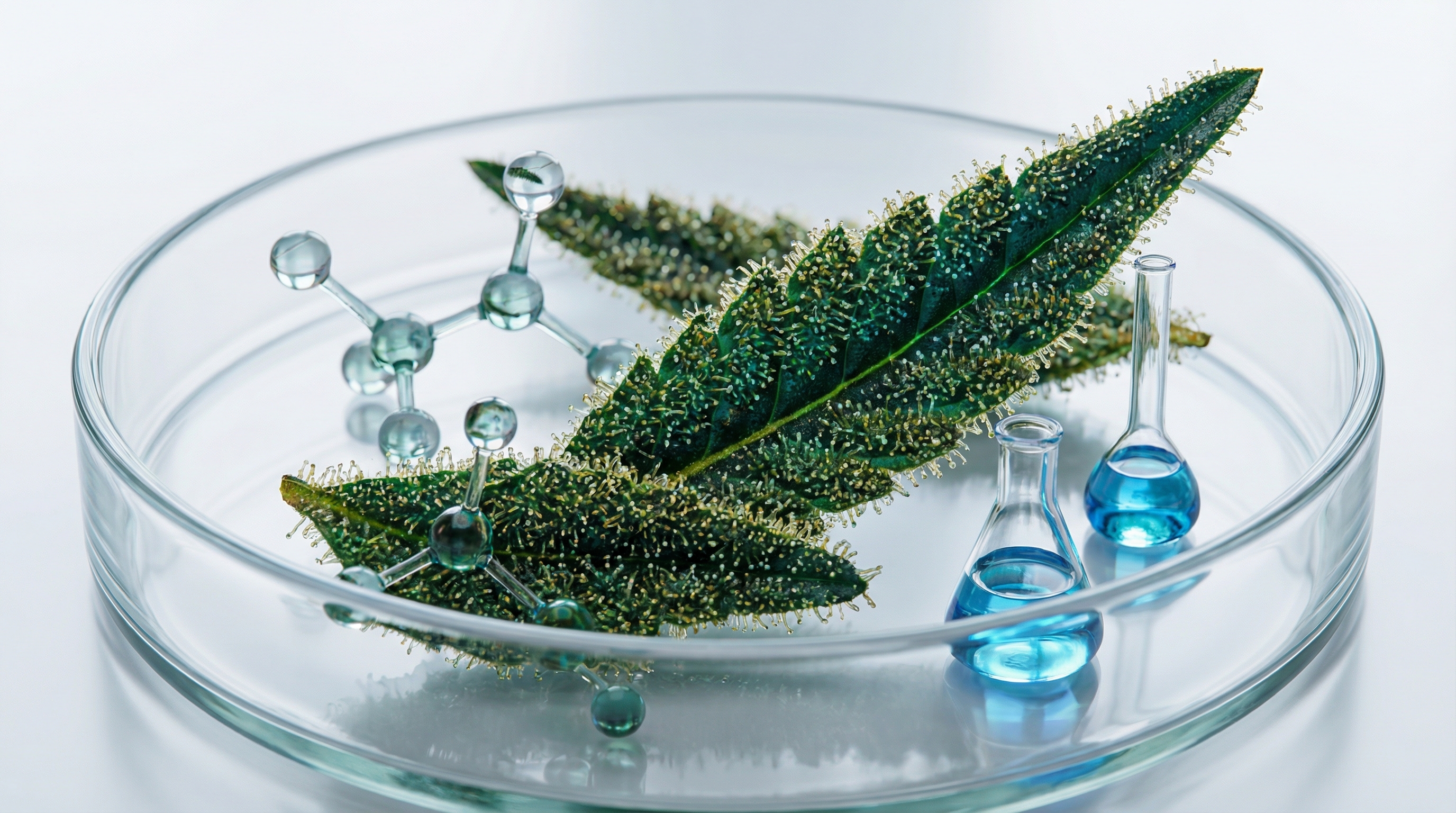
Have you ever wondered why that 18% THC strain knocked your socks off while the 28% strain barely registered? Or why your friend swears by full-spectrum CBD oil when you tried the “pure” stuff and felt nothing? The answer lies in one of cannabis science’s most fascinating discoveries: the entourage effect.
Today, we’re going to demystify this concept completely. By the time you finish reading, you’ll understand not just what the entourage effect is, but why it matters for every cannabis purchase you make.
Updated June 2026: Refreshed with corrected citations, internal links, and practical guidance, plus a clearer account of what the human evidence does and does not yet establish.
The Orchestra Analogy: Understanding Synergy
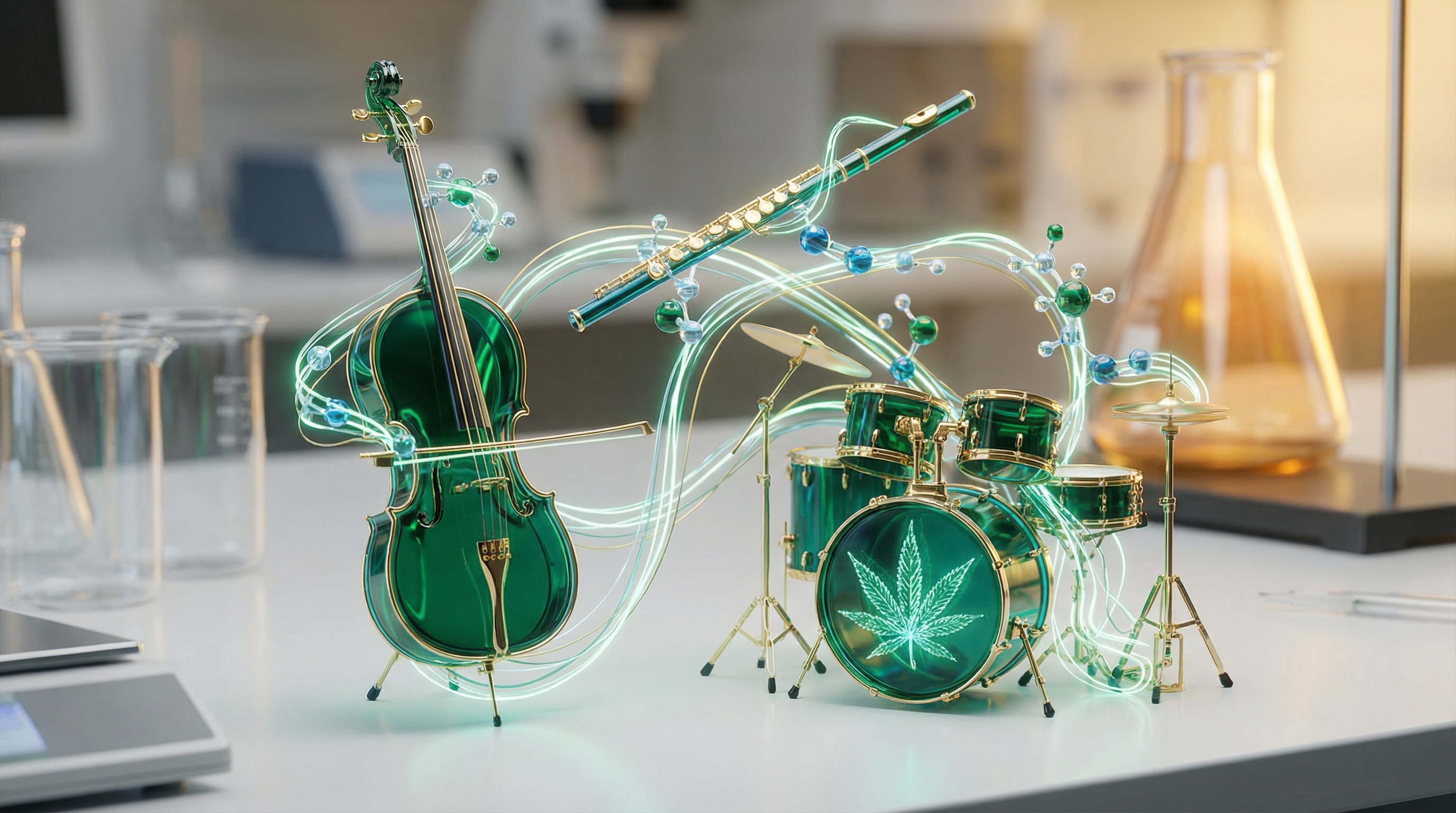
Imagine walking into a concert hall. The violinist begins playing solo - beautiful, certainly, but something’s missing. Then the cellos join in. The woodwinds. The brass. Suddenly, you’re not just hearing music; you’re feeling it. That’s the entourage effect in action.
Cannabis isn’t just THC any more than an orchestra is just a violin. Your flower contains over 500 distinct compounds: cannabinoids like THC, CBD, CBG, and CBN; terpenes like myrcene, limonene, and pinene; flavonoids; and dozens of other molecules. When these compounds work together, they create effects that none of them could produce alone.
The entourage effect is the scientific term for this synergy - the way cannabis compounds enhance, modify, and balance each other’s effects to create your unique experience.
Dr. Mechoulam: The Father of Cannabis Research
The term “entourage effect” wasn’t invented by a marketing team. It was coined in 1998 by Dr. Raphael Mechoulam, the Israeli chemist widely known as the “godfather of cannabis research.”
Dr. Mechoulam first isolated THC back in 1964 - yes, we’ve known about THC for over 60 years. But his later discovery proved even more revolutionary. While studying 2-AG, an endocannabinoid your body naturally produces, he noticed something strange: 2-AG traveled with companion molecules that couldn’t bind to receptors on their own.
Here’s where it gets interesting. When those “inactive” companion molecules were present, 2-AG became dramatically more effective. The inactive compounds were essentially amplifying the active one’s power.
Mechoulam called this the entourage effect, and it changed how we understand cannabis forever.
The Science: What the Clinical Evidence Shows
For decades, the entourage effect remained somewhat theoretical - supported by patient experiences and laboratory studies, but lacking the gold standard of human clinical trials. That began to change in 2024.

Researchers at Johns Hopkins University conducted a rigorous double-blind study that finally proved what cannabis users had known for years. They gave 20 healthy adults vaporized THC alone, d-limonene (a citrus-scented terpene) alone, and combinations of both.
The results were striking:
- 30mg THC alone: Participants experienced significant anxiety, nervousness, and paranoia
- 30mg THC + 15mg d-limonene: Anxiety, nervousness, and paranoia were significantly reduced
- D-limonene alone: No notable psychoactive effects
The terpene didn’t just slightly modify THC’s effects - it selectively eliminated the negative ones while preserving the positive. This is the entourage effect working exactly as Dr. Mechoulam predicted.
As Dr. Tory Spindle, the study’s lead author, noted: this research represents “a first step in uncovering how we can mitigate risks of THC when used in medicine.”
The Pharmaceuticals Comprehensive Review (2024)
Alongside this clinical trial, researchers published a comprehensive review in Pharmaceuticals examining decades of entourage effect research [André et al., 2024]. Their systematic analysis found exploratory evidence that terpenes carry therapeutic benefits of their own - from myrcene’s relaxing properties to linalool’s potential as a sleep aid and caryophyllene’s anti-inflammatory effects through direct CB2 receptor binding.
What Is Still Missing
It is worth being honest about the size of the remaining gap. The André review, after surveying decades of literature, concluded that the potential for terpenes to synergistically or additively enhance cannabinoid efficacy remains unproven, and called for clinical trials designed specifically to test it [André et al., 2024]. The Spindle trial is the strongest human evidence we have, and it tested exactly one terpene against one cannabinoid for one outcome.
So the current state of play is narrower than the marketing suggests: one well-controlled human demonstration that a terpene can measurably change how THC feels, a large body of preclinical and mechanistic work pointing the same direction, and no trial yet that validates the entourage effect as a general principle.
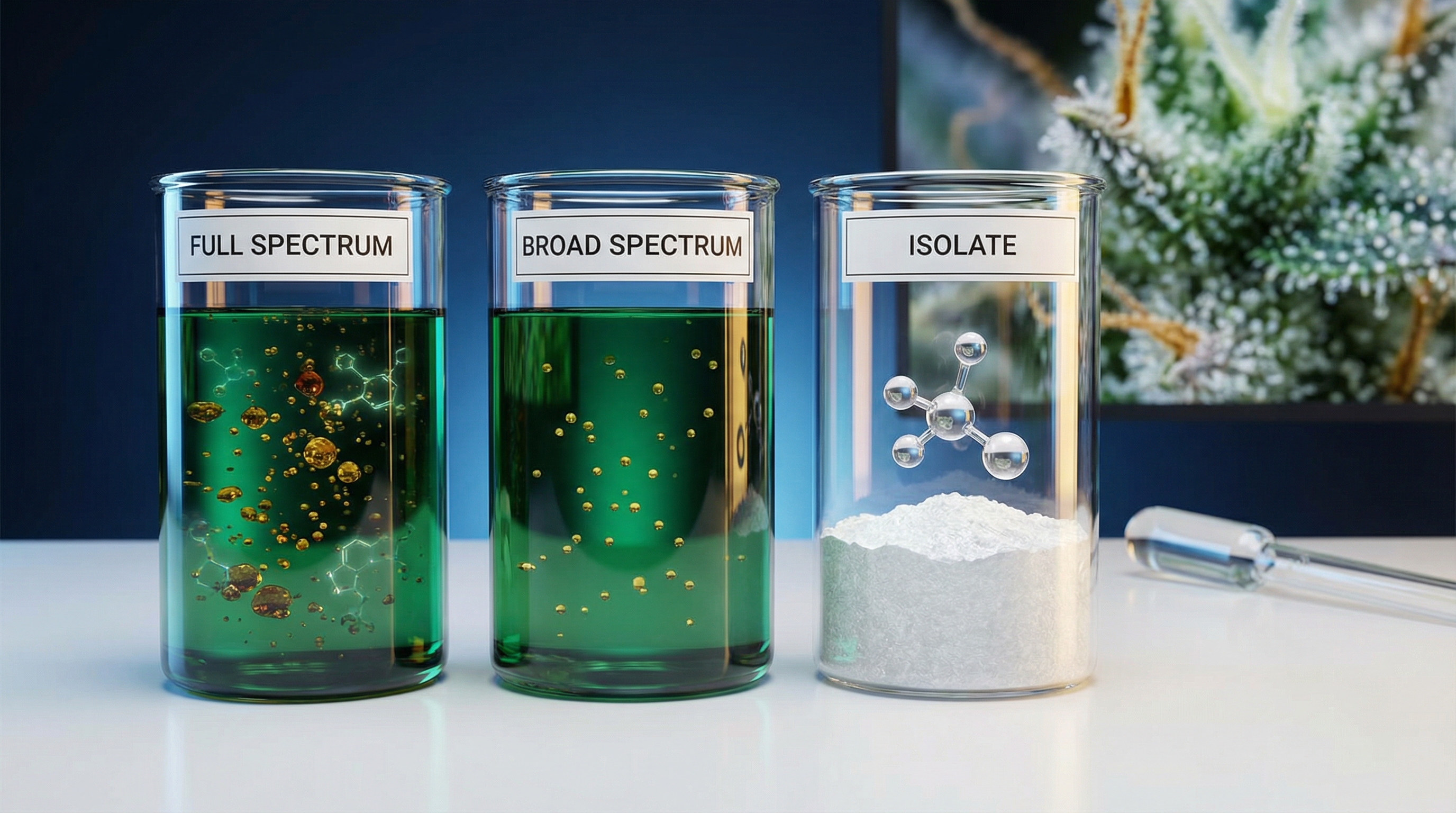
Product Types: Full-Spectrum vs. Broad-Spectrum vs. Isolate
Understanding the entourage effect transforms how you shop for cannabis products. Let’s break down the three main categories you’ll encounter.
Full-Spectrum: The Complete Experience
Full-spectrum products contain all naturally occurring compounds from the cannabis plant - cannabinoids, terpenes, flavonoids, and trace amounts of THC (legally under 0.3% in hemp products, variable in cannabis products).
Why it matters: Full-spectrum delivers the maximum entourage effect. Every compound works together as nature intended.
Best for: People seeking the most therapeutic benefit who don’t mind trace THC, or those using cannabis recreationally who want the richest experience.
Broad-Spectrum: THC-Free Synergy
Broad-spectrum products go through additional processing to remove THC while preserving other cannabinoids and terpenes.
Why it matters: You still get partial entourage benefits from cannabinoid-terpene interactions, minus the THC component.
Best for: People who need to avoid THC (drug testing, personal preference, legal concerns) but still want enhanced effects beyond isolates.
Isolate: Pure Single Compounds
Isolates contain one purified compound - typically CBD isolate or THC isolate. All other cannabinoids, terpenes, and plant materials are removed.
Why it matters: No entourage effect whatsoever. You’re getting the solo violinist, not the orchestra.
Best for: People who need precise dosing of a specific compound for medical research, or those who’ve had adverse reactions to other cannabis compounds.
The 10x Difference
Research from the Lautenberg Center revealed just how much the entourage effect matters: full-spectrum CBD showed effective results at approximately 30mg per day, while CBD isolate required around 300mg per day for similar effects. That work was done in mice rather than people, so treat the 10x figure as a striking preclinical signal rather than a human dosing rule.
That’s a ten-fold difference - entirely attributable to the synergy of whole-plant compounds.
Why THC Percentage Doesn’t Tell the Whole Story
Here’s something dispensary budtenders wish more customers understood: chasing THC percentages is like buying wine based solely on alcohol content.
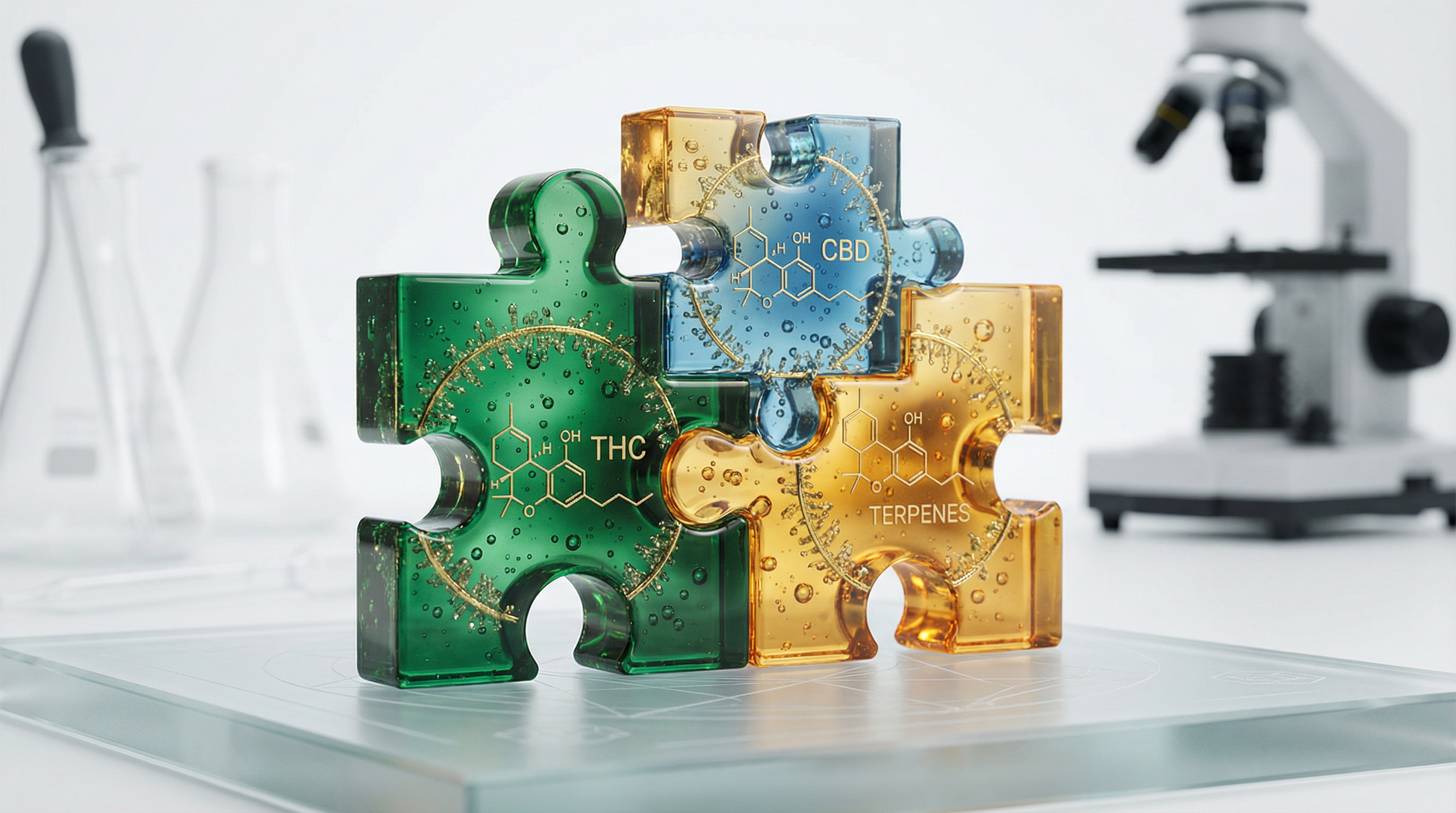
Two strains with identical THC percentages can produce dramatically different experiences. Consider this real-world scenario:
Strain A: 22% THC
- High myrcene (earthy, musky)
- Moderate caryophyllene (peppery)
- Low limonene (citrus)
- Result: Heavy body high, deep relaxation, potential couch-lock
Strain B: 22% THC
- High limonene (citrus)
- Moderate pinene (pine)
- Low myrcene (earthy)
- Result: Uplifting, energetic, creative, socially engaging
Same THC. Completely different experiences. The terpenes are conducting where and how you feel that THC.
This is why experienced cannabis users pay attention to terpene profiles, not just cannabinoid percentages. It’s also why that 18% strain from your favorite cultivator might hit harder than the 28% strain on sale - the complete chemical profile matters more than any single number.
Practical Tips: Shopping for the Entourage Effect
Let’s translate this science into actionable shopping advice.
What to Look For on Lab Results
Quality dispensaries provide Certificates of Analysis (COAs). Here’s how to read them:
-
Total Cannabinoid Content - Look beyond THC. Check for CBD, CBG, and CBN percentages. A diverse cannabinoid profile suggests stronger entourage potential.
-
Terpene Profile - Aim for products with:
- Total terpene content above 1% (ideally 2-4%)
- Multiple terpenes above 0.1% (diversity matters)
- A dominant terpene matching your desired effect
-
THC:CBD Ratio - For reduced anxiety and a more balanced experience, consider ratios closer to 1:1 or 2:1 rather than pure THC products.
Match Terpenes to Your Goals
Based on current research, here’s how to use terpene profiles:
For Relaxation and Sleep:
- Seek: Myrcene, linalool
- Common strains: Granddaddy Purple, Purple Punch, Northern Lights. See our full sleep strains guide
For Energy and Creativity:
- Seek: Limonene, pinene, terpinolene
- Common strains: Super Lemon Haze, Jack Herer, Durban Poison
For Pain Relief:
- Seek: Caryophyllene (CB2 activation), myrcene, plus CBD presence
- Common strains: OG Kush, GSC, ACDC. See our pain management guide
For Anxiety Reduction:
- Seek: Limonene (clinically proven), linalool, CBD presence
- Common strains: Wedding Cake, Strawberry Cough, Cannatonic. See our social anxiety guide
Red Flags to Avoid
- Products marketed solely on THC percentage - This ignores the entourage effect entirely
- “Pure” isolate products when you want therapeutic effects - Pure isn’t better; synergy is better
- No terpene testing available - If they’re not testing terpenes, they’re not optimizing for your experience
- Distillate-only products - Distillation strips terpenes; re-added terpenes don’t replicate natural profiles
The Bottom Line
The entourage effect isn’t cannabis industry marketing hype - it’s peer-reviewed science backed by clinical trials. Dr. Mechoulam identified it in 1998, and researchers at Johns Hopkins proved it works in humans in 2024.
Understanding this concept changes everything about how you approach cannabis:
- Choose full-spectrum products whenever possible for maximum benefit
- Stop chasing THC percentages and start examining complete profiles
- Match terpenes to your goals - they determine your experience more than raw potency
- Recognize that whole-plant is better than isolated compounds for most people
For more information on how cannabinoids work together, check out our guide on THC vs CBD differences. Want to dive deeper into specific terpenes? Our comprehensive cannabis terpenes guide covers each major terpene’s effects and benefits. For beginners, our strain selection guide applies these principles to choosing your first strain.
The entourage effect is why cannabis has been used medicinally for thousands of years while pure synthetic THC pills fell flat. Nature figured out the formula - now science has confirmed it.
FAQ
Is the entourage effect proven?
Partly. The clearest human evidence is the 2024 Johns Hopkins study: 15 mg of vaporized d-limonene taken with 30 mg of THC reduced THC-induced anxiety in healthy adults [Spindle et al., 2024]. Many other claimed synergies have not yet been tested in people, so treat specific product claims with care.
Do edibles have an entourage effect?
It depends on the extract. Full-spectrum and whole-plant edibles keep minor cannabinoids and terpenes. Edibles made from THC distillate lose most terpenes, so a “distillate” label means little entourage potential.
Why do some researchers doubt the entourage effect?
A 2020 study found that common terpenes do not directly activate the CB1 or CB2 receptors, with caryophyllene at CB2 as the exception. Supporters reply that synergy can work through other routes, such as how the body takes up or responds to THC, which a receptor test does not measure.
Is caryophyllene a cannabinoid?
In one sense, yes. Beta-caryophyllene binds the CB2 receptor, which is why researchers call it a dietary cannabinoid. Read more in Caryophyllene: The Only Terpene That Acts Like a Cannabinoid.
References:
- Spindle, T.R. et al. (2024). “Vaporized D-limonene selectively mitigates the acute anxiogenic effects of Δ9-tetrahydrocannabinol in healthy adults who intermittently use cannabis.” Drug and Alcohol Dependence
- André, R. et al. (2024). “The Entourage Effect in Cannabis Medicinal Products: A Comprehensive Review.” Pharmaceuticals, 17(11), 1543
- Ben-Shabat, S. & Mechoulam, R. (1998). “An entourage effect: inactive endogenous fatty acid glycerol esters enhance 2-arachidonoyl-glycerol cannabinoid activity.” European Journal of Pharmacology
- Johns Hopkins Medicine (2024). Press Release: Chemical in Cannabis May Reduce Anxiety-Inducing Effects of THC


