From Reefer Madness to The Dude: Cannabis in Cinema
Explore the fascinating 90-year journey of cannabis in cinema, from fear-mongering propaganda to beloved stoner comedies that shaped a generation.


Few cultural artifacts reveal society’s shifting attitudes toward cannabis quite like the movies. From the hysterical propaganda of the 1930s to the laid-back wisdom of The Dude, cinema has been both a mirror and a catalyst for how we think about this ancient plant.
Let’s take a journey through nearly a century of cannabis on the silver screen—and discover how Hollywood accidentally became one of the most powerful forces in cannabis normalization.
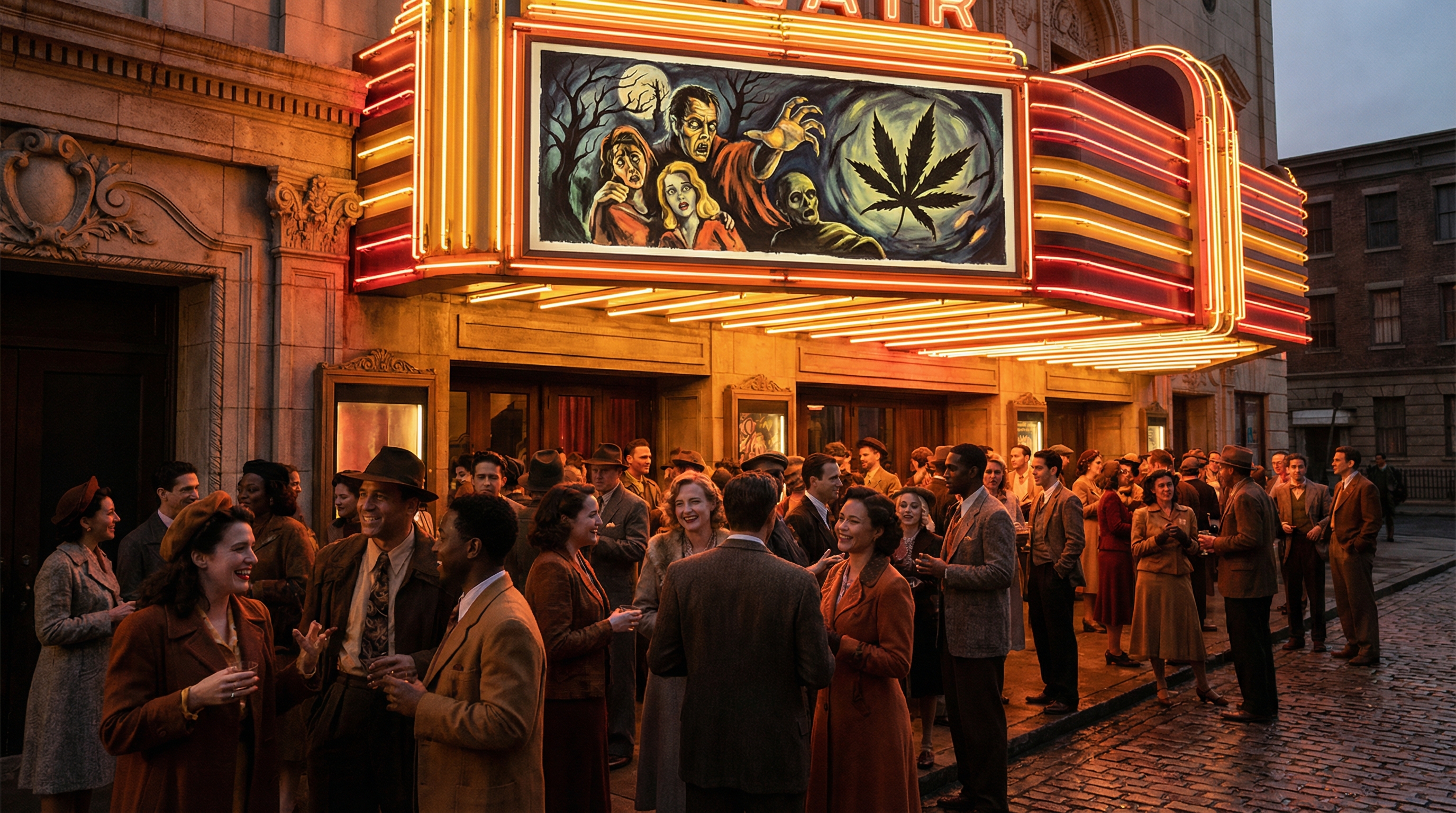
The Propaganda Era: When Cannabis Was the Villain (1930s-1950s)
The story begins in 1936 with a film so absurd it eventually became a comedy classic: Reefer Madness.
Originally titled Tell Your Children, a church group financed this film as a warning to parents. The plot follows high school students who try marijuana. According to the film, this leads to addiction, hallucinations, violence, and suicide—all from smoking a few joints.
Harry J. Anslinger heavily influenced the film. As the first head of the Federal Bureau of Narcotics, he ran a fear campaign. He linked cannabis to violence and insanity. His racist messaging also targeted Mexican immigrants and Black jazz musicians.
“The film portrayed marijuana as a ‘killer drug’ that transformed normal teenagers into violent criminals overnight.”
The Marijuana Tax Act of 1937 followed shortly after, effectively criminalizing cannabis nationwide. For the next three decades, Hollywood largely avoided the subject, and when cannabis did appear, it was always as a dangerous vice leading to ruin.
Films like High School Confidential (1958) continued this tradition, treating marijuana as a gateway to harder drugs and moral collapse.
The Counterculture Crack: A New Perspective Emerges (1960s)
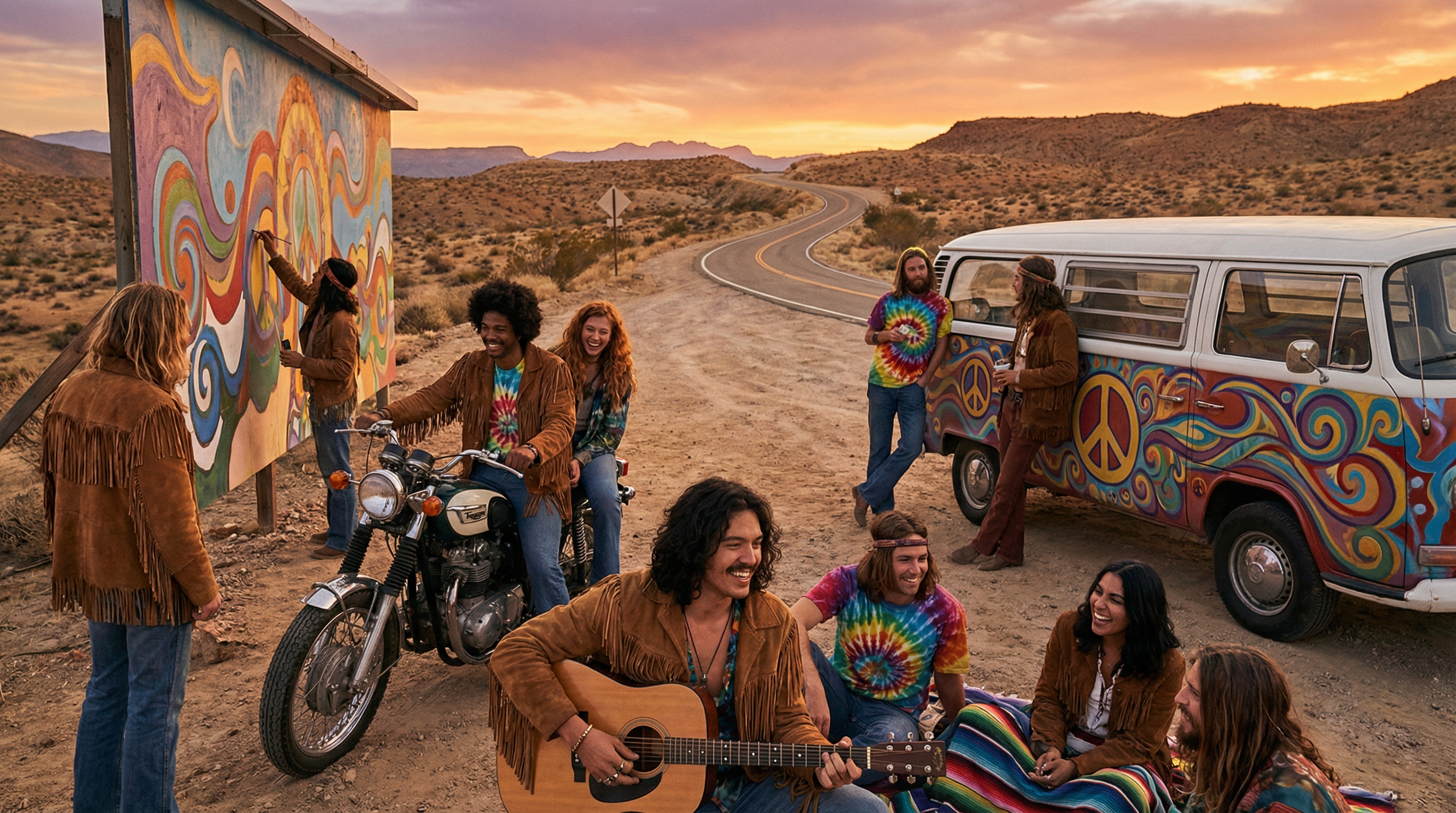
The cultural earthquakes of the 1960s cracked open cinema’s rigid stance on cannabis. Easy Rider (1969), starring Peter Fonda and Dennis Hopper, became a watershed moment.
The film still tied drug use to tragic endings (spoiler: it doesn’t end well for our heroes). But it showed cannabis use as something relatable. Smoking weed meant freedom, rebellion, and questioning the system.
For the first time, mainstream audiences saw weed smokers as seekers, not criminals. These characters were on a spiritual journey across America. The film made over $60 million on a tiny $400,000 budget. The counterculture had arrived in Hollywood.
Meanwhile, something unexpected was happening with Reefer Madness. In the early 1970s, the film was rediscovered by college students and began screening at midnight movie showings—not as a warning, but as an ironic comedy. Audiences would light up and laugh at the film’s absurd exaggerations, transforming propaganda into parody.
The Birth of Stoner Cinema: Cheech & Chong Light Up (1970s-1980s)
In 1978, everything changed.
Up in Smoke, starring comedy duo Cheech Marin and Tommy Chong, didn’t just feature cannabis—it celebrated it. The film follows two lovable slackers who accidentally smuggle a van made entirely of hardened marijuana resin across the Mexican border.
The numbers tell the story: made for just $2 million, the film grossed over $104 million worldwide. Hollywood had discovered that stoner comedy was box office gold.
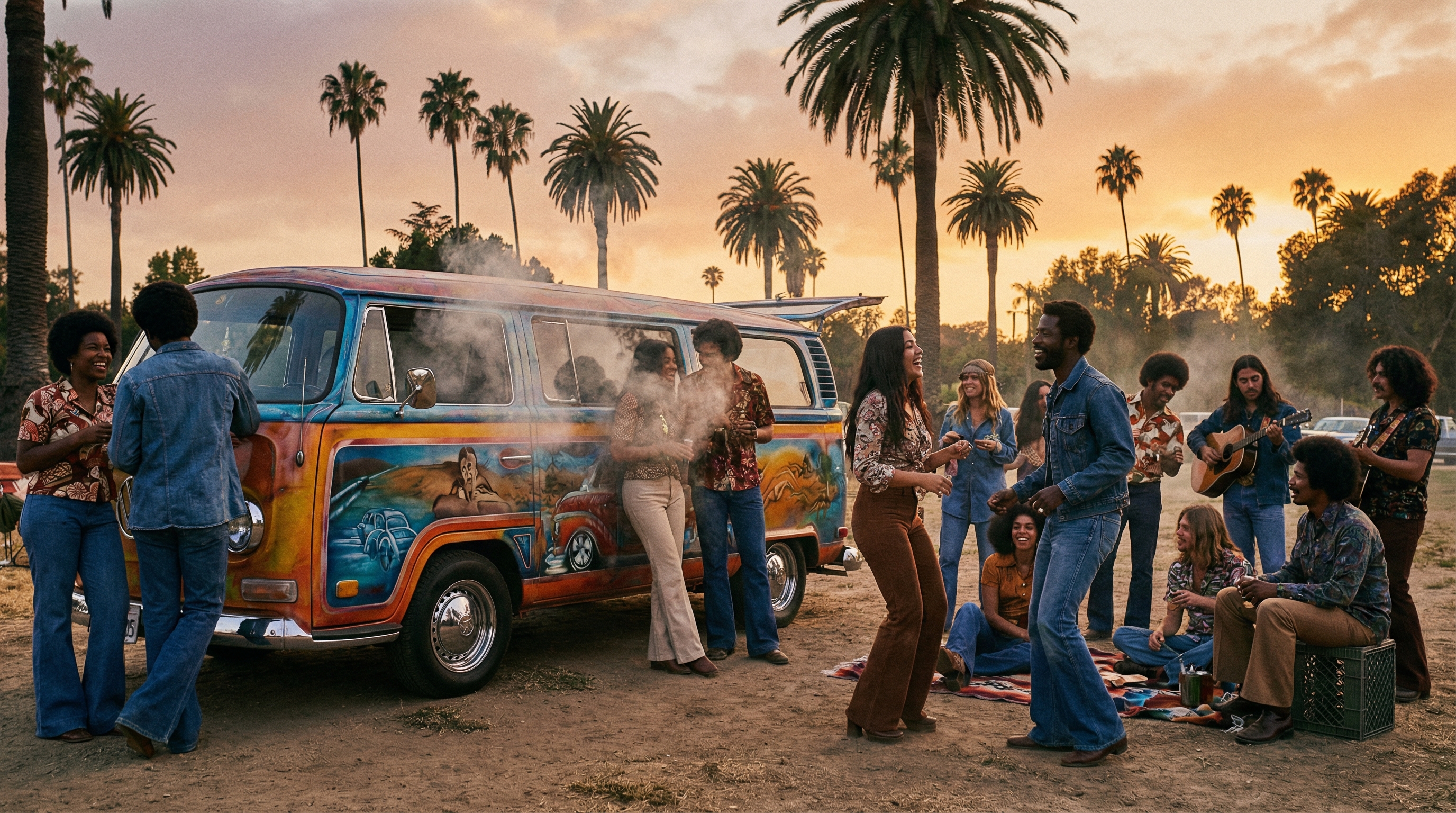
In 2024, the Library of Congress selected Up in Smoke for preservation in the National Film Registry, recognizing it as “culturally, historically, or aesthetically significant.” The film that mainstream critics dismissed had become a certified American classic.
Cheech & Chong followed with a string of sequels:
- Cheech and Chong’s Next Movie (1980)
- Nice Dreams (1981)
- Things Are Tough All Over (1982)
- Still Smokin’ (1983)
These films established the stoner comedy as a legitimate genre, complete with its own tropes: the munchies, paranoid misunderstandings, absurdist humor, and ultimately harmless protagonists who just want to enjoy their high in peace.
The Golden Age: Stoner Cinema Goes Mainstream (1990s-2000s)
The 1990s and 2000s saw stoner cinema evolve from counterculture curiosity to mainstream entertainment.
The Icons Emerge
Dazed and Confused (1993) gave us a nostalgic look at 1970s high school life, where cannabis was simply part of the social fabric. The film launched Matthew McConaughey’s career and gave us the immortal line: “That’s what I love about these high school girls, man. I get older, they stay the same age.”
Friday (1995) brought cannabis comedy to new audiences, with Ice Cube and Chris Tucker creating an instant classic set in South Central Los Angeles. The film spawned two sequels and proved that stoner comedy could transcend cultural boundaries.
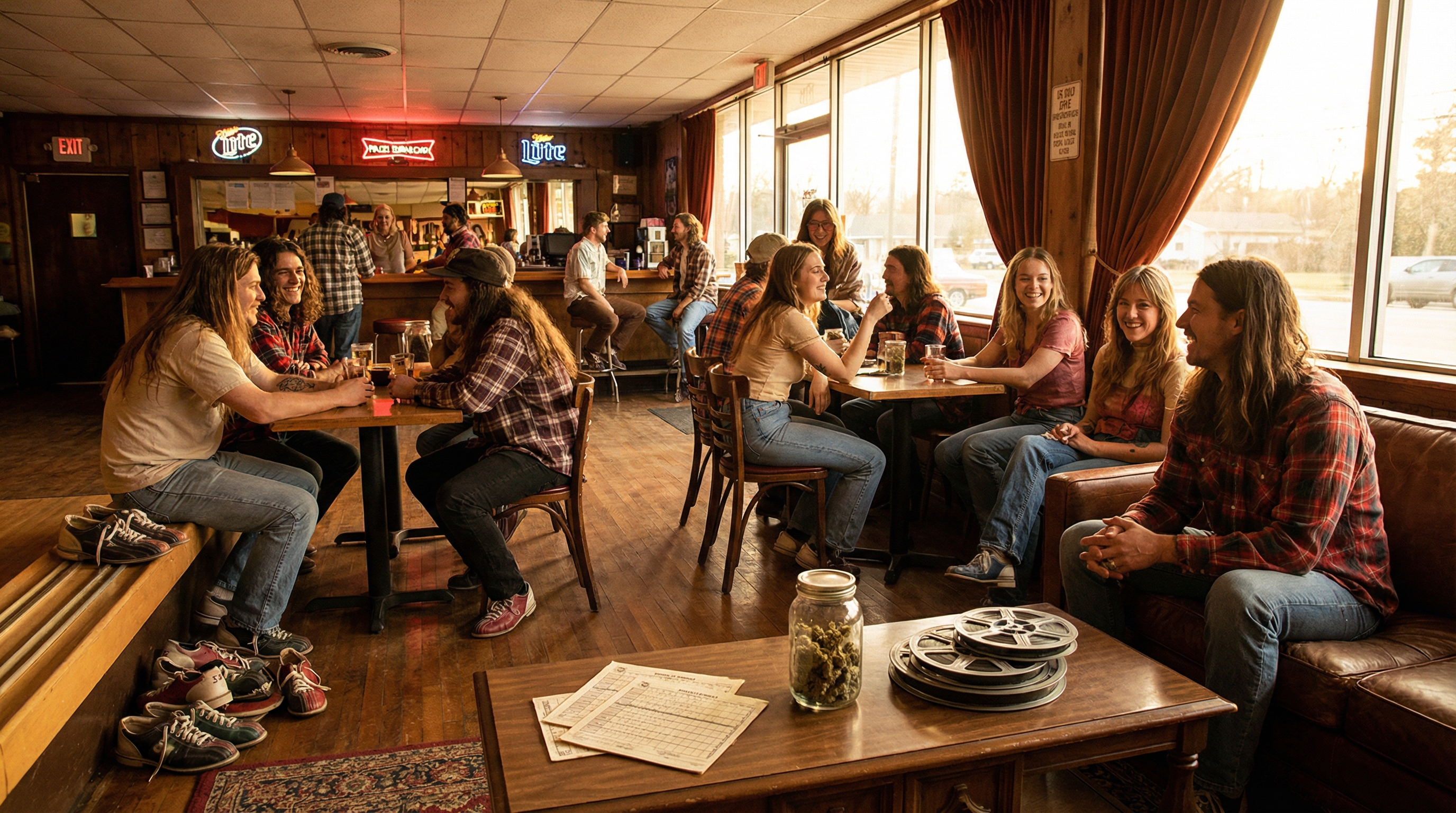
The Dude Abides
Then came The Big Lebowski (1998), and cinema gained its greatest stoner philosopher.
Jeff Bridges’ “The Dude” became an unlikely cultural icon. Here’s a man who faces kidnapping, nihilists, and rug theft. His response? A bathrobe, White Russians, and total calm. The film flopped at first but became a massive cult classic. It even spawned a real religion (Dudeism) and annual Lebowski Fests worldwide.
The Dude represented something new in cannabis cinema: not the bumbling fool or the dangerous criminal, but a man at peace with himself. As the film suggests, maybe “the Dude abides” is the wisest philosophy of all.
The 2000s Explosion
The new millennium brought a wave of stoner classics:
- Half Baked (1998) - Dave Chappelle’s love letter to cannabis culture
- Harold & Kumar Go to White Castle (2004) - Broke stereotypes with Asian-American leads
- Pineapple Express (2008) - Seth Rogen and James Franco created an action-comedy hybrid that grossed $101 million
These films moved cannabis from the margins to the mainstream, featuring characters who happened to smoke weed rather than being defined entirely by it.
What Terpenes Would Movie Stoners Love?
Here’s where cannabis science meets cinema. If we matched classic movie stoners to their ideal High Family, here’s what we’d recommend:
| Character | Movie | Ideal High Family | Why |
|---|---|---|---|
| The Dude | The Big Lebowski | Relax High | That laid-back, nothing-bothers-me vibe |
| Smokey | Friday | Uplift High | Social, giggly, porch-sitting energy |
| Dale Denton | Pineapple Express | Energy High | Needs to stay alert while running from hitmen |
| Jeff Spicoli | Fast Times | Balance High | Chill but functional enough for class |
| Harold & Kumar | Harold & Kumar | Entourage High | The full-spectrum munchie quest experience |
The myrcene-dominant strains that create that classic “couch-lock” effect would be perfect for a Big Lebowski marathon, while limonene-forward varieties might better suit the energetic chaos of Pineapple Express.
The Modern Era: Normalization and New Narratives
Today, cannabis in film has largely been normalized. Characters smoke weed the way earlier generations of movie characters smoked cigarettes—it’s simply part of life, not a defining characteristic or moral failing.
Television has perhaps gone even further, with shows like Weeds, High Maintenance, and Disjointed centering entire narratives around cannabis culture without treating it as scandalous.
Yet challenges remain. Cannabis users in media still fall into stereotypes. They’re either the “bumbling idiot” in comedies or the “weird outcast” in dramas. There’s room for better portrayals. We need to see medical patients, professionals who consume responsibly, and stories set in legal markets.
The Cultural Impact: More Than Just Entertainment
Looking back at 90 years of cannabis cinema, the impact is undeniable:
- Normalization: Stoner comedies made cannabis use seem harmless and even endearing
- Community: Films created shared cultural touchstones for cannabis enthusiasts
- Shifting Perceptions: Each generation’s films reflected—and influenced—changing attitudes
- Economic Proof: Box office success proved mainstream appetite for cannabis content
The journey from Reefer Madness to The Big Lebowski mirrors society’s own evolution on cannabis. What was once depicted as instant insanity is now portrayed as… just another way to relax and enjoy life.

Your Perfect Movie Night Strain Match
Ready to pair your next movie marathon with the perfect strain? Understanding your terpene preferences can help you find the ideal companion for different film genres:
- Comedies: Look for limonene and terpinolene for uplifted, giggly vibes
- Mind-benders: Pinene can help maintain focus and mental clarity
- Chill classics: Myrcene-dominant strains for deep relaxation
- Action films: Balanced hybrids from the Balance High family
The key is tracking what works for you. Everyone’s endocannabinoid system responds differently, so your perfect movie night strain might be completely different from your friend’s.
Key Takeaways
Here’s what 90 years of cannabis cinema teaches us:
- 1936-1960s: Cannabis was the villain. Films like Reefer Madness used fear to demonize users.
- 1969: Easy Rider cracked the door open. Cannabis became tied to freedom and counterculture.
- 1978: Up in Smoke changed everything. Cheech & Chong proved stoner comedy was box office gold.
- 1990s-2000s: The golden age arrived. Friday, The Big Lebowski, and Pineapple Express made cannabis mainstream.
- Today: Cannabis in film is normalized, but stereotypes persist. Better representation is still needed.
The movies didn’t just reflect changing attitudes—they helped shape them. From demon weed to The Dude, cinema has been a powerful force in cannabis culture.
Frequently Asked Questions
What was the first stoner comedy?
While earlier films featured cannabis, Up in Smoke (1978) is widely credited as establishing the stoner comedy genre. Cheech & Chong created the template that countless films would follow.
Why did Reefer Madness become a comedy?
In the 1970s, the film’s hysterical exaggerations seemed so absurd to audiences familiar with actual cannabis that it became unintentionally hilarious. Midnight screenings turned propaganda into parody.
What’s the highest-grossing stoner movie?
Pineapple Express (2008) earned over $101 million domestically. However, Up in Smoke (1978) adjusted for inflation would be significantly higher, having earned $104 million in 1978 dollars.
Is The Big Lebowski a stoner movie?
While not exclusively focused on cannabis, The Dude’s constant consumption and laid-back philosophy have made it a beloved classic in stoner cinema. The film has spawned Lebowski Fests and even an actual religion (Dudeism).
What’s next for cannabis in cinema?
As legalization expands, expect more nuanced portrayals: medical patients, cannabis professionals, and stories set in legal markets. The “stoner as bumbling fool” trope is slowly giving way to more realistic representations.
The evolution of cannabis in cinema reflects our own cultural journey—from fear to curiosity to acceptance. Whatever your favorite film, understanding your unique response to different strains can make movie night even better. The Dude would approve.


