Indica vs Sativa: Why These Labels Don't Predict Your High
A 90,000-sample study proves indica and sativa labels don't predict effects. Learn what actually matters: terpenes and cannabinoid ratios.

Professor High
Your friendly cannabis educator, bringing science-backed knowledge to the community.
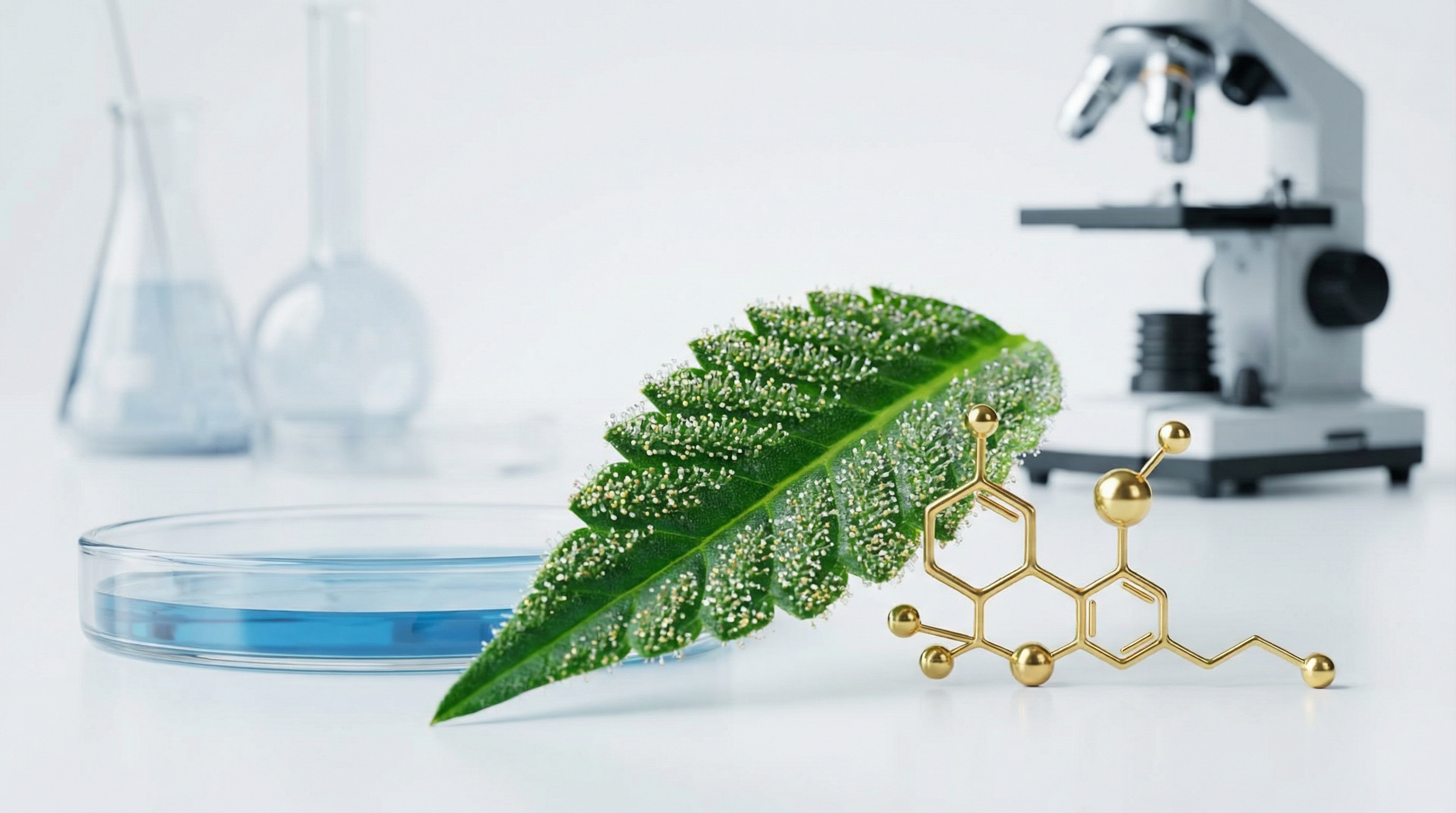
Indica and sativa labels describe how a cannabis plant grows, not how it makes you feel. Dr. Ethan Russo, one of the world’s leading cannabinoid researchers, put it bluntly in a 2016 interview: “The sativa/indica distinction as commonly applied in the lay literature is total nonsense and an exercise in futility.” The science backs him up—and once you understand why, you’ll never shop by these labels again.
The Numbers Don’t Lie: 90,000 Samples Analyzed
In 2022, researchers published the largest analysis of commercial cannabis ever conducted. They examined 89,923 samples from six US states with complete cannabinoid and terpene data.
Their finding? Products labeled “indica,” “sativa,” and “hybrid” were chemically intermingled with no obvious segregation. The study, published in PLOS ONE, concluded that “commercial labels do not consistently align with the observed chemical diversity.”
When the researchers compared labeling systems, the indica/sativa/hybrid framework performed worse than simply grouping strains by their dominant terpene. The labels we’ve relied on for decades are less useful than looking at one chemical compound.
Where These Labels Actually Came From
In the 1700s, biologists classified cannabis into species based on plant structure:
- Cannabis indica: Short, bushy plants with wide leaves from the Hindu Kush mountains
- Cannabis sativa: Tall, thin plants with narrow leaves from equatorial regions
This made sense for farmers. Indica plants flower faster and handle cold better. Sativa plants grow taller and prefer warm climates.
But somewhere along the way, dispensary marketing hijacked these agricultural terms. “Indica for nighttime, sativa for daytime” became gospel—despite having no scientific basis.
As Dr. Russo explains: “One cannot in any way currently guess the biochemical content of a given Cannabis plant based on its height, branching, or leaf morphology.”
The Real Problem: Decades of Crossbreeding
A 2015 study in PLOS ONE conducted the first large-scale genetic analysis of cannabis, examining 81 marijuana and 43 hemp samples. The researchers found that modern cannabis strains are so heavily crossbred that the original indica/sativa distinction has been scrambled beyond recognition.
That “pure indica” at your dispensary? It’s been crossed with sativa genetics dozens of times over the past 50 years. The genetic diversity within strains labeled “indica” is now as large as the diversity between “indica” and “sativa.”
What Actually Determines Your High
Skip the labels. Focus on these three factors:
🌿 1. Terpene Profile (The Primary Driver)
Terpenes are aromatic compounds that shape your cannabis experience far more than any indica/sativa label. Here’s what the research shows:
| Terpene | Effect Profile | Key Research |
|---|---|---|
| Myrcene | Sedating, muscle relaxant, “couch-lock” | Dr. Russo identifies this as the actual cause of “indica-like” sedation |
| Limonene | Anxiety-reducing, mood elevation | 2024 Johns Hopkins study: reduced THC-induced anxiety |
| Pinene | Alertness, memory retention | May counteract THC’s short-term memory effects |
| Linalool | Calming, anti-anxiety | Modulates NMDA receptors for relaxation |
| Caryophyllene | Anti-inflammatory, stress relief | The only terpene that activates CB2 receptors |
The pattern is clear: Want relaxation? Look for high myrcene and linalool. Want energy? Prioritize limonene and pinene. The terpene profile tells you more in 10 seconds than the indica/sativa label ever could.
🧬 2. THC:CBD Ratio (Intensity & Character)
The balance between THC and CBD dramatically changes the experience:
| Ratio | Experience | Best For |
|---|---|---|
| High THC, Low CBD (20%+ THC, <1% CBD) | Intense, euphoric, potential anxiety | Experienced users, strong effects |
| Balanced (1:1 to 2:1) | Moderate high, reduced anxiety | Beginners, medical users, daytime |
| High CBD, Low THC (<5% THC, 10%+ CBD) | Clear-headed, functional | Anxiety, pain, avoiding impairment |
A “sativa” with 28% THC will hit harder than an “indica” with 15% THC. Every time. The label doesn’t override the chemistry.
🔬 3. The Entourage Effect (It’s Real)
For years, the “entourage effect”—the idea that cannabis compounds work together synergistically—was theoretical. Not anymore.
In 2024, researchers at Johns Hopkins and UC Boulder conducted a double-blind, placebo-controlled study. They found that vaporizing d-limonene alongside THC significantly reduced anxiety that THC alone would cause. The optimal combination was 30mg THC with 15mg limonene.
This is the first clinical evidence that terpenes don’t just add flavor—they actively modulate how cannabinoids affect you.
The Sedation Myth: CBD Isn’t Doing What You Think
Here’s something most people get wrong: the sedation of “indica” strains is commonly attributed to CBD content. Dr. Russo calls this out directly:
“The sedation of the so-called indica strains is falsely attributed to CBD content when, in fact, CBD is stimulating in low and moderate doses!”
The actual sedative? Myrcene. This terpene creates the “couch-lock” effect people associate with indicas. A high-myrcene “sativa” will be more sedating than a low-myrcene “indica.”
Stop looking at the label. Look at the myrcene percentage.
How to Actually Choose a Strain
Here’s Professor High’s practical framework:
Step 1: Define Your Goal (Be Specific)
Not “I want to relax” but:
- “I want to unwind after work without falling asleep”
- “I need help sleeping through the night”
- “I want to be social and creative at a party”
Step 2: Match Terpenes to Goals
| Your Goal | Terpenes to Seek | Terpenes to Avoid |
|---|---|---|
| Sleep | Myrcene (0.5%+), Linalool | Pinene, Limonene, Terpinolene |
| Anxiety relief | Limonene, Linalool, Caryophyllene | High myrcene without CBD |
| Focus/creativity | Pinene, Limonene, Terpinolene | Myrcene-dominant profiles |
| Pain relief | Caryophyllene, Myrcene, Linalool | — |
| Social energy | Limonene, Pinene, Terpinolene | High myrcene |
Step 3: Check THC Tolerance
- Low tolerance or anxiety-prone: Stay under 18% THC, seek some CBD content
- Moderate tolerance: 18-24% THC gives flexibility
- High tolerance: 24%+ THC, but terpenes still matter more than raw potency
Step 4: Ignore the Label
If a budtender says “this indica will knock you out” but the terpene profile shows high limonene and low myrcene, trust the chemistry. That “indica” might leave you wired.
Real Examples: When Labels Mislead
Blue Dream (Labeled “Sativa-Dominant Hybrid”)
- Dominant terpene: Myrcene (often 0.5-1%+)
- Secondary: Pinene, Caryophyllene
- Reality: Despite “sativa” marketing, high myrcene makes this relaxing for most people. The pinene adds mental clarity, preventing full sedation—but it’s not the energizing experience the label suggests.
Durban Poison (Labeled “Pure Sativa”)
- Dominant terpene: Terpinolene (unusual)
- Secondary: Myrcene, Limonene
- Reality: This one actually is energizing—but because of rare terpinolene dominance, not “sativa genetics.” Most strains labeled sativa won’t deliver this effect.
Granddaddy Purple (Labeled “Indica”)
- Dominant terpene: Myrcene
- Secondary: Pinene, Caryophyllene
- Reality: Yes, it’s sedating. But the myrcene is doing the work, not the indica label. Any high-myrcene strain would produce similar effects regardless of what it’s called.
The High Families Approach
At This Is Why I’m High, we’ve moved beyond indica and sativa with the High Families—a chemistry-based system that maps strains by what actually matters.
Instead of asking “indica or sativa?”, the High Families answer:
- What’s the dominant terpene driving this strain’s effects?
- Is this strain likely to be sedating, energizing, or balanced?
- What consumption context does this chemistry suggest?
This isn’t marketing—it’s what 90,000 samples of data support.
FAQs
Q: Should I completely ignore indica/sativa labels?
Yes, for predicting effects. These labels describe plant structure, not your experience. A 2022 study of 89,923 cannabis samples found indica and sativa products were chemically intermingled. Look at terpene profiles and THC:CBD ratios instead.
Q: What’s the best terpene for sleep?
Myrcene is the most sedating terpene, responsible for the “couch-lock” effect. Look for strains with myrcene as the dominant terpene (0.5%+) and avoid high pinene or limonene, which promote alertness.
Q: Can a sativa make you sleepy?
Absolutely. A “sativa” with high myrcene and 25%+ THC can be more sedating than a low-THC “indica” with energizing terpenes. The 2022 PLOS ONE study confirmed that labels don’t predict chemical composition—or effects.
Q: Why do dispensaries still use indica/sativa?
Simplicity and tradition. It’s easier to say “indica for nighttime” than to explain terpene chemistry. Some dispensaries are shifting toward effect-based categories (calm, energize, balance), which is more scientifically accurate.
Q: Is the entourage effect proven?
Yes. A 2024 Johns Hopkins/UC Boulder study provided the first clinical evidence: combining THC with the terpene limonene significantly reduced THC-induced anxiety without diminishing therapeutic effects. Terpenes actively modulate cannabinoid effects.
Q: What actually causes “indica-like” sedation?
Myrcene, not CBD or indica genetics. Dr. Ethan Russo notes that CBD is actually “stimulating in low and moderate doses.” The sedation people attribute to indicas comes from myrcene content, a monoterpene that crosses the blood-brain barrier and produces relaxation.
Key Takeaways
- Indica and sativa describe plant shape, not effects. A 90,000-sample study found these labels chemically meaningless.
- Terpenes are the primary driver of effects. Myrcene sedates. Limonene uplifts. Pinene focuses. Learn the terpenes, ignore the labels.
- The entourage effect is clinically proven. Terpenes actively modulate how THC affects you—this isn’t marketing, it’s 2024 research.
- THC:CBD ratio matters more than indica/sativa. A high-THC “indica” hits harder than a moderate-THC “sativa.”
- Shop by chemistry, not category. Ask for terpene profiles, check lab results, match compounds to your goals.
Explore Strains by Chemistry
Ready to ditch the labels? Browse our strain database with full terpene profiles and High Families classifications. Or dive deeper into cannabis science to understand exactly how these compounds shape your experience.
Your high shouldn’t be a guessing game. Let the chemistry guide you.
Sources:
- Smith et al. (2022). “The phytochemical diversity of commercial Cannabis in the United States.” PLOS ONE. PMC9119530
- Sawler et al. (2015). “The Genetic Structure of Marijuana and Hemp.” PLOS ONE. 10.1371/journal.pone.0133292
- Russo, E. (2016). “The Cannabis sativa Versus Cannabis indica Debate.” Cannabis and Cannabinoid Research. PMC5576603
- Beal et al. (2024). “Vaporized D-limonene selectively mitigates the acute anxiogenic effects of Δ9-THC.” Drug and Alcohol Dependence. ScienceDirect


