The Science Behind the Munchies: Why Cannabis Makes You Hungry
Learn how THC hijacks your brain's hunger system through CB1 receptors and ghrelin. Plus, discover THCV—the appetite-suppressing cannabinoid.

You told yourself you wouldn’t do it this time. You had a sensible dinner. You’re not even hungry. But thirty minutes after that first hit, you’re standing in front of an open refrigerator at midnight, constructing a sandwich that would make a stoned architect proud.
Welcome to the munchies—one of cannabis’s most universal and least understood effects.
But here’s what’s fascinating: this isn’t just “getting high and losing self-control.” Your brain is literally being rewired to crave food. Scientists have spent decades unraveling exactly how THC hijacks your hunger systems, and the mechanisms they’ve discovered are genuinely remarkable.
Let’s dive into what’s actually happening in your brain when that late-night pizza suddenly seems like the best idea you’ve ever had.
The Hunger Control Center: Your Hypothalamus
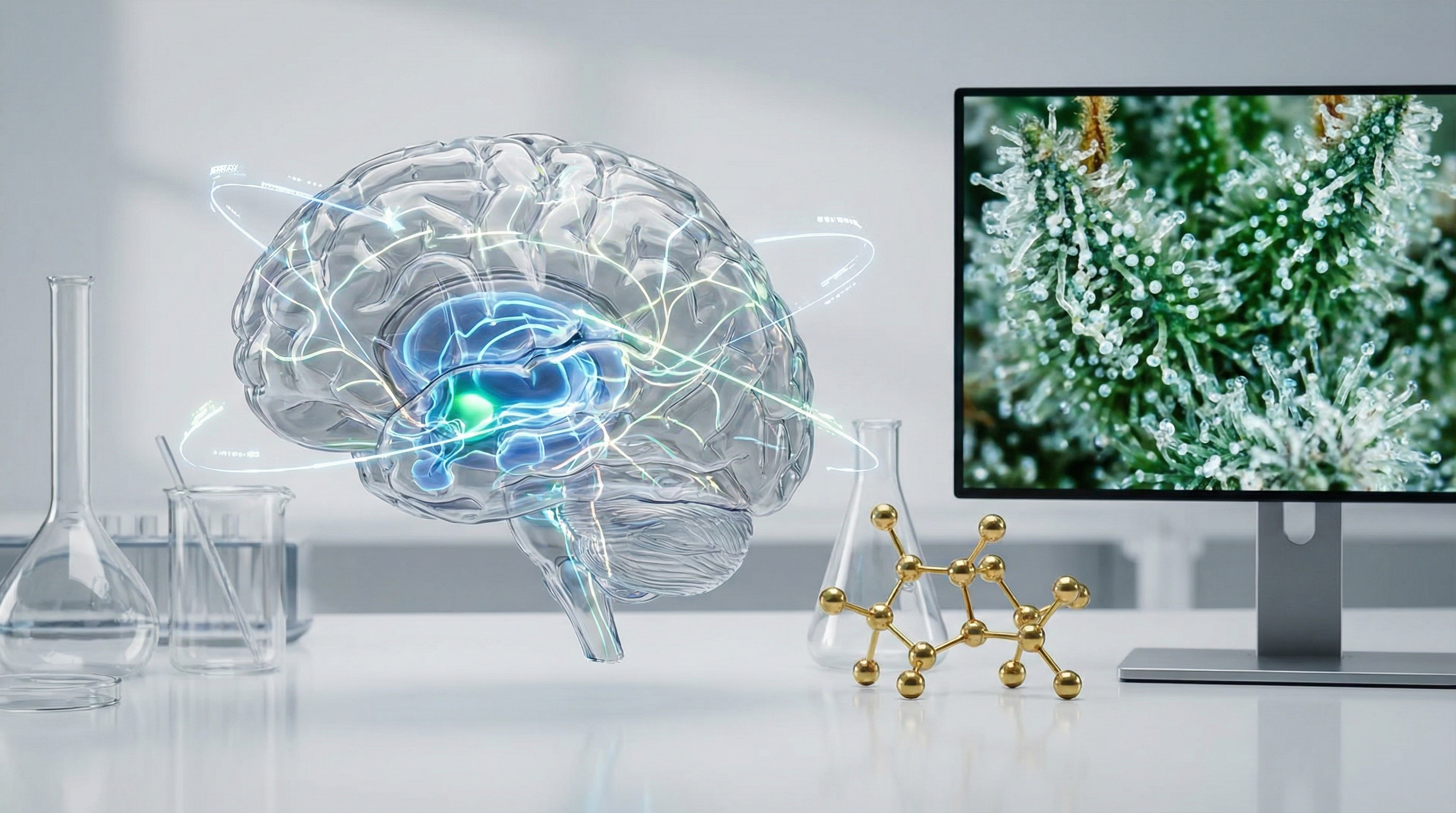
Your brain has a dedicated region for controlling hunger, energy balance, and metabolism: the hypothalamus. Think of it as mission control for your appetite.
Within the hypothalamus, specialized neurons constantly monitor your energy status and send signals that either promote eating (orexigenic) or suppress it (anorexigenic). Under normal circumstances, these systems keep your food intake reasonably balanced.
Cannabis throws a wrench into this finely tuned machinery.
A groundbreaking 2024 study from Washington State University used calcium imaging—a technique that lets researchers watch neurons fire in real-time—to observe what happens in mouse brains when they’re exposed to cannabis vapor. What they found was striking: cannabis activated a very specific set of neurons in the hypothalamus, and these neurons lit up both when the mice anticipated food and when they consumed it.
In other words, cannabis doesn’t just make you hungry. It makes you excited about being hungry.
CB1 Receptors: The Molecular Key
The endocannabinoid system is a vast network of receptors and signaling molecules that exists throughout your body. The CB1 receptor is the most abundant receptor in this system, and it’s heavily concentrated in brain regions that control appetite, reward, and pleasure.
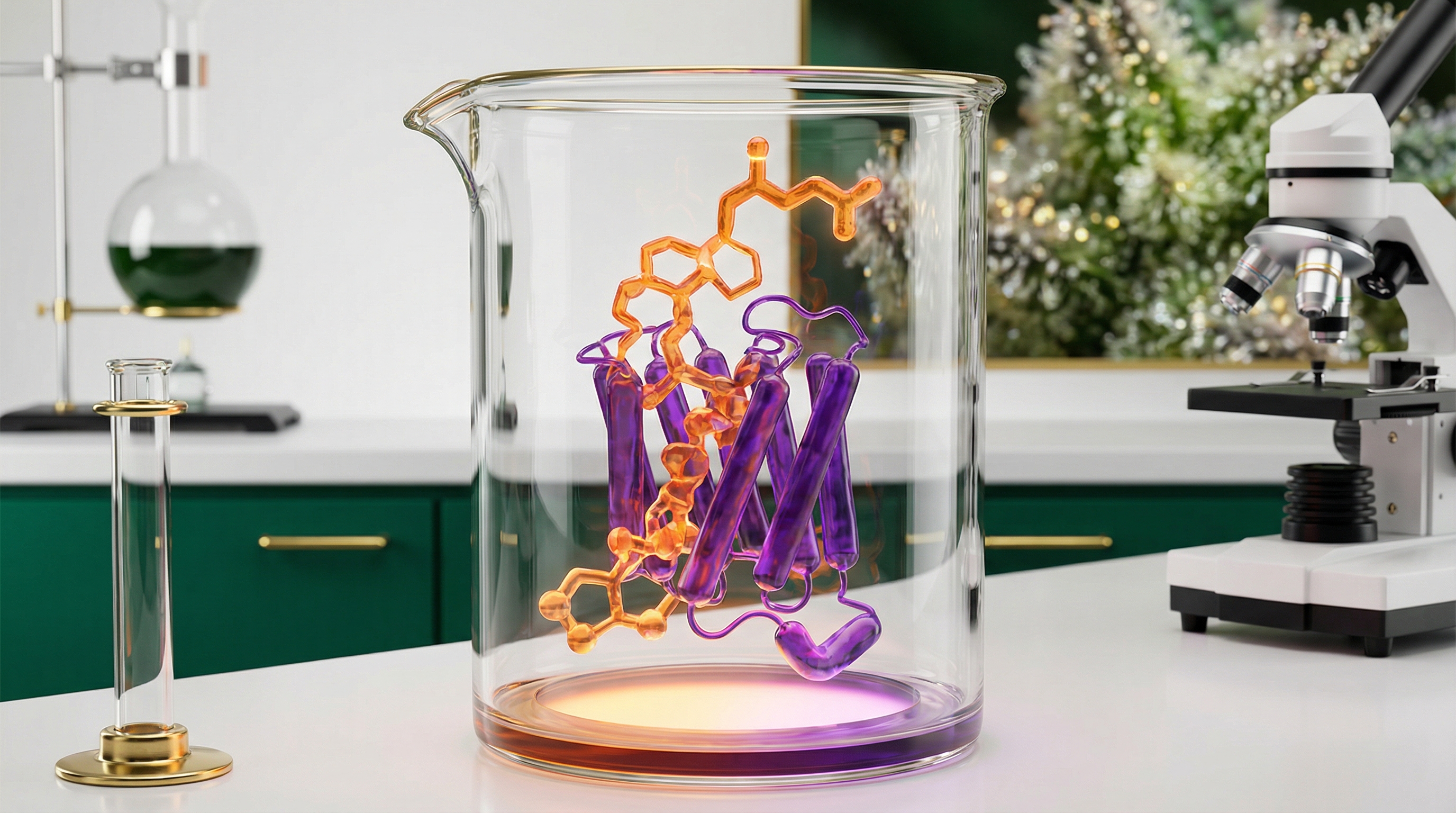
THC—the primary psychoactive compound in cannabis—is a near-perfect molecular fit for CB1 receptors. When THC binds to CB1 receptors in your hypothalamus, it triggers a cascade of effects:
- Increased ghrelin release — The “hunger hormone” surges
- Enhanced food reward signals — Food becomes more pleasurable
- Suppressed satiety signals — Your “I’m full” alarm gets muted
- Heightened sensory perception — Tastes and smells become more vivid
This is why a simple bag of chips can feel like a transcendent culinary experience when you’re high. Your brain is genuinely processing food differently.
The Paraventricular Nucleus: Ground Zero
Research has pinpointed the paraventricular nucleus (PVN) of the hypothalamus as a critical site for THC’s appetite effects. A study in Brain Research found that when CB1 receptors in this specific region were blocked with an antagonist drug, THC’s ability to stimulate feeding was completely eliminated.
This tells us something important: the munchies aren’t a vague, whole-brain phenomenon. They’re the result of THC activating very specific circuits in very specific locations.
The Ghrelin Connection: Your Hunger Hormone Works Through Cannabis Receptors
Here’s where the science gets really interesting.
Ghrelin is a hormone produced primarily in your stomach. When your stomach is empty, ghrelin levels rise, signaling to your brain that it’s time to eat. It’s often called the “hunger hormone” because of its powerful appetite-stimulating effects.
For years, scientists knew that both ghrelin and cannabis increased appetite, but they assumed these were separate pathways. Then came a series of studies that revealed something surprising: ghrelin’s hunger signal actually works through the endocannabinoid system.
A landmark paper found that when researchers blocked CB1 receptors with an antagonist drug, ghrelin could no longer stimulate appetite. The CB1 blocker completely shut down ghrelin’s orexigenic effects.
Even more remarkably, researchers discovered that ghrelin receptors and CB1 receptors can physically combine to form heteromers—hybrid receptors that have unique properties neither receptor has alone. These ghrelin/CB1 heteromers appear to be particularly important in the striatum, a brain region involved in reward and motivation.
What this means in practical terms: THC doesn’t just mimic hunger signals. It amplifies and synergizes with your body’s own hunger system.
Why Food Tastes Better High: The Reward Pathway
The munchies aren’t just about increased hunger—they’re about increased pleasure from eating.
A February 2025 study in the Journal of Neuroscience examined how ghrelin recruits the endocannabinoid system specifically in the ventral tegmental area (VTA)—the brain’s reward center. This region is responsible for the “that feels good, do it again” signals that drive motivated behavior.
When ghrelin activates CB1 receptors in the VTA, it enhances the rewarding properties of food. This is why that first bite of pizza doesn’t just satisfy hunger—it triggers a wave of pleasure that makes you want more, and more, and more.
This reward enhancement explains a peculiar aspect of the munchies: you don’t just eat because you’re hungry. You eat because eating feels amazing.
The Sensory Enhancement Effect
Cannabis also enhances the sensory experience of eating through mechanisms beyond the reward system:
- Enhanced olfactory processing — Smells become more vivid and appealing
- Altered taste perception — Flavors seem more intense and complex
- Reduced sensory habituation — Each bite stays interesting instead of becoming monotonous
This is why stoners have such a reputation for creative food combinations. When everything tastes fascinating, why not put hot sauce on ice cream?
Medical Applications: When Munchies Are Medicine
While the munchies might be an annoyance for recreational users trying to maintain their waistline, this same effect is genuinely life-saving for certain patients.
Cachexia and Wasting Syndromes
Cachexia is a wasting syndrome characterized by severe weight loss, muscle atrophy, and loss of appetite. It’s common in patients with cancer, HIV/AIDS, and other chronic conditions, and it significantly impacts quality of life and survival.
The FDA approved dronabinol (synthetic THC) specifically for treating AIDS-related anorexia and chemotherapy-induced nausea back in 1985. For patients who literally cannot feel hungry, THC’s appetite-stimulating properties aren’t a side effect—they’re the entire point.
A 2021 systematic review and meta-analysis examined the evidence for cannabis-based medicines in treating cachexia. While results were mixed, the pooled analysis showed that cannabinoids significantly increased appetite in cancer patients compared to placebo.
Elderly Patients with Poor Appetite
A 2025 randomized controlled trial studied THC and CBD in older patients with poor appetite. This was a rigorous triple-blinded, placebo-controlled crossover design—the gold standard for clinical research.
The results showed that cannabinoids helped stimulate appetite in elderly patients who struggled to eat adequately. For aging populations dealing with decreased appetite and unintentional weight loss, this represents a potentially valuable therapeutic option.
THCV: The “Diet Weed” Cannabinoid
Now here’s a plot twist in the munchies story.
Not all cannabinoids stimulate appetite. Tetrahydrocannabivarin (THCV) is a minor cannabinoid that does something fascinating: at typical doses, it actually suppresses appetite.
How is this possible when THC does the opposite?
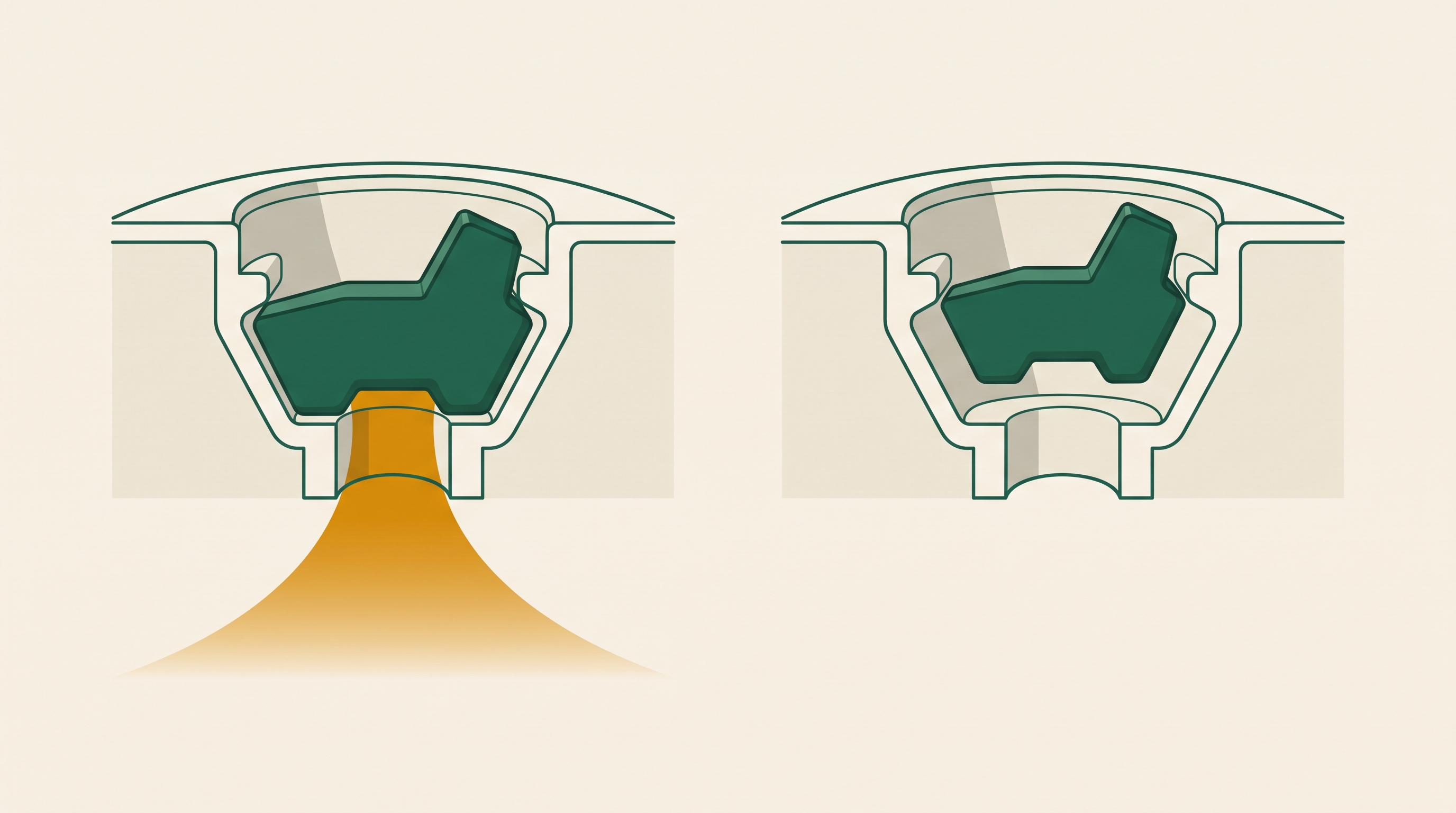
THCV is what pharmacologists call a CB1 neutral antagonist. Instead of activating CB1 receptors like THC does, THCV blocks them. It’s like putting a key in a lock but not turning it—the receptor is occupied but not activated, and THC can’t get in.
Research has shown that THCV:
- Decreases appetite and increases satiety in rodent studies
- Produces hypophagic effects (reduced food intake) in both fasted and non-fasted mice
- May be therapeutic for obesity and metabolic syndrome at doses around 10mg
This has earned THCV the nickname “diet weed” in cannabis circles. Some strains naturally higher in THCV—like Durban Poison and Doug’s Varin—are sought after by users who want the effects of cannabis without the aggressive snacking.
A Word of Caution on THCV
THCV’s effects are dose-dependent and somewhat paradoxical:
- Low doses (under 10mg): Tend to suppress appetite
- High doses: May actually stimulate appetite
Most cannabis strains contain very little THCV, so you’d need to specifically seek out high-THCV products if appetite suppression is your goal.
Practical Strategies for Managing the Munchies
Understanding the science is great, but what do you actually do about it?
Before You Consume
-
Eat a balanced meal first — Don’t consume cannabis on an empty stomach. Having food in your system means ghrelin levels are already suppressed.
-
Prepare healthy snacks — Stock your environment with options you won’t regret. Fruit, vegetables with hummus, popcorn, and nuts satisfy munchies without derailing your nutrition.
-
Consider your strain — While individual responses vary, some users report that strains with THCV content or certain terpene profiles produce less intense munchies.
During Your Session
-
Stay hydrated — Sometimes what feels like hunger is actually thirst, especially since cannabis can cause dry mouth. Keep water nearby.
-
Distract yourself — The munchies often pass if you’re engaged in an activity. Once the initial wave subsides, you may find the urge diminishes.
-
Mindful eating — If you’re going to eat, eat slowly and pay attention. The enhanced sensory experience means you might be satisfied with less if you actually focus on it.
The Tracking Approach
Here’s something the research supports: individual responses to cannabis vary significantly. Some people get intense munchies from certain strains and almost none from others. The only way to know your patterns is to track them.
Note which products, strains, and consumption methods affect your appetite and how. Over time, you’ll develop a personal map of what works for your goals—whether that’s stimulating appetite when you need it or avoiding the refrigerator at 2 AM.
The Evolutionary Perspective
Why would our brains have receptors that respond to cannabis in the first place?
The endocannabinoid system didn’t evolve for cannabis—it evolved to respond to endocannabinoids, molecules your body produces naturally. Anandamide and 2-AG are the two primary endocannabinoids, and they help regulate appetite, mood, pain, and many other functions.
From an evolutionary standpoint, having a system that promotes food-seeking behavior when energy stores are low makes perfect sense. The drive to eat—and the pleasure derived from eating—helped our ancestors survive in environments where food was scarce.
Cannabis just happens to contain molecules that powerfully activate this ancient survival system. The munchies, in a sense, are your brain’s starvation response being triggered artificially.
Key Takeaways
The science of the munchies reveals several important insights:
-
It’s not lack of willpower — THC literally rewires your hunger circuits by activating CB1 receptors in the hypothalamus.
-
Ghrelin and cannabinoids are connected — Your body’s hunger hormone works through the same receptors that THC activates.
-
Food genuinely becomes more rewarding — The VTA reward pathway enhancement means eating feels more pleasurable, not just more urgent.
-
Medical applications are real — For patients with cachexia or appetite loss, this effect is therapeutic.
-
THCV offers an alternative — This minor cannabinoid can actually suppress appetite by blocking CB1 receptors.
-
Individual responses vary — Tracking your experiences helps you understand your personal patterns.
The munchies might be the most joked-about effect of cannabis, but the neuroscience behind them is genuinely fascinating. Your brain’s hunger system is an intricate machine, and THC has found the exact buttons to push. Understanding why that late-night snack attack happens is the first step toward managing it—or, if you’re dealing with appetite loss, harnessing it for your benefit.
Sources
- Winters, N.D., et al. (2024). “Cannabis Sativa targets mediobasal hypothalamic neurons to stimulate appetite.” Scientific Reports. Washington State University.
- Kola, B., et al. (2008). “The Orexigenic Effect of Ghrelin Is Mediated through Central Activation of the Endogenous Cannabinoid System.” PLOS One.
- Tucci, S.A., et al. (2004). “The cannabinoid CB1 receptor antagonist SR141716 blocks the orexigenic effects of intrahypothalamic ghrelin.” British Journal of Pharmacology.
- Avalos, B., et al. (2025). “Ghrelin Recruits the Endocannabinoid System to Modulate Food Reward.” Journal of Neuroscience.
- Kirkham, T.C. (2005). “Endocannabinoids in the regulation of appetite and body weight.” Behavioural Pharmacology.
- Thomas, A., et al. (2005). “Evidence that the plant cannabinoid Δ9-tetrahydrocannabivarin is a cannabinoid CB1 and CB2 receptor antagonist.” British Journal of Pharmacology.
- Abrams, D.I., et al. (2021). “The Effect of Cannabis-Based Medicine in the Treatment of Cachexia: A Systematic Review and Meta-Analysis.” International Journal of Molecular Sciences.
- Tudge, L., et al. (2020). “Δ9-Tetrahydrocannabivarin (THCV): a commentary on potential therapeutic benefit for the management of obesity and diabetes.” Journal of Cannabis Research.


