Cannabis and Drug Testing: How Long THC Stays in Your System
How long does THC stay in your system? Urine, blood, hair, and saliva detection windows explained — plus the factors that affect your personal timeline.


Whether you’re starting a new job, facing a routine workplace screening, or just curious about how your body processes cannabis, understanding THC detection windows is genuinely useful knowledge. For deeper context on how your body processes cannabinoids, see our guide to cannabis pharmacokinetics. Drug testing can feel stressful and opaque, but the science behind it is surprisingly straightforward once you know what’s actually being measured. If you’re new to cannabis, you may also want to check out our beginner’s guide to cannabis strains and our list of 100 cannabis tips every consumer should know for broader context.
Updated June 2026: Major federal developments since this article was first published: the DOJ partially rescheduled medical cannabis to Schedule III (April 28, 2026), multiple states enacted new workplace protections, and oral fluid testing standards continue to evolve. Federal workplace drug testing panels and cutoffs remain unchanged. This update reflects the current legal and scientific landscape as of June 2026.
Goal & Overview
What you’ll accomplish: By the end of this guide, you’ll understand exactly how THC is metabolized, how long it remains detectable across all four major test types (urine, blood, saliva, and hair), and what factors influence your personal detection window. You’ll also learn practical, evidence-based strategies for managing your timeline.
Estimated time to read: 12–15 minutes
Difficulty level: Beginner — no prior science knowledge needed
Important disclaimer: This guide is for educational purposes only. It is not medical or legal advice. Drug testing policies vary by employer, jurisdiction, and context. Always consult with a qualified professional regarding your specific situation. Never attempt to tamper with or falsify a drug test, as this may carry legal consequences.
What You’ll Need to Know Before We Start
Required Knowledge
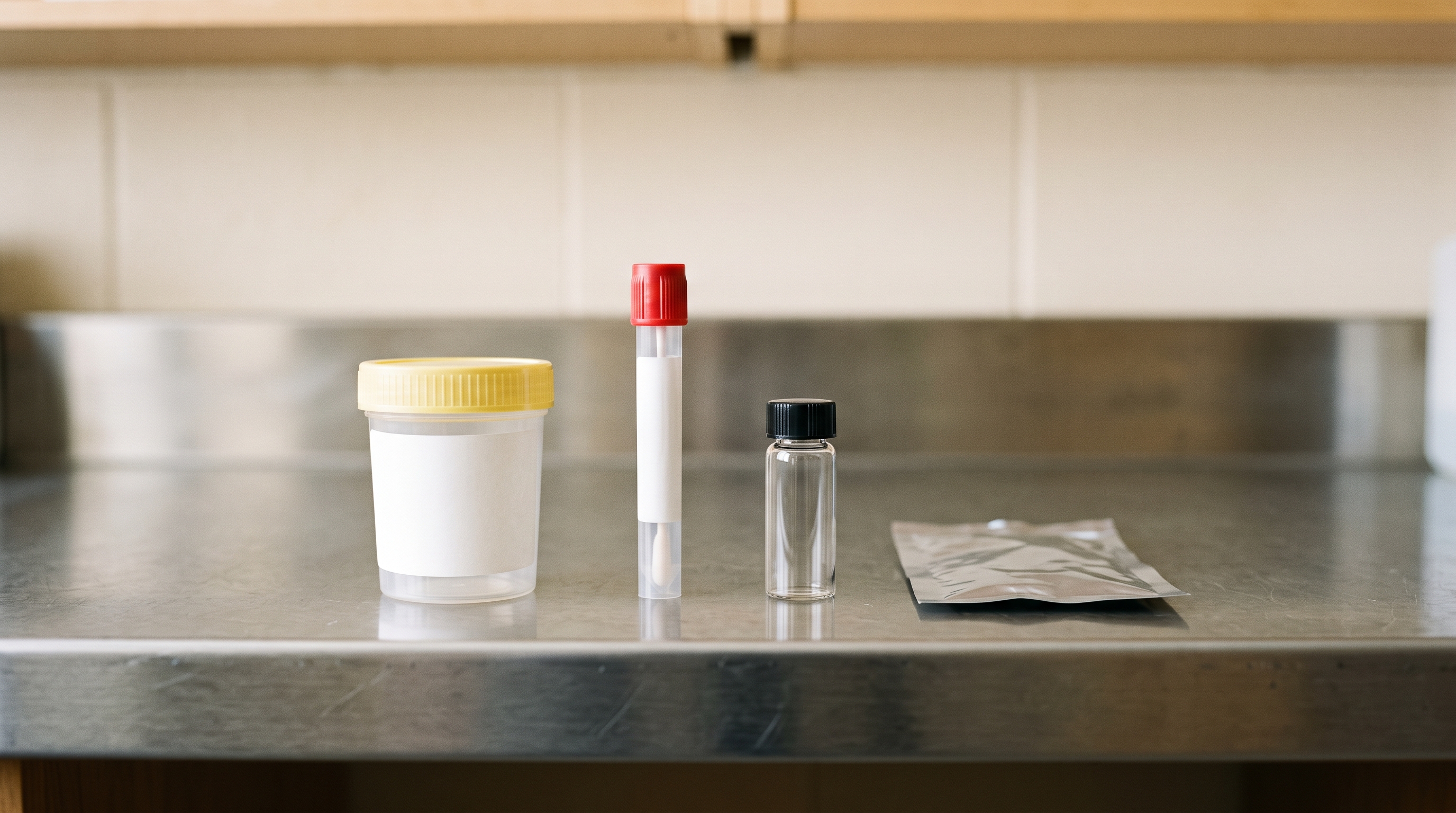
- Your test type — urine, blood, saliva, or hair (ask your employer or testing facility if unsure)
- Your usage frequency — single use, occasional, regular, or daily
- Your approximate timeline — how many days until the test
Optional (But Helpful)
- Your body composition details — body fat percentage, metabolism speed, activity level
- The specific cutoff level — most standard urine tests use 50 ng/mL, but some use 20 ng/mL
- Your hydration habits — daily water intake matters more than you might think
Safety & Legal Considerations
- Never use synthetic urine or adulterants — labs test for these, and getting caught can be worse than a positive result
- Know your rights — some states and localities have protections for off-duty cannabis use; research your jurisdiction
- Medical cannabis patients — disclosure laws vary; consult a legal professional about your specific protections
Step-by-Step Instructions: Understanding Your Detection Window
Step 1: Understand What Drug Tests Actually Measure
Here’s something most people don’t realize: standard drug tests don’t look for THC itself. They look for THC-COOH (11-nor-9-carboxy-Δ9-tetrahydrocannabinol), a metabolite your liver produces as it breaks down THC [Huestis, 2007].
This distinction matters enormously. THC’s psychoactive effects last a few hours, but THC-COOH is fat-soluble, meaning it gets stored in your adipose (fat) tissue and released slowly over days or weeks. That’s why cannabis has a much longer detection window than most other substances — it’s not because it’s “worse,” it’s because of basic biochemistry.
Here’s the metabolic process in simple terms:
- You consume cannabis (smoke, vape, edible, etc.)
- THC enters your bloodstream and reaches your brain (producing effects)
- Your liver converts THC into 11-OH-THC (still psychoactive) and then into THC-COOH (not psychoactive)
- THC-COOH is stored in fat cells throughout your body
- Over time, fat cells release THC-COOH back into your bloodstream
- Your kidneys filter THC-COOH into your urine for excretion
Tip: This is why edibles can produce longer detection windows — they go through “first-pass metabolism” in the liver, as detailed in our guide on why edibles hit harder, generating more metabolites from the start [Grotenhermen, 2003].
Common error to avoid: Don’t assume that “feeling sober” means you’ll test clean. The psychoactive effects of THC wear off in 2–6 hours, but metabolites can linger for weeks.
Step 2: Know the Four Test Types and Their Windows
Each testing method has a different detection window because each measures THC or its metabolites in different biological materials. Here’s your comprehensive breakdown:
Urine Testing (Most Common — ~90% of workplace tests)
Urine tests are the industry standard because they’re cheap, well-validated, and have a reasonably long detection window. They measure THC-COOH concentration against a cutoff threshold.
Standard cutoff: 50 ng/mL (initial immunoassay); 15 ng/mL (confirmatory GC-MS test)
| Usage Pattern | Approximate Detection Window |
|---|---|
| Single use (first time or after long break) | 3–4 days |
| Occasional use (1–3 times per week) | 5–7 days |
| Moderate use (4–5 times per week) | 10–15 days |
| Daily use | 15–30 days |
| Heavy daily use (multiple sessions/day) | 30–60+ days |
These ranges come from clinical research [Huestis, 2007; Moeller et al., 2017], but individual variation is significant. Some heavy daily users have tested positive beyond 70 days after cessation.
Blood Testing (Less Common — Used for DUI/Impairment)
Blood tests detect active THC (delta-9-THC), not just metabolites. This makes them better indicators of recent use and potential impairment, which is why they’re primarily used in driving-related situations.
| Usage Pattern | Approximate Detection Window |
|---|---|
| Single use | 12–24 hours |
| Regular use | 2–7 days |
| Heavy daily use | Up to 25 days (THC can leach from fat stores) |
Tip: A 2009 study found that some chronic users had detectable THC in blood for up to 30 days, likely due to slow release from fat tissue [Karschner et al., 2009].
Saliva Testing (Growing in Popularity — Roadside & Workplace)
Oral fluid tests are gaining traction because they’re non-invasive and detect very recent use. They measure parent THC (not metabolites) in saliva.
| Usage Pattern | Approximate Detection Window |
|---|---|
| Single use | 12–24 hours |
| Occasional use | 1–3 days |
| Heavy use | Up to 72 hours (some studies suggest longer) |
Standard cutoff: Varies widely — 4 ng/mL (SAMHSA recommendation) to 25 ng/mL (some European standards)
Hair Testing (Longest Window — Background Checks & Legal)
Hair tests are the marathon runners of drug testing. THC metabolites are incorporated into the hair shaft via the bloodstream as hair grows, creating a timeline of use.
| Factor | Detail |
|---|---|
| Standard window | Up to 90 days (based on 1.5 inches of hair growth) |
| Growth rate assumption | ~0.5 inches per month |
| Cutoff | 1 pg/mg of THC-COOH |
Important caveats: Hair tests are controversial. Research suggests they may show racial bias due to differences in hair melanin content and porosity, with darker hair potentially binding more drug metabolites [Mieczkowski & Newel, 2000]. They’re also poor at detecting single or very occasional use.
Common error to avoid: Don’t shave your head thinking it solves the problem — testers can use body hair, and showing up freshly shaved may be treated as a refusal.
Step 3: Identify Your Personal Risk Factors
The detection windows above are averages. Your actual window depends on several biological and behavioral factors. Understanding these helps you make a more accurate personal estimate.
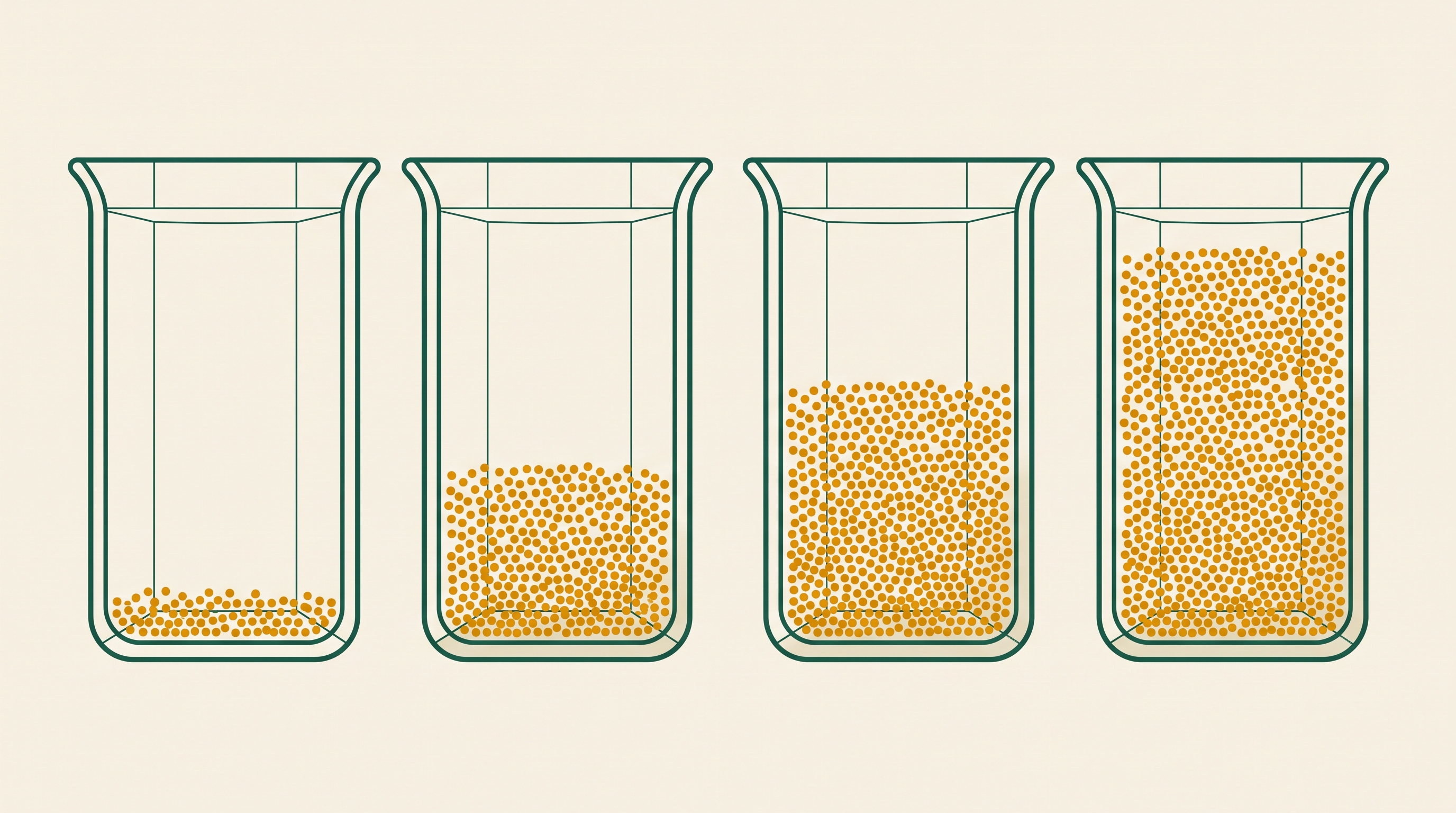
Body fat percentage is the single biggest variable. Since THC-COOH is fat-soluble, individuals with higher body fat percentages tend to store more metabolites and release them more slowly [Wong et al., 2014]. This isn’t about weight alone — a 200-pound athlete with 12% body fat will likely clear THC faster than a 150-pound person with 30% body fat.
Metabolism speed matters too. Your basal metabolic rate (BMR) may influence how quickly your body processes and eliminates compounds, though individual results vary considerably. Factors that tend to affect BMR include:
- Age — metabolism generally slows with age
- Genetics — enzyme activity (particularly CYP2C9 and CYP3A4) varies between individuals [Bland et al., 2005]
- Physical activity level — regular exercise increases metabolic rate
- Thyroid function — an underactive thyroid slows metabolism
Hydration and kidney function affect urinary excretion rates. Well-hydrated individuals may excrete metabolites more efficiently, though over-hydrating right before a test can produce a “dilute” result (more on this in troubleshooting).
Potency and consumption method also play roles. Higher-THC products produce more metabolites. Edibles undergo extensive first-pass liver metabolism, potentially generating higher metabolite levels per dose [Grotenhermen, 2003]. The terpene and cannabinoid profile of what you consume may also influence metabolism — for example, strains in the Entourage High family with complex multi-terpene profiles may interact with metabolic enzymes differently than isolated THC, though research on this is still emerging.
Step 4: Calculate Your Personal Timeline
Now let’s put it all together. Here’s a practical framework:
- Identify your usage category from Step 2’s tables
- Adjust based on your risk factors from Step 3:
- Higher body fat → add 20–50% to the timeline
- Sedentary lifestyle → add 10–20%
- Very active with low body fat → subtract 10–20%
- High-potency concentrates or heavy edible use → add 15–30%
- Add a safety buffer — always add at least 5–7 extra days to your estimate
- Consider your test type — urine gives you the longest window to worry about (excluding hair)
Example calculation:
- Moderate user (4x/week) → base window: 10–15 days for urine
- Higher body fat percentage → adjusted to 13–20 days
- Mostly uses high-potency concentrates → adjusted to 15–23 days
- Safety buffer → plan for 25–30 days
Tip: If you want data rather than guesswork, purchase at-home THC urine test strips (available at most pharmacies for $10–15). Use the same cutoff as your expected test (usually 50 ng/mL). Test yourself at home before the real thing.
Step 5: Implement Evidence-Based Strategies
Let’s be clear about what works and what doesn’t.
What actually helps:
- Time — this is the only guaranteed method. Your body will clear THC-COOH naturally.
- Regular exercise — increases fat metabolism, releasing and eliminating stored THC-COOH faster. However, stop intense exercise 48–72 hours before your test, as burning fat can temporarily spike metabolite levels in your urine [Wong et al., 2014].
- Adequate hydration — supports kidney function and normal excretion. Aim for your normal healthy intake (roughly 8–10 glasses of water daily).
- Balanced diet — supports overall metabolic health. High-fiber foods may help with excretion through the GI tract.
What doesn’t work (despite what the internet says):
- Detox drinks and kits — most have no peer-reviewed evidence supporting their claims. Some work by diluting urine, which labs can detect.
- Niacin (Vitamin B3) — no evidence it speeds THC clearance, and high doses can cause dangerous liver toxicity [Goldsmith et al., 2015].
- Cranberry juice — no evidence it affects THC-COOH excretion specifically.
- Vinegar or bleach — dangerous to consume, don’t work, and adulterant tests will flag them.

Pro Tips
Use the first-void strategy wisely. Your first urination of the morning typically has the highest concentration of metabolites because urine has been collecting in your bladder overnight. If your test isn’t first thing in the morning, urinate once or twice before providing your sample. This isn’t cheating — it’s just basic physiology. Midstream urine also tends to have slightly lower metabolite concentrations than the initial flow.
Understand the two-test confirmation process. Most workplace testing uses a two-step process: an initial immunoassay (cheap, fast, but can produce false positives) followed by a confirmatory GC-MS or LC-MS/MS test (expensive, highly accurate). If you’re right on the borderline, the confirmatory test may actually work in your favor, as it’s more specific and uses a lower false-positive rate.
Know about the “reintoxication” phenomenon. Research has documented cases where THC-COOH levels in urine can fluctuate — rising and falling — even during abstinence [Huestis, 2007]. This appears to be related to fat metabolism cycles. A negative home test one day doesn’t guarantee a negative result the next, especially if you’ve been exercising heavily or fasting (both of which mobilize fat stores). Test yourself multiple times over several days for a more reliable picture.
CBD products deserve caution. Full-spectrum CBD products legally contain up to 0.3% THC. While this is a tiny amount, daily use of high-dose full-spectrum CBD products has been shown to produce positive urine tests in some individuals [Spindle et al., 2020]. If you’re concerned about testing, opt for broad-spectrum or CBD isolate products that contain no THC.
Track your cannabis use proactively. If drug testing is a regular part of your life, keeping a simple log of consumption dates, amounts, and product types gives you much better data for estimating your personal clearance timeline.
Troubleshooting
| Problem | Likely Cause | Solution |
|---|---|---|
| Home test shows positive after 30+ days of abstinence | High body fat storing metabolites; slow metabolism; heavy prior use | Continue abstinence, increase moderate exercise (stop 48–72 hrs before test), stay hydrated, retest in 5–7 days |
| Test result comes back “dilute” | Over-hydration before the test | Drink normal amounts of water; take B-vitamins (B2, B12) to restore urine color; some facilities allow a retest |
| Positive result despite only using CBD | Full-spectrum CBD product containing trace THC | Switch to broad-spectrum or isolate CBD; bring product documentation to discuss with Medical Review Officer (MRO) |
| Fluctuating home test results (positive, then negative, then positive) | Normal THC-COOH release from fat stores during abstinence | This is expected. Continue abstinence; test again after 3–4 days; avoid intense exercise right before testing |
| Concerned about hair test accuracy | Hair tests may reflect months of prior use and may have bias concerns | Consult a legal professional; request confirmation testing; hair tests can sometimes be challenged |
2025–2026 Federal and State Updates
The legal landscape around cannabis and drug testing has shifted significantly since this article was first published. Here are the developments that matter most:
Federal Rescheduling Progress
On April 28, 2026, the DOJ issued a final order partially rescheduling medical cannabis to Schedule III, covering FDA-approved drug products and marijuana subject to state medical licenses. An expedited hearing on broader rescheduling is scheduled for June 29–July 15, 2026. If completed, a final rule could take effect as early as late summer 2026.
What this means for drug testing: Despite rescheduling, the DOT confirmed in May 2026 that drug testing regulations remain unchanged — safety-sensitive transportation employees are still tested for marijuana, and a positive result under a state medical license is not considered a “legitimate medical explanation.” SAMHSA’s federal workplace panels and cutoffs (50 ng/mL initial, 15 ng/mL confirmation for urine) also remain in effect as of March 2026.
However, the rescheduling may increase ADA accommodation claims for off-duty medical marijuana use, particularly in states where marijuana is legal but workplace protections are not explicitly codified.
Expanding State Workplace Protections
A growing number of states now restrict employers from penalizing employees for off-duty cannabis use:
- California (AB 2188) — Prohibits discrimination based on tests detecting only nonpsychoactive metabolites (THC-COOH), not active THC
- New Jersey (CREAMMA) — Requires both a positive test and a physical evaluation by a certified Workplace Impairment Recognition Expert before adverse action
- New York (MRTA) — Restricts marijuana testing unless a specific statutory exception applies
- Connecticut, Minnesota, Missouri, Maine, Rhode Island — Modified probation cannabis testing requirements
Check your state’s specific laws, as protections vary significantly. Some states restrict pre-employment testing, while others only protect medical cardholders.
New Testing Technologies
Cannabis breathalyzers are under development but remain unapproved for law enforcement as of 2026. Oral fluid testing is federally authorized but not yet practically available — no HHS-certified oral fluid laboratories exist as of June 2026. The DOT issued a rule (effective June 10, 2026) addressing the interim gap, requiring directly observed urine collections where oral fluid tests were mandated but unavailable.
Delta-8, Delta-10, and HHC
Alternative cannabinoids like delta-8 THC, delta-10, and HHC can produce positive drug test results. Standard immunoassays are not specific enough to distinguish between delta-9 THC metabolites and those from hemp-derived cannabinoids. If you use any THC-containing hemp products, plan accordingly.
Key Takeaways
Drug testing after cannabis use is a reality many consumers face, and the best approach is simply having accurate information. Here’s what to remember:
- Drug tests measure THC-COOH, not THC itself. The metabolite lingers far longer than any psychoactive effect.
- Urine tests are most common. For a single use, expect roughly 3–4 days of detectability. For daily heavy use, that window may extend to 30–60+ days.
- Hair tests reach back up to 90 days. Blood and saliva tests have much shorter windows — hours to a few days.
- Your body fat percentage is likely the biggest personal variable. Higher body fat tends to mean longer detection windows.
- Time is the only guaranteed method. Exercise, hydration, and a balanced diet may support your body’s natural clearance process, but no detox product reliably beats the clock.
- Home test strips are a practical tool. Use them in the days before a real test to get a sense of where you stand.
- CBD products may pose a risk. Full-spectrum CBD can contain trace THC that some individuals may detect in testing. Delta-8, HHC, and other hemp cannabinoids carry similar risks.
- 2026 update: Federal rescheduling is underway but workplace testing rules remain unchanged. Check whether your state has enacted new protections for off-duty cannabis use. More states now restrict employers from acting on metabolite-only test results.
If drug testing is part of your regular life, keeping simple notes on your consumption habits will give you far better data than any internet calculator. And always consult a qualified medical or legal professional for guidance specific to your situation.
Sources
- Huestis, M.A. (2007). Human cannabinoid pharmacokinetics. Chemistry & Biodiversity, 4(8), 1770–1804.
- Grotenhermen, F. (2003). Pharmacokinetics and pharmacodynamics of cannabinoids. Clinical Pharmacokinetics, 42(4), 327–360.
- Karschner, E.L. et al. (2009). Do Δ9-tetrahydrocannabinol concentrations indicate recent use in chronic cannabis users? Addiction, 104(12), 2041–2048.
- Moeller, K.E. et al. (2017). Urine drug screening: Practical guide for clinicians. Mayo Clinic Proceedings, 92(5), 774–796.
- Mieczkowski, T. & Newel, R. (2000). An evaluation of patterns of racial bias in hair assays for cocaine. Forensic Science International, 107(1–3), 125–135.
- Wong, A. et al. (2014). Exercise increases plasma THC concentrations in regular cannabis users. Drug and Alcohol Dependence, 133(2), 763–767.
- Bland, T.M. et al. (2005). CYP2C-mediated metabolism of Δ9-tetrahydrocannabinol. Biochemical Pharmacology, 70(5), 723–733.
- Goldsmith, L.A. et al. (2015). Niacin toxicity. Journal of Clinical Investigation (cited in context of hepatotoxicity risk).
- Spindle, T.R. et al. (2020). Cannabidiol in CBD-dominant cannabis products. JAMA Psychiatry, 77(6), 664–665.


