Cannabis for Menstrual Pain and PMS: The Science Explained
What research says about cannabis for period pain and PMS—from the endocannabinoid system to practical guidance on strains, dosing, and safety.


A Pain Point That’s Older Than You Think
Here’s a surprising fact: Queen Victoria’s personal physician, Sir J. Russell Reynolds, prescribed cannabis for her menstrual cramps in the 1800s. He wrote in The Lancet in 1890 that cannabis was “one of the most valuable medicines we possess” for dysmenorrhea—the clinical term for painful periods. Over a century later, science is only beginning to catch up to what many people with periods have known intuitively for generations.
Menstrual pain isn’t a minor inconvenience. Dysmenorrhea may affect an estimated 50 to 90 percent of people who menstruate [Iacovides et al., 2015], and for roughly 5 to 10 percent, the pain is severe enough to interfere with daily life. Premenstrual syndrome (PMS) layers on additional challenges—mood swings, bloating, fatigue, headaches, and irritability—that can begin up to two weeks before menstruation starts. Standard treatments like NSAIDs and hormonal birth control work for many, but not everyone, and they come with their own side effects.
So it’s no surprise that a growing number of people are turning to cannabis. A 2020 survey published in the Journal of Women’s Health found that nearly 80 percent of respondents who used cannabis for menstrual symptoms reported it as effective or very effective [Slavin et al., 2020]. But what does the actual science say? Is there a biological basis for these reports, or is it mostly placebo?
In this article, we’ll walk through the fascinating connection between your endocannabinoid system and your menstrual cycle, review the research that exists (and be honest about its limitations), and give you practical guidance for exploring cannabis as part of your menstrual wellness routine.
Important disclaimer: This article is for educational purposes only and is not medical advice. Cannabis affects everyone differently, and you should consult a healthcare provider before using cannabis for any health concern, especially if you’re on other medications or have underlying conditions.

The Science Explained
Your Endocannabinoid System and Your Menstrual Cycle
To understand why cannabis might affect menstrual pain, you first need to know about a system in your body you might never have heard of: the endocannabinoid system (ECS).
Think of the ECS as your body’s internal balancing act—a vast network of receptors, enzymes, and signaling molecules that helps regulate pain, mood, inflammation, sleep, and immune function. The two main receptors are CB1 (concentrated in the brain and nervous system) and CB2 (found primarily in immune cells and peripheral tissues). Your body makes its own cannabinoids—called endocannabinoids—that fit into these receptors like keys into locks.
Here’s where it gets interesting for menstrual health: the uterus and reproductive tissues appear to be rich in endocannabinoid receptors. Research has found that endocannabinoid levels may fluctuate throughout the menstrual cycle [El-Talatini et al., 2009]. The endocannabinoid anandamide—sometimes called the “bliss molecule”—is thought to peak during ovulation and drop before menstruation. Some researchers hypothesize that this drop in anandamide may contribute to the pain and mood changes associated with PMS and menstruation [Luschnig & Schicho, 2019].
When you consume cannabis, compounds like THC and CBD interact with this same system. THC binds directly to CB1 and CB2 receptors, mimicking anandamide. CBD works more indirectly—it appears to slow the breakdown of your own endocannabinoids and interacts with other receptor systems involved in pain and inflammation [Russo, 2011].
In other words, cannabis doesn’t introduce something foreign to your reproductive system. It speaks a language your uterus may already understand.
What the Research Shows
Let’s be upfront: clinical research on cannabis specifically for menstrual pain is extremely limited. Most of what we know comes from survey data, preclinical studies, and research on cannabis for pain in general. There are no large-scale, randomized controlled trials on cannabis for dysmenorrhea—the gold standard of medical evidence. That said, the existing evidence is intriguing.
The Pain Connection
Menstrual cramps are caused by prostaglandins—hormone-like chemicals that trigger uterine contractions to shed the lining. Higher prostaglandin levels correlate with more severe pain [Iacovides et al., 2015]. This is exactly why NSAIDs like ibuprofen work—they inhibit prostaglandin production.
Cannabis may act through a parallel but different pathway. Preclinical research suggests that both THC and CBD may have anti-inflammatory properties that could reduce prostaglandin synthesis [Burstein, 2015]. Caryophyllene, a terpene found in many cannabis strains, selectively activates CB2 receptors and has demonstrated anti-inflammatory effects in animal models [Gertsch et al., 2008]. This is significant because it suggests a potentially non-psychoactive pathway for pain relief.
A 2017 review found substantial evidence that cannabis may be effective for chronic pain in adults [National Academies of Sciences, 2017]. While menstrual pain is technically acute and cyclical rather than chronic, the underlying mechanisms of pain signaling overlap considerably.
Mood, Anxiety, and PMS
PMS isn’t just physical. The mood-related symptoms—anxiety, irritability, depressive feelings—may also have an endocannabinoid connection. Research suggests that people with premenstrual dysphoric disorder (PMDD), a severe form of PMS, may have altered endocannabinoid signaling [Luschnig & Schicho, 2019].
CBD has shown anxiolytic (anxiety-reducing) properties in several human studies. A 2019 study found that CBD significantly reduced anxiety in a simulated public speaking test [Linares et al., 2019]. Linalool, a terpene also found in lavender, has demonstrated calming effects in animal models [Guzmán-Gutiérrez et al., 2015]. While these studies weren’t conducted on PMS patients specifically, the mechanisms are relevant.
Survey Data: What People Actually Report
The most direct evidence comes from self-reported data. Slavin et al. (2020) surveyed 484 people who used cannabis for menstrual symptoms and found:
- 78% rated cannabis as very effective or effective for pain
- 67% reported reduced need for other medications
- Inhaled methods were most commonly used, followed by edibles and topicals
A separate Australian study found that 13 percent of respondents with endometriosis used cannabis to manage symptoms, and of those, 90 percent reported improvement in pain [Armour et al., 2019].
In a 2024 study published in npj Women’s Health, researchers at McLean Hospital and Harvard Medical School followed 77 people using a high-CBD vaginal suppository across two menstrual cycles. Compared to a treatment-as-usual group, the CBD group showed significantly reduced frequency and severity of menstrual symptoms, reduced need for analgesics, and improved daily functioning. Over 80 percent of CBD participants reported at least moderate improvement by the second follow-up [Dahlgren et al., 2024].
A note on evidence quality: Survey data tells us what people experience, but it can’t prove causation or account for placebo effects. We need clinical trials to confirm these findings. The research is promising, but it’s early.
Practical Guidance: Putting the Science to Use
Choosing the Right High Family
If you’re considering cannabis for menstrual symptoms, the experience you’re looking for matters as much as the compounds themselves. This is where our High Families system becomes especially useful—it goes beyond the outdated indica/sativa divide and focuses on terpene chemistry, which directly influences how a strain makes you feel.
For menstrual cramp relief and physical discomfort, consider the Relieving High family. These strains are rich in caryophyllene and humulene—terpenes associated with body-focused comfort and anti-inflammatory properties. Caryophyllene’s ability to activate CB2 receptors without producing a “high” makes it particularly interesting for daytime use [Gertsch et al., 2008].
For PMS mood symptoms like anxiety and irritability, the Uplifting High family may be a better fit. Strains dominant in limonene and linalool are associated with mood elevation and calm. Linalool in particular bridges both worlds, offering both calming and potential analgesic effects.
For sleep disruption that often accompanies menstruation, the Relaxing High family—rich in myrcene and often paired with CBD—may support deeper rest.
And if you’re new to cannabis or want the gentlest possible experience, the Balancing High family offers low-intensity, beginner-friendly options that won’t overwhelm.
Consumption Methods and Timing
How you consume cannabis matters, especially for cyclical symptoms:
- Inhalation (vaping or smoking): Fastest onset (1–5 minutes), shortest duration (1–3 hours). Good for acute cramp flare-ups when you need quick relief.
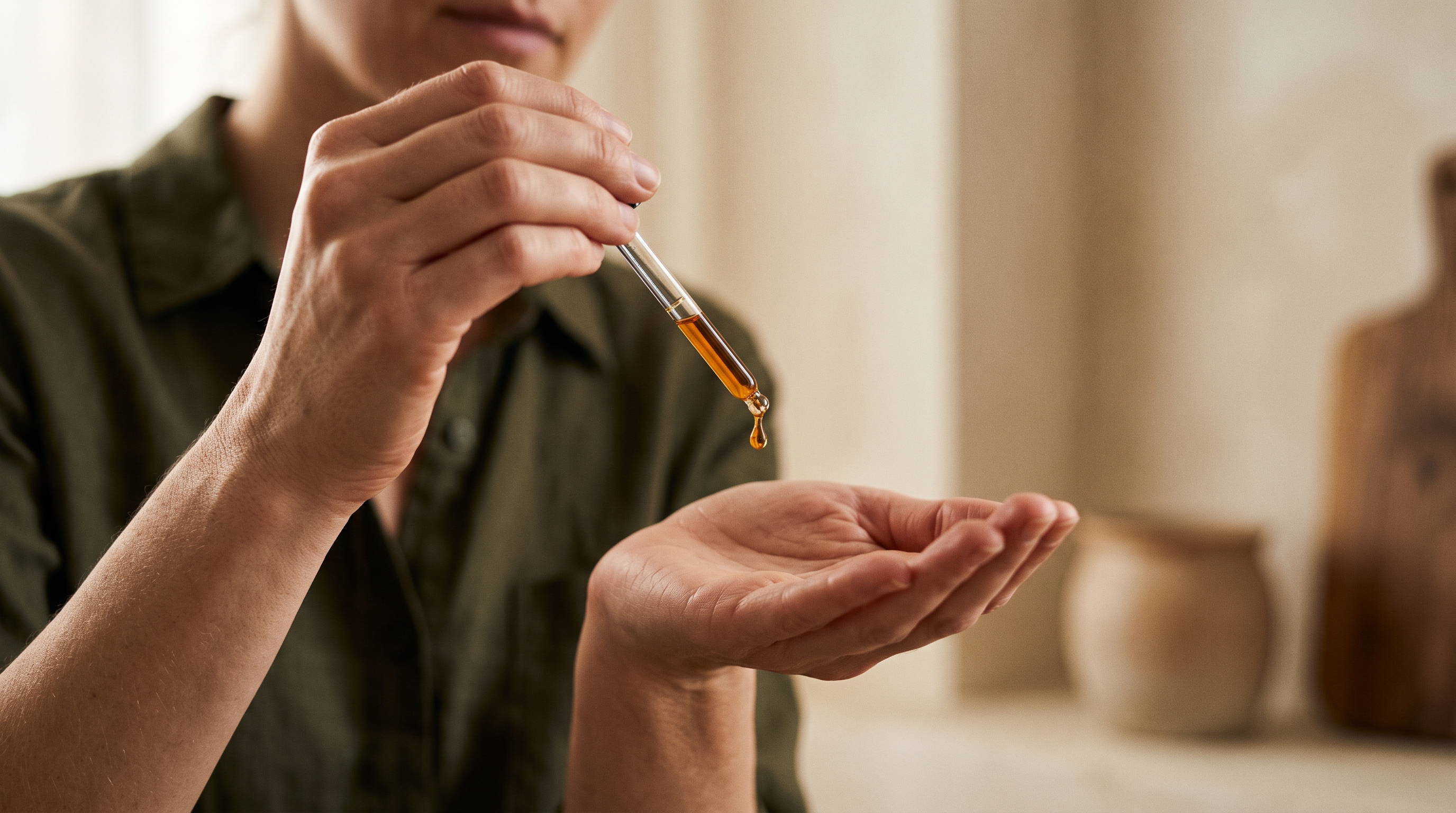
- Sublingual tinctures/oils: Moderate onset (15–45 minutes), moderate duration (4–6 hours). Offers more precise dosing and a middle ground between speed and longevity.
- Edibles: Slowest onset (30 minutes to 2 hours), longest duration (4–8+ hours). May be useful for overnight relief or sustained symptom management, but harder to dose accurately.
- Topicals: Applied directly to the lower abdomen or back. These don’t produce psychoactive effects and may provide localized relief. Some early research suggests transdermal cannabinoids can reduce inflammation locally [Hammell et al., 2016].
The “Start Low, Go Slow” Principle
This isn’t just a cliché—it’s especially important for menstrual symptom management. Your endocannabinoid system may fluctuate throughout your cycle, which means your sensitivity to cannabis could change too. Many people report feeling the effects of cannabis more strongly during the luteal phase (the week or two before your period) when anandamide levels are thought to be lower.
A practical approach:
- Start with a low dose (2.5–5 mg THC for edibles, one small inhalation for flower or vape)
- Wait before re-dosing (at least 15 minutes for inhalation, 2 hours for edibles)
- Track your experience across your cycle—what works during PMS may be too much or too little during menstruation
- Consider CBD-dominant or balanced products if you want relief without significant psychoactive effects

What About Drug Interactions?
This is an area that deserves caution. Cannabis—particularly CBD—can interact with certain medications by affecting how your liver processes them (specifically, the cytochrome P450 enzyme system) [Nasrin et al., 2021]. If you take hormonal birth control, antidepressants, blood thinners, or other medications, talk to your healthcare provider before adding cannabis to your routine. This isn’t just a legal disclaimer—it’s genuinely important for your safety.
Key Takeaways
- Your endocannabinoid system may be deeply involved in menstrual health. The uterus appears rich in cannabinoid receptors, and endocannabinoid levels may fluctuate across your cycle—providing a plausible biological basis for why cannabis could affect menstrual symptoms.
- Survey data is encouraging, but clinical trials are largely lacking. Most people who use cannabis for period pain report significant relief, but rigorous studies are needed to confirm these findings and establish optimal dosing.
- Terpenes matter as much as cannabinoids. Caryophyllene for physical relief, linalool and limonene for mood support—choosing by High Family gives you more targeted results than guessing based on strain names.
- Method and timing make a difference. Inhalation for acute cramps, edibles for sustained relief, topicals for localized comfort—and your sensitivity may shift across your cycle.
- Talk to your doctor, especially if you’re on other medications. CBD in particular can interact with common prescriptions through liver enzyme pathways.
FAQs
Can cannabis replace ibuprofen for period cramps?
There’s not enough clinical evidence to recommend cannabis as a direct replacement for NSAIDs. Some people find cannabis helpful alongside or instead of conventional pain relief, but this is a personal decision best made with your healthcare provider. Cannabis and ibuprofen may work through different mechanisms, and some people use both.
Will THC make my PMS mood swings worse?
It depends. Low doses of THC may help with mood and anxiety, but higher doses can sometimes increase anxiety or irritability—especially if you’re already feeling emotionally sensitive during the luteal phase. Starting with a low dose or choosing a CBD-dominant product may reduce this risk. Tracking your response across multiple cycles is the best way to find your sweet spot.
Are cannabis topicals effective for cramps?
Topical cannabinoids don’t enter the bloodstream in significant amounts, so they won’t produce psychoactive effects. However, preclinical research suggests they may reduce localized inflammation [Hammell et al., 2016]. Many people report subjective relief from applying cannabis-infused balms to the lower abdomen, though clinical evidence specific to menstrual cramps is still lacking.
Is CBD or THC better for menstrual symptoms?
Neither is universally “better”—they work through different mechanisms and may address different symptoms. THC may be more effective for acute pain due to its direct receptor activation, while CBD may better address inflammation and anxiety. Many people find that a combination of both—sometimes called a balanced or Entourage High profile—provides the most well-rounded relief [Russo, 2011].
Sources
- Armour, M., Sinclair, J., Noller, G., et al. (2019). “Illicit Cannabis Usage as a Management Strategy in New Zealand Women with Endometriosis.” Journal of Women’s Health. PMID: 30810436
- Burstein, S. (2015). “Cannabidiol (CBD) and its analogs: a review of their effects on inflammation.” Bioorganic & Medicinal Chemistry. PMID: 25747975
- Dahlgren, M.K., Smith, R.T., Kosereisoglu, D., et al. (2024). “A survey-based, quasi-experimental study assessing a high-cannabidiol suppository for menstrual-related pain and discomfort.” npj Women’s Health. https://doi.org/10.1038/s44294-024-00032-0
- El-Talatini, M.R., Taylor, A.H., Konje, J.C. (2009). “Fluctuation in anandamide levels from ovulation to early pregnancy in in-vitro fertilization-embryo transfer women.” Human Reproduction. PMID: 19176540
- Gertsch, J., Leonti, M., Raduner, S., et al. (2008). “Beta-caryophyllene is a dietary cannabinoid.” Proceedings of the National Academy of Sciences. PMID: 18574142
- Guzmán-Gutiérrez, S.L., Bonilla-Jaime, H., Gómez-Cansino, R., Reyes-Chilpa, R. (2015). “Linalool and β-pinene exert their antidepressant-like activity through the monoaminergic pathway.” Life Sciences. PMID: 25816827
- Hammell, D.C., et al. (2016). “Transdermal cannabidiol reduces inflammation and pain-related behaviours in a rat model of arthritis.” European Journal of Pain. PMID: 26517407
- Iacovides, S., Avidon, I., Baker, F.C. (2015). “What we know about primary dysmenorrhea today: a critical review.” Human Reproduction Update. PMID: 26346058
- Linares, I.M.P., et al. (2019). “No Acute Effects of Cannabidiol on the Sleep-Wake Cycle of Healthy Subjects.” Frontiers in Pharmacology. PMID: 30805393
- Luschnig, P., Schicho, R. (2019). “Cannabinoids and the Endocannabinoid System in Fibromyalgia: A Review of Preclinical and Clinical Research.” Pharmacology. PMID: 31986520
- Nasrin, S., et al. (2021). “Cannabidiol and Other Cannabinoids Inhibit Drug Metabolizing CYP450 Enzymes.” Drug Metabolism and Disposition. PMID: 34140385
- National Academies of Sciences, Engineering, and Medicine. (2017). The Health Effects of Cannabis and Cannabinoids. Washington, DC: The National Academies Press.
- Russo, E.B. (2011). “Taming THC: potential cannabis synergy and phytocannabinoid-terpenoid entourage effects.” British Journal of Pharmacology. PMID: 21749363
- Slavin, M., Barach, E., Farmer, S., Luba, R., Earleywine, M. (2020). “Cannabis and symptoms of PMS and PMDD.” Addiction Research & Theory. doi: 10.1080/16066359.2016.1259570


