Cannabis for Seniors: A Complete Guide for Older Adults
A beginner-friendly, evidence-based guide to cannabis for seniors. Safe dosing, drug interactions, product types, and tips for older adults.

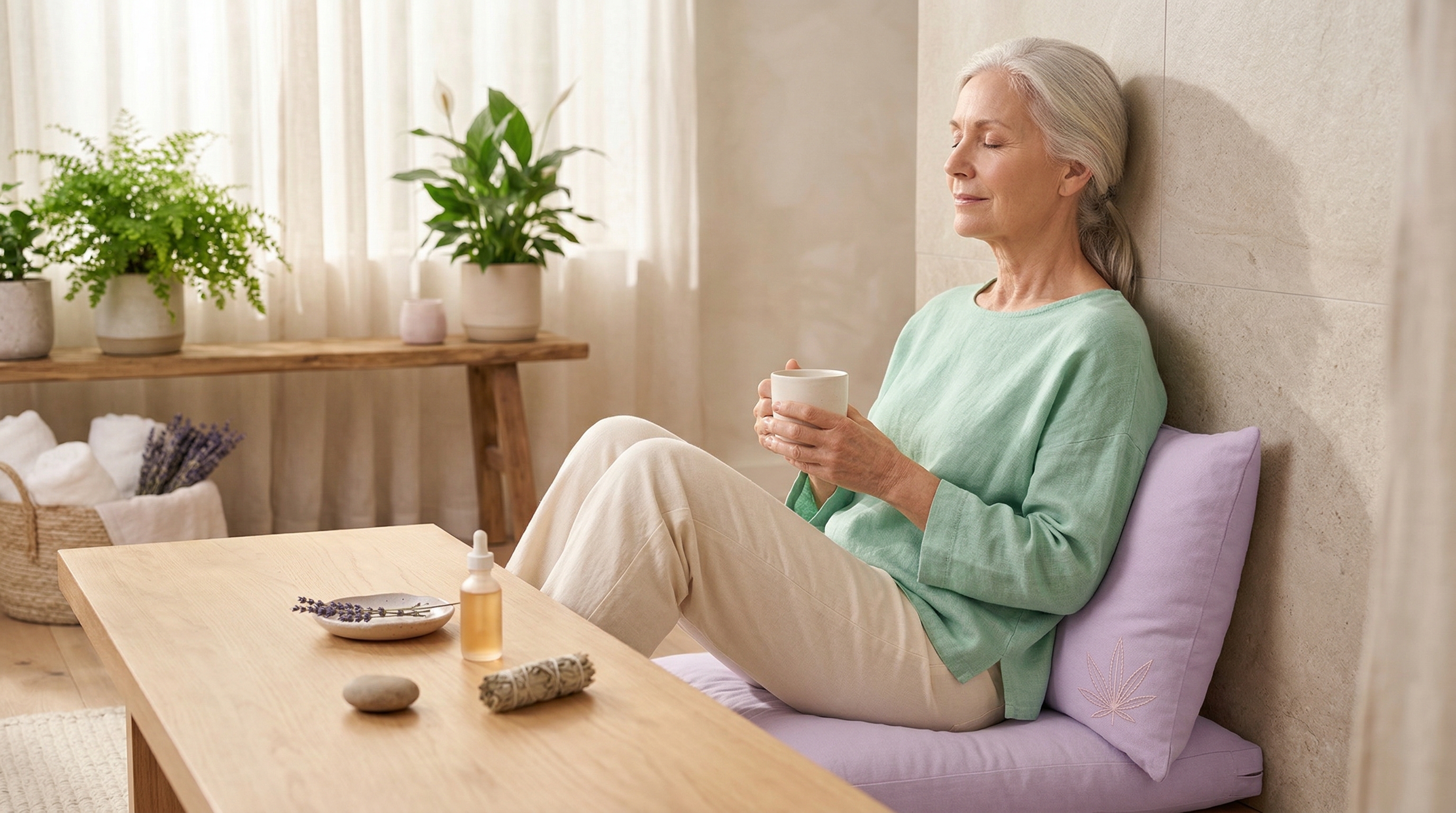
Why This Matters
If you’re an older adult curious about cannabis, you’re in excellent company. Adults over 65 represent the fastest-growing segment of cannabis consumers in the United States, with usage rates more than doubling in recent years [Han & Palamar, 2020]. Whether you’re exploring cannabis for the first time or returning after decades away, the landscape has changed dramatically — and there’s a lot to learn.
This guide was written specifically for you. No judgment, no assumptions, and no pressure. We’ll walk through the fundamentals of modern cannabis, help you understand what’s available, and give you practical steps to explore safely and mindfully. You deserve clear, honest information — and that’s exactly what you’ll find here.
Let’s get started.
The Basics
What You Need to Know
Cannabis is a flowering plant that produces hundreds of chemical compounds, many of which interact with your body’s own endocannabinoid system (ECS) — a network of receptors found throughout your brain, organs, immune cells, and nervous system. The ECS helps regulate things like sleep, mood, appetite, pain perception, and inflammation [Lu & Mackie, 2016].
The two most well-known compounds in cannabis are:
- THC (tetrahydrocannabinol): The primary psychoactive compound — this is what produces the “high.” It may also help with discomfort, appetite, and sleep.
- CBD (cannabidiol): A non-intoxicating compound that some people find helpful for relaxation, easing everyday tension, and supporting overall calm.
But cannabis contains far more than just THC and CBD. Terpenes — aromatic compounds found in many plants — play a major role in shaping your experience. Lavender contains linalool, lemons contain limonene, and cannabis contains both of these plus dozens more. Terpenes don’t just add flavor and aroma; research suggests they work together with cannabinoids in what’s called the entourage effect, where the whole plant may produce different results than any single compound alone [Russo, 2011].
Here at This Is Why I’m High, we organize cannabis experiences into High Families based on terpene chemistry rather than the outdated “indica vs. sativa” labels. This approach gives you a much more reliable way to predict how a particular product might make you feel. For seniors, the Relaxing High family (rich in myrcene and CBD) and the Relieving High family (featuring caryophyllene and humulene) are often great starting points, though your ideal match depends on your personal goals.
One thing that’s changed dramatically since the 1960s, ’70s, or ’80s: potency. The cannabis available today can be significantly stronger than what you may remember. Average THC concentrations have increased from roughly 4% in the 1990s to over 15% in many modern products [ElSohly et al., 2016]. This isn’t a reason to be afraid — it just means starting with very small amounts is especially important.
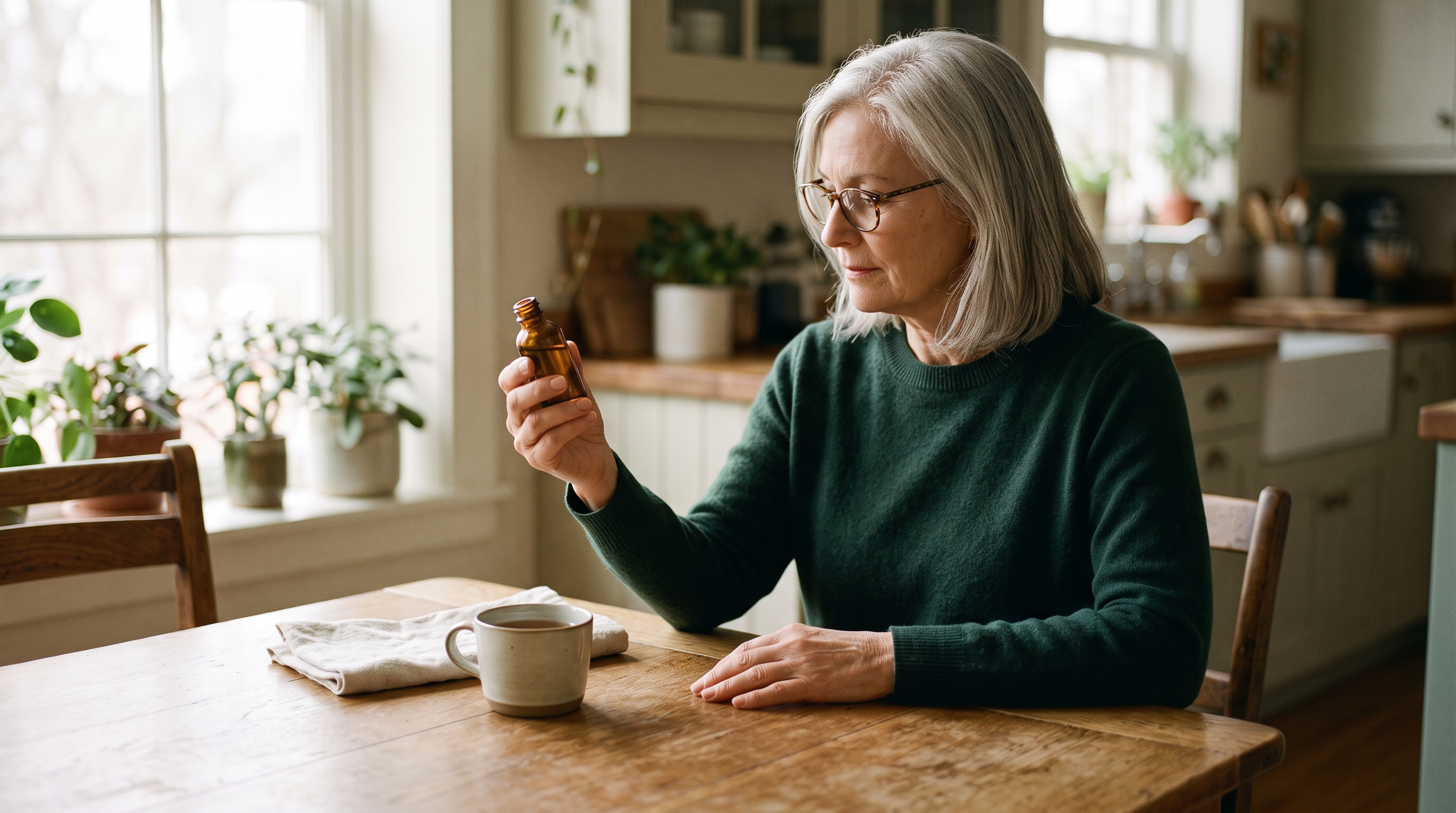
Key Terms Glossary
Before we go further, let’s make sure you’re comfortable with the vocabulary. Here’s a quick-reference table of terms you’ll encounter:
| Term | Simple Definition |
|---|---|
| THC | The main psychoactive compound in cannabis; produces the “high” |
| CBD | A non-intoxicating cannabis compound; associated with calm and relaxation |
| Terpenes | Aromatic compounds that shape a strain’s flavor, scent, and effects |
| Endocannabinoid System (ECS) | Your body’s own system of receptors that cannabis compounds interact with |
| Entourage Effect | The idea that cannabis compounds work better together than in isolation |
| Microdose | A very small dose (typically 1–2.5 mg THC), designed to provide subtle effects |
| Edible | A food or drink product infused with cannabis |
| Tincture | A liquid cannabis extract, usually taken as drops under the tongue |
| Topical | A cream, balm, or patch applied to the skin; typically non-intoxicating |
| Flower | The dried cannabis bud; the traditional form of the plant |
| Dispensary | A licensed retail store where cannabis products are legally sold |
| High Family | Our terpene-based classification system for predicting cannabis experiences |
| Onset | How long it takes to start feeling the effects |
| Duration | How long the effects last |
Your Step-by-Step Guide to Getting Started
Step 1: Talk to Your Doctor First
This is genuinely the most important step, especially for older adults. Cannabis can interact with certain medications, including blood thinners (like warfarin), blood pressure medications, and some antidepressants [Antoniou et al., 2020]. Your doctor or pharmacist can review your current medications and help you understand any potential interactions.
Important: Even if your doctor isn’t a cannabis expert, they need to know what you’re considering. Be honest and direct. If your current provider is dismissive, consider seeking a cannabis-knowledgeable clinician.
Step 2: Define Your Goals
Ask yourself: What am I hoping cannabis might help with? Common goals among older adults include:
- Supporting more restful sleep
- Easing everyday aches and physical discomfort
- Reducing stress or anxious feelings
- Improving appetite
- Simply relaxing and enjoying life
Your goals will help guide which products and High Families make the most sense for you.
Step 3: Choose Your Consumption Method
Not all consumption methods are created equal, and some are much better suited for beginners:
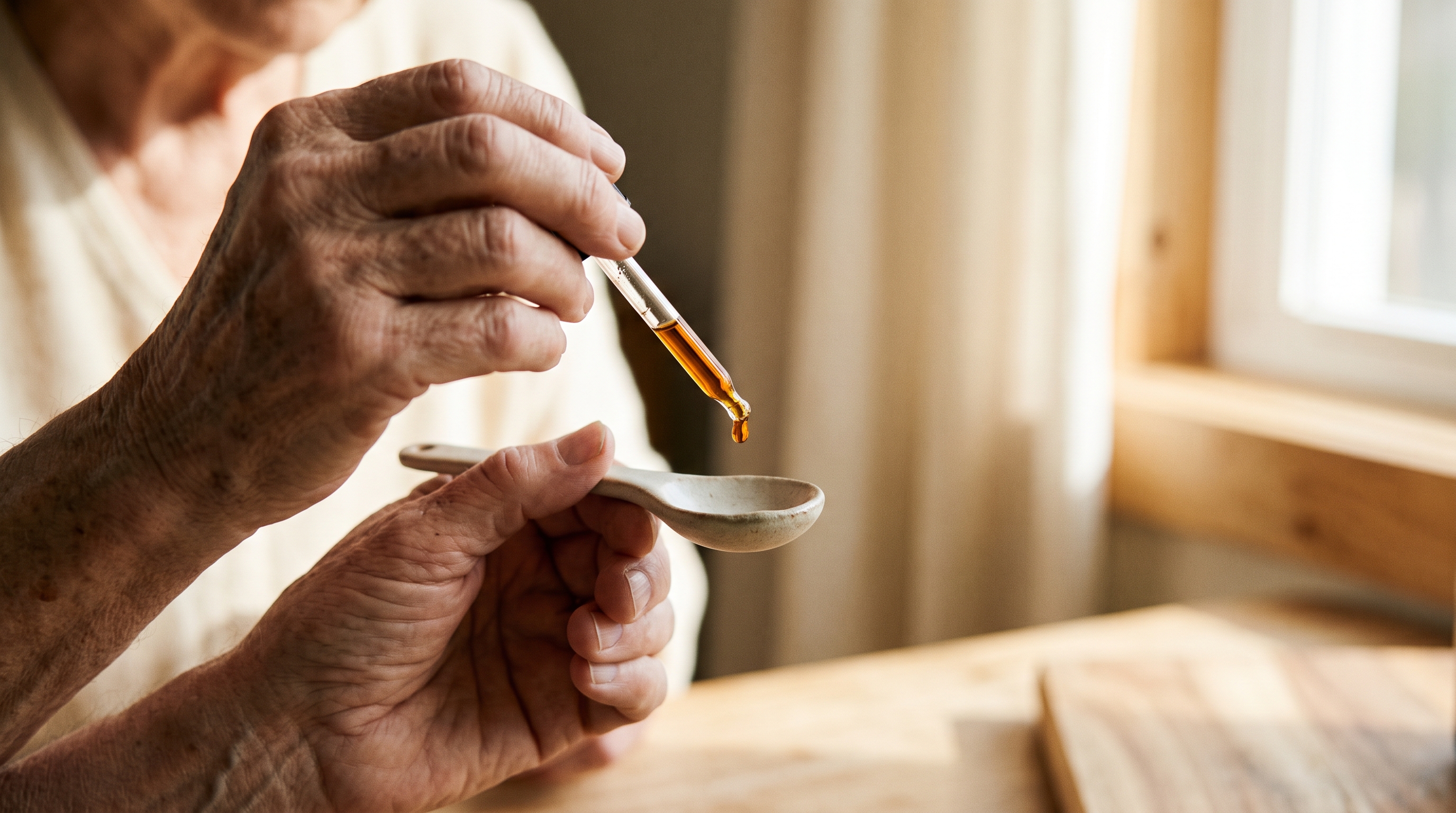
- Tinctures (sublingual drops): Placed under the tongue. Onset in 15–45 minutes. Easy to control dosing. Excellent for beginners.
- Low-dose edibles: Gummies or mints, typically 2.5–5 mg per piece. Onset in 60–120 minutes. Longer-lasting effects. Good for beginners who are patient.
- Topicals: Creams and balms applied to the skin. Generally non-intoxicating. Great for localized physical comfort.
- Vaporizing: Inhaling heated (not burned) cannabis. Onset in minutes. Harder to control dose. Better after you have some experience.
- Smoking: The traditional method. Fast onset but involves combustion, which produces irritants. Generally not recommended as a first choice for seniors.
Step 4: Start Low and Go Slow
This is the golden rule of cannabis for everyone, but it’s especially critical for older adults. Your body may be more sensitive to THC than a younger person’s.
- Starting dose: 1–2.5 mg of THC (a true microdose)
- Wait time before taking more: At least 2 hours for edibles/tinctures; 15–20 minutes for inhalation
- Increase gradually: Add 1–2.5 mg per session over days or weeks until you find your comfort zone
Many seniors find that very low doses — amounts that younger consumers might not even notice — provide meaningful benefits.
Step 5: Create a Safe, Comfortable Setting
Your first few experiences should happen:
- At home or in a familiar, comfortable place
- When you have no obligations or need to drive
- Ideally with a trusted friend or family member nearby
- With water, snacks, and your favorite calming activity at hand
Keep a simple journal noting the product, dose, time, and how you felt. This record becomes invaluable for finding what works best for you.
Step 6: Be Patient With the Process
Finding your ideal product, dose, and routine takes time. Give yourself permission to experiment slowly over weeks, not hours. Some people find their sweet spot quickly; for others, it’s a gradual journey. Both are completely normal.
Common Mistakes to Avoid
1. Taking Too Much Too Soon
This is the most common mistake across all age groups, but it’s especially important for seniors. Today’s products are potent. What seems like a tiny gummy can contain 10 mg of THC — which is a significant dose for a newcomer. Always check the label and start with the smallest amount available.
Prevention: Look for products specifically labeled “low dose” or “microdose.” Many dispensaries now carry 1 mg and 2.5 mg options.
2. Not Accounting for Medication Interactions
Cannabis compounds are metabolized by the same liver enzymes (particularly CYP450) that process many common medications [Antoniou et al., 2020]. This can increase or decrease the effectiveness of your prescriptions.
Prevention: Bring a list of your current medications to your doctor and ask specifically about cannabis interactions.
3. Comparing Your Experience to Others
Your neighbor might rave about a 10 mg edible that helps them sleep. That same dose might be overwhelming for you. Age, body composition, metabolism, prior experience, and individual ECS differences all play a role.
Prevention: Ignore other people’s doses. Your body, your pace.
4. Giving Up After One Bad Experience
If you take too much or choose a product that doesn’t agree with you, it can be unpleasant — anxiety, dizziness, or feeling uncomfortably “out of it.” This doesn’t mean cannabis isn’t for you. It usually means the dose or product wasn’t right.
Prevention: If you have an uncomfortable experience, remember it will pass (typically within 1–3 hours). Try again another day with a lower dose or different product. CBD-rich products from the Balancing High family can be a gentler re-entry point.
5. Buying From Unlicensed Sources
Licensed dispensaries sell tested, labeled products. You know exactly what you’re getting — the cannabinoid content, terpene profile, and that it’s been screened for contaminants like pesticides and heavy metals.
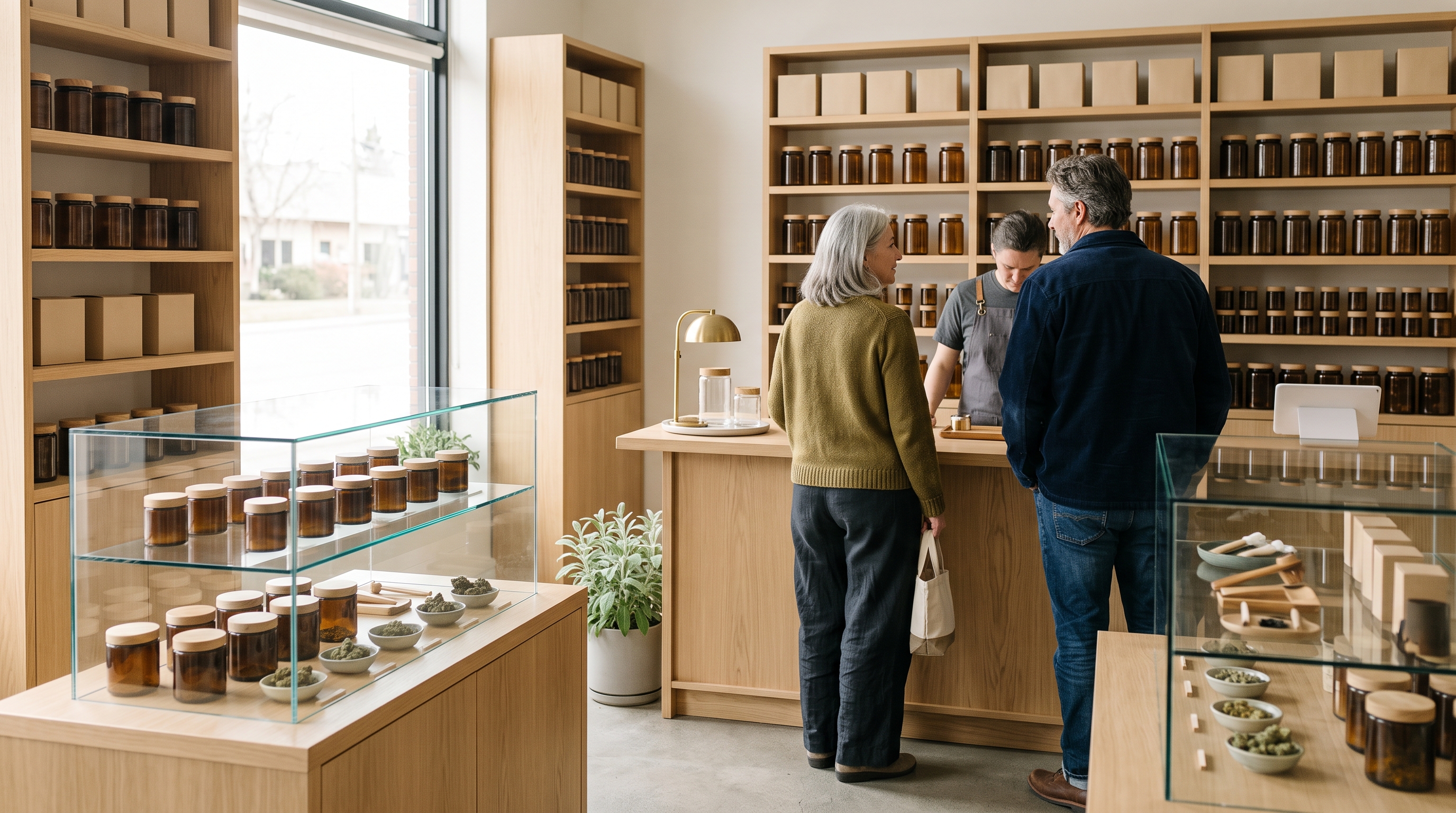
Prevention: Always purchase from a licensed dispensary. Ask the staff (called “budtenders”) for help — they’re trained to guide newcomers.
Frequently Asked Questions
“Will cannabis make me feel ‘stoned’ or out of control?”
Not if you start with a low dose. Many seniors use cannabis at levels that produce subtle, gentle effects — a slight lift in mood, some physical ease, or better sleep — without feeling impaired or “stoned.” Microdosing (1–2.5 mg THC) is specifically designed for this kind of experience. You can also start with CBD-only products, which are non-intoxicating, and gradually introduce small amounts of THC if desired.
“Is cannabis safe with my heart medication / blood pressure pills / other prescriptions?”
This is a question for your doctor or pharmacist, not the internet. Cannabis can interact with a number of medications, particularly those processed by the liver’s CYP450 enzyme system [Antoniou et al., 2020]. Blood thinners, certain heart medications, benzodiazepines, and some antidepressants are among the most commonly flagged. Don’t skip this conversation — it’s a critical safety step.
“I tried cannabis decades ago. Will it be the same?”
Probably not. Today’s cannabis is significantly more potent, and the variety of products available is vast. The good news is that modern options — precisely dosed edibles, tinctures, topicals — give you far more control than a joint ever did. Think of it as an entirely new experience, and approach it that way.
“Can I become addicted?”
Cannabis use disorder is a recognized condition, though it affects a relatively small percentage of users. Research suggests the risk is lower for people who begin using cannabis later in life compared to adolescents [Hasin et al., 2015]. Using cannabis mindfully — with clear intentions, moderate doses, and regular breaks — significantly reduces risk. If you notice you’re using more than planned or feeling dependent, talk to your healthcare provider.
“What if I take too much and feel bad?”
First: you’ll be okay. While an uncomfortable cannabis experience can feel alarming, it is not life-threatening. Common symptoms of overconsumption include anxiety, rapid heartbeat, dizziness, and nausea. Here’s what to do:
- Move to a calm, comfortable space
- Sip water and take slow, deep breaths
- Remind yourself the feeling is temporary (it will pass within 1–3 hours)
- Some people find that chewing black peppercorns helps ease anxiety — early research suggests the terpene caryophyllene may have a calming effect [Russo, 2011]
- If symptoms are severe or you feel genuinely unsafe, don’t hesitate to call a medical professional
Understanding High Families: Finding Your Fit
As you explore, the High Families system can be your compass. Here’s how the families often relate to common senior wellness goals:
| Your Goal | High Family to Explore | Why |
|---|---|---|
| Better sleep | Relaxing High | Rich in myrcene and CBD; associated with deep calm |
| Physical comfort | Relieving High | Features caryophyllene and humulene; body-focused |
| Mood support | Uplifting High | Contains limonene and linalool; gentle mood elevation |
| Gentle introduction | Balancing High | Low terpene profiles; mild, beginner-friendly |
| Daytime clarity | Energetic High | Terpinolene-forward; mental focus without heaviness |
| Full-spectrum wellness | Entourage High | Complex terpene profiles; nuanced, layered effects |
Pro tip: Ask your dispensary budtender about products by terpene profile or High Family rather than asking for “indica” or “sativa.” You’ll get much more useful recommendations.
Next Steps
You’ve now got a solid foundation. Here’s where to go from here:
- Schedule a conversation with your doctor about cannabis and your current medications. This is step one — everything else follows.
- Visit a licensed dispensary and tell the budtender you’re brand new. Ask about low-dose tinctures or 1–2.5 mg edibles.
- Explore the High Families to learn which terpene profiles align with your goals.
- Start your cannabis journal — even a simple notebook works. Track the product, dose, time, and how you felt.
- Give yourself grace. There’s no rush. Cannabis will be there whenever you’re ready, and the right experience is worth waiting for.
You’re not too old for this. You’re not too late. And you’re definitely not alone. Welcome to a new chapter.
Key Takeaways
- Adults over 65 are the fastest-growing segment of cannabis consumers in the U.S., largely driven by chronic pain, sleep, and anxiety concerns.
- Your body processes cannabis differently as you age — higher fat-to-muscle ratio, slower liver metabolism, and declining kidney function can all make effects stronger and longer-lasting than expected.
- Drug interactions are the most serious safety concern for seniors. Cannabis may affect how your body processes warfarin (blood thinners), blood pressure medications, benzodiazepines, and opioids via the CYP450 enzyme system. Always speak with your doctor or pharmacist before starting.
- The golden rule: start at 1–2.5 mg THC (or less), wait at least 2 hours before redosing, and increase only gradually over days or weeks.
- Tinctures, low-dose edibles, and topicals are generally the safest starting formats for older adults. Smoking and vaping carry additional respiratory and fall-risk considerations.
- CBD-first products (high CBD, little or no THC) offer a lower-risk entry point for those who want to explore before introducing psychoactive effects.
- Licensed dispensaries sell tested, accurately labeled products — always purchase from a licensed source.
- Keeping a simple journal of products, doses, timing, and effects is one of the most practical tools for finding your ideal routine.
Sources
- Han, B. H., & Palamar, J. J. (2020). Trends in cannabis use among older adults in the United States, 2015–2018. JAMA Internal Medicine, 180(4), 609–611.
- Lu, H. C., & Mackie, K. (2016). An introduction to the endogenous cannabinoid system. Biological Psychiatry, 79(7), 516–525.
- Russo, E. B. (2011). Taming THC: Potential cannabis synergy and phytocannabinoid-terpenoid entourage effects. British Journal of Pharmacology, 163(7), 1344–1364.
- ElSohly, M. A., et al. (2016). Changes in cannabis potency over the last 2 decades (1995–2014). Biological Psychiatry, 79(7), 613–619.
- Antoniou, T., et al. (2020). Cannabis and the risk of adverse drug interactions. Canadian Medical Association Journal, 192(2), E34–E40.
- Hasin, D. S., et al. (2015). DSM-5 criteria for substance use disorders. American Journal of Psychiatry, 170(8), 834–851.
- Nachnani, R., et al. (2024). Systematic review of drug-drug interactions of THC, CBD, and cannabis. Frontiers in Pharmacology. doi:10.3389/fphar.2024.1282831
- Health Canada (2024). Health effects of cannabis on adults over 55. Retrieved from canada.ca.


