Cannabis Topicals: How They Work Without Getting You High
Learn how cannabis topicals deliver relief without intoxication. A beginner-friendly guide to creams, balms, and how cannabinoids work through your skin.


Why This Matters
Maybe you’ve seen cannabis-infused lotions at your local dispensary and thought, “Wait—can a cream actually do anything?” Or maybe you’re curious about cannabis but the idea of feeling high isn’t your thing. Either way, you’re asking a great question.
Cannabis topicals are one of the most beginner-friendly ways to explore what this plant has to offer. They’re applied directly to your skin, they don’t produce intoxication, and they’re increasingly popular among people who want localized comfort without any psychoactive effects.
In this guide, you’ll learn exactly what topicals are, how cannabinoids interact with your body through the skin, how to use them effectively, and what mistakes to avoid. No prior cannabis knowledge required—let’s start from scratch.
The Basics
What You Need to Know
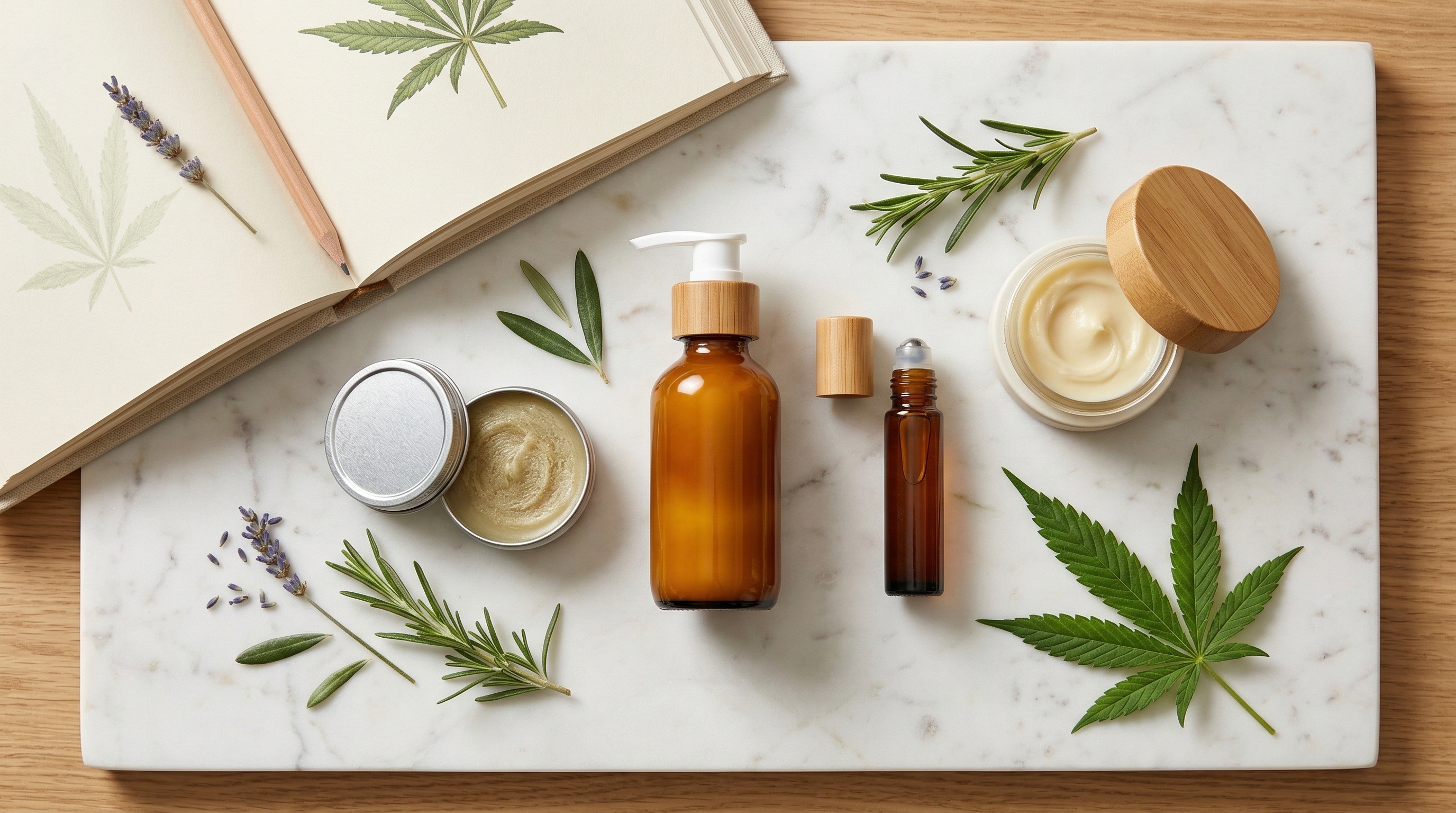
Cannabis topicals are products like creams, balms, salves, lotions, and patches that you apply directly to your skin. Unlike smoking, vaping, or eating an edible, topicals work locally—meaning they target the area where you apply them rather than affecting your whole body.
Here’s the key science: your skin contains cannabinoid receptors, which are part of your body’s endocannabinoid system (ECS). This system helps regulate things like inflammation, pain signaling, and skin health [Tóth et al., 2019]. When you rub a cannabis topical onto your skin, the cannabinoids (like CBD and THC) bind to these receptors in the nearby tissue.
The critical detail? With standard topicals, cannabinoids do not reach your bloodstream in significant amounts. That’s why they don’t produce a high. The cannabinoids stay in the local area—your skin, muscles, and nearby nerve endings—doing their work without crossing into systemic circulation [Hammell et al., 2016].
This makes topicals fundamentally different from every other cannabis consumption method. There’s no onset of psychoactive effects, no altered mental state, and generally no concern about impairment.

It’s worth noting that transdermal patches are a different story. These are specifically designed to push cannabinoids through the skin and into the bloodstream. A transdermal THC patch can produce psychoactive effects. For this guide, we’re focused on standard topicals—the creams, balms, and lotions that stay local.
Key Terms Glossary
| Term | Simple Definition |
|---|---|
| Topical | A cannabis product applied to the skin’s surface (cream, balm, lotion) |
| Cannabinoid | Active compounds in cannabis (like THC and CBD) that interact with your body |
| CBD (Cannabidiol) | A non-intoxicating cannabinoid commonly used in topicals for comfort and skin health |
| THC (Tetrahydrocannabinol) | The cannabinoid known for producing a “high”—but it doesn’t cause intoxication when applied topically |
| Endocannabinoid System (ECS) | A network of receptors throughout your body (including skin) that cannabinoids interact with |
| Transdermal | Designed to penetrate through the skin into the bloodstream—different from standard topicals |
| Terpenes | Aromatic compounds in cannabis that may contribute to a product’s effects and scent |
| Full-spectrum | A product containing multiple cannabinoids and terpenes working together |
Step-by-Step: How to Use a Cannabis Topical
Using a topical is straightforward, but a few small steps can make a big difference in your experience.
1. Clean the area first. Wash the skin where you plan to apply the topical with mild soap and warm water. This removes dirt, oils, and dead skin cells that can act as barriers. Pat dry. Clean skin absorbs better.
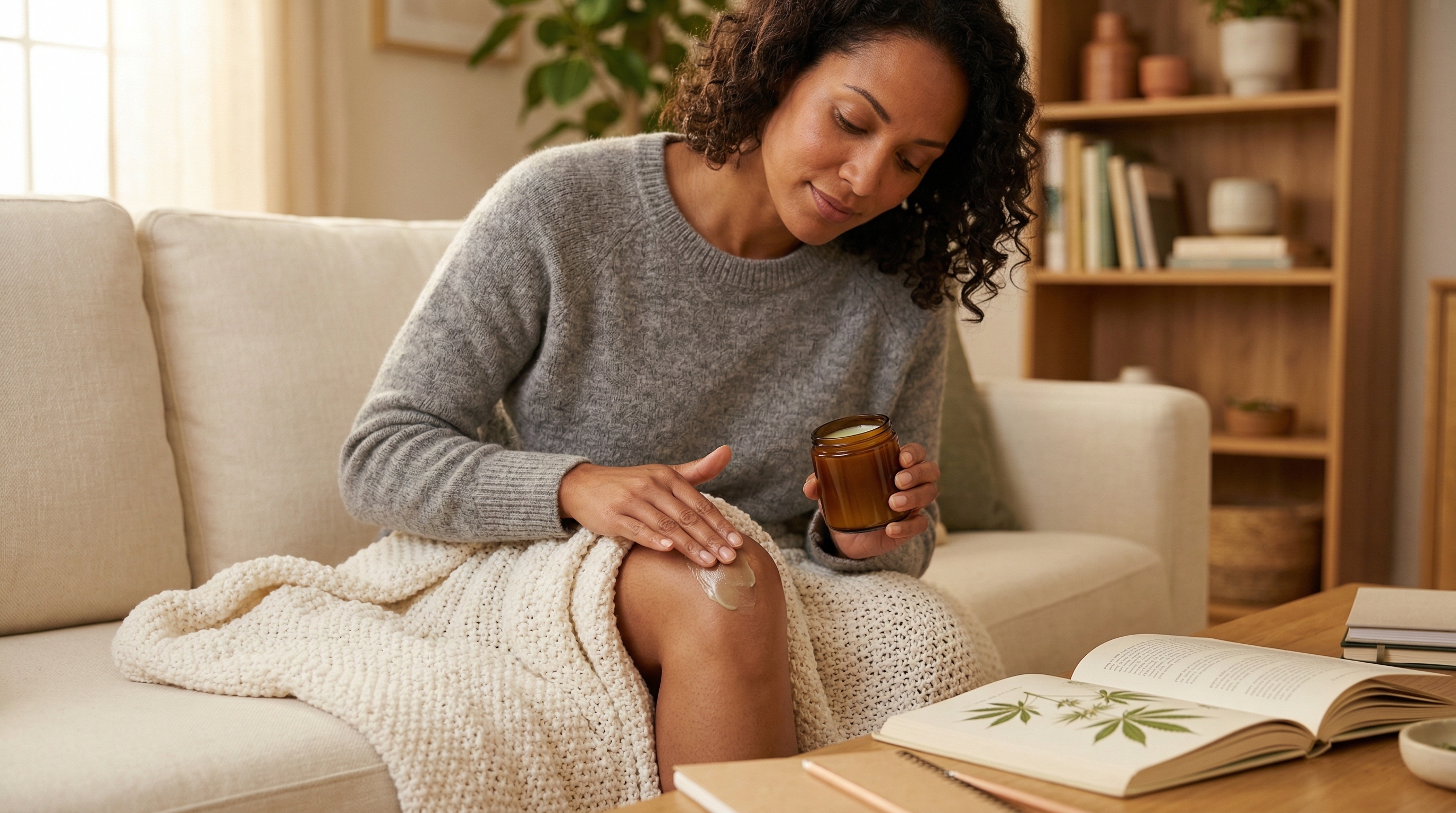
2. Start with a small amount. Squeeze or scoop out roughly a dime-sized amount. You can always add more, but starting small helps you gauge how your skin responds and how much product you actually need.
3. Massage it in thoroughly. Don’t just dab it on—rub the topical into your skin with firm, circular motions for 30-60 seconds. This friction helps the cannabinoids penetrate the outer layers of skin more effectively.
4. Wait patiently for effects. Most people notice effects within 15-45 minutes. Some topicals take up to an hour. This is slower than smoking but completely normal. The cannabinoids need time to absorb and interact with local receptors.
5. Reapply as needed. Effects from topicals typically last 2-4 hours, though this varies by product and person. If the effects fade, apply another small amount. There’s no standard “dose” for topicals, so listen to your body.
6. Wash your hands after application. Unless your hands are the target area, wash them after applying. This may help avoid accidentally transferring the product to your eyes or other sensitive areas.
Start low, go slow. Even though topicals won’t get you high, your skin may be sensitive to certain ingredients. Test a small patch first, especially if you have reactive skin.
Common Mistakes to Avoid
1. Expecting Instant Results
Topicals aren’t like popping a pill. They need time to absorb through your skin’s outer barrier. If you don’t feel anything after five minutes, resist the urge to glob on more product. Give it a full 30-45 minutes before reapplying.
2. Applying to Broken or Irritated Skin
Avoid using cannabis topicals on open wounds, rashes, or sunburned skin unless the product is specifically formulated for that purpose. Cannabinoids and carrier ingredients can cause stinging or irritation on compromised skin.
3. Confusing Topicals with Transdermal Products
This is a big one. A standard CBD cream and a transdermal THC patch are very different products. If you pick up a transdermal patch containing THC, it will enter your bloodstream and may produce psychoactive effects. Always read the label carefully.
4. Ignoring the Ingredient List
Cannabinoids are just one component. Many topicals contain menthol, camphor, essential oils, or other active ingredients that contribute to the experience. If you have allergies or sensitive skin, check the full ingredient list—not just the cannabinoid content.
5. Storing Products Improperly
Heat and sunlight degrade cannabinoids over time. Store your topicals in a cool, dark place. If a product changes color, smell, or texture significantly, it may have expired.
Frequently Asked Questions
Will a cannabis topical make me fail a drug test?
Standard topicals are very unlikely to cause a positive drug test because cannabinoids don’t enter the bloodstream in meaningful amounts. However, transdermal patches or products used on large areas of broken skin could theoretically introduce cannabinoids into your system. If drug testing is a concern, choose CBD-only topicals from reputable brands that provide third-party lab results.
Can I use a topical with THC without getting high?
Yes! When THC is in a standard topical (not transdermal), it interacts with cannabinoid receptors in your skin without reaching your brain. Some people actually prefer THC-containing topicals because research suggests THC may have localized anti-inflammatory properties [Nagarkatti et al., 2009]. You get the potential benefits without the psychoactive experience.
How do I choose between CBD and THC topicals?
It depends on what you’re looking for. CBD topicals are widely available (even in states without legal cannabis), and some research suggests CBD may help with skin comfort and inflammation [Baswan et al., 2020]. THC topicals are available in legal markets and some users find them more effective for muscle and joint discomfort. Full-spectrum products contain both, plus terpenes like caryophyllene and myrcene—which connect to our Relieving High and Relaxing High families and may enhance the topical’s overall effects through the entourage effect.
Are cannabis topicals legal?
CBD topicals derived from hemp (containing less than 0.3% THC) are legal federally in the United States under the 2018 Farm Bill. THC topicals are only available in states with medical or recreational cannabis laws. Always check your local regulations.
Can I use topicals alongside other cannabis products?
Absolutely. Since standard topicals don’t enter your bloodstream, they won’t interact with edibles, flower, or other products you might use. Many experienced cannabis users combine topicals with other methods as part of their routine.
Next Steps
Cannabis topicals are a fantastic entry point—whether you’re brand new to cannabis or just looking for something different. They offer a low-pressure way to experience what cannabinoids can do without worrying about dosing, timing, or psychoactive effects.
Ready to explore further? If you’re curious about how terpenes like caryophyllene and humulene contribute to physical comfort, check out our guide to the Relieving High family. And if you’re just starting your cannabis journey, our High Families overview will help you understand how different cannabis experiences are shaped by terpene chemistry—not outdated indica/sativa labels. For a broader foundation, our Best Cannabis Strains for Beginners guide is a great next read.
Take your time, pay attention to how your body responds, and enjoy the exploration.
Key Takeaways
- Cannabis topicals—creams, balms, and lotions—work by interacting with cannabinoid receptors in your skin without entering the bloodstream, so they won’t get you high.
- The exception is transdermal products (patches, gels), which are specifically formulated to push cannabinoids into the bloodstream and may produce psychoactive effects if they contain THC.
- Both CBD and THC topicals may offer localized comfort for muscles, joints, and skin—effects typically begin within 15-45 minutes and may last 2-4 hours.
- Standard topicals are very unlikely to trigger a positive drug test, since cannabinoids don’t reach the bloodstream in meaningful amounts.
- Full-spectrum products containing multiple cannabinoids and terpenes may offer enhanced effects through what’s known as the entourage effect.
- Always start with a small amount, massage it in well, and check the full ingredient list if you have sensitive skin or allergies.
Sources
- Tóth, K.F. et al. (2019). “Cannabinoid Signaling in the Skin: Therapeutic Potential of the ‘C(ut)annabinoid’ System.” Molecules, 24(5), 918. PMID: 30836653
- Hammell, D.C. et al. (2016). “Transdermal cannabidiol reduces inflammation and pain-related behaviours in a rat model of arthritis.” European Journal of Pain, 20(6), 936-948. PMID: 26517407
- Nagarkatti, P. et al. (2009). “Cannabinoids as novel anti-inflammatory drugs.” Future Medicinal Chemistry, 1(7), 1333-1349. PMID: 20191092
- Baswan, S.M. et al. (2020). “Therapeutic Potential of Cannabidiol (CBD) for Skin Health and Disorders.” Clinical, Cosmetic and Investigational Dermatology, 13, 927-942. PMID: 33335413


