How Long Does a Cannabis High Last? A Complete Guide
Learn how long a cannabis high lasts by method, dosage, and body type. Practical tips for beginners to plan timing and stay comfortable.

Why This Matters
If you’ve ever wondered “how long is this going to last?”—you’re not alone. It’s one of the most common questions people ask before (and sometimes during) their first cannabis experience. Knowing what to expect helps you plan your time, choose the right consumption method, and feel confident instead of anxious.
In this guide, you’ll learn exactly how long a cannabis high typically lasts depending on how you consume it, what factors speed things up or slow them down, and what to do if you feel like things are lasting a little too long. No judgment here—just practical info to help you have a great time.
The Basics
What You Need to Know
A cannabis high doesn’t have a single, universal duration. It depends on a handful of key factors: how you consume it, how much you take, your body’s unique chemistry, and the terpene and cannabinoid profile of what you’re using.
When you consume cannabis, compounds like THC (the primary psychoactive cannabinoid) enter your bloodstream and interact with your body’s endocannabinoid system—a network of receptors that helps regulate mood, appetite, pain, and more. How quickly THC reaches those receptors, and how long it stays active, determines the shape of your experience.
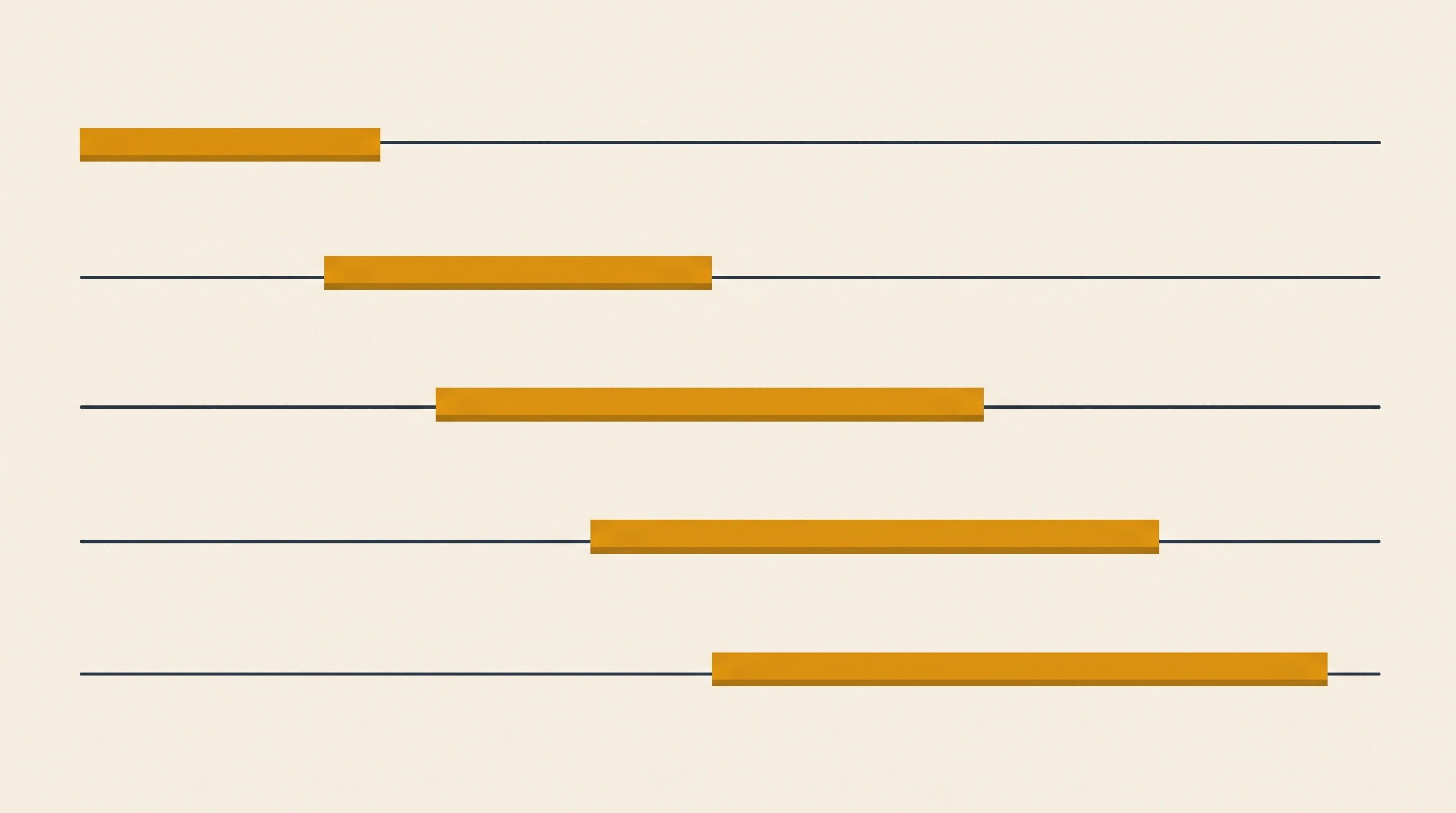
Think of it like a wave. There’s the onset (when you start to feel it), the peak (the most intense part), and the comedown (when effects gradually fade). Each consumption method creates a different wave shape—some hit fast and fade quickly, while others build slowly and linger for hours.
The terpene profile of your cannabis also plays a role. For example, strains in the Relaxing High family—rich in myrcene—may produce effects that feel longer-lasting and heavier, while strains in the Uplifting High family—dominant in limonene—may feel lighter and shorter-lived. This is part of what researchers call the entourage effect, where cannabinoids and terpenes work together to shape your experience [Russo, 2011].
Key Terms Glossary
| Term | Simple Definition |
|---|---|
| THC | The main compound in cannabis that produces psychoactive effects (the “high”) |
| Onset | How long it takes to start feeling effects after consumption |
| Peak | The point when effects are at their strongest |
| Comedown | The gradual fading of effects back to baseline |
| Endocannabinoid system | Your body’s built-in system of receptors that cannabis compounds interact with |
| Terpenes | Aromatic compounds in cannabis that influence flavor, aroma, and effects |
| Entourage effect | The theory that cannabinoids and terpenes work together to shape the overall experience |
| Bioavailability | How much of a compound your body actually absorbs and uses |
Step-by-Step: Duration by Consumption Method
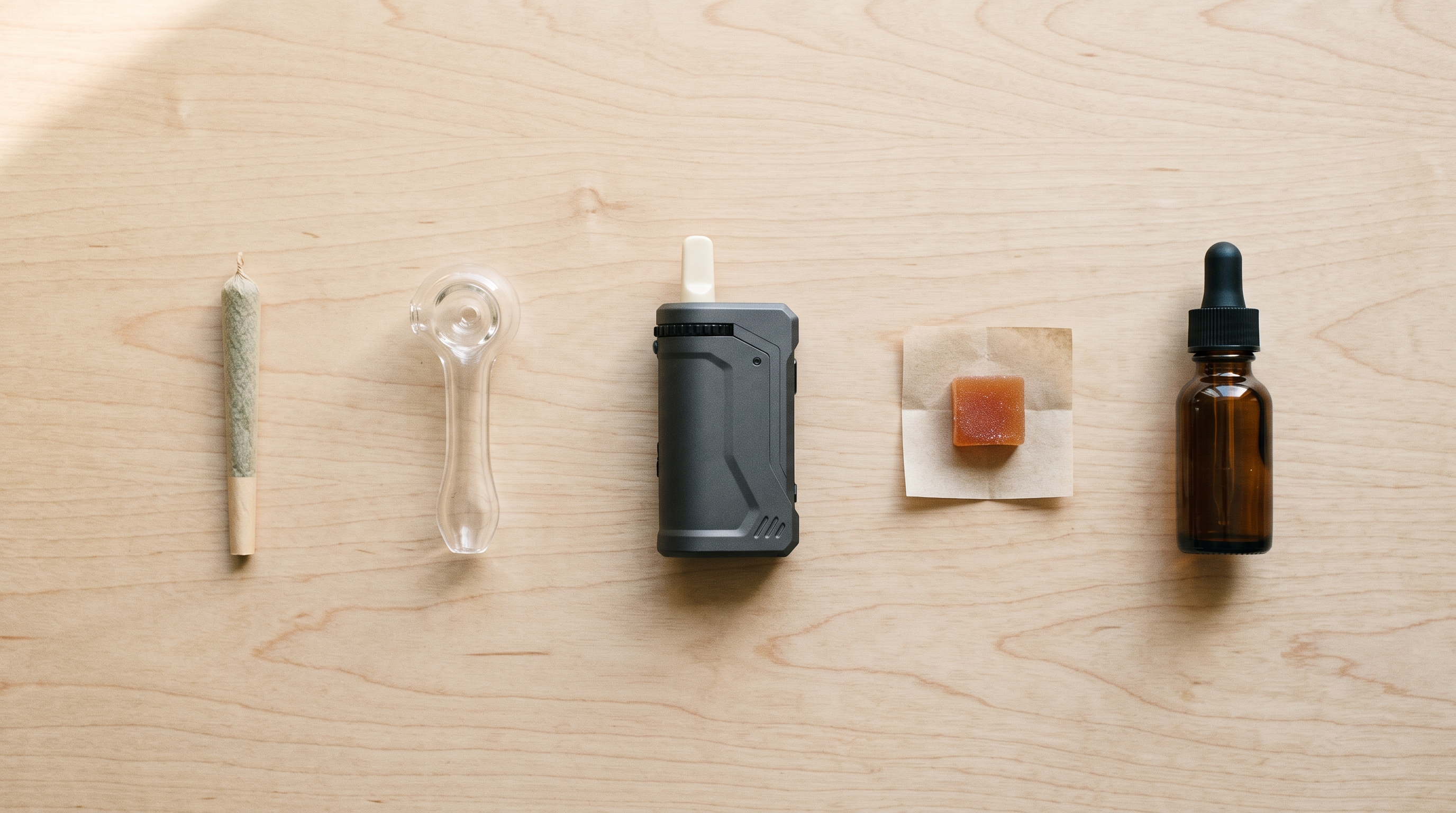
Here’s a practical breakdown of what to expect from each major method. Keep in mind these are typical ranges—your personal experience may vary.
1. Smoking or Vaping (Inhalation)
- Onset: 1–5 minutes
- Peak: 15–30 minutes
- Total duration: 1–3 hours
- What to expect: This is the fastest route. Effects come on quickly, peak relatively early, and taper off within a couple of hours. Vaping tends to feel slightly cleaner and shorter than smoking for many people.
2. Edibles (Oral Ingestion)
- Onset: 30 minutes–2 hours (sometimes longer)
- Peak: 2–4 hours after consumption
- Total duration: 4–8 hours (residual effects up to 12 hours)
- What to expect: Edibles take the longest to kick in because THC must pass through your digestive system and liver. The liver converts THC into 11-hydroxy-THC, a metabolite that’s more potent and longer-lasting [Huestis, 2007]. This is why edibles often feel stronger and last much longer than inhaled cannabis.
Start low, go slow. With edibles, begin with 2.5–5mg of THC and wait at least 2 full hours before considering more. The most common beginner mistake is eating a second dose too soon.
3. Tinctures and Sublingual Products
- Onset: 15–45 minutes (faster if held under the tongue)
- Peak: 1–2 hours
- Total duration: 2–6 hours
- What to expect: Holding a tincture under your tongue allows THC to absorb through blood vessels in your mouth, bypassing the digestive system for a faster onset than edibles. If swallowed, it behaves more like an edible.
4. Topicals (Creams, Balms)
- Onset: 15–45 minutes locally
- Total duration: 1–3 hours
- What to expect: Most topicals don’t produce a psychoactive high at all. They interact with cannabinoid receptors in your skin and may provide localized comfort. These are great if you’re curious about cannabis but not ready for a head change.
Common Mistakes to Avoid
1. Double-Dosing Edibles Too Soon
This is the classic beginner error. You eat a gummy, feel nothing after 45 minutes, and eat another. Then both kick in at once. Always wait at least 2 hours before taking more.
2. Not Accounting for Your Body
Your weight, metabolism, tolerance, and even whether you’ve eaten recently all affect duration and intensity. A high that lasts 2 hours for your friend might last 4 hours for you. There’s no “wrong” response—just different bodies.
3. Choosing the Wrong Method for the Occasion
Planning a 3-hour movie night? Inhalation gives you a manageable window. Have a full free day? An edible might be perfect. Matching your method to your schedule may help reduce uncomfortable surprises.
4. Ignoring Terpene Profiles
Not all cannabis is the same. A strain from the Energetic High family (rich in terpinolene) will feel very different from one in the Relieving High family (rich in caryophyllene). Paying attention to High Families helps you predict not just how long your high will last, but how it will feel.
5. Panicking If It Lasts Longer Than Expected
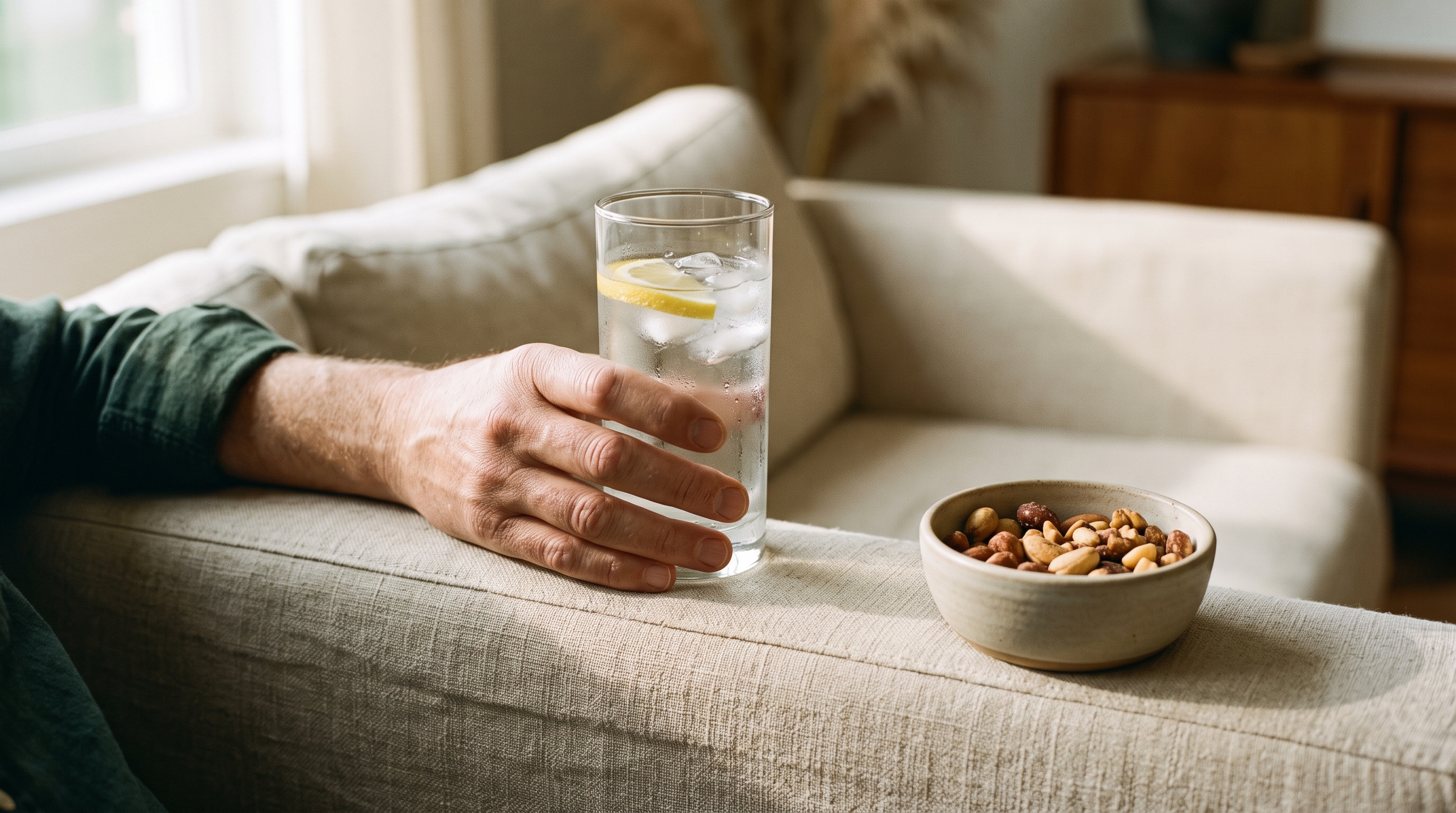
If you’re feeling effects longer than anticipated, remember: no one has ever fatally overdosed on cannabis. Find a comfortable spot, hydrate, snack on something, and put on something familiar and soothing. It will pass.
Frequently Asked Questions
How long does a high from edibles really last?
For most people, the active effects of an edible last 4–8 hours, with some residual grogginess possible for up to 12 hours. This is significantly longer than smoking or vaping. Plan accordingly—edibles are best enjoyed when you don’t have obligations for the rest of the day.
Can I make a high go away faster?
There’s no instant off-switch, but a few things may help you feel more grounded: chewing on black peppercorns (which contain the terpene caryophyllene), taking CBD, staying hydrated, eating a meal, or simply resting in a calm environment. Some people find a cold shower or a walk in fresh air helpful too.
Will I still feel high the next morning?
With inhalation, almost certainly not. With edibles—especially higher doses taken late at night—some people report a mild “weed hangover” that feels like grogginess or brain fog. It’s not dangerous, but it’s worth planning for if you’re new to edibles.
Does tolerance change how long a high lasts?
Yes. Regular consumers often find that their highs are shorter and less intense over time. If you’re brand new to cannabis, expect effects to potentially last on the longer end of every range listed above. This is completely normal and another reason to start with a low dose.
How long does THC stay in my system after the high wears off?
The high and detectability are two very different things. While the psychoactive effects wear off in hours, THC metabolites can remain detectable in urine for days to weeks depending on frequency of use, body fat percentage, and the sensitivity of the test [Huestis, 2007].
Key Takeaways
- Smoking or vaping typically produces effects within 1–5 minutes, peaking around 15–30 minutes and lasting roughly 1–3 hours.
- Edibles take 30 minutes to 2 hours to kick in, may peak at 2–4 hours, and can last 4–8 hours or longer—plan accordingly.
- Tinctures fall in between, with onset around 15–45 minutes and effects lasting 2–6 hours.
- Your body is unique. Tolerance, metabolism, body composition, and recent meals all influence your experience.
- Start low, go slow. Especially with edibles—waiting at least 2 full hours before redosing may help avoid an unexpectedly strong experience.
- If effects last longer than expected, stay calm, hydrate, and rest—it will pass.
Next Steps
Now that you know what to expect timing-wise, you’re in a great position to plan your experience with confidence. Here are some natural next steps:
- Explore the High Families to find the type of experience that matches your goals—whether that’s creative energy, deep relaxation, or something in between.
- Start a simple journal noting what you consumed, how much, and how long effects lasted. After a few sessions, you’ll have a personalized reference guide.
- Try different methods at your own pace. There’s no rush. The best cannabis experience is one where you feel in control and comfortable.
Remember: everyone’s body is different, and there’s no “right” way to experience cannabis. Start low, go slow, and enjoy the journey.
Sources
- Russo, E.B. (2011). “Taming THC: potential cannabis synergy and phytocannabinoid-terpenoid entourage effects.” British Journal of Pharmacology, 163(7), 1344-1364. PMID: 21749363
- Huestis, M.A. (2007). “Human Cannabinoid Pharmacokinetics.” Chemistry & Biodiversity, 4(8), 1770-1804. PMID: 17712819


