How to Choose the Right Cannabis Dispensary: A Buyer's Guide
Learn how to find the perfect cannabis dispensary with this step-by-step guide covering quality, staff, pricing, and what to look for on your first visit.


Walking into a dispensary for the first time can feel a lot like walking into a wine shop when you know nothing about wine — rows of unfamiliar names, a dizzying menu, and the quiet fear that you’ll accidentally reveal you have no idea what you’re doing. Deep breath. That’s exactly why this guide exists.
Whether you’re a first-timer or someone who’s been settling for a “good enough” shop, choosing the right dispensary makes a massive difference in your cannabis experience. The right one doesn’t just sell you products — it educates you, respects your budget, and helps you find what actually works for your body and goals.
Goal & Overview
What you’ll accomplish: By the end of this guide, you’ll know exactly how to evaluate any cannabis dispensary — from the quality of their products and staff to their pricing transparency and overall vibe — so you can find a shop that feels like home.
Estimated time: About 15–20 minutes to read this guide, plus 1–2 visits to evaluate a dispensary in person.
Difficulty level: Beginner — no prior cannabis knowledge required.
What You’ll Need
Required
- A valid government-issued ID (21+ for recreational; medical card if applicable in your state)
- A general idea of your goals — Are you looking for relaxation? Creativity? Sleep support? Pain relief? Even a vague sense helps.
- Cash and/or a debit card — Many dispensaries are still cash-heavy due to federal banking restrictions, though this is changing.
Optional
- A smartphone — For checking online menus, reviews, and loyalty programs before you visit
- A notebook or notes app — Jot down what you try and how it made you feel so you can refine your choices over time
- A friend who’s been before — Social support makes everything less intimidating
Safety Considerations
- Only visit licensed dispensaries — Always verify the shop holds a valid state license. Unlicensed shops can’t guarantee product safety or lab testing.
- Start low, go slow — Whatever you buy, especially if you’re new, begin with the lowest recommended dose.

Step-by-Step Instructions
Step 1: Research Licensed Dispensaries in Your Area
Before you set foot anywhere, spend 10 minutes online. Search for dispensaries near you and cross-reference them with your state’s cannabis regulatory website to confirm they’re licensed. Every legal state maintains a public database of licensed retailers.
Then check their online menu. Most reputable dispensaries use platforms like Dutchie, Weedmaps, or their own websites to list current inventory with prices, THC/CBD percentages, and terpene profiles.
What to look for:
- A current, well-organized online menu
- Product variety (flower, edibles, vapes, tinctures, topicals)
- Lab test results or COAs (Certificates of Analysis) mentioned on products
- Transparent pricing — no hidden fees
Common error to avoid: Don’t just pick the closest or cheapest option. A dispensary 10 minutes farther away with knowledgeable staff will save you money in the long run by helping you avoid products that don’t work for you.
Tip: Check Google and Leafly reviews, but focus on recurring themes rather than individual complaints. Every shop has a few one-star reviews — what matters is the pattern.
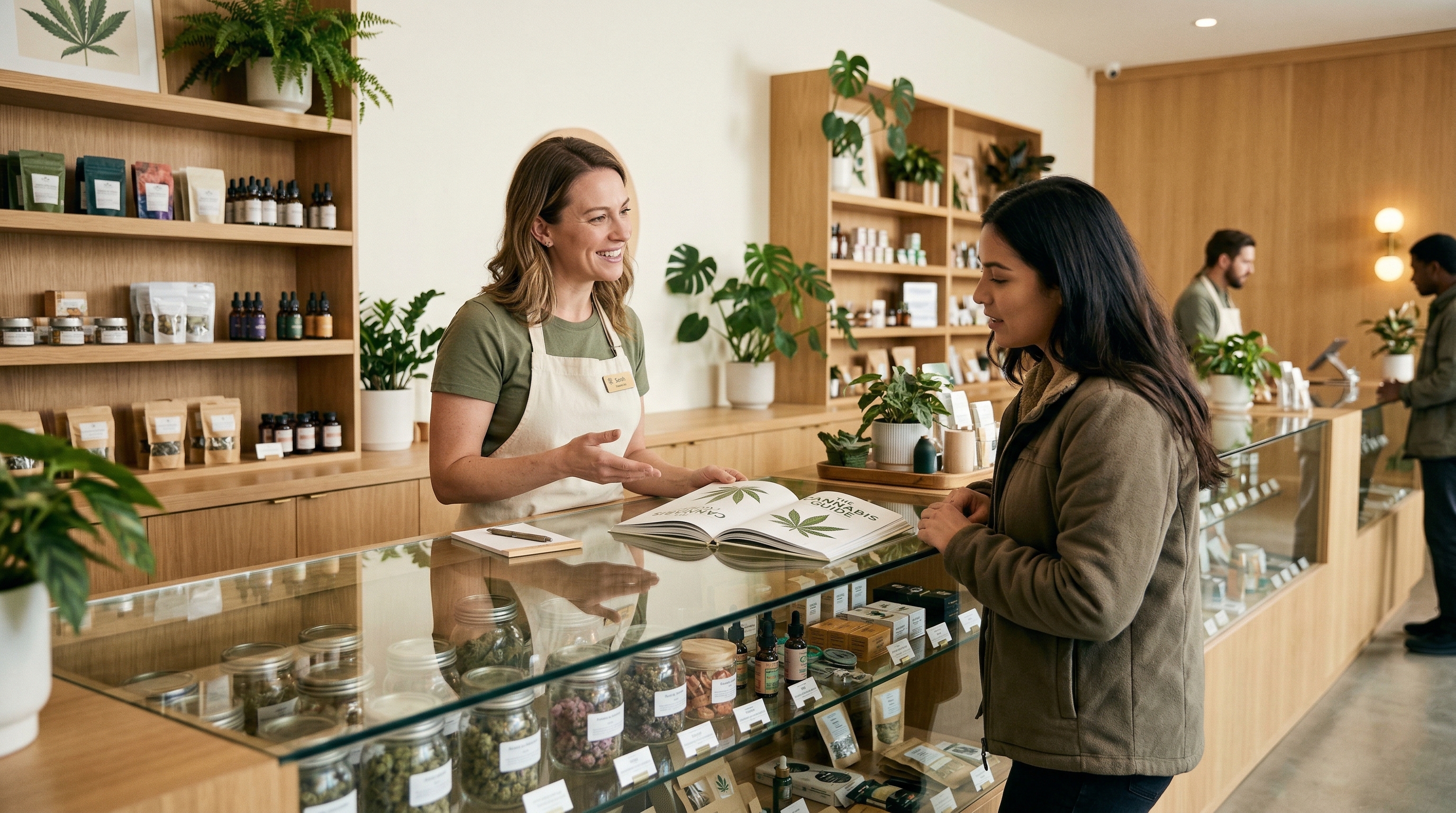
Step 2: Evaluate the Staff (Budtenders Are Everything)
This is the single most important factor. A great budtender is part educator, part sommelier, and part trusted advisor. A bad one just pushes whatever has the highest THC percentage or the biggest margin.
On your first visit, ask a test question like:
- “I’m looking for something relaxing but not sedating — what would you recommend?”
- “Can you tell me about the terpene profile in this strain?”
Green flags:
- They ask about your experience level and goals before recommending anything
- They mention terpenes, not just THC percentages
- They explain the difference between product types without rushing you
- They respect your budget without judgment
Red flags:
- They immediately point you to the most expensive product
- They can’t explain what a terpene is
- They use only “indica” and “sativa” labels without nuance (modern cannabis science has moved well beyond this — our High Families system is a much more useful way to think about effects)
- They seem annoyed by questions
Tip: A budtender who steers you toward a Balancing High strain when you say you’re a beginner is someone who’s actually listening.
Step 3: Inspect Product Quality and Selection
A good dispensary carries a diverse range of products across different consumption methods and effect profiles. You shouldn’t have to choose between three flower strains and call it a day.
Look for:
- Variety across the High Families: Can you find Uplifting High options alongside Relaxing High and Relieving High products? A well-curated menu covers the spectrum.
- Lab-tested products: Every product should have batch-specific lab results showing cannabinoid content, terpene profiles, and screening for pesticides, heavy metals, and mold.
- Multiple price tiers: Quality dispensaries offer budget-friendly options and premium selections without making you feel bad about either choice.
- Fresh inventory: Cannabis degrades over time. Ask about harvest or packaging dates — if a budtender can’t tell you, that’s a concern.
Common error to avoid: Don’t chase the highest THC number. A strain with 18% THC and a rich terpene profile (hello, Entourage High) will often deliver a better, more nuanced experience than a 30% THC strain with a flat terpene profile.
Step 4: Assess the Overall Experience
The vibe matters more than you think. A dispensary should feel safe, clean, and welcoming — not rushed, sketchy, or like a nightclub.
Consider:
- Cleanliness: Is the shop well-maintained? Are products stored properly?
- Wait times: Long lines aren’t always a bad sign (popular shops exist for a reason), but chaotic, disorganized queues suggest poor management.
- Privacy: Can you have a conversation with your budtender without the whole store hearing your questions?
- Loyalty programs and deals: Many dispensaries offer first-time visitor discounts, daily specials, or points-based rewards. Ask about these — they add up fast.
- Return/exchange policy: Things happen. A dispensary with a fair policy for defective products (like a faulty cartridge) earns trust.
Tip: Visit at different times. A shop that’s wonderful on a Tuesday afternoon might be a zoo on Friday evening. Find the rhythm that works for you.
Step 5: Build a Relationship and Track Your Experience
Once you’ve found a dispensary you like, become a regular. This isn’t just about loyalty points — it’s about building a relationship with budtenders who learn your preferences over time.
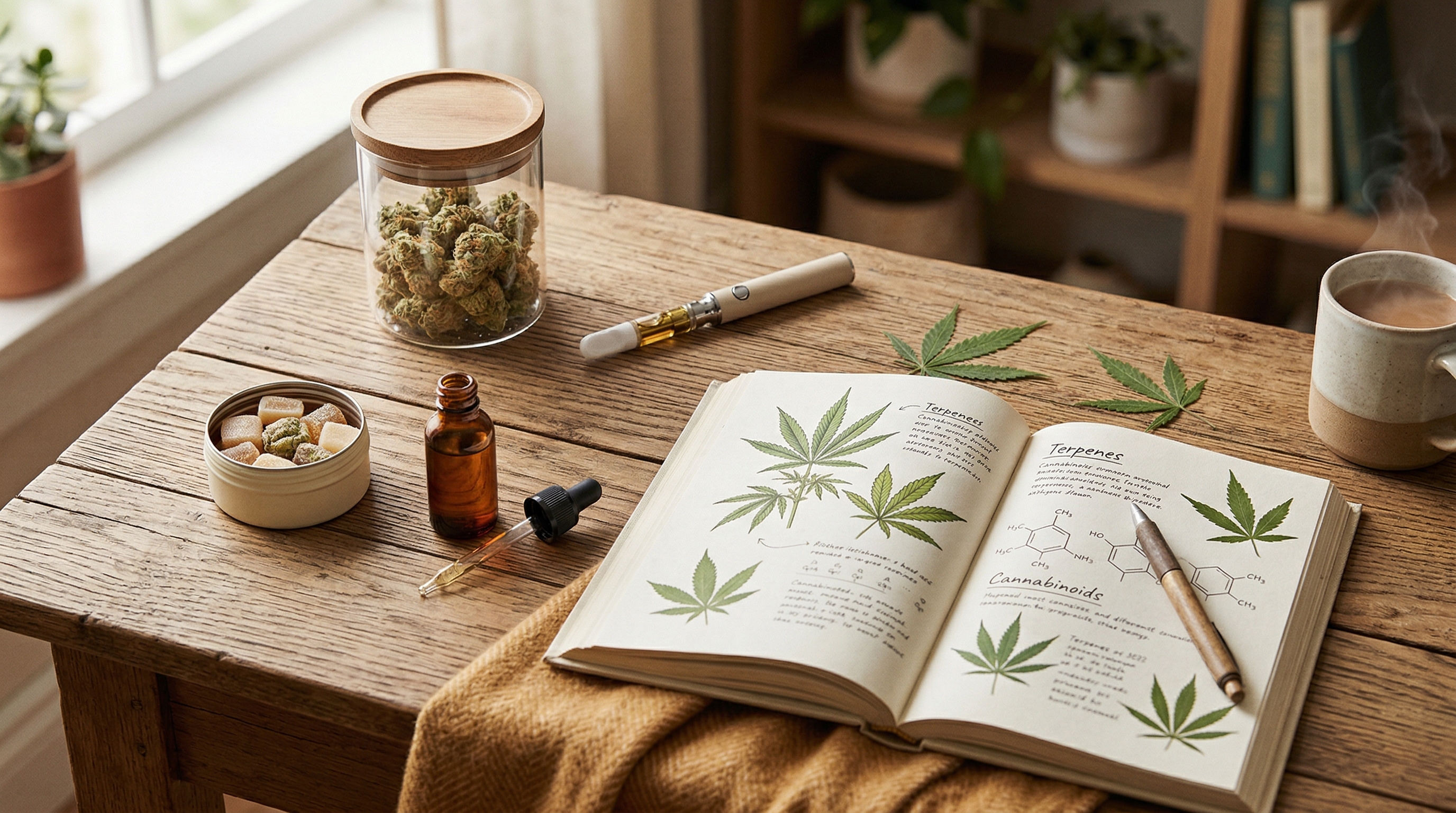
Keep a simple log of what you try:
- Product name and type
- Dominant terpenes (if listed)
- Which High Family it belongs to
- How it made you feel
- Would you buy it again?
After a few visits, you’ll start to see patterns. Maybe you consistently love limonene-forward strains in the Uplifting High family. Maybe edibles hit you harder than expected. This data is gold — and a great budtender will use it to make increasingly spot-on recommendations.
Pro Tips
- Check for educational resources. The best dispensaries host workshops, publish blogs, or have in-store educational materials. A shop that invests in education invests in you.
- Ask about sourcing. Some dispensaries partner with local craft growers or carry single-source products. These often have superior quality and freshness compared to mass-produced options.
- Use online ordering strategically. Many shops let you browse and order ahead for pickup. This gives you time to research products without feeling pressured in-store — then you can ask the budtender follow-up questions at pickup.
- Don’t be loyal to a fault. Even if you have a go-to shop, visit others occasionally. Different dispensaries carry different brands and cultivars. Variety is how you discover your favorites.
- Leverage the High Families system. Instead of asking for “an indica” or “a sativa,” try asking for something in a specific High Family. For example: “I’m looking for an Energetic High — something with terpinolene for focus.” You’ll get better recommendations, and you’ll signal to the budtender that you’re an informed consumer.
Troubleshooting
| Problem | Likely Cause | Solution |
|---|---|---|
| Budtender only recommends high-THC products | Lack of training or sales-driven culture | Ask specifically about terpene profiles and effects; consider trying a different dispensary |
| Products don’t have lab test info | Poor quality control or unlicensed products | Ask to see the COA; if they can’t produce one, shop elsewhere |
| You feel rushed or judged | Understaffing or poor culture | Visit during off-peak hours, or try a different location entirely |
| Prices seem wildly higher than other shops | Premium location markup or limited competition | Compare menus online before visiting; ask about daily deals or loyalty discounts |
| You bought something that didn’t work for you | Mismatch between product and your goals | Log the experience, share it with your budtender next visit, and try a different High Family |
| Online menu doesn’t match in-store stock | Inventory moves fast and updates lag | Call ahead or use the online order feature to confirm availability |
Variations
- Medical vs. recreational dispensaries: Medical dispensaries often have more knowledgeable staff, higher potency options, and sometimes lower taxes. If you qualify for a medical card in your state, it may be worth getting one even where recreational use is legal.
- Delivery services: If in-person shopping isn’t your thing, many licensed dispensaries offer delivery. Apply the same evaluation criteria — check licensing, read reviews, and look for lab-tested products.
- Cannabis lounges: In some markets, consumption lounges let you try before you commit to a full purchase. These can be good for exploring different High Families in a social, low-pressure setting.
Key Takeaways
Finding a dispensary you trust takes a little upfront research, but the payoff is worth it. Here’s the short version of everything covered above:
- Verify the license first — only shop at state-licensed retailers with lab-tested products
- Staff quality matters most — a knowledgeable budtender who listens will save you more money than a daily deal ever will
- Skip the THC arms race — terpene profiles and High Families are far better guides to actual effects
- Track what you try — a simple log of products and how they made you feel is the fastest path to finding your favorites
- Build a relationship — regulars get better service, better recommendations, and often better deals
The right dispensary isn’t just a store — it’s a partner in your cannabis journey. Now you know exactly how to find one.


