Medical vs. Recreational Cannabis: The Divide Is Artificial
The medical vs recreational cannabis split is a political invention, not a scientific one. Here's what the evidence actually shows about the wellness continuum.

Professor High
Your cannabis educator — cutting through policy noise with plant science and pharmacology.
The Same Plant, Two Different Doors
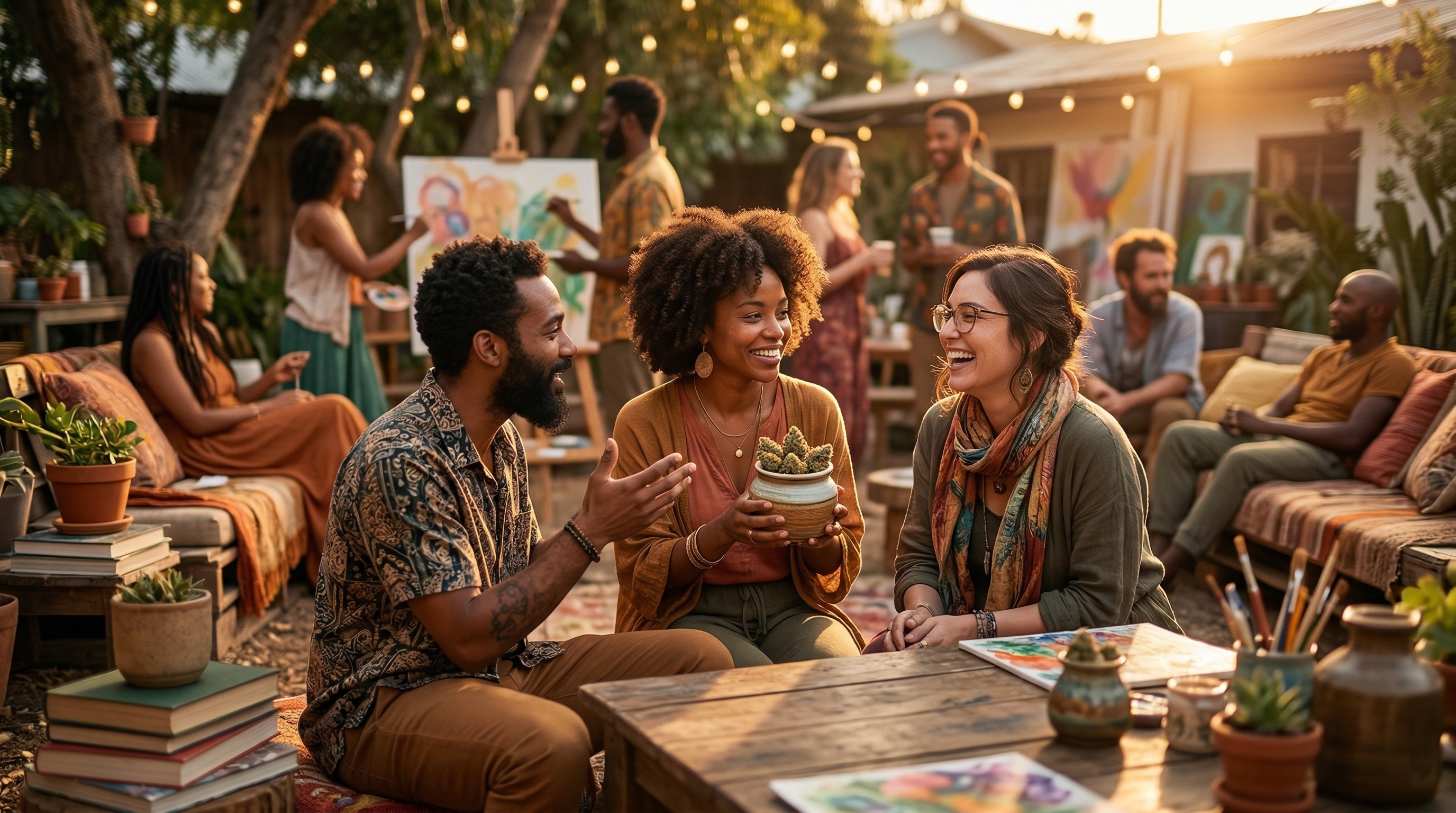
Here’s a question worth sitting with: If someone uses cannabis to unwind after a brutally stressful day, are they a medical user or a recreational one?
What if that stress is clinically diagnosed anxiety? What if it isn’t — but the relief feels identical, and the cortisol drop measured in their blood is the same? The answer, it turns out, has far less to do with the plant and far more to do with politics, paperwork, and a classification system that science never really endorsed.
Across the United States and much of the world, we’ve constructed two entirely separate legal and cultural frameworks around a single species of plant. In one framework, you need a doctor’s recommendation, a qualifying condition, and sometimes a state-issued ID card. In the other, you just need to be 21. The products on the shelves? Often identical. The cannabinoids and terpenes? The exact same molecules doing the exact same things in the exact same receptor system.
This isn’t a philosophical curiosity. The artificial divide between “medical” and “recreational” cannabis shapes who gets access, how much they pay, what research gets funded, and whether people feel shame or agency when they consume. It influences legislation, insurance policy, and the language used in every conversation about the plant — including the ones people have with their doctors.
In this article, we pull that divide apart: examining the history that created two categories out of one plant, the pharmacology that makes those categories scientifically indefensible, the self-medication reality hiding in plain sight, and why this distinction may be doing more harm than good.
How the Divide Was Born: A Political Origin Story
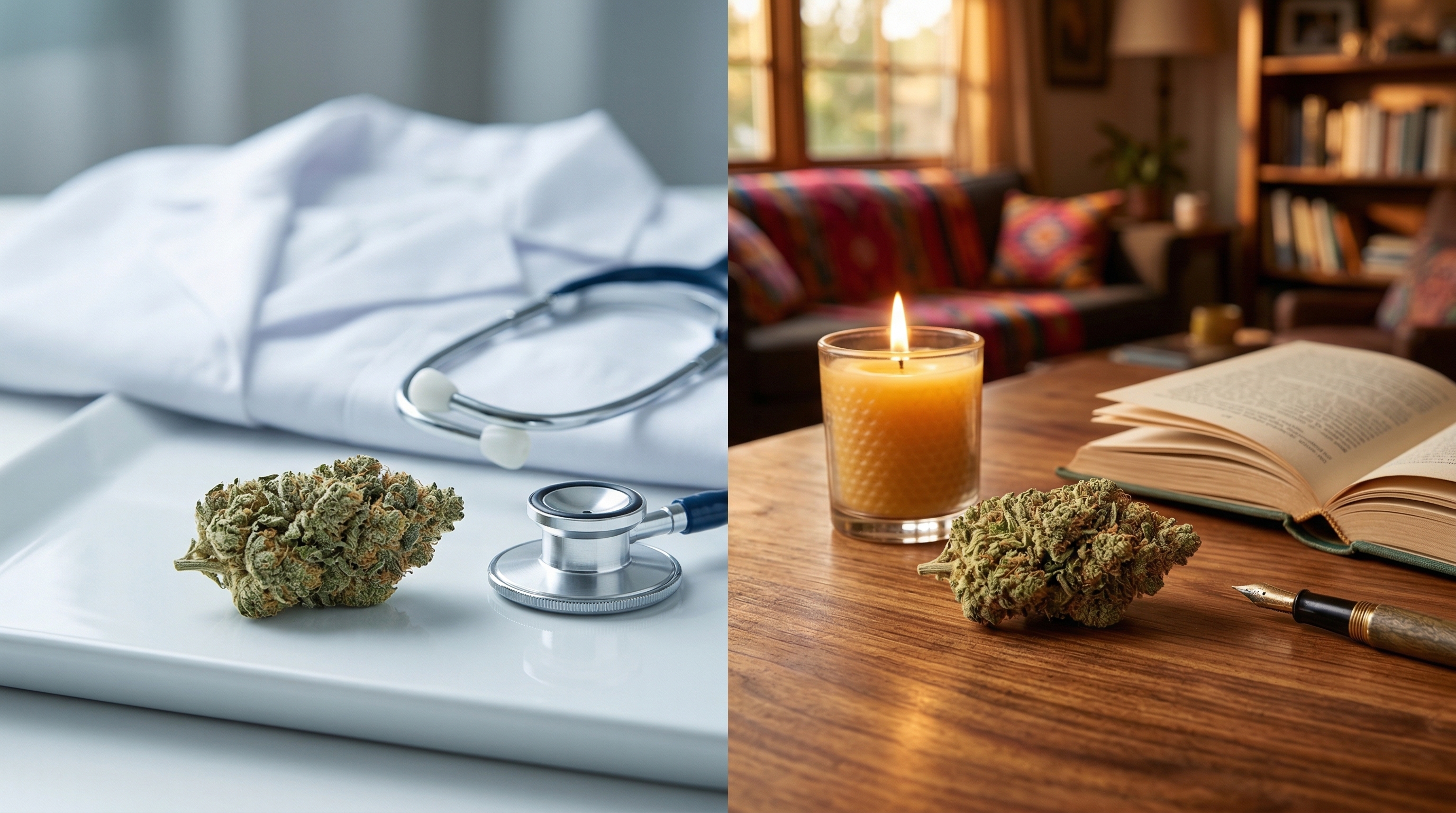
To understand why the medical-recreational divide exists, you have to go back to the 1990s — and understand that it was designed as a workaround, not a scientific conclusion.
By 1996, cannabis remained a federally prohibited Schedule I substance, classified alongside heroin as having “no accepted medical use.” Public support for full legalization was nowhere near a majority. But polls showed that a majority of Americans supported legal access for medical purposes, particularly for cancer patients suffering through chemotherapy.
California’s Proposition 215 that year became the blueprint: frame cannabis as medicine, separate the idea of “healing” from “getting high,” and build legal access around that distinction. It was a brilliant political strategy. It won. And it kick-started the state-by-state medical legalization wave that reshaped American law over the next two decades [Timeline of Cannabis Laws in the United States, Wikipedia].
But the strategy came with embedded costs. By arguing that cannabis needed to be medicine to be legitimate, advocates unintentionally conceded that non-medical use — use for enjoyment, for creativity, for socializing, for stress relief — was somehow less valid. That there were two kinds of cannabis users: the sick ones who deserved compassion, and the recreational ones who were… just having fun.
This framing never reflected the actual biology of how cannabis works in the human body. It reflected what was winnable in a political fight.
The Language Shift That Matters
Notice that early cannabis advocacy used the clinical word “marijuana” (itself a loaded term with a racially charged history, introduced by prohibition-era officials to associate the plant with Mexican immigrants) and later “medical marijuana,” deliberately distancing the conversation from terms like “getting high.” The word choices weren’t neutral — they were engineered to make a political argument.
Today, the word “cannabis” is preferred by researchers, clinicians, and thoughtful advocates precisely because it doesn’t carry that binary freight. The plant is the plant. The people who use it are more complicated than two categories allow.
The Pharmacology: Your Body Doesn’t Check Your Paperwork
Every human body comes equipped with an endocannabinoid system (ECS) — a vast network of receptors, enzymes, and endogenous signaling molecules that helps regulate mood, pain processing, appetite, sleep, immune response, memory, and more [Lu & Mackie, 2016]. It is, in the words of neuroscientist Dr. Raphael Mechoulam (who first isolated THC in 1964), “one of the most important physiologic systems involved in establishing and maintaining human health.”
When you consume cannabis — whether from a dispensary labeled “medical” or one labeled “adult-use” — the cannabinoids (THC, CBD, CBG, CBN) and terpenes interact with this same system. THC binds primarily to CB1 receptors concentrated in the brain and nervous system. CBD modulates multiple receptor pathways including serotonin receptors and vanilloid receptors. Terpenes like myrcene, limonene, and caryophyllene contribute their own pharmacological effects through what researchers call the entourage effect [Russo, 2011].
Here is the critical point: your CB1 receptors don’t check your ID. The pharmacological interaction between a THC molecule and a cannabinoid receptor is identical whether you consumed that molecule for chronic pain relief or because you wanted to watch the sunset differently. The mechanism is the same. The biochemistry does not change based on your stated intent, your legal status, or which door of the dispensary you walked through.
This is not semantics. It is basic pharmacology.
The Self-Medication Reality
Research has consistently found that the binary classification of cannabis users doesn’t map onto reality. The actual population of consumers exists on a spectrum.
A landmark cross-sectional survey published in the Journal of Psychoactive Drugs found that the majority of cannabis consumers report using the plant for a blend of reasons — relaxation, pain management, sleep, social enjoyment, and creative enhancement — often simultaneously and without clear separation [Sexton et al., 2016]. The categories weren’t just blurry; they were largely meaningless to the people living inside them.
The data from Canada’s post-legalization landscape tells a similar story. Approximately 13% of Canadians report using cannabis for medical purposes — but critically, 74% of those medical users do not hold a formal healthcare authorization [Canadian Cannabis Survey, 2022]. They are self-medicating, using cannabis therapeutically without the institutional label that would make that use officially “medical.” They are counted as recreational users in the data.
In the United States, approximately 27% of adults in the US and Canada report having ever used cannabis for medical purposes [JAMA Review, 2025]. A 2024 study tracking women with chronic pain found that 60% preferred to use recreational cannabis to treat their pain — not because they didn’t consider their use therapeutic, but because the medical program was harder to access, more expensive, or more stigmatizing [PMC11735029, 2025]. They were treating a medical condition through a recreational door.
A 2017 study in Health Affairs found that in states with legal cannabis access, opioid prescriptions dropped significantly, suggesting that large numbers of people were substituting cannabis for pharmaceutical pain management — whether or not they had a medical card [Bradford & Bradford, 2017]. The plant was functioning as medicine. The paperwork said otherwise.
The Wellness Continuum: Rejecting the Binary
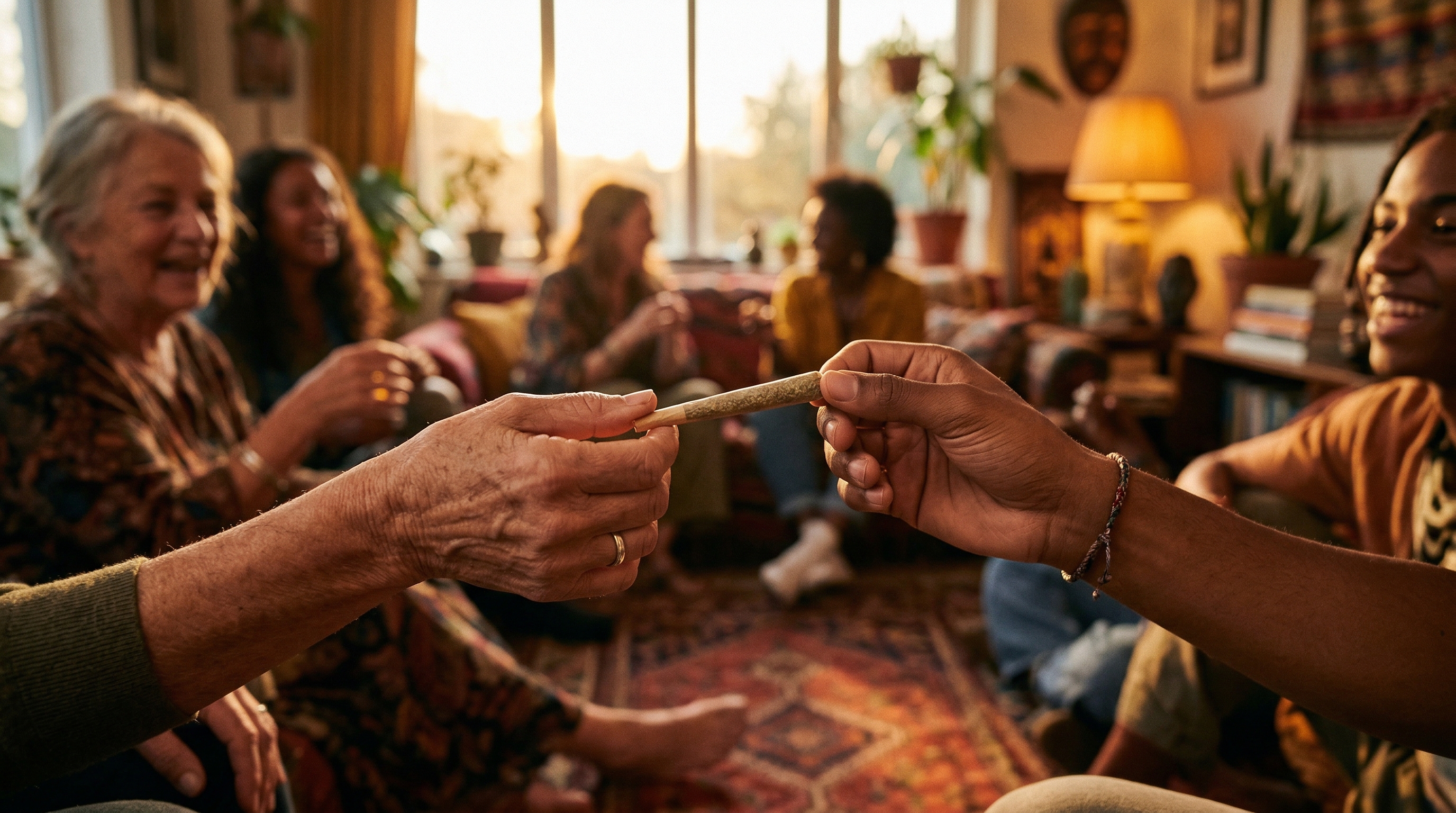
Here’s the more honest framework: cannabis use exists on a wellness continuum, not at two opposite poles.
At one end, you have highly specific, clinically supervised therapeutic applications — a pediatric epilepsy patient on pharmaceutical CBD (Epidiolex), a cancer patient managing chemotherapy-induced nausea with dronabinol. These are unambiguously medical.
At the other end, you have purely hedonic recreational use — someone consuming cannabis for the pleasure of altered perception with no other wellness intent.
But the vast middle of the spectrum includes: stress relief, sleep support, pain management (diagnosed or not), mood enhancement, social ease, creative flow, and the management of anxiety and depression symptoms that may or may not have a clinical diagnosis attached to them. This middle is where most cannabis use actually lives.
Dr. Ethan Russo’s work on Clinical Endocannabinoid Deficiency (CED) adds another layer: conditions like migraines, fibromyalgia, and irritable bowel syndrome may stem from an underperforming endocannabinoid system [Russo, 2016]. If this theory holds, then someone consuming cannabis to “just feel better” may be supplementing a biological deficiency — making their use inherently therapeutic whether or not they’ve ever walked into a doctor’s office.
The language we use shapes who feels entitled to accurate information. When cannabis use for enjoyment is culturally cast as less legitimate than use for illness, people who consume casually are less likely to disclose use to their physicians, less likely to seek information about dosing and drug interactions, and more likely to make uninformed choices about consumption. That is a public health problem, not a cultural preference.
Regulatory Inconsistencies That Reveal the Absurdity
If the medical-recreational divide were scientifically meaningful, you’d expect it to produce consistent regulatory outcomes. It doesn’t.
Same plant, different taxes: In many US states, medical cannabis is taxed at a lower rate than recreational cannabis — or exempt from sales tax entirely. The pharmacological difference between a “medical” dispensary gram and an “adult-use” dispensary gram is zero. The tax difference can be 20–30%. Patients are effectively subsidized for having the right diagnosis; everyone else pays a premium for the same relief.
Same plant, different potency limits: Some states impose higher THC limits for recreational products than medical ones, or vice versa, with no consistent logic. The plant’s effects on human neurophysiology don’t change because a state legislature decided it should.
Same plant, different stigma: Medical users are afforded social permission to discuss their use openly; recreational users are often expected to be discreet. Yet the compounds are identical, the endocannabinoid system response is identical, and the subjective effects for similar doses are substantially similar.
Research bottleneck: Cannabis’s Schedule I status in the US — predicated on “no accepted medical use” — has made rigorous research extraordinarily difficult for decades [MIT Press Reader, 2026]. The same federal policy that restricts recreational use also restricts the medical research that could legitimize it. The two prohibitions are intertwined.
Why All Use Is Therapeutic in Some Way
This is the premise that the medical-recreational divide cannot survive: almost every reason people cite for using cannabis is, at some level, therapeutic.
Stress relief is regulation of the hypothalamic-pituitary-adrenal (HPA) axis. Better sleep is support for memory consolidation, immune function, and metabolic health. Reduced social anxiety is modulation of the amygdala’s fear response. Even enhanced appreciation of music or food involves the endocannabinoid system’s role in hedonic processing — a real physiological function, not a luxury.
This doesn’t mean cannabis use is without risk. High-potency products used chronically by developing brains carry genuine risk. Cannabis use disorder is real. Driving while impaired is dangerous. None of this changes by calling use “recreational” — in fact, pretending recreational use is categorically different from medical use may make people less careful, because they believe the safety information doesn’t apply to them.
The goal shouldn’t be to medicalize all use. It should be to stop making people feel that the only legitimate cannabis use is the kind that requires a diagnosis.
A Better Framework: Effects Over Categories
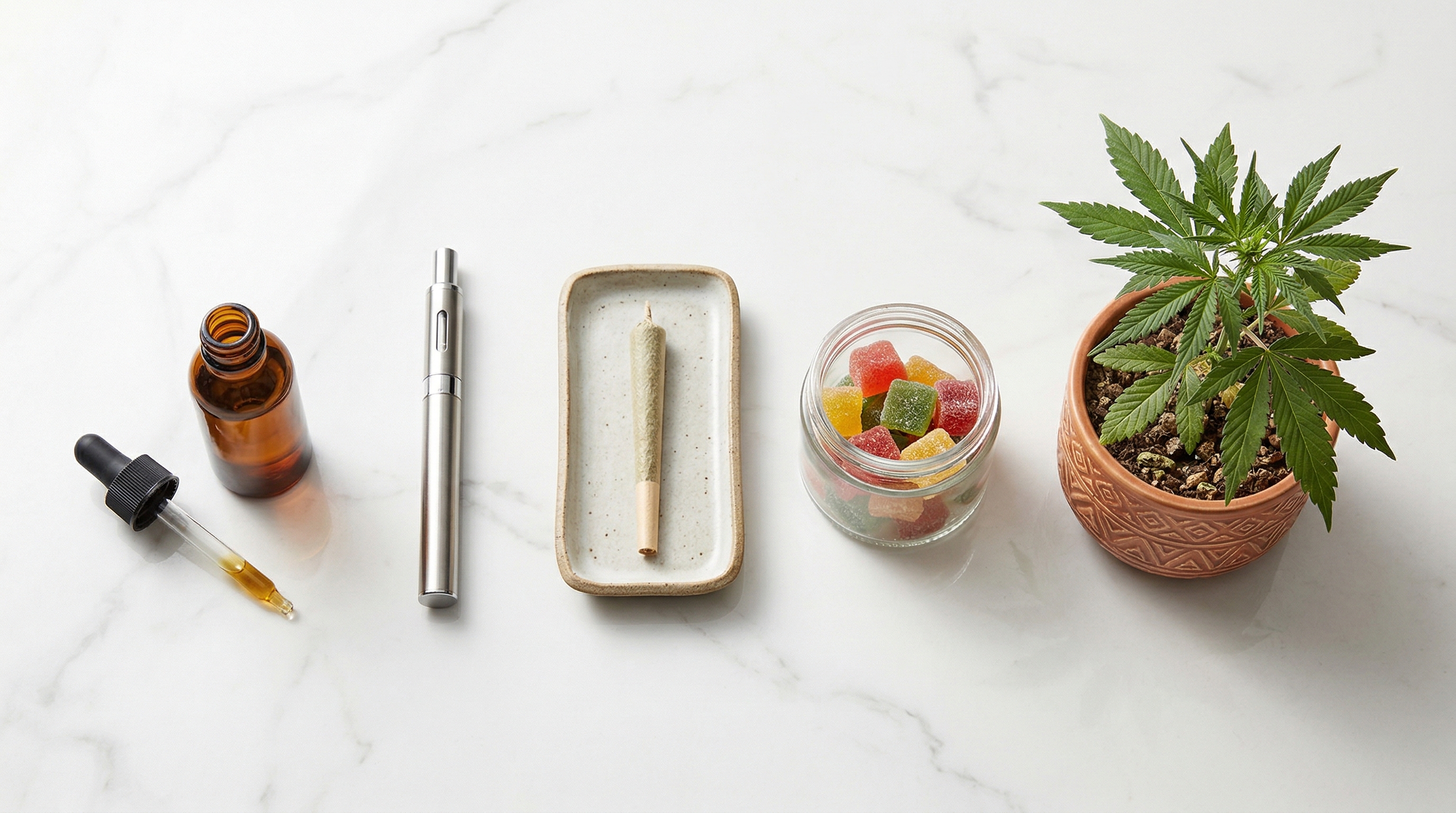
If the medical-recreational divide is artificial, how should we actually think about choosing cannabis? The answer is to stop asking “Is this medical or recreational?” and start asking: “What does my body and mind need right now, and which cannabinoid and terpene profile supports that?”
This is the principle behind the High Families system — a terpene-based framework for understanding cannabis effects that is indifferent to legal categories:
- Dealing with physical tension after a long week? The Relieving High family — rich in caryophyllene and humulene — may support physical comfort without a prescription.
- Managing low-grade anxiety while staying functional? The Uplifting High family, driven by limonene and linalool, addresses both mood and alertness simultaneously.
- Seeking deep rest that also feels wonderful? The Relaxing High family doesn’t require an insomnia diagnosis to be useful.
The plant doesn’t draw a line between healing and enjoyment. The most honest approach to cannabis doesn’t either.
Key Takeaways
- The medical-recreational divide was a political strategy, not a pharmacological conclusion — born in the 1990s as a workaround for a prohibition that couldn’t be defeated head-on.
- Your endocannabinoid system processes cannabis identically regardless of your intent — the receptor pharmacology doesn’t change based on what’s on your dispensary receipt.
- Most cannabis consumers use the plant for overlapping therapeutic and enjoyable reasons, making the binary classification scientifically unsupported [Sexton et al., 2016].
- 74% of Canadian medical cannabis users have no official authorization [Health Canada, 2022] — they are technically “recreational” users engaging in medically motivated self-medication.
- The regulatory inconsistencies — in taxes, potency limits, and social permission — reveal that the divide is maintained by policy inertia, not scientific logic.
- Destigmatizing all cannabis use is a public health priority. When people feel shame about recreational use, they withhold information from healthcare providers and make less-informed decisions.
- Terpene-based frameworks like High Families offer a more accurate and empowering way to choose cannabis, focusing on the experience and effects you’re seeking rather than an arbitrary legal label.
FAQs
Is there really no difference between medical and recreational cannabis products?
In most legal markets, the products are chemically identical — same cultivars, same extraction methods, same cannabinoid and terpene profiles. Regulatory differences do exist: medical programs may offer higher potency limits, reduced taxes, or minor patient access protections. But the plant chemistry, and its interaction with your endocannabinoid system, does not change based on which program you’re enrolled in.
If I use cannabis for enjoyment, am I still getting health effects?
Potentially, yes. The endocannabinoid system responds to cannabinoids regardless of your conscious framing of the experience. If cannabis helps you relax, sleep more soundly, or reduce anxiety, those are measurable physiological responses happening in your body whether you label them “medical” or not. That said, this isn’t medical advice — individual responses vary significantly, and anyone managing a health condition should speak with a healthcare provider.
Why do states still maintain separate medical and recreational programs?
Primarily for political, economic, and institutional reasons. Medical programs were established first, often through ballot initiatives with specific promises to patients. They carry distinct tax structures, regulatory bodies, and patient populations that are politically difficult to dismantle. Some advocates argue that maintaining them protects patient affordability and access for minors with qualifying conditions. Others argue the programs perpetuate an unnecessary stigmatizing divide. This debate is ongoing.
What does “self-medication” actually mean in this context?
Self-medication refers to using a substance to manage a symptom or condition without formal medical supervision or diagnosis. Approximately 74% of Canadian medical cannabis users do so without healthcare authorization [Health Canada, 2022], and research consistently shows that pain, anxiety, sleep problems, and stress are the most common reasons people across all legal categories use cannabis [Sexton et al., 2016; Canadian Cannabis Survey, 2022]. In other words, most people using cannabis “recreationally” are doing so for recognizable wellness reasons.
Sources
- Bradford, A.C. & Bradford, W.D. (2017). “Medical Marijuana Laws May Be Associated With A Decline In The Number Of Prescriptions For Medicaid Enrollees.” Health Affairs, 36(5). DOI: 10.1377/hlthaff.2016.1135
- Health Canada. (2022). Canadian Cannabis Survey 2022. Government of Canada.
- Lu, H.C. & Mackie, K. (2016). “An Introduction to the Endogenous Cannabinoid System.” Biological Psychiatry, 79(7). PMID: 26698193
- MIT Press Reader. (2026). “Cannabis Through the Ages.” mitpress.mit.edu
- Russo, E.B. (2011). “Taming THC: potential cannabis synergy and phytocannabinoid-terpenoid entourage effects.” British Journal of Pharmacology, 163(7). PMID: 21749363
- Russo, E.B. (2016). “Clinical Endocannabinoid Deficiency Reconsidered.” Cannabis and Cannabinoid Research, 1(1). DOI: 10.1089/can.2016.0009
- Sexton, M., Cuttler, C., Finnell, J.S., & Mischley, L.K. (2016). “A Cross-Sectional Survey of Medical Cannabis Users.” Journal of Psychoactive Drugs, 48(5). DOI: 10.1080/02791072.2016.1211975
- JAMA. (2025). “Therapeutic Use of Cannabis and Cannabinoids: A Review.” Published November 2025.
- Ageze, D. et al. (2025). “Medicinal and combined medicinal/recreational cannabis use in California following the passage of Proposition 64.” Journal of Cannabis Research. DOI: 10.1186/s42238-025-00285-9


