The Rise of Cannabis Beverages: THC Drinks Explained
How nanoemulsion technology makes THC drinks hit faster than edibles, what the science says about dosing, and how to choose the right beverage.

Why Your Next Cannabis Experience Might Come in a Can
Here’s a number worth sitting with: the cannabis beverage market is projected to surpass $2 billion by 2026, making it one of the fastest-growing segments in the entire cannabis industry [Grand View Research, 2023]. Walk into any licensed dispensary today and you’ll find shelves lined with THC-infused seltzers, sparkling tonics, lemonades, teas, and even mocktail-style cans that look like they belong behind a craft cocktail bar.
But this isn’t just clever marketing. THC beverages represent a genuine leap in consumption science — one that solves a problem that has frustrated cannabis consumers for decades: unpredictable, delayed onset.
If you’ve ever eaten a cannabis gummy, waited an hour, felt nothing, eaten another — and then found yourself on a one-way trip to the moon — you understand the problem intimately. Traditional edibles have to pass through your entire digestive system and be processed by your liver before you feel anything. That can take anywhere from 30 minutes to 2 full hours depending on your metabolism, body composition, what you’ve eaten, and frankly, a fair amount of biological luck.
THC beverages take a radically different approach. Using a technology called nanoemulsion, manufacturers break THC molecules into particles so tiny they absorb directly through the tissues in your mouth, esophagus, and stomach lining — producing effects in as little as 10 to 20 minutes in many formulations [Zazzy/Blncd, 2025].
In this deep dive, you’ll learn exactly how that technology works, what the science says about bioavailability and onset, how beverages compare to other consumption methods, and how to use them wisely — whether you’re new to cannabis or a seasoned consumer looking for better experience control.
The Science: How Nanoemulsion Works
The Core Problem — THC Hates Water
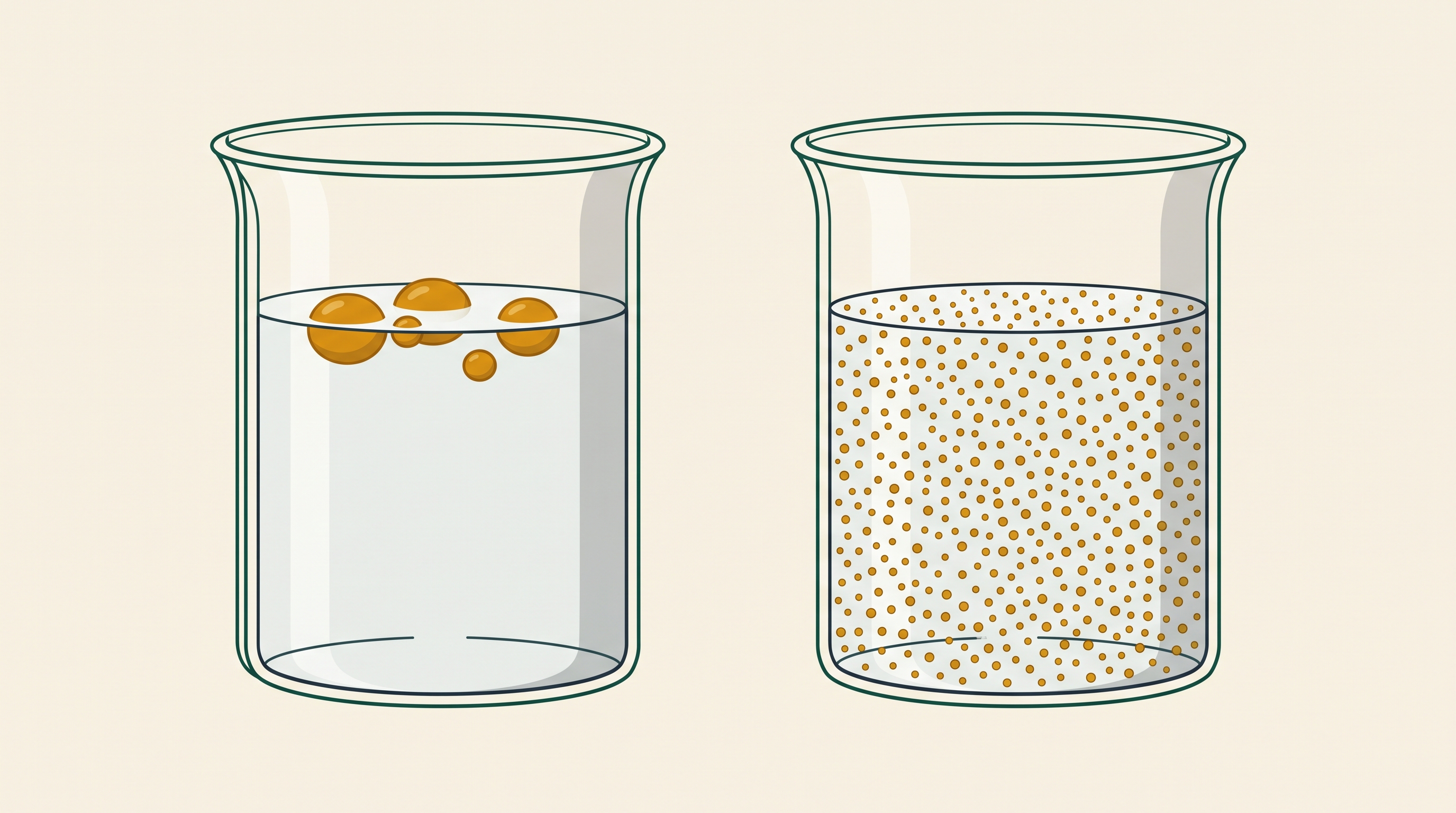
To understand why THC drinks behave so differently from gummies or brownies, you need to grasp one fundamental chemistry problem: THC is lipophilic. That means it dissolves in fats and oils, not in water. Your body, however, is roughly 60% water. Imagine trying to mix olive oil into a glass of water — it just floats on the surface in stubborn globules. That is essentially what happens when you swallow a traditional oil-based edible.
The THC oil has to be slowly broken down by digestive enzymes and then processed by the liver in what pharmacologists call first-pass metabolism [Huestis, 2007]. During this process, delta-9-THC is converted into 11-hydroxy-THC, a metabolite that is generally considered more potent and longer-lasting than delta-9 itself. This is a key reason edibles often produce a heavier, more intense body high than inhalation — and why the onset is so delayed and variable.
How Nanoemulsion Solves It
Nanoemulsion technology attacks the lipophilic problem directly. Using ultrasonic waves or high-pressure homogenization, manufacturers shatter THC oil droplets into nanoparticles typically 20 to 200 nanometers in diameter — roughly 400 to 4,000 times smaller than a human hair [buythcdrinks.com, 2025]. At this scale, the particles become stable in water, creating a transparent, evenly distributed mixture that behaves nothing like traditional cannabis oil.
The practical result is dramatic: instead of waiting for your digestive system to slowly emulsify a fat-based edible, the nano-sized THC particles absorb rapidly through the mucosal lining of your mouth, esophagus, and stomach — entering circulation directly, with significantly less reliance on first-pass liver metabolism.
Clinical research on nanoemulsified cannabinoid formulations shows bioavailability rates of 40–90%, compared to just 6–20% for traditional oil-based edibles [Zazzy Research Compilation, 2025; Cherniakov et al., 2017]. This five-fold jump in absorption efficiency means that the same 5 mg dose in a beverage may deliver substantially more active cannabinoid to your bloodstream than 5 mg in a conventional gummy — a critical factor for dosing decisions.
A Note on the Science
Most existing human studies on cannabis nanoemulsions use small sample sizes, and individual responses still vary considerably based on body composition, tolerance, and food intake. Researchers acknowledge that more large-scale human trials are needed to fully characterize absorption profiles across diverse populations [Baratta et al., 2021]. The technology is well-established in pharmaceutical drug delivery and the early cannabis-specific data is compelling — but treat specific onset numbers as population averages, not personal guarantees.
One nuance worth noting: because nanoemulsified THC partially bypasses first-pass liver metabolism, you produce less 11-hydroxy-THC than you would from a traditional edible at the same dose. Some consumers report that beverages feel “cleaner” and more manageable than edibles — a lighter, more cerebral experience rather than the deep body weight often associated with gummies. This observation is consistent with the metabolite difference, though it remains under-studied in rigorous controlled settings.
How THC Beverages Compare to Other Consumption Methods
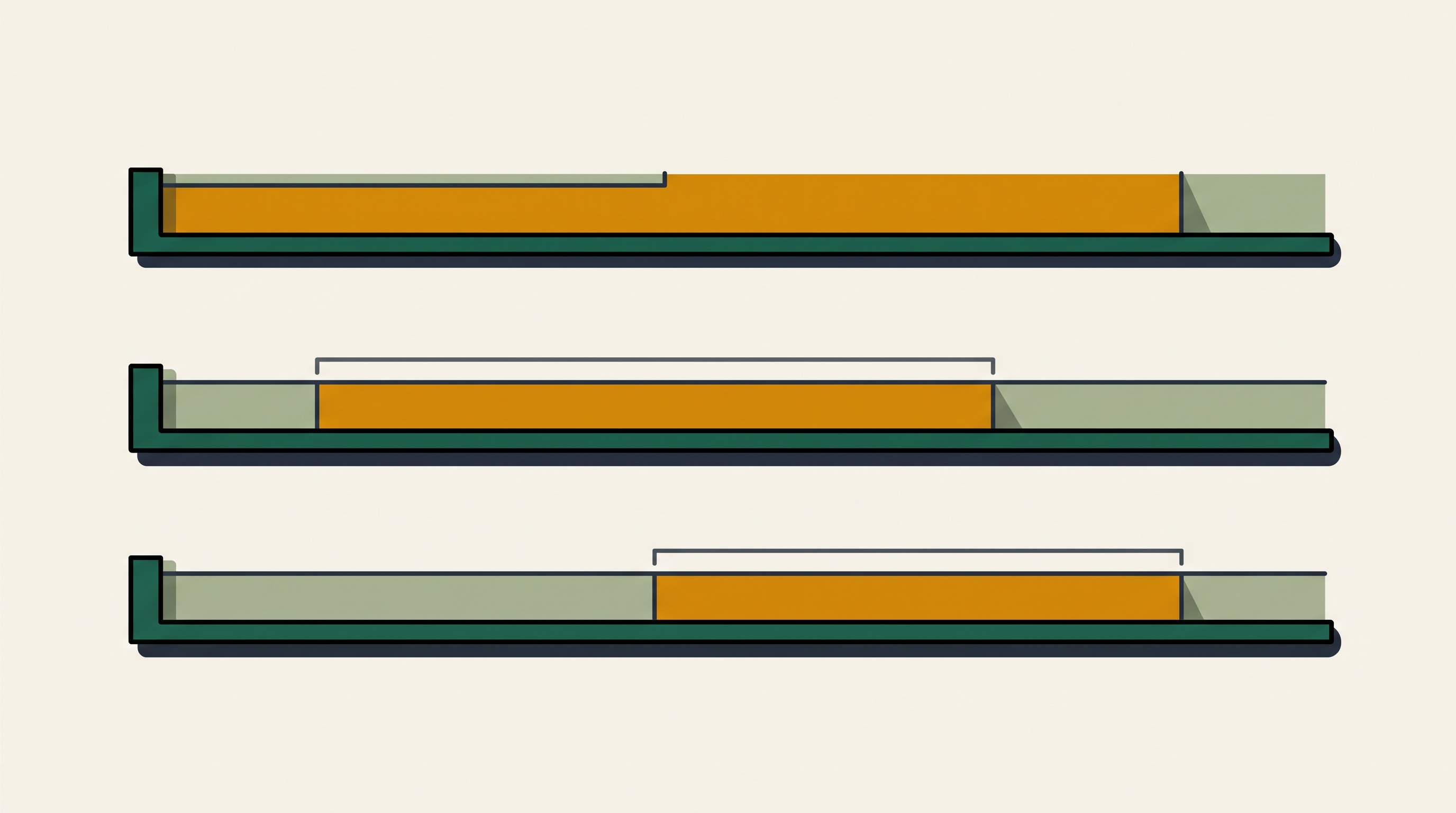
The most useful way to think about cannabis beverages is by their position in the onset-duration spectrum across all consumption methods.
| Method | Onset | Peak | Duration |
|---|---|---|---|
| Smoking / Vaping | 1–10 min | 10–30 min | 1–3 hrs |
| Nano-Emulsified Beverages | 10–20 min | 45–60 min | 2–4 hrs |
| Standard THC Drinks | 15–30 min | 60–90 min | 2–4 hrs |
| Traditional Edibles | 30–120 min | 2–3 hrs | 4–8 hrs |
Sources: Zazzy, HyperWolf, Drink Happie, Zen Leaf Dispensaries — 2025–2026
THC beverages occupy what many in the industry call a “Goldilocks” position: not as immediate as inhalation, but far more predictable than traditional edibles. Crucially, the shorter duration (2–4 hours versus 4–8 hours for edibles) is not a limitation — it is often the entire appeal. You can enjoy a THC seltzer at 7 PM and feel completely clear-headed by 10 or 11 PM. That degree of predictability is nearly impossible with traditional edibles.
The experience arc of a beverage — open it, sip it, feel it build gradually over 15–30 minutes, ride the peak for an hour, come back down — mirrors the pacing of having a cocktail far more closely than any other cannabis format. This is precisely why beverages have become the leading alcohol alternative positioning in the cannabis market.
Dosing: The Most Important Thing to Get Right
Why Beverages Are More Beginner-Friendly Than Edibles
The most dangerous thing about traditional edibles is the delayed feedback loop. You eat a gummy, feel nothing for 90 minutes, assume it isn’t working, eat more — and then 30 minutes later both doses hit simultaneously. This is the single most common cause of cannabis overconsumption.
Beverages largely solve this problem. With a 15–30 minute onset, you get real-time feedback within a single session. Sip, wait 15–20 minutes, assess where you are, decide whether to continue. The liquid format even allows you to consume in increments — drink half the can, wait, then finish it only if you want more. That level of active dosing control is genuinely unprecedented in the edible format.
Standard Dosing Guidelines for Beverages
Most commercially available THC beverages contain 2.5 mg to 10 mg of THC per serving, with many low-dose products in the 2–5 mg range.
| Level | Dose | Expected Effects | Best For |
|---|---|---|---|
| Microdose | 1–2.5 mg | Subtle mood lift, social ease | Beginners, work events, daytime |
| Low | 2.5–5 mg | Mild relaxation, gentle euphoria | Social gatherings, casual use |
| Standard | 5–10 mg | Moderate euphoria, stress relief | Evening relaxation, experienced users |
| High | 10 mg+ | Strong effects, potential couch-lock | Experienced consumers only |
The golden rule for beverages: start with 2.5–5 mg and wait a full 30–45 minutes before considering more — even though the onset is faster than traditional edibles, your complete experience continues to develop as peak absorption occurs. Nano-emulsified products specifically advise a minimum 30-minute wait before re-dosing; standard THC drinks warrant 45–60 minutes [Zazzy, 2025].
One important caveat on the bioavailability advantage: because nanoemulsified beverages deliver more THC to your bloodstream than an equivalent-milligram traditional edible, do not assume your edible tolerance translates directly. If you routinely take a 10 mg edible, a 5–7.5 mg beverage may deliver a comparable or stronger experience. Start conservative.
Watch for Multi-Serving Cans
Always read the label. Many beverage cans contain multiple servings — a 12 oz can might list 10 mg total but 5 mg per serving. Consuming the whole can in one sitting without checking this is a common mistake, especially for consumers used to drinking a full beer or soda.
THC Beverages vs. Alcohol: The Social Alternative
The fastest-growing use case for cannabis beverages is as a direct alcohol substitute — something to hold at a party, sip through a dinner, or wind down with in the evening without alcohol’s caloric load, hangover potential, or addictive properties.
The parallels are real and deliberate. Both are consumed socially in a sipping format. Both produce effects that build gradually over 20–40 minutes and wind down over a few hours. Neither requires any smoking apparatus, and beverages are discreet in essentially any setting.
The key differences:
- No hangover. Nano-emulsified cannabinoids enter and clear the system relatively quickly. Many consumers report no morning-after cognitive fog, compared to alcohol’s well-documented next-day effects.
- No calories from the intoxicant. THC itself has no caloric value; most seltzers contain 5–50 calories total versus 100–200+ for equivalent alcoholic beverages.
- Different impairment profile. THC beverages are still intoxicating. Never drive after consuming them. The absence of a hangover does not mean the absence of impairment in the hours immediately after consumption.
- Do not mix with alcohol. Combining THC and alcohol amplifies both substances in unpredictable and often unpleasant ways, significantly increasing the risk of nausea, dizziness, and anxiety. For a full breakdown of why this combination is risky, see our article on cannabis and alcohol interactions.
Practical Tips for a Great First Experience
- Read the full label before opening. Confirm total THC content per can and per serving — they are often not the same number.
- Start with 2.5–5 mg. Even if you have significant experience with other cannabis formats, the bioavailability difference means your first beverage should be a calibration session.
- Sip slowly, don’t chug. The beverage format encourages pacing. Use it. Drinking a full can in five minutes defeats the purpose of real-time dose control.
- Wait the full window before re-dosing. 30 minutes minimum for nano-formulations; 45–60 minutes for standard products.
- Food in your stomach moderates the experience. While beverages absorb faster than solid edibles regardless, consuming on a completely empty stomach can accelerate and intensify onset.
- Check the terpene profile if available. Premium beverage brands increasingly add specific terpene blends. Formulations featuring limonene and linalool tend toward uplifting, social experiences aligned with the Uplifting High; those with myrcene lean toward the Relaxing High. Use the High Families framework to match the product to your desired outcome.
- Keep a journal. Track brand, dose, food intake, and how you felt. Beverages show more consistent, repeatable effects than edibles — making them ideal for dialing in your personal sweet spot over 2–3 sessions.
Connecting to High Families
The cannabinoid content of a beverage determines its potency, but terpenes determine its character. Just as with flower and other consumption methods, the terpene profile shapes whether you feel socially energized, creatively focused, physically relaxed, or ready for sleep.
When shopping for THC beverages, look beyond the THC milligrams on the front of the can. Flip it over and check for terpene information:
- Limonene + linalool blends: social, uplifting, creative — Uplifting High territory
- Myrcene-forward formulations: body-relaxing, sedating — aligned with the Relaxing High
- Caryophyllene additions: grounding, physically comforting — closer to the Relieving High
Not all brands disclose terpene information yet, but the leading premium producers increasingly do. It is the single most useful piece of information on the label after total milligrams.
Key Takeaways
- Nanoemulsion technology breaks THC oil into 20–200 nm particles that absorb through mucosal tissue, delivering onset in 10–20 minutes versus 30–120 minutes for traditional edibles [Cherniakov et al., 2017; Zazzy, 2025]
- Bioavailability jumps 5x: approximately 40–90% for nanoemulsified beverages versus 6–20% for conventional edibles — which means the same milligram dose delivers meaningfully more active THC [Zazzy Research, 2025]
- Shorter, more predictable duration (2–4 hours) makes beverages better suited to social settings, evening use, and anyone who values schedule predictability
- The real-time feedback loop — feel effects within 15–30 minutes and pace accordingly — makes overconsumption far less likely than with traditional edibles
- Start at 2.5–5 mg, do not mix with alcohol, and check terpene profiles to match your intended High Family
- The science is robust in its direction but still developing at scale — individual results vary based on metabolism, tolerance, and food intake
FAQs
Are THC beverages stronger than edibles at the same milligram dose?
Potentially, yes — due to higher bioavailability. Nanoemulsified beverages deliver 40–90% of consumed THC to your bloodstream versus 6–20% for traditional edibles. A 5 mg beverage may produce a comparable or stronger effect than a 10 mg gummy for some consumers. Start lower than your usual edible dose until you know how your body responds.
Why do THC beverages feel “lighter” than edibles?
Traditional edibles convert delta-9-THC into 11-hydroxy-THC during first-pass liver metabolism — a metabolite that is generally more potent and more body-heavy than delta-9. Beverages partially bypass this conversion, so more of the active compound reaching your bloodstream is delta-9-THC rather than 11-hydroxy-THC. Many consumers describe this as a cleaner, more cerebral experience. For a deeper dive into this metabolic difference, see our article on why edibles hit harder.
Can I make THC beverages at home?
You can add cannabis tinctures to drinks at home, but they will not replicate the fast-acting experience of commercially nanoemulsified products. Home tinctures are oil-based, so they behave more like traditional edibles — slow onset, longer duration. Water-soluble THC powders are emerging as a home-use option, but quality varies significantly. For predictable fast-acting effects, commercially manufactured nanoemulsified beverages are your best bet.
How long do THC beverages stay in your system for drug testing?
The felt effects typically last 2–4 hours, but THC metabolites remain detectable in urine for days to weeks depending on your frequency of use — identical to any other cannabis product. A THC beverage will show up on a standard drug test.
Are THC beverages legal everywhere?
Legality depends entirely on your jurisdiction. In legal adult-use states, THC beverages are sold in licensed dispensaries alongside other cannabis products. Some hemp-derived beverages (using delta-9 THC from hemp at or below 0.3% by dry weight) are sold more broadly under federal hemp law, but state enforcement varies significantly. Always verify your local laws before purchasing.
Sources
- Baratta, F. et al. (2021). “Cannabis-Based Oral Formulations for Medical Purposes: Preparation, Quality and Stability.” Pharmaceuticals, 14(2), 171. DOI: 10.3390/ph14020171
- Cherniakov, I. et al. (2017). “Piperine-pro-nanolipospheres as a novel oral delivery system of cannabinoids.” Journal of Controlled Release, 260, 46–56. DOI: 10.1016/j.jconrel.2017.05.027
- Grand View Research. (2023). “Cannabis Beverages Market Size, Share & Trends Analysis Report.” Grand View Research, Inc.
- Huestis, M.A. (2007). “Human Cannabinoid Pharmacokinetics.” Chemistry & Biodiversity, 4(8), 1770–1804. PMID: 17712819
- Izgelov, D. et al. (2020). “Investigation of cannabinoid solubilization by self-nanoemulsifying formulations.” International Journal of Pharmaceutics, 581, 119274. DOI: 10.1016/j.ijpharm.2020.119274
- Monte, A.A. et al. (2015). “The Implications of Marijuana Legalization in Colorado.” JAMA, 313(3), 241–242. PMID: 25486283
- Zazzy Editorial Team. (2025). “Water Soluble THC: Nanoemulsion Technology Guide.” buythcdrinks.com. Published December 2025.
- Zazzy Editorial Team. (2025). “THC Onset Times by Consumption Method Guide.” buythcdrinks.com. Published December 2025.
- Renz, J. (2026). “THC Drinks vs. Edibles: What Actually Hits Faster?” HyperWolf. Published March 2026.
- Drink Happie. (2026). “How Long Do THC Seltzers Last? Timing, Duration & What to Expect.” drinkhappie.com. Published March 2026.
- Zen Leaf Team. (2025). “THC Drinks vs. Edibles: Comparing Infused Consumption Methods.” zenleafdispensaries.com. Published August 2025.


