Vaping vs Smoking Cannabis: What Science Actually Says
A science-based comparison of vaping and smoking cannabis, covering respiratory health, bioavailability, terpene delivery, and harm-reduction tips.


The Burning Question (Pun Intended)
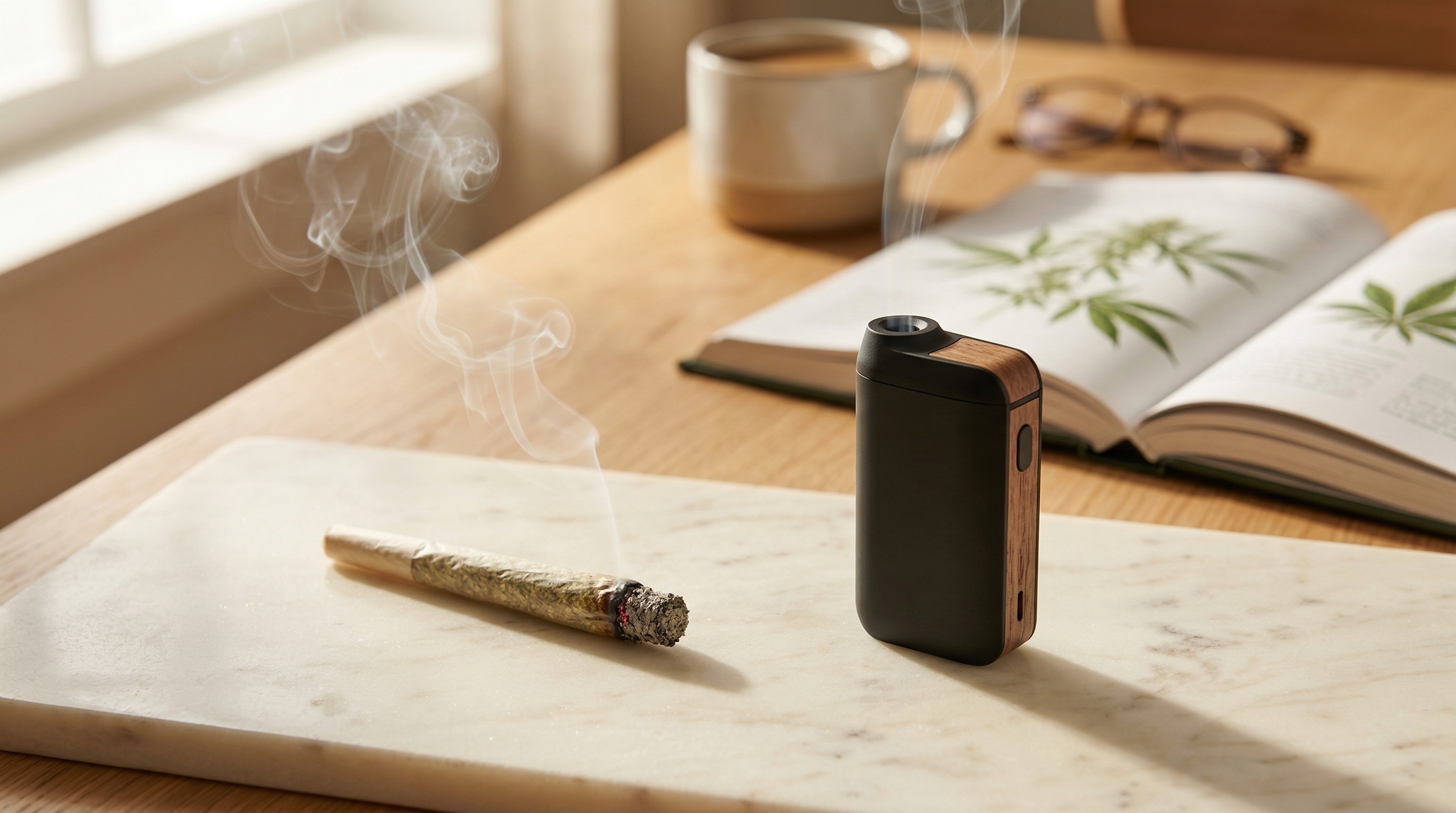
Here’s a fact that might surprise you: when you light a joint, the tip reaches temperatures above 900°C (over 1,650°F). At that temperature, you’re not just activating cannabinoids—you’re incinerating plant material and creating hundreds of combustion byproducts, many of which have nothing to do with getting high and everything to do with irritating your lungs [Meehan-Atrash et al., 2019].
Meanwhile, a typical dry herb vaporizer operates between 160–230°C (320–446°F)—roughly a quarter of combustion temperature. That gap isn’t trivial. It’s the difference between boiling water and melting steel, and it fundamentally changes what enters your body when you inhale.
So which method is actually better? The answer, as with most things in cannabis science, is more nuanced than the internet would have you believe. Vaping and smoking each have distinct advantages, limitations, and risk profiles. And the research—while still catching up to the legal market—has enough to say that we can move well beyond “vibes” and into evidence.
In this deep dive, we’ll break down the combustion chemistry, explore what studies reveal about respiratory health, compare how each method delivers cannabinoids and terpenes, and give you practical guidance for making an informed choice. Whether you’re a longtime joint roller or vape-curious, you’ll walk away with a clearer picture of what the science actually supports.
Let’s get into it.
The Science Explained
How Combustion and Vaporization Work
To understand the difference, you need to understand two processes: combustion and vaporization. They both involve heat and plant material, but they work in very different ways.
Combustion is what happens when you light a joint, bowl, or blunt. Fire breaks down the plant material through a rapid reaction with oxygen. This process destroys the plant’s cellular structure and produces a complex mix of gases, particulate matter, tar, and ash—along with the cannabinoids and terpenes you’re after.
Vaporization is more like a slow simmer. A vaporizer heats cannabis to the point where cannabinoids and terpenes turn into breathable vapor—without ever reaching the temperature needed to ignite the plant material. Think of boiling water to create steam versus throwing it into a furnace. Both produce something you can see in the air, but the makeup is very different.
This matters because combustion generates toxic byproducts that have nothing to do with cannabis itself. A 2008 study found that cannabis smoke contains many of the same harmful compounds as tobacco smoke, including polycyclic aromatic hydrocarbons (PAHs), carbon monoxide, and volatile aldehydes [Moir et al., 2008]. These come from burning organic matter—any organic matter—not from cannabis specifically.
Vaporization largely sidesteps this problem. Because the plant material never catches fire, most of those combustion byproducts simply aren’t created.
What the Research Shows About Respiratory Health
Let’s address the big one first: is vaping cannabis safer for your lungs than smoking it?
The short answer is that current research strongly suggests yes—with important caveats.
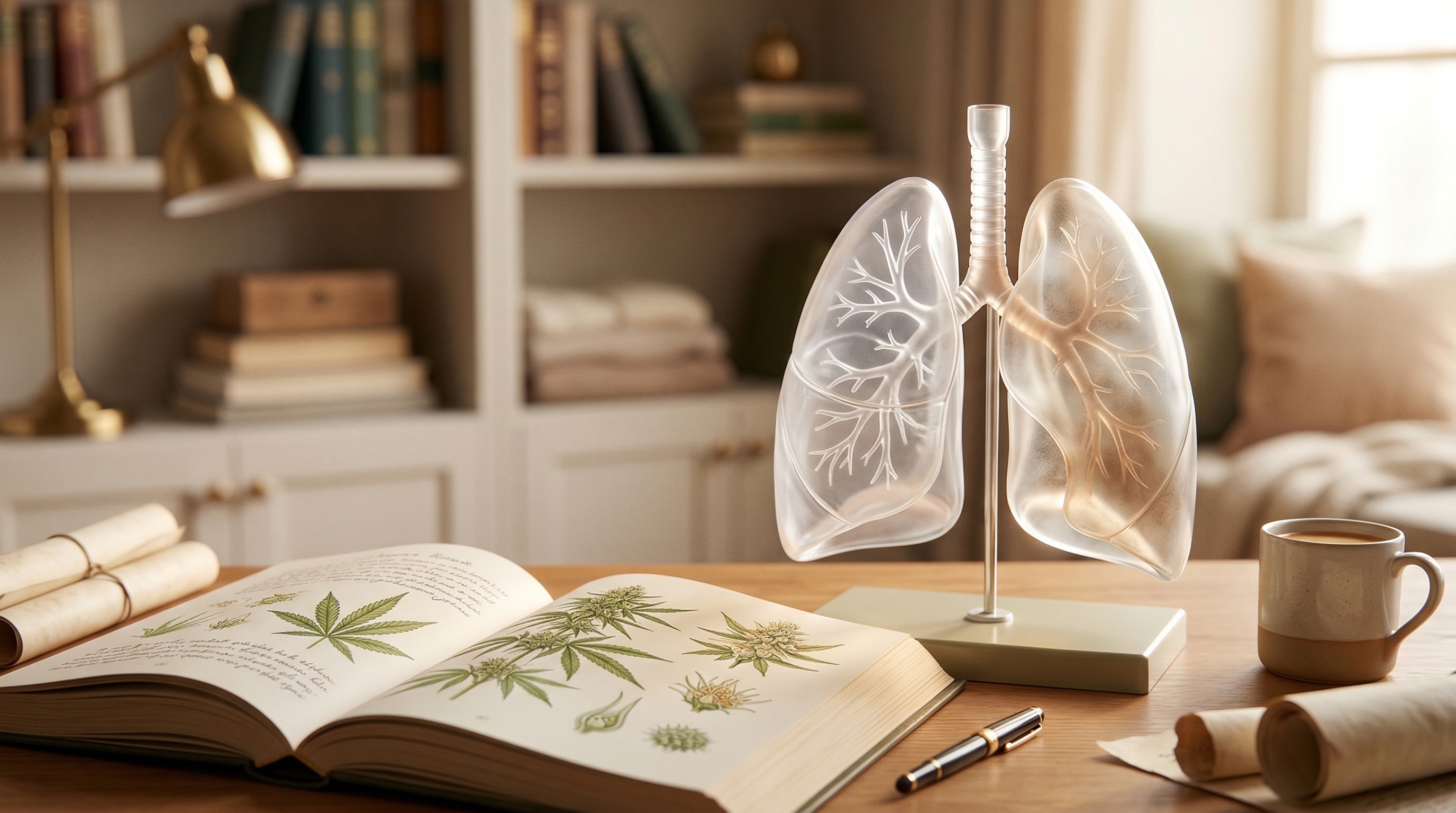
A landmark 2007 study published in Clinical Pharmacology & Therapeutics compared smoking cannabis to vaporizing it using a Volcano device. The researchers found that vaporization delivered similar THC levels to the bloodstream while significantly reducing carbon monoxide and other combustion toxins in exhaled breath [Abrams et al., 2007]. Participants reported fewer respiratory symptoms with vaporization.
A larger observational study found that regular cannabis smokers who switched to vaporizers reported meaningful improvements in respiratory function within one month, including less cough, phlegm, and chest tightness [Van Dam & Bhatt, 2012]. A separate study found vaporizer users were 40% less likely to report respiratory symptoms than people who did not vaporize [Earleywine & Barnwell, 2007].
However—and this is critical—we need to distinguish between dry herb vaporizers and oil/concentrate vape cartridges. The 2019 EVALI (e-cigarette or vaping product use-associated lung injury) outbreak was linked primarily to illicit THC oil cartridges containing vitamin E acetate, a cutting agent that causes severe lung damage [Blount et al., 2020]. This had nothing to do with dry herb vaporization and everything to do with unregulated additives in oil cartridges.
Key distinction: Dry herb vaporizers heat whole flower. Oil cartridges vaporize concentrated extracts. The safety profiles are different, and the EVALI crisis was specific to adulterated oil products—not vaporization as a method.
That said, vaping is not risk-free. Even without combustion, inhaling heated plant compounds introduces foreign substances to your lungs. Long-term studies on cannabis vaporization are still limited, and researchers consistently call for more data [Tashkin, 2013]. A 2025 study published in the American Journal of Physiology found that cannabis vaping aerosol still contains carcinogenic and respiratory toxicants—fewer than smoke, but present [Arlen et al., 2025]. The honest scientific position is that vaping appears to be significantly less harmful than smoking, but “less harmful” is not the same as “harmless.”
Cannabinoid and Terpene Delivery: Efficiency Matters
Beyond health, there’s a practical question: which method delivers more of what you actually want?
Vaporization has a measurable edge here. When you combust cannabis, you destroy a significant portion of the cannabinoids before they ever reach your lungs. Research estimates that smoking converts only about 25% of available THC into inhalable form, with much of the rest lost to sidestream smoke (the smoke drifting off the joint) and pyrolysis—heat-driven destruction [Hazekamp et al., 2006].
Vaporizers, depending on the device and temperature, can achieve conversion rates closer to 46% of available THC [Hazekamp et al., 2006]. That’s nearly double the efficiency. In practical terms, you may need less flower to achieve the same effect when vaping—which has both economic and dosing benefits.
But efficiency isn’t just about THC. Terpenes—the aromatic compounds responsible for each strain’s flavor, aroma, and contribution to the entourage effect—are especially sensitive to heat. Many terpenes have boiling points well below combustion temperature:
| Terpene | Boiling Point | Associated High Family |
|---|---|---|
| Myrcene | 168°C (334°F) | Relaxing High |
| Limonene | 176°C (349°F) | Uplifting High |
| Linalool | 198°C (388°F) | Uplifting High |
| Caryophyllene | 130°C (266°F) | Relieving High |
| Terpinolene | 186°C (367°F) | Energetic High |
| Ocimene | 100°C (212°F) | Energetic High |
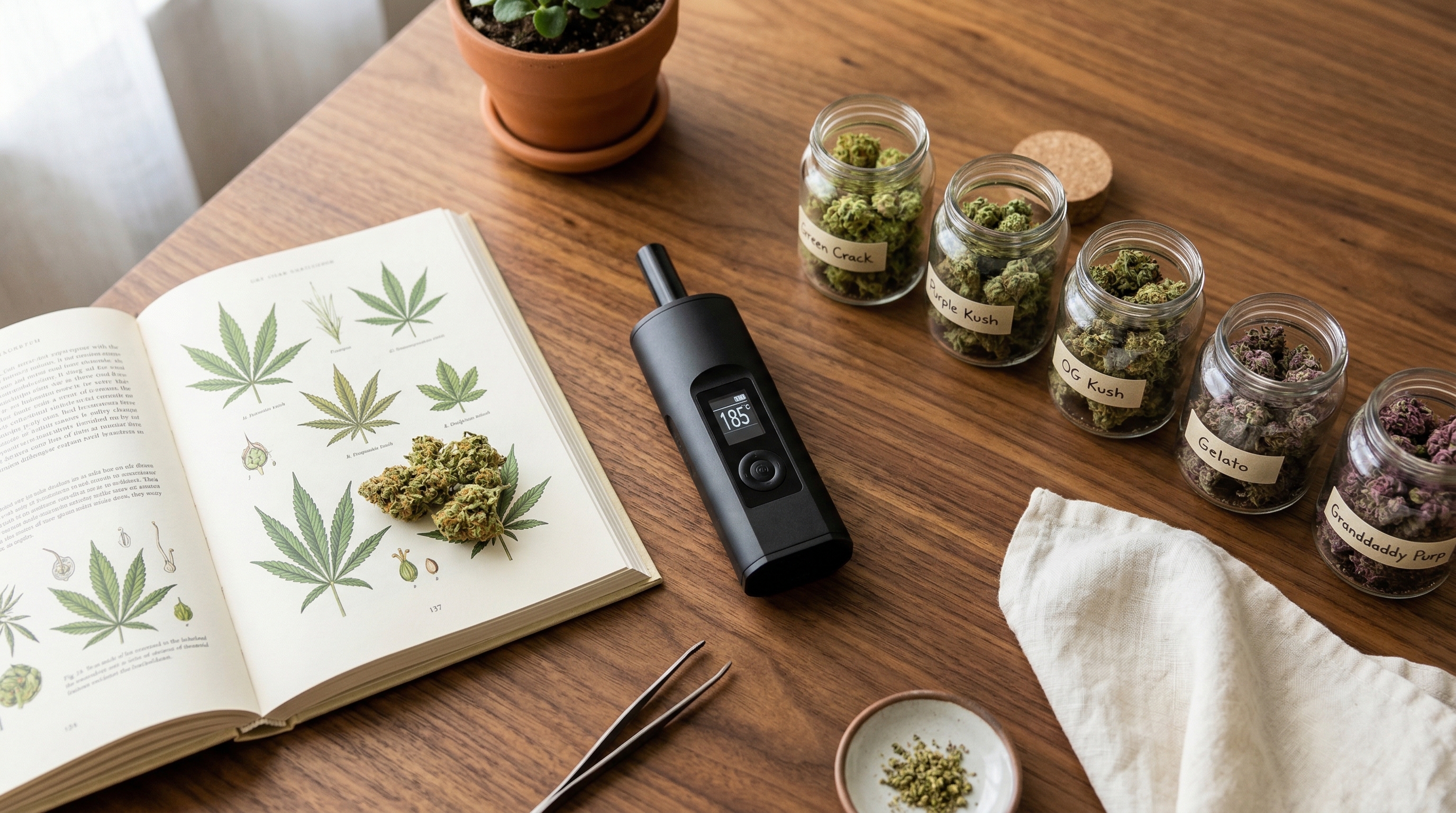
At combustion temperatures (900°C+), most of these delicate molecules are destroyed on contact. A vaporizer set to 185°C can selectively release these terpenes intact—which means you’re tasting and experiencing more of the strain’s actual chemical profile.
This is where our High Families system becomes especially relevant. If you’ve chosen a strain for its terpene profile—say, a limonene-rich cultivar from the Uplifting High family for social energy, or a myrcene-heavy Relaxing High strain for winding down—vaporization preserves more of the terpenes that define that experience. Smoking may mute the very characteristics that made you choose that strain in the first place.
Temperature Control: Vaping’s Hidden Superpower
One often-overlooked advantage of vaporization is temperature control. Many modern dry herb vaporizers let you set precise temperatures, so you can target specific compounds.
- Low temps (160–180°C / 320–356°F): Emphasize flavor and lighter terpenes. Produces a clear-headed, functional effect. Great for Energetic High and Balancing High strains.
- Medium temps (180–200°C / 356–392°F): The sweet spot for most users. Good balance of cannabinoid extraction and terpene preservation. Works well across all High Families.
- High temps (200–230°C / 392–446°F): Maximizes cannabinoid extraction. Produces thicker vapor and more sedating effects. Ideal for Relaxing High and Relieving High strains.
With smoking, you get one temperature: everything, all at once, at maximum heat. There’s no dial on a lighter.
Practical Implications
So Which Should You Choose?
Here’s how the science translates into real decisions:
Choose vaping if:
- Respiratory health is a priority
- You want to taste and preserve the full terpene profile of your flower
- You prefer to control dosing and intensity through temperature
- You want more efficient use of your cannabis (less flower, comparable effects)
- You’re exploring High Families and want to actually feel the terpene differences between strains
- Discretion matters—vapor produces much less odor than smoke
Choose smoking if:
- You prefer the ritual and social experience of rolling and sharing joints
- You want a method that requires zero technology or charging
- You prefer the full-bodied, immediate onset that combustion provides (some users report a subjectively different feel)
- Simplicity and accessibility matter most in the moment
Consider both if:
- You enjoy variety in your consumption methods
- You want to vape for daily use but enjoy an occasional joint socially
Harm Reduction Tips Regardless of Method
No matter which method you prefer, a few evidence-based practices can reduce potential risks:
-
If you smoke, avoid deep inhalation and prolonged breath-holding. THC absorption happens almost instantly upon inhalation—holding smoke in your lungs doesn’t get you higher, it just increases tar and particulate exposure [Azorlosa et al., 1995].
-
If you vape, buy from reputable manufacturers. Avoid black-market cartridges entirely. For dry herb vaporizers, look for devices with medical-grade air paths and precise temperature control.
-
Start low, go slow—especially with vaping. Because vaporization is more efficient at delivering THC, new users may find the effects stronger than expected at the same amount of flower.
-
Stay hydrated. Both methods can cause dry mouth and throat irritation. Small thing, big difference in comfort.
-
Clean your devices. Residue buildup in vaporizers can affect both flavor and air quality. Regular maintenance keeps the experience clean—literally.
A Note on the Entourage Effect
If you’re interested in the entourage effect—the idea that cannabinoids and terpenes work together to shape your experience [Russo, 2011]—then your consumption method matters more than you might think. Combustion destroys a significant portion of the terpene and minor cannabinoid content that contributes to this synergy. Vaporization, at controlled temperatures, preserves more of these compounds, potentially delivering a more complete Entourage High experience.
This doesn’t mean smoking can’t produce a rich, full-bodied experience—it absolutely can. But if you’re chasing the nuanced interplay of a complex terpene profile, vaporization gives you a better shot at experiencing it as the plant intended.
Key Takeaways
- Vaporization significantly reduces exposure to combustion toxins compared to smoking, though it is not entirely risk-free. Long-term studies are still needed.
- Vaping is roughly twice as efficient at converting available THC into inhalable form, meaning you may need less flower for comparable effects.
- Terpenes are better preserved through vaporization, which matters if you’re choosing strains based on their High Family profile and want to experience those specific terpene-driven effects.
- Temperature control is a major advantage of vaping, letting you customize your session to target specific compounds.
- Neither method is without risk. The safest option for your lungs is always non-inhalation methods (edibles, tinctures), but among inhalation methods, current evidence favors vaporization over combustion.
FAQs
Is vaping cannabis completely safe?
No. While research suggests vaping is significantly less harmful than smoking due to the absence of combustion byproducts, inhaling any heated substance introduces foreign material to your lungs. Long-term safety data for cannabis vaporization is still limited. “Safer” is the accurate term—not “safe.”
Does vaping get you higher than smoking?
Not necessarily “higher,” but potentially more efficiently. Studies suggest vaporizers convert nearly twice as much available THC into inhalable form compared to smoking [Hazekamp et al., 2006]. You may achieve similar effects with less material, but the subjective experience depends on many factors including temperature, strain, and individual tolerance.
What about the EVALI vaping crisis—should I be worried?
The 2019 EVALI outbreak was specifically linked to vitamin E acetate in illicit THC oil cartridges, not dry herb vaporization [Blount et al., 2020]. If you use a quality dry herb vaporizer with legal, tested flower, the EVALI risk does not apply. This is still a strong argument for avoiding unregulated vape cartridges entirely.
What’s the best vaporizer temperature for beginners?
Start around 180°C (356°F). This gives a good balance of terpene flavor and cannabinoid delivery without overly harsh vapor. You can gradually increase temperature to find your preferred range. Lower temps emphasize flavor and mental clarity; higher temps emphasize potency and body effects.
Sources
Abrams, D.I., Vizoso, H.P., Shade, S.B., Jay, C., Kelly, M.E., & Benowitz, N.L. (2007). Vaporization as a smokeless cannabis delivery system. Clinical Pharmacology & Therapeutics, 82(5), 572–578.
Arlen, M.T., Patterson, S.J., Page, M.K., et al. (2025). Cannabis vaping elicits transcriptomic and metabolomic changes involved in inflammatory, oxidative stress, and cancer pathways in human bronchial epithelial cells. American Journal of Physiology-Lung Cellular and Molecular Physiology, 328(6).
Azorlosa, J.L., Greenwald, M.K., & Stitzer, M.L. (1995). Marijuana smoking: effects of varying puff volume and breathhold duration. Journal of Pharmacology and Experimental Therapeutics, 272(2), 560–569.
Blount, B.C., Karwowski, M.P., Shields, P.G., et al. (2020). Vitamin E acetate in bronchoalveolar-lavage fluid associated with EVALI. New England Journal of Medicine, 382(8), 697–705.
Earleywine, M., & Barnwell, S.S. (2007). Decreased respiratory symptoms in cannabis users who vaporize. Harm Reduction Journal, 4(11).
Hazekamp, A., Ruhaak, R., Zuurman, L., van Gerven, J., & Verpoorte, R. (2006). Evaluation of a vaporizing device (Volcano) for the pulmonary administration of tetrahydrocannabinol. Journal of Pharmaceutical Sciences, 95(6), 1308–1317.
Meehan-Atrash, J., Luo, W., & Strongin, R.M. (2019). Toxicant formation in dabbing: the terpene story. ACS Omega, 4(9), 16111–16120.
Moir, D., Rickert, W.S., Levasseur, G., Larose, Y., Maertens, R., White, P., & Desjardins, S. (2008). A comparison of mainstream and sidestream marijuana and tobacco cigarette smoke produced under two machine smoking conditions. Chemical Research in Toxicology, 21(2), 494–502.
Rojas, D.E., McCartney, M.M., Borras, E., et al. (2025). Impacts of vaping and marijuana use on airway health as determined by exhaled breath condensate. Respiratory Research, 26, 63.
Russo, E.B. (2011). Taming THC: potential cannabis synergy and phytocannabinoid-terpenoid entourage effects. British Journal of Pharmacology, 163(7), 1344–1364.
Tashkin, D.P. (2013). Effects of marijuana smoking on the lung. Annals of the American Thoracic Society, 10(3), 239–247.
Van Dam, N.T., & Bhatt, M. (2012). Effects of cannabis vaporization on pulmonary function. Drug and Alcohol Dependence, 123(1–3), 49–54.


