Cannabis and Diabetes: What Endocannabinoid Research Reveals
What does science actually say about cannabis, blood sugar, and metabolic health? A deep dive into endocannabinoid research, THCV, and type 2 diabetes.


The Paradox That Launched a Thousand Studies
Here’s something that has puzzled researchers for years: cannabis users, on average, weigh less, have lower fasting insulin levels, and are diagnosed with type 2 diabetes at lower rates than non-users — even after controlling for diet, exercise, and demographics.
This isn’t fringe data. It shows up repeatedly across large population surveys, including the National Health and Nutrition Examination Survey (NHANES), which assessed over 4,600 adults. Current cannabis users had 16% lower fasting insulin levels, 17% lower HOMA-IR scores (a key measure of insulin resistance), and smaller waist circumferences than people who had never used cannabis [Penner et al., 2013].
A 2023 systematic review and meta-analysis of seven studies covering thousands of participants found that the odds of developing type 2 diabetes in cannabis users was 0.48 times lower than in non-users — roughly half the risk — though the researchers were careful to note the considerable variability across studies and called for higher-quality prospective research [Alsherbiny et al., 2023].
These findings create an obvious and fascinating question: why? Cannabis is famous for causing the munchies. THC reliably stimulates appetite and, by extension, you’d expect it to promote weight gain and metabolic dysfunction over time. And yet the population data consistently points in the other direction.
The answer — or at least the leading hypothesis — lives inside the endocannabinoid system (ECS), the same biological network that THC hijacks to produce its effects. Understanding how the ECS interfaces with metabolism, insulin regulation, and glucose control is one of the most active areas of cannabinoid science. And it’s producing genuinely surprising findings.
This article is a deep dive into what that science actually shows. We’ll cover the foundational biology, explore the specific cannabinoids drawing the most research attention, look critically at what the clinical studies do and don’t tell us, and close with practical considerations for anyone thinking about cannabis and metabolic health. As always: nothing here is medical advice. The research is promising and worth understanding — but it is not a prescription.
The Science Explained
The Endocannabinoid System and Metabolic Control
To understand why cannabis might influence diabetes risk, you first need to understand that the endocannabinoid system is deeply embedded in the biology of metabolism — not as a side effect, but as a core regulator.
The ECS has three main components:
- Endocannabinoids: Lipid-based signaling molecules your body produces on demand. The two primary ones are anandamide (AEA) and 2-arachidonoylglycerol (2-AG), which are structurally similar to THC and other plant cannabinoids.
- Cannabinoid receptors: Primarily CB1 and CB2, found on cell membranes throughout the body. CB1 receptors are concentrated in the brain, liver, fat tissue, muscles, and pancreas. CB2 receptors are more abundant in immune tissue and peripheral organs.
- Enzymes: Proteins like FAAH and MAGL that synthesize and break down endocannabinoids, controlling the duration and intensity of their signals.
CB1 receptors are particularly important in the metabolic context. They are expressed in:
- Adipose (fat) tissue, where they regulate lipid storage and energy balance
- The liver, where they influence glucose production and fatty acid synthesis
- Skeletal muscle, where they affect glucose uptake and insulin sensitivity
- The pancreas, specifically the beta cells that produce insulin and the alpha cells that produce glucagon
- The hypothalamus, which controls appetite, energy expenditure, and hormonal regulation of metabolism [Pagotto et al., 2006]
This isn’t an incidental overlap. The ECS evolved alongside the metabolic system, and the two are in constant dialogue. Under normal conditions, ECS activity helps calibrate appetite in response to caloric state, tune insulin sensitivity, and regulate how the liver processes glucose. When ECS signaling is dysregulated — and particularly when the CB1 receptor becomes chronically overactivated — the result can be exactly the cluster of symptoms that characterizes metabolic syndrome: visceral obesity, insulin resistance, dyslipidemia, and elevated fasting glucose [Després et al., 2009].
This insight was, in fact, the basis for one of the most high-profile pharmaceutical failures of the 2000s: rimonabant, a CB1 receptor blocker that was approved in Europe as an anti-obesity drug. It worked — patients lost weight and saw improved metabolic markers — but it produced severe psychiatric side effects (depression, anxiety, suicidality) and was withdrawn from the market in 2008. The lesson wasn’t that the ECS wasn’t involved in metabolism. It demonstrably is. The lesson was that you can’t sledgehammer CB1 receptors in the brain without consequences.
But cannabis doesn’t act like rimonabant. It’s not a simple CB1 blocker or activator. It contains dozens of compounds with different and sometimes opposing effects on the ECS. Which brings us to the cannabinoids.
THC: The Paradox in Your Pipe
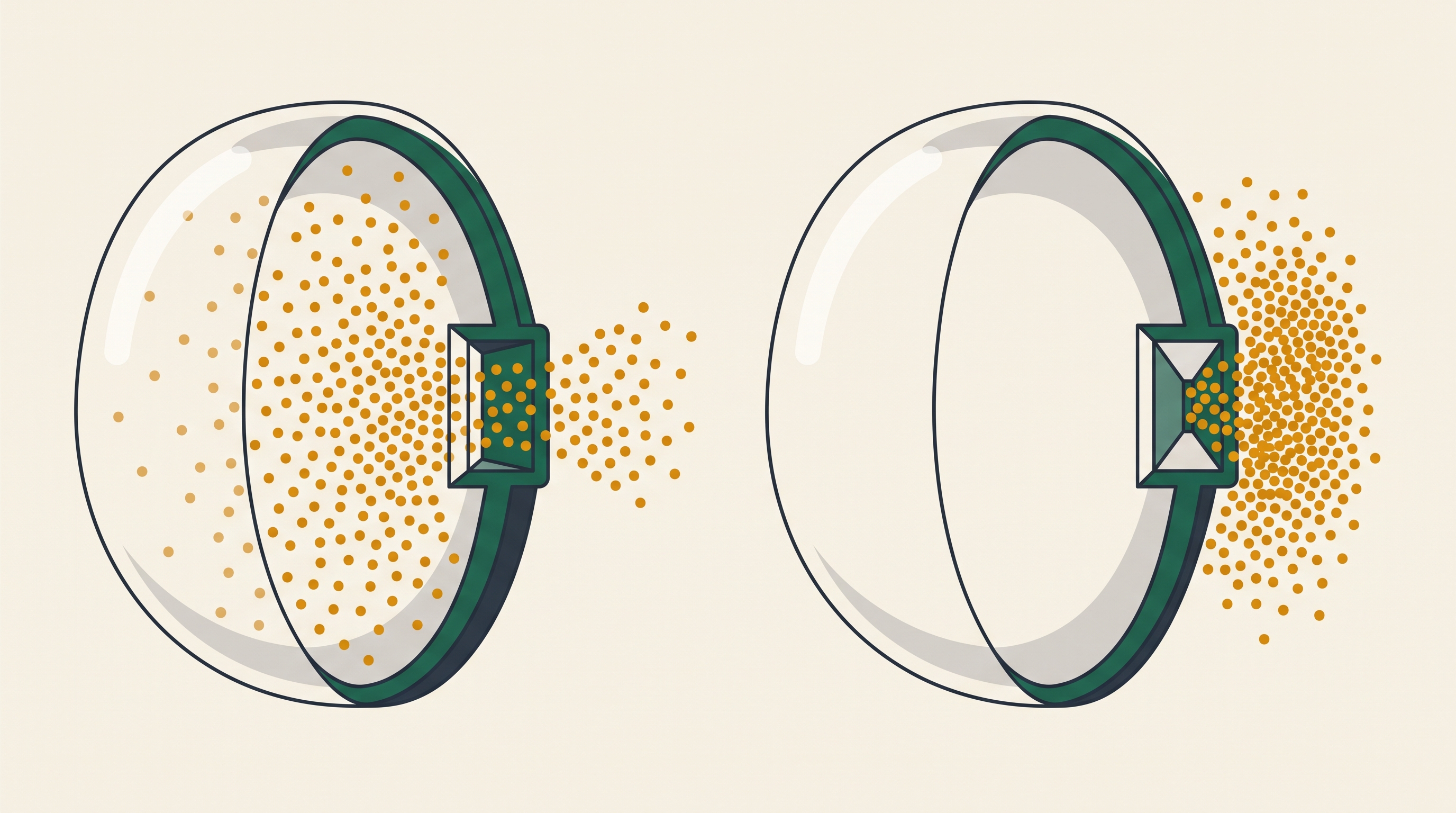
THC is a full CB1 and CB2 agonist — it activates both receptors. CB1 activation in the hypothalamus and limbic system is what drives the munchies: it increases appetite and makes food more rewarding. This is the mechanism behind the notorious caloric intake that follows a good smoke session.
Given this, the population data showing lower obesity and diabetes rates among cannabis users seems almost impossible to explain. But several mechanisms have been proposed:
1. Tolerance-induced CB1 downregulation. Chronic cannabis use causes CB1 receptors to become less sensitive and fewer in number — a phenomenon called receptor downregulation. In regular users, this blunts many of THC’s acute effects, including its appetite-stimulating action. Chronically reduced CB1 sensitivity, paradoxically, may result in a state that more closely resembles the therapeutic profile of a CB1 blocker than the acute effects of THC [Di Marzo, 2008].
2. Insulin sensitization via peripheral receptors. While CB1 activation in the brain promotes appetite, CB2 activation in fat and immune tissue tends to produce anti-inflammatory effects — and chronic low-grade inflammation is a key driver of insulin resistance. Some researchers hypothesize that cannabinoids may improve insulin sensitivity through anti-inflammatory mechanisms at CB2 receptors, even while THC simultaneously stimulates appetite via CB1 [Penner et al., 2013].
3. The stress-cortisol connection. Cannabis can reduce anxiety and stress in many users (at moderate doses). Since cortisol — the primary stress hormone — directly promotes insulin resistance and visceral fat accumulation, regular cannabis use may confer metabolic benefits indirectly, by reducing cortisol output [Crippa et al., 2018].
4. The lifestyle confound. It’s also worth being honest about limitations: cannabis users may differ from non-users in many ways beyond their cannabis use — diet, activity level, social factors, other substance use patterns. Observational data, even from large surveys, can’t fully untangle these variables.
None of these mechanisms is fully established in human clinical trials. But together, they paint a picture of why the munchies and lower diabetes rates can coexist — the acute pharmacological effects of a single THC session are not the same as the long-term systemic effects of regular ECS engagement over months and years.
CBD: The Anti-Inflammatory Angle
Cannabidiol is the most extensively studied non-intoxicating cannabinoid, and it interacts with metabolism through multiple mechanisms that are distinct from THC.
CBD does not bind meaningfully to CB1 or CB2 receptors at typical doses. Instead, it influences the ECS indirectly by inhibiting the enzyme FAAH, which breaks down anandamide. By slowing anandamide’s degradation, CBD may elevate levels of this endocannabinoid — promoting a kind of gentle background ECS activation that has been associated with reduced anxiety, improved sleep, and anti-inflammatory effects.
In metabolic research, CBD has shown several relevant effects in preclinical models:
- Reduction of inflammatory cytokines (like TNF-alpha and IL-6) that directly promote insulin resistance [Lehmann et al., 2016]
- Improvement of pancreatic beta cell function in mouse models of type 1 diabetes [Lehmann et al., 2016]
- Reduction of oxidative stress in high-glucose environments — relevant to diabetic complications
- Neuroprotective effects in models of diabetic neuropathy
The most rigorous human data on CBD and diabetes comes from the same 2016 Diabetes Care clinical trial that tested THCV — which we’ll cover in depth next. In that trial, CBD was one of four conditions tested (along with THCV, a CBD+THCV combination, and placebo). CBD alone did not significantly improve glycemic parameters, but it did reduce resistin levels (a hormone linked to insulin resistance) and increase glucose-dependent insulinotropic peptide — a hormone that stimulates insulin release in response to food [Jadoon et al., 2016].
Modest findings. Not a diabetes treatment. But mechanistically coherent with what the preclinical data suggested.
THCV: The Cannabinoid That Changed the Conversation
If CBD is the most-studied cannabinoid after THC, THCV (tetrahydrocannabivarin) is the most exciting one in the metabolic space — and the one generating the most specific research interest around diabetes.
THCV is structurally similar to THC but has a shorter propyl (3-carbon) side chain instead of THC’s pentyl (5-carbon) chain. This seemingly small difference produces a dramatically different pharmacological profile. Unlike THC, THCV appears to act as a CB1 receptor antagonist at low doses — blocking rather than activating the receptor — and may shift to a partial CB1 agonist at higher doses [Thomas et al., 2005].
This is the opposite of THC’s appetite-promoting mechanism. A CB1 antagonist that doesn’t cross the blood-brain barrier as readily as rimonabant might deliver the metabolic benefits of CB1 blockade without the psychiatric risks that sank rimonabant. That hypothesis is what drove researchers at the University of Nottingham to conduct the landmark clinical trial.
The Jadoon et al. (2016) Trial: The Key Human Evidence
The study, published in Diabetes Care, was a randomized, double-blind, placebo-controlled crossover trial — the gold standard of clinical research design. It enrolled 62 patients with established type 2 diabetes (not on insulin) and tested four conditions over 13 weeks each: THCV alone (5mg twice daily), CBD alone (100mg twice daily), THCV + CBD combined, and placebo.
The results for THCV were notable:
- Significantly decreased fasting plasma glucose compared to placebo
- Reduced apolipoprotein B (a marker of cardiovascular risk and metabolic dysfunction)
- Improved pancreatic beta-cell function (measured using mathematical models of insulin secretion)
- Increased adiponectin — a hormone that enhances insulin sensitivity; lower adiponectin levels are strongly associated with type 2 diabetes and cardiovascular disease
Importantly, THCV did not significantly affect body weight or BMI in this trial, suggesting its glycemic effects were not simply secondary to weight loss. The mechanism appeared more direct — possibly through THCV’s influence on insulin secretion and sensitivity at the pancreatic and hepatic level.
There was one finding that gave researchers pause: THCV also decreased HDL cholesterol (the “good” cholesterol), which is generally undesirable. This is why the authors called for larger, longer trials before drawing clinical conclusions.
For a fuller breakdown of THCV’s pharmacology, appetite effects, and how to find strains with meaningful THCV content, see our dedicated piece: THCV: The Energizing Cannabinoid That Suppresses Appetite.
Population Studies: What Large-Scale Data Shows
Beyond individual cannabinoid pharmacology, several large epidemiological studies have examined cannabis use and diabetes at the population level. The pattern that emerges is consistent, if not fully explained.
The NHANES Analysis (Penner et al., 2013)
This frequently cited study analyzed data from 4,657 adults in the National Health and Nutrition Examination Survey. Key findings among current cannabis users vs. non-users:
- 16% lower fasting insulin levels (p < 0.05)
- 17% lower HOMA-IR (insulin resistance index)
- Smaller waist circumference (a proxy for metabolic risk)
- Higher HDL cholesterol (“good” cholesterol)
These associations remained statistically significant after adjusting for age, sex, tobacco use, alcohol use, physical activity, and income. Past users (those who no longer used cannabis) showed intermediate values — better than never-users on some markers, but not as favorable as current users — suggesting the effect may be partially dose-dependent or reversible.
The 2023 Meta-Analysis
A systematic review and meta-analysis published in 2023 pooled data from seven studies encompassing thousands of participants and found that cannabis exposure was associated with significantly reduced odds of developing type 2 diabetes (OR = 0.48; 95% CI: 0.39 to 0.59). In plain terms: cannabis users in these studies were about half as likely to have developed type 2 diabetes as non-users [Alsherbiny et al., 2023].
The authors were appropriately cautious: the studies had considerable heterogeneity in methodology, cannabis use definitions, and population characteristics. They called for higher-quality prospective studies, particularly as cannabis legalization creates better conditions for longitudinal research.
Why Population Data Is Not Enough
These findings are intriguing but cannot prove causation. Cannabis users may differ from non-users in ways that are hard to measure — stress levels, pain conditions (which drive many medical cannabis patients to use), diet, social networks, sleep patterns. Any or all of these could partially explain the observed metabolic differences.
There’s also a selection bias consideration: people with diabetes and metabolic disease may be less likely to use cannabis (due to health concerns, physician guidance, or comorbid conditions that make intoxication undesirable), which could inflate the apparent protective association.
The population data is best understood as a signal pointing toward mechanisms worth investigating — not as clinical evidence that cannabis treats diabetes.

The Gut Connection: Microbiome and Insulin Resistance
One of the most underappreciated mechanisms in this space is the relationship between cannabinoids, the gut microbiome, and metabolic health. We’ve covered the endocannabinoid-microbiome axis in depth elsewhere, but its relevance to diabetes deserves specific mention here.
The gut microbiome plays a direct role in metabolic health. Dysbiotic gut bacteria — an imbalanced microbial community — can increase intestinal permeability, allowing bacterial fragments called lipopolysaccharides (LPS) to enter the bloodstream. This triggers chronic low-grade inflammation that is a major driver of insulin resistance [Cani et al., 2007].
Cannabis-derived cannabinoids appear to influence gut microbial composition. Animal studies have shown that THC administration can shift the ratio of Bacteroidetes to Firmicutes — a ratio associated with leaner metabolic profiles. Some researchers propose that part of the metabolic benefit associated with cannabis use in population studies may be mediated through favorable effects on the gut microbiome, which then reduces LPS-driven inflammation and improves insulin signaling [Cluny et al., 2015].
This is highly speculative at the human level — the microbiome research is mostly animal data — but it represents a plausible mechanism that connects several lines of evidence.
What About the Risks?
A balanced account requires engaging with the concerning evidence, not just the favorable findings.
Acute blood sugar effects: Some research suggests that cannabis use causes a transient increase in blood glucose in the immediate term, likely due to stress hormone release (epinephrine) that follows the initial cardiovascular effects of THC. For people with poorly controlled diabetes, repeated acute spikes in blood glucose could be problematic, even if long-term insulin sensitivity trends favorably [Rajavashisth et al., 2012].
Type 1 diabetes: The research discussed above is almost entirely focused on type 2 diabetes, which involves insulin resistance. Type 1 diabetes, an autoimmune condition in which the immune system destroys insulin-producing beta cells, has a very different pathology. Some preclinical research suggests CBD and other cannabinoids may modulate the autoimmune process involved in type 1 diabetes, but this evidence is extremely preliminary and should not influence treatment decisions.
Drug interactions: People with diabetes often take medications — metformin, sulfonylureas, insulin, GLP-1 agonists — that affect blood sugar. Cannabis can interact with these medications in ways that are not fully characterized. THC’s effect on liver enzymes (particularly CYP enzymes involved in drug metabolism) could alter the effective dosing of some diabetes medications.
Hypoglycemia risk: If cannabis does genuinely improve insulin sensitivity — and particularly if someone is using insulin or insulin-stimulating medications — there is a theoretical risk that adding cannabis could cause blood sugar to drop too low. This has not been systematically studied but is a reasonable clinical concern.
Weight and lifestyle effects: The population associations are with moderate, regular use. Heavy, frequent use of high-THC products — with the resulting munchies, reduced motivation, and potential disruption to sleep — could easily offset any direct metabolic benefits.
Practical Implications
What This Means If You Have Diabetes or Metabolic Risk Factors
First, the essential caveat: this is not medical advice, and cannabis is not a proven or approved treatment for diabetes. If you have type 2 diabetes, prediabetes, or metabolic syndrome, any decisions about cannabis use should involve a conversation with your healthcare provider, particularly if you are taking medications that affect blood sugar.
With that said, here are some evidence-informed considerations:
If you’re exploring cannabis for metabolic health, THCV-rich strains are the most research-backed option. The Jadoon trial is the strongest clinical evidence in this space, and it points specifically to THCV. Look for strains with lab-tested THCV content — ideally 1% or above — rather than just taking a dispensary employee’s word for it. African landrace-derived sativas and cultivars like Durban Poison, Doug’s Varin, and Jack the Ripper tend to have higher THCV concentrations. See our full guide to THCV for specifics.
Monitor your blood glucose if you use cannabis and have diabetes. The acute effects of THC on blood sugar are not fully predictable. If you’re a cannabis user managing diabetes, checking your blood sugar before and after use — at least until you understand your personal response — is prudent.
Delivery method matters. Inhaled cannabis (smoking or vaping) produces rapid onset but short duration. Edibles involve the gut directly and produce longer-lasting, harder-to-titrate effects. Given the relationship between gut metabolism and cannabinoid processing, edibles may produce more variable glycemic responses than inhaled products.
Lower THC, more complex profiles may serve metabolic goals better. High-THC products push the CB1 receptor hard, which can undermine some of the metabolic benefits associated with more balanced cannabis chemistry. Products with moderate THC, meaningful THCV and/or CBD content, and terpenes like beta-caryophyllene (a CB2 agonist with anti-inflammatory properties) may be better aligned with metabolic health goals.
High Families alignment: Strains in the Energetic High family — characterized by THCV-rich genetics, high terpinolene, and uplifting profiles — are your most direct route to THCV. The Relieving High family, rich in caryophyllene and humulene, offers complementary anti-inflammatory properties relevant to metabolic health. The Relaxing High family’s myrcene-dominant profile may help with the stress-cortisol dynamic.
Don’t expect miracles. The research is genuinely interesting, but the effect sizes in clinical studies are modest. Cannabis is not going to reverse established type 2 diabetes or replace lifestyle interventions. If you have metabolic disease, diet, exercise, sleep quality, and evidence-based medical management remain the primary tools. Cannabis may be an adjunct worth discussing with your doctor — not a standalone solution.
Medical Disclaimer: Nothing in this article constitutes medical advice, diagnosis, or treatment. Cannabis is not an FDA-approved treatment for diabetes or any metabolic condition. If you have diabetes, prediabetes, or other metabolic conditions, consult a qualified healthcare provider before using cannabis. Cannabis may interact with medications including insulin, metformin, and other glucose-lowering agents.
Key Takeaways
-
The endocannabinoid system is a genuine metabolic regulator. CB1 and CB2 receptors are expressed in the liver, pancreas, fat tissue, and muscle — all central to glucose metabolism and insulin sensitivity. The ECS is not a peripheral player in metabolic health; it’s embedded in it.
-
Population data shows a consistent paradox: cannabis users have lower fasting insulin, lower insulin resistance scores, and reduced rates of type 2 diabetes compared to non-users — despite THC’s well-known appetite-stimulating effects in the short term.
-
THCV is the most compelling cannabinoid for diabetes research. The 2016 Diabetes Care trial found that THCV (5mg twice daily) significantly reduced fasting plasma glucose, improved beta-cell function, and increased adiponectin in type 2 diabetes patients. Larger trials are needed.
-
CBD showed modest but biologically coherent effects in the same trial, reducing resistin and increasing glucose-dependent insulinotropic peptide, though without significant direct glycemic improvement.
-
The mechanisms are multiple and still being worked out: chronic CB1 downregulation, CB2-mediated anti-inflammatory effects, cortisol reduction, and gut microbiome modulation may all contribute to the metabolic associations observed in population studies.
-
Real risks exist: acute blood glucose fluctuations, drug interactions with diabetes medications, and potential hypoglycemia risk mean that anyone with metabolic disease should approach cannabis with information and medical guidance, not just optimism.
FAQs
Can cannabis lower blood sugar?
Some cannabinoids — particularly THCV — have shown blood sugar-lowering effects in clinical trials (Jadoon et al., 2016). Population data also suggests long-term cannabis users have lower fasting insulin and insulin resistance scores. However, acutely, THC can transiently raise blood sugar through stress hormone release. Cannabis is not an approved or proven blood sugar medication, and should not replace medical diabetes management.
Is cannabis safe for people with diabetes?
This is a conversation to have with your healthcare provider. Cannabis may interact with diabetes medications, including insulin and metformin. People using insulin or other glucose-lowering drugs may face hypoglycemia risk if cannabis genuinely improves their insulin sensitivity. Blood glucose monitoring before and after use is prudent until you understand your individual response.
What is THCV and why does it matter for diabetes?
THCV (tetrahydrocannabivarin) is a minor cannabinoid structurally similar to THC but with a shorter carbon side chain. At low doses, it appears to block rather than activate the CB1 receptor — the opposite of THC. The most rigorous clinical evidence on any cannabinoid and type 2 diabetes comes from a 2016 randomized controlled trial showing THCV reduced fasting plasma glucose and improved multiple metabolic markers. See our full THCV guide for strains and practical guidance.
Does cannabis cause insulin resistance?
The population evidence suggests the opposite: cannabis users tend to have lower insulin resistance than non-users. However, this is observational data and cannot prove causation. Acute, heavy use of high-THC products — especially when accompanied by caloric binging — could theoretically work against metabolic health even if moderate, regular use trends in a favorable direction. Individual responses vary considerably.
What strains are best for metabolic health?
Strains with verified THCV content are the most research-backed starting point. Look for Durban Poison, Doug’s Varin, Jack the Ripper, and Pineapple Purps — but always verify with a Certificate of Analysis showing actual THCV percentages. Strains in the Energetic High High Family tend to have the relevant genetics. Pair with beta-caryophyllene-rich cultivars (the Relieving High family) for anti-inflammatory support.
Sources
-
Alsherbiny, M.A., et al. (2023). “Association between cannabis use and risk of diabetes mellitus type 2: A systematic review and meta-analysis.” PubMed PMID: 37526051.
-
Cani, P.D., Amar, J., Iglesias, M.A., et al. (2007). “Metabolic endotoxemia initiates obesity and insulin resistance.” Diabetes, 56(7), 1761–1772.
-
Cluny, N.L., Keenan, C.M., Reimer, R.A., Le Foll, B., & Sharkey, K.A. (2015). “Prevention of Diet-Induced Obesity Effects on Body Weight and Gut Microbiota in Mice Treated Chronically with Δ9-Tetrahydrocannabinol.” PLOS ONE, 10(12), e0144270.
-
Crippa, J.A., Guimarães, F.S., Campos, A.C., & Zuardi, A.W. (2018). “Translational Investigation of the Therapeutic Potential of Cannabidiol (CBD): Toward a New Age.” Frontiers in Immunology, 9, 2009.
-
Després, J.P., Lemieux, I., Alméras, N., et al. (2009). “The endocannabinoid system: a new target for the regulation of energy balance and metabolism.” Critical Pathways in Cardiology, 8(4), 150–157.
-
Di Marzo, V. (2008). “Targeting the endocannabinoid system: to enhance or reduce?” Nature Reviews Drug Discovery, 7, 438–455.
-
Jadoon, K.A., Ratcliffe, S.H., Barrett, D.A., et al. (2016). “Efficacy and Safety of Cannabidiol and Tetrahydrocannabivarin on Glycemic and Lipid Parameters in Patients With Type 2 Diabetes.” Diabetes Care, 39(10), 1777–1786. PMID: 27573936.
-
Lehmann, C., Fisher, N.B., Tugwell, B., Szczesniak, A., et al. (2016). “Experimental cannabidiol treatment reduces early pancreatic inflammation in type 1 diabetes.” Clinical Hemorheology and Microcirculation, 64(4), 655–662.
-
Pagotto, U., Marsicano, G., Cota, D., Lutz, B., & Pasquali, R. (2006). “The emerging role of the endocannabinoid system in endocrine regulation and energy balance.” Endocrine Reviews, 27(1), 73–100.
-
Penner, E.A., Buettner, H., & Mittleman, M.A. (2013). “The Impact of Marijuana Use on Glucose, Insulin, and Insulin Resistance among US Adults.” The American Journal of Medicine, 126(7), 583–589.
-
Rajavashisth, T.B., Shaheen, M., Norris, K.C., et al. (2012). “Decreased prevalence of diabetes in marijuana users: cross-sectional data from the National Health and Nutrition Examination Survey (NHANES) III.” BMJ Open, 2(1), e000494.
-
Thomas, A., Stevenson, L.A., Wease, K.N., et al. (2005). “Evidence that the plant cannabinoid Δ9-tetrahydrocannabivarin is a cannabinoid CB1 and CB2 receptor antagonist.” British Journal of Pharmacology, 146(7), 917–926. PMID: 16205722.
-
Wargent, E.T., Wagstaff, M.S., Sherwood, L., et al. (2013). “The cannabinoid Δ9-tetrahydrocannabivarin (THCV) ameliorates insulin sensitivity in two mouse models of obesity.” Nutrition & Diabetes, 3, e68. PMID: 23712280.


