Cannabis and Dreams: How THC Affects REM Sleep and Dream Recall
Discover how cannabis impacts your dreams, REM sleep cycles, and dream recall — plus the neuroscience behind vivid tolerance-break dreams.

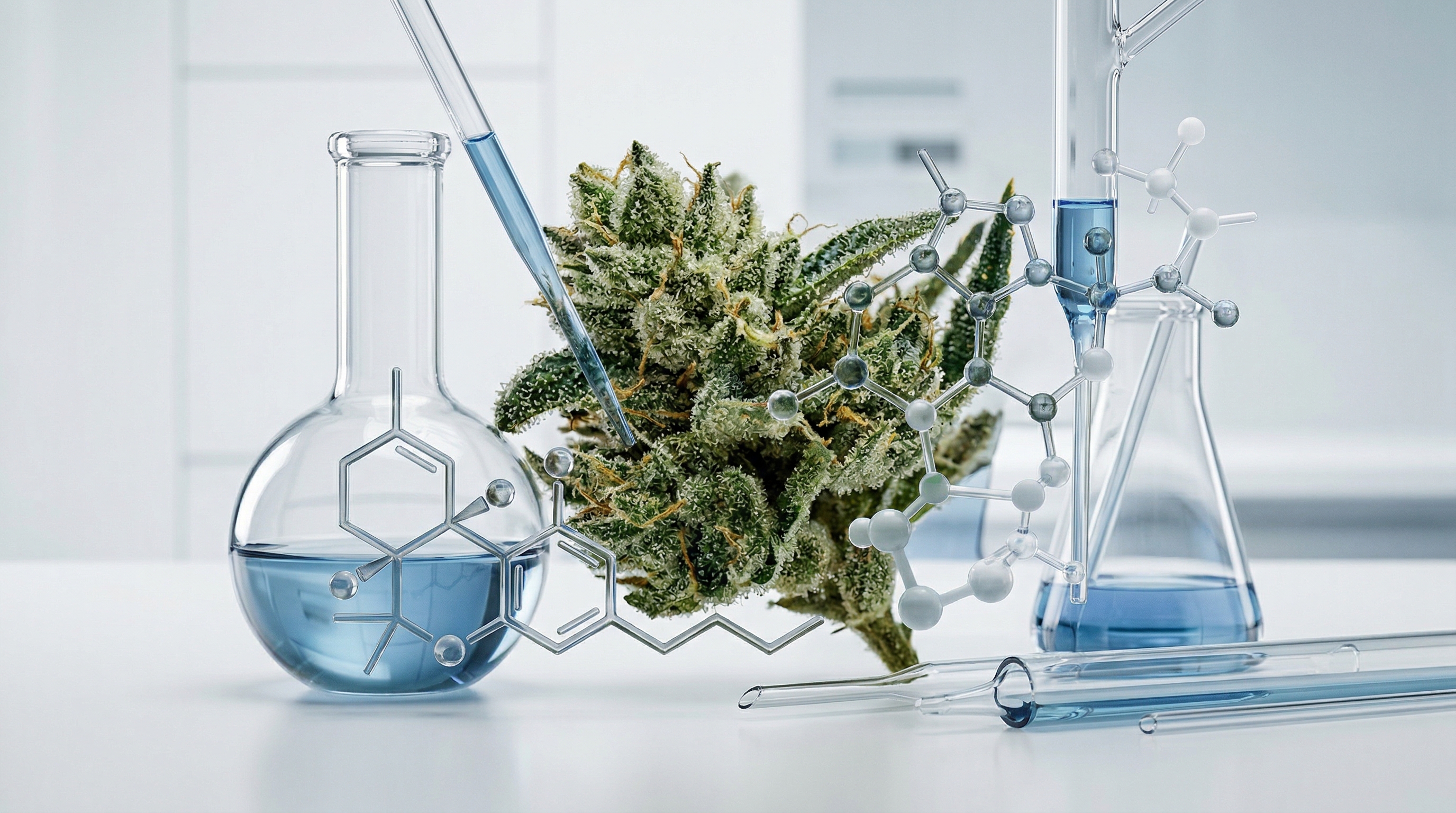
Why Do Your Dreams Disappear When You Consume Cannabis?
Here’s something that might sound familiar: you’ve been consuming cannabis regularly for a few weeks, and you realize you can’t remember the last time you had a dream. Then you take a break, and suddenly your nights explode into vivid, cinematic, sometimes downright bizarre dreamscapes that feel more real than waking life.
You’re not imagining it. This is one of the most consistently reported — and scientifically fascinating — phenomena in cannabis use. The relationship between THC and your dreaming brain is a story about neuroscience, sleep architecture, and the endocannabinoid system working in ways researchers are still unraveling.
Whether you use cannabis to help wind down at night, you’ve noticed changes in your dream life, or you’re curious about what happens in your brain while you sleep, this article is for you. We’re going to walk through the science of sleep stages, explain what THC appears to do to your REM cycles, explore why tolerance breaks trigger those famously intense “rebound dreams,” and discuss what all of this means for your wellness and your cannabis routine.
By the end, you’ll understand:
- How sleep architecture works and why REM sleep matters
- What research tells us about THC’s impact on dreaming
- Why quitting or pausing cannabis can unleash a flood of vivid dreams
- How different cannabinoids (including CBD and CBN) may affect sleep differently
- Practical strategies for managing your sleep and dream life alongside cannabis use
Let’s dive into the neuroscience of your sleeping brain.

The Science Explained
How Sleep Architecture Works
Before we can understand what cannabis does to your dreams, we need to understand what normal sleep looks like. Think of a night’s sleep not as a single block of unconsciousness, but as a carefully choreographed cycle that your brain repeats roughly four to six times each night.
Each cycle lasts about 90 minutes and moves through distinct stages:
| Stage | Name | What Happens |
|---|---|---|
| N1 | Light Sleep | Transition from wakefulness; easily awakened |
| N2 | Moderate Sleep | Heart rate slows, body temperature drops; memory consolidation begins |
| N3 | Deep Sleep (Slow-Wave) | Physical restoration, immune function, growth hormone release |
| REM | Rapid Eye Movement | Vivid dreaming, emotional processing, memory integration |
REM sleep is the star of our story. During REM, your brain becomes remarkably active — almost as active as when you’re awake. Your eyes dart back and forth beneath closed lids (hence the name), your voluntary muscles become temporarily paralyzed (a protective mechanism so you don’t act out your dreams), and your brain weaves together the vivid narratives we experience as dreams.
Think of REM sleep like your brain’s nightly therapy session combined with a filing system. It’s when your mind processes emotional experiences from the day, consolidates important memories, and — some researchers believe — engages in creative problem-solving by making novel connections between ideas [Walker, 2017].
Here’s the key detail: REM periods get longer as the night progresses. Your first REM period might last only 10 minutes, but by early morning, you might spend 30-60 minutes in REM. That’s why your most vivid, memorable dreams tend to happen in the hours before you wake up.
What THC Does to REM Sleep
Now, let’s introduce cannabis to this equation.
The most consistent finding in sleep research on cannabis is this: THC appears to suppress REM sleep. Multiple studies over several decades have observed this effect, and it’s one of the more robust findings in cannabinoid sleep research.
In a foundational study, Feinberg and colleagues found that THC administration reduced REM sleep duration and delayed the onset of the first REM period in healthy subjects [Feinberg et al., 1975]. More recently, a review by Kesner and Lovinger confirmed that acute THC exposure consistently reduces REM sleep time, increases slow-wave sleep (the deep, physically restorative stage), and decreases the time it takes to fall asleep — known as sleep onset latency [Kesner & Lovinger, 2020].
But how does THC actually do this?
The mechanism appears to involve the endocannabinoid system (ECS), your body’s own internal network of cannabinoid receptors and signaling molecules. Your ECS plays a role in regulating sleep-wake cycles, and the CB1 receptors that THC binds to are densely concentrated in brain regions involved in sleep regulation, including the basal forebrain and the pontine brainstem — areas directly involved in generating and maintaining REM sleep [Murillo-Rodríguez et al., 2003].
When THC floods these receptors, it appears to disrupt the normal signaling that triggers and sustains REM periods. Imagine your brain has a “REM switch” — THC doesn’t flip it off entirely, but it seems to make it harder to flip on, and it shortens how long it stays on.
The result? Less time in REM sleep means less dreaming, and less dreaming means fewer dreams to remember.
This is why many regular cannabis consumers report that they simply “don’t dream anymore.” They almost certainly still dream to some extent — complete REM suppression is rare — but the reduced REM time means fewer and shorter dream periods, making recall much less likely.
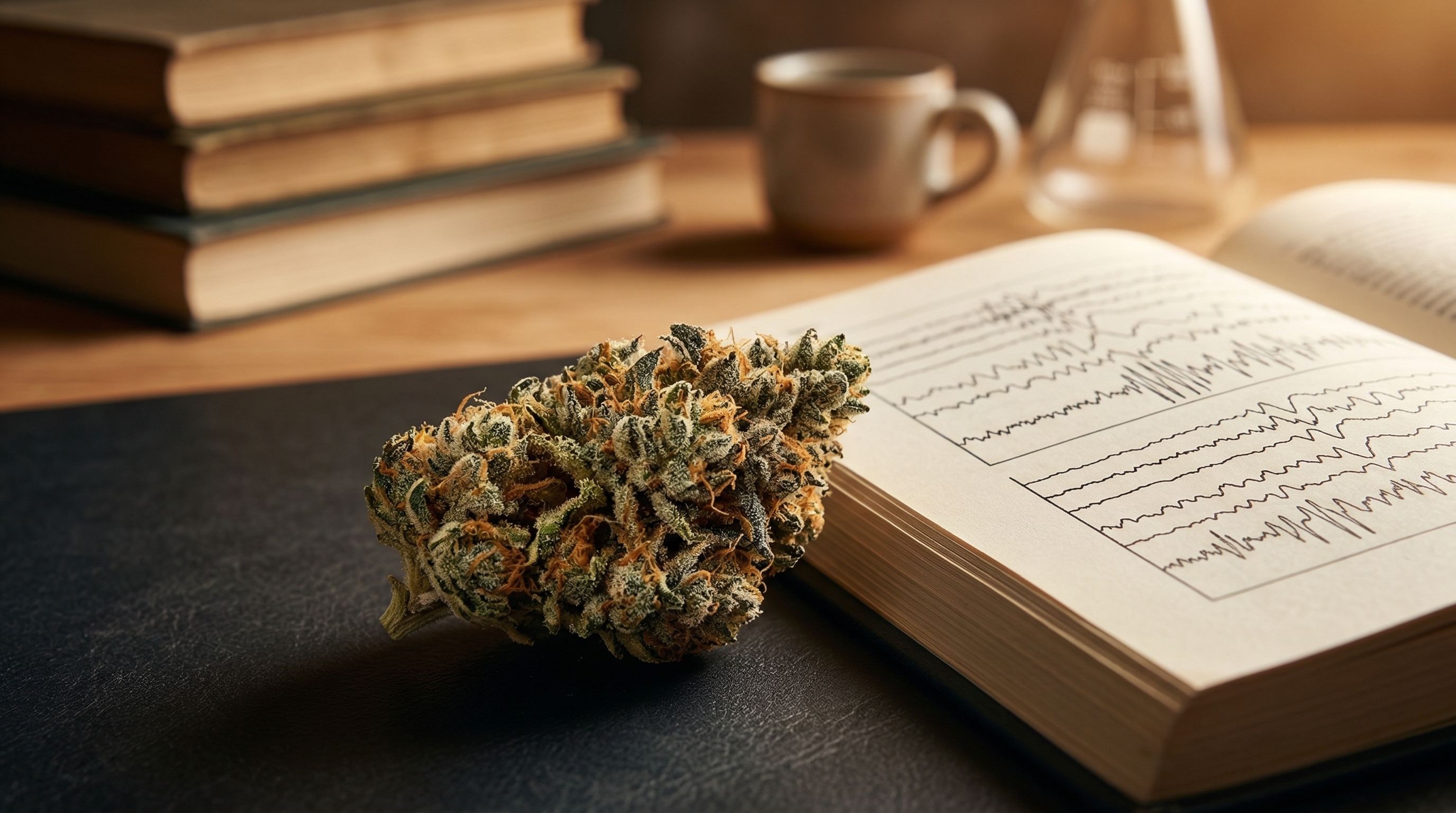
The Rebound Effect: Why Tolerance Breaks Unleash Vivid Dreams
If THC suppresses REM sleep during regular use, what happens when you stop?
This is where things get really interesting — and where many cannabis consumers have their most dramatic personal experiences.
When you reduce or stop cannabis consumption after a period of regular use, your brain doesn’t simply return to its baseline sleep patterns. Instead, it overcorrects. Your REM sleep doesn’t just return to normal — it temporarily increases beyond your pre-cannabis baseline. Sleep scientists call this REM rebound.
Think of it like pressing down on a spring. The longer and harder you compress it (the longer you suppress REM with regular THC use), the more forcefully it bounces back when you let go.
REM rebound was documented as early as the 1970s in cannabis cessation studies [Feinberg et al., 1975], and more recent research on cannabis withdrawal has confirmed that disturbed sleep and intensely vivid dreams are among the most commonly reported symptoms during the first one to two weeks of abstinence [Budney et al., 2004].
During REM rebound, you may experience:
- Extremely vivid, detailed dreams that feel more real than usual
- Emotionally intense dreams, including nightmares
- Increased dream recall — you remember more dreams per night
- Longer dream narratives with complex storylines
- Lucid dreaming — awareness that you’re dreaming while it’s happening
For some people, this rebound period is fascinating and even enjoyable. For others — particularly those who use cannabis specifically to manage nightmares related to conditions like PTSD — it can be genuinely distressing. A study by Bonn-Miller and colleagues found that sleep disturbance, including vivid dreaming, was one of the primary reasons people relapsed during cannabis cessation attempts [Bonn-Miller et al., 2014].
Key Insight: REM rebound typically peaks within the first week of a tolerance break and gradually normalizes over 2-4 weeks, though individual timelines vary significantly.
Beyond THC: How Other Cannabinoids Affect Sleep
THC isn’t the only cannabinoid in the picture. Cannabis is a complex plant with over 100 identified cannabinoids and hundreds of terpenes, and different compounds appear to have different — sometimes opposing — effects on sleep.
CBD (Cannabidiol): Unlike THC, CBD does not appear to suppress REM sleep. Some research suggests it may actually support more stable sleep architecture. A study by Shannon and colleagues found that CBD improved sleep scores in anxious patients, potentially by reducing the anxiety that disrupts sleep rather than by directly altering sleep stages [Shannon et al., 2019]. However, evidence is still mixed, and dose appears to matter — lower doses of CBD may be mildly alerting, while higher doses may be more sedating [Suraev et al., 2020].
CBN (Cannabinol): Often marketed as the “sleepy cannabinoid,” CBN’s reputation may outpace its evidence. While some preliminary research and anecdotal reports suggest mild sedative properties, rigorous clinical studies are limited. A 1975 study by Musty and colleagues found that CBN combined with THC increased drowsiness more than THC alone, but CBN by itself showed minimal sedative effects [Musty et al., 1976].
Terpenes: This is where the High Families system becomes especially relevant. Terpene profiles may significantly influence how a particular cannabis product affects your sleep:
- Myrcene, the dominant terpene in Relaxing High family strains, has demonstrated sedative-like properties in animal studies [do Vale et al., 2002] and is often associated with the “couch-lock” experience
- Linalool, found in both lavender and many cannabis strains within the Uplifting High family, has shown anxiolytic (anxiety-reducing) properties that may indirectly support sleep [Guzmán-Gutiérrez et al., 2015]
- Caryophyllene, prominent in the Relieving High family, binds to CB2 receptors and may help reduce the physical discomfort that keeps some people awake
Important Note: Most terpene-sleep research has been conducted in animal models or in vitro. Human clinical trials specifically examining cannabis terpenes and sleep architecture are still needed. These findings are promising but preliminary.

Practical Implications
What This Means for Your Cannabis Routine
So what do you actually do with all this information? Here are some evidence-informed strategies for navigating the cannabis-sleep-dream relationship.
If you use cannabis for sleep support:
Consider that while THC may help you fall asleep faster, the reduction in REM sleep could have trade-offs. REM sleep plays important roles in emotional regulation, memory consolidation, and cognitive function. Some researchers have raised concerns that chronic REM suppression could affect these processes over time, though long-term studies in cannabis users are still limited [Gates et al., 2014].
You might explore strains from the Relaxing High family, which tend to feature myrcene-dominant terpene profiles alongside moderate THC levels. Some consumers find that products with a balanced THC:CBD ratio provide sleep support with potentially less REM suppression, though individual responses vary widely.
If you’re planning a tolerance break:
Prepare for the dream rebound. Knowing it’s coming can make it less alarming. Some practical tips:
- Keep a dream journal by your bed — many people find the rebound period creatively inspiring
- Practice good sleep hygiene — consistent bedtime, cool room, no screens before bed — to support your sleep quality during the transition
- Consider tapering rather than stopping abruptly, which may reduce the intensity of rebound effects
- Be patient — sleep disturbances during a tolerance break typically resolve within 2-4 weeks [Budney et al., 2004]
If vivid dreams or nightmares are a concern:
This is particularly important for individuals who use cannabis to manage trauma-related nightmares. If you’re in this situation, any changes to your cannabis routine should ideally be discussed with a healthcare provider who understands both sleep medicine and cannabis. Abrupt cessation can temporarily worsen nightmare frequency and intensity due to REM rebound.
If you want to dream more while still using cannabis:
Some consumers experiment with:
- Using cannabis earlier in the evening (allowing more THC to metabolize before the REM-heavy later sleep cycles)
- Choosing CBD-dominant or balanced products for nighttime use
- Exploring Balancing High family strains with lower THC concentrations
- Reserving consumption for daytime and keeping evenings cannabis-free
The Bigger Picture: Is REM Suppression Harmful?
This is the question researchers are still working to answer definitively. We know REM sleep is important — it’s been linked to emotional processing, learning, creativity, and psychological resilience [Walker, 2017]. We also know that certain medications (like many antidepressants) suppress REM sleep significantly, and millions of people take them long-term without obvious catastrophic effects on dreaming or cognition.
The honest answer is: we don’t fully know yet. Long-term studies specifically examining the cognitive and emotional consequences of cannabis-related REM suppression in regular consumers are still needed. What we can say is that sleep quality involves more than just REM — and for some people, the anxiety reduction and faster sleep onset that cannabis provides may result in a net positive sleep experience, even with reduced REM time.
As with most things in cannabis science, individual variation is enormous. Your genetics, your endocannabinoid system tone, the specific products you use, your dose, your timing, and dozens of other factors all play a role.
Key Takeaways
- THC consistently appears to suppress REM sleep, the stage where vivid dreaming occurs, which explains why regular cannabis consumers often report reduced dream recall
- REM rebound during tolerance breaks causes temporarily intensified, vivid, and sometimes unsettling dreams — this is a normal neurological response that typically resolves within 2-4 weeks
- Different cannabinoids affect sleep differently — CBD does not appear to suppress REM the way THC does, and terpene profiles (particularly myrcene and linalool) may independently influence sleep quality
- Timing and dose matter — consuming cannabis earlier in the evening or choosing lower-THC products may preserve more of your natural REM sleep
- The long-term significance of REM suppression from cannabis use is still an open research question — more human clinical studies are needed
FAQs
Does cannabis completely stop you from dreaming?
No. THC reduces the amount of time you spend in REM sleep, but it doesn’t eliminate REM entirely. You likely still dream — you just spend less time in the dream-generating sleep stage, which makes it much less likely you’ll remember your dreams upon waking.
How long do the vivid dreams last after you stop using cannabis?
REM rebound dreams typically peak in intensity during the first week of abstinence and gradually return to baseline over 2-4 weeks, though this varies from person to person. Factors like how long and how heavily you consumed cannabis before stopping can influence the duration and intensity of the rebound [Budney et al., 2004].
Is it bad for your health to suppress REM sleep with cannabis?
The honest answer is that we don’t have enough long-term human data to say definitively. REM sleep is associated with important cognitive and emotional functions, but many commonly prescribed medications also suppress REM sleep without clearly catastrophic consequences for all users. Individual factors — dose, frequency, genetics, and overall sleep quality — all appear to matter. If you have concerns, discuss them with a healthcare provider familiar with both sleep medicine and cannabis.
Can you have lucid dreams while using cannabis?
Regular cannabis use tends to reduce dream frequency and recall due to REM suppression, which makes lucid dreaming less likely. However, some consumers report that using cannabis earlier in the day (rather than close to bedtime) or choosing lower-THC products may preserve enough REM sleep for dream experiences. Interestingly, the REM rebound period during a tolerance break is when lucid dreaming is most commonly reported — the heightened dream intensity and awareness seem to create favorable conditions for the lucid state.
Does the type of cannabis product matter for dreams?
It may. High-THC flower or concentrates consumed close to bedtime are most strongly associated with REM suppression and reduced dreaming. CBD-dominant products appear less likely to suppress REM. Edibles, due to their longer onset and extended duration, may affect sleep architecture differently than inhaled cannabis — the effects can still be present during the REM-heavy early morning hours even if consumed hours before bed.
Sources
- Feinberg, I., et al. (1975). Effects of high dosage delta-9-tetrahydrocannabinol on sleep patterns in man. Clinical Pharmacology & Therapeutics, 17(4), 458–466.
- Kesner, A.J. & Lovinger, D.M. (2020). Cannabinoids, Endocannabinoids and Sleep. Frontiers in Molecular Neuroscience, 13, 125. https://pmc.ncbi.nlm.nih.gov/articles/PMC7388834/
- Murillo-Rodríguez, E., et al. (2003). The endocannabinoid system modulating levels of consciousness, emotions and likely dream contents. CNS & Neurological Disorders Drug Targets.
- Babson, K.A., Sottile, J., & Morabito, D. (2017). Cannabis, cannabinoids, and sleep: a review of the literature. Current Psychiatry Reports, 19(4), 23.
- Budney, A.J., et al. (2004). Review of the validity and significance of cannabis withdrawal syndrome. American Journal of Psychiatry, 161(11), 1967–1977.
- Bonn-Miller, M.O., et al. (2014). Sleep problems and PTSD symptoms interact to predict marijuana use: a longitudinal investigation. Journal of Dual Diagnosis, 10(3), 127–137.
- Shannon, S., et al. (2019). Cannabidiol in anxiety and sleep: a large case series. The Permanente Journal, 23, 18–041.
- Suraev, A.S., et al. (2020). Cannabinoid therapies in the management of sleep disorders: a systematic review. Sleep Medicine Reviews, 53, 101339.
- Walker, M.P. (2017). Why We Sleep: Unlocking the Power of Sleep and Dreams. Scribner.
- Gates, P.J., et al. (2014). The effects of cannabinoid administration on sleep: a systematic review of human studies. Sleep Medicine Reviews, 18(6), 477–487.
- Murillo-Rodríguez, E., et al. (2011). The emerging role of the endocannabinoid system in the sleep-wake cycle modulation. CNS & Neurological Disorders Drug Targets, 10(3), 265–274.


