Cannabis and Hiking: The Science of Outdoor Highs
Why does cannabis feel different outdoors? Explore the science of terpenes, nature, and movement that makes trail highs so unique.


Why Does Getting High on a Trail Hit Different?
Here’s a question you’ve probably asked yourself halfway up a mountain, lungs full of fresh air and eyes wide at a ridiculous sunset: why does this feel so much better than my couch?
You’re not imagining it. There’s real science behind why cannabis and hiking seem to amplify each other—and it goes far beyond “nature is pretty.” When you combine cannabinoids with physical movement, fresh air, and natural environments, you’re triggering a cascade of neurochemical events that neither experience produces alone.
Research into what scientists call “green exercise”—physical activity in natural settings—shows that even short bouts of outdoor movement significantly boost mood, reduce cortisol, and enhance feelings of well-being [Barton & Pretty, 2010]. Now layer cannabis on top of that, and you’re working with overlapping systems in the brain that may compound those effects.
In this article, we’ll break down exactly what’s happening in your body when you combine cannabis with a hike. You’ll learn how your endocannabinoid system responds to exercise, why certain terpenes may sync beautifully with outdoor settings, and which High Families are best suited for the trail. Whether you’re a seasoned trail blazer (pun intended) or someone who just wants a more intentional walk in the park, the science here will change how you think about your next outdoor session.
The Science Explained
Your Endocannabinoid System Already Loves Exercise
You’ve probably heard of a “runner’s high.” For decades, scientists attributed that post-exercise euphoria to endorphins. But more recent research tells a different story: the real driver appears to be your endocannabinoid system (ECS).
Think of the ECS as your body’s internal balancing act—a network of receptors (CB1 and CB2) and naturally produced compounds called endocannabinoids (like anandamide) that regulate mood, pain perception, appetite, and stress. When you exercise, your body floods itself with anandamide, sometimes called the “bliss molecule” [Fuss et al., 2015].
Here’s where it gets interesting: THC, the primary psychoactive compound in cannabis, mimics anandamide. It binds to the same CB1 receptors in your brain. So when you consume cannabis and exercise, you may be essentially doubling down on that bliss pathway—your body’s own anandamide production plus the THC you’ve introduced.
A landmark study in mice demonstrated that the anxiolytic (anxiety-reducing) and pain-reducing effects of running were mediated not by endorphins, but by endocannabinoid signaling through CB1 receptors [Fuss et al., 2015]. While we need more human-specific research, this strongly suggests that the runner’s high and the cannabis high are working through overlapping mechanisms.
What the Research Shows About Nature + Cannabinoids
The outdoor setting isn’t just a nice backdrop—it’s an active ingredient. A growing body of research in environmental psychology shows that natural environments reduce activity in the prefrontal cortex associated with rumination (repetitive negative thinking) [Bratman et al., 2015]. In simpler terms: nature quiets the part of your brain that won’t shut up.
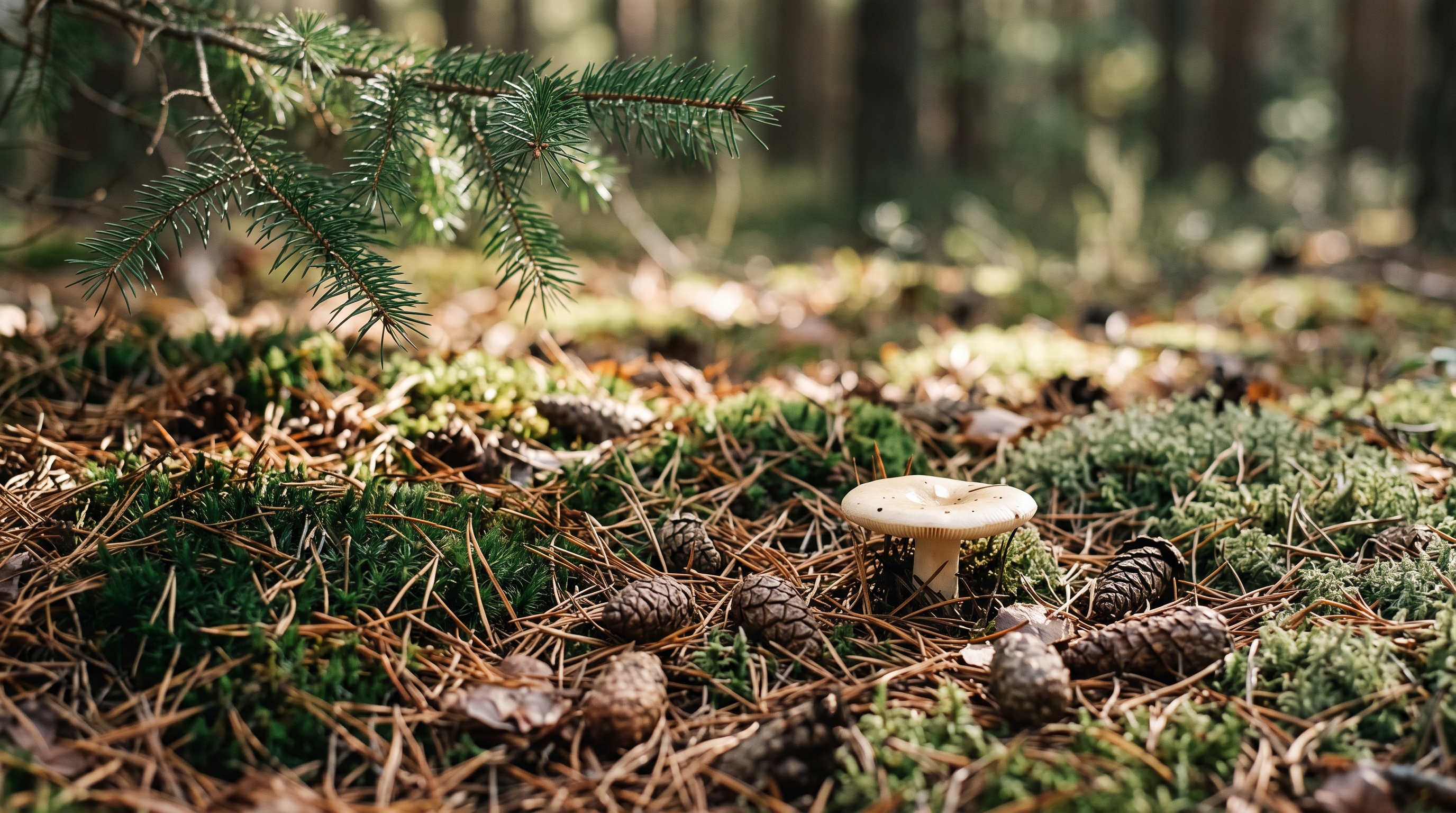
Cannabis, particularly strains rich in limonene and linalool, may complement this effect. These terpenes are associated with mood elevation and anxiolytic properties [Russo, 2011]. When you’re walking through a pine forest, you’re also inhaling alpha-pinene—a terpene found in both trees and cannabis—which research suggests may support alertness and memory retention, potentially counteracting some of THC’s short-term memory effects [Russo, 2011].
The takeaway: You’re not just getting high in nature. You’re combining two systems—exogenous cannabinoids from cannabis and endogenous cannabinoids from exercise—in an environment that independently reduces stress and enhances mood. It’s a neurochemical triple play.
Terpenes Meet the Trail: A High Families Approach
Not every cannabis experience is ideal for a hike. This is where the High Families system becomes genuinely useful—it helps you match your terpene profile to your activity rather than relying on the outdated indica/sativa binary.
For hiking, two families tend to shine:
| High Family | Why It Works on the Trail | Key Terpenes |
|---|---|---|
| Uplifting High | Mood elevation and social energy keep you engaged and present on the trail | Limonene, Linalool |
| Energetic High | Focused productivity and mental clarity help you stay alert on technical terrain | Terpinolene, Ocimene |
If you’re doing a mellow sunset walk rather than a strenuous climb, the Balancing High family—with its gentle, beginner-friendly effects—can offer a light enhancement without overwhelming your senses.
On the other hand, strains in the Relaxing High family (heavy in myrcene) may be better saved for the post-hike hammock session. Deep body relaxation and steep inclines don’t always mix well.
Practical Implications
How to Apply This on Your Next Hike
Understanding the science is great, but let’s make it useful. Here’s how to translate terpene chemistry and endocannabinoid research into a better trail experience:
Choose your strain by activity level, not by name hype. A high-limonene, Uplifting High strain pairs beautifully with a social group hike. An Energetic High with terpinolene may be better for a solo trail run where you want focus without sedation.
Timing matters. Your body’s endocannabinoid production ramps up after about 20-30 minutes of sustained moderate exercise [Sparling et al., 2003]. Some hikers find that consuming a small dose before starting and letting the natural endocannabinoid wave build alongside it creates a more gradual, synergistic experience.
Start low, especially at elevation. If you’re hiking at altitude, your cardiovascular system is already working harder. Cannabis can increase heart rate temporarily, so a lower dose and slower pace may help you stay comfortable. This is especially important for newer consumers.
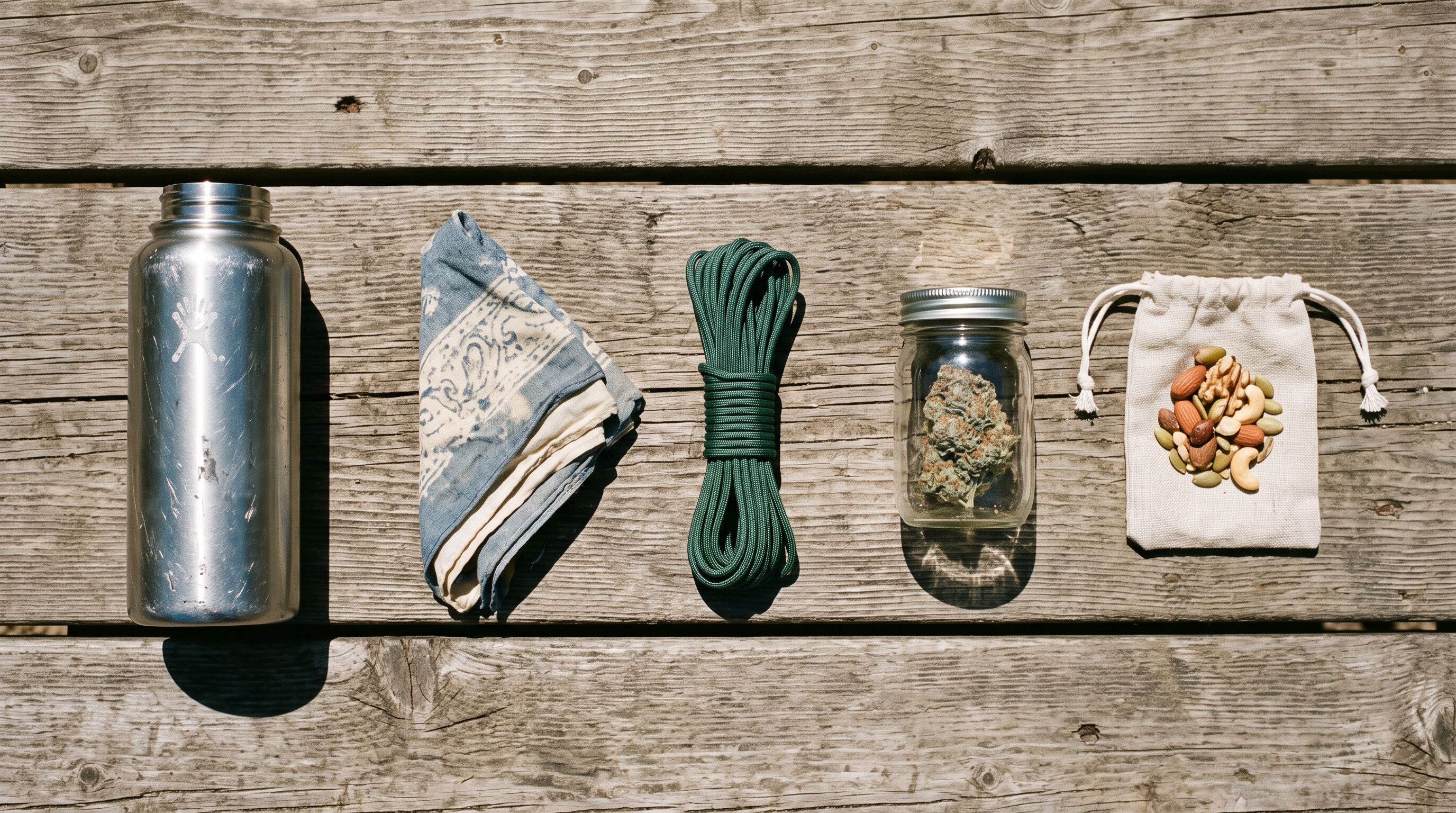
Hydrate more than you think you need. Cannabis can contribute to dry mouth, and hiking dehydrates you. Bring more water than usual—your body will thank you.
Respect the setting. Not all trails allow cannabis consumption, and not all fellow hikers want to share your smoke. Edibles, tinctures, or a discreet vaporizer can keep things considerate. Always pack out what you pack in.
Key Takeaways
- The runner’s high and the cannabis high work through the same system. Exercise boosts anandamide, which activates the same CB1 receptors as THC [Fuss et al., 2015].
- Nature independently reduces stress and rumination, making it an active enhancer of your cannabis experience, not just a backdrop [Bratman et al., 2015].
- Terpenes matter more than strain names. Look for limonene and terpinolene for active outdoor sessions—the Uplifting High and Energetic High families are your trail companions.
- Dose low, hydrate high. Especially at elevation, a modest dose combined with your body’s natural endocannabinoid production may be more than enough.
- The forest is already full of terpenes. Alpha-pinene in pine trees may complement your cannabis experience in ways science is only beginning to understand [Russo, 2011].
FAQs
Does cannabis improve athletic performance on hikes?
There’s no strong evidence that cannabis directly improves physical performance. However, some research suggests it may reduce exercise-related anxiety and improve enjoyment of physical activity [YorkWilliams et al., 2019], which could indirectly help you stay motivated on longer hikes.
Is it safer to use edibles or inhalation for hiking?
Both have trade-offs. Inhalation offers faster onset and easier dose control, which matters when you’re being active. Edibles take longer to kick in (60-90 minutes) and can be harder to dose precisely, but they avoid any lung irritation at altitude. Start with a very low edible dose if that’s your preference.
Can cannabis make altitude sickness worse?
There’s limited research on this specific interaction. However, since both altitude and THC can increase heart rate and affect blood pressure, it’s wise to acclimate to elevation before adding cannabis—and to keep your dose conservative.
Sources
- Barton, J. & Pretty, J. (2010). “What is the Best Dose of Nature and Green Exercise for Improving Mental Health?” Environmental Science & Technology, 44(10), 3947-3955. DOI: 10.1021/es903183r
- Bratman, G.N. et al. (2015). “Nature experience reduces rumination and subgenual prefrontal cortex activation.” Proceedings of the National Academy of Sciences, 112(28), 8567-8572. DOI: 10.1073/pnas.1510459112
- Fuss, J. et al. (2015). “A runner’s high depends on cannabinoid receptors in mice.” Proceedings of the National Academy of Sciences, 112(42), 13105-13108. PMID: 26438875
- Russo, E.B. (2011). “Taming THC: potential cannabis synergy and phytocannabinoid-terpenoid entourage effects.” British Journal of Pharmacology, 163(7), 1344-1364. PMID: 21749363
- Sparling, P.B. et al. (2003). “Exercise activates the endocannabinoid system.” NeuroReport, 14(17), 2209-2211. PMID: 14625449
- YorkWilliams, S.L. et al. (2019). “The New Runner’s High? Examining Relationships Between Cannabis Use and Exercise Behavior in States With Legalized Cannabis.” Frontiers in Public Health, 7, 99. DOI: 10.3389/fpubh.2019.00099


