Cannabis and Neuroinflammation: How Cannabinoids May Protect Your Brain
How do cannabinoids like CBD and THC interact with brain immune cells? Explore the science of neuroinflammation and what research says about neuroprotection.

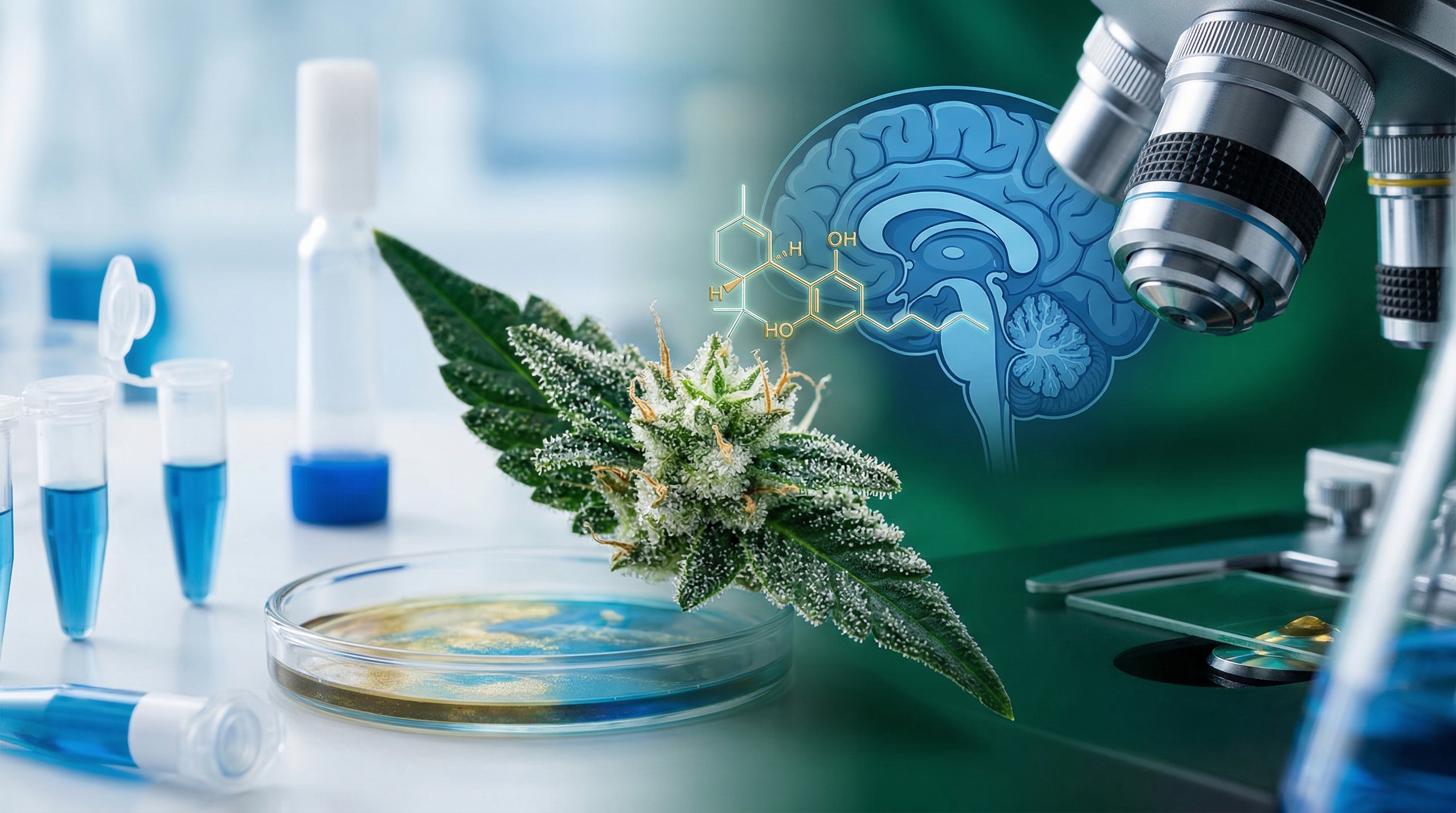
Your Brain Is on Fire (Sort Of)
Here’s a fact that might surprise you: right now, as you read this, your brain is engaged in a low-level inflammatory process. That’s not necessarily a bad thing—inflammation is one of the immune system’s most important tools. But when that inflammation goes haywire, becoming chronic or excessive, it can contribute to some of the most devastating neurological conditions known to medicine, including Alzheimer’s disease, Parkinson’s disease, multiple sclerosis, and traumatic brain injury.
Now here’s where it gets really interesting. Your brain has its own built-in system for regulating inflammation, and it happens to be the same system that cannabis interacts with: the endocannabinoid system (ECS). Researchers have been investigating for decades whether plant-derived cannabinoids—the active compounds in cannabis—might help modulate neuroinflammation, potentially offering neuroprotective benefits that could change how we think about brain health.
This isn’t fringe science. Studies from major research institutions around the world have been exploring the anti-inflammatory properties of cannabinoids like THC, CBD, and lesser-known compounds like CBG and CBC. The results, while still emerging, are compelling enough that the National Institutes of Health holds patents related to cannabinoids as neuroprotectants [Hampson et al., 2003]. A landmark 2025 systematic review of clinical trials in Frontiers in Pharmacology confirmed that cannabinoids demonstrate meaningful therapeutic potential across multiple neurological conditions [Saoirse et al., 2025].
In this article, we’re going to break down the science of neuroinflammation—what it is, why it matters, and how cannabis compounds appear to interact with the brain’s immune system. We’ll look at the specific research, explain the mechanisms in plain language, and be honest about where the evidence is strong versus where it’s still preliminary. No medical degree required.
Let’s dive in.
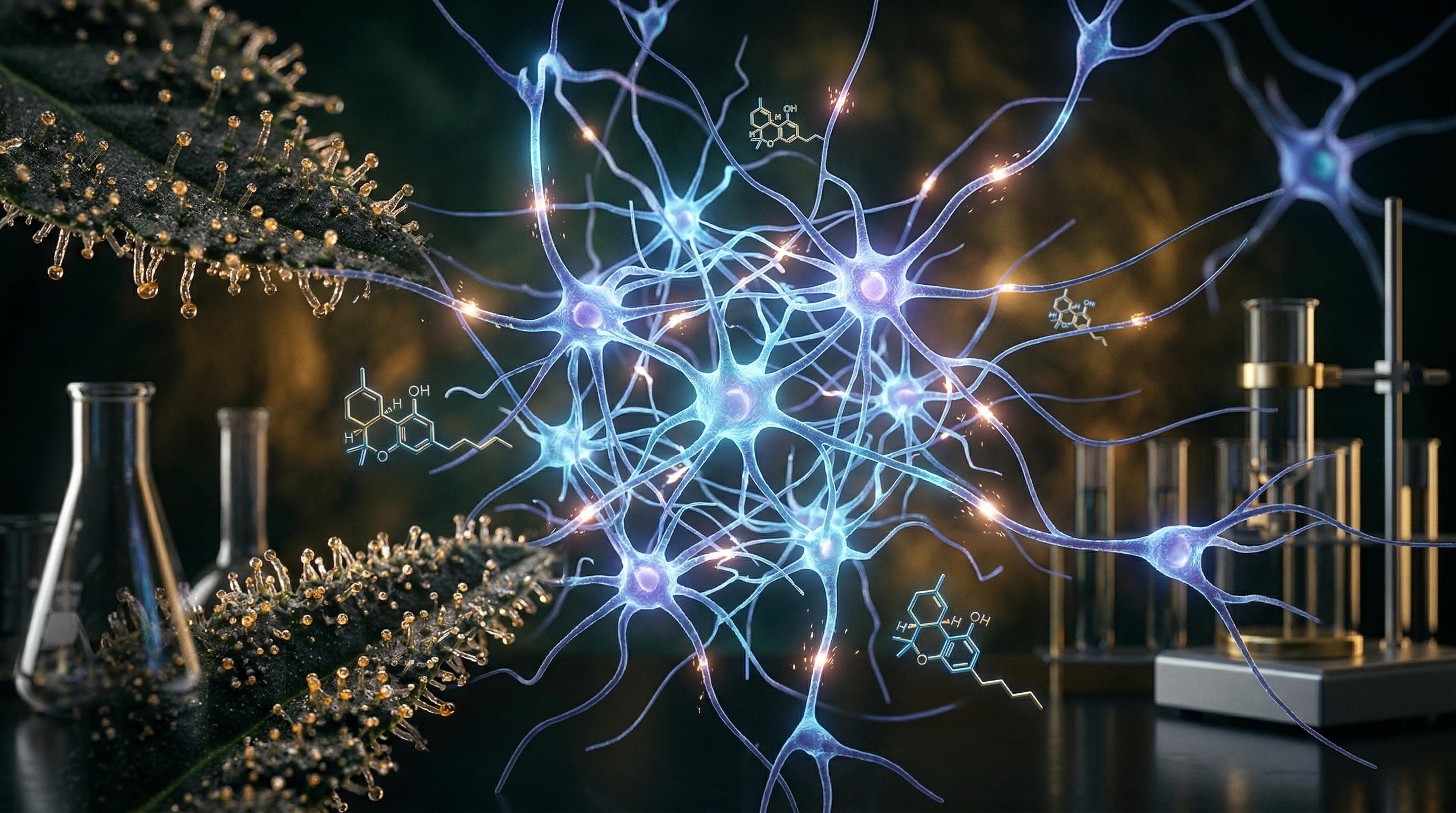
The Science Explained
What Is Neuroinflammation, and Why Should You Care?
Think of inflammation as your body’s alarm system. When you cut your finger, the area turns red, swells, and gets warm—that’s acute inflammation doing its job, rushing immune cells to the site to fight infection and start repair. Your brain has a similar system, but instead of using the same immune cells found in the rest of your body, it relies primarily on specialized cells called microglia and astrocytes.
Microglia are the brain’s resident immune cells. Imagine them as tiny security guards patrolling every corner of your central nervous system. Under normal conditions, they’re in a resting state—watchful but calm. When they detect a threat (an injury, an infection, or a toxic protein), they activate, changing shape and releasing a cascade of signaling molecules called cytokines and chemokines. Some of these are pro-inflammatory (they amplify the alarm), and some are anti-inflammatory (they tell the system to stand down).
Astrocytes, the star-shaped cells that support neurons, also play a critical role. They help maintain the blood-brain barrier (the brain’s bouncer, deciding what gets in and what stays out), regulate nutrient supply to neurons, and can either promote or suppress inflammation depending on the signals they receive. When microglia go into overdrive, astrocytes often follow—a phenomenon called reactive gliosis.
Here’s the problem: when microglia stay activated for too long, they don’t just fight threats—they start damaging healthy neurons. This chronic neuroinflammation has been implicated in a growing list of conditions:
- Alzheimer’s disease: Chronic microglial activation around amyloid plaques accelerates neuronal death [Heneka et al., 2015]. Neuroinflammation is now considered a third pathological pillar of AD alongside amyloid plaques and tau tangles.
- Parkinson’s disease: Persistent inflammation in the substantia nigra contributes to the loss of dopaminergic neurons that control movement [Tansey & Goldberg, 2010]. Elevated levels of pro-inflammatory cytokines TNF-α and IL-1β are consistently found in PD brain tissue.
- Multiple sclerosis: Immune-mediated inflammation destroys the myelin sheath protecting nerve fibers, disrupting nerve signal transmission [Lassmann et al., 2012].
- Traumatic brain injury (TBI): The secondary inflammatory response after impact—triggered by the initial damage—can actually cause more cumulative harm than the impact itself [Loane & Kumar, 2016].
- Depression and anxiety: Emerging research links chronic low-grade neuroinflammation to mood disorders, with elevated inflammatory markers found in patients with treatment-resistant depression [Miller & Raison, 2016]. See our science-backed guide to cannabis strains for depression for more on this connection.
So the question becomes: can we turn down the volume on this alarm system without shutting it off entirely? That’s where cannabinoids enter the picture.
The Endocannabinoid System: Your Brain’s Built-In Regulator
Before we talk about what cannabis does, we need to understand the system it works through. The endocannabinoid system (ECS) is a vast signaling network found throughout the brain and body. It was discovered in the early 1990s by researchers studying how THC produces its effects [Devane et al., 1992], and it turned out to be one of the most important regulatory systems in human biology.
If you want a deep dive into how your body’s own endocannabinoids work, check out our guide to anandamide—your brain’s natural THC.
The ECS consists of three main components:
- Endocannabinoids: Molecules your body produces naturally, primarily anandamide (AEA) and 2-arachidonoylglycerol (2-AG). Think of these as your body’s own cannabis-like compounds.
- Cannabinoid receptors: Primarily CB1 (concentrated in the brain and neurons) and CB2 (found throughout the immune system and, critically, on microglia and astrocytes).
- Metabolic enzymes: FAAH and MAGL, which break down endocannabinoids after they’ve done their job. Inhibiting these enzymes is an active area of therapeutic research.
Here’s the critical connection to neuroinflammation: CB2 receptors are heavily expressed on microglia, and their expression actually increases during neuroinflammatory states [Benito et al., 2008]. In Alzheimer’s disease brain tissue, CB2 receptor expression in microglia has been shown to be dramatically upregulated—a 2024 study published in Cell Death & Disease confirmed this upregulation correlates directly with disease progression and that stimulating these receptors with a selective agonist significantly improved cognitive outcomes in AD mice [Kumari et al., 2024]. It’s as if the brain is upregulating its own cannabinoid docking stations specifically when inflammation is a problem—a strong hint that the ECS plays a natural role in keeping neuroinflammation in check.
When endocannabinoids bind to CB2 receptors on microglia, they tend to shift these cells from a pro-inflammatory (M1) state to an anti-inflammatory (M2) state [Mecha et al., 2015]. Imagine a dimmer switch: instead of the lights being fully on (raging inflammation) or fully off (no immune response at all), the ECS helps find a middle ground—sustained immune vigilance without the collateral neuronal damage.

What the Research Shows: Cannabinoids and Neuroprotection
Now let’s look at what happens when plant-derived cannabinoids—phytocannabinoids—enter this system.
THC (Δ9-Tetrahydrocannabinol)
THC is the primary psychoactive compound in cannabis, and it binds to both CB1 and CB2 receptors. In the context of neuroinflammation, its interactions are dose-dependent and receptor-specific.
A landmark study demonstrated that the endocannabinoid system, acting through CB1 receptors, provides on-demand protection against excitotoxicity—a process where neurons are damaged by excessive glutamate stimulation, often triggered or amplified by neuroinflammation [Marsicano et al., 2003]. When CB1 receptors were blocked in mice, the animals became far more vulnerable to brain damage from seizures.
Research by Kim et al. showed that low-dose THC reduces amyloid precursor protein levels and inhibits AChE activity in Alzheimer’s models—a dual mechanism that could slow two of the disease’s core pathological processes simultaneously [Kim et al., 2023]. In combination with CBD, THC reduced neuroinflammation, decreased microglial activation around amyloid plaques, and improved memory performance in mouse AD models. Notably, the combination worked better than either compound alone—a concept cannabis enthusiasts know as the entourage effect [Aso et al., 2015].
Recent 2024 research demonstrated that stimulating microglial CB2 receptors with a selective agonist (JWH 133) significantly decreased reactive astrocyte markers and microglial C1q—an inducer of reactive astrocytes—while also suppressing dystrophic presynaptic terminals surrounding amyloid plaques [Kumari et al., 2024].
Important caveat: Most THC neuroprotection research involves low doses. High doses of THC can paradoxically be pro-inflammatory in some contexts—activating CB1 receptors on neurons may also trigger glutamate release, and chronic heavy use during adolescence has been associated with altered brain development [Lubman et al., 2015]. Dose, timing, and frequency all matter enormously.
CBD (Cannabidiol)
CBD has generated enormous scientific interest for neuroinflammation research, in part because it’s non-intoxicating and has a remarkably complex pharmacological profile that extends well beyond classical cannabinoid receptors.
CBD appears to work through at least four distinct anti-inflammatory mechanisms:
-
PPARγ activation: CBD activates peroxisome proliferator-activated receptor gamma, a nuclear receptor that functions as a master regulator of inflammatory gene expression. When PPARγ is activated, it suppresses NF-κB signaling—the central transcription factor controlling production of pro-inflammatory cytokines like TNF-α, IL-1β, and IL-6. Research confirmed that CBD-induced decreases in iNOS (a marker of inflammatory damage) are modulated through PPARγ-dependent NF-κB inhibition, with associated decreases in reactive gliosis and improved hippocampal neuron survival [Esposito et al., 2011].
-
Adenosine signaling enhancement: CBD inhibits the reuptake of adenosine, increasing extracellular adenosine availability. Adenosine acts on A2A receptors on microglia to suppress their pro-inflammatory activity—a well-established anti-inflammatory and neuroprotective mechanism [Carrier et al., 2006].
-
NLRP3 inflammasome inhibition: CBD has been shown to suppress the NLRP3 inflammasome, a multiprotein complex that triggers the release of highly potent pro-inflammatory cytokines IL-1β and IL-18. Runaway NLRP3 activity is implicated in Alzheimer’s, Parkinson’s, and TBI [Xu et al., 2020].
-
Microglial phenotype shifting: In cell culture studies, CBD shifted microglia from the pro-inflammatory M1 phenotype toward the anti-inflammatory M2 phenotype, reducing nitric oxide production and increasing the release of anti-inflammatory IL-10 [Martín-Moreno et al., 2011].
In Alzheimer’s disease, a comprehensive 2025 systematic review and meta-analysis found that CBD significantly and consistently reduced key markers of neuroinflammation and reactive gliosis in preclinical AD models—specifically TNF-α, IL-1β, and GFAP—while also promoting hippocampal neurogenesis through PPARγ [Therapeutic Potential for Cannabidiol on Alzheimer’s Disease-Related Neuroinflammation, MDPI, 2025]. A 2025 study in Neuropsychopharmacology demonstrated that chronic CBD treatment in AD rats restored behavioral deficits and reduced neuroinflammatory marker expression, with effects blocked by CB1 antagonism—pointing to CB1 receptor involvement alongside PPARγ [Ma et al., 2025].
In Parkinson’s disease, a first-ever double-blind randomized controlled trial (the CBD-PD-BRH trial, 2025) tested CBD in PD patients over 12 weeks. While the study was exploratory, CBD at 26 mg/day was safe and produced no adverse effects on motor, cognitive, or affective symptoms, with improved scores on naming tasks (MoCA) [CBD-PD-BRH Trial, 2025]. Animal models continue to show compelling neuroprotection: CBD at 3 mg/kg daily reduced dopamine depletion in the striatum, with the protective effect likely mediated by cannabinoid-receptor-independent antioxidant and anti-inflammatory properties [Frontiers in Pharmacology, 2025].
A particularly exciting translational area is CBD’s potential role in traumatic brain injury. Studies found that CBD administration after hypoxic-ischemic brain injury reduced brain damage, decreased inflammation, and improved neurobehavioral outcomes [Pazos et al., 2013]. Human clinical trials in this area are actively underway.
Beyond THC and CBD: The Supporting Cast
Lesser-studied cannabinoids and cannabis-derived compounds are showing genuine promise in neuroinflammation research:
- CBG (Cannabigerol): Often called the “mother cannabinoid” because other cannabinoids are synthesized from it, CBG reduced neuroinflammation in a mouse model of Huntington’s disease, improving motor function and reducing microglial activation. Its antioxidant properties appear stronger than CBD’s in some assays [Valdeolivas et al., 2015].
- CBC (Cannabichromene): Demonstrated the ability to promote the viability of neural stem/progenitor cells, suggesting it may support the brain’s ability to repair itself after inflammatory damage [Shinjyo & Di Marzo, 2013].
- CBN (Cannabinol): Emerging data suggest neuroprotective and anti-inflammatory properties, though research is at an earlier stage.
β-Caryophyllene: The Terpene That Acts Like a Cannabinoid
Perhaps the most surprising finding in cannabinoid neuroinflammation research involves a compound that isn’t technically a cannabinoid at all.
β-Caryophyllene (BCP) is a sesquiterpene found abundantly in cannabis, black pepper, cloves, and cinnamon. In 2008, a landmark study by Gertsch et al. established that BCP is a selective, full agonist of CB2 receptors—meaning it activates the same anti-inflammatory receptor pathway as cannabinoids, but without any psychoactive effects [Gertsch et al., 2008]. The FDA classifies it as Generally Recognized as Safe (GRAS) as a food additive.
A 2025 MDPI review titled “Multi-Target Protective Effects of β-Caryophyllene at the Intersection of Neuroinflammation and Neurodegeneration” documented BCP’s neuroprotective effects across multiple disease models:
- Parkinson’s models: BCP protected dopaminergic neurons in the substantia nigra by inhibiting the NLRP3 inflammasome and reducing microglial activation [Neuroprotective Effects of β-Caryophyllene, PMC]
- Alzheimer’s models: BCP significantly reduced amyloid-β-induced cytotoxicity in human microglia (HMC3 cells), lowered TNF-α and IL-6 levels, and increased anti-inflammatory IL-10—effects blocked by the CB2 antagonist AM630, confirming they’re CB2-mediated [Anticancer Research, 2024]
- Cognitive impairment models: BCP-treated animals showed improved spatial memory and reduced hippocampal neuroinflammation
The 2024 study combining CBD and BCP in an in vitro inflammation model found synergistic anti-inflammatory effects greater than either compound alone—the first direct evidence of an entourage effect between a terpene and a cannabinoid in a neuroinflammation context [PMC, 2024].
This has practical implications for how you choose cannabis products: strains high in caryophyllene aren’t just delivering a spicy, peppery aroma—they’re delivering a CB2 receptor agonist with documented neuroprotective properties.
The Entourage Effect and Neuroinflammation
This brings us to a concept that’s central to understanding cannabis as a whole-plant medicine. The research consistently suggests that whole-plant cannabis preparations may be more effective for neuroinflammation than isolated compounds [Russo, 2011]. The combination of multiple cannabinoids and terpenes working together appears to produce synergistic anti-inflammatory effects that no single compound achieves in isolation.
This isn’t just theory. The clinical evidence for CBD combined with THC (as in Sativex, approved for MS spasticity in multiple countries) outperforms either compound alone in multiple trials. And the preclinical evidence for the CBD + BCP synergy is now directly established [PMC, 2024].
From a mechanistic standpoint, this makes sense. Neuroinflammation is not a single-pathway problem—it involves NF-κB, NLRP3, MAPK, PPARγ, adenosine signaling, and more. A compound that hits three of these pathways (like CBD) combined with a compound that hits a fourth (like BCP via CB2) produces broader coverage than either alone.
The Clinical Reality Check
It’s important to be clear about where the science actually stands, because the gap between preclinical promise and clinical proof is significant in this field.
What the evidence firmly supports:
- Cannabinoids have well-characterized anti-inflammatory mechanisms at the molecular and cellular level
- The ECS plays a genuine regulatory role in neuroinflammation, and CB2 receptors on microglia are a legitimate therapeutic target
- CBD is safe and well-tolerated across a wide range of doses in humans
- Sativex (THC:CBD) is clinically proven for MS spasticity, demonstrating the approach works for at least one neuroinflammatory condition
What remains preliminary:
- Most neuroprotection data comes from animal models and cell culture studies
- Human trials for Alzheimer’s and Parkinson’s specifically are small and early-stage
- Optimal dosing, delivery methods, and compound ratios for neuroinflammation have not been established clinically
- Long-term safety of cannabinoid use specifically for neuroprotection hasn’t been characterized in controlled human trials
A 2025 systematic review of clinical trials across neurological conditions noted that while cannabinoids show therapeutic potential, definitive recommendations for most conditions (outside of epilepsy and MS spasticity) await larger, better-powered trials [Frontiers in Pharmacology, 2025].
This is not a reason to dismiss the research—it’s a reason to follow it carefully and maintain appropriate expectations.
Practical Implications: What This Means for You
Let’s be clear: this article is not medical advice, and cannabis is not a substitute for professional medical treatment for any neurological condition. That said, the science offers genuine insights for cannabis consumers interested in brain health:
Prioritize Full-Spectrum Products
If neuroprotection interests you, the research consistently favors full-spectrum or broad-spectrum products over isolates. When you strip away everything except one compound, you lose the synergistic mechanisms that appear to make whole-plant preparations more effective. When choosing products, look for those that preserve the complete terpene and cannabinoid profile.
Pay Close Attention to Terpenes—Especially Caryophyllene
Terpenes aren’t just about flavor and aroma. β-Caryophyllene is a direct CB2 agonist with documented anti-inflammatory properties [Gertsch et al., 2008]. Linalool has demonstrated neuroprotective effects in Alzheimer’s models [Sabogal-Guáqueta et al., 2016]. Myrcene shows anti-inflammatory activity through prostaglandin inhibition [Lorenzetti et al., 1991].
Using the High Families framework:
- The Relieving High family (caryophyllene, humulene) aligns most directly with CB2-mediated anti-inflammatory research
- The Relaxing High family (myrcene, elevated CBD) may support overall neurological calm and FAAH inhibition
- The Entourage High family (complex multi-terpene profiles) offers the broadest potential for synergistic neuroprotective effects
Moderation Is the Most Important Variable
Perhaps the most important takeaway from the research: dose is everything. Low to moderate doses of THC appear to be neuroprotective in preclinical models, while chronic high doses may have the opposite effect, particularly in developing brains [Lubman et al., 2015]. CBD has a wider apparent therapeutic window, but more isn’t always better—the dose-response curve for CBD is complex and not fully linear.
The emerging picture is that occasional, mindful use of moderate amounts aligns better with the neuroprotective research than daily high-dose consumption.
Cannabis as One Tool Among Many
Cannabinoids don’t work in a vacuum. The research emphasizes that neuroinflammation is strongly influenced by sleep quality, exercise, diet, stress, and overall metabolic health. Exercise itself boosts endocannabinoid tone via anandamide. Omega-3 fatty acids support ECS function. Cannabis may be one useful tool in a broader brain-health approach—an adjunct to, not a replacement for, these fundamentals.
Key Takeaways
- Neuroinflammation—chronic activation of the brain’s microglial immune cells—is a core driver of Alzheimer’s, Parkinson’s, MS, TBI, and mood disorders. The endocannabinoid system naturally helps regulate this process, with CB2 receptors on microglia being a key control point.
- THC and CBD both show neuroprotective and anti-inflammatory properties in preclinical research, working through complementary mechanisms: CB2 receptor activation, PPARγ/NF-κB suppression, NLRP3 inflammasome inhibition, and microglial phenotype shifting.
- β-Caryophyllene, the peppery terpene in many cannabis strains, is a selective CB2 agonist with its own documented neuroprotective profile—and combines synergistically with CBD in inflammation models.
- The entourage effect is mechanistically real for neuroinflammation: whole-plant preparations targeting multiple inflammatory pathways simultaneously outperform isolated compounds in preclinical research.
- Dose matters critically: low-to-moderate cannabinoid exposure appears protective; chronic high-dose THC may be counterproductive, especially in developing brains.
- The clinical evidence is promising but early: preclinical data is robust, but large human trials for Alzheimer’s and Parkinson’s specifically are still in progress. CBD’s safety profile is well-established; its efficacy for neuroinflammatory conditions in humans remains under investigation.
FAQs
Can cannabis cure or prevent Alzheimer’s disease?
No. While preclinical research suggests cannabinoids may help reduce neuroinflammatory processes associated with Alzheimer’s—including amyloid-beta toxicity, microglial overactivation, and pro-inflammatory cytokine release—there is currently no clinical evidence from human trials that cannabis prevents or cures the disease. Human trials are still in early stages. Anyone concerned about Alzheimer’s risk should consult a neurologist and focus on established lifestyle factors: exercise, sleep quality, cardiovascular health, and cognitively engaging activities.
Is CBD an effective anti-inflammatory for the brain?
CBD has well-documented anti-inflammatory actions at the molecular and cellular level. These include PPARγ activation, NF-κB suppression, adenosine enhancement, and NLRP3 inhibition. Preclinical data in neuroinflammation models is consistently promising. However, there are currently no FDA-approved CBD products for neuroinflammatory conditions (beyond epilepsy). Clinical trial data in humans remains limited. The evidence supports CBD’s potential—it does not yet confirm therapeutic efficacy for any specific neurological disease.
Which cannabis terpenes are most relevant to neuroinflammation?
β-Caryophyllene is the best-researched terpene for direct anti-inflammatory and neuroprotective effects, given its confirmed status as a CB2 receptor agonist. Linalool (lavender-forward strains) has shown neuroprotective effects in Alzheimer’s models. Myrcene demonstrates anti-inflammatory activity through prostaglandin inhibition. Pinene has shown cognitive-protective effects in some animal models. Choosing full-spectrum products with high terpene retention and seeking strains rich in caryophyllene specifically aligns most directly with the neuroinflammation research.
Does THC protect or harm the brain?
The answer is genuinely dose- and context-dependent. At low doses in preclinical models, THC demonstrates neuroprotective effects via CB1 and CB2 receptor activation, excitotoxicity prevention, and amyloid clearance. At high doses and with chronic heavy use—particularly during adolescence when the brain is still developing—THC use has been associated with adverse neurological outcomes. The neuroprotective research consistently involves doses far lower than what recreational users typically consume. This is one of the more nuanced areas in cannabis science.
What’s the difference between CB1 and CB2 receptors for brain health?
CB1 receptors are primarily found on neurons and regulate synaptic activity, neuroprotection from excitotoxicity, and mood. CB2 receptors are primarily found on immune cells—including microglia—and regulate the inflammatory response. For neuroinflammation specifically, CB2 receptor activation is the more directly relevant mechanism, since it modulates the microglial immune response that drives inflammatory neurodegeneration. THC activates both; CBD has a more indirect effect on both; β-caryophyllene selectively activates CB2.
Sources
- Aso, E. et al. (2015). “CB2 cannabinoid receptor agonist ameliorates Alzheimer-like phenotype in a mouse model.” Journal of Alzheimer’s Disease, 43(1), 303-317. PMID: 25079800
- Benito, C. et al. (2008). “Cannabinoid CB2 receptors and fatty acid amide hydrolase are selectively overexpressed in neuritic plaque-associated glia in Alzheimer’s disease brains.” Journal of Neuroscience, 23(35), 11136-11141. PMID: 14657172
- Carrier, E.J. et al. (2006). “Inhibition of an equilibrative nucleoside transporter by cannabidiol: a mechanism of cannabinoid immunosuppression.” Proceedings of the National Academy of Sciences, 103(20), 7895-7900. PMID: 16672366
- Devane, W.A. et al. (1992). “Isolation and structure of a brain constituent that binds to the cannabinoid receptor.” Science, 258(5090), 1946-1949. PMID: 1470919
- Esposito, G. et al. (2011). “Cannabidiol reduces Aβ-induced neuroinflammation and promotes hippocampal neurogenesis through PPARγ involvement.” PLoS ONE, 6(12), e28668. PMID: 22163051
- Gertsch, J. et al. (2008). “Beta-caryophyllene is a dietary cannabinoid.” Proceedings of the National Academy of Sciences, 105(26), 9099-9104. PMID: 18574142
- Hampson, A.J. et al. (2003). “Cannabinoids as antioxidants and neuroprotectants.” U.S. Patent 6,630,507. Assigned to the United States of America.
- Heneka, M.T. et al. (2015). “Neuroinflammation in Alzheimer’s disease.” The Lancet Neurology, 14(4), 388-405. PMID: 25792098
- Kim, J. et al. (2023). “Low-dose THC reduces AChE activity and inhibits amyloid precursor protein levels in Alzheimer’s models.” Frontiers in Aging Neuroscience.
- Kumari, S. et al. (2024). “Microglial cannabinoid receptor type II stimulation improves cognitive impairment and neuroinflammation in Alzheimer’s disease mice by controlling astrocyte activation.” Cell Death & Disease, 15(1), 868. PMID: 39587077
- Lassmann, H. et al. (2012). “The molecular basis of neurodegeneration in multiple sclerosis.” FEBS Letters, 585(23), 3715-3723. PMID: 21854778
- Loane, D.J. & Kumar, A. (2016). “Microglia in the TBI brain: The good, the bad, and the dysregulated.” Experimental Neurology, 275 Pt 3, 316-327. PMID: 25562660
- Lubman, D.I. et al. (2015). “Cannabis and adolescent brain development.” Pharmacology & Therapeutics, 148, 1-16. PMID: 25445487
- Ma, L. et al. (2025). “Cannabidiol may reduce cognitive and social deficits in a male rat model of Alzheimer’s disease through CB1 activation and inflammation modulation [preclinical].” Neuropsychopharmacology. PMID: 40053627
- Marsicano, G. et al. (2003). “The endogenous cannabinoid system controls extinction of aversive memories.” Nature, 418(6897), 530-534. PMID: 12152079
- Martín-Moreno, A.M. et al. (2011). “Cannabidiol and other cannabinoids reduce microglial activation in vitro and in vivo.” Journal of Neuroimmunology, 237(1-2), 13-20. PMID: 21820745
- Mecha, M. et al. (2015). “Endocannabinoids drive the acquisition of an alternative phenotype in microglia.” Brain, Behavior, and Immunity, 49, 233-245. PMID: 26086345
- Miller, A.H. & Raison, C.L. (2016). “The role of inflammation in depression: from evolutionary imperative to modern treatment target.” Nature Reviews Immunology, 16(1), 22-34. PMID: 26711676
- Pazos, M.R. et al. (2013). “Mechanisms of cannabidiol neuroprotection in hypoxic-ischemic newborn pigs: role of 5HT(1A) and CB2 receptors.” Neuropharmacology, 71, 282-291. PMID: 23583716
- Russo, E.B. (2011). “Taming THC: potential cannabis synergy and phytocannabinoid-terpenoid entourage effects.” British Journal of Pharmacology, 163(7), 1344-1364. PMID: 21749363
- Sabogal-Guáqueta, A.M. et al. (2016). “Linalool attenuates oxidative stress and mitochondrial dysfunction mediated by glutamate and NMDA toxicity.” Biomedicine & Pharmacotherapy, 80, 60-67. PMID: 27133043
- Shinjyo, N. & Di Marzo, V. (2013). “The effect of cannabichromene on adult neural stem/progenitor cells.” Neurochemistry International, 63(5), 432-437. PMID: 24001823
- Tansey, M.G. & Goldberg, M.S. (2010). “Neuroinflammation in Parkinson’s disease: its role in neuronal death and implications for therapeutic intervention.” Neurobiology of Disease, 37(3), 510-518. PMID: 19913096
- Valdeolivas, S. et al. (2015). “Neuroprotective properties of cannabigerol in Huntington’s disease.” Neurotherapeutics, 12(1), 185-199. PMID: 25252936
- Xu, Z.W. et al. (2020). “Cannabidiol inhibits the NLRP3 inflammasome and attenuates neuroinflammation.” Journal of Neuroinflammation, 17(1), 173. PMID: 32493399


