Cannabis and Sex: What Research Says About Intimacy
Explore what science reveals about cannabis and sexual experiences, from arousal and satisfaction to dosing and the endocannabinoid system.

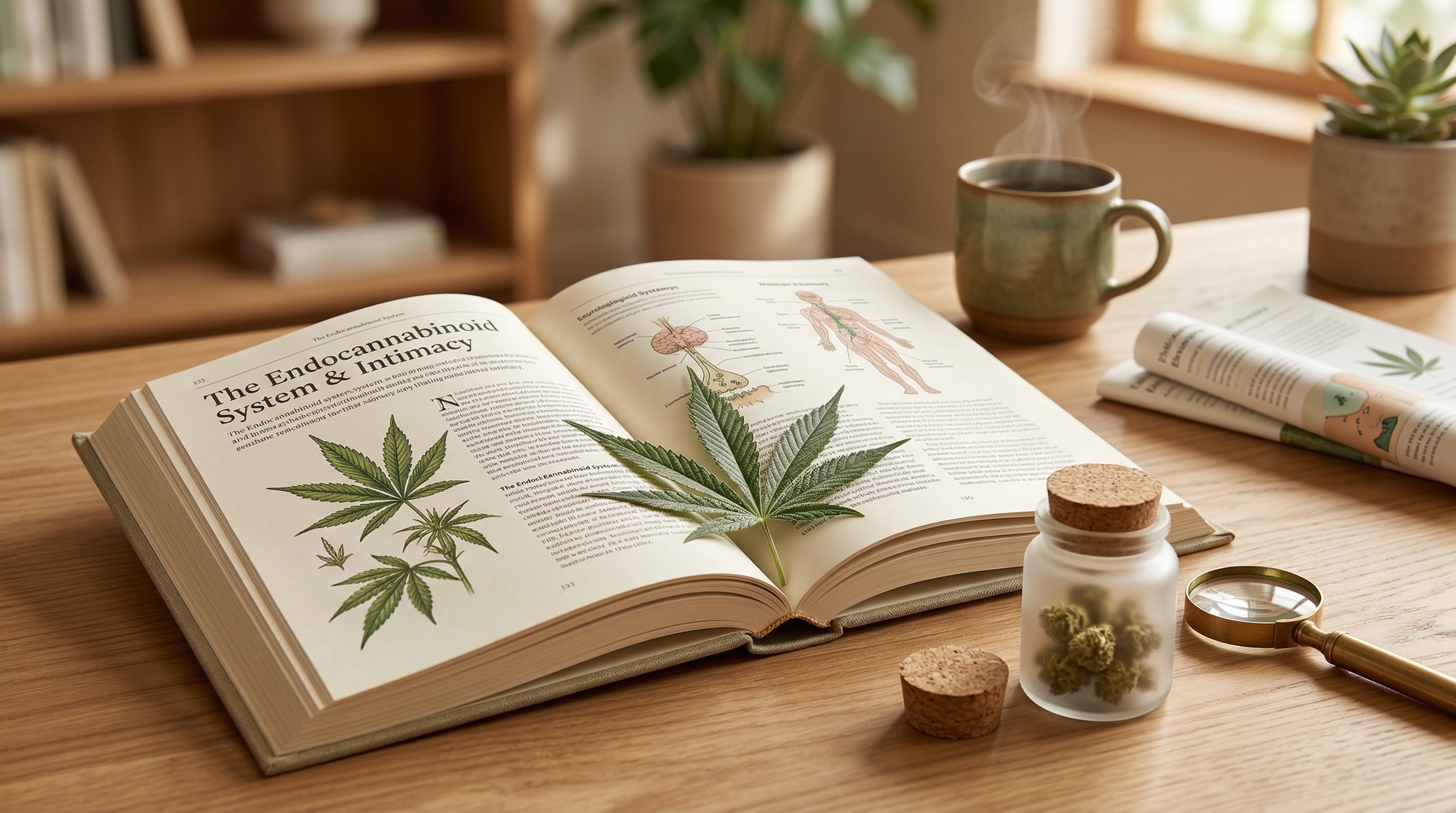
A Question as Old as Cannabis Itself
Here’s a number that might surprise you: in a 2019 survey published in the Journal of Sexual Medicine, roughly 68% of cannabis users reported that marijuana improved their sexual experiences [Wiebe & Just, 2019]. That’s not a fringe claim from a niche community—it’s a majority of respondents in a peer-reviewed study saying that cannabis made intimacy better.
But here’s the twist: other research suggests that heavy, chronic use may actually dampen sexual function over time [Shamloul & Bella, 2011]. So which is it? Does cannabis enhance intimacy, or does it complicate it?
The honest answer—the one that good science demands—is: it depends. It depends on the dose, the person, the product, the context, and even the specific terpenes and cannabinoids at play. The relationship between cannabis and sex is nuanced, deeply personal, and increasingly supported by fascinating research into our body’s own endocannabinoid system.
In this article, we’re going to unpack what the science actually says—not the hype, not the myths, but the evidence. You’ll learn how your endocannabinoid system is already wired for intimacy, what researchers have found about cannabis and arousal, orgasm, and satisfaction, and how to apply this knowledge mindfully if you choose to explore cannabis as part of your intimate life.
Whether you’re a curious beginner or someone who’s already noticed that a little cannabis shifts the mood in the bedroom, this deep dive is for you. Let’s get into it.
The Science Explained
Your Endocannabinoid System: Already Wired for Intimacy
Before we talk about what cannabis does to sexual experiences, we need to talk about why it can do anything at all. The answer lies in your endocannabinoid system (ECS)—a vast network of receptors, enzymes, and naturally produced compounds that your body uses to regulate everything from mood and pain to appetite and, yes, sexual function.
Think of the ECS as your body’s master dimmer switch. It doesn’t turn systems on or off—it fine-tunes them. Two key receptors make up the core of this system:
- CB1 receptors: Found abundantly in the brain, spinal cord, and nervous system. These are the primary receptors that THC activates, and they play a role in pleasure, pain perception, and mood regulation.
- CB2 receptors: Found primarily in the immune system and peripheral tissues, including reproductive organs. These receptors are more associated with inflammation and physical comfort.
Here’s what makes this relevant to intimacy: CB1 receptors are densely concentrated in brain regions associated with sexual arousal and pleasure, including the hypothalamus and the limbic system [Klein et al., 2012]. Your body already produces its own cannabinoids—called endocannabinoids like anandamide (often nicknamed the “bliss molecule”)—that activate these same receptors during pleasurable experiences, including sex.
When you introduce plant-derived cannabinoids like THC, you’re essentially amplifying a system that’s already designed to modulate pleasure, reduce anxiety, heighten sensation, and promote bonding. That’s not magic—it’s biochemistry.
What the Research Shows: Arousal, Desire, and Satisfaction
Let’s walk through the key findings, study by study.
Cannabis Users Report More Frequent and Satisfying Sex
A large-scale study from Stanford University analyzed data from over 50,000 Americans aged 25–45 and found that cannabis users had approximately 20% more sex than non-users [Sun & Eisenberg, 2017]. This held true across genders, age groups, and relationship statuses. The researchers were careful to note that this was a correlation, not proof that cannabis caused more sex—but the association was robust and statistically significant.
Women May Experience Greater Benefits
Research increasingly suggests that the effects of cannabis on sexual function may be particularly notable for women. A 2019 study in Sexual Medicine found that women who used cannabis before sex reported increased desire, improved orgasm, and decreased pain during intercourse [Lynn et al., 2019]. Among the 373 participants, those who used cannabis before sex were 2.13 times more likely to report satisfying orgasms compared to those who did not.
This may be partly because cannabis can reduce anxiety and promote relaxation—two factors that disproportionately affect women’s sexual satisfaction. Additionally, some researchers hypothesize that THC may increase blood flow to erogenous tissue, enhancing physical sensitivity [Klein et al., 2012].
The Dose-Response Curve: More Is Not Better
This is perhaps the most critical finding for anyone considering cannabis as part of their intimate life. Multiple studies point to a biphasic dose-response relationship—meaning that low to moderate doses tend to enhance sexual experiences, while high doses may impair them [Shamloul & Bella, 2011].
At lower doses, THC appears to:
- Reduce performance anxiety and social inhibition
- Heighten tactile sensitivity and sensory awareness
- Slow down the perception of time, which many users associate with prolonged, more present intimacy
- Increase feelings of emotional closeness and vulnerability
At higher doses, however, THC may:
- Cause excessive sedation or “couch lock”
- Increase anxiety or paranoia, which are obviously counterproductive to intimacy
- Impair physical arousal responses in some individuals
- Reduce motivation and engagement
This biphasic pattern is consistent with how THC behaves across many domains—anxiety relief at low doses, anxiety induction at high doses [Cuttler et al., 2017]. The sweet spot appears to be low and slow.
Chronic Heavy Use: A Different Story
While occasional or moderate use appears to correlate with positive sexual outcomes, chronic heavy use tells a more complicated story. A review in the Journal of Sexual Medicine found that long-term, heavy cannabis use was associated with potential issues including:
- Erectile difficulties in some male users, possibly related to vascular effects [Shamloul & Bella, 2011]
- Reduced testosterone levels in chronic heavy users, though these effects appear modest and often reversible [Gundersen et al., 2015]
- Anorgasmia (difficulty reaching orgasm) in a small subset of heavy users
It’s important to contextualize these findings: most studies on chronic use involve very high consumption levels, and the effects appear to be dose-dependent and often reversible with reduced consumption. But the pattern reinforces the broader principle: mindful, moderate use is key.
The Role of Terpenes and Cannabinoids
Not all cannabis is created equal when it comes to intimacy, and this is where the High Families framework becomes genuinely useful.
The specific terpene and cannabinoid profile of what you consume may significantly shape your experience:
| Compound | Potential Role in Intimacy | Relevant High Family |
|---|---|---|
| Limonene | May elevate mood, reduce anxiety, promote social warmth | Uplifting High |
| Linalool | May promote relaxation and reduce tension without heavy sedation | Uplifting High |
| Myrcene | May deepen physical relaxation—beneficial in moderation, sedating in excess | Relaxing High |
| Caryophyllene | The only terpene that binds to CB2 receptors; may reduce physical discomfort | Relieving High |
| Low-dose THC + CBD | CBD may buffer THC’s anxiety-inducing effects, creating a smoother experience | Balancing High |
For intimacy specifically, many people find that strains from the Uplifting High family—rich in limonene and linalool—strike the best balance between mood elevation, sensory enhancement, and relaxation without excessive sedation. The Balancing High family, with its gentler effects and CBD buffering, can also be an excellent starting point for those newer to combining cannabis and intimacy.
Key insight: If you’re exploring cannabis for intimacy, the terpene profile may matter as much as the THC percentage. A lower-THC, limonene-rich product may serve you far better than a high-potency concentrate.
Practical Implications
How to Apply This Science Mindfully
If you’re interested in exploring cannabis as part of your intimate life, here’s how to translate the research into practice:
1. Start with a low dose and wait. The biphasic dose-response curve is your most important guide. Begin with 2.5–5mg of THC if using edibles, or a single small inhalation if smoking or vaping. Wait at least 15 minutes (or 60–90 minutes for edibles) before considering more. You can always add—you can’t subtract.
2. Choose your product intentionally. Look for products with terpene profiles that align with the experience you want. Limonene-forward strains from the Uplifting High family are a great starting point. Products with a balanced THC:CBD ratio (like 1:1) may reduce the likelihood of anxiety while still enhancing sensation.
3. Communicate with your partner. This might be the most important “practical implication” of all. If you’re exploring cannabis with a partner, talk about it beforehand. Discuss expectations, comfort levels, and consent. Cannabis can lower inhibitions, which makes clear, sober communication before consumption even more important.
4. Pay attention to your body. Cannabis heightens sensory awareness for many people—lean into that. Slow down. Focus on touch, breath, and presence. Many users describe cannabis-enhanced intimacy as being less about performance and more about connection and sensation.
5. Keep a journal. The research shows that individual responses vary enormously. What works beautifully for one person may not work for another. Track what you use (strain, dose, method, terpene profile), the context, and how you felt. Over time, you’ll develop a personalized understanding that no study can give you.
6. Be honest about your relationship with cannabis. If you find that you need cannabis to enjoy intimacy, or if you’re using it to avoid addressing underlying issues (anxiety, relationship problems, physical health concerns), that’s worth exploring—ideally with a healthcare provider or therapist. Cannabis can be a wonderful complement to a healthy intimate life, but it shouldn’t become a crutch.
Important disclaimer: This article is for educational purposes only and is not medical advice. If you’re experiencing sexual dysfunction or health concerns, please consult a qualified healthcare provider. Cannabis affects everyone differently, and what the research suggests at a population level may not apply to your individual situation.
Key Takeaways
- Your endocannabinoid system is already involved in sexual pleasure—cannabis interacts with a system that naturally modulates arousal, sensation, and bonding.
- Most research points to benefits at low doses: enhanced desire, heightened sensation, improved satisfaction, and reduced anxiety—especially for women.
- The dose-response curve is biphasic: low doses tend to enhance, high doses tend to impair. “Start low, go slow” isn’t just good general advice—it’s what the science supports for intimacy specifically.
- Terpene profiles matter: limonene and linalool-rich products from the Uplifting High family may be particularly well-suited for intimate experiences.
- Chronic heavy use may carry risks, including potential impacts on arousal and hormonal balance—moderation and mindfulness are key.
FAQs
Does cannabis actually increase sex drive?
Research suggests it may, particularly at lower doses. A Stanford study of 50,000+ Americans found cannabis users reported about 20% more sexual frequency [Sun & Eisenberg, 2017]. However, this is a correlation—cannabis may reduce barriers to intimacy (like anxiety) rather than directly increasing libido.
Is cannabis better for women’s sexual experiences than men’s?
Some research points in that direction. A 2019 study found women who used cannabis before sex were over twice as likely to report satisfying orgasms [Lynn et al., 2019]. Women may benefit particularly from cannabis’s anxiety-reducing and sensation-enhancing properties. However, men also report positive effects at appropriate doses.
Can cannabis cause erectile dysfunction?
The evidence is mixed. Some studies suggest chronic heavy use may be associated with erectile difficulties [Shamloul & Bella, 2011], but occasional moderate use does not appear to carry this risk. If you’re experiencing erectile concerns, it’s worth discussing with a healthcare provider regardless of cannabis use.
What’s the best way to consume cannabis for intimacy?
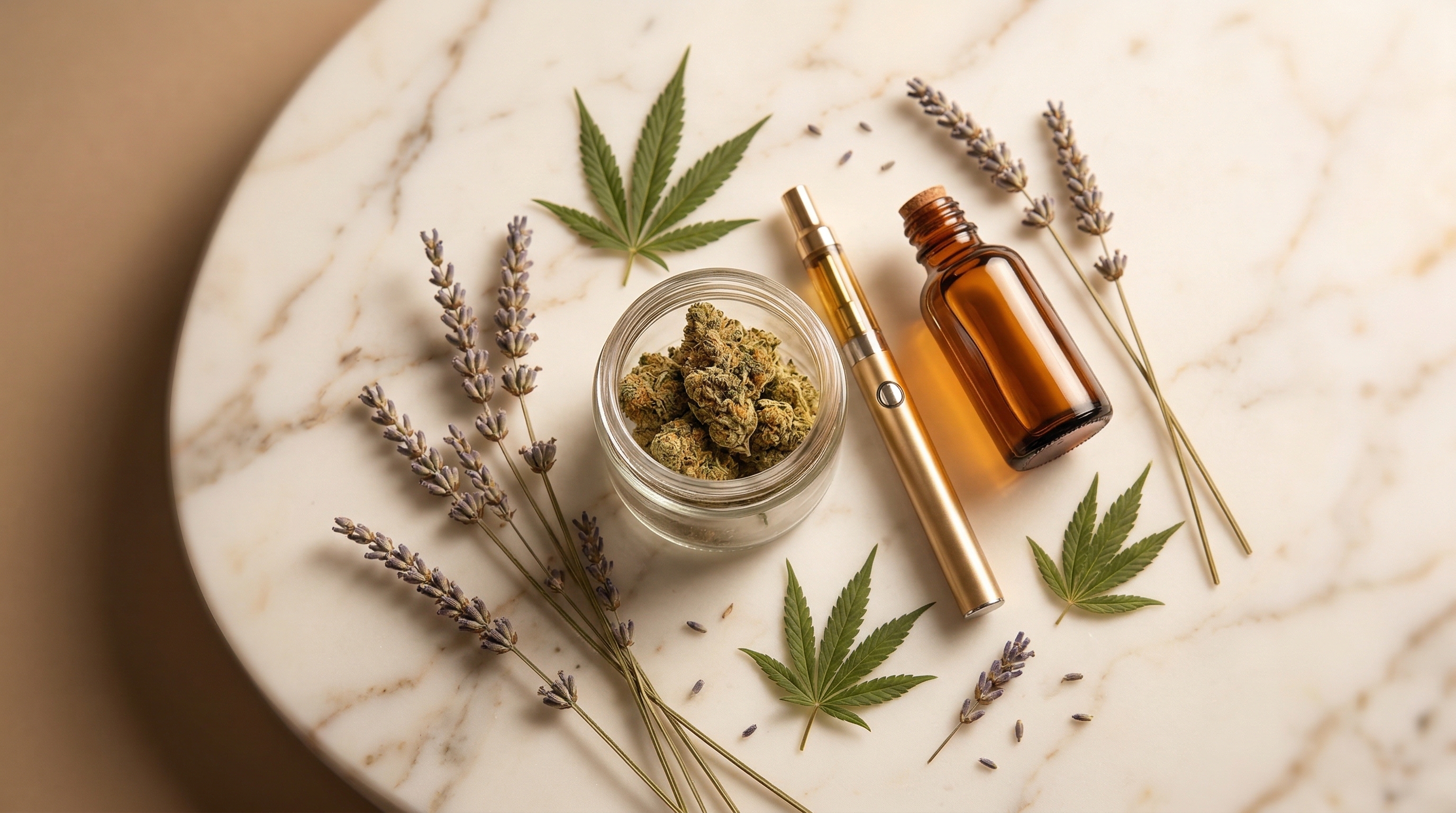
There’s no single “best” method—it depends on your preferences and experience level. Inhalation (smoking or vaping) offers faster onset and easier dose control. Low-dose edibles (2.5–5mg THC) provide longer-lasting effects but require more planning. Cannabis-infused topicals applied directly may enhance localized sensation without significant psychoactive effects. Start with whichever method you’re most comfortable with, and keep the dose low.
Sources
- Cuttler, C., Mischley, L.K., & Sexton, M. (2017). “Sex Differences in Cannabis Use and Effects.” Cannabis and Cannabinoid Research. DOI: 10.1089/can.2017.0021
- Gundersen, T.D., et al. (2015). “Association Between Use of Marijuana and Male Reproductive Hormones and Semen Quality.” American Journal of Epidemiology. DOI: 10.1093/aje/kwv135
- Klein, C., et al. (2012). “The Cannabinoid System and Sexual Behavior.” Hormones and Behavior. DOI: 10.1016/j.yhbeh.2012.04.009
- Lynn, B.K., et al. (2019). “The Relationship between Marijuana Use Prior to Sex and Sexual Function in Women.” Sexual Medicine. DOI: 10.1016/j.esxm.2019.01.003
- Russo, E.B. (2011). “Taming THC: Potential Cannabis Synergy and Phytocannabinoid-Terpenoid Entourage Effects.” British Journal of Pharmacology. PMID: 21749363
- Shamloul, R. & Bella, A.J. (2011). “Impact of Cannabis Use on Male Sexual Health.” Journal of Sexual Medicine. DOI: 10.1111/j.1743-6109.2010.02198.x
- Sun, A.J. & Eisenberg, M.L. (2017). “Association Between Marijuana Use and Sexual Frequency in the United States.” Journal of Sexual Medicine. DOI: 10.1016/


