Cannabis and the Immune System: What Research Reveals
Explore how cannabinoids interact with your immune system. Research reveals a complex relationship between cannabis and immunity.


Your Immune System Has Cannabis Receptors — Here’s Why That Matters
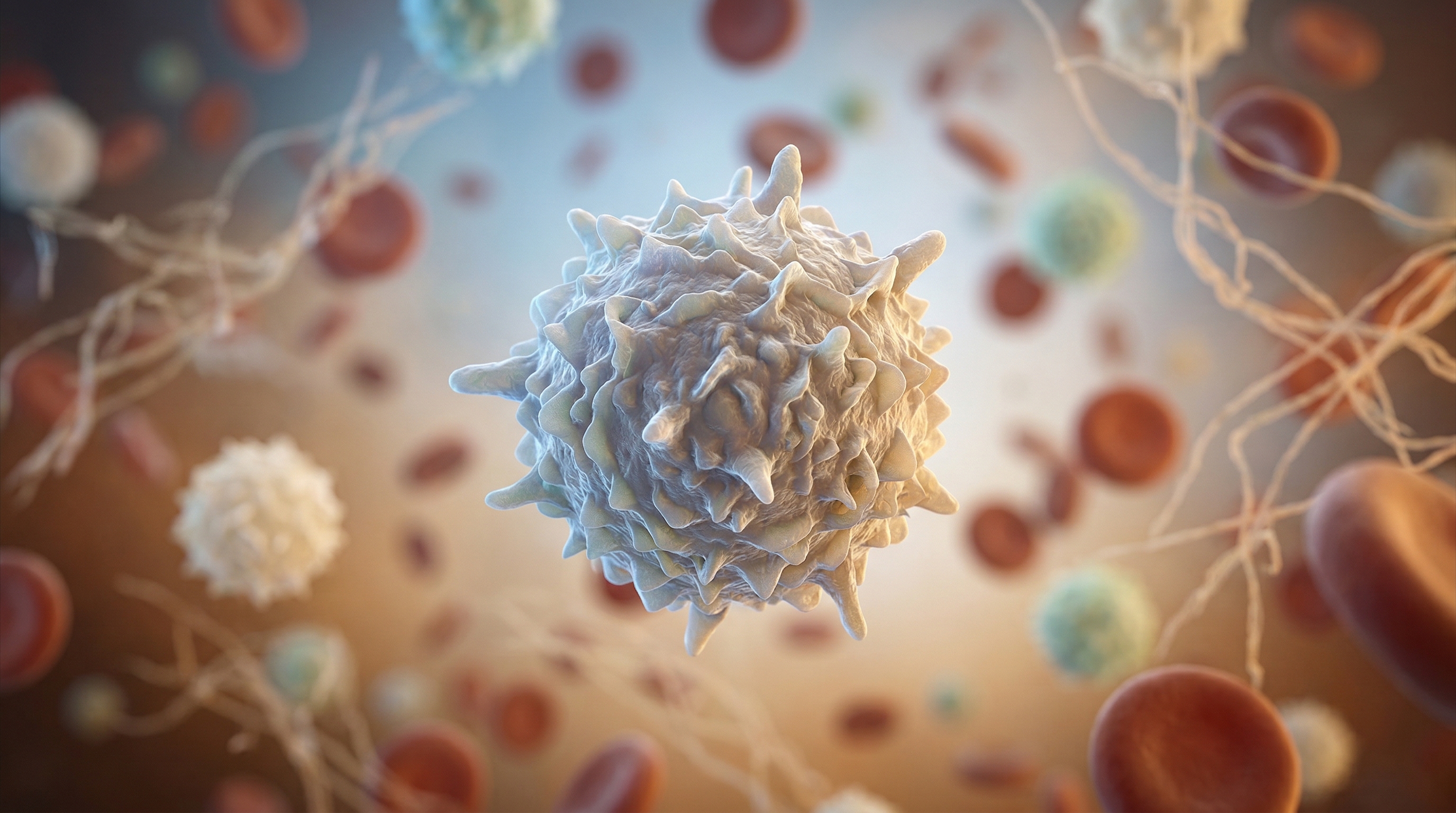
Here’s a fact that surprises most people: your immune cells are covered in cannabinoid receptors. Before you ever consumed cannabis, your body was already running its own cannabinoid signaling system — and your immune system is one of its biggest users.
The endocannabinoid system (ECS), discovered in the early 1990s, isn’t just about getting high. It’s a fundamental biological network that helps regulate everything from mood and appetite to pain and — critically — immune function. In fact, immune cells express more CB2 receptors (one of the two primary cannabinoid receptors) than almost any other cell type in your body [Galiègue et al., 1995].
So what happens when you introduce plant-derived cannabinoids like THC and CBD into a system that’s already deeply wired into your immune response? The answer, as research is revealing, is far more nuanced than a simple “good” or “bad.”
This matters to you whether you’re a daily consumer, an occasional user, or someone exploring cannabis for wellness. Understanding how cannabinoids interact with your immune system can help you make more informed choices about what you consume, how much, and when.
In this deep dive, we’ll walk through the science of how your immune system communicates with cannabinoids, what clinical and preclinical research actually shows, where the promising signals are, and where the honest uncertainties remain. By the end, you’ll have a clearer picture of one of the most complex — and most frequently misunderstood — areas of cannabis science.
Let’s get into it.
The Science Explained
How the Endocannabinoid System Talks to Your Immune System
To understand how cannabis affects immunity, you first need to understand the communication system that makes it possible: the endocannabinoid system (ECS).
Think of the ECS as a network of locks and keys spread throughout your body. The locks are cannabinoid receptors — primarily CB1 and CB2 — embedded in cell membranes. The keys are molecules called endocannabinoids (like anandamide and 2-AG) that your body produces naturally. When a key fits a lock, it sends a signal that tells the cell to adjust its behavior.
Here’s where it gets interesting for immunity: CB2 receptors are found in extraordinarily high concentrations on immune cells — including B cells, T cells, macrophages, and natural killer cells [Galiègue et al., 1995]. These are the frontline soldiers and strategic commanders of your immune response. The fact that they’re studded with cannabinoid receptors tells us something important: the ECS plays a regulatory role in how your immune system activates, responds, and stands down.
Your body’s own endocannabinoids appear to act as immunomodulators — they don’t simply boost or suppress immunity. Instead, they help fine-tune it. Imagine a thermostat rather than an on/off switch. When inflammation ramps up too high, endocannabinoids may help dial it back. When the immune system is in a resting state, they help maintain balance [Pandey et al., 2009].
Now, when you consume cannabis, you’re introducing phytocannabinoids — plant-derived molecules like THC and CBD — that can interact with these same receptors. THC binds directly to both CB1 and CB2 receptors (though it has a stronger affinity for CB1). CBD has a more indirect relationship, influencing receptor activity and interacting with other pathways like the adenosine and serotonin systems [Pertwee, 2008].
The result? Cannabis compounds can influence immune cell behavior — but the direction and magnitude of that influence depends on dose, timing, the specific cannabinoid, the type of immune cell involved, and the state of the immune system at the time.
What the Research Shows: THC and Immune Function
The majority of research on cannabis and immunity has focused on THC, the primary psychoactive cannabinoid. And the findings paint a complex picture.
THC as an Immunosuppressant
Multiple studies — mostly preclinical (meaning animal or cell studies) — suggest that THC has immunosuppressive properties. In laboratory settings, THC has been shown to:
- Reduce pro-inflammatory cytokine production — cytokines are the chemical messengers immune cells use to coordinate attacks. THC appears to dampen the production of inflammatory cytokines like TNF-α and IL-6 [Klein et al., 2000].
- Suppress T cell proliferation — T cells are the adaptive immune system’s targeted responders. THC may reduce their ability to multiply in response to threats [Lombard et al., 2007].
- Induce apoptosis (programmed cell death) in certain immune cells — essentially telling some immune cells to self-destruct [McKallip et al., 2002].
- Shift immune response from Th1 to Th2 — this is a technical but important point. Your immune system has different “modes.” Th1 responses fight infections inside cells (like viruses). Th2 responses handle external threats (like parasites) and are associated with allergies. THC appears to push the balance toward Th2 [Yuan et al., 2002].
Important context: Most of these findings come from isolated cell studies or animal models using doses that may not reflect typical human consumption. Translating these results directly to what happens when you smoke a joint or take an edible requires caution.
But It’s Not All Suppression
Here’s where the story gets more nuanced. Some research suggests that THC’s immunosuppressive effects may actually be beneficial in certain contexts — particularly in conditions where the immune system is overactive.
Autoimmune conditions, where the immune system mistakenly attacks the body’s own tissues, represent one area of active interest. In animal models of multiple sclerosis, THC and synthetic cannabinoids have shown the ability to reduce neuroinflammation and slow disease progression [Pryce et al., 2003]. Similar preliminary findings have emerged in models of rheumatoid arthritis and inflammatory bowel disease [Nagarkatti et al., 2009].
The key insight: an immunosuppressant isn’t inherently harmful if the immune system is causing damage through overactivation. This is the same principle behind many approved medications for autoimmune diseases.

What About CBD?
CBD (cannabidiol) has generated enormous interest for its potential immunomodulatory effects, and the research — while still early — offers some intriguing signals.
Unlike THC, CBD doesn’t bind strongly to CB1 or CB2 receptors. Instead, it appears to influence immune function through multiple indirect pathways:
- Anti-inflammatory effects: CBD has demonstrated the ability to reduce inflammatory markers in numerous preclinical studies. A 2020 review found consistent evidence that CBD reduces levels of pro-inflammatory cytokines and promotes anti-inflammatory cytokines across various models [Nichols & Kaplan, 2020].
- Modulation of immune cell migration: CBD may influence how immune cells travel to sites of inflammation, potentially reducing excessive immune responses without broadly suppressing the system [Ribeiro et al., 2015].
- Antioxidant properties: Oxidative stress is closely linked to immune dysfunction. CBD has shown antioxidant effects that may help protect cells from inflammatory damage [Hampson et al., 1998].
One particularly interesting area of CBD research involves its potential effects on cytokine storms — the dangerous overreaction of the immune system seen in severe infections and autoimmune flares. A 2020 study explored CBD’s potential to reduce the excessive inflammatory response associated with acute respiratory distress, finding promising results in preclinical models [Khodadadi et al., 2020]. However, this research is preliminary, and no clinical conclusions can be drawn yet.
A note on honesty: The gap between CBD’s preclinical promise and proven clinical benefits remains significant. Many of the most exciting findings come from cell cultures and animal models. Human clinical trials are ongoing but limited.
The Entourage Effect and Immune Modulation
Cannabis isn’t just THC or CBD in isolation — it’s a complex plant containing over 100 cannabinoids, dozens of terpenes, and numerous flavonoids. The entourage effect hypothesis suggests these compounds work together synergistically, potentially producing effects that differ from any single compound alone [Russo, 2011].
For immune function, this is particularly relevant. Several terpenes found in cannabis have demonstrated their own immunomodulatory properties:
| Terpene | Observed Immune Effects | Associated High Family |
|---|---|---|
| Beta-caryophyllene | Binds CB2 receptors directly; anti-inflammatory in animal models [Gertsch et al., 2008] | Relieving High |
| Limonene | May modulate immune cell function; anti-inflammatory properties observed [d’Alessio et al., 2013] | Uplifting High |
| Myrcene | Anti-inflammatory effects demonstrated in preclinical studies [Souza et al., 2003] | Relaxing High |
| Humulene | Anti-inflammatory properties in animal models [Fernandes et al., 2007] | Relieving High |
| Linalool | Immunomodulatory and anti-inflammatory effects observed [Peana et al., 2003] | Uplifting High |
This is where the High Families framework becomes especially useful. Rather than thinking about strains as “indica” or “sativa” — classifications that tell you almost nothing about chemical composition — the High Families system groups cannabis by terpene profiles. If you’re interested in the potential anti-inflammatory properties of beta-caryophyllene, for example, you’d look toward strains in the Relieving High family, which are rich in caryophyllene and humulene.
The Entourage High family — characterized by complex, multi-terpene profiles — may be particularly relevant for those interested in the full spectrum of cannabis-immune interactions, as these strains deliver the broadest range of potentially synergistic compounds.

Practical Implications
What This Means for Your Cannabis Experience
So how should you think about all of this? Here’s where we bridge the gap between laboratory findings and your real life.
If you’re generally healthy, the current evidence doesn’t suggest that moderate cannabis use causes meaningful immune suppression. A large population-based study found no significant increase in infection rates among cannabis users compared to non-users [Tashkin, 2013]. Your immune system is remarkably resilient, and the immunomodulatory effects seen in isolated cell studies don’t necessarily translate to clinically significant immune compromise in a healthy person consuming normal amounts.
If you’re immunocompromised or managing an autoimmune condition, the picture is more complex and deeply personal. The immunosuppressive properties of THC could theoretically be either helpful (in autoimmune overactivation) or harmful (if your immune system is already weakened). This is a situation where working with a healthcare provider who understands both your condition and cannabis is essential — not optional.
If you’re interested in the anti-inflammatory potential of cannabis, consider these practical approaches:
- Explore terpene-rich options: Strains in the Relieving High family, high in beta-caryophyllene, offer a terpene that directly activates CB2 receptors — the very receptors most abundant on immune cells.
- Consider CBD-inclusive products: Full-spectrum products that combine CBD with other cannabinoids and terpenes may offer broader immunomodulatory potential than isolates, consistent with the entourage effect hypothesis.
- Pay attention to consumption method: Smoking cannabis introduces combustion byproducts that can irritate the respiratory tract and trigger local inflammatory responses — potentially counteracting some of the anti-inflammatory properties of the cannabinoids themselves. Vaporizing, edibles, or tinctures avoid this issue.
- Dose matters — a lot: Many preclinical studies show that cannabinoids have biphasic effects — meaning low doses and high doses can produce opposite results [Sulcova et al., 1998]. More isn’t necessarily better when it comes to immune modulation.
The Honest Bottom Line
Cannabis science is in an exciting but early phase. We know enough to say that cannabinoids and terpenes interact meaningfully with the immune system. We don’t yet know enough to make specific therapeutic claims or dosing recommendations for immune-related conditions. The research is promising, the mechanisms are plausible, and the clinical evidence is still catching up.
What we can say with confidence: your endocannabinoid system is deeply involved in immune regulation, and the compounds in cannabis engage with that system in measurable ways. How to use that knowledge wisely is an evolving conversation — one that this research is steadily advancing.
Immune research is not the same question as the blood bank. Whether cannabis users can donate blood is the rule the donation center actually applies.
Key Takeaways
- Your immune cells are loaded with CB2 cannabinoid receptors, making the immune system one of the primary targets of endocannabinoid signaling — and of the cannabinoids you consume.
- THC shows immunosuppressive properties in preclinical studies, which could be harmful in some contexts (weakened immunity) but potentially beneficial in others (autoimmune overactivation). Context and dose are everything.
- CBD demonstrates anti-inflammatory and immunomodulatory effects through multiple pathways, though most evidence remains preclinical. Human clinical trials are needed.
- Terpenes like beta-caryophyllene, limonene, and myrcene have their own immune-relevant properties, supporting the entourage effect hypothesis and making terpene-aware strain selection (through the High Families system) practically useful.
- Moderate cannabis use in healthy individuals has not been clearly linked to increased infection risk in population studies, but those with compromised or dysregulated immune systems should consult healthcare providers.
FAQs
Does smoking cannabis weaken your immune system?
The evidence is mixed. While THC shows immunosuppressive properties in lab studies, population-level research hasn’t found clear increases in infection rates among cannabis users. However, smoking specifically introduces respiratory irritants that can affect local lung immunity. Vaporizing or edibles avoid this particular concern.
Can CBD boost your immune system?
CBD doesn’t appear to “boost” immunity in the way vitamin C marketing might suggest. Instead, research suggests it acts as an immunomodulator — helping regulate immune responses rather than simply amplifying them. This distinction is important: modulation means it may help calm overactive responses while supporting balanced function [Nichols & Kaplan, 2020].
Is cannabis safe to use if I have an autoimmune condition?
This is a question for your healthcare provider, not the internet — and that’s not a dodge. The answer depends on which autoimmune condition you have, what medications you’re taking, and the severity of your disease. The theoretical rationale for cannabinoids in autoimmunity is plausible, and some preclinical evidence is encouraging, but robust human clinical trials are still limited. What’s established is that drug interactions between cannabis and immunosuppressant medications are possible and require medical oversight.
Does cannabis affect vaccine effectiveness?
Early research suggests that heavy cannabis use may potentially blunt some immune responses, including responses to vaccines. However, the evidence is limited and largely preclinical. For most healthy individuals, occasional or moderate cannabis use around vaccination is unlikely to significantly impair the immune response — but this remains an area where more human data is needed.
What’s the best way to consume cannabis if I’m interested in anti-inflammatory effects?
Based on current research, avoiding smoke (which introduces respiratory irritants and triggers local inflammation) is a sensible first step. Vaporizing at lower temperatures, edibles, or tinctures are commonly preferred. Seeking out full-spectrum products rich in beta-caryophyllene — a terpene that directly activates CB2 receptors on immune cells — may offer targeted benefit. Strains in the Relieving High family are typically high in this terpene.
Sources
- Galiègue S, et al. (1995). Expression of central and peripheral cannabinoid receptors in human immune tissues and leukocyte subpopulations. Eur J Biochem. 232(1):54–61.
- Pandey R, et al. (2009). Endocannabinoids and immune regulation. Pharmacol Res. 60(2):85–92.
- Pertwee RG. (2008). The diverse CB1 and CB2 receptor pharmacology of three plant cannabinoids. Br J Pharmacol. 153(2):199–215.
- Klein TW, et al. (2000). The cannabinoid system and immune modulation. J Leukoc Biol. 74(4):486–496.
- Lombard C, et al. (2007). Cannabinoid receptors in the developing human immune system. J Leukoc Biol. 82(5):1229–1236.
- McKallip RJ, et al. (2002). Delta-9-tetrahydrocannabinol-induced apoptosis. J Immunol. 168(7):3502–3510.
- Yuan M, et al. (2002). Delta 9-THC regulates Th1/Th2 cytokine balance. J Neuroimmunol. 133(1–2):124–131.
- Pryce G, et al. (2003). Cannabinoids inhibit neurodegeneration in models of multiple sclerosis. Brain. 126(10):2191–2202.
- Nagarkatti P, et al. (2009). Cannabinoids as novel anti-inflammatory drugs. Future Med Chem. 1(7):1333–1349.
- Nichols JM, Kaplan BLF. (2020). Immune responses regulated by cannabidiol. Cannabis Cannabinoid Res. 5(1):12–31.
- Ribeiro A, et al. (2015). Cannabidiol, a non-psychotropic plant-derived cannabinoid, decreases inflammation in a murine model of acute lung injury. Eur J Pharmacol. 743:57–64.
- Hampson AJ, et al. (1998). Cannabidiol and delta-9-THC are neuroprotective antioxidants. Proc Natl Acad Sci. 95(14):8268–8273.
- Khodadadi H, et al. (2020). Cannabidiol ameliorates cytokine storm in respiratory syncytial virus infection through targeting PPARγ. Cannabis Cannabinoid Res. 5(3):197–201.
- Russo EB. (2011). Taming THC: potential cannabis synergy and phytocannabinoid-terpenoid entourage effects. Br J Pharmacol. 163(7):1344–1364.
- Gertsch J, et al. (2008). Beta-caryophyllene is a dietary cannabinoid. Proc Natl Acad Sci. 105(26):9099–9104.
- Tashkin DP. (2013). Effects of marijuana smoking on the lung. Ann Am Thorac Soc. 10(3):239–247.
- Sulcova E, et al. (1998). Biphasic effects of delta-9-THC. Pharmacol Biochem Behav. 59(2):347–352.


