Cannabis for Multiple Sclerosis: What Clinical Trials Show
What do clinical trials actually show about cannabis and MS? From Sativex to CAMS, explore the science on spasticity, pain, and cannabinoids.


A Plant, a Disease, and Decades of Questions
Here’s a number that might surprise you: roughly 2.8 million people worldwide live with multiple sclerosis (MS), a chronic autoimmune condition where the body’s immune system attacks the protective myelin sheath surrounding nerve fibers [Walton et al., 2020]. For many of those people, conventional treatments help—but don’t always go far enough. Spasticity that locks muscles into painful positions. Nerve pain that doesn’t respond to standard painkillers. Sleep disrupted night after night by muscle spasms. It’s no wonder that people with MS have been among the most vocal advocates for therapeutic cannabis access for decades.
And the scientific community has been listening. Unlike many areas of cannabis research—where we’re still stuck in preclinical territory with animal models and petri dishes—MS is one of the most clinically studied conditions in cannabinoid medicine. We have randomized controlled trials (RCTs), systematic reviews, a 2024 meta-analysis confirming efficacy, and even a pharmaceutical-grade cannabis-derived medication approved in over 29 countries specifically for MS-related spasticity.
So what does the evidence actually say? Is cannabis a game-changer for MS, or is the reality more nuanced? In this deep dive, we’ll walk through the core science of how cannabinoids interact with the neurological processes involved in MS, examine what the strongest clinical trials have found—including the landmark CAMS, MUSEC, and SAVANT trials—and explore what this means for anyone considering cannabis as part of their wellness approach.
Important disclaimer: This article is for educational purposes only and does not constitute medical advice. If you have MS or any medical condition, please work with your neurologist or healthcare provider before making changes to your treatment plan. Cannabis may interact with MS medications, and individual responses vary significantly.
Let’s dig into the research.
The Science Explained
How the Endocannabinoid System Connects to MS
To understand why cannabis might help with MS symptoms, we need to start with a system that already exists inside your body: the endocannabinoid system (ECS).
Think of the ECS as a vast communication network that helps your body maintain balance—what scientists call homeostasis. It’s made up of three main components:
- Endocannabinoids (like anandamide and 2-AG): chemical messengers your body produces naturally
- Cannabinoid receptors (CB1 and CB2): docking stations on cells throughout your brain, spinal cord, immune system, and peripheral tissues
- Enzymes that break down endocannabinoids after they’ve done their job
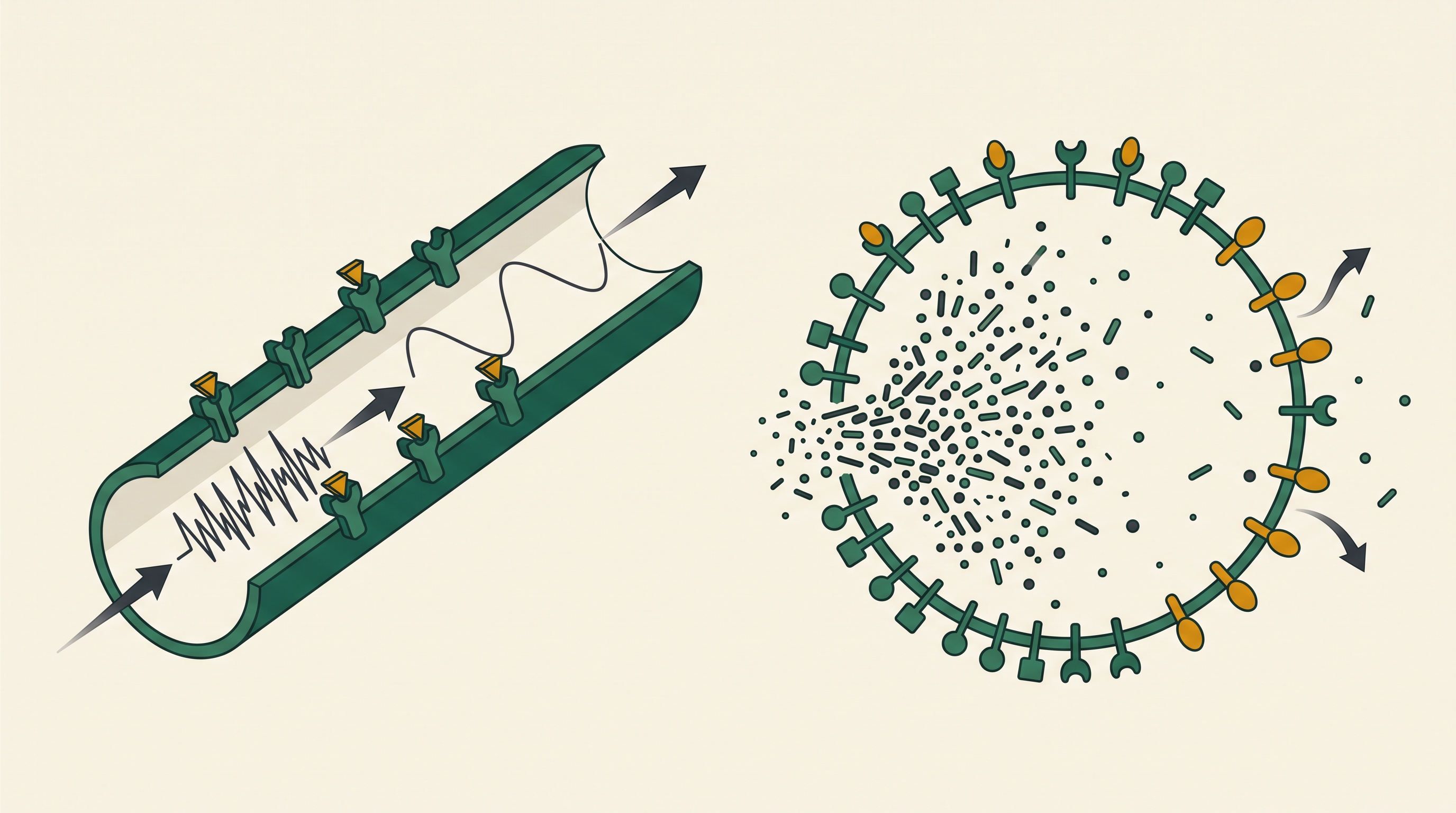
Here’s where it gets directly relevant to MS: CB1 receptors are densely concentrated in the brain and spinal cord—exactly where MS causes damage. They play a role in regulating muscle tone, pain signaling, and neuroinflammation. CB2 receptors, meanwhile, are found primarily on immune cells and appear to help modulate inflammatory responses [Pryce & Baker, 2015].
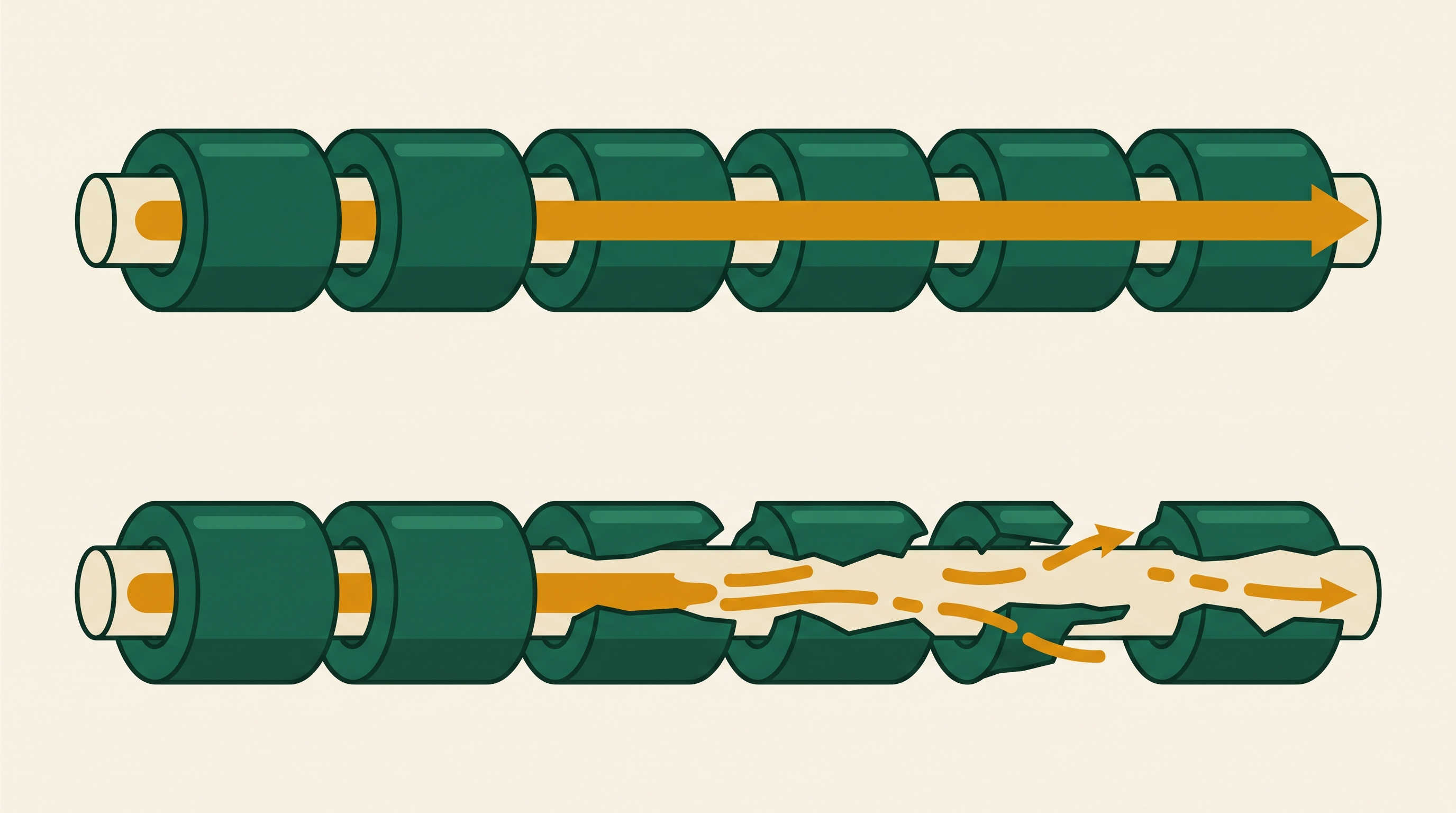
In MS, the immune system mistakenly attacks myelin—the insulating layer around nerve fibers. Imagine the rubber coating on an electrical wire getting stripped away. Without that insulation, nerve signals misfire, slow down, or stop entirely. This leads to symptoms like spasticity (involuntary muscle stiffness and spasms), neuropathic pain, fatigue, and bladder dysfunction.
Research suggests the ECS becomes dysregulated in MS. Studies have found altered endocannabinoid levels in the cerebrospinal fluid of people with MS [Centonze et al., 2007]. The working theory is that the ECS attempts to compensate for the neurological damage—ramping up endocannabinoid production to reduce inflammation and protect neurons—but can’t fully keep pace with the disease’s progression.
This is where phytocannabinoids (plant-derived cannabinoids like THC and CBD) enter the picture. They interact with the same receptors and pathways as your body’s own endocannabinoids, potentially supplementing a system that’s been overwhelmed:
- THC (tetrahydrocannabinol) binds directly to CB1 receptors, which may help reduce muscle spasticity and pain signaling
- CBD (cannabidiol) doesn’t bind strongly to either receptor but appears to influence the ECS indirectly—modulating inflammation, supporting endocannabinoid tone, and interacting with other receptor systems like TRPV1 (involved in pain perception) and 5-HT1A (involved in mood) [Russo, 2011]
What the Clinical Trials Show
Now let’s get to the evidence. And here’s the good news: we’re not talking about anecdotes or animal studies alone. MS has been the subject of some of the most rigorous cannabis clinical trials ever conducted. A 2024 systematic review and meta-analysis published in PLOS ONE analyzed 31 studies including 6 randomized trials, concluding that cannabinoids—especially nabiximols—significantly reduced MS-related spasticity on validated measures [Azadvari et al., 2024].
Spasticity: The Strongest Evidence
The most robust data comes from research on spasticity—the painful muscle stiffness and involuntary spasms that affect up to 80% of people with MS [Rizzo et al., 2004].
The CAMS Study (2003): One of the largest cannabis trials ever conducted, the Cannabinoids in Multiple Sclerosis (CAMS) study enrolled 667 patients across 33 UK centers. Participants received either oral cannabis extract (containing THC and CBD), synthetic THC (dronabinol), or placebo for 15 weeks. The primary outcome—spasticity measured by the Ashworth scale (a clinical tool used by physicians)—didn’t show statistically significant improvement. However, patients reported significant subjective improvement in spasticity, pain, and sleep quality [Zajicek et al., 2003].
Why the disconnect? The Ashworth scale measures resistance to passive movement—essentially a doctor moving your limb and rating stiffness. It may not capture the lived experience of spasticity. This study taught researchers an important lesson: how spasticity feels to the patient matters as much as how it measures in a clinic.
The MUSEC Study (2012): Building on CAMS, this randomized controlled trial of 279 patients used patient-reported outcomes as the primary measure. The result? Patients taking cannabis extract were almost twice as likely to report meaningful relief from muscle stiffness compared to placebo [Zajicek et al., 2012].
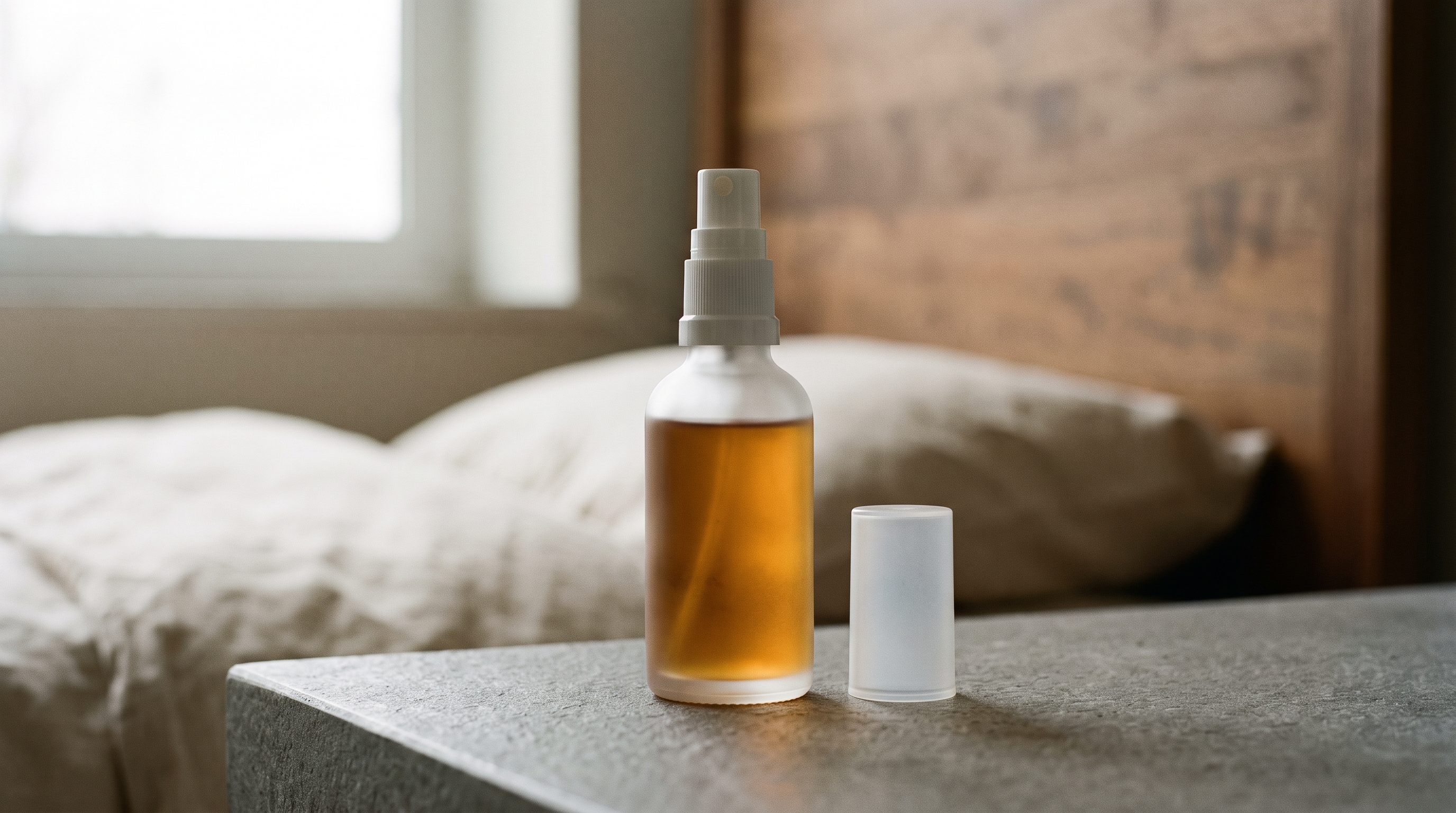
Nabiximols (Sativex): Perhaps the most significant development is nabiximols, an oromucosal spray containing a roughly 1:1 ratio of THC to CBD derived from the cannabis plant. Multiple RCTs have demonstrated its efficacy for MS spasticity. A pivotal trial by Novotna et al. (2011) used an enriched study design—first identifying patients who responded to a 4-week trial, then randomizing responders to continue treatment or switch to placebo. Responders who continued nabiximols showed significantly greater improvement in spasticity scores compared to those switched to placebo [Novotna et al., 2011].
The SAVANT Trial: The Sativex as Add-on therapy Versus further optimized first-line ANTispastics (SAVANT) trial was a double-blind, placebo-controlled RCT that specifically enrolled patients with resistant MS spasticity. It found that nabiximols as add-on therapy produced significantly greater reductions in spasticity compared to optimizing existing antispastic medications alone [Markova et al., 2019].
2024 Real-World Evidence: A 2024 multicenter Swiss study (Sacco et al.) assessed nabiximols as monotherapy in real-world MS patients, finding it was effective, safe, and well-tolerated for resistant MS spasticity and related symptoms including pain, bladder dysfunction, and impaired gait [Sacco et al., 2024]. A separate 2024 German real-world study found that 62% of patients met their treatment goals with nabiximols after 12 weeks, with mean daily doses of approximately 5-6 sprays [Multiple Sclerosis News Today, 2024].
Nabiximols is now approved in 29 countries (though not yet in the United States) as an add-on treatment for MS spasticity that hasn’t adequately responded to other medications.
Pain: Promising but Complex
Neuropathic pain—caused by nerve damage rather than tissue injury—affects an estimated 50-86% of people with MS [O’Connor et al., 2008]. It’s notoriously difficult to treat, and standard painkillers often fall short.
A crossover trial by Rog et al. (2005) found that nabiximols significantly reduced central neuropathic pain compared to placebo in 66 MS patients over 5 weeks, with patients also reporting improved sleep [Rog et al., 2005]. A systematic review by Aviram and Samuelly-Leichtag (2017) concluded that cannabinoids show moderate-quality evidence for neuropathic pain reduction, though the effect sizes are modest—typically a 1–2 point reduction on a 10-point pain scale.
It’s important to set realistic expectations here. Cannabis doesn’t appear to eliminate MS pain. Rather, it may take the edge off, making pain more manageable alongside other treatments. In the 2024 ASRA Pain Medicine review, the Multiple Sclerosis Extract of Cannabis (MUSEC) trial was highlighted as demonstrating a twofold increased rate of relief from muscle stiffness, and Cochrane review data confirmed that nabiximols has a favorable benefit profile for pain management in MS [Howard et al., 2024].
Sleep, Bladder Function, and Quality of Life
Several trials have reported secondary benefits beyond the primary outcomes:
- Sleep: Multiple studies, including CAMS and the Rog et al. nabiximols trial, found improvements in sleep quality among MS patients using cannabinoids [Zajicek et al., 2003; Rog et al., 2005]. This appears to be both a direct effect and a consequence of reduced pain and spasticity at night. A 2024 case series (Garde & Heibel) confirmed that nabiximols benefits extend to sleep disturbance as well as spasms and bladder function [Garde & Heibel, 2024].
- Bladder dysfunction: A pilot study by Brady et al. (2004) found that cannabis extract reduced urinary urgency, incontinence episodes, and frequency in MS patients [Brady et al., 2004]. However, larger confirmatory trials remain limited.
- Quality of life: While not always reaching statistical significance, several trials have noted trends toward improved overall quality of life and patient satisfaction [Wade et al., 2004].
What About Disease Progression?
Here’s where we need to be very honest: there is currently no convincing clinical evidence that cannabis slows MS disease progression. The CUPID trial (2013)—a large, 3-year study of 498 patients with progressive MS—found that oral THC did not significantly slow disability progression [Zajicek et al., 2013].
Preclinical research in animal models of MS has shown neuroprotective effects of cannabinoids [Pryce et al., 2003], but this hasn’t translated to proven disease-modifying effects in human subjects. This distinction is critical: cannabis may help manage symptoms, but it should not be considered a replacement for disease-modifying therapies such as interferon beta, natalizumab, or other immunomodulating medications.
Practical Implications
Connecting the Research to Real-World Use
So how does this clinical evidence translate if you or someone you care about is considering cannabis for MS symptoms? Here are some practical considerations grounded in the research:
The THC + CBD combination appears to matter. The most successful clinical trials used products containing both THC and CBD—not one or the other in isolation. This aligns with what cannabis science calls the entourage effect: the idea that cannabinoids and terpenes work synergistically, producing effects that differ from any single compound alone [Russo, 2011]. If you’re exploring cannabis for MS-related concerns, products with a balanced cannabinoid profile may be worth discussing with your healthcare provider.
From a High Families perspective, this combination-based approach most closely aligns with the Entourage High—strains and products with complex, multi-terpene profiles that deliver full-spectrum effects. For those specifically seeking physical comfort, the Relieving High family, rich in caryophyllene and humulene, may also be relevant. Caryophyllene is notable because it’s the only terpene known to directly activate CB2 receptors—the same immune-modulating receptors implicated in MS-related inflammation [Gertsch et al., 2008].
For nighttime spasticity and sleep disruption, strains in the Relaxing High family—characterized by myrcene and often higher CBD content—may be worth exploring.
| MS Symptom | Relevant High Family | Why It May Help |
|---|---|---|
| Nighttime spasticity and sleep disruption | Relaxing High | Myrcene has sedative and muscle-relaxant properties; CBD may reduce spasm intensity |
| Daytime pain and physical tension | Relieving High | Caryophyllene activates CB2 receptors; humulene has anti-inflammatory properties |
| Full-spectrum cannabinoid support | Entourage High | Matches the THC+CBD approach validated in Sativex and MUSEC trials |
| Anxiety and mood disruption | Balancing High | CBD-forward profiles may support mood without intense psychoactivity |
Delivery method matters. Clinical trials for MS have primarily used oral or oromucosal (under the tongue/inside the cheek) delivery—not smoking. Nabiximols is a sublingual spray. The CAMS and MUSEC studies used oral capsules. These methods allow for more consistent dosing and avoid the respiratory concerns associated with smoking. If you’re considering cannabis for symptom management, tinctures, sublingual sprays, and carefully dosed edibles most closely mirror the delivery methods studied in clinical trials.
Start low, go slow. This universal cannabis advice is especially important for people with MS, who may be more sensitive to THC’s psychoactive effects. Many clinical trials used a titration protocol—starting with a very low dose and gradually increasing until the patient found their optimal balance of benefit and tolerability. Side effects reported in trials included dizziness, fatigue, and dry mouth, and these were generally dose-dependent [Zajicek et al., 2003]. The 2024 Swiss real-world study noted a drug discontinuation rate of only 10%, suggesting the side effect profile is manageable when doses are titrated carefully [Sacco et al., 2024].
New clinical trials are underway. In 2024, the CANSEP trial protocol was published—a Canadian randomized clinical trial directly comparing different doses of THC and CBD, alone and combined, against current standard treatments for MS symptom relief [Zertal et al., 2024]. This represents the next generation of MS cannabis research, designed to answer the dose and ratio questions that previous trials left open.
Talk to your neurologist. This isn’t just a legal disclaimer—it’s genuinely important. Cannabis can interact with medications commonly prescribed for MS, including muscle relaxants, anti-seizure drugs, and certain immunotherapies. A healthcare provider familiar with both MS and cannabinoid medicine can help you navigate potential interactions and monitor your response.
Key Takeaways
- MS spasticity has the strongest clinical evidence supporting cannabinoid therapy, with multiple RCTs and a pharmaceutical-grade product (nabiximols/Sativex) now approved in 29 countries. A 2024 meta-analysis confirmed significant efficacy across validated measures.
- Neuropathic pain shows promising but modest results—cannabis may reduce pain intensity by 1–2 points on a 10-point scale, an improvement that is clinically meaningful for many patients.
- There is no clinical evidence that cannabis slows MS progression—it should be viewed as a potential symptom management tool, not a disease-modifying treatment.
- THC and CBD together appear more effective than either alone, supporting the entourage effect and pointing toward balanced-ratio products like those studied in clinical trials.
- Delivery method, dosing, and medical supervision all matter—oral and sublingual routes most closely match the methods validated in clinical research. Titration is key.
- Real-world data from 2024 confirms that nabiximols is effective, well-tolerated, and meets treatment goals for the majority of MS patients who try it in clinical practice.
FAQs
Is Sativex (nabiximols) available in the United States?
As of 2026, nabiximols has not been FDA-approved for use in the United States, though it is approved in 29 other countries including Canada, the UK, and most of Europe. Some US patients access cannabis-based products with similar cannabinoid profiles through state medical cannabis programs, though these lack the pharmaceutical standardization of nabiximols.
Can CBD alone help with MS symptoms?
While CBD has anti-inflammatory and neuroprotective properties in preclinical research, the clinical trials showing the strongest results for MS spasticity and pain used THC-containing products or THC-CBD combinations. CBD-only products have not been rigorously studied for MS symptoms in large clinical trials. Some individuals may find CBD helpful for anxiety or sleep, but the evidence base is currently strongest for combined formulations that include THC.
Will using cannabis interfere with my MS medications?
It’s possible. THC and CBD are metabolized by liver enzymes (particularly CYP3A4 and CYP2C19) that also process many common medications, including some used in MS treatment [Nasrin et al., 2021]. This means cannabis could potentially increase or decrease the effectiveness of other drugs. Always discuss cannabis use with your prescribing physician or neurologist before starting, especially if you are taking immunomodulating therapies.
How much cannabis was used in the clinical trials?
Dosing varied across studies, but most used a titration approach. In the nabiximols trials, patients typically used 8–12 sprays per day (each spray delivering 2.7 mg THC and 2.5 mg CBD), with a maximum of about 32.4 mg THC and 30 mg CBD daily [Novotna et al., 2011]. The CAMS study used oral capsules delivering up to 25 mg THC per day. These are moderate doses compared to recreational use but were carefully selected based on tolerability. In 2024 real-world studies, mean daily doses were around 5–6 sprays, suggesting patients self-titrate to lower levels than the clinical maximum [Multiple Sclerosis News Today, 2024].
Does cannabis help with MS fatigue?
Fatigue is one of the most common and debilitating symptoms of MS, but it is one of the least studied in cannabis clinical trials. There is limited and mixed evidence for cannabis helping MS fatigue. Some patients report subjective improvement, while others find THC increases their fatigue. Until larger trials specifically targeting MS fatigue are conducted, this remains an open question best explored with medical guidance.
Sources
- Azadvari, M., Pourshams, M., Guitynavard, F., et al. (2024). “Cannabinoids for spasticity in patients with multiple sclerosis: A systematic review and meta-analysis.” PLOS ONE. PMCID: PMC11536376. PMID: 39502271.
- Brady, C.M., DasGupta, R., Dalton, C., et al. (2004). “An open-label pilot study of cannabis-based extracts for bladder dysfunction in advanced multiple sclerosis.” Multiple Sclerosis, 10(4), 425–433. PMID: 15327042.
- Centonze, D., Bari, M., Rossi, S., et al. (2007). “The endocannabinoid system is dysregulated in multiple sclerosis and in experimental autoimmune encephalomyelitis.” Brain, 130(10), 2543–2553. DOI: 10.1093/brain/awm160.
- Garde, N., Heibel, M. (2024). “Effect of nabiximols oromucosal spray (Sativex) on symptoms associated with multiple sclerosis-related spasticity: a case series.” Drugs in Context, 13:2023-10-1. PMCID: PMC10881112. PMID: 38384931.
- Gertsch, J., Leonti, M., Raduner, S., et al. (2008). “Beta-caryophyllene is a dietary cannabinoid.” Proceedings of the National Academy of Sciences, 105(26), 9099–9104. DOI: 10.1073/pnas.0803601105.
- Howard, R., Varlotta, C., Lynn, R.R. (2024). “Cannabis in the management of multiple sclerosis-related pain and spasticity.” ASRA Pain Medicine News, 49. DOI: 10.52211/asra110124.012.
- Markova, J., Essner, U., Akmaz, B., et al. (2019). “Sativex as add-on therapy vs. further optimized first-line ANTispastics (SAVANT) in resistant multiple sclerosis spasticity: A double-blind, placebo-controlled randomised clinical trial.” International Journal of Neuroscience, 129(2), 119–128. DOI: 10.1080/00207454.2018.1481066.
- Multiple Sclerosis News Today. (2024). “Nabiximols, cannabis spray, eases MS spasticity: Real-world study.” February 20, 2024. MDPI Journal of Clinical Medicine.
- Nasrin, S., Watson, C.J.W., Perez-Paramo, Y.X., Lazarus, P. (2021). “Cannabinoid Metabolites as Inhibitors of Major Hepatic CYP450 Enzymes.” Drug Metabolism and Disposition, 49(3), 215–224.
- Novotna, A., Mares, J., Ratcliffe, S., et al. (2011). “A randomized, double-blind, placebo-controlled, parallel-group, enriched-design study of nabiximols (Sativex), as add-on therapy, in subjects with refractory spasticity caused by multiple sclerosis.” European Journal of Neurology, 18(9), 1122–1131. DOI: 10.1111/j.1468-1331.2010.03328.x.
- O’Connor, A.B., Schwid, S.R., Herrmann, D.N., et al. (2008). “Pain associated with multiple sclerosis: systematic review and proposed classification.” Pain, 137(1), 96–111. PMID: 18022324.
- Pryce, G., Baker, D. (2015). “Endocannabinoids in Multiple Sclerosis and Amyotrophic Lateral Sclerosis.” Handbook of Experimental Pharmacology, 231, 213–231. DOI: 10.1007/978-3-319-20825-1_7.
- Pryce, G., Ahmed, Z., Hankey, D.J., et al. (2003). “Cannabinoids inhibit neurodegeneration in models of multiple sclerosis.” Brain, 126(10), 2191–2202. DOI: 10.1093/brain/awg224.
- Rizzo, M.A., Hadjimichael, O.C., Preiningerova, J., Vollmer, T.L. (2004). “Prevalence and treatment of spasticity reported by multiple sclerosis patients.” Multiple Sclerosis, 10(5), 589–595. PMID: 15471378.
- Rog, D.J., Nurmikko, T.J., Friede, T., Young, C.A. (2005). “Randomized, controlled trial of cannabis-based medicine in central pain in multiple sclerosis.” Neurology, 65(6), 812–819. DOI: 10.1212/01.wnl.0000176753.45410.8b.
- Russo, E.B. (2011). “Taming THC: potential cannabis synergy and phytocannabinoid-terpenoid entourage effects.” British Journal of Pharmacology, 163(7), 1344–1364. DOI: 10.1111/j.1476-5381.2011.01238.x.
- Sacco, R., Riccitelli, G.C., Disanto, G., et al. (2024). “Effectiveness, Safety and Patients’ Satisfaction of Nabiximols (Sativex) on Multiple Sclerosis Spasticity and Related Symptoms in a Swiss Multicenter Study.” Journal of Clinical Medicine, 13(10), 2907. DOI: 10.3390/jcm13102907.
- Wade, D.T., Makela, P., Robson, P., House, H., Bateman, C. (2004). “Do cannabis-based medicinal extracts have general or specific effects on symptoms in multiple sclerosis? A double-blind, randomized, placebo-controlled study on 160 patients.” Multiple Sclerosis Journal, 10(4), 434–441. DOI: 10.1191/1352458504ms1082oa.
- Walton, C., King, R., Rechtman, L., et al. (2020). “Rising prevalence of multiple sclerosis worldwide: Insights from the Atlas of MS.” Multiple Sclerosis Journal, 26(14), 1816–1821. DOI: 10.1177/1352458520970841.
- Zajicek, J., Fox, P., Sanders, H., et al. (2003). “Cannabinoids for treatment of spasticity and other symptoms related to multiple sclerosis (CAMS study): multicentre randomised placebo-controlled trial.” Lancet, 362(9395), 1517–1526. DOI: 10.1016/S0140-6736(03)14738-1.
- Zajicek, J.P., Hobart, J.C., Slade, A., et al. (2012). “Multiple sclerosis and extract of cannabis: results of the MUSEC trial.” Journal of Neurology, Neurosurgery & Psychiatry, 83(11), 1125–1132. DOI: 10.1136/jnnp-2012-302468.
- Zajicek, J.P., Ball, S., Wright, D., et al. (2013). “Effect of dronabinol on progression in progressive multiple sclerosis (CUPID): a randomised, placebo-controlled trial.” Lancet Neurology, 12(9), 857–865. DOI: 10.1016/S1474-4422(13)70159-5.
- Zertal, A., Alami Marrouni, K., Arbour, N., et al. (2024). “Efficacy of cannabinoids compared to the current standard treatments on symptom relief in persons with multiple sclerosis (CANSEP trial): study protocol for a randomized clinical trial.” Frontiers in Neurology, 15, 1440678. DOI: 10.3389/fneur.2024.1440678.


