Cannabis vs Opioids for Chronic Pain: What the Evidence Shows
A science-backed comparison of cannabis and opioids for chronic pain—mechanisms, safety, efficacy, and what 2024 research actually shows.


The Question Millions Are Asking
If you live with chronic pain, you already know it touches everything — your sleep, your mood, your ability to show up for the day. At some point you’ve likely faced a question that tens of millions of Americans are wrestling with right now: should I consider cannabis as an alternative to opioids, use them together, or is this comparison even useful?
This isn’t abstract. More than 50 million U.S. adults live with chronic pain, and the opioid crisis has fundamentally reshaped how patients and physicians think about long-term pain management. Meanwhile, cannabis legalization in 38+ states has opened both new doors and new questions about plant-based alternatives.
Here’s the honest framing: there is no universally right answer. Your pain type, your body chemistry, your medical history, and your treatment goals are unique. What the evidence can do is help you have a more informed conversation with your healthcare team.
This article synthesizes the best available research — including a landmark 2024 network meta-analysis of 22,028 patients — to give you a clear-eyed look at both options.
Medical disclaimer: This article is for educational purposes only and does not constitute medical advice. Never start, stop, or change any medication — including cannabis — without consulting a qualified healthcare provider. Opioid reduction in particular requires medical supervision, as withdrawal can be dangerous.
Quick Comparison
Before going deep, here is a high-level snapshot of how cannabis and opioids compare across the factors that matter most for chronic pain:
| Factor | Cannabis | Opioids |
|---|---|---|
| Primary mechanism | Endocannabinoid system (CB1/CB2 receptors) | Mu-opioid receptor activation |
| Best evidence for | Neuropathic pain, inflammatory pain, spasticity | Acute pain, cancer pain, post-surgical recovery |
| Fatal overdose risk | Extremely low — no known lethal dose | High — ~80,000 U.S. deaths in 2022 (CDC, 2023) |
| Dependence risk | Low–moderate (~9% lifetime cannabis use disorder) | High (~25–30% with long-term use develop OUD) |
| Tolerance | Moderate; some effects plateau | Significant; dose escalation common |
| Side effects | Cognitive changes, anxiety, dry mouth, dizziness | Constipation, sedation, respiratory depression, nausea |
| Long-term efficacy | Emerging; neuropathic pain shows promise | Weak evidence beyond 1 year for chronic non-cancer pain |
| Insurance coverage | Rarely covered | Typically covered by prescription |
| Legal status (U.S.) | State-by-state; federally Schedule I | Schedule II by prescription |
Deep Dive: Cannabis for Chronic Pain
What It Is
When researchers and clinicians talk about cannabis for pain, they’re referring to a botanically complex plant containing over 100 cannabinoids (THC, CBD, CBG, CBN, and others), hundreds of terpenes, and various flavonoids. Unlike a single-molecule pharmaceutical, cannabis may deliver what researchers call the entourage effect — multiple compounds interacting in ways that may amplify or modulate each other’s therapeutic properties (Russo, 2011).
For pain management specifically, the most-studied components are:
- THC (tetrahydrocannabinol) — the primary psychoactive compound; modulates pain signaling via CB1 receptors
- CBD (cannabidiol) — non-intoxicating; anti-inflammatory, anxiolytic, and may reduce opioid cravings
- Caryophyllene — a terpene that directly activates CB2 receptors, contributing anti-inflammatory effects without psychoactivity (Gertsch et al., 2008)
- Myrcene — contributes to sedative and muscle-relaxant effects in many indica-dominant strains
How It Works
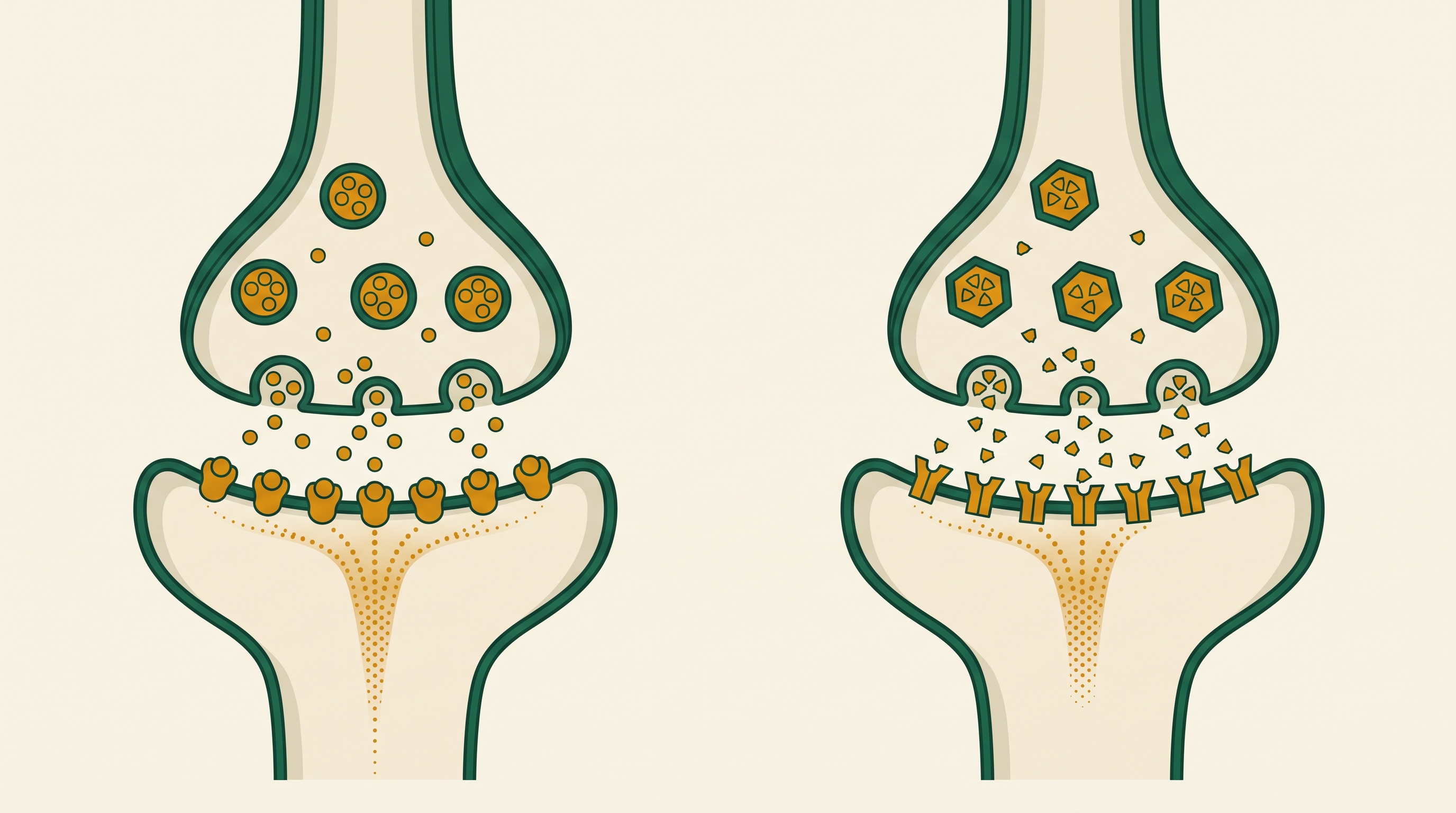
Cannabis interacts primarily with the endocannabinoid system (ECS), a biological signaling network found throughout the brain, spinal cord, immune system, and peripheral tissues. Your body naturally produces its own cannabinoids — anandamide and 2-AG — that help regulate pain, mood, appetite, and sleep (Lu & Mackie, 2016).
THC binds primarily to CB1 receptors in the central nervous system, which modulates the perception of pain rather than blocking the pain signal itself. This distinction is clinically important: many cannabis users report that pain becomes “less bothersome” rather than disappearing entirely (Wallace et al., 2015). CBD works through more indirect mechanisms — serotonin receptor modulation, inhibition of inflammatory cytokines, and interaction with TRPV1 pain receptors — without producing intoxication.
What the Research Shows (2024 Update)
The strongest recent evidence comes from a 2024 systematic review and network meta-analysis published in BMJ Open (Jeddi et al., 2024), which analyzed 90 randomized trials involving 22,028 patients with chronic non-cancer pain. Key findings:
- Comparable efficacy to opioids: Low certainty evidence showed little to no difference between cannabis and opioids for pain relief (WMD 0.23 cm on a 10 cm VAS; 95% CrI −0.06 to 0.53)
- Fewer discontinuations: Cannabis patients discontinued treatment due to adverse events at significantly lower rates than opioid patients (OR 0.55, 95% CrI 0.36 to 0.83) — a meaningful advantage for long-term tolerability
- Similar physical functioning: Moderate certainty evidence showed little to no difference in physical functioning outcomes
- Bottom line from the authors: “Cannabis for medical use may be similarly effective and result in fewer discontinuations than opioids for chronic non-cancer pain”
Earlier evidence also remains robust:
- The National Academies of Sciences concluded there is “substantial evidence” that cannabis is effective for chronic pain in adults (National Academies, 2017)
- A meta-analysis found cannabinoids produced 30% or greater pain reduction compared to placebo in some neuropathic pain studies (Whiting et al., 2015)
- Cannabis may be particularly effective for neuropathic pain — nerve damage pain that often responds poorly to opioids (Aviram & Samuelly-Leichtag, 2017)
Pros and Cons
Advantages of cannabis:
- No known lethal overdose threshold
- Multiple delivery methods (inhalation, tinctures, topicals, edibles) for tailored onset and duration
- May simultaneously address sleep disruption, anxiety, and appetite issues common in chronic pain patients
- Patients report reducing other medications in many observational studies
- Lower discontinuation rates due to side effects vs. opioids
Limitations of cannabis:
- Cognitive side effects (short-term memory, impaired driving — do not drive while impaired)
- Psychoactive effects may be unwanted or poorly tolerated
- Dosing is far less standardized than pharmaceuticals
- May worsen anxiety or trigger paranoia in susceptible individuals
- Contraindicated or requires caution in those with personal or family history of psychosis
- Not recommended under age 25 due to neurological development concerns
- Federally illegal in the U.S.; limited insurance coverage
Finding the Right Cannabis for Pain
If you’re exploring cannabis for pain relief, strain selection matters. The best cannabis strains for pain management article covers specific options backed by terpene and cannabinoid profiles. In broad terms, strains rich in caryophyllene and humulene tend to offer more anti-inflammatory, body-centered relief, while strains with myrcene and linalool lean toward muscle relaxation and sedation — useful for nighttime pain.
For those dealing with nausea as a pain comorbidity, see best cannabis strains for nausea relief.
Deep Dive: Opioids for Chronic Pain
What They Are
Opioids include prescription medications like oxycodone, hydrocodone, morphine, buprenorphine, and fentanyl, as well as illicit substances like heroin. They have been central to pain management for decades, and for certain types of pain they remain the most effective pharmaceutical option available.
The question isn’t whether opioids work for pain — they demonstrably do, particularly for acute and cancer-related pain. The harder question is whether their risk-benefit profile justifies long-term use for chronic non-cancer pain, which is where the evidence has shifted significantly in recent years.
How They Work
Opioids bind to mu-opioid receptors throughout the brain, spinal cord, and gastrointestinal tract. Activation of these receptors:
- Blocks pain signal transmission in the spinal cord
- Reduces the emotional distress component of pain in the brain
- Triggers dopamine release in the nucleus accumbens (the brain’s reward center)
- Suppresses the autonomic stress response
This mechanism makes opioids exceptionally effective for acute, severe pain — post-surgical recovery, traumatic injury, end-of-life palliative care, and cancer-related pain. The problem is that the same properties that make opioids powerful also drive their risks with prolonged use: tolerance, physical dependence, and in overdose, fatal respiratory depression.
What the Research Shows
Here is where the evidence gets complicated and frankly sobering:
- For acute and cancer pain: strong, well-established evidence; opioids are appropriate and often necessary
- For chronic non-cancer pain: the evidence base is surprisingly weak. A landmark CDC analysis found no studies demonstrate long-term benefit lasting more than one year (Dowell et al., 2016)
- A large JAMA randomized trial found opioids were not superior to non-opioid medications for chronic back pain or hip/knee osteoarthritis pain at 12 months — and were associated with significantly more adverse effects (Krebs et al., 2018)
- Opioid-induced hyperalgesia: A paradoxical phenomenon where long-term opioid use can increase pain sensitivity, making the original condition worse over time (Lee et al., 2011)
- Tolerance development typically requires dose escalation over time, increasing overdose risk
The Opioid Crisis Context
It is impossible to discuss this topic without acknowledging the scale of the public health catastrophe. In 2022, opioids were involved in approximately 80,000 overdose deaths in the United States, the majority driven by illicit fentanyl contamination of the drug supply (CDC, 2023). This has led to fundamental shifts in prescribing guidelines:
- The CDC now recommends opioids as a last resort for most chronic non-cancer pain conditions
- When prescribed, guidelines call for the lowest effective dose for the shortest necessary duration
- Opioid prescribing rates have declined significantly since 2012, though access issues now affect some legitimate chronic pain patients
Pros and Cons
Advantages of opioids:
- Powerful and fast-acting for severe acute pain
- Well-understood pharmacology, standardized dosing
- Covered by insurance
- Appropriate and often irreplaceable for cancer pain, post-surgical recovery, and end-of-life care
Limitations of opioids for chronic non-cancer pain:
- High risk of physical dependence and opioid use disorder (~25–30% with long-term use) (Vowles et al., 2015)
- Fatal overdose risk via respiratory depression
- Tolerance requires dose escalation, compounding risks over time
- Significant side effects: chronic constipation, hormonal disruption, cognitive fog, immune suppression
- Opioid-induced hyperalgesia may worsen underlying pain
- Withdrawal symptoms make discontinuation very difficult without medical support
Head-to-Head: The Research Comparison
Efficacy: How Do They Stack Up?
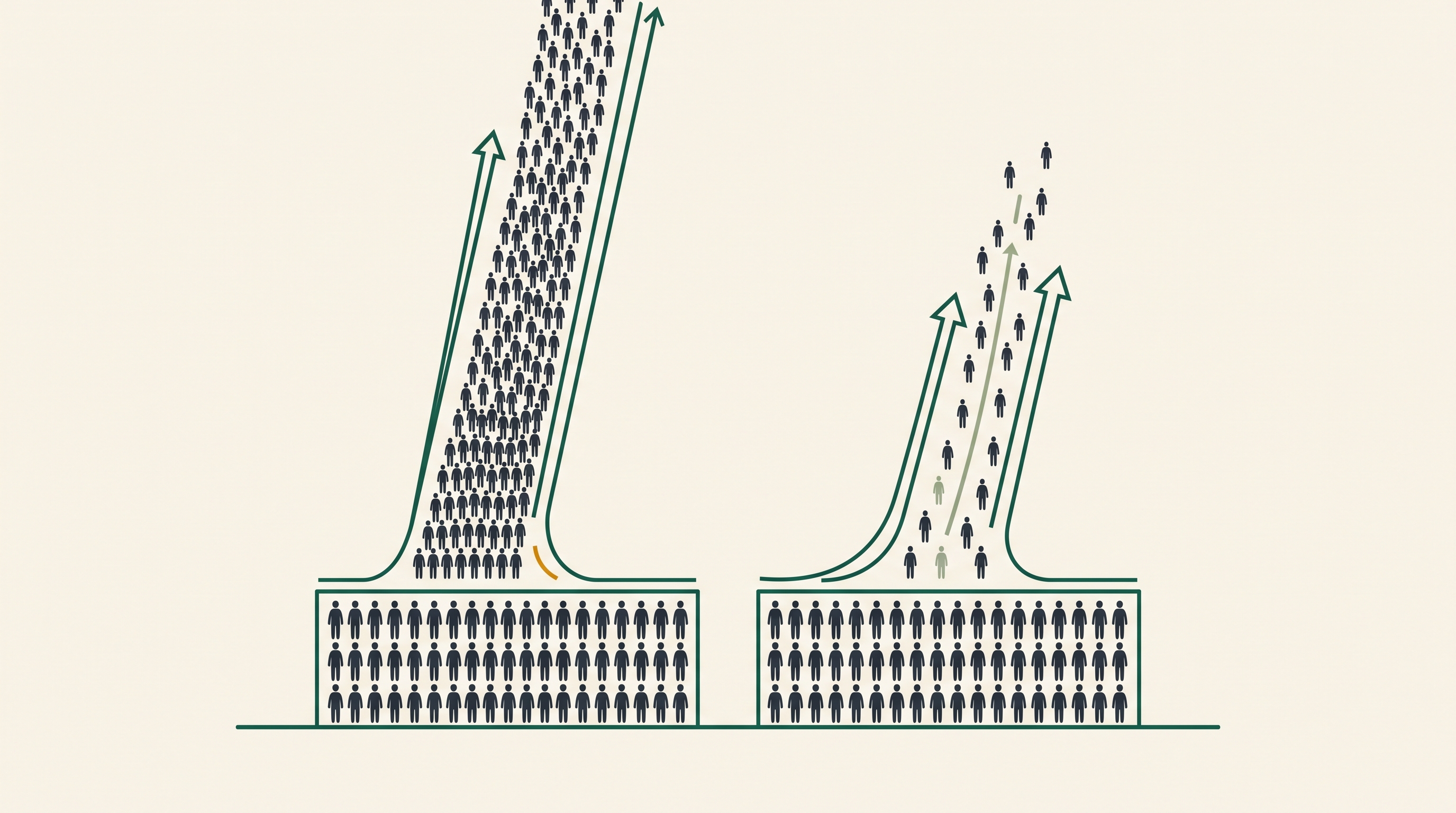
The 2024 BMJ Open network meta-analysis of 22,028 patients is the most definitive head-to-head comparison to date. Its conclusion — that cannabis may be similarly effective to opioids for chronic non-cancer pain with fewer treatment discontinuations — is significant, though the authors note certainty of evidence ranges from low to moderate, and longer-term data (beyond 6 months) is limited.
The mechanisms produce qualitatively different pain experiences. Opioids function more like a “pain off-switch” — at least initially — while cannabis tends to modulate pain perception, with many users describing the experience as “the pain is still there, but it bothers me less” (Wallace et al., 2015). For some patients, this distinction is acceptable or even preferable; for others with severe acute pain, it is insufficient.
Where cannabis may have an edge: Neuropathic pain (nerve damage pain, diabetic neuropathy, MS-related pain). This pain type is notoriously opioid-resistant, yet several studies show cannabinoids perform meaningfully better than opioids in this category (Aviram & Samuelly-Leichtag, 2017).
Where opioids have the edge: Severe acute pain requiring rapid, complete suppression. For post-surgical pain, traumatic injury, and end-stage cancer pain, opioids remain unmatched.
Safety Profile
This is where the contrast is most stark.
Cannabis: No known lethal dose. While excessive consumption can cause acute distress — anxiety, paranoia, nausea, rapid heart rate — it will not stop your breathing. The most serious long-term harms include cannabis use disorder (affecting roughly 9% of users), cognitive effects with heavy early-life use, and potential for worsening anxiety or psychosis in vulnerable individuals.
Opioids: Carry a dose-dependent risk of fatal respiratory depression. This risk is amplified by tolerance (which narrows the therapeutic window over time), co-use with benzodiazepines or alcohol, and sleep apnea. The 2024 population-based cohort study on nabilone (a synthetic cannabinoid) vs. opioids found that cannabinoid users had significantly lower rates of pneumonia, falls/fractures, and all-cause mortality — though with increased rates of adverse mental health events, underscoring that no treatment is without tradeoffs (To et al., 2024).
The Opioid-Sparing Effect
One of the most compelling findings in this research space is cannabis’s potential to reduce opioid use — not necessarily replacing opioids entirely, but allowing patients to use lower doses with less risk:
- States with medical cannabis laws show slower rates of increase in opioid overdose deaths compared to states without such laws, with those differences growing over time (Campbell et al., 2018; Bachhuber et al., 2014)
- A 2016 study found medical cannabis patients reported a 64% decrease in opioid use (Boehnke et al., 2016)
- A 2025 prospective cohort study in Vancouver found daily cannabis use was positively associated with illicit opioid cessation (adjusted hazard ratio 1.40, 95% CI 1.08–1.81) among people with chronic pain who use drugs (Lake et al., 2025)
- A 2024 PubMed review found cannabis co-use assisted people who inject drugs in maintaining opioid cessation and managing withdrawal symptoms (PWID study, 2024)
The public health implications of the opioid-sparing effect are substantial. Even modest population-level reductions in opioid use could translate to thousands of lives saved annually.
A critical caveat: Many of these studies are observational or ecological — they show correlation, not proven causation. Randomized controlled trials specifically designed to test cannabis as an opioid-reduction tool remain limited. Never reduce opioid dosages without medical supervision. Withdrawal from opioids can be dangerous and should be managed by a healthcare provider.
Duration and Delivery
| Cannabis Delivery | Onset | Duration |
|---|---|---|
| Inhalation (smoking/vaping) | 1–5 minutes | 2–4 hours |
| Sublingual tincture | 15–30 minutes | 4–6 hours |
| Edible | 30–120 minutes | 6–10 hours |
| Topical | 15–45 minutes (localized only) | 2–4 hours |
Oral opioids typically onset within 15–45 minutes and last 4–12 hours. Extended-release formulations provide 12–24 hour coverage. Neither cannabis nor opioids have a single “right” delivery format — it depends on the pain pattern, severity, and patient preference.
Practical Guidance: Which Path Is Right?
Consider Cannabis When…
- You have neuropathic, inflammatory, or musculoskeletal chronic pain that has not responded adequately to other treatments
- You want to explore options with a lower fatal overdose risk and dependence profile
- You are already on opioids and — with medical supervision — want to explore gradually reducing your dose
- You experience sleep disruption, anxiety, or nausea alongside pain, where cannabis may address multiple symptoms
- You live in a state where medical or adult-use cannabis is legal and can work with a knowledgeable provider
Consider Opioids When…
- You are managing acute severe pain: post-surgical, traumatic injury, dental procedures
- You have cancer-related pain where aggressive symptom control is the priority
- Cannabis is not legally accessible in your state or is medically contraindicated for you (history of psychosis, under 25, pregnancy)
- You need predictable, standardized, insurance-covered dosing
- Your healthcare provider has determined the benefit-risk ratio favors opioids for your specific situation
Consider an Integrative Approach When…
- Your pain is multi-dimensional — neuropathic plus inflammatory plus psychological components
- You are currently on opioids and want to work toward dose reduction with medical oversight
- You want cannabis for nighttime pain and sleep while maintaining lower-dose opioids for breakthrough daytime pain
- Your provider is open to evidence-based integrative pain management
The bottom line: This is not about choosing a winner. It’s about having better information so you and your healthcare team can make decisions aligned with your body, your values, and your quality of life goals.
Frequently Asked Questions
Can I use cannabis to get off opioids on my own?
No — please do not attempt this without medical supervision. Opioid withdrawal, while rarely fatal on its own, can be extremely uncomfortable and in some cases dangerous (particularly for people with cardiac conditions or those on high doses). Emerging research suggests cannabis may help manage certain withdrawal symptoms (Hurd et al., 2019), but this should only be explored with a healthcare provider experienced in both pain management and addiction medicine.
Does cannabis make opioids less effective?
There is limited evidence on direct pharmacological interactions. Some preclinical research suggests cannabinoids may actually potentiate opioid analgesia, meaning you could achieve the same pain relief at lower opioid doses — which is the basis for the opioid-sparing hypothesis. However, cannabis can also enhance the sedating effects of opioids, increasing impairment. Always inform your prescriber if you use cannabis.
What about addiction risk — isn’t cannabis also addictive?
Cannabis use disorder is real and affects approximately 9% of people who use cannabis (roughly 1 in 11 overall, and higher with early-onset use). However, this must be contextualized: opioid use disorder affects 25–30% of patients prescribed opioids for chronic pain (Vowles et al., 2015) — roughly three times the rate. Cannabis withdrawal, while uncomfortable (irritability, sleep disruption, appetite changes), is not medically dangerous. Opioid withdrawal can be dangerous.
Is CBD alone sufficient for chronic pain?
CBD alone may provide modest anti-inflammatory benefits and is widely available, but the evidence for CBD monotherapy for significant chronic pain relief is weaker than evidence for THC-containing cannabis formulations. Some patients find a balanced THC:CBD ratio most effective, as CBD appears to moderate some of THC’s less desirable psychoactive effects. For more on ratios, see how to find your ideal THC to CBD ratio.
Does cannabis help with the emotional/psychological dimension of chronic pain?
This is an area where cannabis may have a meaningful advantage. Chronic pain is profoundly psychological — anxiety, depression, sleep disruption, and pain catastrophizing are nearly universal comorbidities. Cannabis, particularly strains with anxiolytic terpene profiles (linalool, caryophyllene), may simultaneously address pain, anxiety, and sleep — which opioids do not. Whether this is a “pain relief” effect or a quality-of-life effect matters less to patients who feel meaningfully better.
What the Experts Are Saying
The clinical landscape is shifting. The 2024 BMJ Open meta-analysis authors concluded that the evidence supports cannabis as a viable alternative or adjunct to opioids for chronic non-cancer pain, particularly given its more favorable discontinuation profile. The 2024 medrxiv systematic review from Borges et al. stated: “Cannabinoids offer a promising alternative for chronic pain management, with the potential to mitigate the opioid epidemic. Integrating cannabinoids into clinical practice, guided by evidence-based protocols, can provide a safer and more effective approach.”
That said, experts consistently note the need for standardized formulations, longer-duration RCTs, and better guidance on dosing — areas where cannabis research still lags behind pharmaceuticals due in large part to decades of federal prohibition limiting research funding.
The Bottom Line
The 2024 evidence says something important: for chronic non-cancer pain, cannabis may be similarly effective to opioids — and significantly safer in its risk profile. It results in fewer treatment discontinuations, carries no lethal overdose potential, and may even help some patients reduce their opioid use.
That does not mean cannabis is right for everyone, or that opioids are never appropriate. It means the conversation between you and your healthcare provider should now include both options — evaluated honestly against your specific pain, history, and goals.
What the science consistently shows is this: the binary choice of “opioids vs. nothing” is no longer the only framework available. For millions of people living with chronic pain, cannabis represents a genuinely evidence-backed option worth serious consideration.
References
- Bachhuber MA, et al. Medical cannabis laws and opioid analgesic overdose mortality in the United States, 1999–2010. JAMA Intern Med. 2014;174(10):1668.
- Boehnke KF, Litinas E, Clauw DJ. Medical cannabis use is associated with decreased opiate medication use in a retrospective cross-sectional survey of patients with chronic pain. J Pain. 2016.
- Campbell G, et al. Ecological and epidemiological evidence on cannabinoids to reduce opioid use and harms. PubMed Review. 2018. PMID: 30522342.
- CDC. Drug overdose deaths in the U.S. 2022. Centers for Disease Control and Prevention. 2023.
- Dowell D, Haegerich TM, Chou R. CDC guideline for prescribing opioids for chronic pain. JAMA. 2016.
- Gertsch J, et al. Beta-caryophyllene is a dietary cannabinoid. PNAS. 2008.
- Hurd YL, et al. Cannabidiol for the reduction of cue-induced craving and anxiety in drug-abstinent individuals with heroin use disorder. Am J Psychiatry. 2019.
- Jeddi HM, Busse JW, et al. Cannabis for medical use versus opioids for chronic non-cancer pain: a systematic review and network meta-analysis of randomised clinical trials. BMJ Open. 2024;14:e068182.
- Krebs EE, et al. Effect of opioid vs nonopioid medications on pain-related function in patients with chronic back pain or hip/knee osteoarthritis pain. JAMA. 2018;319(9):872–882.
- Lake S, et al. Cannabis use and illicit opioid cessation among people who use drugs living with chronic pain. Drug Alcohol Rev. 2025;44(3):799–810.
- Lee M, et al. A comprehensive review of opioid-induced hyperalgesia. Pain Physician. 2011.
- Lu HC, Mackie K. An introduction to the endogenous cannabinoid system. Biol Psychiatry. 2016.
- National Academies of Sciences, Engineering, and Medicine. The health effects of cannabis and cannabinoids. 2017.
- To T, et al. Comparative safety analysis of nabilone versus opioids: a population-based cohort study. J Gen Intern Med. 2024;39:2716–2723.
- Vowles KE, et al. Rates of opioid misuse, abuse, and addiction in chronic pain. Pain. 2015.
- Wallace MS, et al. Efficacy of inhaled cannabis on painful diabetic neuropathy. J Pain. 2015.
- Whiting PF, et al. Cannabinoids for medical use: a systematic review and meta-analysis. JAMA. 2015.


