CBDA and THCA: Why Raw Cannabis Has Therapeutic Value
Raw cannabis makes THCA and CBDA, not THC or CBD. Research suggests these acidic precursors may have potent anti-nausea and neuroprotective properties.

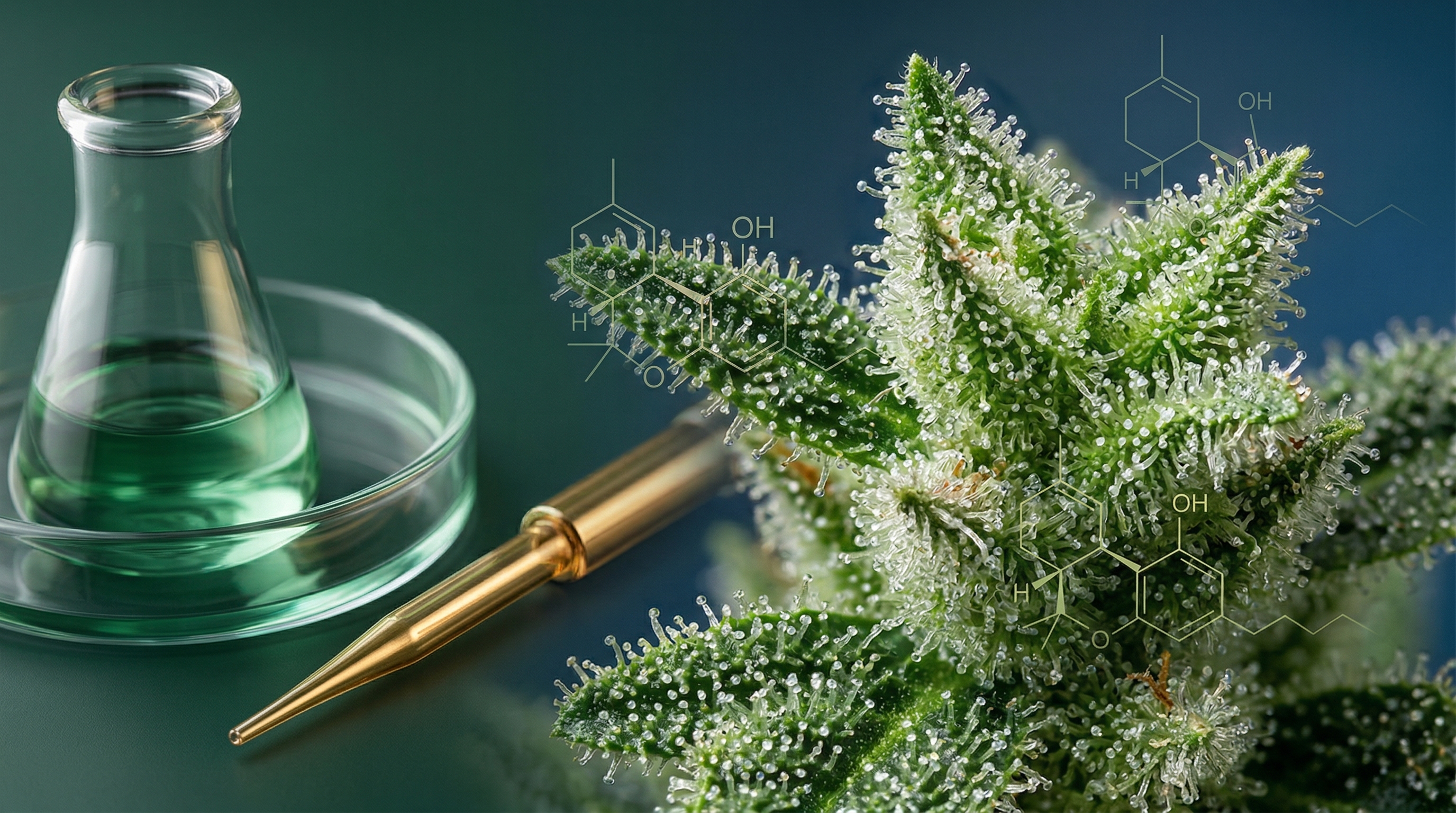
Most people think of cannabis in terms of THC and CBD. But those molecules are not what the living plant actually makes. The plant produces their acidic precursors—THCA and CBDA—and a growing body of preclinical research suggests those raw forms have their own surprising therapeutic properties, separate from the compounds they eventually become.
The Cannabis Compounds You’ve Been Burning Away
Here is a fact that might rearrange your understanding of cannabis: the plant does not actually produce THC or CBD. Not directly, anyway. What it produces are acidic precursors—THCA and CBDA—molecules that only transform into the cannabinoids you know through heat, time, or prolonged light exposure. Every time you spark a joint or fire up a vaporizer, you are performing a chemical reaction called decarboxylation that converts these raw compounds into their more famous counterparts.
For decades, the cannabis world treated THCA and CBDA as mere stepping stones—inactive ingredients waiting to become “the real thing.” But a growing body of research is challenging that assumption. Scientists are discovering that these raw, acidic cannabinoids have their own distinct biological activity, and in some cases they may be considerably more potent than their heated forms for specific applications—at least in preclinical models.
This is not just academic trivia. It has real implications for how you think about cannabis, from the products you choose to the way you consume them. If you have ever juiced raw cannabis leaves, eaten a fresh fan leaf, or noticed that live resin feels different from distillate, you have already encountered the world of acidic cannabinoids—you just might not have known why.
In this article we break down the science of CBDA and THCA: what they are, how they appear to work in the body, what researchers are finding, and what it all means for your real-world cannabis experience.
The Science: What Are Acidic Cannabinoids?
To understand THCA and CBDA, you need one foundational concept: the cannabis plant is a chemical factory, and the products it manufactures during its life cycle are not the same as the ones most consumers experience.
Think of it like green coffee beans versus roasted coffee. They come from the same plant, but the chemical composition—and the effects—shift dramatically depending on what you do with them. In cannabis, the plant biosynthesizes cannabinoid acids—molecules with a carboxyl group (a cluster of one carbon, two oxygen, and one hydrogen atoms denoted as –COOH) attached to them. This carboxyl group is what makes them “acidic” and what gives them fundamentally different properties from their decarboxylated forms.
Here is how the family tree works:
| Raw Cannabinoid | After Heat (Decarboxylation) | Key Research Areas |
|---|---|---|
| THCA (Tetrahydrocannabinolic acid) | THC (Δ9-tetrahydrocannabinol) | Anti-inflammatory, neuroprotection, anti-nausea, metabolic regulation |
| CBDA (Cannabidiolic acid) | CBD (Cannabidiol) | Anti-nausea, anti-anxiety, anti-inflammatory, anticonvulsant |
| CBGA (Cannabigerolic acid) | CBG (Cannabigerol) | The “mother cannabinoid” — precursor to both THCA and CBDA |
All cannabinoids begin as CBGA. As the plant matures, specific enzymes (THCA synthase and CBDA synthase) convert CBGA into THCA and CBDA, respectively. By harvest, over 95% of the cannabinoid content in fresh cannabis exists in these acidic forms. The neutral cannabinoids—THC, CBD—are largely a product of human processing.
The critical takeaway: THCA does not get you high. That carboxyl group changes the molecule’s three-dimensional shape enough that it does not fit efficiently into CB1 receptors in the brain—the locks that THC turns to produce intoxication. This means raw THCA consumption does not produce psychoactive effects, while potentially offering other biological activities through entirely different pathways.
How THCA and CBDA Interact With the Body
For years the assumption was that acidic cannabinoids were pharmacologically inert—just precursors waiting to be activated. Research over the past decade has substantially overturned that assumption.
THCA: The Mechanisms Under Study
THCA appears to operate through several mechanisms that are meaningfully distinct from THC:
PPARγ activation. THCA has been shown in preclinical studies to activate peroxisome proliferator-activated receptor gamma (PPARγ), a nuclear receptor involved in regulating metabolism, inflammation, and neuroprotection. A study published in the British Journal of Pharmacology found that THCA demonstrated significant neuroprotective activity in a mouse model of Huntington’s disease through this pathway—and did so without producing intoxication [Nadal et al., 2017]. This is notable because PPARγ activation is also the mechanism of action for certain diabetes medications (thiazolidinediones), suggesting a potentially novel anti-inflammatory and metabolic signaling pathway.
Anti-inflammatory activity. Research suggests THCA may inhibit COX-2 enzymes—the same enzymatic targets that drugs like ibuprofen and naproxen hit—though through a different structural mechanism. In inflammatory arthritis models, THCA reduced joint swelling and inflammatory biomarkers, as reviewed in the Journal of Cannabis Research [Botea et al., 2026]. These data come from a rigorous collagen-induced arthritis study, making them among the more methodologically solid preclinical findings in this space.
Metabolic regulation. A 2020 study found that THCA-A reduced adiposity and improved metabolic markers in diet-induced obese mice, including improvements in glucose tolerance and insulin resistance, mediated through PPARγ. While animal metabolism data are a long way from human clinical conclusions, the pathway is mechanistically plausible.
Nausea suppression. THCA has shown anti-nausea effects in preclinical models—in some studies appearing to be approximately 10 times more potent than THC for nausea reduction, though this figure varies across studies and should be understood as an order-of-magnitude estimate from animal models rather than a confirmed human dose relationship.
Alzheimer’s disease models. A 2023 study found that both CBDA and THCA may reduce amyloid-beta accumulation and tau pathology in Alzheimer’s disease-like mouse models, and appeared to rescue memory deficits [Kim et al., 2023]. Both compounds demonstrated the ability to cross the blood-brain barrier and showed calcium channel-modulating activity relevant to neuroprotection. These are encouraging preclinical signals, not clinical evidence of efficacy in humans.
CBDA: The Mechanisms Under Study
CBDA has a pharmacological profile that is distinct from CBD in important ways:
Serotonin receptor (5-HT1A) activity. Perhaps the most exciting finding about CBDA is its apparent affinity for 5-HT1A serotonin receptors—the same receptors targeted by certain anti-nausea and anti-anxiety medications. In a landmark 2013 study published in the British Journal of Pharmacology, CBDA demonstrated greater potency than CBD at reducing both nausea-induced behavior in rats and vomiting in house musk shrews [Bolognini et al., 2013]. The anti-nausea effects were blocked by a 5-HT1A receptor antagonist (WAY100635), confirming the serotonin pathway as the mechanism.
Critically, CBDA appeared to produce comparable nausea suppression to CBD at doses approximately 1,000-fold lower in these animal models. A subsequent study confirmed that CBDA suppressed nausea-induced conditioned gaping at doses as low as 0.5 micrograms per kilogram—and enhanced the anti-nausea effects of ondansetron (Zofran), a standard chemotherapy anti-nausea drug, when the two were combined at subthreshold doses [Rock et al., 2014]. These findings have attracted pharmaceutical interest in CBDA as a potential adjunct for chemotherapy-induced nausea and vomiting (CINV).
COX-2 inhibition. Like THCA, CBDA selectively inhibits COX-2 enzymes, and studies have noted structural similarities between CBDA and non-steroidal anti-inflammatory drugs. Notably, some research has found CBDA to be more potent than THCA at COX-2 inhibition in certain assay contexts, though the clinical relevance remains to be determined.
Anticonvulsant activity. A 2019 study in the Journal of Natural Products investigated the pharmacokinetics of CBDA and found anticonvulsant effects in a mouse model of Dravet syndrome [Anderson et al., 2019]—the same severe childhood epilepsy condition for which CBD (as Epidiolex) received FDA approval. Importantly, the study found CBDA reached higher peak plasma concentrations (Cmax) than CBD after oral administration, suggesting potentially superior oral bioavailability in mice. GW Pharmaceuticals (now Jazz Pharmaceuticals) holds patents on a stabilized methyl ester form of CBDA (HU-580/CBDA-ME) that retains the anti-nausea and anticonvulsant activity with greater chemical stability.
Anxiety. Animal studies have found CBDA may reduce anxiety behaviors, with some researchers reporting effects at dramatically lower doses than CBD. One frequently cited figure—that CBDA is “up to 50,000 times more potent than CBD for anxiety in animal models”—appears in wellness-oriented sources but should be interpreted with significant caution. It likely reflects a single assay result under specific conditions, not a generalizable potency claim.
Important distinction: All of the pharmacological findings above come from in vitro (cell culture) and in vivo (animal model) research. While preclinical findings can be compelling indicators, they do not confirm that CBDA or THCA are safe or effective treatments for any human condition. Large-scale randomized controlled trials in humans are still largely absent. A January 2026 review in the Journal of Cannabis Research (Botea et al.) characterizes acidic cannabinoids as “an underutilized yet potentially valuable class of precision medicines” while noting that “chemical instability, low bioavailability, and a dearth of controlled human trials impede clinical translation.”
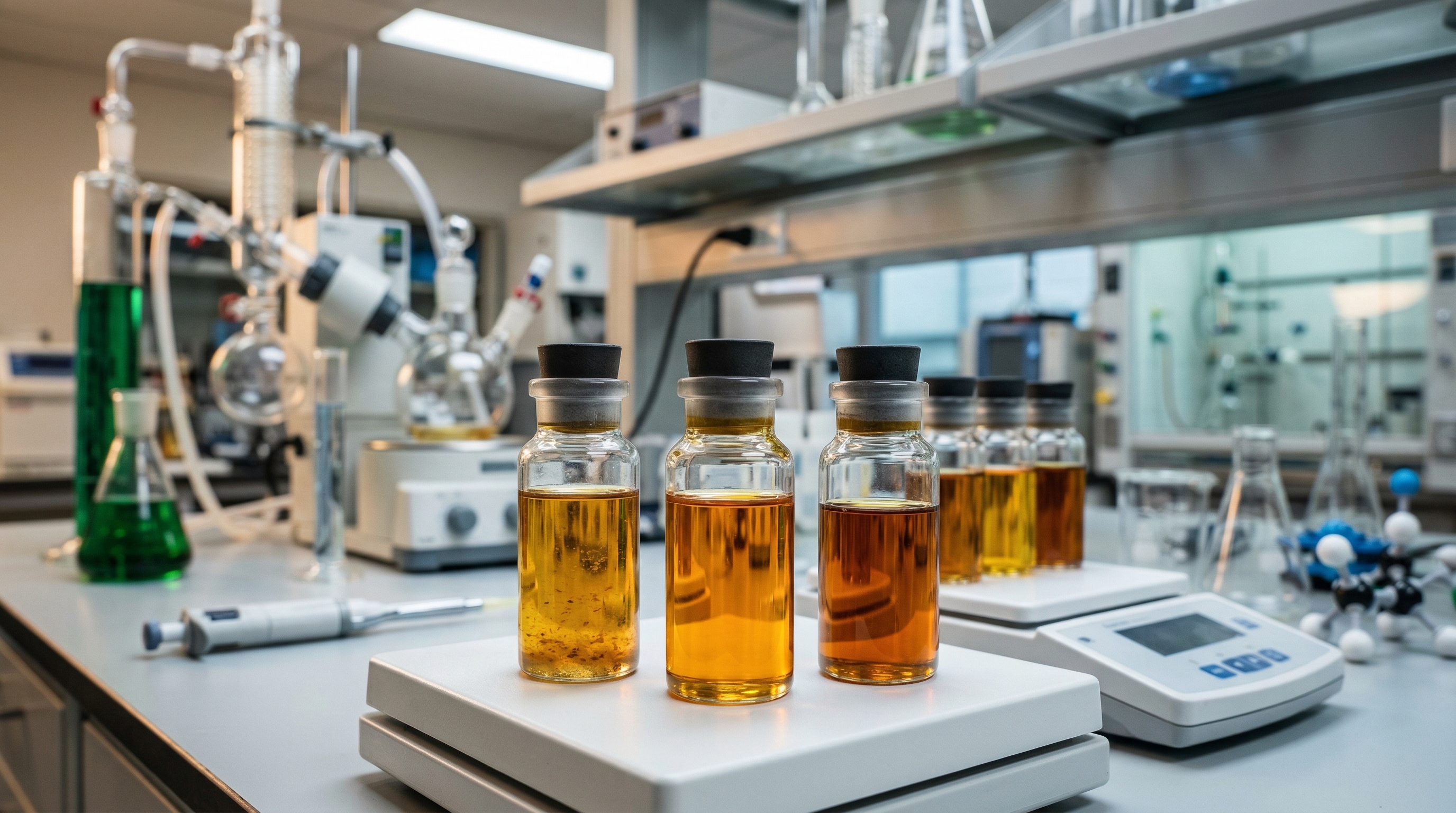
The Stability Problem
Here is the challenge that makes acidic cannabinoid research and product development genuinely difficult: CBDA and THCA are inherently unstable molecules. They are thermodynamically “eager” to lose that carboxyl group. Heat, light, oxygen, and even sustained room temperature exposure will slowly convert them into CBD and THC.
This is why:
- Fresh cannabis has high THCA and CBDA but almost no THC or CBD
- Aged or improperly stored cannabis progressively loses its acidic cannabinoid content
- Standard extraction methods using heat (including ethanol extraction with warm solvents) destroy a significant portion of CBDA and THCA during processing
- Any product containing meaningful acidic cannabinoids typically requires refrigeration and a short shelf life
Researchers are actively working on stabilization strategies. The CBDA methyl ester approach (HU-580) involves adding a methyl group to block the carboxyl from easily decarboxylating. Other approaches involve microencapsulation and cold-chain formulation. But for consumers, this means that most products labeled “full spectrum” or “whole plant” likely contain some, but not all, of the original THCA and CBDA content—and the exact amounts will vary significantly between products and storage conditions.
If you want to know what you’re actually getting, look for a Certificate of Analysis (COA) from a third-party lab that lists THCA and CBDA as separate line items, not just “total THC” or “total CBD.”
The Alzheimer’s Research Signal
One of the more striking recent findings involves both CBDA and THCA together. The 2023 Kim et al. study mentioned above found that co-administration of CBDA and THCA in an Alzheimer’s disease-like mouse model:
- Reduced amyloid-beta (Aβ) plaque accumulation in the hippocampus
- Decreased abnormal tau protein phosphorylation (p-tau)
- Rescued spatial memory deficits in behavioral tests
- Demonstrated neuroprotective effects in primary neuron cultures
The proposed mechanism involves inhibition of T-type calcium channels—an entirely different pathway from the CB1/CB2 receptor system that THC primarily engages—as well as modulation of hippocampal calcium levels. The researchers also documented that both compounds penetrate the blood-brain barrier, a prerequisite for central nervous system activity.
It is worth emphasizing that mouse models of Alzheimer’s disease have a poor historical track record of translating to human clinical outcomes. Hundreds of compounds that showed promise in animal models have failed in human trials. But the specificity of mechanism and the novelty of the pathway (T-type calcium channel inhibition is not the primary mechanism for most cannabinoid research) make this worth watching.
A 2024 study in Basic & Clinical Pharmacology & Toxicology provided complementary findings [Marsh et al., 2024], showing that cannabis extracts with significant THCA content demonstrated neuroprotective effects against amyloid-beta toxicity in vitro, and noting that the non-heated (THCA-rich) extracts specifically inhibited amyloid-beta aggregation—a process central to Alzheimer’s pathology.
What This Means for Your Cannabis Experience
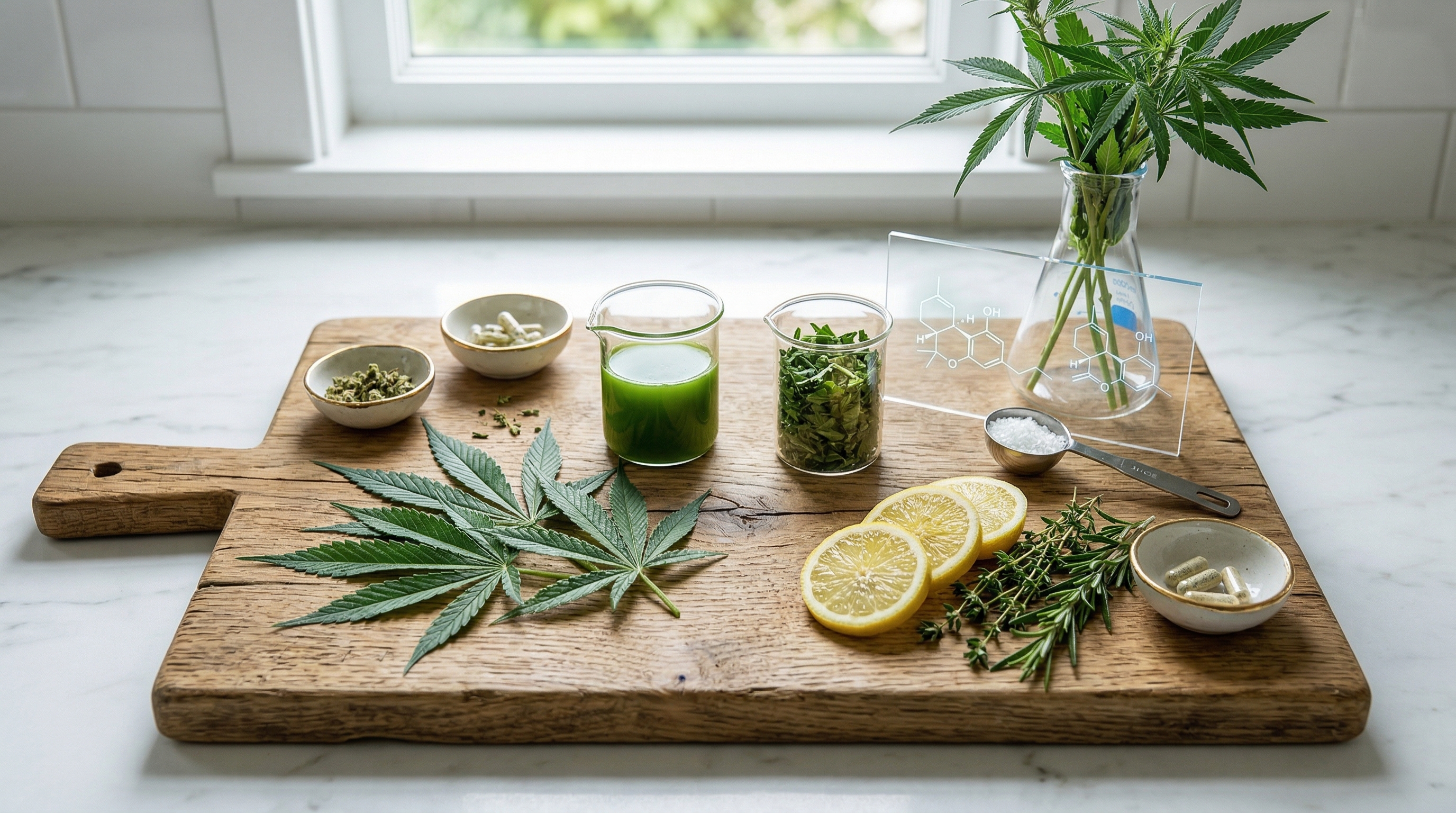
So what does all of this mean if you are not a lab researcher? Quite a lot, depending on what you are looking for.
Live Resin and Fresh-Frozen Products
Live resin and fresh-frozen extracts are made from cannabis that is flash-frozen immediately after harvest, preserving a higher proportion of acidic cannabinoids alongside the terpene profile. This is part of why live resin is often described as feeling “different” from distillate—smoother, more full-bodied, more nuanced. The residual THCA content in some live resin products, combined with a richer terpene profile, may contribute to these experiential differences through the entourage effect. If you have been noticing that full-spectrum products feel qualitatively distinct from isolate-based ones, acidic cannabinoids are a plausible contributing variable.
Raw Cannabis Consumption
Raw cannabis juicing involves blending fresh cannabis leaves and flowers and consuming the juice without heating. This preserves THCA and CBDA in their acidic forms and is sometimes used as a wellness practice by patients interested in the potential anti-inflammatory properties. Since THCA is non-intoxicating, large quantities can theoretically be consumed without psychoactive effects. The practical limitations are significant: you need access to fresh, pesticide-free plant material, the taste is intensely plant-forward, and the dose of active compounds is difficult to standardize.
Reading Lab Reports Differently
Understanding acidic cannabinoids changes how you should interpret a COA. When a cannabis flower product shows “THCA: 22%, THC: 0.3%,” that means the flower is 22% THCA by weight—all of which will convert to THC if smoked or vaped. But if you were to consume that flower raw (juicing, eating), you would get THCA rather than THC, with a meaningfully different pharmacological effect. The “total THC” figure on most labels mathematically converts THCA to its THC-equivalent and adds them together. For most consumers this is useful. But if you are specifically interested in preserving acidic cannabinoids, you need to look at the raw THCA and CBDA numbers separately.
THCA and Legal Gray Areas
Because THCA is technically not THC—and does not convert until heated—THCA-rich hemp products occupy a legal gray area in many jurisdictions. Under the 2018 Farm Bill, hemp must contain less than 0.3% delta-9 THC by dry weight, and some THCA flower products are marketed as compliant because the unconverted THCA does not meet that definition. Drug enforcement agencies have challenged this interpretation. If you are purchasing THCA-specific products, be aware of the regulatory landscape in your state.
The Entourage Effect and Acidic Cannabinoids
The entourage effect—the idea that cannabis compounds work better together than in isolation—is often discussed in terms of terpenes and neutral cannabinoids like THC and CBD. Acidic cannabinoids add another dimension to this picture.
A 2014 study found that combining subthreshold doses of CBDA and THCA that were individually too low to reduce nausea behavior in rats may produce a significant anti-nausea effect when combined [Parker et al., 2014]. This synergy between the two acidic cannabinoids—neither effective alone at those doses, but effective together—is a potential illustration of how the full spectrum of a raw cannabis plant may produce effects that isolated compounds cannot replicate.
This connects to what we describe as the Entourage High in our High Families system. Products that preserve the full chemical complexity of cannabis—including acidic cannabinoids, minor cannabinoids, terpenes, and flavonoids—tend to produce more nuanced, multi-layered experiences. The research on CBDA and THCA suggests that this complexity extends below the terpene layer, into the acidic cannabinoid profile of the plant.
The High Families Connection
Understanding acidic cannabinoids adds another dimension to how we think about cannabis experiences through the High Families framework:
- Relieving High strains rich in caryophyllene and humulene—terpenes associated with body-focused comfort—may offer enhanced anti-inflammatory layering when consumed in forms that preserve THCA, since both the terpenes and the acidic cannabinoid appear to target COX-2 and related inflammatory pathways through complementary mechanisms.
- Relaxing High experiences built around myrcene-dominant strains might be deepened by CBDA’s apparent serotonin receptor activity. If CBDA enhances 5-HT1A signaling, it may contribute to calm and comfort in ways that go beyond simple sedation.
- Balancing High products—often recommended for newcomers—could be an ideal entry point for exploring raw cannabinoid preparations. THCA’s non-intoxicating nature makes raw cannabis consumption inherently accessible for people who want potential therapeutic benefits without the “high.”
Key Takeaways
- THCA and CBDA are not inactive precursors. They are distinct compounds with their own receptor targets, mechanisms of action, and preliminary therapeutic signals.
- CBDA may be significantly more potent than CBD at activating 5-HT1A serotonin receptors involved in nausea suppression, with preclinical studies suggesting up to 1,000x lower effective doses in animal models—though human data are not yet available.
- THCA activates PPARγ, a nuclear receptor involved in neuroprotection, metabolism, and inflammation, through a pathway distinct from the CB1/CB2 system.
- Both compounds showed potential in Alzheimer’s disease mouse models, reducing amyloid-beta accumulation and rescuing memory deficits through T-type calcium channel inhibition.
- Stability is the central challenge. Heat, light, and time all degrade CBDA and THCA. Products claiming to contain these compounds need proper cold-chain handling and third-party lab verification.
- The research is promising but early. Most findings come from cell cultures and animal models. Large-scale randomized controlled trials in humans are still largely absent, and no therapeutic claims for THCA or CBDA in humans have been confirmed.
Medical disclaimer: The research discussed in this article is primarily preclinical. None of the potential benefits of THCA or CBDA have been confirmed by large-scale human clinical trials for any specific condition. Always consult a qualified healthcare provider before making changes to any health regimen, and never use cannabis products as a replacement for prescribed medications.
FAQs
Will eating raw cannabis get me high?
No. Raw cannabis contains THCA, not THC, and THCA does not appear to produce significant intoxication at typical doses. Research suggests the carboxyl group in THCA’s molecular structure may prevent it from binding efficiently to CB1 receptors in the brain—the receptors that THC activates to produce psychoactive effects. You would need to apply heat through smoking, vaping, or cooking above approximately 230°F (110°C) to convert THCA into the intoxicating THC.
Is CBDA better than CBD?
“Better” depends entirely on your goals. Preclinical research suggests CBDA may be significantly more potent than CBD for certain receptor interactions, particularly 5-HT1A serotonin receptors involved in nausea. But CBD has vastly more clinical research behind it, including FDA approval (as Epidiolex) for specific seizure disorders. CBDA is less stable, harder to standardize in products, and has almost no human clinical trial data. They are different tools with overlapping but distinct pharmacological profiles—not a simple ranking.
How do I know if a product actually contains THCA or CBDA?
Request or look up the Certificate of Analysis (COA) from third-party laboratory testing. A complete cannabinoid panel will list THCA and CBDA as separate line items, distinct from THC and CBD. If a product only provides “total THC” or “total CBD” figures, those numbers mathematically combine the acidic and neutral forms and it is impossible to determine what proportion, if any, remains in acidic form. For products specifically marketed as THCA or CBDA products, refrigeration during shipping and storage is typically a minimum requirement for meaningful preservation.
Can I preserve THCA when cooking with cannabis?
Not meaningfully. Any sustained heat above approximately 230°F (110°C) triggers decarboxylation, converting THCA to THC. Cooking cannabis in any typical preparation—baked goods, sautéed dishes, infused oils—will convert the vast majority of THCA to THC. The only cooking-adjacent method that preserves acidic cannabinoids is using raw, unheated cannabis in cold preparations: blending fresh leaves into smoothies, making cold-pressed juice, or incorporating fresh plant material into raw food preparations that are never heated.
What is CBDA methyl ester (HU-580), and why does it matter?
HU-580 is a synthetic analog of CBDA in which a methyl group is added to the carboxyl position, blocking the decarboxylation pathway and creating a far more chemically stable compound. Preclinical studies suggest it retains CBDA’s anti-nausea and anti-anxiety activity. GW Pharmaceuticals (now Jazz Pharmaceuticals, makers of Epidiolex) has patented this compound for potential pharmaceutical development. It represents the pharmaceutical industry’s recognition that CBDA’s pharmacological profile is genuinely interesting—interesting enough to warrant investing in a stabilized synthetic version rather than waiting for the natural compound to become easier to work with.
Is THCA legal?
This varies by jurisdiction and is subject to regulatory change. In the United States, THCA derived from hemp (cannabis with less than 0.3% delta-9 THC by dry weight) exists in a legal gray area under the 2018 Farm Bill, since the unconverted THCA molecule is technically not the scheduled delta-9 THC. However, some states explicitly include THCA in their controlled substance definitions, the DEA has signaled interest in closing this interpretive gap, and drug tests may flag THCA metabolites. The legal landscape is actively evolving. Always verify current laws in your specific jurisdiction before purchasing or transporting THCA products.
Sources
- Bolognini D, Rock EM, Cluny NL, et al. (2013). CBDA as a potent 5-HT1A receptor modulator: antiemetic properties in preclinical models. British Journal of Pharmacology, 168(6), 1456–1470. doi:10.1111/bph.12043
- Rock EM, Limebeer CL, Navaratnam R, et al. (2014). “A comparison of cannabidiolic acid with other treatments for anticipatory nausea.” Psychopharmacology, 231, 3207–3215. doi:10.1007/s00213-014-3498-1
- Rock EM, Limebeer CL, Parker LA. (2021). “Therapeutic potential of cannabidiol, cannabidiolic acid, and cannabidiolic acid methyl ester as treatments for nausea and vomiting.” Cannabis and Cannabinoid Research. doi:10.1089/can.2021.0041
- Nadal X, Del Río C, Casano S, et al. (2017). “Tetrahydrocannabinolic acid is a potent PPARγ agonist with neuroprotective activity.” British Journal of Pharmacology, 174(23), 4263–4276. doi:10.1111/bph.14019
- Anderson LL, Low IK, Banister SD, McGregor IS, Arnold JC. (2019). “Pharmacokinetics of phytocannabinoid acids and anticonvulsant effect of cannabidiolic acid in a mouse model of Dravet syndrome.” Journal of Natural Products, 82(11), 3047–3055. doi:10.1021/acs.jnatprod.9b00600
- Kim J, Choi P, Park YT, Kim T, Ham J, Kim JC. (2023). “The cannabinoids, CBDA and THCA, rescue memory deficits and reduce amyloid-beta and tau pathology in an Alzheimer’s disease-like mouse model.” International Journal of Molecular Sciences, 24(8), 6827. doi:10.3390/ijms24086827
- Marsh DT, Shibuta M, Kato R, Smid SD. (2024). “Medicinal cannabis extracts are neuroprotective against Aβ1–42-mediated toxicity in vitro.” Basic & Clinical Pharmacology & Toxicology, 135(5), 575–592. doi:10.1111/bcpt.14078
- Botea M, et al. (2026). “Therapeutic potential of acidic cannabinoids: an update.” Journal of Cannabis Research, 8, 24. doi:10.1186/s42238-026-00387-y
- Takeda S, Okajima S, Miyoshi H, et al. (2012). “Cannabidiolic acid, a major cannabinoid in fiber-type cannabis, is an inhibitor of MDA-MB-231 breast cancer cell migration.” Toxicology Letters, 214(3), 314–319.
- Ruhaak LR, Felth J, Karlsson PC, et al. (2011). “Evaluation of the cyclooxygenase inhibiting effects of six major cannabinoids isolated from Cannabis sativa.” Biological & Pharmaceutical Bulletin, 34(5), 774–778.


