CBG's Antibacterial Powers: Could a Cannabinoid Outperform Vancomycin?
CBG killed MRSA as effectively as vancomycin in landmark research. Here's what the science shows—and what it doesn't—about cannabis and antibiotic resistance.

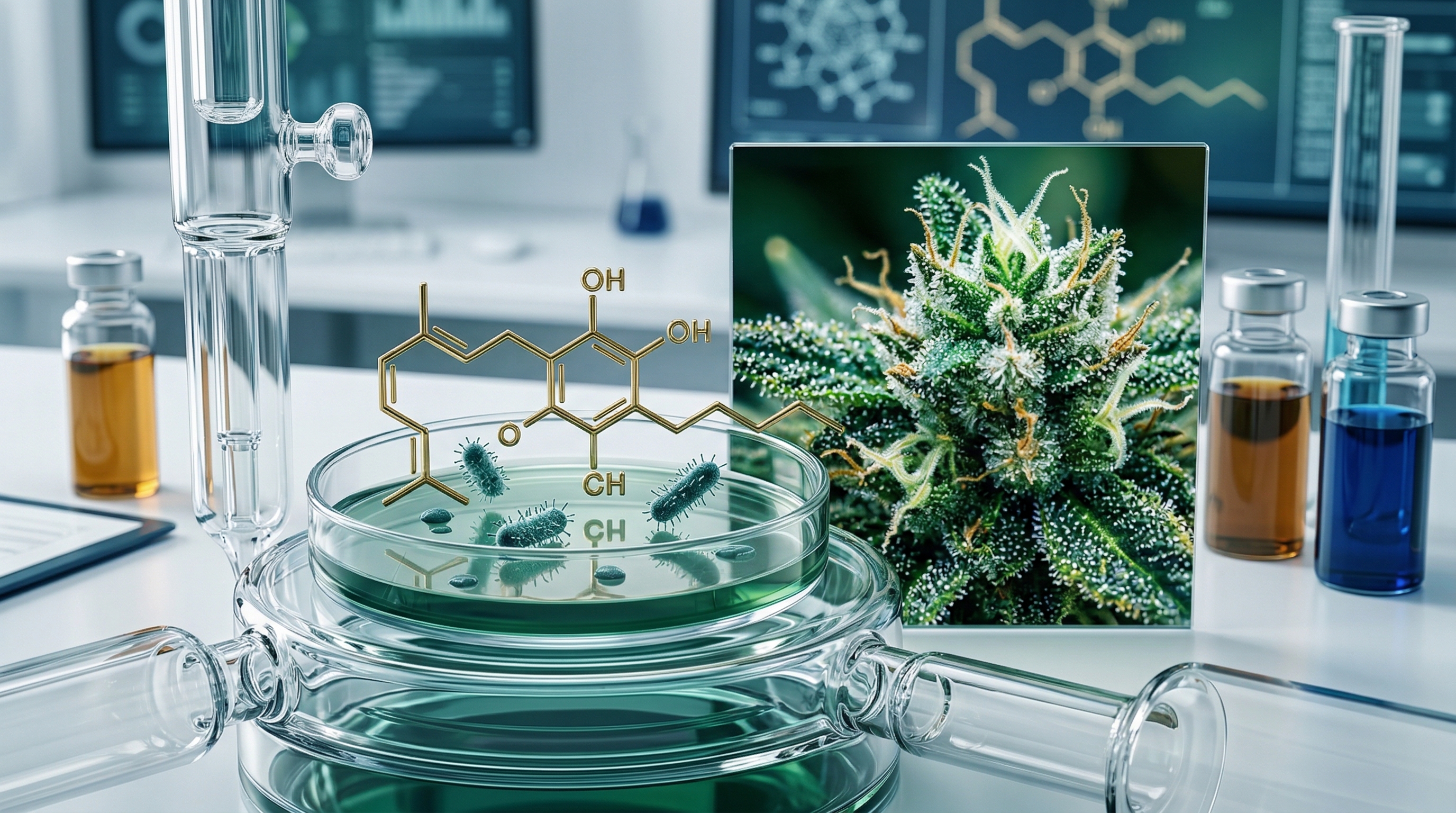
A Cannabinoid That Kills Superbugs?
Here’s a fact that might reframe everything you thought you knew about cannabis: in a landmark 2020 study, researchers found that cannabigerol (CBG) — a minor cannabinoid most people have never heard of — killed methicillin-resistant Staphylococcus aureus (MRSA) as effectively as vancomycin, one of medicine’s most powerful last-resort antibiotics [Farha et al., 2020].
Let that sink in. MRSA infections kill more than 10,000 Americans every year, and the World Health Organization has declared antibiotic resistance one of the top ten global public health threats. Meanwhile, a compound sitting quietly in the cannabis plant may hold part of the answer.
Now, before you reach for a CBG tincture to treat a wound infection, let’s be clear: this is early-stage science, mostly conducted in petri dishes and mice — not humans. But the findings are genuinely remarkable, and they’ve opened an entirely new chapter in cannabinoid research that has nothing to do with getting high.
In this article, you’ll learn what CBG actually is, how it appears to destroy bacteria that shrug off conventional antibiotics, and what the growing body of evidence through 2024 suggests about where this research is headed.
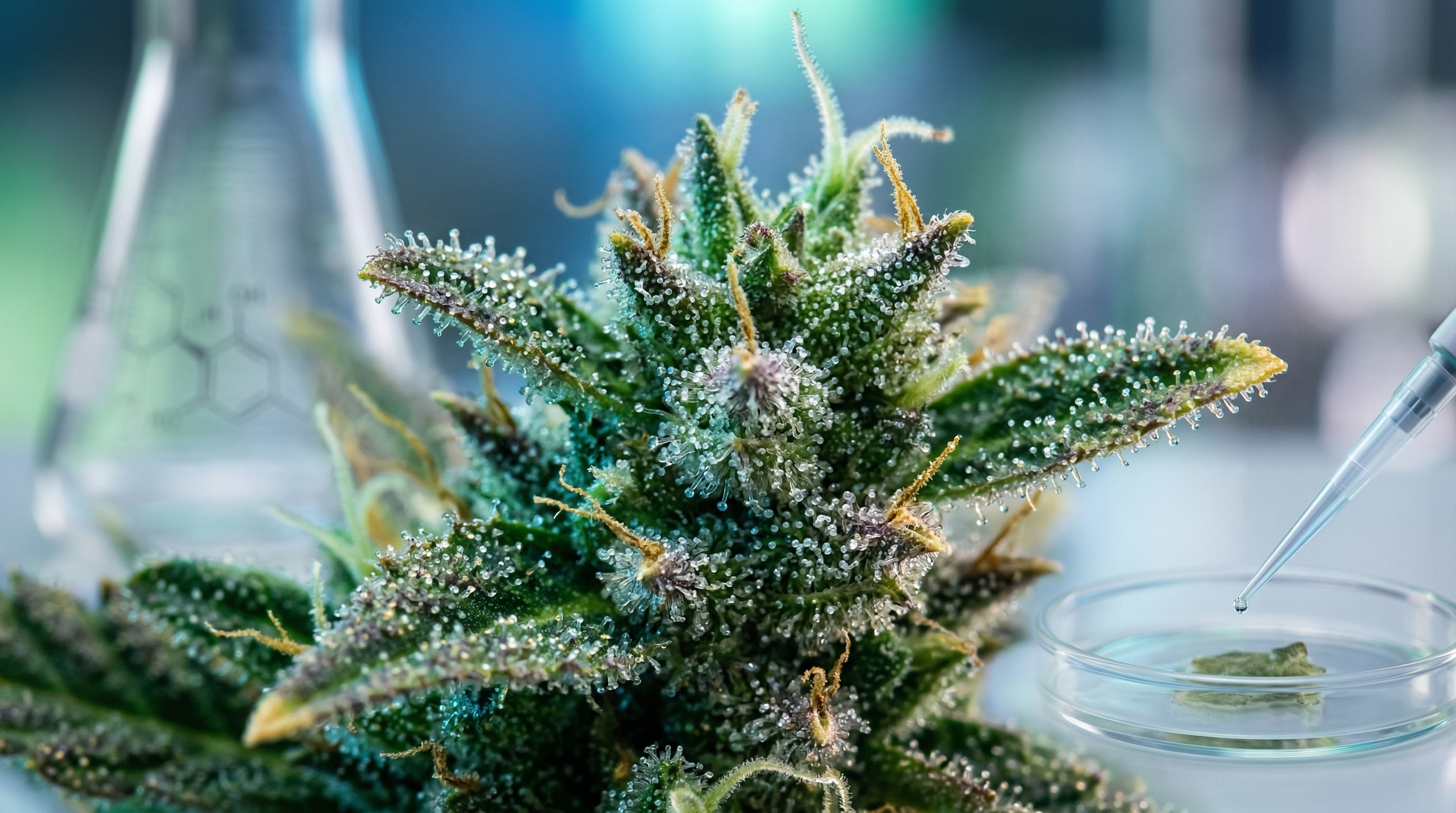
What Is CBG, Exactly?
CBG stands for cannabigerol, and it’s often called the “mother cannabinoid” — for good reason. Its acidic precursor, CBGA (cannabigerolic acid), is the chemical starting point from which THC, CBD, and CBC are all biosynthesized inside the cannabis plant. As the plant matures, enzymes convert most CBGA into THCA, CBDA, or CBCA, which is why mature cannabis flowers typically contain less than 1% CBG by dry weight.
Think of CBGA as the stem cells of the cannabinoid world: it has the potential to become many things, but in its original form, it’s relatively rare and has historically been difficult to study in quantity.
This scarcity is changing. Hemp breeders have developed CBG-dominant strains harvested early in the growth cycle, making research — and consumer products — increasingly feasible. And unlike THC, CBG is non-intoxicating: it won’t alter your perception. It does interact with CB1 and CB2 receptors, serotonin receptors, and other biological pathways, but the nature of those interactions is still being mapped [Navarro et al., 2018].
The McMaster Breakthrough: CBG vs. MRSA
The study that put CBG on the antibacterial map came from McMaster University in Hamilton, Ontario. Published in 2020 in the journal ACS Infectious Diseases, an interdisciplinary team led by Maya Farha and Eric Brown systematically screened 18 commercially available cannabinoids for antimicrobial activity against MRSA.
Their findings were striking:
- CBG was the most potent antibacterial cannabinoid tested, outperforming CBD, CBC, CBN, and THC against gram-positive bacteria [Farha et al., 2020]
- CBG inhibited MRSA growth at a minimum inhibitory concentration (MIC) of 2 µg/mL — comparable to vancomycin
- CBG disrupted biofilm formation at concentrations as low as 0.5 µg/mL (one-quarter of the MIC)
- CBG eradicated preformed biofilms at 4 µg/mL
- Critically, CBG was effective against stationary-phase MRSA “persister” cells — the dormant subpopulation that survives conventional antibiotics and drives recurrent infections
- In a murine systemic MRSA infection model, CBG reduced bacterial burden as effectively as vancomycin [Farha et al., 2020]
That last point is significant. Most antibacterial research never leaves the petri dish. Demonstrating equivalent efficacy to vancomycin in a living organism is a meaningful escalation.
“CBG proved to be marvellous at tackling pathogenic bacteria,” said Brown. “The findings suggest real therapeutic potential for cannabinoids as antibiotics.”
How CBG Kills Bacteria: The Membrane Mechanism
Understanding how CBG works is just as important as knowing that it works — particularly in an era when bacteria rapidly evolve resistance to conventional antibiotics.
Most conventional antibiotics target specific bacterial proteins or enzymes: beta-lactams (like penicillin) block cell wall synthesis; fluoroquinolones disrupt DNA replication; macrolides inhibit protein production. Bacteria are remarkably good at mutating these targets or pumping the drugs back out.
CBG operates differently. Its primary mechanism appears to be direct disruption of the bacterial cytoplasmic membrane — the lipid bilayer that acts as the cell’s boundary and controls what enters and exits. When CBG integrates into this membrane, it causes:
- Membrane depolarization — the electrochemical gradient that powers cellular processes collapses
- Increased permeability — the membrane becomes leaky, allowing essential cellular contents to escape
- Hyperpolarization events — paradoxically, some studies observe rapid hyperpolarization before the membrane integrity fails
- Accumulation of mesosome-like structures — abnormal internal membrane formations that disrupt cell division
The result is bactericidal cell death rather than simply growth inhibition. And because no single protein is the target, resistance is harder to evolve through traditional mutation pathways. Researchers confirmed that no spontaneous resistance to CBG emerged in MRSA even at lethal concentrations (2× to 16× MIC) over multiple passages — a promising signal that distinguishes it from many existing antibiotics.
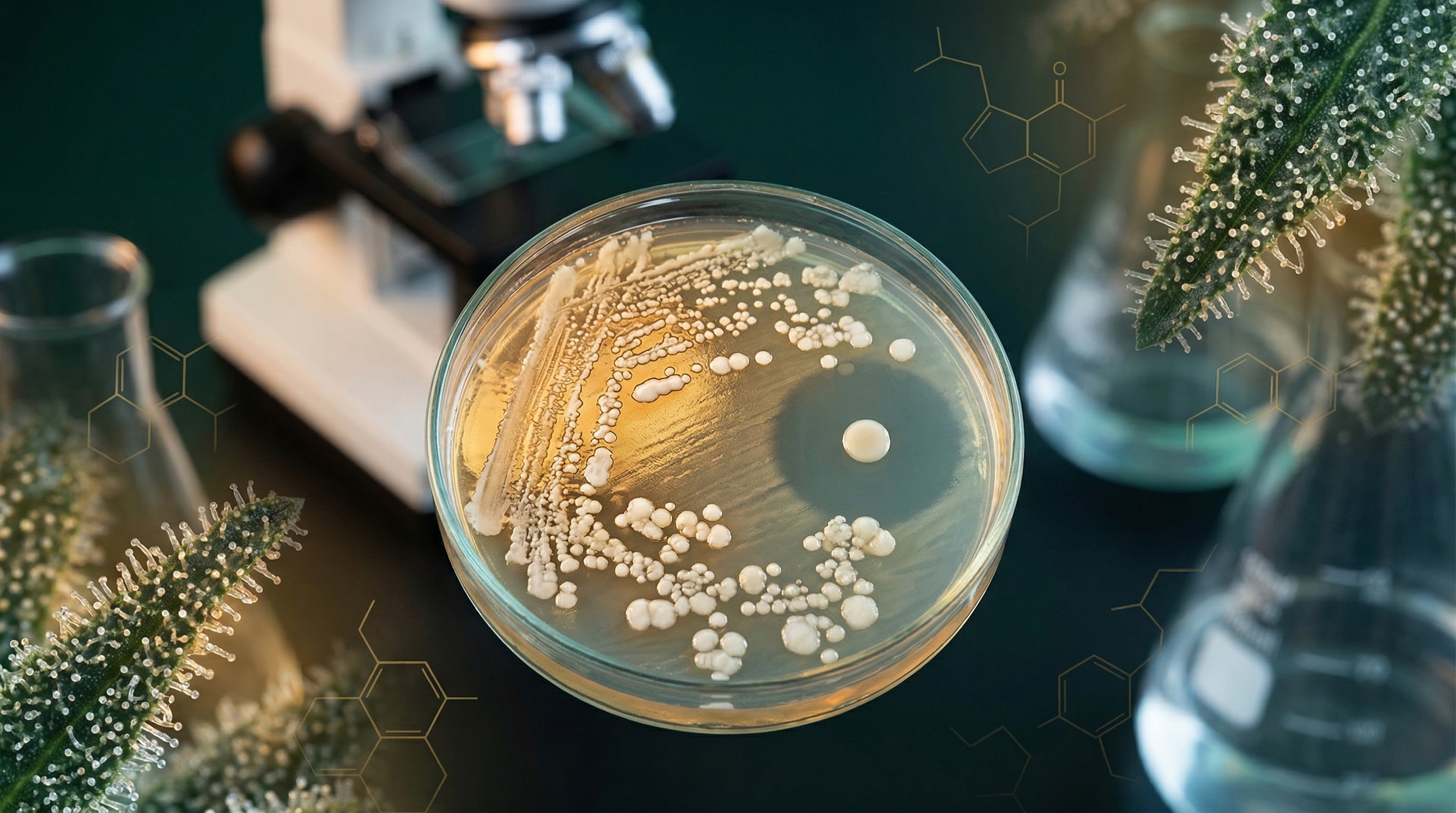
The Gram-Negative Problem
There is one important limitation: CBG’s membrane disruption is largely ineffective against gram-negative bacteria (like E. coli or Pseudomonas aeruginosa) in isolation. Gram-negative bacteria have a double-membrane architecture — an outer membrane rich in lipopolysaccharide forms an additional barrier that CBG cannot readily penetrate.
However, the McMaster team found a workaround: when CBG was combined with polymyxin B — an antibiotic that permeabilizes the outer membrane — CBG became potently active against gram-negative pathogens too. This combination approach hints at CBG’s potential in multi-drug resistant gram-negative infections, which are among the most dangerous and treatment-resistant globally [Farha et al., 2020]. It also hints at a broader synergy principle familiar to cannabis users: cannabinoids often work better together than alone, an idea explored more fully through the lens of cannabis strain science.
2024 Research: The Science Keeps Building
The McMaster findings weren’t a one-off curiosity. The years since have seen a steady accumulation of supporting and extending evidence.
Jackson et al. (2024) published in Antibiotics examined CBG, CBD, and CBC combined with silver nanoparticles and silver nitrate against MRSA [Jackson et al., 2024]. All six cannabinoids tested showed antibacterial activity with MICs of 2 mg/L for CBG — consistent with the McMaster data. CBG and CBGA showed synergy with silver compounds at sub-MIC concentrations, producing “strong, time-dependent inhibition” of bacterial growth. This opens a path toward combination formulations that could deliver clinical effect at lower doses of each component, reducing toxicity risk.
A 2024 systematic review in Antibiotics (University of Canberra) confirmed CBG’s significant antistaphylococcal activity across multiple studies, with MICs ranging from 1 to 2 µg/mL against MRSA. The review also highlighted that CBG, unlike vancomycin, was active against antibiotic persister cells — the stubborn, dormant subpopulation responsible for chronic, relapsing infections.
Roshan et al. (2024) in International Microbiology found Cannabis sativa extract inhibited MRSA biofilm formation by 71% at sub-MIC concentrations, with time-kill kinetics showing 90% growth reduction at 4× MIC [Roshan et al., 2024]. While this study focused on whole-plant extracts, the authors noted CBG-family compounds as likely key contributors.
A 2026 study in Drug Design, Development and Therapy took a rational drug design approach — synthesizing hybrid compounds that conjugate CBG with antimicrobial peptide motifs specifically to address CBG’s gram-negative weakness. The lead compound demonstrated broad-spectrum activity against both gram-positive and gram-negative pathogens, outperformed vancomycin in a murine peritonitis-sepsis model, and showed low resistance propensity across 20 serial passages. This represents the next generation of CBG-derived antibiotics moving beyond the natural compound itself.
Biofilm Disruption: CBG’s Hidden Superpower
One of the most clinically significant findings across multiple studies is CBG’s effect on biofilms — the structured communities of bacteria encased in a protective polysaccharide matrix that form on wounds, medical devices, and body tissues.
Biofilms are catastrophic for antibiotic treatment. Bacteria embedded in biofilm are 10 to 1,000 times more resistant to conventional antibiotics than their free-floating (planktonic) counterparts. Vancomycin, for all its potency against planktonic MRSA, has limited effectiveness against biofilm-embedded cells. CBG disrupts biofilms through multiple pathways simultaneously [Farha et al., 2020]:
- Direct membrane disruption of biofilm-embedded cells
- Inhibition of quorum sensing — the chemical communication system bacteria use to coordinate biofilm formation (demonstrated against Vibrio harveyi and S. mutans)
- Suppression of extracellular polysaccharide (EPS) production — the structural matrix that holds biofilms together
- Downregulation of biofilm-regulating genes
This multi-pronged attack makes it genuinely difficult for bacteria to mount an effective defense — and may explain why CBG showed activity against persister cells that vancomycin could not eradicate.
What This Means for the Future — and What It Doesn’t
The Honest Limitations
Let’s be direct about what the science does not yet show:
No human clinical trials exist. Every antibacterial finding for CBG comes from in vitro (cell culture) studies or animal models. The journey from “works in mice” to “safe and effective in humans” is long, expensive, and often fails. Many compounds that look promising in early research don’t translate.
Toxicity is a real concern. The McMaster team explicitly noted that CBG’s toxicity on host cells creates a narrow therapeutic window. Concentrations effective against bacteria come close to concentrations that affect mammalian cells — a challenge that drug developers must solve through formulation, delivery mechanisms, or molecular modification.
Bioavailability is uncharted. How much CBG would need to be delivered systemically to achieve antibacterial concentrations in infected tissue? What’s the best route of administration? These questions are unanswered.
Consumer CBG products are not medical treatments. The concentrations used in research are far higher and more precisely targeted than what any tincture or capsule delivers. Using CBG products to self-treat infections is not supported by evidence and could be dangerous by delaying proper care. For a grounded look at how cannabis research gets applied responsibly, see our science-backed strain guides.
The Legitimate Promise
That said, the research pipeline is genuinely encouraging:
- The consistency of findings across multiple independent research groups builds confidence that CBG’s antibacterial activity is real and reproducible
- The novel mechanism of action (membrane disruption rather than protein targeting) represents a fundamentally different approach that could bypass existing resistance pathways
- Synergy with existing antibiotics and compounds suggests CBG could extend the useful life of drugs already in clinical use
- The no-resistance-development finding across multiple studies is rare and clinically significant
- Next-generation CBG derivatives are already entering the preclinical pipeline with improved pharmacological profiles
Prof. Brown’s assessment from McMaster remains apt: CBG is “an important lead rather than a likely final product” — but it’s a lead worth following aggressively. For broader context on how the cannabis plant’s minor compounds are reshaping medical research, our guide to cannabis strains for focus touches on the wider pharmacological picture.
Important: Nothing in this article constitutes medical advice. If you have an infection, see a healthcare provider. CBG’s antibacterial properties are a promising area of research, not a proven treatment for human infections.
Key Takeaways
- CBG matched vancomycin against MRSA in laboratory and murine studies (McMaster, 2020), including against antibiotic-persister cells that vancomycin cannot eradicate
- The mechanism is membrane disruption — a novel mode of action that differs fundamentally from conventional antibiotics and shows no resistance development in lab conditions
- Biofilm disruption may be CBG’s most clinically significant property, acting through quorum sensing inhibition, EPS suppression, and gene regulation simultaneously
- 2024 research continues to validate and extend the original findings, with synergy studies (silver combinations) and next-generation CBG derivatives showing broad-spectrum activity
- No human clinical trials exist yet — this remains promising preclinical science, not an approved or validated treatment
- The toxicity window is narrow and must be solved by drug developers before any CBG-based antibiotic reaches clinical use
FAQs
Can I use CBG oil to treat a bacterial infection?
No. While laboratory results are promising, CBG has not been tested in human clinical trials for antibacterial use. Always consult a healthcare provider for infections. The concentrations used in research are far higher and more targeted than what consumer products deliver. Self-treating infections delays proper care and can be dangerous.
Does CBG get you high?
CBG is non-intoxicating — it does not produce the euphoric effect associated with THC. Some users report subtle calm or focused effects, but it won’t impair cognition or perception. CBG-dominant products generally fit the Balancing High experience profile.
Why haven’t we heard more about CBG as an antibiotic?
Two historical reasons: scarcity and prohibition. CBG occurs in very small amounts in mature cannabis, making it expensive to extract at research scale. Cannabis prohibition severely limited research funding for decades. Both barriers are easing — CBG is now available in quantity through dedicated hemp cultivars, and legal research funding has expanded. CBG-related publications have accelerated meaningfully since 2020.
Is CBG better than CBD for antibacterial purposes?
In the Farha et al. study, CBG outperformed CBD against MRSA in head-to-head comparisons. The 2024 systematic review from the University of Canberra also identified CBG as among the most effective cannabinoids against staphylococcal strains. That said, CBD has a much larger research body across other applications, and “better” is always context-dependent. These cannabinoids likely serve complementary roles.
Why can’t CBG kill gram-negative bacteria on its own?
Gram-negative bacteria have a second outer membrane — the outer membrane (OM) rich in lipopolysaccharide — that acts as an additional physical barrier. CBG’s membrane-disrupting mechanism works on the inner cytoplasmic membrane, but it cannot reliably penetrate the outer membrane without help. Combining CBG with polymyxin B (which permeabilizes the OM) restores its potency against gram-negative pathogens. Drug developers are also creating CBG hybrid compounds specifically designed to overcome this structural barrier.
Sources
-
Farha, M.A., El-Halfawy, O.M., Gale, R.T., MacNair, C.R., Carfrae, L.A., Zhang, X., Jentsch, N.G., Magolan, J., & Brown, E.D. (2020). Uncovering the Hidden Antibiotic Potential of Cannabis. ACS Infectious Diseases, 6(3), 338–346. DOI: 10.1021/acsinfecdis.9b00419
-
Jackson, J., Shademani, A., & Thompson, C.J. (2024). Combinations of Cannabinoids with Silver Salts or Silver Nanoparticles for Synergistic Antibiotic Effects Against Methicillin-Resistant Staphylococcus aureus. Antibiotics, 13(6), 473. DOI: 10.3390/antibiotics13060473
-
Roshan, M., Singh, I., Vats, A., et al. (2024). Antimicrobial and antibiofilm effect of cannabinoids from Cannabis sativa against methicillin-resistant Staphylococcus aureus (MRSA) causing bovine mastitis. International Microbiology, 27, 1839–1852. DOI: 10.1007/s10123-024-00505-x
-
Luz-Veiga, M., Amorim, M., Pinto-Ribeiro, I., et al. (2023). Cannabidiol and Cannabigerol Exert Antimicrobial Activity without Compromising Skin Microbiota. International Journal of Molecular Sciences, 24(3), 2389. DOI: 10.3390/ijms24032389
-
Appendino, G., Gibbons, S., Giana, A., et al. (2008). Antibacterial Cannabinoids from Cannabis sativa: A Structure-Activity Study. Journal of Natural Products, 71(8), 1427–1430. PMID: 18681481
-
Navarro, G., Varani, K., Reyes-Resina, I., et al. (2018). Cannabigerol Action at Cannabinoid CB1 and CB2 Receptors and at CB1–CB2 Heteroreceptor Complexes. Frontiers in Pharmacology, 9, 632. DOI: 10.3389/fphar.2018.00632


