First-Time Cannabis User's Guide: What to Expect and How to Prepare
Everything you need to know before your first cannabis experience, from choosing the right product to creating a comfortable setting for a positive journey.

So you’ve decided to try cannabis for the first time. Whether you’re curious about the experience, exploring it for potential wellness benefits, or simply joining friends for a social occasion, a little preparation goes a long way toward having a positive first encounter.
Think of this guide as your friendly orientation session—no judgment, just practical information to help you feel confident and comfortable as you navigate this new territory.
Understanding What Cannabis Actually Does
Before diving in, it helps to understand the basics of how cannabis interacts with your body. Cannabis contains compounds called cannabinoids, with THC (tetrahydrocannabinol) being the primary one responsible for the “high” feeling. Your body has an endocannabinoid system—a network of receptors that naturally responds to these compounds.
When you consume cannabis, THC binds to receptors primarily in your brain, affecting things like mood, perception, appetite, and relaxation. The experience varies significantly from person to person based on factors like your body chemistry, the specific product, and even your mindset going in.
Choosing Your First Product and Method
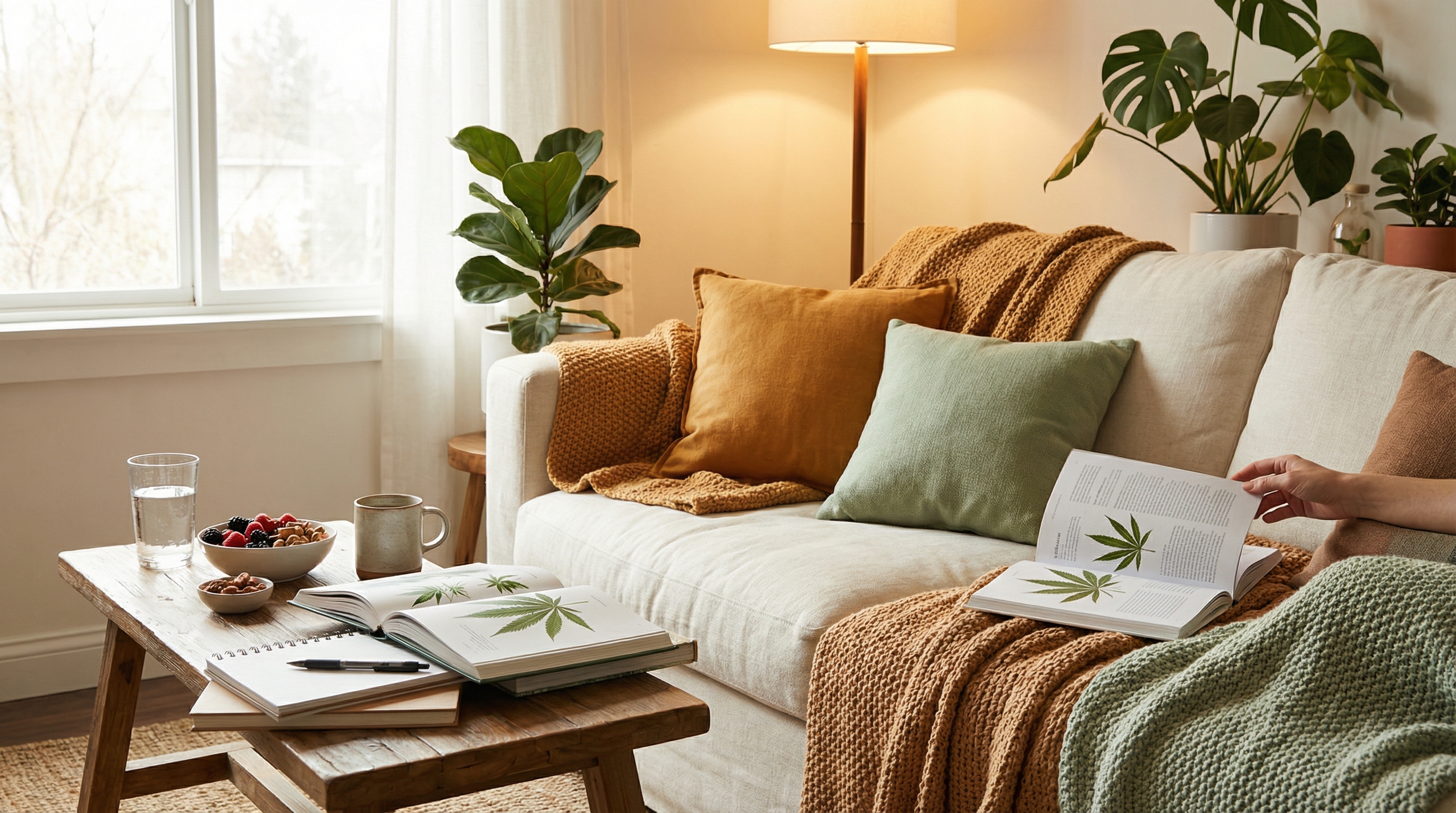
The method you choose for your first time matters more than you might think. Here’s a breakdown of the most common options:
Inhalation (Smoking or Vaping)
- Onset: Effects begin within minutes
- Duration: Typically 1-3 hours
- Control: Easier to gauge your response and stop when comfortable
Edibles
- Onset: 30 minutes to 2 hours (sometimes longer)
- Duration: 4-8 hours
- Control: More difficult for beginners due to delayed onset
Pro Tip: For your first time, inhalation methods offer more control because you’ll feel the effects quickly and can decide whether to continue. Edibles are wonderful but require more patience and experience to dose properly.
What About CBD?
If you’re nervous about the psychoactive effects, consider starting with a balanced THC:CBD product. CBD (cannabidiol) may help moderate THC’s intensity, potentially creating a gentler introduction. Some first-timers even start with CBD-only products to get comfortable with the ritual before adding THC.
The Golden Rules of Dosing
Here’s where many first-timers go wrong: taking too much, too fast. Cannabis is remarkably safe, but overconsumption can lead to uncomfortable experiences like anxiety or paranoia.
Start low, go slow. This isn’t just a catchy phrase—it’s the most important advice you’ll receive.
Practical Dosing Guidelines
| Method | Beginner Dose | Wait Time Before More |
|---|---|---|
| Smoking/Vaping | 1-2 small puffs | 15-20 minutes |
| Edibles | 2.5-5mg THC | 2 hours minimum |
| Tinctures | 2.5-5mg THC | 45-60 minutes |
You can always take more, but you can’t take less. Give your body time to respond before deciding you need additional consumption.
Setting the Stage: Environment Matters
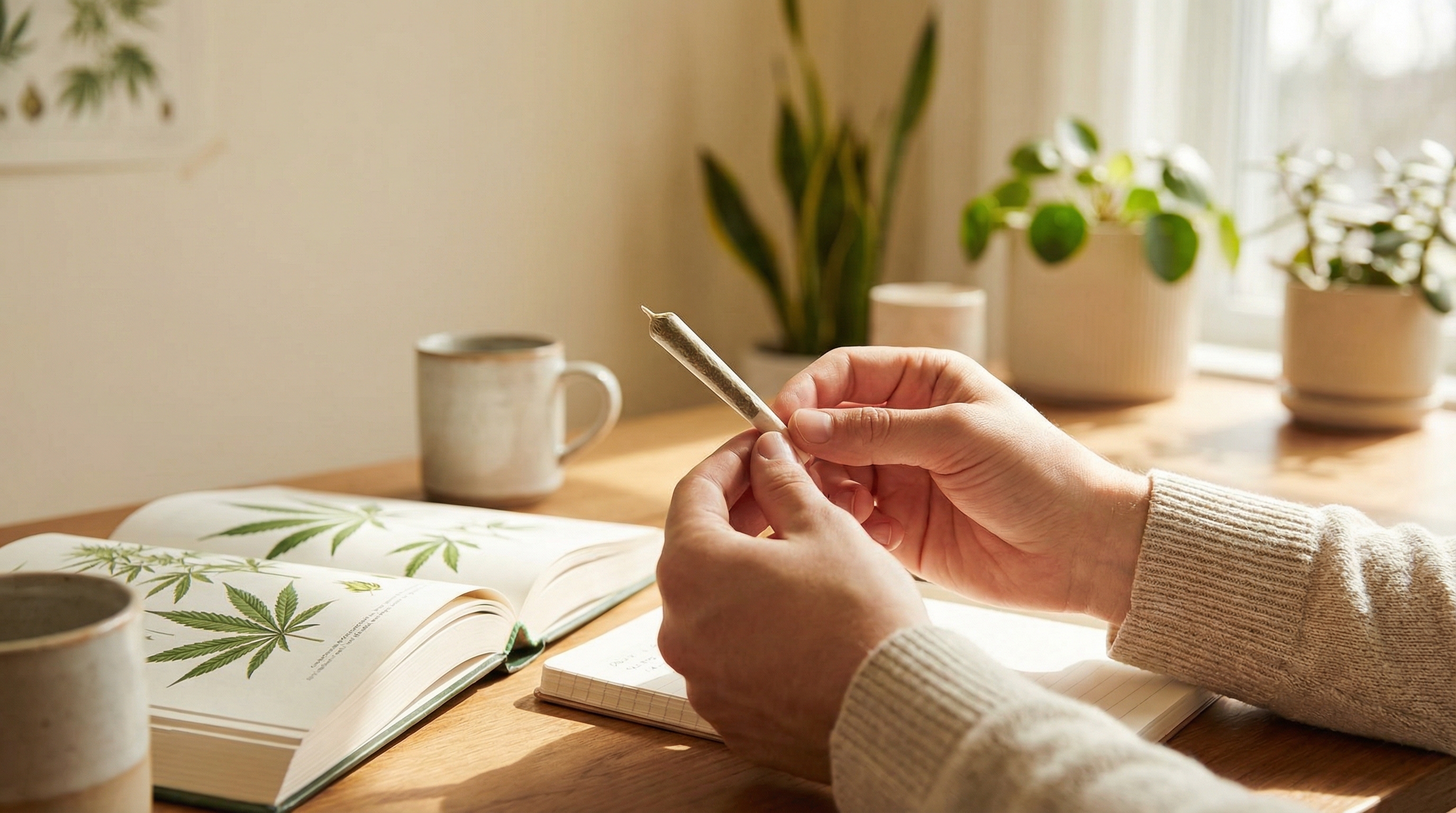
Your surroundings and mental state—often called “set and setting”—significantly influence your experience. Here’s how to optimize both:
Create a Comfortable Physical Space
- Choose somewhere you feel safe and relaxed
- Have water and light snacks available
- Ensure you have comfortable seating
- Keep the temperature pleasant
- Have entertainment options ready (music, movies, games)
Prepare Your Mindset
- Don’t consume when stressed, anxious, or in a negative headspace
- Clear your schedule—you shouldn’t have obligations for several hours
- Approach the experience with curiosity rather than expectation
The Buddy System
Having a trusted friend present—especially someone experienced with cannabis—provides both safety and reassurance. If everyone is new to cannabis, consider having one person remain sober as a “trip sitter.”
What to Expect During Your Experience
Everyone’s first time is different, but here are some common effects you might notice:
Physical sensations:
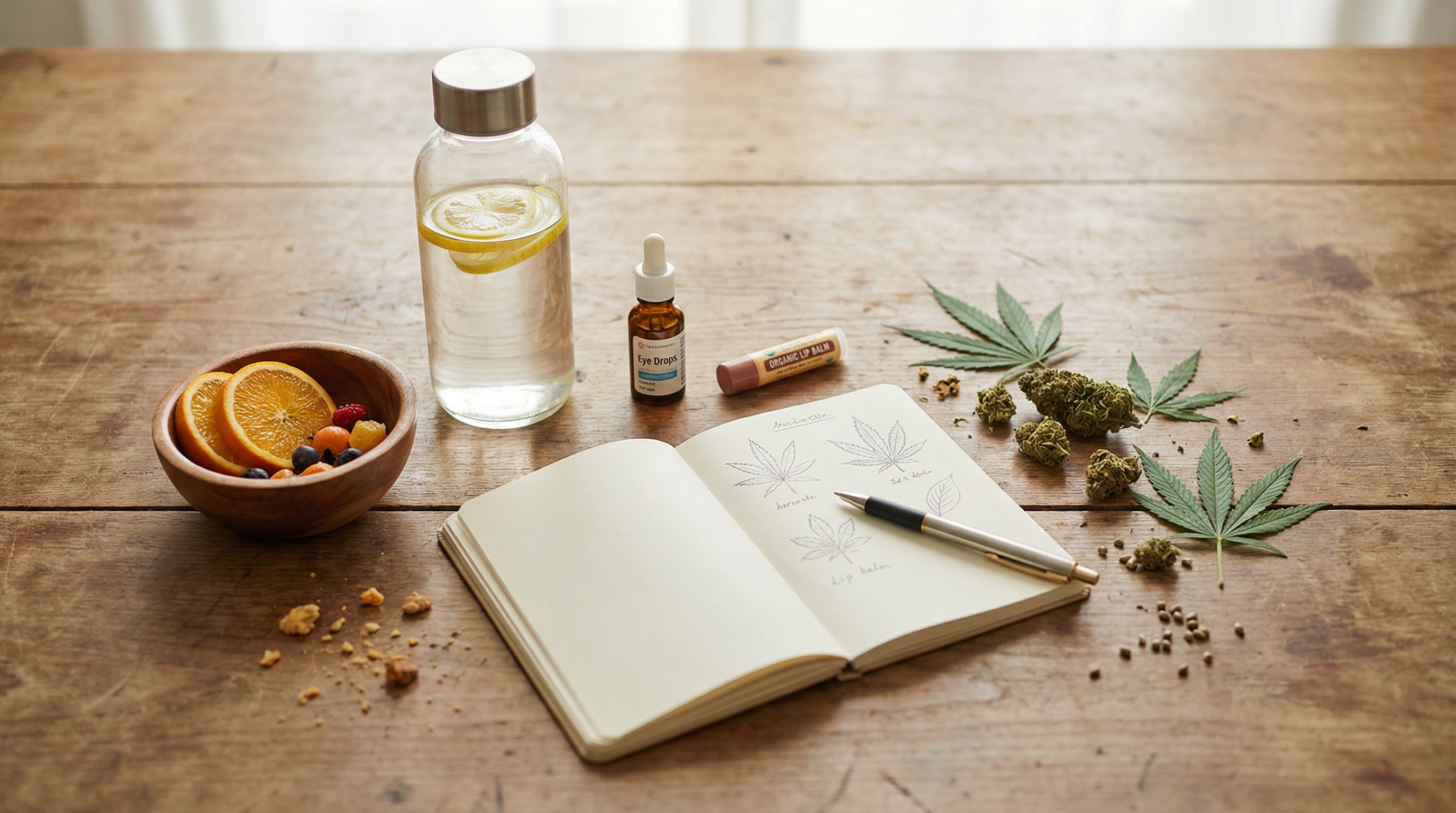
- Dry mouth (“cottonmouth”)
- Red or dry eyes
- Increased appetite
- Altered sense of time
- Relaxed muscles
Mental and emotional effects:
- Heightened sensory perception (music sounds better, food tastes amazing)
- Giggly or euphoric mood
- Creative or introspective thoughts
- Feeling more present in the moment
If You Feel Uncomfortable
Even with careful preparation, you might feel anxious or overwhelmed. Here’s what helps:
- Remind yourself it’s temporary—the effects will pass
- Focus on your breathing—slow, deep breaths
- Change your environment—move to a different room, go outside
- Hydrate and have a snack—simple self-care helps
- CBD may help—some find it moderates THC’s effects
- Talk to your buddy—verbalize what you’re feeling
Black pepper is a folk remedy some swear by—the terpenes in peppercorns may help counteract anxiety. Chew a few peppercorns or simply smell ground black pepper.
After Your First Experience
Once the effects have worn off, take some time to reflect:
- How did you feel physically and emotionally?
- Was the dose appropriate, or would you adjust next time?
- What aspects of the setting worked well?
- Would you try a different method or product?
Many people don’t feel much their first time—this is completely normal. Your endocannabinoid system may need a session or two to fully respond. Don’t be discouraged if your first experience is subtle.
Final Thoughts
Your first cannabis experience should be approached with the same intentionality you’d bring to trying any new substance—respect, preparation, and self-awareness. There’s no rush to become an expert overnight.
Remember: cannabis affects everyone differently, and finding what works for you is a personal journey. Start low, go slow, stay hydrated, and surround yourself with good company and comfortable vibes.
Welcome to the community—we’re glad you’re here.


