How to Find Your Ideal THC to CBD Ratio: Step-by-Step Guide
Learn to find your perfect THC to CBD ratio with this step-by-step guide. Dial in your cannabis experience from beginner to advanced.

Goal & Overview
Finding your ideal THC to CBD ratio is one of the most impactful things you can do to improve your cannabis experience. Whether you’re looking for deep relaxation, creative energy, or gentle relief without overwhelming psychoactivity, the balance between these two cannabinoids shapes everything about how cannabis makes you feel.
In this guide, you’ll learn how to systematically discover the THC:CBD ratio that works best for your body, your goals, and your tolerance level. We’ll walk through the process step by step—from understanding what ratios mean to running your own personal experiments with a journal-based approach.
- Difficulty level: Beginner-friendly (with advanced tips)
- Time needed: 2–4 weeks of mindful experimentation
- What you’ll accomplish: A personalized THC:CBD ratio you can confidently use when selecting products
What You’ll Need
Required
- A cannabis journal (notebook or app like Goldleaf or Strainprint)
- Access to at least 3 products with different THC:CBD ratios (e.g., 1:0, 1:1, 1:3)
- A milligram-level understanding of the products you’re using (check labels for cannabinoid content)
- A consistent environment for testing (same time of day, similar meals, similar setting)
Optional
- A kitchen scale for flower measurements
- A trusted friend or “trip sitter” for higher-THC experiments
- Access to a dispensary with knowledgeable budtenders
- Lab-tested products with full cannabinoid and terpene profiles
Safety Essentials
- Start with low doses (2.5–5 mg THC or less)
- Keep water and snacks nearby
- Have CBD isolate or high-CBD flower on hand—CBD may help moderate an overly intense THC experience [Niesink & van Laar, 2013]
- Never drive or operate machinery while experimenting
Step-by-Step Instructions
Step 1: Understand What THC:CBD Ratios Actually Mean
Before you experiment, let’s make sure the numbers make sense. A THC:CBD ratio describes the relative proportion of each cannabinoid in a product.
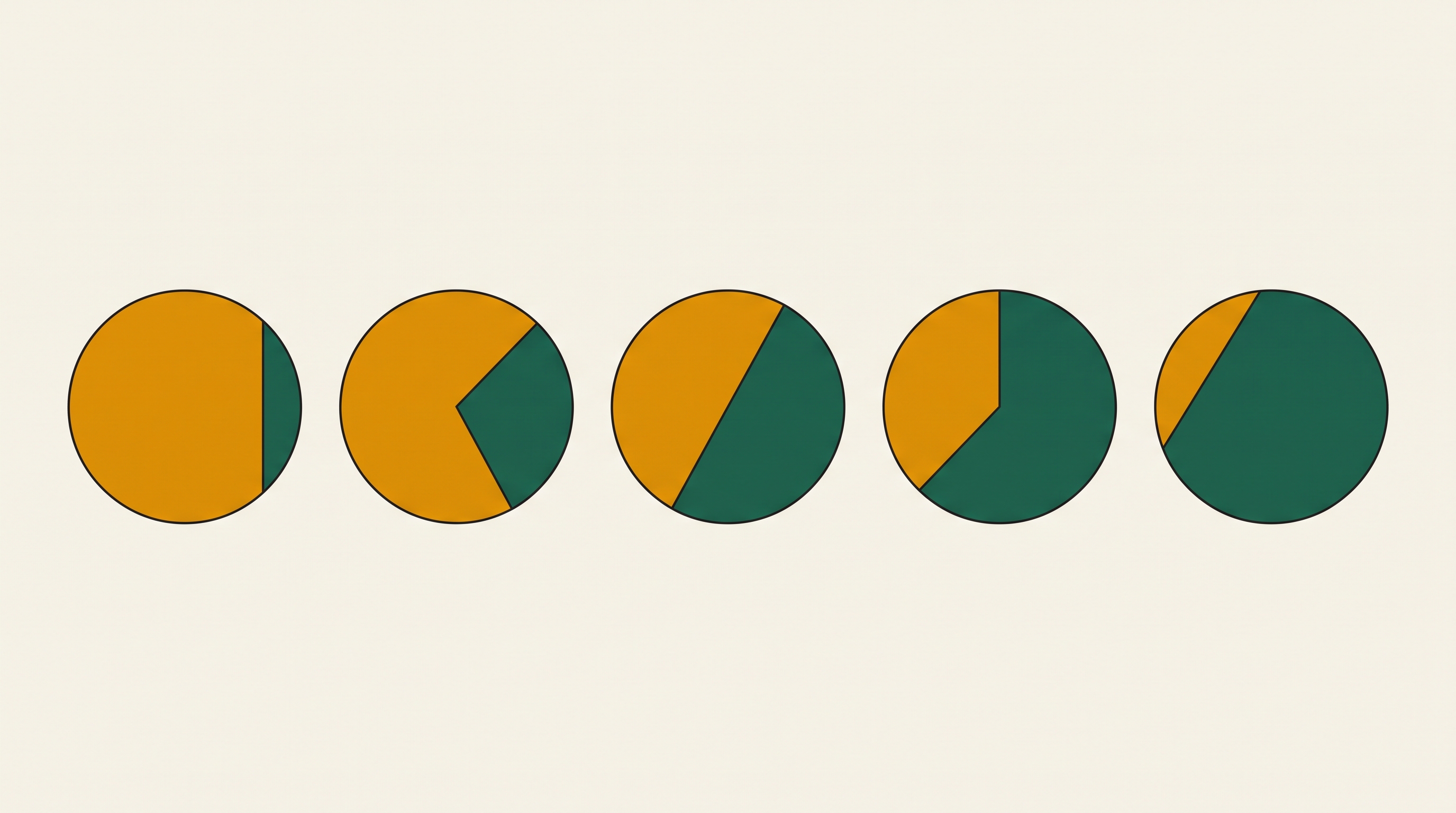
- 1:0 (THC only) — Full psychoactive experience, no CBD buffering
- 2:1 (more THC than CBD) — Noticeable high with some CBD modulation
- 1:1 (equal parts) — Balanced effects; many people find this a “sweet spot”
- 1:2 or 1:3 (more CBD than THC) — Mild psychoactivity, more body-focused
- 0:1 (CBD only) — No high; some people report calm and physical comfort
Research suggests that CBD may modulate THC’s psychoactive effects by interacting with the endocannabinoid system through different mechanisms than THC alone [Russo & Guy, 2006]. This is why the ratio matters so much—it’s not just about how much THC you consume, but how CBD may shape that experience.
Tip: The same ratio can feel different at different doses. A 5mg THC / 5mg CBD edible (1:1) may feel very different from a 50mg/50mg edible. Ratio and dose work together.
Step 2: Identify Your Experience Goals
Grab your journal and write down what you’re looking for. Be specific. Here are some common goals mapped to our High Families:
| Your Goal | Suggested Starting Ratio | Relevant High Family |
|---|---|---|
| Social energy, mood boost | 2:1 or 1:1 | Uplifting High |
| Creative focus, productivity | 2:1 or 3:1 | Energetic High |
| Deep relaxation, sleep | 1:1 or 1:2 | Relaxing High |
| Gentle introduction, minimal high | 1:3 or 1:8 | Balancing High |
| Physical comfort, body focus | 1:1 or 1:2 | Relieving High |
These are starting points, not prescriptions. Your endocannabinoid system is unique, and factors like genetics, tolerance, metabolism, and even your gut microbiome may influence how you respond [Smith et al., 2020].
Tip: If you’re brand new to cannabis, starting with a CBD-dominant ratio like 1:3 or 1:8 may be more comfortable. You can always increase THC later—you can’t un-take it.
Step 3: Choose Your Testing Products
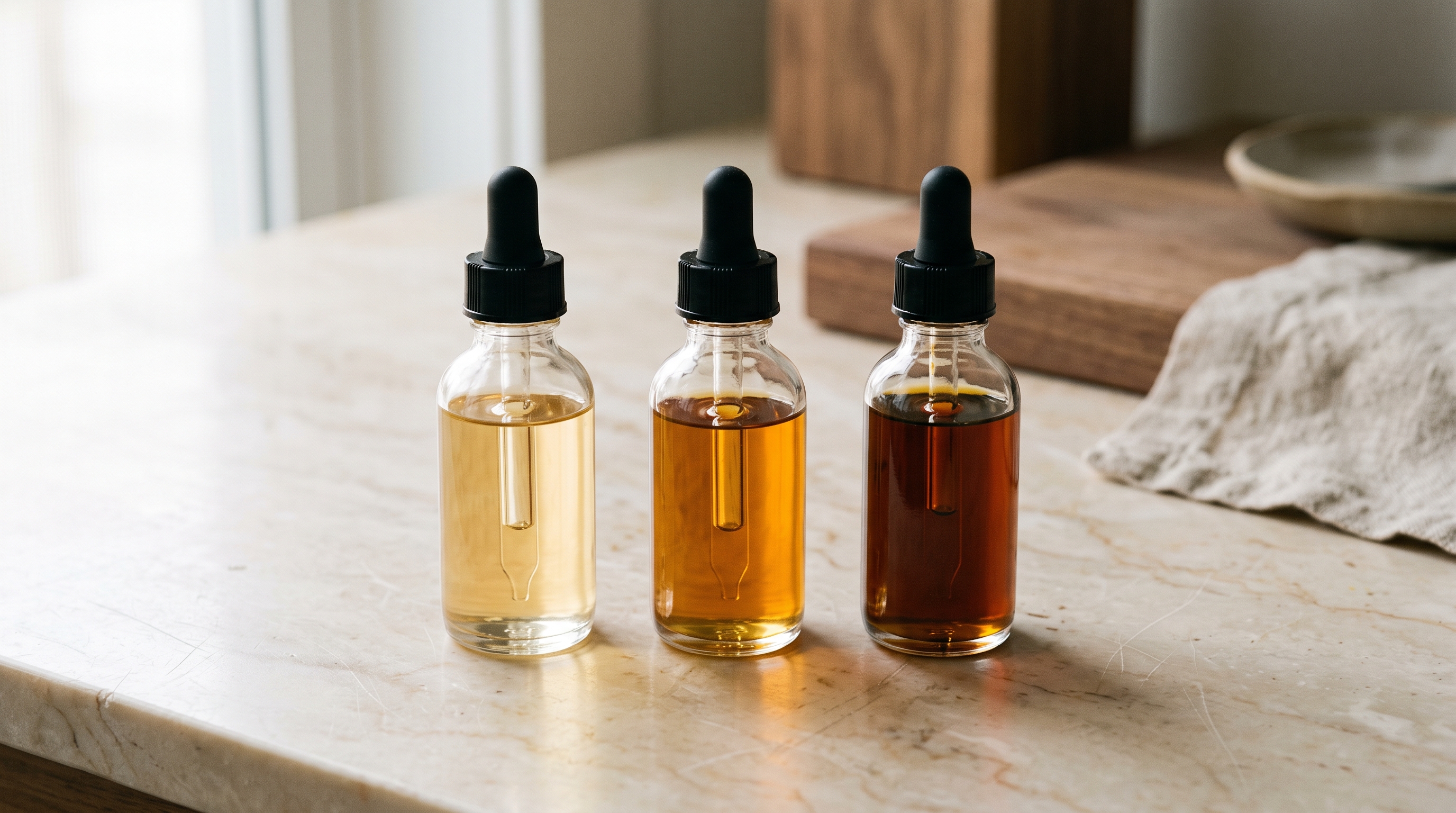
Visit a licensed dispensary and select three products across a ratio spectrum. Tinctures and edibles are ideal for this process because they offer precise, measurable dosing.
A good starter kit might look like:
- High-CBD: A 1:4 tincture (e.g., 5mg THC / 20mg CBD per serving)
- Balanced: A 1:1 tincture or gummy (e.g., 5mg THC / 5mg CBD)
- THC-forward: A 2:1 product (e.g., 10mg THC / 5mg CBD)
Important: Using products from the same consumption method throughout your testing is generally recommended. Switching between edibles, vapes, and tinctures introduces too many variables—onset time, bioavailability, and duration all differ dramatically.
Step 4: Run Your Personal Experiment
This is where the journal becomes essential. Test one ratio per session, with at least 48 hours between sessions to avoid tolerance buildup.
For each session, record:
- Date and time
- Product and exact dose (in milligrams of each cannabinoid)
- Setting (home, social, outdoors)
- Food/hydration in the prior 2 hours
- Effects at 30 min, 1 hour, 2 hours, and 3 hours: mood, body sensation, mental clarity, energy level
- Overall rating (1–10 for enjoyment and functionality)
- Any unwanted effects (anxiety, drowsiness, dry mouth)
Running through each of your three products at least twice may help confirm whether your results are consistent.
Tip: Rating your effects on specific dimensions rather than just “good” or “bad” can reveal useful patterns. You might find that a 1:1 ratio scores high on relaxation but low on focus—useful data for matching ratios to activities.
Step 5: Analyze and Refine
After 6+ sessions, review your journal. Look for patterns:
- Which ratio scored highest for your primary goal?
- Did any ratio consistently produce unwanted effects?
- Was there a “Goldilocks” dose within your preferred ratio?
If your ideal ratio falls between two of your test products (say, 1:1 felt too strong but 1:3 felt too mild), you can blend tinctures to create custom ratios like 1:2. Many experienced users keep both a THC and a CBD tincture on hand and mix to taste.
Pro Tips
Layer your cannabinoids. Some experienced users take a baseline CBD dose daily and add THC as needed. This “CBD foundation” approach may help maintain more consistent effects since CBD may build up in your system over time [Millar et al., 2019].
Consider terpenes as the third variable. Your ratio is only part of the equation. A 1:1 product rich in limonene (part of the Uplifting High family) will likely feel noticeably different from a 1:1 product dominated by myrcene (a Relaxing High hallmark). Once you’ve nailed your ratio, paying attention to terpene profiles may give you even more precision.
Time of day matters. Many people report preferring higher CBD ratios during the day for functionality and shift toward more balanced or THC-forward ratios in the evening. Your ideal ratio might not be a single number—it could be a range that shifts with your schedule.
Microdosing changes the game. At very low doses (1–2.5 mg THC), even THC-dominant ratios may feel functional and clear-headed. You might not need high CBD content for daytime use—you might just need less THC.
Troubleshooting
| Problem | Likely Cause | Solution |
|---|---|---|
| Feeling anxious or paranoid | THC dose too high for your tolerance | Drop to a higher-CBD ratio (1:2 or 1:3); reduce total dose by 50% |
| No noticeable effects | Dose too low, or CBD-dominant ratio | Increase dose slightly (by 2.5 mg THC); try a more balanced ratio |
| Too sleepy/couch-locked | High myrcene content or too much THC | Try a ratio with less THC; look for products with energizing terpenes like terpinolene |
| Inconsistent results session to session | Variables not controlled (food, timing, stress) | Standardize your testing conditions; eat similar meals beforehand |
| Edibles hit too hard after 2 hours | Delayed onset led to re-dosing | Wait a full 2–3 hours before taking more; set a timer |
| Dry mouth or red eyes | Normal cannabinoid side effects | Stay hydrated; use eye drops; not a ratio issue |
Variations
For vape users: The same ratio principles apply, but effects tend to come on faster (1–5 minutes) and fade quicker. Taking one puff, waiting 10 minutes, and assessing before taking more is generally a good approach. Journal entries should track effects at 5, 15, 30, and 60 minutes instead.
For flower enthusiasts: Precise ratios are harder with flower, but you can blend strains. Mixing a high-CBD hemp flower with your favorite THC-dominant strain may approximate different ratios. A 50/50 grind creates a roughly balanced blend.
For topical use: THC:CBD ratios in topicals work differently since cannabinoids generally don’t reach the bloodstream through skin. Most topical users report that higher-CBD formulations work well, but some experimentation may still help.
A note on changing needs: Your preferred ratio today may shift over time as your tolerance, lifestyle, and goals evolve. Revisiting this process periodically—or whenever cannabis isn’t feeling the way you’d like—may help you recalibrate.
Key Takeaways
Finding your ideal THC:CBD ratio is a personal process that typically takes a few weeks of structured experimentation. The main principles to keep in mind:
- Ratio and dose are separate variables—both affect your experience
- Start CBD-dominant if you’re new; you can always add more THC
- Keep a journal—patterns aren’t visible without data
- Tinctures and edibles give you the most control for testing
- Your ideal ratio may shift depending on time of day, activity, and tolerance
There is no single “best” ratio—there’s only the ratio that works best for you, right now. The five steps in this guide give you a reliable framework for finding it.
Sources
Millar, S.A., Stone, N.L., Bellman, Z.D., Yates, A.S., England, T.J., & O’Sullivan, S.E. (2019). “A systematic review of cannabidiol dosing in clinical populations.” British Journal of Clinical Pharmacology, 85(9), 1888–1900. PMID: 31222854
Niesink, R.J.M., & van Laar, M.W. (2013). “Does cannabidiol protect against adverse psychological effects of THC?” Frontiers in Psychiatry, 4, 130. PMID: 24137134
Russo, E.B., & Guy, G.W. (2006). “A tale of two cannabinoids: The therapeutic rationale for combining tetrahydrocannabinol and cannabidiol.” Medical Hypotheses, 66(2), 234–246. PMID: 16209908
Smith, C.J., Vergara, D., Keegan, B., & Jikomes, N. (2020). “The phytochemical diversity of commercial cannabis in the United States.” bioRxiv. DOI: 10.1101/2020.02.28.963009


