Cannabis and Inflammation: The Complete Molecular Science
How cannabinoids and terpenes modulate inflammation at the molecular level—NF-kB, COX-2, cytokines, CB2 receptors, and what the latest research reveals.

Updated April 2026: Added 2025 rheumatoid arthritis clinical data (CBD-X extract), new NLRP3/HIV research, terpene pain relief via adenosine A2A receptors, and links to our caryophyllene, bisabolol, and pain management guide.
Every second of every day, your body is managing a silent war. Your immune system deploys microscopic soldiers—proteins, enzymes, and signaling molecules—to fight off invaders, repair damaged tissue, and keep you alive. Inflammation is a critical weapon in that arsenal. But what happens when the weapon turns on the body it’s supposed to protect?
Chronic inflammation has become one of the most studied phenomena in modern medicine. It’s implicated in conditions ranging from arthritis and cardiovascular disease to neurodegenerative disorders and metabolic syndrome [Furman et al., 2019]. And for thousands of years, humans have turned to the cannabis plant for relief—long before anyone understood why it seemed to work.
Today, molecular science is catching up to that ancient intuition. Researchers have discovered that the human body contains an entire signaling network—the endocannabinoid system (ECS)—that plays a central role in regulating immune responses and inflammation. The compounds in cannabis, including cannabinoids like THC and CBD and terpenes like beta-caryophyllene and myrcene, interact with this system in remarkably specific ways.
This article is your deep dive into the molecular science behind cannabis and inflammation. We’ll explore how inflammation actually works at the cellular level, how the endocannabinoid system modulates it, what specific cannabinoids and terpenes do to inflammatory pathways, and what the latest peer-reviewed research tells us. By the end, you’ll understand not just that cannabis may influence inflammation, but how—molecule by molecule, receptor by receptor.
A quick but important note: Nothing in this article constitutes medical advice. We’re exploring the science, not prescribing treatments. If you’re dealing with a chronic inflammatory condition, work with a healthcare provider.
Understanding Inflammation: Your Body’s Double-Edged Sword
Before we can understand how cannabis interacts with inflammation, we need to understand inflammation itself. It’s more nuanced than most people realize.
Acute vs. Chronic Inflammation
Acute inflammation is the good kind. You cut your finger, and within seconds your body launches a coordinated response: blood vessels dilate, immune cells rush to the site, and signaling molecules called cytokines orchestrate the cleanup. You see redness, swelling, heat, and pain—the classic signs described by the Roman physician Celsus nearly 2,000 years ago. This process is essential for survival. Without it, a simple paper cut could become a lethal infection.
Chronic inflammation is the problematic kind. Imagine your body’s fire alarm going off continuously, even when there’s no fire. Instead of a targeted, short-lived response, your immune system stays activated for weeks, months, or years. This sustained low-grade inflammation damages healthy tissue over time and is now recognized as a driver of many of the most prevalent chronic diseases of modern life [Medzhitov, 2008].
The key molecular players in this process are:
- Cytokines: Signaling proteins like TNF-α (tumor necrosis factor alpha), IL-6 (interleukin-6), and IL-1β (interleukin-1 beta) that recruit immune cells and amplify inflammatory signals
- Prostaglandins: Lipid compounds produced by the enzyme COX-2 (cyclooxygenase-2) that contribute to pain and swelling at injury sites
- NF-κB: A master transcription factor—think of it as the “on switch” for dozens of inflammatory genes simultaneously
- NLRP3 Inflammasome: A protein complex that acts as a molecular alarm, activating IL-1β and IL-18 in response to danger signals
- Immune cells: Including macrophages, T-cells, and microglia (the brain’s resident immune cells) that execute the inflammatory response
Traditional anti-inflammatory drugs like ibuprofen work by blocking COX enzymes. Corticosteroids suppress NF-κB activity. But these approaches come with well-documented side effects with long-term use, which is part of why researchers have turned their attention to the endocannabinoid system—a regulatory network that appears to modulate inflammation through multiple, more nuanced pathways.

The Endocannabinoid System: Your Body’s Built-In Regulator
Here’s a fact that surprises many people: your body produces its own cannabis-like molecules. The endocannabinoid system (ECS) was discovered in the early 1990s by researchers studying how THC produces its effects [Devane et al., 1992]. What they found was an entire signaling system that had been operating in the human body long before anyone smoked a joint.
The Core Components
Think of the ECS as a thermostat for biological balance, or homeostasis. It has three main components:
-
Endocannabinoids: Your body’s own cannabinoids. The two primary ones are anandamide (AEA)—sometimes called the “bliss molecule”—and 2-arachidonoylglycerol (2-AG). These are produced on demand—your body synthesizes them when and where they’re needed, rather than storing them like most signaling molecules.
-
Receptors: The “locks” that endocannabinoids (and plant cannabinoids) bind to. The two most studied are:
- CB1 receptors: Concentrated in the brain and central nervous system, governing psychoactive effects and central pain modulation
- CB2 receptors: Found predominantly on immune cells, in the spleen, and in the gastrointestinal tract—and critically relevant to inflammation
-
Enzymes: The cleanup crew. FAAH (fatty acid amide hydrolase) breaks down anandamide, and MAGL (monoacylglycerol lipase) breaks down 2-AG after they’ve done their job.
The ECS and Immune Regulation
Here’s where it gets fascinating for our inflammation discussion. CB2 receptors are densely expressed on virtually every type of immune cell—macrophages, T-cells, B-cells, natural killer cells, monocytes, and microglia [Turcotte et al., 2016]. This is not coincidental. The ECS appears to be one of the body’s primary mechanisms for fine-tuning immune responses.
When endocannabinoids bind to CB2 receptors on immune cells, they generally produce an immunomodulatory effect—meaning they help regulate and often dampen excessive immune activity. Specifically, CB2 activation has been shown in preclinical research to:
- Reduce the production of pro-inflammatory cytokines like TNF-α, IL-6, and IL-1β
- Inhibit immune cell migration to sites of inflammation
- Promote the release of anti-inflammatory cytokines like IL-10
- Suppress NF-κB activation, reducing the transcription of dozens of inflammatory genes [Nagarkatti et al., 2009]
This is a crucial distinction: the ECS doesn’t simply “turn off” inflammation. It modulates it—dialing it up or down as needed. This is why researchers find the system so compelling as a therapeutic target. Rather than the blunt suppression of traditional anti-inflammatory drugs, ECS modulation may offer more precise immune regulation with fewer systemic consequences.
How Cannabinoids Interact with Inflammatory Pathways
Now let’s look at how the specific compounds in cannabis—the phytocannabinoids—interact with these inflammatory mechanisms. Each major cannabinoid has a distinct mechanism of action, which is why their effects can differ so substantially.
THC (Δ9-Tetrahydrocannabinol)
THC is the primary psychoactive compound in cannabis, but it’s also a potent immunomodulator. THC binds to both CB1 and CB2 receptors, though its affinity for CB1 is what produces the high. Its anti-inflammatory effects appear to operate through several mechanisms:
- CB2-mediated cytokine suppression: THC activates CB2 receptors on immune cells, reducing production of TNF-α, IL-6, and IL-1β [Klein, 2005]
- T-cell apoptosis: In laboratory studies, THC has been shown to induce programmed cell death in certain activated T-cells, potentially reducing autoimmune-driven inflammation [Lombard et al., 2007]
- Th1/Th2 immune balance shift: The immune system has two major branches of helper T-cells. Th1 responses drive cellular inflammation; Th2 responses are associated with anti-inflammatory and regulatory activity. THC appears to shift the balance toward Th2 [Yuan et al., 2012]
However, THC’s immunosuppressive properties are dose-dependent and context-dependent. At very low doses, some research suggests THC may have mild pro-inflammatory effects—a phenomenon known as a biphasic response [Katchan et al., 2016]. This is one reason why dosing considerations matter more for inflammation than for other use cases.
CBD (Cannabidiol)
CBD has attracted enormous research interest for inflammation, in part because it produces no intoxication. Its mechanisms are different from THC and, in some ways, more complex and multi-targeted:
- FAAH inhibition: CBD may slow the breakdown of anandamide by inhibiting the FAAH enzyme, effectively increasing your body’s own endocannabinoid levels [Bisogno et al., 2001]
- PPARγ activation: CBD activates peroxisome proliferator-activated receptor gamma, a nuclear receptor that directly suppresses the transcription of inflammatory genes [O’Sullivan, 2016]
- Adenosine signaling: CBD appears to enhance signaling through adenosine A2A receptors, which carry well-established anti-inflammatory effects [Carrier et al., 2006]
- NF-κB suppression: Multiple peer-reviewed studies have shown CBD reduces NF-κB activation in macrophages, T-cells, and other immune cell types [Kozela et al., 2010]
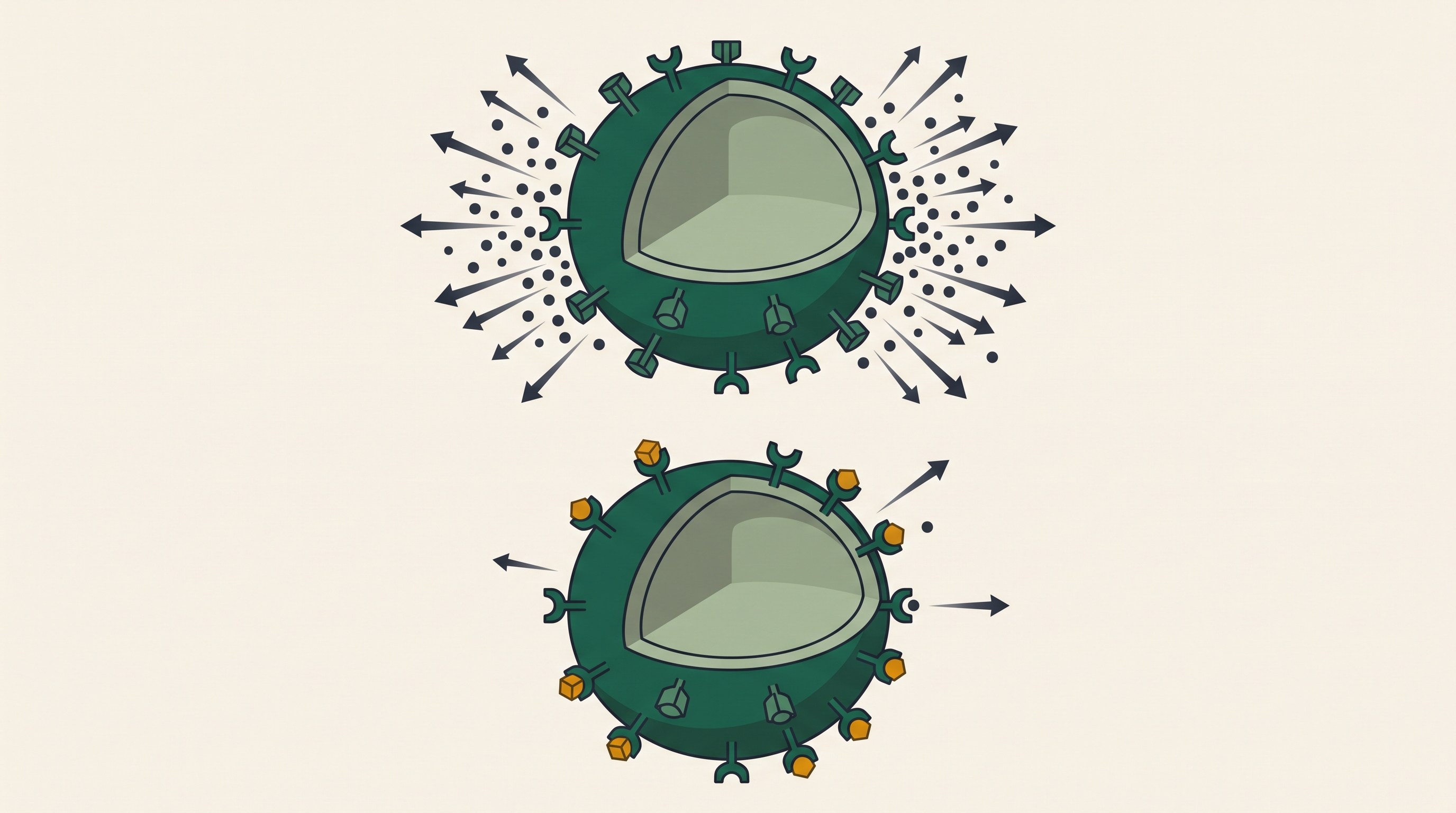
- NLRP3 inflammasome blockade: A 2024 review in Inflammation Research identified CBD’s ability to suppress the NLRP3 inflammasome as one of its most significant anti-inflammatory mechanisms—directly blocking the assembly of this molecular alarm complex that triggers IL-1β production [Chu et al., 2024]
That last finding is particularly significant. The NLRP3 inflammasome is implicated in conditions including gout, atherosclerosis, type 2 diabetes, Alzheimer’s disease, and various autoimmune disorders. A compound that can modulate NLRP3 signaling without severe immunosuppression would be clinically valuable—which is precisely why CBD continues to attract research funding.
Other Notable Cannabinoids
The cannabis plant produces over 100 cannabinoids beyond THC and CBD, and several others show meaningful anti-inflammatory potential in early research:
| Cannabinoid | Key Mechanism | Notable Research Finding |
|---|---|---|
| CBG (Cannabigerol) | NF-κB inhibition, nitric oxide reduction | Reduced inflammation in mouse models of inflammatory bowel disease [Borrelli et al., 2013] |
| CBC (Cannabichromene) | TRPA1 activation, prostaglandin suppression | Anti-inflammatory effects without direct CB receptor binding [De Petrocellis et al., 2011] |
| THCV (Tetrahydrocannabivarin) | CB2 agonism at certain doses | Reduced inflammation and pain in mouse models [Bolognini et al., 2010] |
| CBN (Cannabinol) | Mild CB2 partial agonism | Preliminary anti-inflammatory activity in preclinical studies; research ongoing |
The breadth of anti-inflammatory activity across structurally diverse cannabinoids suggests that the cannabis plant may have evolved to produce a suite of compounds that engage the ECS in overlapping, complementary ways.
The Terpene Factor: Beyond Cannabinoids
If you’ve been following the science covered on this site, you know that cannabinoids don’t work alone. Terpenes—the aromatic compounds responsible for cannabis’s diverse smells and flavors—have their own significant interactions with inflammatory pathways. This is a relatively recent area of serious scientific interest, and the findings are striking.
Beta-Caryophyllene: The Dietary Cannabinoid
Beta-caryophyllene (BCP) deserves special attention. This terpene, also found in black pepper, cloves, and rosemary, is unique among terpenes because it directly binds to CB2 receptors—making it, functionally, a dietary cannabinoid [Gertsch et al., 2008]. This is remarkable: a terpene that activates the same immune-regulating receptor targeted by THC, but without any psychoactive effects because it has no meaningful CB1 affinity.
A landmark 2024 study published in Pharmaceuticals investigated the anti-inflammatory properties of CBD and BCP both individually and in combination, using an LPS-stimulated macrophage model [PMC11055086, 2024]. The findings showed that both compounds reduced TNF-α, IL-1β, and IL-6 production, and that BCP’s anti-inflammatory effects were reversed by a CB2 receptor antagonist—confirming that its mechanism is CB2-dependent. Critically, when CBD and BCP were tested in combination, they demonstrated complementary anti-inflammatory activity across different molecular targets simultaneously.
Additional research on BCP’s anti-inflammatory properties includes:
- Reduction of TNF-α and IL-1β production in macrophages via CB2 activation [Bento et al., 2011]
- Attenuation of inflammatory pain in mouse models through CB2-dependent mechanisms [Klauke et al., 2014]
- Protective effects against neuroinflammation in preclinical Alzheimer’s models, suggesting potential relevance for neuroinflammatory conditions [Cheng et al., 2014]
Strains belonging to the Relieving High family are characterized by high BCP content alongside other body-focused terpenes. This makes molecular sense: CB2 activation on peripheral immune cells and sensory neurons would be expected to produce exactly the kind of physical comfort and tension relief these strains are known for.
Myrcene
Myrcene, the most abundant terpene in many cannabis varieties, has demonstrated anti-inflammatory activity through mechanisms distinct from BCP. It appears to work primarily through prostaglandin E2 suppression and inhibition of nitric oxide production by activated macrophages [Souza et al., 2003]. Because prostaglandins are the same class of compounds targeted by ibuprofen and naproxen (the NSAIDs), myrcene’s ability to suppress prostaglandin synthesis provides a familiar anti-inflammatory rationale. Myrcene-dominant strains are commonly found in the Relaxing High family, and the deep physical relaxation users report may be at least partly attributable to myrcene’s interaction with these prostaglandin-dependent pain and inflammation pathways.
Limonene
Limonene, the bright citrus-scented terpene found in many energizing cannabis varieties, has shown anti-inflammatory effects through NF-κB suppression and reduction of IL-6 production in preclinical models [d’Alessio et al., 2013]. Interestingly, limonene also appears to enhance the absorption of other compounds through biological membranes—a property that may amplify the effects of co-present cannabinoids and terpenes.
Alpha-Pinene
Alpha-pinene, the sharp, forest-scented terpene common in many Focus High strains, has been studied for its anti-inflammatory properties including inhibition of NF-κB and reduction of COX-2 expression. Pinene also appears to inhibit the acetylcholinesterase enzyme, which may help counteract short-term memory effects sometimes associated with THC—an example of terpenes modulating cannabinoid side effects as well as independent inflammatory pathways.
Bisabolol and Humulene
Two additional terpenes deserve mention for inflammation. Alpha-bisabolol, the gentle chamomile-scented terpene, emerged as a top predictor of pain relief in a 2025 machine-learning analysis of medical cannabis outcomes published in Communications Medicine—outperforming both THC and CBD as a predictive variable [Hatav et al., 2025]. Humulene, found in hops and cannabis, has demonstrated anti-inflammatory effects comparable to dexamethasone in preclinical models without the appetite-stimulating effects of most cannabinoids.
Terpenes as Cannabimimetics: A New Mechanism
A March 2025 study in Neuroscience Letters revealed that cannabis terpene blends produce pain relief through an entirely unexpected pathway: activation of adenosine A2A receptors [Schwarz et al., 2025]. This is significant because adenosine signaling is a well-established anti-inflammatory mechanism—and it means terpenes can modulate inflammation through pathways entirely independent of the endocannabinoid system. This discovery adds a new row to the mechanisms table and helps explain why terpene-rich cannabis preparations often outperform isolated cannabinoids for inflammatory conditions.
The Entourage Effect and Inflammation
This brings us to the entourage effect—the concept that cannabis compounds work synergistically, producing effects that exceed what any single isolated compound achieves alone [Russo, 2011]. In the context of inflammation, this concept has particularly strong molecular support.
Consider the simultaneous action: CBD increases endocannabinoid levels by inhibiting FAAH and blocks NLRP3 inflammasome assembly. Beta-caryophyllene activates CB2 receptors directly. Myrcene suppresses prostaglandin production. Limonene inhibits NF-κB transcription. Alpha-pinene reduces COX-2 expression. When these compounds are present together—as they are in whole-plant cannabis—they engage inflammation through multiple simultaneous pathways, potentially achieving broader modulation with lower concentrations of any individual compound required.
This is the molecular rationale behind recommending full-spectrum cannabis products over isolated compounds for inflammation-related purposes. Single-molecule approaches leave most of this network untouched.

What the Clinical Research Actually Shows
The mechanistic picture above is compelling, but mechanisms observed in cell cultures and animal models don’t automatically translate to human clinical outcomes. What does the actual clinical research on cannabis and inflammation demonstrate?
Arthritis and Joint Inflammation
Rheumatoid arthritis (RA) and osteoarthritis (OA) represent two of the most studied inflammatory conditions in cannabis research. A systematic review published in Current Opinion in Rheumatology examined the evidence base and found that while preclinical data supporting cannabinoid efficacy is robust, high-quality randomized controlled trials in humans remain limited in number [McDougall & Muller, 2017]. Several smaller trials have shown pain reduction—consistent with anti-inflammatory mechanisms—but larger confirmatory studies are still needed.
A 2025 study published in Frontiers in Immunology provided some of the strongest evidence yet: a high-CBD extract (CBD-X) inhibited secretion of pro-inflammatory cytokines IL-1β, IL-8, IL-6, and TNF-α from human neutrophils, attenuated NF-κB p65 and Akt phosphorylation, and reduced neutrophil migration to joints in two murine RA models [Aswad et al., 2025]. Notably, CBD-X promoted pro-resolving macrophages at rheumatic joints and modulated the neutrophil-to-macrophage ratio—an effect not observed with dexamethasone, suggesting a distinct mechanism of immune regulation.
Neuroinflammation
The brain’s immune system operates somewhat differently from the peripheral immune system, with microglia (the brain’s resident immune cells) playing the role that macrophages play in the rest of the body. CB2 receptors are expressed on microglia, and their activation is associated with reduced neuroinflammatory signaling. This has made cannabinoids a subject of serious research interest in neurodegenerative conditions where neuroinflammation is a contributing pathology, including Alzheimer’s disease, Parkinson’s disease, and multiple sclerosis [Booz, 2011].
A 2025 cross-sectional study published in Frontiers in Immunology provided direct human evidence: in people with HIV (where chronic NLRP3-driven neuroinflammation contributes to cognitive decline), moderate cannabis users showed 61% lower IL-1β mRNA expression in monocyte-derived macrophages compared to non-users. CBD treatment further reduced NLRP3 mRNA expression by 22% in an inflammatory challenge model [Walter et al., 2025]. While the relationship between cannabis use and downstream cytokine expression was more complex than expected, these findings suggest CBD may help modulate the inflammasome pathway in human immune cells.
Inflammatory Bowel Disease
The gut is one of the richest sites of CB2 receptor expression in the body, and several clinical studies have examined cannabis use in patients with Crohn’s disease and ulcerative colitis. A small randomized trial found that cannabis induced clinical remission in a majority of Crohn’s disease patients who failed conventional therapy [Naftali et al., 2013]. A 2019 review concluded that the evidence supports cannabis as a potential therapeutic adjunct for IBD, though the authors emphasized the need for larger, longer-duration trials [Couch et al., 2019]. For strain-specific recommendations based on this research, see our Cannabis for Crohn’s Disease and IBD guide.
The Research Limitations to Know
Honest science reporting requires acknowledging what the research doesn’t yet tell us:
- Most mechanistic research is preclinical: Cell culture and animal studies are valuable for understanding mechanisms, but many promising compounds fail when tested in humans at scale.
- Dosing is poorly standardized: Studies use vastly different doses, delivery methods, and chemovars, making direct comparisons difficult.
- Long-term effects are understudied: Most clinical trials are short-duration (weeks to months). The long-term effects of sustained cannabis use on immune function—whether beneficial or harmful—are not yet well characterized.
- Biphasic effects: As noted above, cannabinoids including THC can show opposing effects at different doses. This complicates both research design and practical guidance.
Practical Implications: What This Means for You
So how does all this molecular science translate into real-world cannabis use? Here are some evidence-informed considerations for anyone interested in cannabis’s potential anti-inflammatory properties.
Prioritize Terpene Profiles Over Marketing Labels
If you’re researching cannabis for inflammation-related purposes, the science suggests paying close attention to terpene profiles rather than relying on indica/sativa labels, which tell you almost nothing about chemical composition.
- Beta-caryophyllene-rich strains in the Relieving High family offer direct CB2 activation—the receptor most closely associated with peripheral immune modulation. See our caryophyllene guide for strain-level detail.
- Myrcene-dominant strains in the Relaxing High family may support prostaglandin suppression and physical comfort
- Bisabolol-containing strains may offer outsized pain relief based on the 2025 ML analysis—look for strains with this terpene in their secondary profile
- Full-spectrum products with complex multi-terpene profiles may engage more inflammatory pathways simultaneously than single-cannabinoid isolates. For strain-specific pain recommendations, see our Best Strains for Pain Management guide.
The CBD-to-THC Ratio Question
The research doesn’t support a single universal ratio for inflammation. CBD and THC engage different molecular targets—CBD working heavily through FAAH inhibition and NLRP3 blockade, THC through direct CB1/CB2 agonism. For people who want the anti-inflammatory potential without psychoactive effects, CBD-dominant products with high BCP content represent a scientifically grounded approach. For those open to THC’s contribution, a balanced ratio may engage a broader range of pathways.
The “Start Low, Go Slow” Principle Has Molecular Support
The biphasic nature of THC’s effects—where low doses may have mild pro-inflammatory properties while higher doses are immunosuppressive—is one more reason why the conventional wisdom of starting with small doses is not merely precautionary but mechanistically supported.
Important Caveats
- If you are immunocompromised, on immunosuppressive medications, or have an autoimmune condition being actively treated, consult a healthcare provider before using cannabis. THC’s immunosuppressive properties could potentially interact with your treatment.
- Cannabis smoke itself produces inflammatory compounds that may counteract the anti-inflammatory benefits of cannabinoids—vaporization or oral delivery methods avoid this issue.
- The research discussed throughout this article covers isolated mechanisms and early clinical data. It is not a basis for stopping or replacing any prescribed anti-inflammatory treatment.
Key Takeaways
- The endocannabinoid system is a core regulator of immune function, with CB2 receptors expressed on virtually every immune cell type. This is the biological foundation for why cannabis compounds interact with inflammation [Nagarkatti et al., 2009].
- CBD engages multiple anti-inflammatory pathways simultaneously: FAAH inhibition, PPARγ activation, NF-κB suppression, and NLRP3 inflammasome blockade—each targeting a different node in the inflammatory cascade [Chu et al., 2024].
- Beta-caryophyllene is the only terpene known to directly bind CB2 receptors, making it a functionally unique anti-inflammatory compound present in cannabis and common dietary plants [Gertsch et al., 2008].
- The entourage effect has molecular support in the inflammation context: CBD, BCP, myrcene, limonene, and alpha-pinene each engage distinct inflammatory pathways, and their simultaneous presence in full-spectrum cannabis may produce complementary effects [Russo, 2011].
- Clinical evidence is promising but still maturing: Preclinical data is robust; human trials, while encouraging in areas like IBD and arthritis pain, have not yet reached the scale needed for definitive clinical conclusions.
- Strains in the Relieving High family with high BCP content represent the most mechanistically direct option for CB2-mediated anti-inflammatory effects without psychoactive intoxication.
FAQs
Does cannabis reduce inflammation in humans?
The preclinical evidence for cannabinoids modulating inflammatory pathways is strong. Clinical evidence in humans is more limited but growing, with the most robust data in areas like pain associated with inflammatory arthritis and gastrointestinal inflammation. The honest answer is: the mechanisms are well-established, the early clinical signals are encouraging, and larger trials are underway.
Is CBD or THC better for inflammation?
They work through different mechanisms. CBD engages a broader range of non-receptor pathways (PPARγ, FAAH, NF-κB, NLRP3) without psychoactive effects. THC activates CB1 and CB2 receptors directly, producing immunosuppressive effects that are dose-dependent. Many researchers believe full-spectrum preparations—combining both with synergistic terpenes—may be more effective than either compound alone.
What terpene is most anti-inflammatory?
Beta-caryophyllene has the strongest mechanistic case: it is the only terpene that directly binds CB2 receptors, and its anti-inflammatory activity has been confirmed in multiple peer-reviewed studies. Myrcene (prostaglandin suppression) and limonene (NF-κB inhibition) are also well-studied. Look for strains in the Relieving High family if you want high BCP concentrations.
Can cannabis make inflammation worse?
Potentially, in specific circumstances. THC has biphasic effects—very low doses may have mild pro-inflammatory properties. Cannabis smoke contains inflammatory compounds that can irritate airways. And in immunocompromised individuals, cannabis’s immunosuppressive effects could theoretically impair the immune responses needed to fight infection. Vaporized or oral delivery methods and appropriate dosing minimize these risks.
How does cannabis compare to ibuprofen for inflammation?
They work through different mechanisms. Ibuprofen is a COX inhibitor, blocking prostaglandin synthesis acutely and potently. Cannabis compounds engage a wider but generally more moderate set of pathways: CB2 activation, NF-κB suppression, NLRP3 blockade, prostaglandin suppression (via myrcene). Cannabis is not a replacement for acute anti-inflammatory medication but may be complementary, especially for chronic low-grade inflammation. Never stop prescribed medications without consulting your doctor.
Sources
- Bisogno, T. et al. (2001). “Molecular targets for cannabidiol and its synthetic analogues: effect on vanilloid VR1 receptors and on the cellular uptake and enzymatic hydrolysis of anandamide.” British Journal of Pharmacology, 134(4), 845–852.
- Borrelli, F. et al. (2013). “Beneficial effect of the non-psychotropic plant cannabinoid cannabigerol on experimental inflammatory bowel disease.” Biochemical Pharmacology, 85(9), 1306–1316.
- Carrier, E.J. et al. (2006). “Inhibition of an equilibrative nucleoside transporter by cannabidiol: a mechanism of cannabinoid immunosuppression.” Proceedings of the National Academy of Sciences, 103(20), 7895–7900.
- Chu, F.X., Wang, X., Li, B. et al. (2024). “The NLRP3 inflammasome: a vital player in inflammation and mediating the anti-inflammatory effect of CBD.” Inflammation Research, 73, 227–242.
- Devane, W.A. et al. (1992). “Isolation and structure of a brain constituent that binds to the cannabinoid receptor.” Science, 258(5090), 1946–1949.
- Furman, D. et al. (2019). “Chronic inflammation in the etiology of disease across the life span.” Nature Medicine, 25(12), 1822–1832.
- Gertsch, J. et al. (2008). “Beta-caryophyllene is a dietary cannabinoid.” Proceedings of the National Academy of Sciences, 105(26), 9099–9104.
- Klein, T.W. (2005). “Cannabinoid-based drugs as anti-inflammatory therapeutics.” Nature Reviews Immunology, 5(5), 400–411.
- Kozela, E. et al. (2010). “Cannabidiol inhibits pathogenic T cells, decreases spinal microglial activation and ameliorates multiple sclerosis-like disease in C57BL/6 mice.” British Journal of Pharmacology, 163(7), 1507–1519.
- Medzhitov, R. (2008). “Origin and physiological roles of inflammation.” Nature, 454(7203), 428–435.
- Nagarkatti, P. et al. (2009). “Cannabinoids as novel anti-inflammatory drugs.” Future Medicinal Chemistry, 1(7), 1333–1349.
- Naftali, T. et al. (2013). “Cannabis induces a clinical response in patients with Crohn’s disease: a prospective placebo-controlled study.” Clinical Gastroenterology and Hepatology, 11(10), 1276–1280.
- O’Sullivan, S.E. (2016). “An update on PPAR activation by cannabinoids.” British Journal of Pharmacology, 173(12), 1899–1910.
- PMC11055086 (2024). “Anti-Inflammatory Properties of Cannabidiol and Beta-Caryophyllene Alone or Combined in an In Vitro Inflammation Model.” Pharmaceuticals (Basel), 17(4), 467.
- Russo, E.B. (2011). “Taming THC: potential cannabis synergy and phytocannabinoid-terpenoid entourage effects.” British Journal of Pharmacology, 163(7), 1344–1364.
- Turcotte, C. et al. (2016). “The CB2 receptor and its role as a regulator of inflammation.” Cellular and Molecular Life Sciences, 73(23), 4449–4470.
- Aswad, M. et al. (2025). “High CBD extract (CBD-X) modulates inflammation and immune cell activity in rheumatoid arthritis.” Frontiers in Immunology, 16:1599109. Frontiers
- Walter, K.C. et al. (2025). “Cannabis use is associated with alterations in NLRP3 inflammasome related gene expression in monocyte-derived macrophages from people with HIV.” Frontiers in Immunology, 16:1634203. DOI: 10.3389/fimmu.2025.1634203. Frontiers
- Schwarz, A.M. et al. (2025). “Terpene blends from Cannabis sativa are cannabimimetic and antinociceptive via activation of adenosine A2a receptors.” Neuroscience Letters, 854:138205.
- Hatav, A., Vysotski, Y., Shapira, A., Procaccia, S., Meiri, D., & Aran, D. (2025). “Machine-learning of medical cannabis chemical profiles reveals analgesia beyond placebo expectations.” Communications Medicine. DOI: 10.1038/s43856-025-00996-3. Nature Portfolio


