Cannabis and Serotonin: The Mood Connection Beyond THC
How cannabis interacts with your serotonin system: CBD's 5-HT1A receptor action, THC's dose-dependent effects, and what the science says about mood.

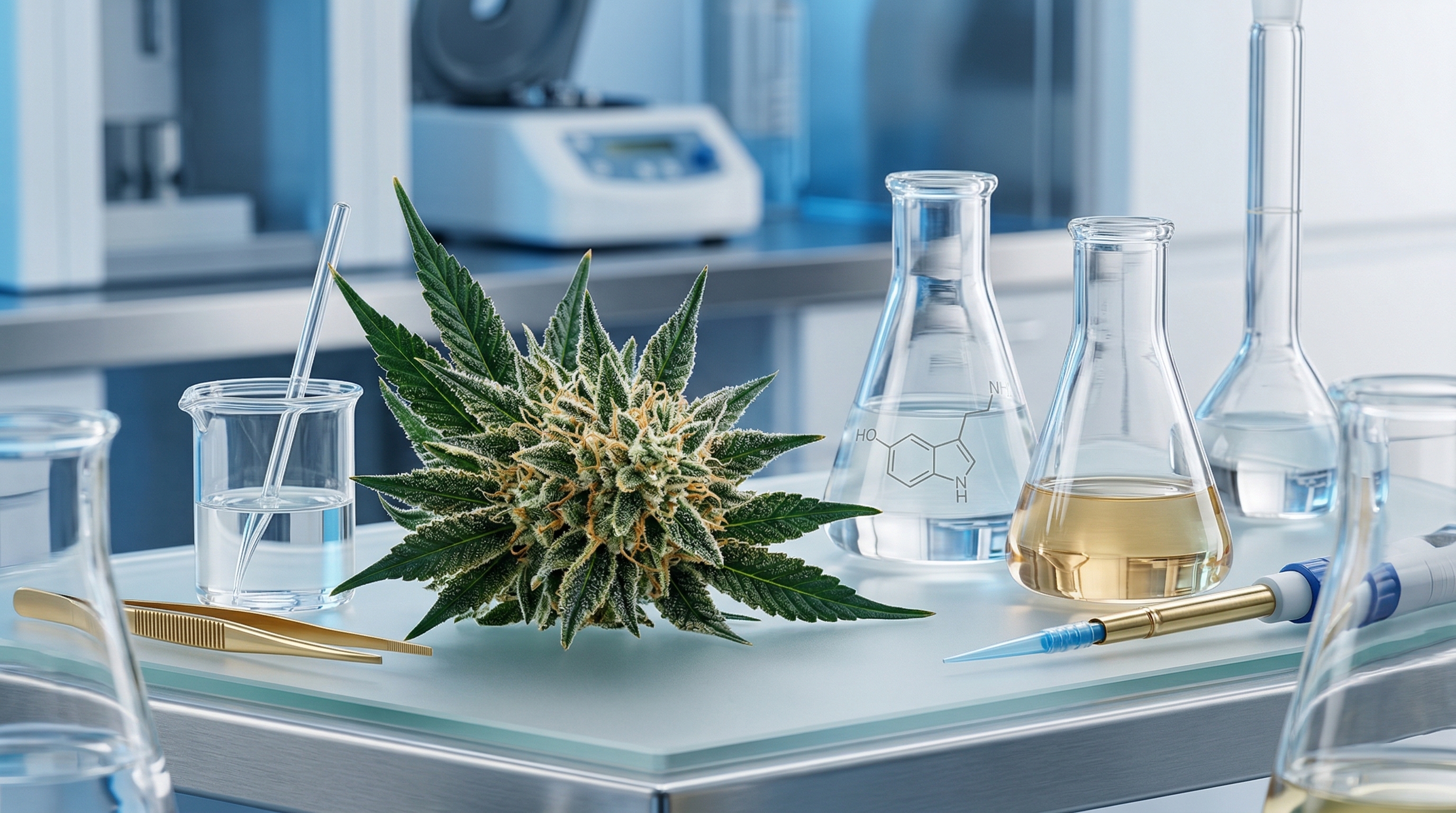
Why Cannabis Affects Mood in Ways That Have Nothing to Do With Getting High
Here’s a question worth sitting with: when you consume cannabis and feel that warm wave of contentment, that gentle lift in mood, or — for some people, some of the time — that spike of unexpected anxiety, what’s actually happening in your brain?
Most people point to THC and its interaction with CB1 cannabinoid receptors. And they’re not wrong. But that’s only part of the story. A significant and still-underappreciated piece of the mood puzzle involves a neurotransmitter system you probably associate with antidepressants, not cannabis: serotonin.
The connection between cannabis and your serotonin system helps explain why CBD has genuine anxiolytic and antidepressant properties without getting you high. It explains why high-dose THC can trigger anxiety despite being used by millions for stress relief. It illuminates why the same strain feels euphoric to one person and dysphoric to another. And it reveals how the endocannabinoid system and the serotonergic system are not separate actors — they are deeply intertwined regulatory partners.
This is a deep dive into that relationship. We’ll cover the neuroscience in accessible terms, ground it in peer-reviewed research from 2005 through 2026, and translate it into practical frameworks for understanding your own cannabis-mood experiences.
By the end, you’ll understand:
- What serotonin actually does in the brain — beyond the oversimplified “happiness chemical” narrative
- How CBD directly engages the serotonin system via the 5-HT1A receptor, and why this is distinct from how SSRIs work
- How THC interacts with serotonin through a different receptor subtype — with more complicated and dose-dependent outcomes
- Why CB1 receptors on serotonin neurons make the endocannabinoid system a master regulator of mood at the source
- What this means for product selection, drug interactions, tolerance, and individual variation
The Science Explained
Serotonin Is Not the “Happy Chemical” — It’s a Regulator
Before we can understand how cannabis affects serotonin, we need to clear up a pervasive myth. Serotonin — technically 5-hydroxytryptamine, or 5-HT — has been reduced in popular culture to a “happiness molecule.” The idea goes: more serotonin equals better mood, depression means low serotonin, SSRIs fix it by keeping serotonin in synapses longer.
Modern neuroscience has moved well beyond this story. It’s an oversimplification that has done genuine damage by obscuring what serotonin actually does.
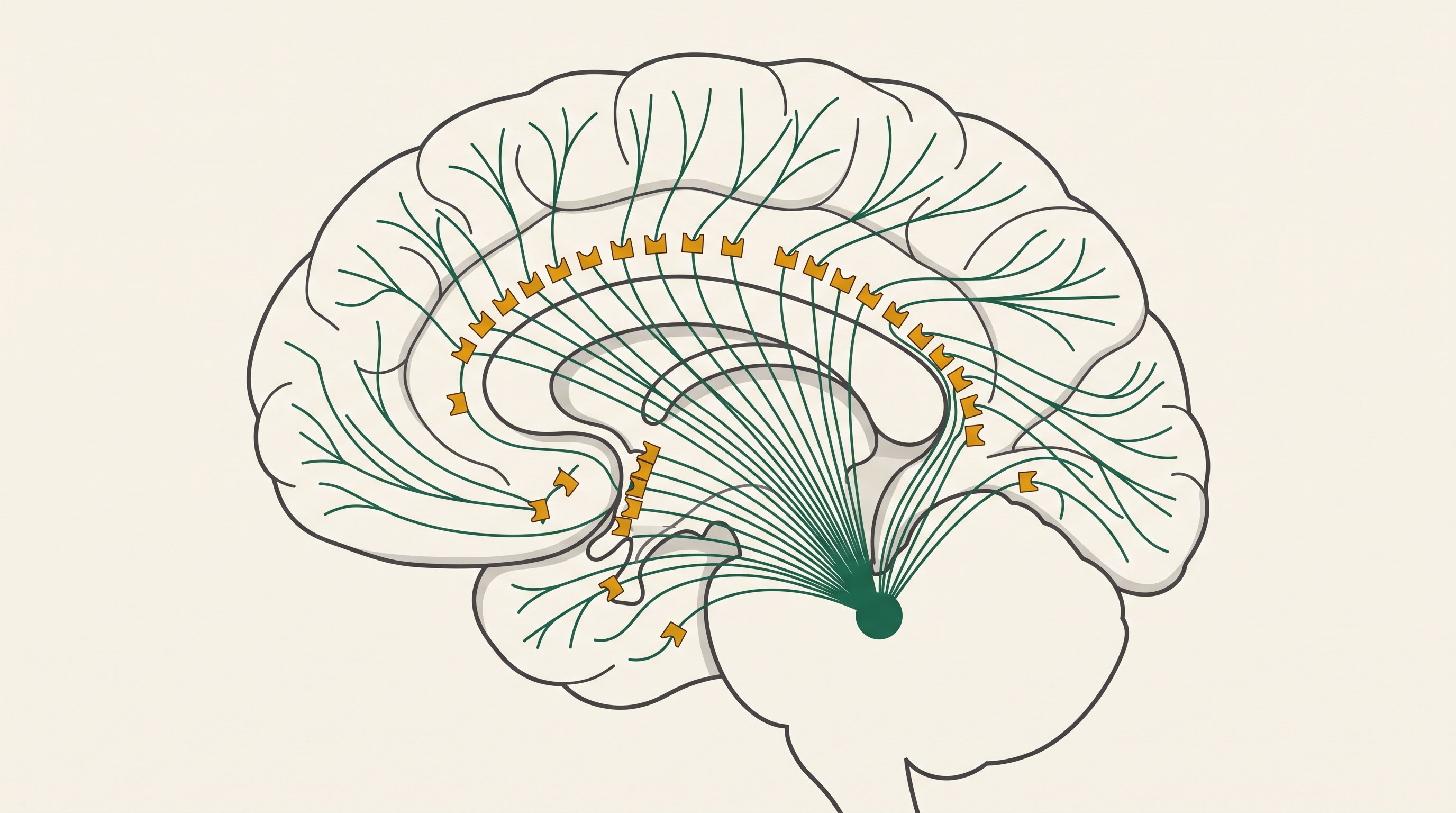
Serotonin is a regulatory neurotransmitter — it doesn’t simply make you happy. It modulates the sensitivity, excitability, and connectivity of neural circuits across virtually every brain region. Your body produces it in two places: approximately 90% in the gut (where it regulates digestion and intestinal motility), and the remainder in the brain’s dorsal raphe nucleus and median raphe nucleus — compact clusters of neurons in the brainstem that project serotonergic axons to nearly every region of the brain.
Those projections reach the prefrontal cortex (decision-making, emotional regulation), the amygdala (fear and threat processing), the hippocampus (memory, stress), the basal ganglia (reward, motivation), and many other regions. Serotonin’s influence is not one-dimensional — it performs different functions depending on which of its 14+ receptor subtypes is being engaged.
The three most relevant to cannabis are:
| Receptor | Location | Function | Cannabis Relevance |
|---|---|---|---|
| 5-HT1A | Limbic system, raphe nuclei | Inhibitory; reduces neuronal firing, anxiety, fear response | CBD is a direct agonist |
| 5-HT2A | Prefrontal cortex, limbic system | Excitatory; linked to perception, mood, psychedelic states | THC drives indirect effects here |
| 5-HT3 | Brainstem, gut | Ion channel; mediates nausea, vomiting | Explains some cannabis antiemetic effects |
Understanding which receptor is engaged — and at what level of activation — is the key to understanding why cannabis affects mood the way it does, and why different cannabinoids produce such different outcomes.
CBD and the 5-HT1A Receptor: A Direct Serotonergic Mechanism
The most well-established cannabis-serotonin interaction involves cannabidiol (CBD) and the 5-HT1A receptor.
In a landmark 2005 study by Russo, Burnett, Hall, and Parker published in Neurochemical Research, CBD was demonstrated to act as an agonist at the human 5-HT1A receptor — binding to and activating this receptor directly, independent of the CB1 or CB2 cannabinoid receptors [Russo et al., 2005]. This finding shifted the field because it revealed that CBD operates on a receptor system that researchers had not been primarily examining.
Before this, CBD’s calming effects were hard to explain. CBD has very low affinity for CB1 receptors — the primary target of THC. So how was it producing visible anxiolytic effects? The 5-HT1A discovery provided a major answer.
A comprehensive 2025 review published on PubMed (Elsevier Science, January 2025) confirmed and expanded on this mechanism, noting that CBD’s multifaceted neurotherapeutic effects — including antidepressant, anxiolytic, neuroprotective, antipsychotic, antiemetic, anti-allodynic, anti-epileptic, and addiction-treating properties — are attributable in significant part to interactions with the 5-HT1A receptor [PubMed 39778776, 2025]. The review also proposed a detailed signaling pathway for how CBD desensitizes 5-HT1A receptor activity over time.
A 2024 study published in Cells by Carlen et al. further confirmed that CBD’s anticonvulsant effects depend significantly on 5-HT1A receptor activation — when 5-HT1A receptors were pharmacologically blocked before CBD administration, CBD’s effects were largely abolished [Carlen et al., 2024]. This positions CBD as a serotonergic drug in a meaningful sense, not merely a cannabinoid.
How CBD’s 5-HT1A mechanism actually works:
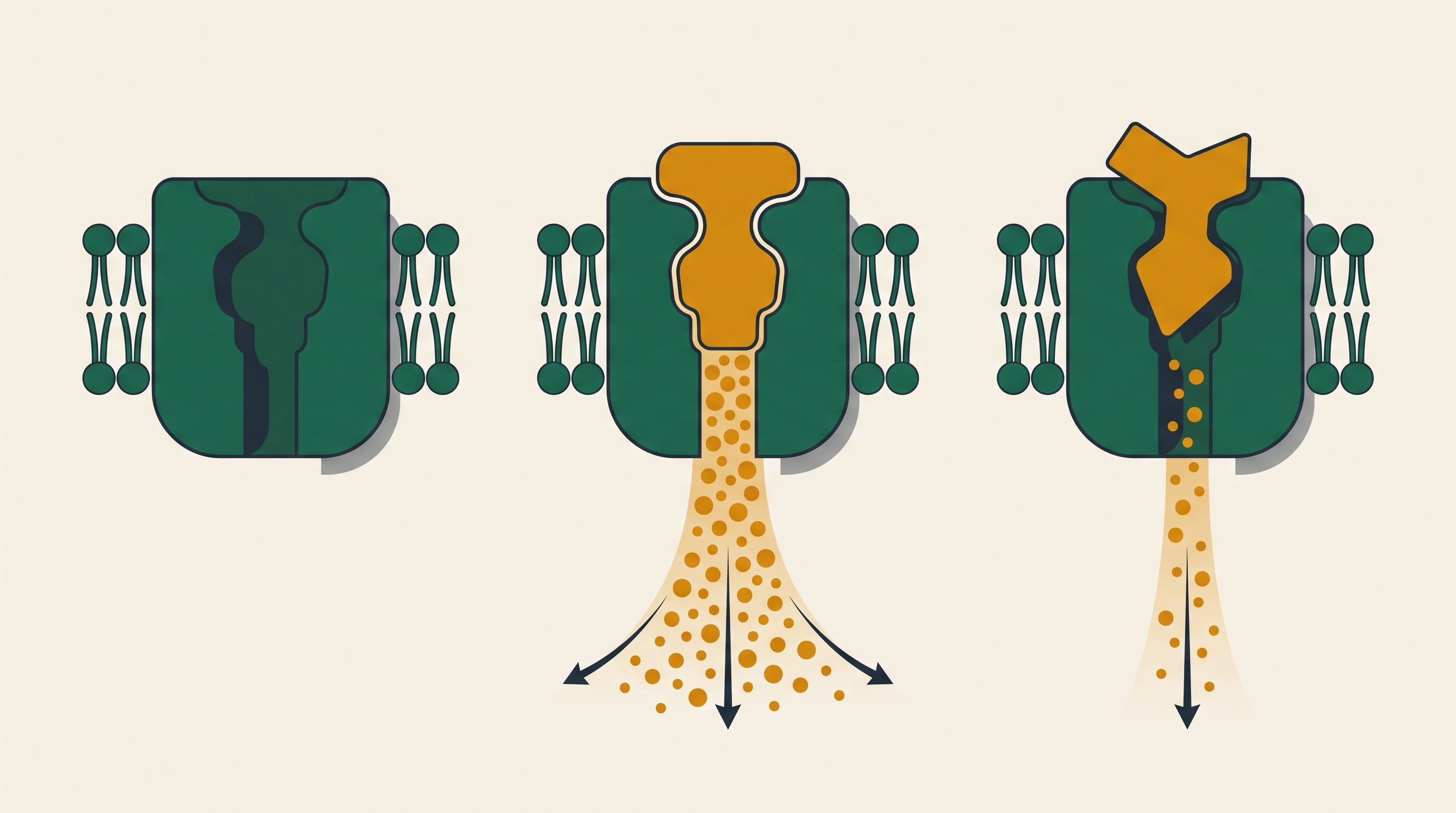
The 5-HT1A receptor is a G protein-coupled receptor (GPCR) found densely in the limbic system — the amygdala, hippocampus, and prefrontal cortex. These are the core regions for anxiety regulation and emotional processing. When 5-HT1A receptors are activated, they produce inhibitory effects on neuronal firing, quieting the hyperactivity in fear and anxiety circuits that underlies anxious states.
CBD appears to act as a partial agonist at 5-HT1A — it activates the receptor but not to maximum capacity. This “gentle activation” profile may explain why CBD produces modulating, calming effects rather than the overwhelming sedation or perceptual changes you might expect from a full agonist.
Critically, CBD’s mechanism here is not the same as SSRIs. SSRIs (selective serotonin reuptake inhibitors like fluoxetine, sertraline, escitalopram) increase the amount of serotonin available in synapses by blocking its reabsorption. They don’t directly activate serotonin receptors — they flood the system with more serotonin and let nature take its course. CBD doesn’t increase serotonin levels in this way; it directly modulates receptor-level sensitivity to whatever serotonin is present. This distinction may explain why CBD produces more immediate, subtle mood effects without the 2-6 week activation delay characteristic of antidepressants.
The dose-dependence caveat: A 2020 study published in Frontiers in Behavioral Neuroscience found that at low concentrations, CBD acts as a partial agonist at 5-HT1A receptors with limited Gi/o protein activation, while at high concentrations, CBD behaves as an inverse agonist — actually reducing receptor activity below baseline [Colizzi et al., 2020]. This dose-dependent receptor pharmacology may be one reason why “the right CBD dose” varies considerably between individuals.
Research Caveat: The mechanistic studies on CBD and 5-HT1A are well-supported in cell culture and animal models. Large-scale randomized controlled trials in humans specifically testing CBD for depression or anxiety through the 5-HT1A pathway are still limited. The pharmacology is solid; the clinical evidence base is promising but not yet at the level of established psychiatric medications.
THC and Serotonin: The 5-HT2A Complication
THC’s relationship with the serotonin system is more complex and more paradoxical.
THC does not bind meaningfully to 5-HT1A receptors. Instead, THC’s serotonergic effects operate through an indirect pathway. A pivotal 2015 study published in Frontiers in Behavioral Neuroscience by Häring and colleagues established that CB1 receptors are expressed directly on serotonergic neurons in the dorsal raphe nucleus — the brain’s primary serotonin production center [Häring et al., 2015]. This is not incidental co-location. It is a functional regulatory architecture: when THC activates these CB1 receptors, it directly influences how much serotonin those neurons release.
The implications are significant. At lower doses, THC’s activation of CB1R on raphe neurons appears to increase serotonin release in mood-regulating forebrain regions — a mechanism that likely contributes to the euphoria, social warmth, and emotional opening that many cannabis consumers value. At high doses, or with sustained activation, the regulatory relationship may shift, reducing serotonin output in ways that can contribute to anxiety, dysphoria, and emotional blunting.
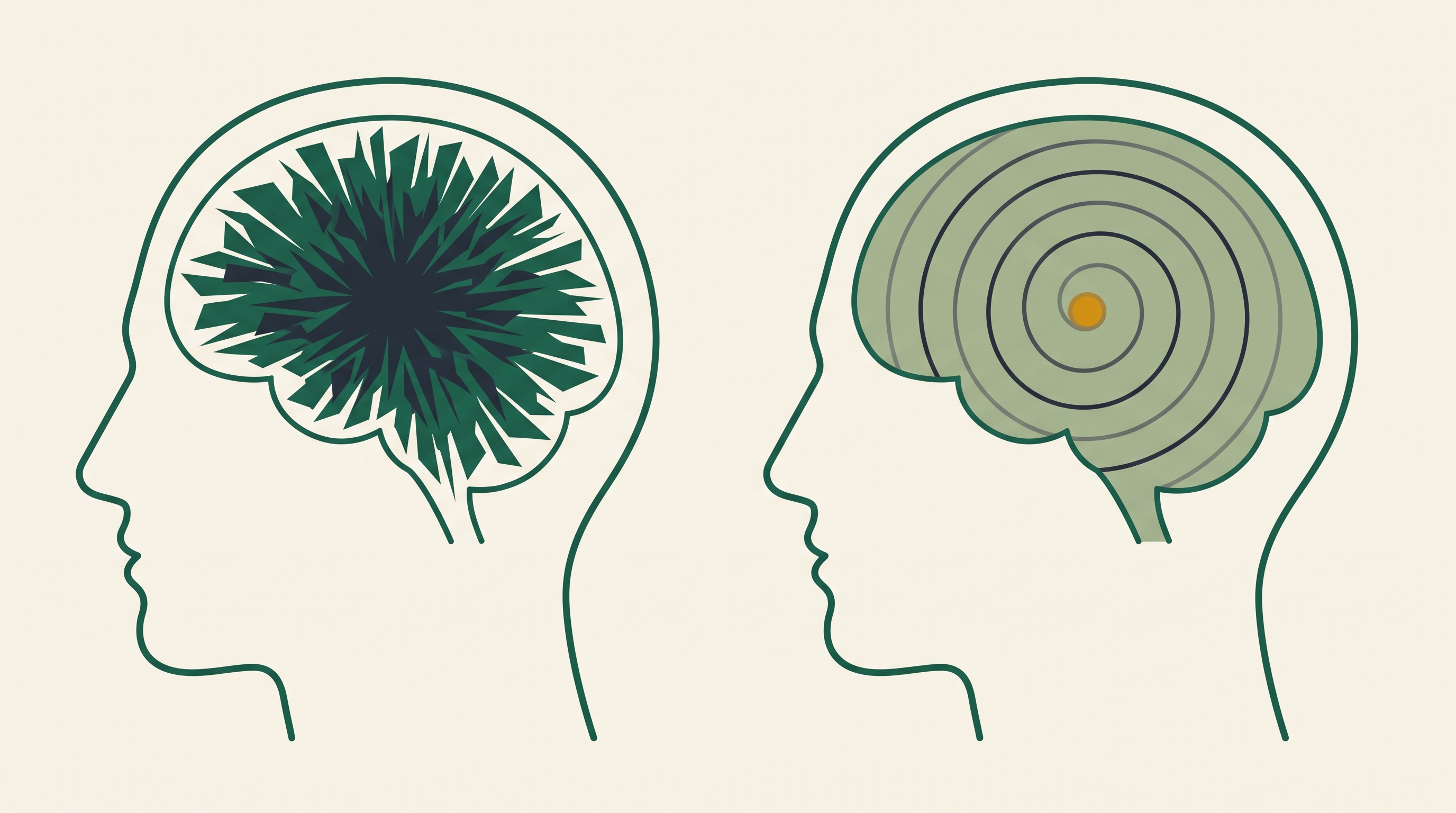
The 5-HT2A receptor adds a further layer of complexity. A 2013 study by Franklin, Mathew, and Carrasco found that repeated cannabinoid exposure upregulates 5-HT2A receptor activity and expression in the hypothalamic paraventricular nucleus — a region central to stress hormone regulation. This upregulation was associated with enhanced anxiety-like behaviors, elevated corticosterone (the rodent equivalent of cortisol), and dysregulated neuroendocrine stress responses [Franklin et al., 2013, PMC3735609].
The 5-HT2A receptor is the primary target of classical psychedelics (psilocybin, LSD, DMT), and its activation is associated with perceptual amplification and profound mood states — euphorically positive at moderate activation, anxiety-producing and dysphoric at excessive or dysregulated activation. THC’s capacity to gradually ramp up 5-HT2A sensitivity through repeated use offers a plausible neurobiological explanation for a common clinical observation: regular heavy cannabis users who find that the same dose which used to relax them now produces anxiety.
A February 2026 study in Neuropsychopharmacology added important detail to the crosstalk architecture: serotonin-endocannabinoid signaling in the medial prefrontal cortex was found to selectively regulate inhibitory GABAergic inputs, with 5-HT2A-mediated depression of GABA release depending on CB1 receptor function [Neuropsychopharmacology, 2026]. The two systems cooperate to shape the balance of excitation and inhibition in prefrontal mood circuits — a region-specific crosstalk with direct implications for anxiety and emotional regulation.
| Cannabinoid | Serotonin Receptor | Mechanism | Mood Outcome |
|---|---|---|---|
| CBD | 5-HT1A | Direct partial agonism | Anxiolytic, antidepressant-like |
| THC (low dose) | Via CB1R on raphe neurons | Increases serotonin release | Euphoria, mood lift |
| THC (high dose, chronic) | 5-HT2A (indirect) | Receptor upregulation | Increased anxiety risk |
| Anandamide (endogenous) | Via CB1R on raphe neurons | Tonic serotonin modulation | Baseline mood regulation |
The CB1-Serotonin Architecture: Your ECS as Mood Regulator
Perhaps the most profound insight from this research area is not about any individual cannabinoid — it’s about the structural relationship between the endocannabinoid system and the serotonergic system.
CB1 receptors on dorsal raphe serotonergic neurons don’t exist by accident. They represent a hardwired regulatory architecture: your endocannabinoid system modulates serotonin neuron activity at its very source. The Häring et al. (2015) study demonstrated the functional significance of this architecture by generating mice that lacked CB1 receptors specifically on serotonergic neurons. These animals were more anxious and less sociable than controls — demonstrating that CB1 signaling in serotonergic neurons is required for normal emotional regulation [Häring et al., 2015].
A 2023 review in Brain Sciences by Hasbi, Madras, and George confirmed this relationship extends to receptor heteromers — physical co-assemblies of CB1 receptors with serotonin receptors (CB1R/5-HT1A and CB1R/5-HT2A heteromers) that respond to both cannabinoid and serotonin signals simultaneously, modulating mood-related circuits through unified signaling units [Brain Sci., 2023].
This architecture has implications beyond exogenous cannabis use:
- Chronic stress — which is known to deplete endocannabinoid tone (lower anandamide) — may impair serotonergic function through this CB1-5-HT pathway, contributing to anxiety and depression
- Anandamide deficiency, proposed by some researchers as a parallel to “serotonin deficiency” theories of depression, may affect serotonin regulation through the CB1R on raphe neurons
- Cannabis tolerance — driven by CB1 receptor downregulation — may impair this regulatory mechanism, reducing the endocannabinoid system’s capacity to modulate serotonin output
Anandamide: Where the Two Systems Converge Naturally
Your endocannabinoid system’s serotonin relationship isn’t only about exogenous cannabis — it’s built into your own neurochemistry. Anandamide (arachidonoylethanolamide), sometimes called the “bliss molecule” for its structural similarity to Sanskrit “ananda” (bliss), activates CB1 receptors on raphe serotonergic neurons as part of your brain’s normal mood regulation.
CBD adds another dimension here: one of CBD’s secondary mechanisms is inhibition of FAAH (fatty acid amide hydrolase) — the enzyme that breaks down anandamide. By slowing anandamide degradation, CBD effectively raises endogenous anandamide levels. This FAAH inhibition works in parallel with CBD’s direct 5-HT1A agonism, providing a dual mechanism for serotonin-adjacent mood support:
- Direct path: CBD activates 5-HT1A receptors, quieting anxiety circuits
- Indirect path: CBD raises anandamide, which activates CB1R on serotonergic neurons, enhancing serotonin tone
This dual mechanism may explain why CBD’s mood effects feel more consistent and robust than would be predicted from either pathway alone — and why research in cannabis and PTSD, where both serotonergic and endocannabinoid dysregulation are implicated, has found particularly promising signals.
Terpenes and Serotonin: The Supporting Cast
Cannabinoids don’t operate alone. Several terpenes — the aromatic molecules responsible for cannabis’s characteristic scents and flavors — also appear to influence serotonergic signaling in ways that complement or extend the cannabinoid effects.
Limonene (citrus-forward; abundant in many Uplifting High strains) has demonstrated anxiolytic and antidepressant-like effects in preclinical research that include elevated serotonin levels in the prefrontal cortex and hippocampus [Komiya et al., 2006]. This is mechanistically consistent with the mood-elevating effects commonly reported from limonene-dominant cultivars.
Linalool (floral; shared with lavender) has shown 5-HT1A-mediated anxiolytic and antidepressant-like effects in animal models — Guzmán-Gutiérrez et al. (2015) specifically identified the serotonergic pathway as essential to linalool’s mechanism [Guzmán-Gutiérrez et al., 2015]. The co-occurrence of linalool and CBD in some cultivars may produce synergistic 5-HT1A activation.
Beta-caryophyllene (spicy, peppery; prominent in Relieving High strains) activates CB2 receptors and has potent anti-inflammatory properties. Neuroinflammation impairs serotonin synthesis and receptor function, so caryophyllene’s anti-inflammatory action may indirectly support serotonergic health — a mechanism especially relevant for consumers managing chronic pain or inflammatory conditions alongside mood concerns.
These terpene-serotonin interactions are why the High Families classification system is a more useful framework for predicting mood effects than THC percentage or indica/sativa labels. When terpene profiles reliably predict which serotonergic receptors and pathways are likely to be engaged, they become clinically meaningful — not just aromatic curiosities.
Important Caveat: Most terpene-serotonin research is from animal models or in vitro. Human clinical trials specifically examining terpene effects on serotonergic mood outcomes are still needed. The findings are biologically plausible and consistent with user reports, but shouldn’t be overstated.
What the Research Actually Says About Cannabis, Mood, and Serotonin
Given all these mechanisms, what does clinical evidence show about using cannabis to manage anxiety and depression?
For CBD specifically:
- A 2019 large case series by Shannon et al. in The Permanente Journal found that CBD improved anxiety scores in 79.2% of patients within the first month [Shannon et al., 2019]
- Multiple animal model studies have demonstrated antidepressant effects that are abolished when 5-HT1A receptors are blocked — confirming the serotonergic pathway is essential [Sales et al., 2018; De Gregorio et al., 2019]
- The comprehensive 2025 PubMed review confirmed CBD’s anxiolytic, antidepressant, and neuroprotective properties mediated via 5-HT1A, while noting the evidence base is still heavily preclinical [PubMed 39778776, 2025]
For THC and cannabis broadly:
- Cannabis is commonly reported to relieve anxiety in low-to-moderate doses, and user survey data consistently supports this
- The 2023 Brain Sciences systematic review concluded that the evidence for cannabinoids treating clinical anxiety and depressive disorders is “weak and of very-low quality” when held to the standards of psychiatric clinical trials [Hasbi et al., 2023]
- Heavy, long-term high-THC use is associated with increased anxiety and mood dysregulation in longitudinal epidemiological data — consistent with the 5-HT2A upregulation mechanism
This apparent contradiction — cannabis relieves anxiety for many users short-term, yet population data links heavy use to increased anxiety long-term — makes considerably more sense through the serotonin lens. CBD and low-dose endocannabinoid modulation provide anxiety relief via 5-HT1A and serotonin release enhancement; chronic high-dose THC gradually shifts the neurological set point toward anxiety and dysphoria through 5-HT2A sensitization.
Practical Implications
Choosing Cannabis for Mood Support: A Serotonin-Informed Framework
For anxiety reduction:
CBD’s 5-HT1A agonism provides the most direct serotonergic mechanism for anxiolytic effects. Products with meaningful CBD content — whole-flower strains with CBD, full-spectrum CBD tinctures, balanced ratio products — offer this mechanism without THC’s 5-HT2A complications. The Balancing High family, oriented toward balanced THC:CBD ratios, may provide mood lift while reducing anxiogenic risk. Well-regarded high-CBD cultivars like ACDC, Harlequin, and Charlotte’s Web offer this profile.
For euphoria and social mood:
Low-to-moderate dose THC, via CB1R on raphe neurons enhancing serotonin release, produces the mood lift and social warmth many consumers value. Strains from the Uplifting High family — particularly limonene-forward cultivars — combine THC’s serotonin-releasing effect with limonene’s own serotonergic action. Keep doses conservative. The dose-response curve for THC and mood is genuinely biphasic; your personal anxiety threshold at the 5-HT2A level is a real variable, and more is not more.
For managing cannabis-related anxiety:
If you notice high-THC products triggering anxiety, consider this a signal about your 5-HT2A sensitivity or cumulative 5-HT2A upregulation from heavy use. Strategies informed by the neuroscience:
- Reduce dose (the most evidence-supported intervention)
- Choose balanced THC:CBD products — CBD’s 5-HT1A activation may buffer THC’s pro-anxiety effects
- Take a tolerance break to allow CB1 receptor density and 5-HT2A calibration to normalize
- Prioritize full-spectrum, terpene-rich products over distillates for more balanced receptor engagement
For mood-adjacent wellness support:
Cannabis, particularly CBD-forward products, may support mood as part of a broader wellness practice. However, for anyone experiencing clinical depression or anxiety disorders, cannabis is not a substitute for evidence-based treatment. The serotonergic mechanisms are real, but the clinical evidence base does not yet support cannabis as a first-line psychiatric therapy.
The Cannabis-SSRI Drug Interaction Warning
This section is often skipped in cannabis guides. It shouldn’t be.
If you are taking an SSRI, SNRI, or any other serotonergic medication, cannabis use — particularly CBD-rich products — requires explicit conversation with your prescriber, not just general awareness.
Why this matters:
CBD is a potent inhibitor of cytochrome P450 enzymes CYP2C19 and CYP3A4 — the primary metabolic pathways for many antidepressants including fluoxetine, sertraline, escitalopram, and paroxetine. CBD can significantly increase blood concentrations of these drugs, potentially escalating both efficacy and side effect risk into ranges your prescriber did not intend.
The theoretical concern of serotonin syndrome — a potentially dangerous condition from excessive serotonergic activity — exists when combining multiple serotonergic agents, though documented cases specifically linking cannabis + SSRIs to serotonin syndrome are rare. The more concrete concern is CBD driving antidepressant blood levels to unintended heights through enzyme inhibition.
High-THC cannabis also affects mood unpredictably when combined with psychiatric medications, and the interaction landscape is not well-studied.
Practical guidance: Disclose cannabis use to any prescriber managing your psychiatric medications. “I’m using CBD” is clinically relevant information, not a lifestyle detail.
Tolerance, the Serotonin Axis, and Why Breaks Help
Cannabis tolerance — the diminishing effect from the same dose over time — is well-understood at the CB1 receptor level (receptor downregulation from chronic activation). But the serotonin connection adds a second dimension.
Regular heavy use that downregulates CB1 receptors may also impair the endocannabinoid system’s capacity to modulate serotonin output from the raphe nucleus — since that modulation depends on functional CB1R on serotonergic neurons. Simultaneously, repeated THC exposure may be upregulating 5-HT2A receptor sensitivity, tilting the neurological balance toward anxiety.
Two-pronged tolerance: less CB1-mediated serotonin enhancement, more 5-HT2A-mediated anxiety. This is a neurobiological framework for why long-term heavy consumers often report that cannabis “doesn’t work the same way anymore” and why tolerance breaks restore effects — they allow both CB1 receptor density and 5-HT2A calibration to reset.
Individual Variation: Why Your Serotonin Response Is Yours
Individual variation in cannabis-mood responses is enormous, and the serotonin system is a major source of it.
Genetic factors: Variants in the SLC6A4 gene (encoding the serotonin transporter SERT) affect how quickly serotonin is cleared from synapses, influencing sensitivity to serotonergic modulation. Polymorphisms in the HTR1A and HTR2A genes (5-HT1A and 5-HT2A receptors) affect receptor expression and signaling efficiency.
Baseline endocannabinoid tone: Individuals with naturally lower anandamide levels — which may be genetically determined or stress-induced — may experience larger mood swings from cannabis because their endocannabinoid-serotonin axis has more room to shift in either direction.
Prior SSRI use: Long-term SSRI use desensitizes 5-HT1A receptors as part of its own mechanism. This means prior or current SSRI users may respond differently to CBD’s 5-HT1A agonism — a clinically important but understudied question.
Psychological state: Anxiety at the psychological level potentiates THC’s anxiogenic effects through amygdala-5-HT2A interactions. The same dose in a relaxed setting versus a stressful one genuinely produces different neurochemical outcomes — this is not imagined.
The neuroscience provides a framework. Your personal biology and context determine where you land within it.
Key Takeaways
-
CBD is a direct serotonin receptor agonist — it acts at the 5-HT1A receptor through a mechanism distinct from SSRIs, offering a plausible neurobiological explanation for its anxiolytic and antidepressant-like properties in preclinical and early clinical research
-
THC’s serotonergic effects are indirect and dose-dependent — operating through CB1 receptors on dorsal raphe neurons to modulate serotonin release, with euphoric effects at low doses and potential anxiety-generating 5-HT2A upregulation with chronic high-dose use
-
CB1 receptors on serotonergic neurons are a fundamental ECS-serotonin interface — mice lacking CB1R specifically on serotonin neurons are more anxious and less sociable, demonstrating that this pathway is essential for normal emotional regulation
-
Terpenes extend the serotonin story — limonene and linalool have preclinical evidence for serotonergic activity, reinforcing the value of terpene-based product selection over THC percentage alone
-
Cannabis-SSRI combinations require physician oversight — CBD’s CYP450 enzyme inhibition can meaningfully alter blood levels of many psychiatric medications
-
Tolerance breaks have serotonergic logic — they allow CB1 receptor density and 5-HT2A calibration to normalize, restoring the endocannabinoid system’s capacity to support healthy serotonin function
FAQs
Does cannabis raise or lower serotonin levels?
It depends on the cannabinoid, dose, and timeframe. Acutely, low-to-moderate THC doses appear to increase serotonin release in mood-regulating brain regions through CB1R activation on raphe neurons. CBD may indirectly raise available serotonin signaling capacity through FAAH inhibition (raising anandamide) and 5-HT1A agonism. With heavy, repeated use, CB1R downregulation and 5-HT2A upregulation can shift the neurological balance — reducing serotonin modulation capacity while increasing sensitivity to anxiety-generating 5-HT2A activation.
Can cannabis replace antidepressants?
No. While CBD’s 5-HT1A mechanisms are pharmacologically interesting and some clinical data shows mood benefits, no cannabis-derived product (outside of specific FDA-approved medications) has demonstrated efficacy as a treatment for diagnosed major depressive disorder in rigorous clinical trials. Anyone managing depression should work with a qualified healthcare provider. Cannabis may complement mental health strategies for some people, but it is not a proven substitute for evidence-based psychiatric treatment. The drug interaction risk (CBD + antidepressants via CYP450) also means combining them without medical oversight carries real risk.
Why does the same strain cause anxiety in some people but not others?
Multiple factors converge at the serotonin level: genetic variation in 5-HT2A receptor expression, baseline CB1R density (which affects raphe-serotonin modulation capacity), the CB1/5-HT2A upregulation status from recent heavy use, the specific ratio of CBD to THC in the product (which determines how much 5-HT1A buffering is present), and psychological state at the time of consumption (which interacts with amygdala-serotonin circuits). There is no single answer — but the serotonin system is a major site of that individual variation.
Is CBD an antidepressant?
CBD has antidepressant-like effects in multiple animal models, and these effects have been shown to depend on intact 5-HT1A receptor function. Early human case data is encouraging. However, preclinical antidepressant effects and “a proven antidepressant for human depression” occupy different categories of evidence. CBD has not completed the clinical trial process required for antidepressant approval. It may meaningfully support mood in ways that feel antidepressant-adjacent to many users, but should not be positioned as a replacement for clinically indicated depression treatment.
Can cannabis cause serotonin syndrome?
Documented cases of cannabis-induced serotonin syndrome are extremely rare, and cannabis alone is very unlikely to cause it. The theoretical concern arises when combining high-CBD products with SSRIs or other serotonergic medications — not because CBD directly floods serotonin synapses, but because CBD’s CYP450 inhibition can raise blood levels of co-administered serotonergic drugs to unintended concentrations. If you’re on any serotonergic medication, discuss cannabis use with your prescriber before combining them.
Does high-CBD whole-plant cannabis affect serotonin differently than CBD isolate?
Likely yes. Whole-plant cannabis containing CBD also includes terpenes (linalool, limonene) with their own modest 5-HT1A-related activity, minor cannabinoids, and flavonoids. The entourage effect — the synergy between these compounds — may modulate the overall serotonergic outcome in ways that CBD in isolation does not fully capture. Some consumers report more consistent mood effects from full-spectrum or broad-spectrum CBD products than from isolates, which is consistent with the multi-compound serotonergic picture, though direct clinical comparison data is limited.
Sources
- Russo, E.B., Burnett, A., Hall, B., & Parker, K.K. (2005). Agonistic properties of cannabidiol at 5-HT1a receptors. Neurochemical Research, 30(8), 1037–1043. https://doi.org/10.1007/s11064-005-6978-1
- PubMed / Elsevier Science. (2025, January). CBD and the 5-HT1A receptor: A medicinal and pharmacological review. PMID 39778776. https://pubmed.ncbi.nlm.nih.gov/39778776/
- Häring, M., et al. (2015). Cannabinoid type-1 receptor signaling in central serotonergic neurons regulates anxiety-like behavior and sociability. Frontiers in Behavioral Neuroscience, 9, 235. https://doi.org/10.3389/fnbeh.2015.00235
- Franklin, J.M., Mathew, M., & Carrasco, G.A. (2013). Cannabinoid-induced upregulation of serotonin 2A receptors in the hypothalamic paraventricular nucleus and anxiety-like behaviors in rats. Neuroscience Letters, 548, 165–169. https://pmc.ncbi.nlm.nih.gov/articles/PMC3735609/
- Hasbi, A., Madras, B.K., & George, S.R. (2023). Endocannabinoid system and exogenous cannabinoids in depression and anxiety: A review. Brain Sciences, 13(2), 325. https://doi.org/10.3390/brainsci13020325
- Colizzi, M., & Bhattacharyya, S. (2020). Cannabidiol acts at 5-HT1A receptors in the human brain: Relevance for treating temporal lobe epilepsy. Frontiers in Behavioral Neuroscience, 14, 611278. https://pmc.ncbi.nlm.nih.gov/articles/PMC7770178/
- Carlen, P.L. (2024). Cannabidiol exerts anticonvulsant effects alone and in combination with Δ9-THC through the 5-HT1A receptor in the neocortex of mice. Cells, 13(6), 466. https://doi.org/10.3390/cells13060466
- Shannon, S., Lewis, N., Lee, H., & Hughes, S. (2019). Cannabidiol in anxiety and sleep: A large case series. The Permanente Journal, 23, 18–041.
- Neuropsychopharmacology. (2026, February). Serotonin-endocannabinoid crosstalk selectively regulates inhibitory GABAergic inputs in the medial prefrontal cortex. https://www.nature.com/articles/s41386-026-02364-8
- Sales, A.J., et al. (2018). Cannabidiol induces rapid and sustained antidepressant-like effects through increased BDNF signaling and synaptogenesis in the prefrontal cortex. Molecular Neurobiology, 56(2), 1070–1081.
- De Gregorio, D., et al. (2019). Cannabidiol may modulate serotonergic transmission and has shown antinociceptive and anxiety-like effects in a neuropathic pain model. Pain, 160(1), 136–150.
- Guzmán-Gutiérrez, S.L., et al. (2015). Antidepressant activity of linalool in mice: involvement of 5-HT1A and GABA-A receptors. Phytomedicine, 22(6), 574–582.
- Komiya, M., Takeuchi, T., & Harada, E. (2006). Lemon oil vapor causes an anti-stress effect via modulating the 5-HT and DA activities in mice. Behavioural Brain Research, 172(2), 240–249.


