Cannabis Capsules and Pills: Your Guide to Discreet Dosing
Learn how cannabis capsules work, what the science says about oral absorption, and how to find the right dose for your needs.

Why Capsules Are Cannabis’s Best-Kept Secret
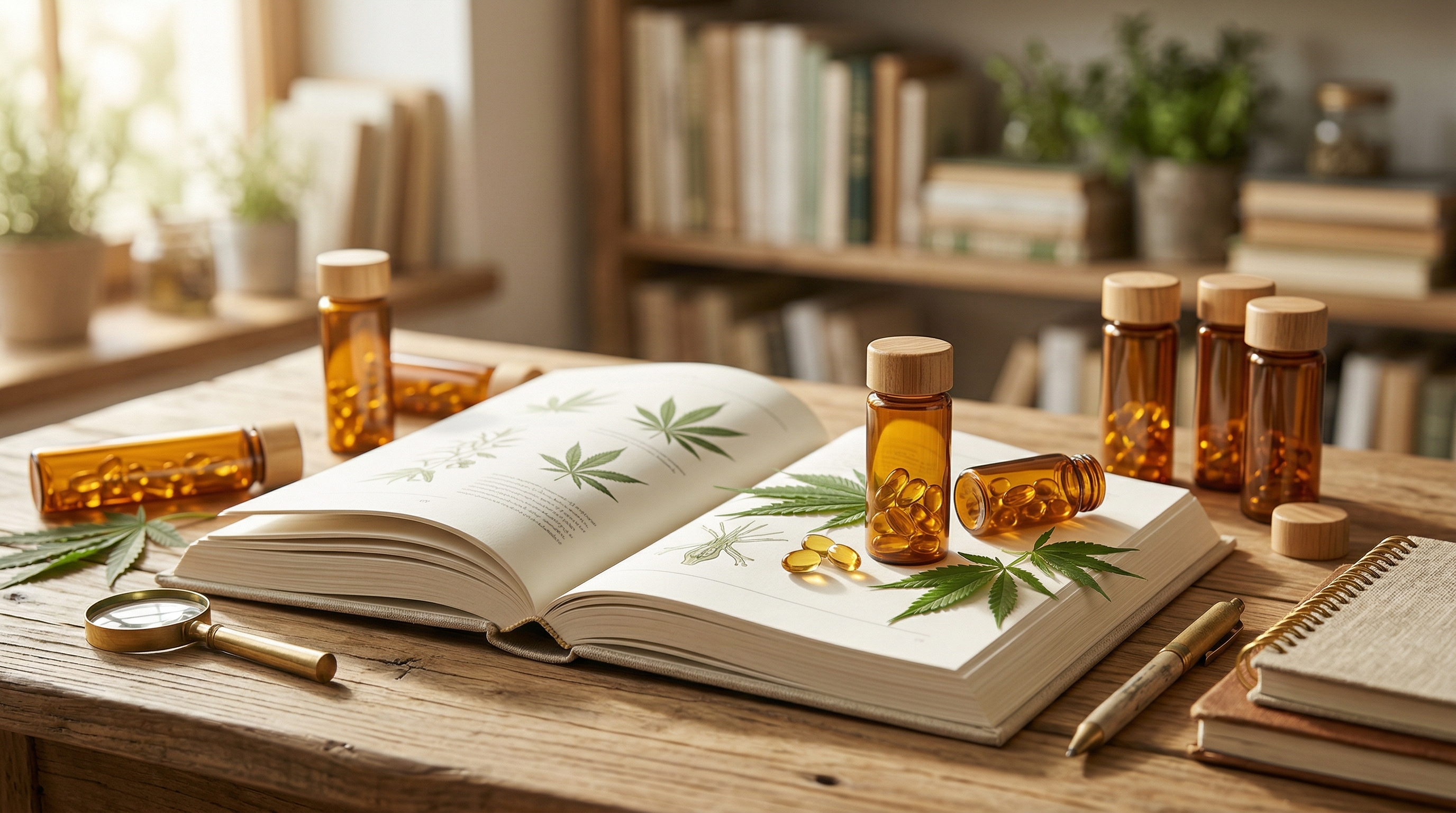
Here’s a surprising fact: the global cannabis capsule market is projected to grow faster than almost any other consumption method over the next decade. And yet, when most people think about consuming cannabis, capsules barely register. Joints, gummies, vapes — those get all the attention. The humble capsule? It sits quietly on the shelf, doing exactly what it was designed to do: deliver a precise, predictable, and utterly discreet experience.
If you’ve ever struggled with dosing edibles (“Was that 5mg or 15mg?”), felt self-conscious about the smell of smoking, or simply wanted cannabis to fit seamlessly into a daily wellness routine, capsules might be the format you didn’t know you were looking for.
In this article, you’ll learn exactly how cannabis capsules work inside your body, what the research says about oral cannabinoid absorption, and how to choose the right capsule type and dose for your goals. Whether you’re a complete beginner or a seasoned consumer exploring new options, consider this your definitive guide.
The Science Explained
How Oral Cannabinoid Absorption Works
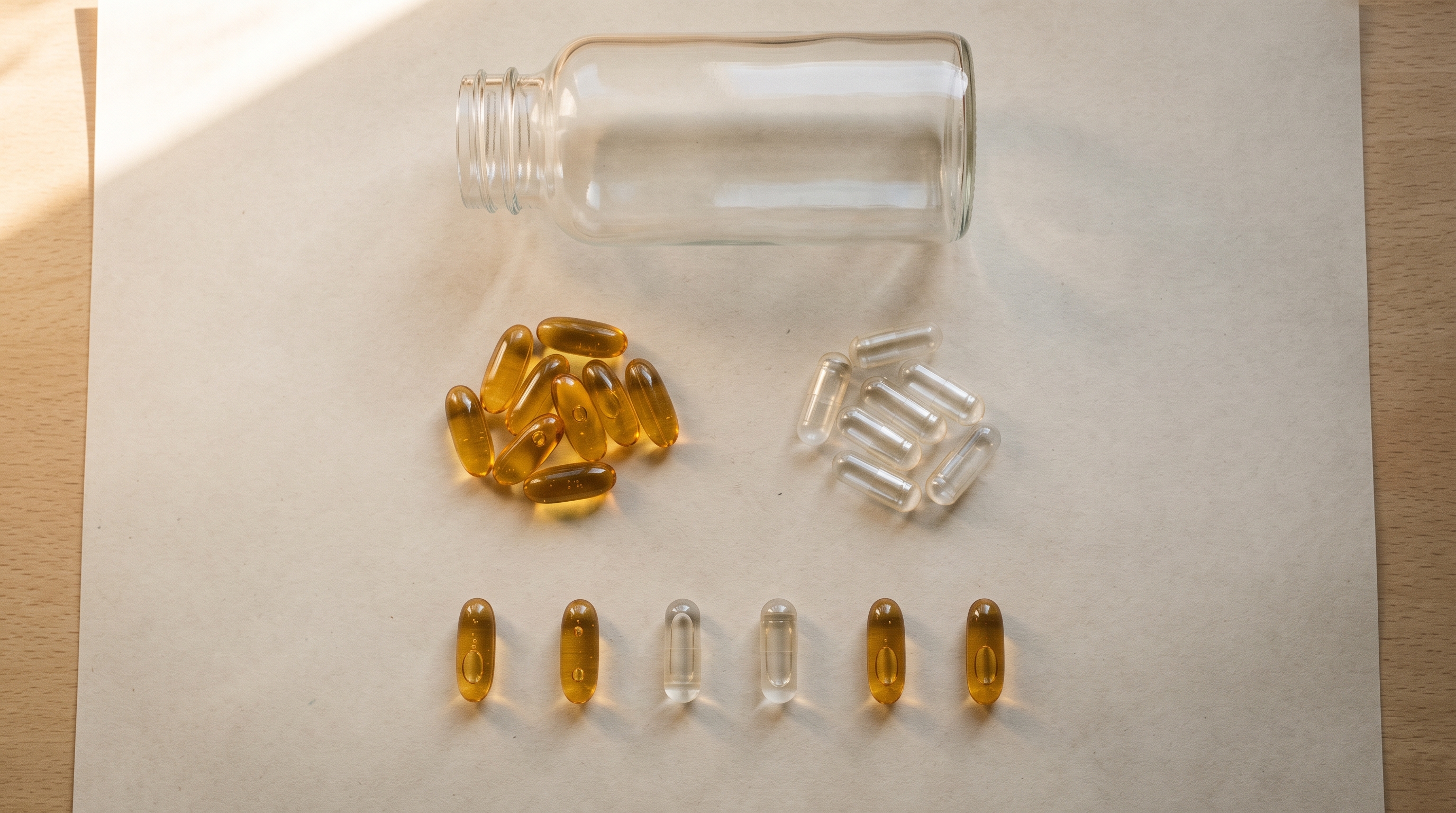
When you swallow a cannabis capsule, it takes a very different journey through your body compared to inhaled cannabis. Think of it like the difference between express shipping and standard delivery — both get the package there, but the routes and timelines are completely different.
Here’s the path: the capsule dissolves in your stomach, and cannabinoids like THC and CBD are absorbed through the walls of your small intestine. From there, they travel through the portal vein directly to your liver. This is where things get interesting.
Your liver performs what scientists call first-pass metabolism. Enzymes — primarily CYP2C9 and CYP3A4 — convert delta-9-THC into a metabolite called 11-hydroxy-THC (11-OH-THC). This metabolite is actually more potent and longer-lasting than the original THC molecule, and it crosses the blood-brain barrier more efficiently [Huestis, 2007]. That’s why edibles and capsules can feel stronger and last longer than smoking the same amount of THC — it’s not just THC you’re working with, it’s THC plus its supercharged metabolite.
The trade-off? Bioavailability — the percentage of cannabinoids that actually reach your bloodstream — is relatively low for oral consumption. Research suggests oral THC bioavailability ranges from roughly 4% to 20%, compared to 10% to 35% for inhalation [McGilveray, 2005]. Your body’s fat content, recent meals, metabolism, and even genetics all influence where you fall in that range.
Key concept: Cannabis capsules produce a slower onset (typically 45 minutes to 2 hours) but a longer duration of effects (4-8 hours) compared to inhalation, largely because of 11-OH-THC production in the liver.
What the Research Shows
The pharmaceutical world has actually studied oral cannabinoid delivery extensively, thanks to FDA-approved drugs like dronabinol (synthetic THC in capsule form) and nabilone. These medications have provided decades of clinical data on how capsules behave in the body.
A key finding from pharmacokinetic studies is that fat-based carriers dramatically improve absorption. Cannabinoids are lipophilic — they love fat and dissolve poorly in water. Research by Zgair et al. (2016) demonstrated that co-administering THC with lipids (like MCT oil or sesame oil) increased absorption by up to 2.5 times compared to capsules without a fat carrier. This is why most quality cannabis capsules use oil-based formulations rather than dry powder.
More recent research has explored nano-emulsion and self-emulsifying drug delivery systems (SEDDS) to improve bioavailability further. Early studies suggest these technologies may increase absorption rates and reduce the variability in onset time that frustrates many capsule users [Cherniakov et al., 2017]. However, this research is still emerging, and real-world results may vary.
It’s also worth noting that individual variation is significant. Genetic differences in liver enzyme activity mean two people taking the same capsule can have meaningfully different experiences [Bland et al., 2005]. This is why the universal edibles advice — start low, go slow — applies double for capsules.
Practical Implications
Choosing the Right Capsule for You
Cannabis capsules come in several formulations, and the right one depends on what kind of experience you’re after. Here’s where our High Families system can help you navigate:
- THC-dominant capsules — Best for those seeking the classic euphoric or deeply Relaxing High experience. Start with 2.5–5mg if you’re new.
- CBD-dominant capsules — Often associated with the Balancing High family. Many people find these useful for everyday calm without significant psychoactive effects.
- Full-spectrum capsules — These contain multiple cannabinoids and terpenes, aligning with the Entourage High philosophy. Research suggests the combination of compounds may work synergistically [Russo, 2011].
- 1:1 THC:CBD capsules — A balanced ratio that some users find offers the best of both worlds — gentle psychoactive effects tempered by CBD’s moderating influence.
Dosing Tips for Success
- Start at 2.5–5mg THC for your first capsule experience
- Wait at least 2 full hours before considering a second dose — capsules are slow burners
- Take with a small fatty snack (a handful of nuts, a spoonful of peanut butter) to boost absorption
- Keep a dosing journal — track the product, dose, timing, food, and effects to find your sweet spot
- Be consistent — same time of day, similar meal conditions, for the most predictable results
Pro tip: Because capsules bypass your taste buds entirely, they’re ideal if you dislike the flavor of cannabis oils or tinctures. They’re also the easiest format to integrate into an existing supplement routine.

Key Takeaways
- Capsules deliver cannabinoids through first-pass liver metabolism, producing the potent metabolite 11-OH-THC, which means slower onset but longer, often stronger effects compared to inhalation
- Fat-based formulations matter — look for capsules made with MCT oil, coconut oil, or similar lipid carriers for better absorption
- Individual variation is real — genetics, metabolism, and body composition all affect your experience, making personal dose-finding essential
- Start low (2.5–5mg), go slow (wait 2+ hours), and take with a fatty food for the most consistent results
- Match your capsule type to your desired High Family — from Relaxing to Entourage, there’s a formulation for every goal
FAQs
How long do cannabis capsules take to kick in?
Most people feel effects within 45 minutes to 2 hours, though it can take longer on an empty stomach or for first-time users. Nano-emulsion capsules may have slightly faster onset times, but always wait at least 2 hours before re-dosing.
Are capsules stronger than smoking the same amount of THC?
Milligram for milligram, oral THC can feel more intense because your liver converts it into 11-OH-THC, a more potent metabolite. However, overall bioavailability is lower, so the experience is different rather than simply “stronger.” The effects also last significantly longer.
Can I open a capsule and use the oil inside?
Technically yes — many people open oil-filled capsules and use the contents sublingually (under the tongue) for faster absorption. However, the dosing was designed for oral ingestion, so the experience may differ. Check the product label for guidance.
Do cannabis capsules have any smell?
Virtually none. This is one of their biggest advantages for discreet use. Unlike flower, vapes, or even some edibles, a capsule sitting on your nightstand is indistinguishable from any other supplement.
Sources
- Huestis, M.A. (2007). “Human Cannabinoid Pharmacokinetics.” Chemistry & Biodiversity, 4(8), 1770–1804. PMID: 17712819
- McGilveray, I.J. (2005). “Pharmacokinetics of Cannabinoids.” Pain Research and Management, 10(Suppl A), 15A–22A. PMID: 16237477
- Zgair, A. et al. (2016). “Dietary fats and pharmaceutical lipid excipients increase systemic exposure to orally administered cannabis and cannabis-based medicines.” American Journal of Translational Research, 8(8), 3448–3459. PMID: 27648135
- Cherniakov, I. et al. (2017). “Piperine-pro-nanolipospheres as a novel oral delivery system of cannabinoids.” Nanotechnology, Science and Applications, 10, 151–163. PMID: 29033570
- Bland, T.M. et al. (2005). “CYP2C-catalyzed delta-9-tetrahydrocannabinol metabolism.” Biochemical and Biophysical Research Communications, 327(3), 631–634. PMID: 15649393
- Russo, E.B. (2011). “Taming THC: potential cannabis synergy and phytocannabinoid-terpenoid entourage effects.” British Journal of Pharmacology, 163(7), 1344–1364. PMID: 21749363


