Cannabis Connoisseurship: The Rise of Intentional Consumption
How cannabis culture is evolving from chasing THC to choosing by terpenes, intention, and experience — the connoisseur movement explained.

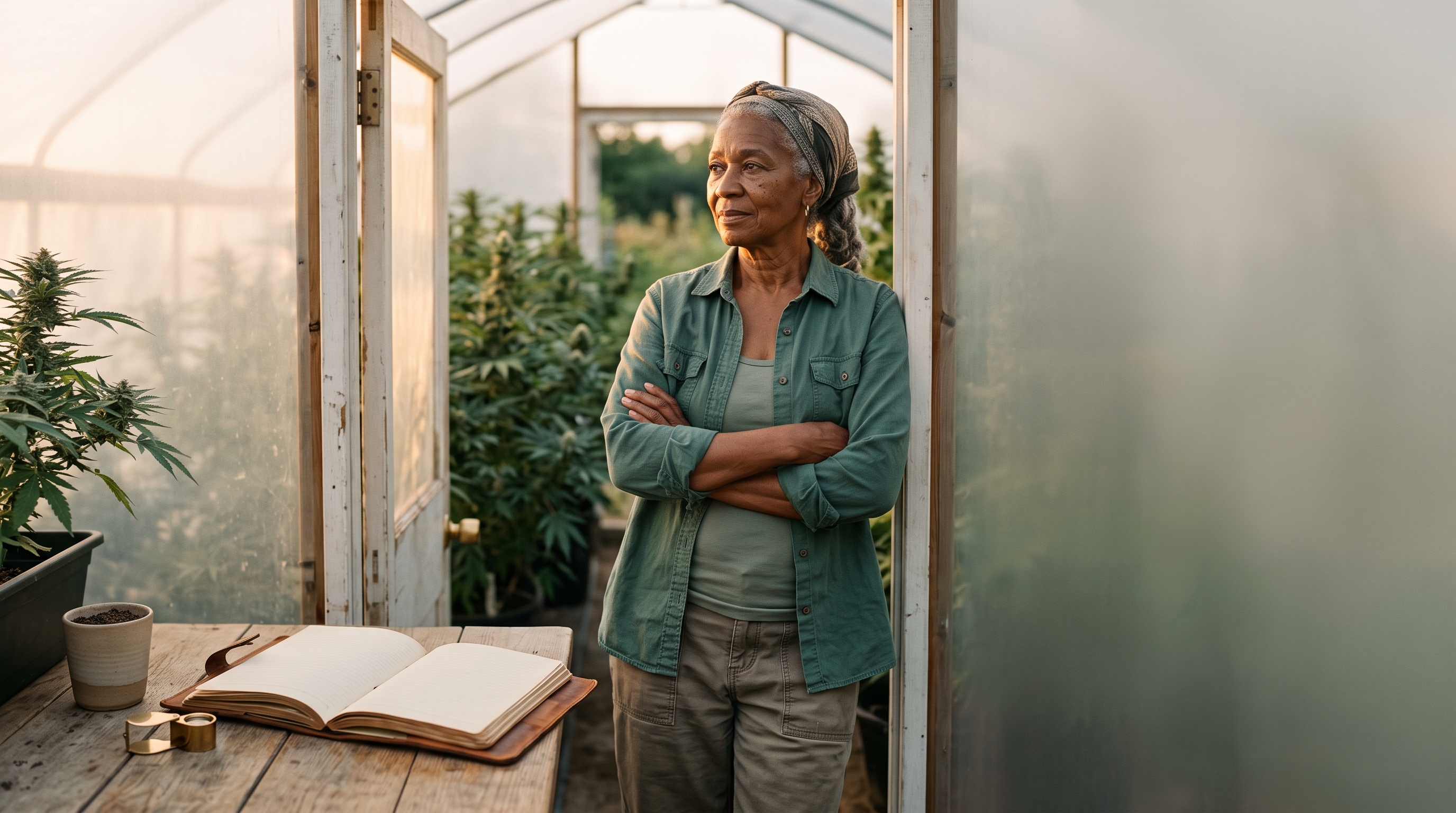
What If Getting High Was Just the Beginning?
Here’s a number that might surprise you: a 2023 consumer survey by Headset Analytics found that over 40% of legal cannabis purchasers now select products based on terpene profiles rather than THC percentage alone. Five years ago, that number hovered around 8%.
Something fundamental is shifting. Cannabis culture is moving away from the “strongest stuff wins” mentality and toward something far more interesting — intentional consumption. Think of it like the difference between grabbing the cheapest bottle of wine at the gas station and choosing a natural wine because you love what Grenache grapes do on volcanic soil. The substance is the same. The relationship to it is completely different.
This isn’t just vibes. There’s real science behind why choosing cannabis by its chemical fingerprint — its unique blend of terpenes, cannabinoids, and flavonoids — leads to more satisfying, predictable, and personally meaningful experiences. And a growing community of cannabis connoisseurs is proving that the most rewarding highs aren’t the strongest ones. They’re the most intentional ones.
In this piece, we’ll explore the science driving this cultural shift, why terpene literacy matters more than THC numbers, and how you can start approaching your own consumption with the kind of curiosity that makes every session better than the last.
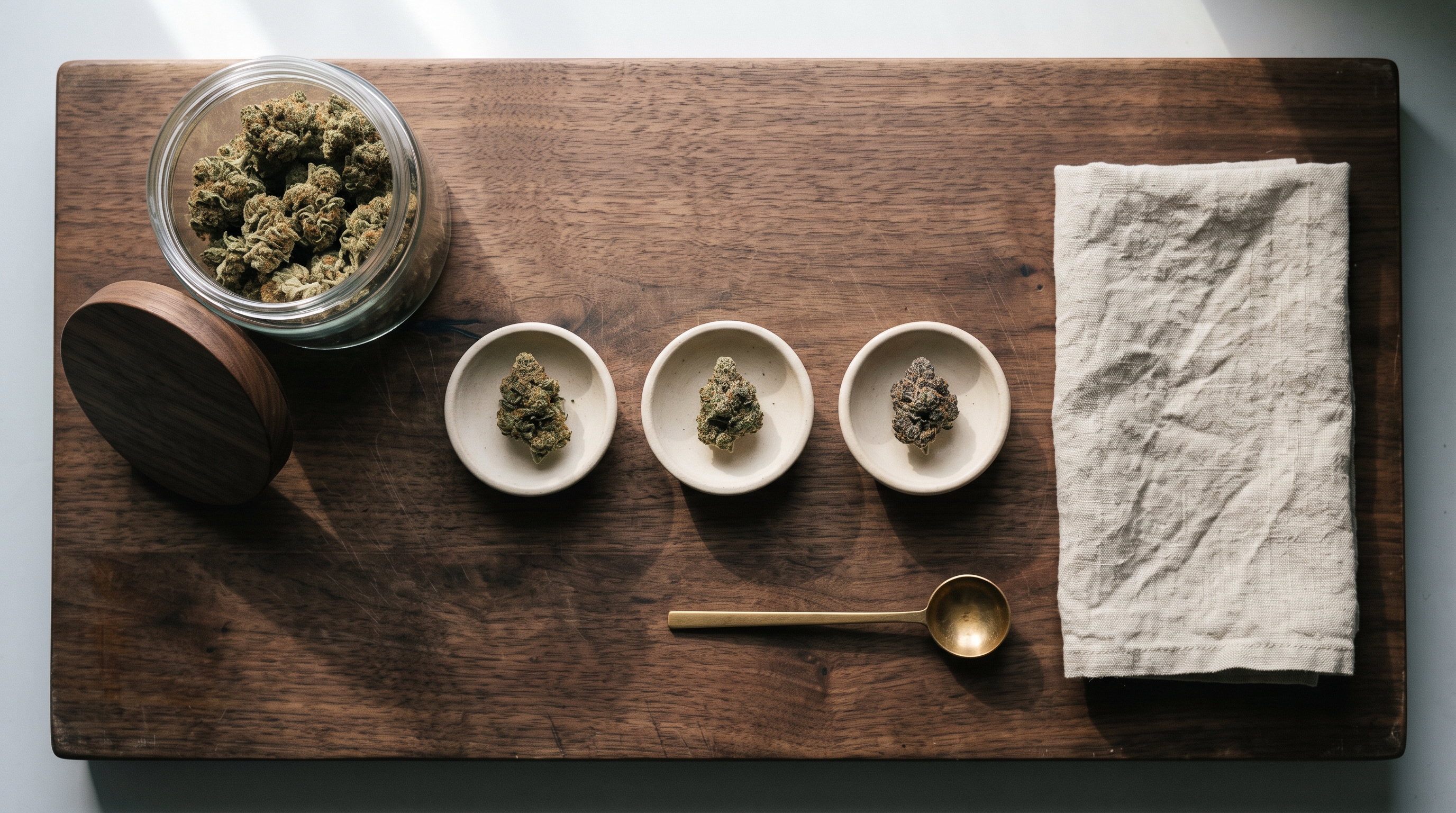
The Science Behind Intentional Consumption
How Terpenes Shape Your Experience
If you’ve ever wondered why two strains with identical THC percentages can feel wildly different, terpenes are your answer.
Terpenes are aromatic compounds produced by the cannabis plant (and thousands of other plants — they’re why lemons smell like lemons and pine trees smell like pine). But they do far more than provide aroma. Research suggests terpenes interact directly with your endocannabinoid system and other neurological pathways, actively shaping the character of your high [Russo, 2011].
Think of it like a band. THC is the lead singer — loud, undeniable, gets all the attention. But terpenes are the rest of the musicians. They determine whether you’re hearing jazz, punk, or a lullaby. A high-THC flower rich in limonene may feel uplifting and social, while the same THC level paired with myrcene might melt you into the couch. Same lead singer, completely different song.
This concept — that the whole plant matters more than any single compound — is known as the entourage effect. Dr. Ethan Russo’s landmark 2011 paper in the British Journal of Pharmacology laid out compelling evidence that cannabinoids and terpenes work synergistically, modulating each other’s effects in ways that isolated compounds simply can’t replicate [Russo, 2011].
What the Research Shows
The science is catching up to what connoisseurs have known intuitively. A 2022 study from the University of Colorado found that participants’ subjective experiences correlated more strongly with terpene profiles than with THC or CBD content alone [Bidwell et al., 2022]. In other words, what you feel has more to do with terpenes than potency.
Meanwhile, a 2021 study published in Scientific Reports demonstrated that myrcene-dominant cannabis produced stronger sedative effects compared to terpinolene-dominant cannabis at equivalent THC levels [LaVigne et al., 2021]. The researchers noted that terpene composition appeared to be a better predictor of reported effects than cannabinoid ratios.
This is precisely why the old indica vs. sativa classification tells you almost nothing useful. Those terms describe plant morphology — how the plant looks as it grows — not how it will make you feel. A “sativa” loaded with myrcene can be deeply sedating. An “indica” rich in terpinolene can be buzzy and energetic. The labels are botanical, not experiential.
The Connoisseur Movement: Wine Culture Meets Cannabis
From Budtender to Cannabis Sommelier
The parallels between wine and cannabis culture are no longer just metaphors — they’re becoming professional pathways. The Ganjier certification, modeled directly on the wine sommelier tradition, trains professionals to evaluate cannabis quality through sensory analysis, cultivation knowledge, and service standards. The Trichome Institute’s Interpening program teaches a similar discipline: the ability to identify terpene profiles, predict effects, and assess quality through sight, smell, and touch.
These certifications reflect a deeper cultural truth. Just as wine culture moved from “red or white?” to discussions of terroir, varietal, and vintage, cannabis culture is graduating from “indica or sativa?” to conversations about terpene dominance, cultivation method, and chemotype. Dispensary menus increasingly resemble sommelier wine lists, complete with tasting notes, terpene breakdowns, and origin stories.
The Craft Cannabis Premium
This shift is driving a booming craft cannabis market, estimated at roughly $5 billion globally in 2025 and growing at a projected 20% annually. Consumers are choosing small-batch, sun-grown flower with rich terpene profiles over mass-produced alternatives — paying more for intention and quality, just as craft beer and natural wine drinkers do.
Cannabis tasting events, farm tours, and immersive pairing dinners are emerging across legal markets. These experiences treat cannabis with the same reverence once reserved for fine wine and artisanal food, introducing sensory vocabulary and encouraging consumers to develop their palates.
Practical Implications: Building Your Intentional Practice
This is where science meets culture — and where High Families come in. Instead of relying on indica/sativa guesswork, you can choose cannabis by the type of experience you’re looking for, guided by terpene chemistry.
Looking for mood elevation and social energy for a dinner party? Explore the Uplifting High family, where limonene and linalool take the lead. Need focused productivity for a creative project? The Energetic High family, driven by terpinolene and ocimene, may be your match. Winding down for sleep? The Relaxing High family, anchored by myrcene, is built for exactly that.
Here’s how to start building your own connoisseur practice:
- Read the lab test, not just the label. Look for terpene breakdowns on product packaging or dispensary menus. If a product doesn’t list terpenes, ask — or choose one that does.
- Keep a simple journal. Note the strain, its dominant terpenes (if available), the method of consumption, and how you felt. Patterns emerge faster than you’d think.
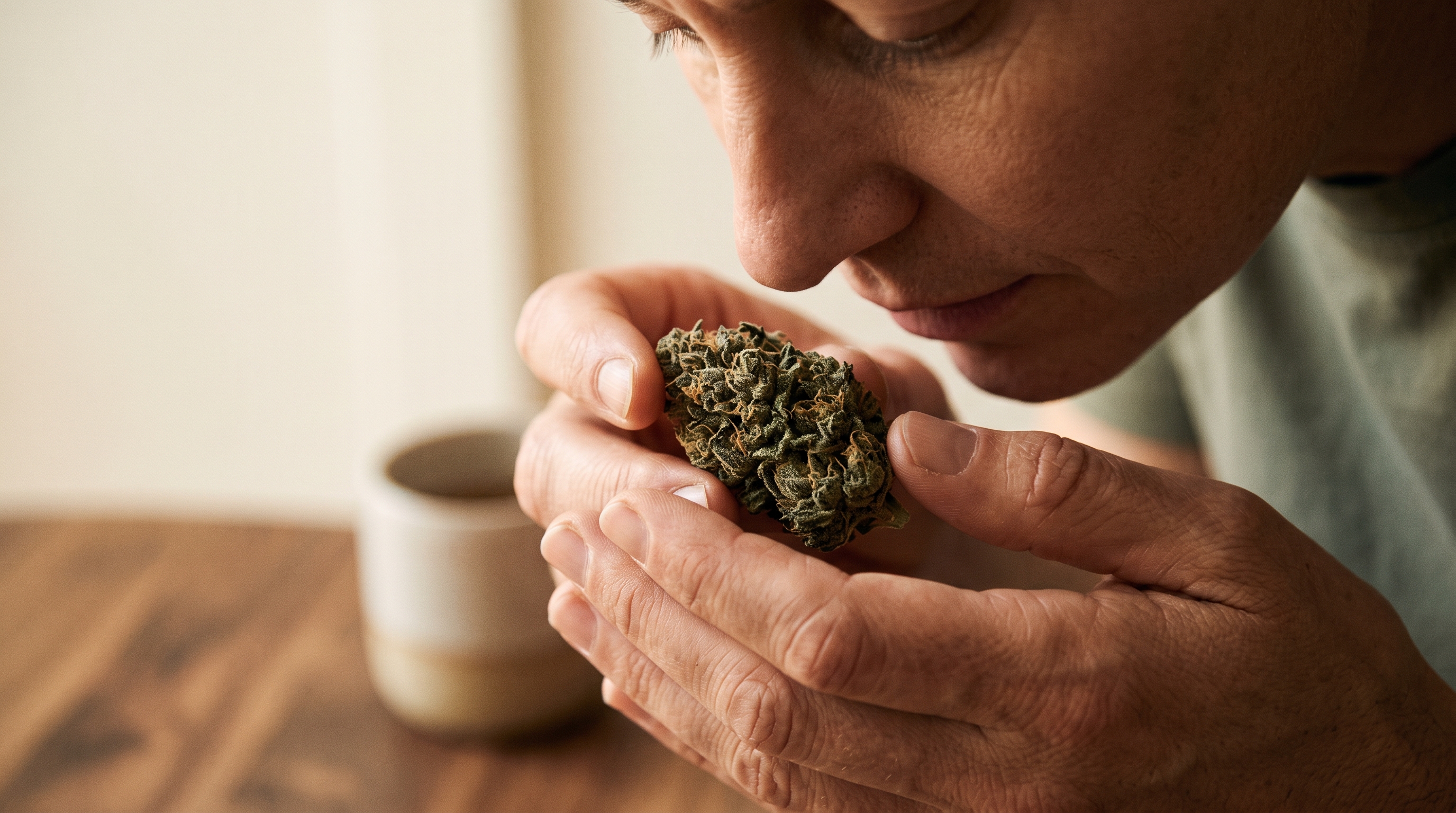
- Use your nose. Before you consume, smell your flower. That citrus burst? Likely limonene. Earthy and musky? Probably myrcene. Your nose is a surprisingly accurate terpene detector.
- Lower the dose, raise the attention. Connoisseurship isn’t about consuming more — it’s about noticing more. Many experienced consumers find that smaller, more intentional doses produce richer experiences than high-dose sessions.
- Explore the High Families framework. Instead of chasing THC percentages, try working through each family to discover which terpene profiles resonate with your body and your goals.
The connoisseur’s secret: The best cannabis experience isn’t the strongest one. It’s the one that matches your intention for the moment.
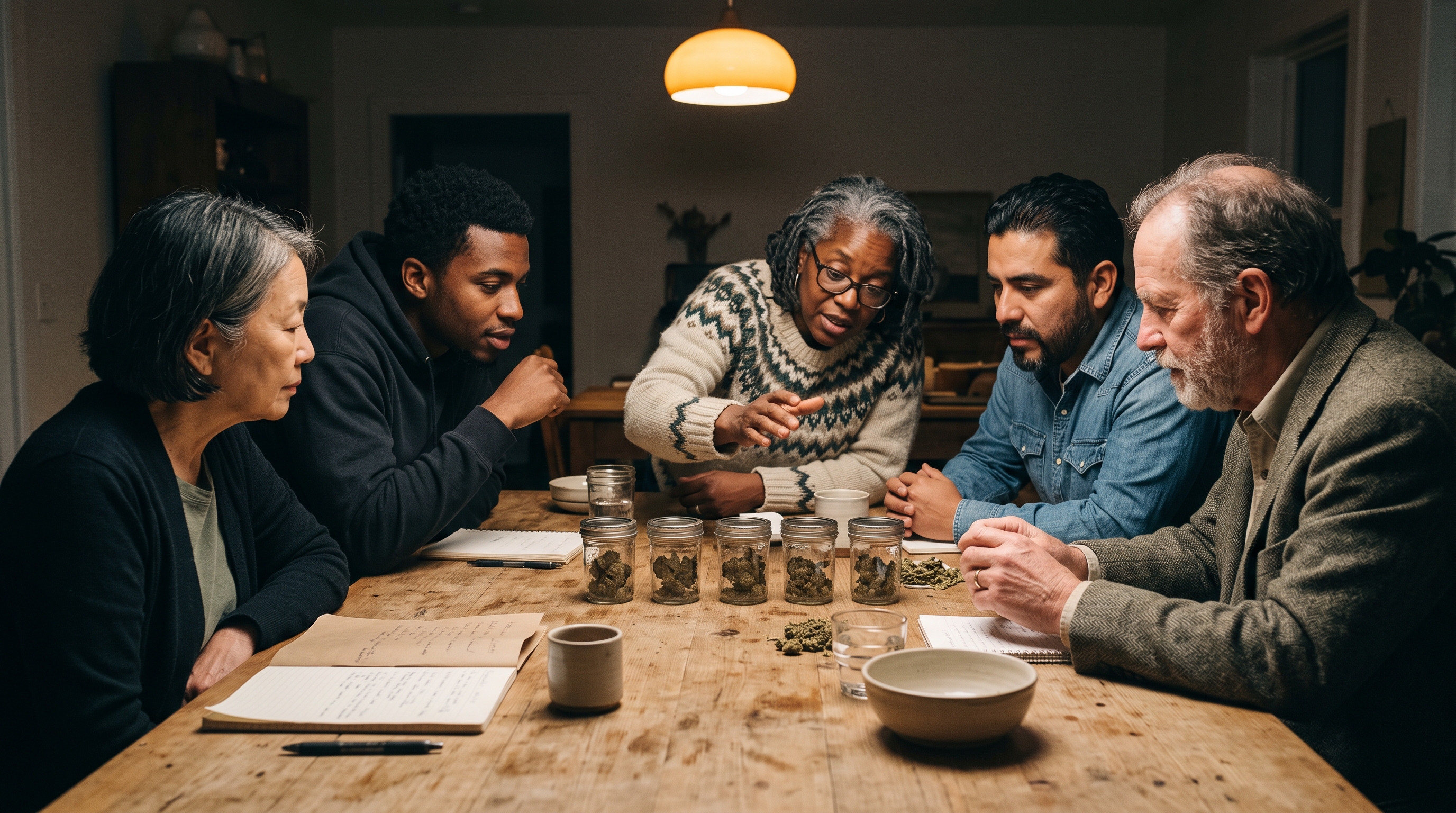
Key Takeaways
- Terpenes, not THC percentage, are the strongest predictor of how a cannabis strain will actually make you feel [Bidwell et al., 2022].
- The indica/sativa classification is outdated for predicting effects — terpene profiles and the High Families framework offer a far more accurate guide.
- Intentional consumption is a practice, not a purchase. Journaling, nose training, and mindful dosing are free tools that dramatically improve your experience.
- The entourage effect is real. Whole-plant cannabis, with its full spectrum of terpenes and cannabinoids working together, appears to produce more nuanced effects than isolated compounds [Russo, 2011].
- Cannabis culture is maturing. The shift toward connoisseurship reflects a community that values quality, self-knowledge, and intention over sheer potency.
FAQs
Do I need expensive equipment to become a cannabis connoisseur?
Not at all. The most important tools are free: your nose, your attention, and a simple notes app or journal. Over time, you’ll develop a personal library of what works for you — and that knowledge is more valuable than any gadget.
Is higher THC always better?
Research suggests it’s not. The University of Colorado study found that higher THC didn’t reliably produce stronger subjective effects [Bidwell et al., 2022]. Many connoisseurs actively seek moderate-THC strains with rich terpene profiles, finding them more enjoyable and functional.
What’s the fastest way to learn about terpenes?
Start with the High Families overview — it groups terpenes by the experiences they tend to produce, which is far more intuitive than memorizing chemistry. Then, every time you try a new strain, smell it first and check its terpene data. Within a few weeks, you’ll start recognizing patterns.
How is a cannabis sommelier different from a budtender?
A budtender helps you find products on a menu. A cannabis sommelier — or Ganjier — has undergone rigorous training in sensory evaluation, cultivation science, and cannabis service, similar to how a wine sommelier studies viticulture, tasting technique, and food pairing. It’s the difference between a bartender and a certified sommelier.
Can I practice connoisseurship with edibles and concentrates?
Absolutely. While flower offers the most direct terpene experience through aroma and flavor, many concentrate producers now preserve terpene profiles through low-temperature extraction methods. Full-spectrum edibles and live resin products are excellent vehicles for intentional consumption. The key is choosing products that list their terpene content.
Sources
- Russo, E.B. (2011). “Taming THC: potential cannabis synergy and phytocannabinoid-terpenoid entourage effects.” British Journal of Pharmacology, 163(7), 1344-1364. PMID: 21749363
- Bidwell, L.C. et al. (2022). “Association of Naturalistic Administration of Cannabis Flower and Concentrates With Intoxication and Impairment.” JAMA Psychiatry, 79(3), 197-206. DOI: 10.1001/jamapsychiatry.2021.4060
- LaVigne, J.E. et al. (2021). “Cannabis sativa terpenes are cannabimimetic and selectively enhance cannabinoid activity.” Scientific Reports, 11, 8232. DOI: 10.1038/s41598-021-87740-8


