Cannabis Glossary: 100+ Terms Every Consumer Should Know
Master cannabis with our A-Z glossary. 100+ terms defined simply — terpenes, cannabinoids, concentrates, dispensary lingo, and more for beginners.

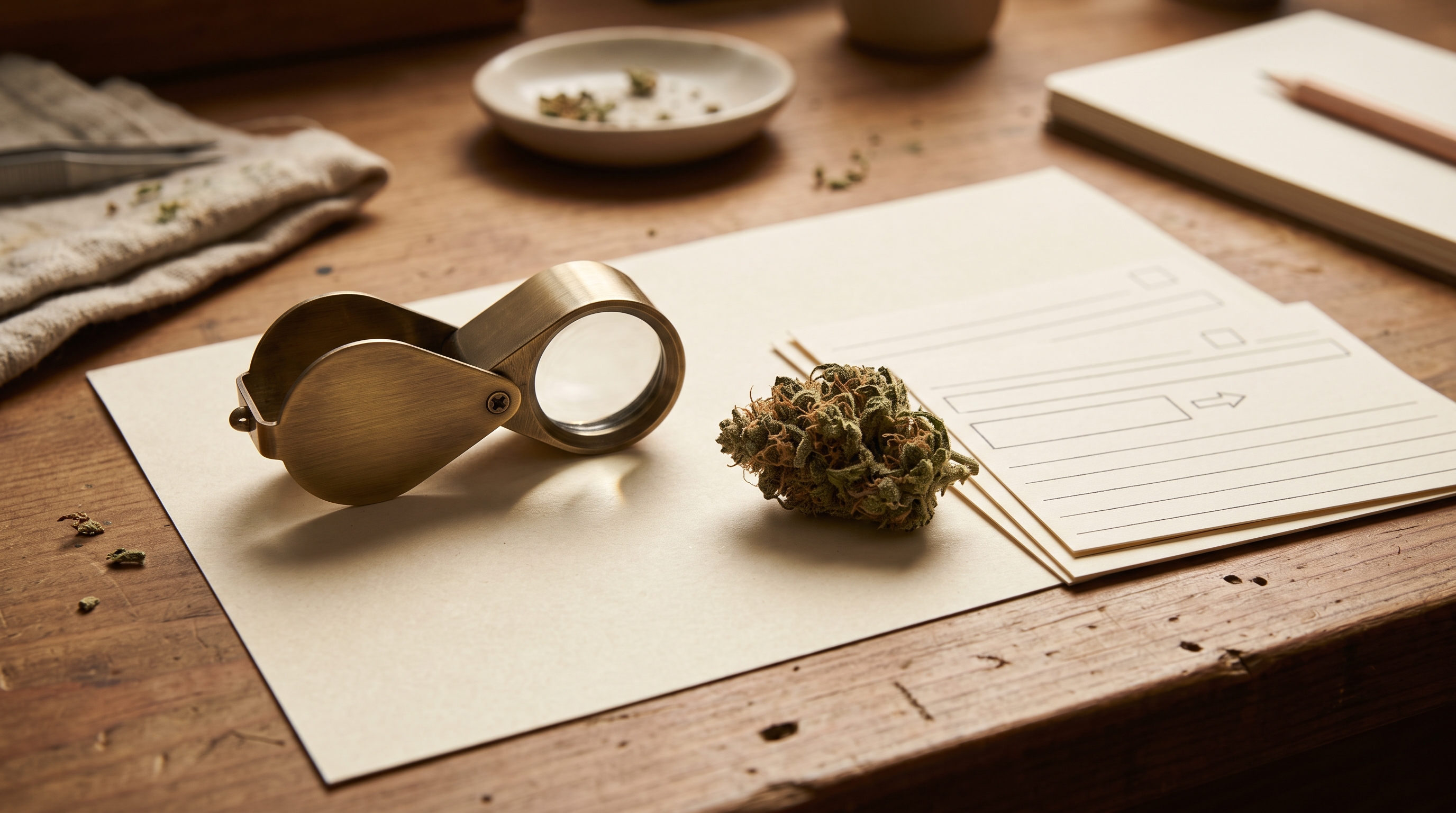
Why This Matters
Walking into a dispensary for the first time can feel like visiting a foreign country. The budtender starts talking about “terps,” “live resin,” and “entourage effect,” and suddenly you’re nodding along while understanding absolutely nothing. Sound familiar? You’re not alone.
Cannabis has its own rich vocabulary — built from decades of culture, science, and innovation. Knowing these terms doesn’t just make you sound informed; it helps you make better choices about what you consume, how you consume it, and what kind of experience you’re looking for.
This glossary covers 100+ essential cannabis terms, organized from the absolute basics to more advanced concepts. Bookmark this page. You’ll come back to it more than you think.
No question is a dumb question here. Everyone started somewhere, and this guide meets you exactly where you are.
The Basics: Core Cannabis Concepts
Before we dive into the full glossary, let’s cover the foundational terms you’ll encounter on day one. These are the building blocks everything else rests on.
What You Need to Know First
Cannabis is a flowering plant genus that produces compounds called cannabinoids and terpenes. These compounds interact with your body’s endocannabinoid system (ECS) — a network of receptors that helps regulate mood, pain, appetite, sleep, and more.
The two most well-known cannabinoids are THC (tetrahydrocannabinol), which produces the “high,” and CBD (cannabidiol), which doesn’t produce intoxication but may support wellness in other ways.
You’ll also hear a lot about strains (increasingly called cultivars) — these are specific varieties of the cannabis plant, each with a unique combination of cannabinoids and terpenes that shape the experience.
Here at This Is Why I’m High, we go beyond outdated indica/sativa labels and classify cannabis experiences into High Families — a system based on terpene chemistry that more accurately describes what you’ll actually feel. More on that below.
Key Starter Terms
| Term | Simple Definition |
|---|---|
| Cannabis | The plant genus that includes hemp and marijuana varieties |
| THC | The primary psychoactive cannabinoid; what gets you high |
| CBD | A non-intoxicating cannabinoid associated with calm and wellness |
| Terpene | Aromatic compounds in cannabis that shape flavor, scent, and effects |
| Strain / Cultivar | A specific variety of cannabis with unique characteristics |
| Flower | The dried, smokable buds of the cannabis plant |
| Edible | Cannabis-infused food or drink |
| Concentrate | A potent cannabis extract (wax, shatter, oil, etc.) |
| Dispensary | A licensed retail shop where cannabis is legally sold |
| Budtender | A dispensary employee who helps customers choose products |
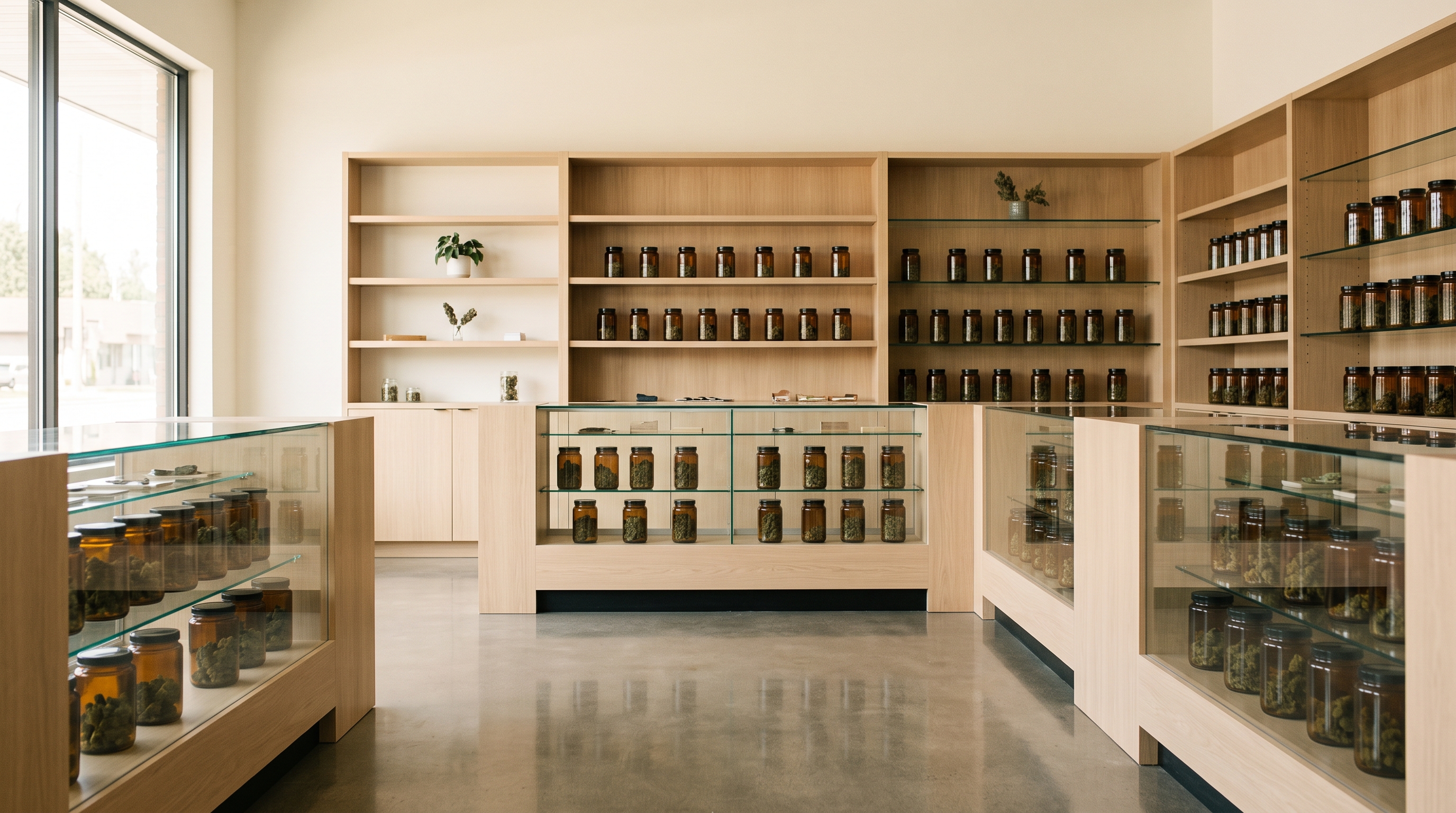
The Complete Cannabis Glossary: A to Z
Here it is — your comprehensive reference guide. We’ve organized everything alphabetically so you can quickly find any term. Terms are grouped into thematic sections for easier browsing, but you can also just scroll and explore.
Plant Anatomy & Growing
| # | Term | Definition |
|---|---|---|
| 1 | Bud | The flower of the cannabis plant, harvested and dried for consumption |
| 2 | Calyx | The small, bulbous structure on the bud that contains the highest concentration of trichomes |
| 3 | Clone | A cutting from a cannabis plant used to grow a genetically identical new plant |
| 4 | Cola | The main flowering cluster at the top of a cannabis plant |
| 5 | Cotyledon | The first pair of leaves that sprout from a cannabis seed |
| 6 | Curing | The process of slowly drying harvested buds in controlled conditions to improve flavor and potency |
| 7 | Fan leaves | The large, iconic leaves of the cannabis plant; low in cannabinoids but important for photosynthesis |
| 8 | Feminized seeds | Seeds bred to produce only female (bud-producing) plants |
| 9 | Flowering time | The period during which a cannabis plant produces buds |
| 10 | Hemp | Cannabis plants containing 0.3% THC or less by dry weight; legally distinct from marijuana in the U.S. |
| 11 | Hybrid | A plant bred from two or more different cannabis cultivars |
| 12 | Node | The point on a stem where branches or leaves grow |
| 13 | Phenotype (pheno) | The observable characteristics of a specific plant, influenced by both genetics and environment |
| 14 | Pistil | The hair-like structures on buds, often orange or red, that catch pollen |
| 15 | Ruderalis | A lesser-known cannabis subspecies known for auto-flowering traits |
| 16 | Sugar leaves | Small, trichome-coated leaves that grow within the bud; often used for extracts |
| 17 | Trichome | Tiny, crystal-like glands on the plant surface that produce cannabinoids and terpenes |
| 18 | Vegetative stage | The growth phase before flowering, when the plant develops stems and leaves |
Cannabinoids
| # | Term | Definition |
|---|---|---|
| 19 | Cannabinoid | A chemical compound found in cannabis that interacts with the body’s endocannabinoid system |
| 20 | THC (Δ9-THC) | Delta-9-tetrahydrocannabinol; the main psychoactive compound in cannabis |
| 21 | CBD (Cannabidiol) | A non-intoxicating cannabinoid that may support relaxation and wellness |
| 22 | CBG (Cannabigerol) | Often called the “mother cannabinoid” because other cannabinoids are synthesized from it |
| 23 | CBN (Cannabinol) | A mildly psychoactive cannabinoid that forms as THC ages; some find it may support sleep |
| 24 | CBC (Cannabichromene) | A non-intoxicating cannabinoid being studied for potential wellness applications |
| 25 | THCA | The raw, non-psychoactive form of THC found in fresh cannabis; converts to THC with heat |
| 26 | CBDA | The raw, acidic form of CBD found in fresh cannabis |
| 27 | Delta-8 THC | A less potent psychoactive cannabinoid similar to Delta-9 THC; exists in a legal gray area |
| 28 | THCV (Tetrahydrocannabivarin) | A cannabinoid being researched for its unique effects, sometimes called “diet weed” for its potential appetite-suppressing properties |
| 29 | Endocannabinoid system (ECS) | Your body’s built-in network of receptors (CB1 and CB2) that cannabinoids interact with [Russo, 2011] |
| 30 | CB1 receptors | Endocannabinoid receptors concentrated in the brain and nervous system |
| 31 | CB2 receptors | Endocannabinoid receptors found primarily in the immune system and peripheral tissues |
| 32 | Full-spectrum | A product containing the complete range of cannabinoids, terpenes, and other plant compounds |
| 33 | Broad-spectrum | Similar to full-spectrum but with THC removed |
| 34 | Isolate | A pure, single cannabinoid extract (e.g., CBD isolate is 99%+ CBD) |
Terpenes & the High Families
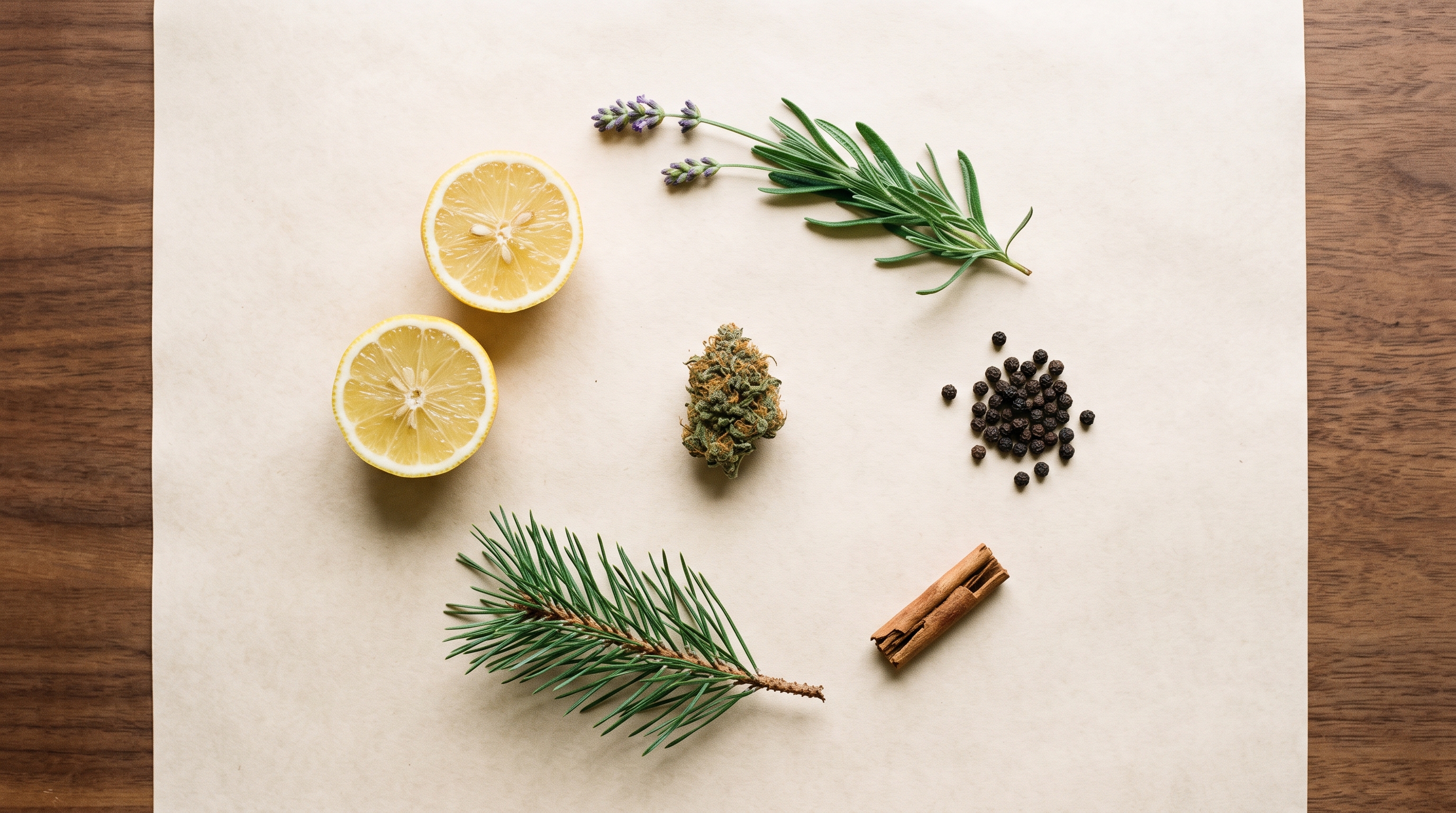
Terpenes are the aromatic compounds that give each cannabis cultivar its unique scent and flavor — from piney to citrusy to funky. But they do much more than smell nice. Research suggests terpenes may actively shape your experience through what’s called the entourage effect [Russo, 2011].
That’s why we built the High Families system — to help you choose cannabis based on terpene profiles rather than the outdated indica/sativa binary.
| # | Term | Definition |
|---|---|---|
| 35 | Terpene | An aromatic compound produced by many plants, including cannabis, that influences scent, flavor, and effects |
| 36 | Myrcene | The most common cannabis terpene; earthy, musky aroma; associated with the Relaxing High family |
| 37 | Limonene | A citrus-scented terpene associated with the Uplifting High family |
| 38 | Linalool | A floral terpene (also found in lavender) associated with the Uplifting High family |
| 39 | Caryophyllene (β-caryophyllene) | A spicy, peppery terpene that also acts on CB2 receptors; associated with the Relieving High family |
| 40 | Pinene | A pine-scented terpene found in many cannabis cultivars and conifer trees |
| 41 | Terpinolene | A complex, floral-herbal terpene associated with the Energetic High family |
| 42 | Ocimene | A sweet, herbaceous terpene associated with the Energetic High family |
| 43 | Humulene | An earthy, woody terpene (also found in hops) associated with the Relieving High family |
| 44 | Entourage effect | The theory that cannabinoids and terpenes work together synergistically to produce more nuanced effects than any single compound alone [Russo, 2011] |
| 45 | Terpene profile | The specific combination and concentration of terpenes in a given cultivar |
| 46 | High Families | our classification system that groups cannabis experiences by terpene chemistry into six families: Uplifting, Energetic, Relaxing, Balancing, Relieving, and Entourage |
Consumption Methods
| # | Term | Definition |
|---|---|---|
| 47 | Smoking | Inhaling combusted cannabis flower, typically through a joint, pipe, or bong |
| 48 | Vaping / Vaporizing | Heating cannabis to release cannabinoids and terpenes as vapor without combustion |
| 49 | Dabbing | Vaporizing cannabis concentrates on a heated surface (a “nail” or “banger”) |
| 50 | Edible | Any food or drink infused with cannabis; effects take longer to onset (30 min–2 hours) but last longer |
| 51 | Tincture | A liquid cannabis extract, usually taken under the tongue (sublingually) |
| 52 | Topical | Cannabis-infused creams, balms, or lotions applied to the skin; generally non-intoxicating |
| 53 | Transdermal patch | A patch that delivers cannabinoids through the skin into the bloodstream |
| 54 | Sublingual | Administering cannabis (usually a tincture or strip) under the tongue for faster absorption |
| 55 | Suppository | A cannabis product inserted rectally or vaginally for localized or systemic effects |
| 56 | Microdose | Consuming very small amounts of cannabis (typically 1–2.5mg THC) for subtle effects |
| 57 | Macro dose | A larger-than-typical cannabis dose, usually 50mg+ THC |
| 58 | Onset time | How long it takes to feel effects after consumption |
| 59 | Duration | How long the effects of cannabis last |
| 60 | Bioavailability | The percentage of a cannabinoid that actually enters your bloodstream |
Products & Concentrates
| # | Term | Definition |
|---|---|---|
| 61 | Concentrate | Any cannabis product made by extracting cannabinoids and terpenes from plant material |
| 62 | Shatter | A brittle, glass-like concentrate known for high potency |
| 63 | Wax | A soft, opaque concentrate with a waxy texture |
| 64 | Budder / Badder | A creamy, butter-like concentrate that’s easy to work with |
| 65 | Live resin | A concentrate made from fresh-frozen cannabis, preserving more terpenes |
| 66 | Live rosin | A solventless concentrate made by applying heat and pressure to fresh-frozen bubble hash |
| 67 | Rosin | A solventless extract made by pressing cannabis with heat and pressure |
| 68 | Distillate | A highly refined cannabis oil, usually very high in THC or CBD but low in terpenes |
| 69 | RSO (Rick Simpson Oil) | A thick, full-spectrum cannabis oil made with ethanol extraction |
| 70 | Hash / Hashish | One of the oldest concentrates; compressed trichomes (kief) |
| 71 | Bubble hash | Hash made using ice water to separate trichomes from plant material |
| 72 | Kief | The loose trichomes that collect at the bottom of a grinder |
| 73 | Cartridge (cart) | A pre-filled vape cartridge containing cannabis oil |
| 74 | Pre-roll | A pre-made cannabis joint, ready to smoke |
| 75 | Infused pre-roll | A pre-roll enhanced with concentrates, kief, or additional cannabinoids |
| 76 | Solventless | Extracts made without chemical solvents (using heat, pressure, or water instead) |
| 77 | BHO (Butane Hash Oil) | Concentrate extracted using butane as a solvent |
| 78 | CO2 extraction | A method using pressurized carbon dioxide to extract cannabinoids and terpenes |
Gear & Accessories
| # | Term | Definition |
|---|---|---|
| 79 | Bong | A water pipe used to filterand cool smoke before inhalation |
| 80 | Pipe | A handheld smoking device with a bowl, carb, and mouthpiece |
| 81 | Spoon pipe | The most common handheld pipe shape, resembling a spoon |
| 82 | One-hitter / Chillum | A small, narrow pipe designed for a single hit |
| 83 | Dugout | A small wooden box with two chambers: one for the one-hitter, one for ground flower |
| 84 | Bubbler | A handheld pipe with a water chamber for filtered smoke |
| 85 | Dab rig | A glass water pipe specifically designed for vaporizing concentrates |
| 86 | Nail / Banger | The heated surface on a dab rig where concentrate is placed |
| 87 | E-nail | An electronically heated nail that maintains a precise temperature for dabbing |
| 88 | Grinder | A device used to break down cannabis flower for smoking or vaping |
| 89 | Vaporizer | A device that heats cannabis to produce vapor rather than smoke |
| 90 | Dab pen / Wax pen | A portable vaporizer designed for use with concentrates |
Dispensary & Retail Terms
| # | Term | Definition |
|---|---|---|
| 91 | Dispensary | A state-licensed retail store where cannabis products are legally sold |
| 92 | Budtender | A dispensary staff member trained to help customers select products |
| 93 | Menu | The list of available cannabis products at a dispensary |
| 94 | COA (Certificate of Analysis) | A third-party lab report showing a product’s cannabinoid and terpene content, as well as testing for contaminants |
| 95 | Seed to sale | The tracked journey of a cannabis product from cultivation through retail sale |
| 96 | Compliance | Adherence to state cannabis regulations governing testing, packaging, and sale |
| 97 | Recreational (adult-use) | Cannabis sold to anyone 21+ without a medical requirement |
| 98 | Medical | Cannabis sold to patients with a qualifying condition and valid medical card |
| 99 | METRC | The most common state-mandated seed-to-sale tracking software used by cannabis businesses |
| 100 | POS (Point of Sale) | The software system dispensaries use to manage inventory and transactions |
| 101 | Eighth (1/8) | One-eighth of an ounce of cannabis (approximately 3.5 grams); the most common purchase quantity |
| 102 | Quarter | One-quarter ounce of cannabis (approximately 7 grams) |
| 103 | Half (half-O) | Half an ounce of cannabis (approximately 14 grams) |
| 104 | Ounce (O, zip) | One full ounce of cannabis (28 grams) |
| 105 | Dime bag | A $10 bag of cannabis, typically about 1 gram (historical slang) |
Effects & Experience
| # | Term | Definition |
|---|---|---|
| 106 | High | The psychoactive experience produced by THC |
| 107 | Indica effects | Traditionally associated with body relaxation, sedation, and couch-lock |
| 108 | Sativa effects | Traditionally associated with cerebral, energetic, uplifting experiences |
| 109 | Couch-lock | A heavy, sedated feeling that makes you want to stay seated |
| 110 | Cottonmouth (dry mouth) | Reduced saliva production, a common side effect of cannabis |
| 111 | Munchies | Increased appetite triggered by THC |
| 112 | Paranoia | Anxiety or fear that can occur with high doses, particularly of THC |
| 113 | Tolerance | Reduced sensitivity to cannabis effects after repeated use |
| 114 | Tolerance break (T-break) | A deliberate pause from cannabis use to reset tolerance |
| 115 | Greening out | Consuming too much cannabis and feeling overwhelmed, nauseous, or anxious |
| 116 | Body high | Cannabis effects felt primarily in the body — warmth, relaxation, heaviness |
| 117 | Head high | Cannabis effects felt primarily in the mind — euphoria, creativity, altered thinking |
| 118 | Mood elevation | A lift in mood commonly reported with cannabis use |
| 119 | Cerebral | A cannabis experience that is primarily mental and cognitive |
Potency & Testing
| # | Term | Definition |
|---|---|---|
| 120 | Potency | The concentration of THC or other cannabinoids in a product, usually expressed as a percentage |
| 121 | Total THC | The combined measurement of THCA (converted) + Delta-9 THC |
| 122 | Decarboxylation (decarb) | Heating cannabis to activate THCA into THC and CBDA into CBD |
| 123 | PPM (Parts Per Million) | Unit used to measure trace contaminants in cannabis testing |
| 124 | Terpene percentage | The total concentration of terpenes in a sample, expressed as a percentage of weight |
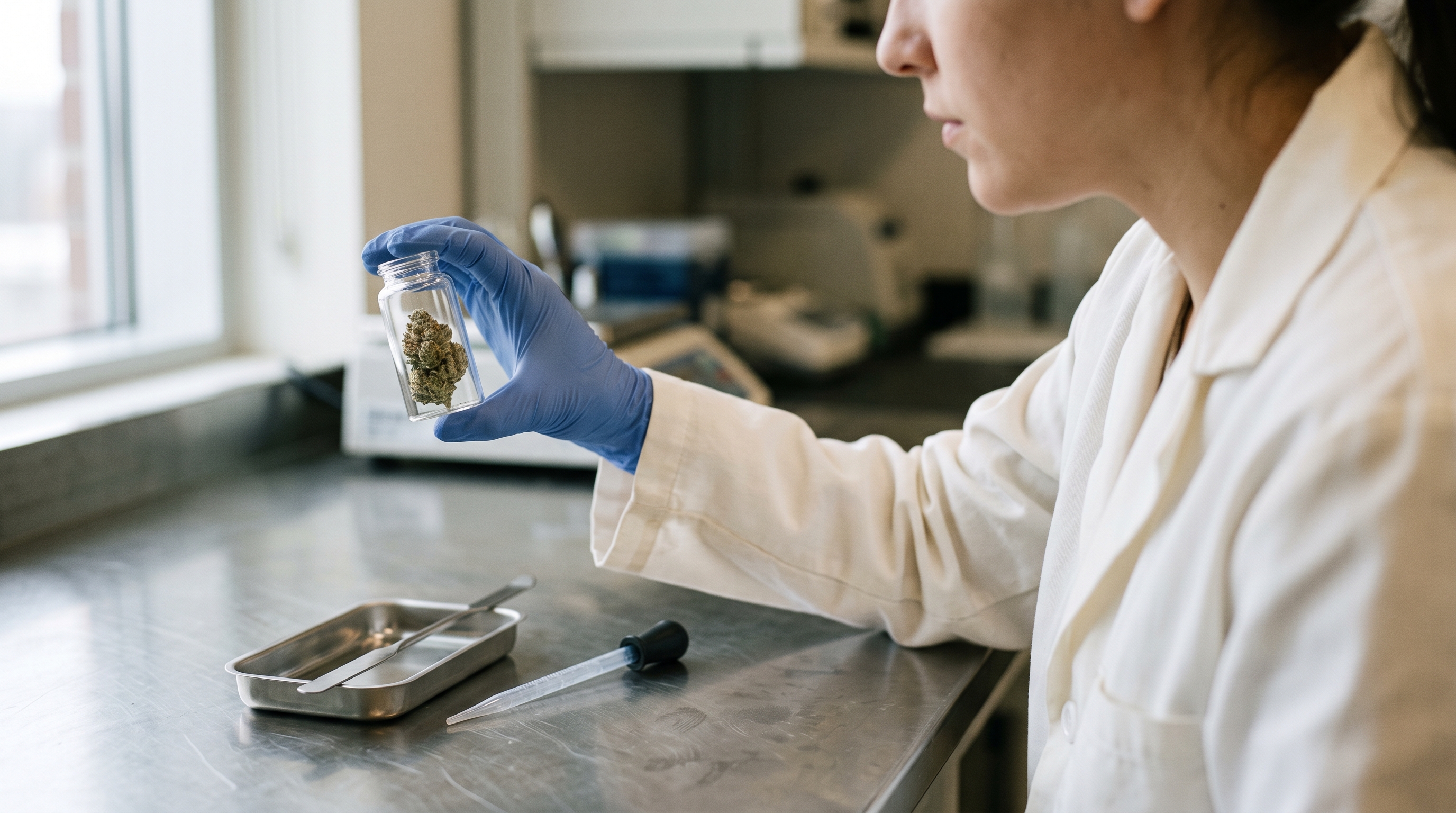
| 125 | Lab-tested | Cannabis that has been tested by a licensed third-party laboratory for purity and potency |
| 126 | Pesticide screening | Testing cannabis for harmful agricultural chemicals |
| 127 | Microbial testing | Checking for harmful bacteria, mold, or yeast in cannabis products |
| 128 | Residual solvents | Testing for leftover extraction chemicals that shouldn’t remain in the final product |
Cultivation & Processing
| # | Term | Definition |
|---|---|---|
| 129 | Autoflower | A cannabis strain that flowers automatically based on age rather than light cycles |
| 130 | Photoperiod | Cannabis plants that flower based on changes in light exposure |
| 131 | Indoor grown | Cannabis cultivated in a controlled indoor environment |
| 132 | Outdoor grown | Cannabis grown outside in natural sunlight |
| 133 | Greenhouse grown | Cannabis cultivated in a glass or plastic greenhouse structure |
| 134 | Organic | Cannabis grown without synthetic fertilizers or pesticides |
| 135 | Craft cannabis | Small-batch, artisanal cannabis grown with extra attention to quality |
| 136 | Trim | The leaves removed from buds during harvest processing; often used to make extracts |
| 137 | Flush | Feeding plants only water in the final weeks of growth to remove nutrient buildup |
| 138 | Cure | The post-harvest process of slowly drying buds in jars to develop flavor and smooth smoke |
| 139 | Water activity (aw) | A measure of available moisture in cannabis used to predict shelf life and mold risk |
| 140 | Terp sauce | A cannabis extract with high terpene content, often combined with THCA diamonds |
| 141 | THCA diamonds | Crystalline structures of pure THCA that form in highly concentrated extracts |
| 142 | Badder / Batter | A whipped concentrate with a smooth, frosting-like consistency |
Quick Reference: Common Abbreviations
| Abbreviation | Full Term |
|---|---|
| THC | Tetrahydrocannabinol |
| CBD | Cannabidiol |
| CBG | Cannabigerol |
| CBN | Cannabinol |
| THCA | Tetrahydrocannabinolic Acid |
| CBDA | Cannabidiolic Acid |
| ECS | Endocannabinoid System |
| COA | Certificate of Analysis |
| BHO | Butane Hash Oil |
| RSO | Rick Simpson Oil |
| OG | Original Gangster (strain lineage designation) |
| 710 | Dab/oil culture day (July 10th) — “OIL” upside down |
| 420 | International cannabis appreciation time/day |
How to Use This Glossary
Now that you have the vocabulary, here’s how to put it to work:
At the dispensary: Ask your budtender about the terpene profile of any product you’re considering. Use terms like “entourage effect,” “live resin,” and “COA” to signal you’re an informed consumer and want quality recommendations.
Reading labels: Check for Total THC percentage, terpene percentages, and whether the product has a COA available. These three data points tell you more than any marketing claim.
Choosing a strain: Instead of asking “is it indica or sativa?” try asking about the dominant terpenes or the High Family classification. This approach is far more predictive of how you’ll actually feel.
Exploring This Is Why I’m High: Our platform is built around these concepts. Use the strain finder to filter by terpenes, explore the High Families to match experiences to your mood, and dig into detailed strain profiles that break down every term from this glossary.
Pro tip: Bookmark this page. Cannabis vocabulary evolves constantly, and we update this glossary as new terms emerge in the industry.
Key Takeaways
- Start with the basics: THC, CBD, terpenes, and the endocannabinoid system are the four pillars. Everything else builds on these.
- Skip the indica/sativa labels: They’re imprecise. Ask about terpene profiles and High Families instead for accurate effect predictions.
- Always check the COA: A Certificate of Analysis is your best tool for knowing what’s actually in any cannabis product.
- Potency isn’t everything: A 30% THC flower can feel weaker than a 22% flower with the right terpene profile. Chemistry matters more than numbers.
- Go slow with edibles: Onset is 30 min–2 hours. Bioavailability varies. Start with 5mg THC and wait.
- Use This Is Why I’m High: Our strain finder and High Families system are built around this exact vocabulary — so you can shop smarter.
Sources
- Russo, E.B. (2011). Taming THC: potential cannabis synergy and phytocannabinoid-terpenoid entourage effects. British Journal of Pharmacology, 163(7), 1344–1364.
- National Environmental Health Association. Cannabis 101: Glossary of Related Terms.
- Leafly Cannabis Glossary. leafly.com/news/cannabis-101/glossary-of-cannabis-terms
- Ligresti, A., et al. (2016). From Phytocannabinoids to Cannabinoid Receptors and Endocannabinoids. Pharmacological Reviews, 68(2), 553–606.
This glossary is intended for educational purposes for adults in jurisdictions where cannabis is legal. Always consume responsibly and in accordance with local laws.


