Gas vs Candy: The Two Cannabis Flavor Families Explained
Cannabis has two dominant palate camps: gas (diesel, funk, fuel) and candy (sweet, fruity, dessert). The terpene science and what your palate says about you.

Professor High
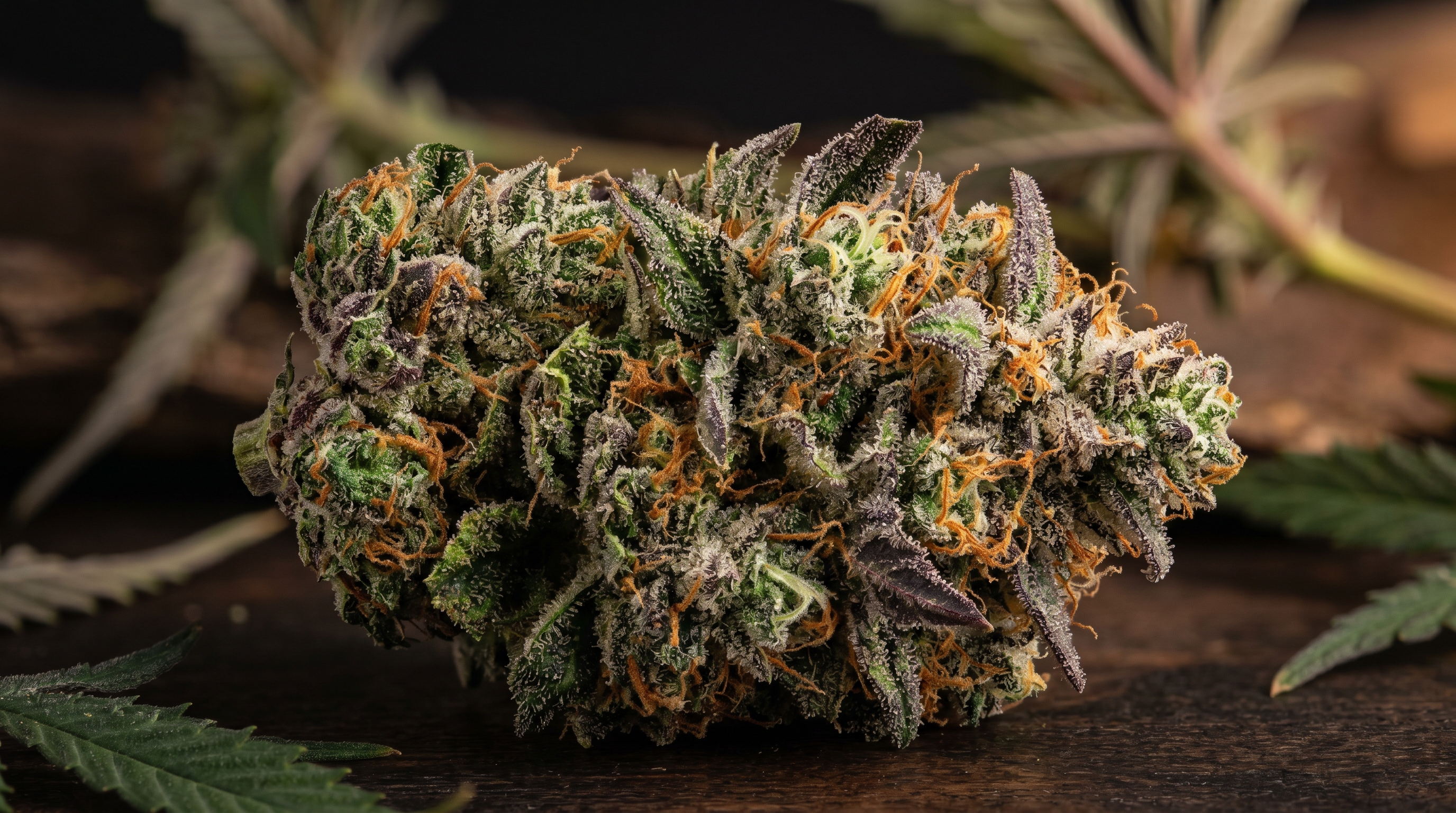
Most cannabis consumers, once they’ve sampled enough flower, eventually land in one of two camps. They either reach for something that smells like diesel, rubber, and damp earth — something that announces itself the moment the jar opens — or they gravitate toward flower that smells like candy, frosted fruit, or a dessert you’d order at a restaurant if you had no shame. Gas or candy. A few people sit comfortably in the middle. Most don’t.
This isn’t a minor preference split. It’s the central fault line of cannabis flavor culture, and understanding it helps you shop smarter, communicate better with budtenders, and — if you’re honest with yourself — understand something about your own palate that no strain label ever quite captures.
Gas: What It Actually Means
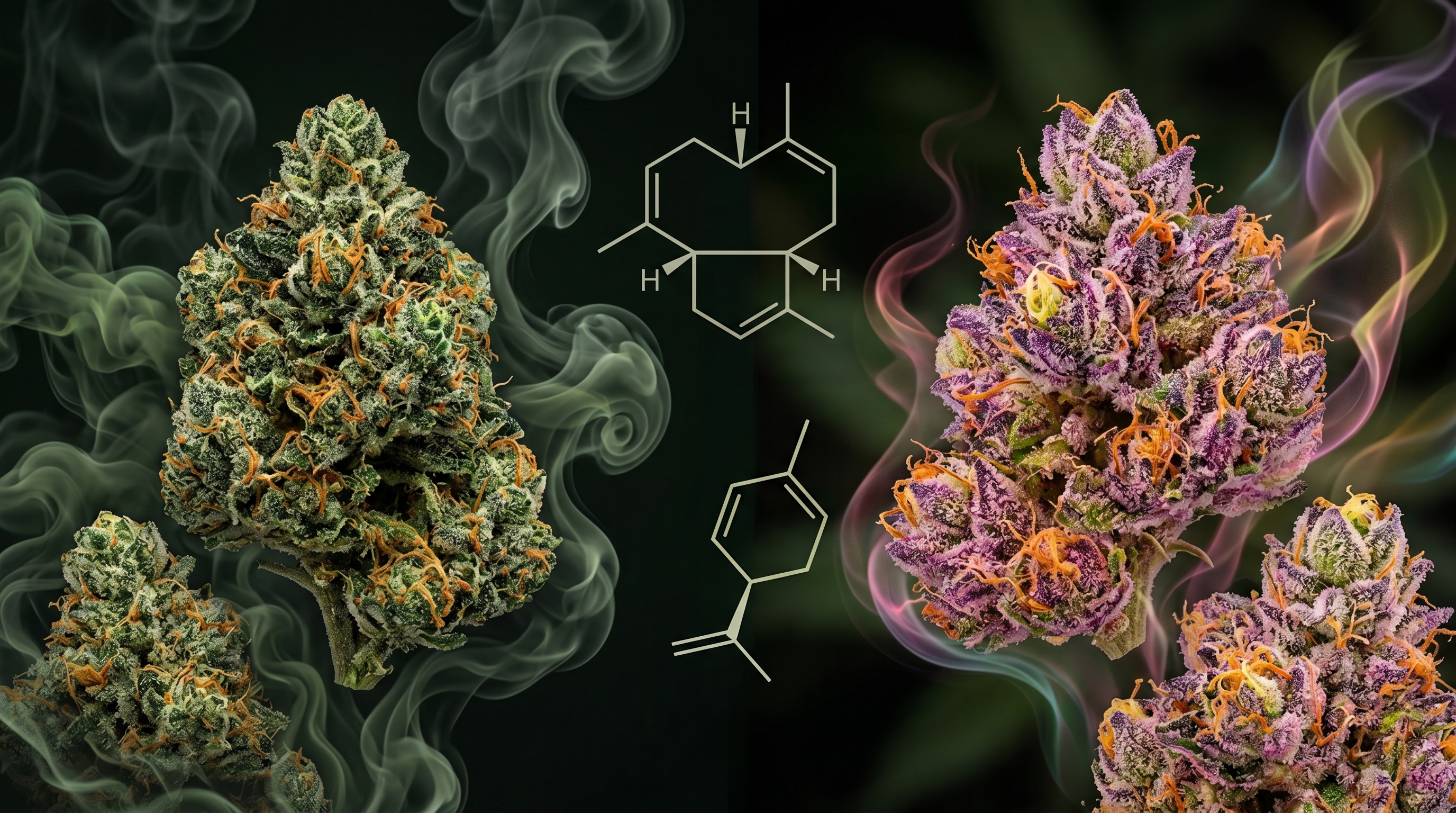
“Gas” is one of those words that cannabis culture adopted and ran with until it meant several things at once. In its most useful sense, it describes a family of strains whose aromatics land somewhere on the spectrum from fuel and diesel to chemical funk, earthy skunk, hash, and savory umami. When you open a jar and it hits you like a solvent-forward punch — something between an auto mechanic’s shop and a greenhouse — that’s gas.
The terpene backbone of gas strains is typically caryophyllene and myrcene. Caryophyllene, the peppery, spicy compound that also gives black pepper its bite, contributes the sharp, almost chemical edge you get from classic gas strains. Myrcene brings the heavy, damp, herbal base — earthy and sedating, the foundation beneath the more aggressive notes. Together, they don’t smell sweet. They smell serious.
But terpenes don’t tell the whole story. Research from Abstrax Tech has identified a class of compounds called Prenylated Cannasulfur Compounds (PCSCs) — sulfur-containing molecules that contribute the specific diesel and fuel signature that no terpene alone can fully replicate. These compounds are volatile and degrade quickly, which is why properly cured, fresh gas-forward flower smells dramatically different from old or improperly stored flower of the same genetics.
The classic gas strains read like a hall of fame of cannabis history. Sour Diesel — one of the first strains to popularize the fuel aesthetic in the early 2000s — is caryophyllene- and myrcene-led, with a sharp lemon-diesel back note from its limonene content. OG Kush brings earthy, pine, and fuel in measured proportion. Chemdawg, the ancestral strain behind much of modern gas genetics, goes sharper still — chemical and pungent in a way that newer consumers sometimes find challenging on first encounter, and seasoned consumers find instantly recognizable. And then there is Hash Burger, the myrcene-forward monster with garlic, onion, pepper, and skunk — a strain that became Leafly’s Strain of the Year 2025 precisely because it represents gas at its most unapologetic.
Within the gas family, there are meaningful sub-camps:
- OG Gas: diesel, pine, and a hint of citrus. Classic California lineage. OG Kush, King Louie XIII.
- Chem Gas: chemical, savory, occasionally almost ammonia-adjacent. Chemdawg, GMO, Garlic Cookies.
- Skunk Gas: earthier and more pungent, leaning toward barnyard and hash. Hash Burger, Northern Lights.
- Hash Gas: dense, spice-forward, old-world. Direct hash plant lineage.
Candy: What It Actually Means
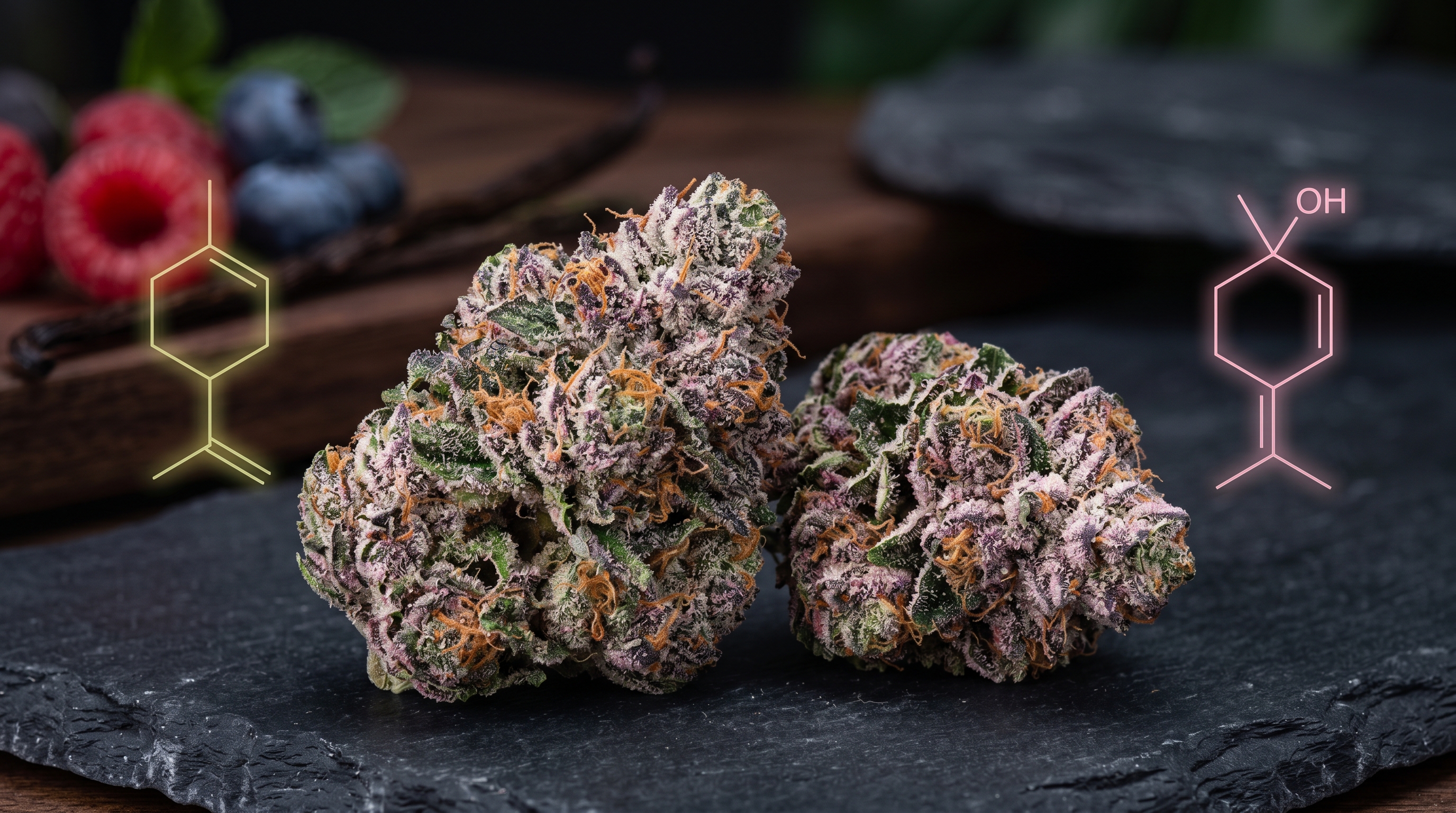
If gas strains smell like something you’d find in an industrial setting, candy strains smell like something you’d find in a high-end confectionery. Sweet, fruity, dessert-leaning — these are the strains that prompted the cannabis industry to start talking about flavor the way restaurants talk about pastry.
The terpene profile of candy strains leans on limonene, linalool, and sometimes terpinolene. Limonene provides citrus brightness — lemon, orange, lime — that reads as clean sweetness without being cloying. Linalool, the floral compound also found in lavender, adds a softer, creamy dimension. Terpinolene, present in haze-adjacent and tropical strains, contributes a more complex sweetness with floral and even slightly piney undertones.
Gelato is the canonical candy strain — creamy, sweet, with a dessert-shop nose that helped define an entire era of cannabis culture. Runtz, which arrived at the 2017 Emerald Cup and became Leafly’s Strain of the Year 2020, pushed the candy profile further: tropical, sugary, almost candy-store in its sweetness. Wedding Cake offered a slightly spicier, denser take — still dessert-coded, but with caryophyllene adding a grounding counterpoint beneath the sweetness.
Within the candy family, there are sub-camps worth naming:
- Dessert/Cream: Gelato, Wedding Cake, Ice Cream Cake. Dense, sweet, caryophyllene-backed.
- Tropical Fruit: Runtz, Zkittlez, Lemon Cherry Gelato. Limonene-forward with exotic fruit esters.
- Citrus: Blue Dream, Super Lemon Haze, Jack Herer crosses. Limonene and terpinolene, lighter and more cerebral.
- Haze/Terpinolene: Jack Herer, Trainwreck lineage. The oldest candy sub-camp — floral, citrus, mildly sweet, with a distinctive sharpness that separates it from modern dessert genetics.
The Cookies Era: 2018–2024
Understanding why candy strains dominated for the better part of a decade requires understanding what Cookie Fam genetics did to the cannabis market. Bay Area breeders, particularly the Cookie Fam collective, spent years developing and refining genetics that emphasized sweetness, creaminess, and consistency. Gelato — crossed from Sunset Sherbet and Thin Mint GSC — became the template. It was approachable, reliably delicious, and remarkably cloneable.
From roughly 2018 through 2024, candy-forward genetics dominated almost every metric that matters in the cannabis market: Leafly search traffic, dispensary top-sellers, celebrity endorsements, Instagram aesthetics. Runtz won Strain of the Year in 2020. Gelato was a perennial top-ten strain. Jealousy, Gary Payton, Lemon Cherry Gelato — all Cookie Fam descendants, all candy-leaning. The Lemon Cherry Gelato lineage alone spawned an entire sub-genre of citrus-dessert genetics that continues to influence menus in 2026.
This dominance made sense. Candy strains are, almost by definition, accessible. Their sweetness reads immediately to new consumers. They’re easy to describe, easy to market, and easy to enjoy without a calibrated palate. When cannabis legalization was expanding access to first-time and casual consumers, candy was the right product in the right moment.
The Gas Resurgence: 2025 and Beyond
Markets cycle. It is one of the reliable patterns in cannabis culture, and 2025 made it obvious.
Hash Burger winning Leafly’s Strain of the Year 2025 was not just a strain preference — it was a cultural statement. Bred from Han Solo Hash Plant and Double Burger (itself a Donny Burger × GMO cross), Hash Burger is a myrcene-forward, skunk-adjacent powerhouse that smells like garlic, onion, cheese, and pepper on top of a diesel-and-skunk base. It is not trying to be approachable. It is not trying to smell like dessert. It won precisely because a significant portion of the cannabis-consuming public had reached a point of what researchers and retailers have begun calling “terpene fatigue” — the nose stops registering sweetness the same way after sustained exposure to overlapping candy profiles.
Then came Toad Venom in 2026. A hybrid of Animal Face and Sin Mintz, Toad Venom has been described as one of the most talked-about cultivars of the year — selling out before it hits shelves in some markets. Its profile is sharp, potent, and funk-forward, with a tart terpene intensity that signals a new generation of gas-adjacent genetics designed for the connoisseur market rather than the casual consumer.
This shift mirrors what has happened in other artisan consumer categories. Craft beer went through a decade of IPA and fruit sour dominance before a significant portion of enthusiasts swung toward lagers, pilsners, and the renewed appreciation for restraint. Specialty coffee cycled through the naturals-and-fruit-forward era before third-wave shops began rehabilitating washed Ethiopians and Central Americans. In hot sauce, the sriracha era gave way to both fermented complexity and clean heat. Cannabis candy peaked, and now gas is having its moment again — not because candy was wrong, but because novelty requires contrast.
Why Palates Cycle
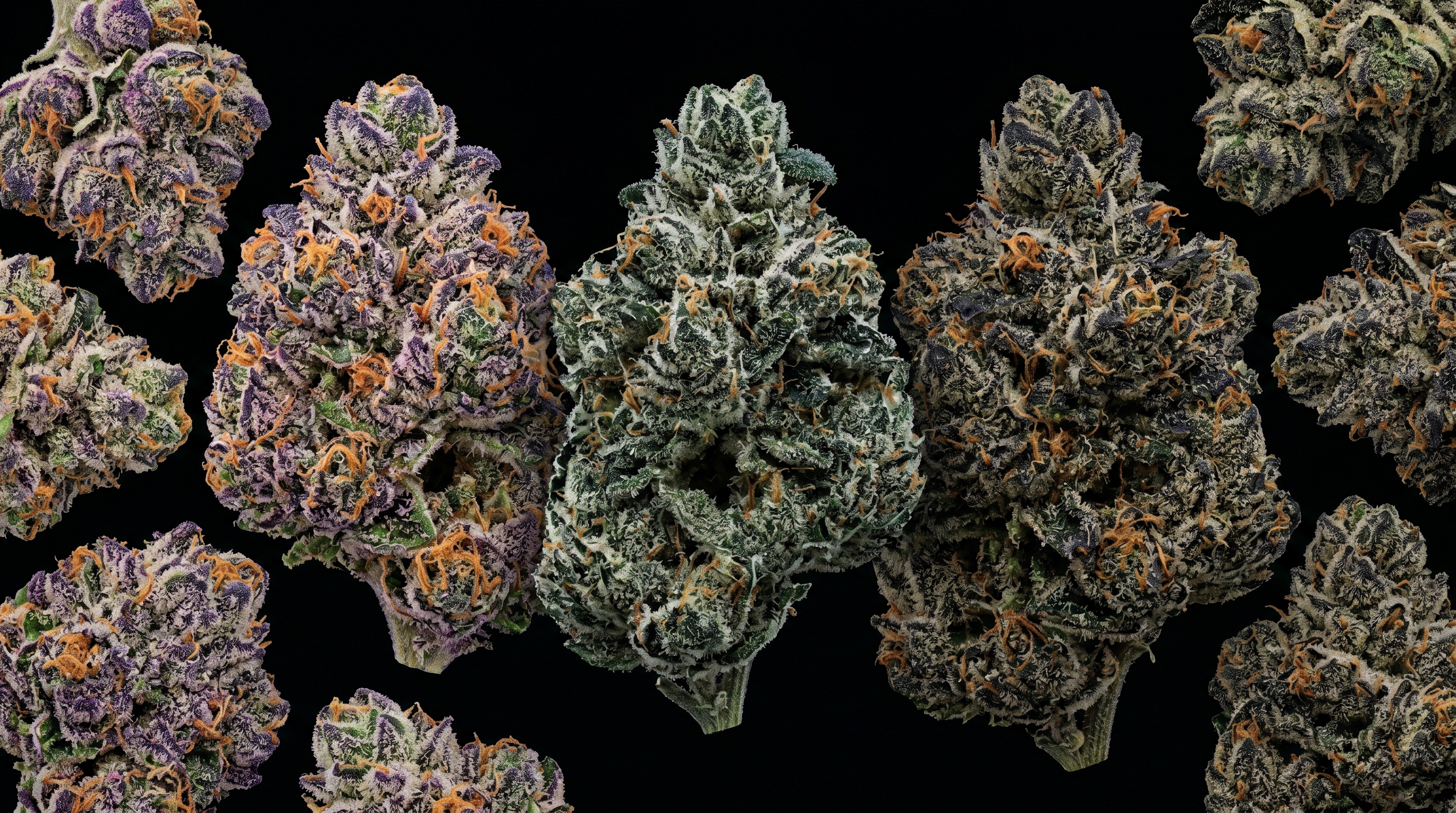
Experienced cannabis consumers and sommeliers would understand each other immediately on this point: once a profile achieves total dominance, the people who eat and drink and smoke for sensory pleasure start looking for the opposite. Not because the dominant profile is bad. Because contrast is the mechanism by which we perceive flavor at all.
Sweetness, experienced consistently, stops reading as distinctive. The nose adapts. The myrcene and caryophyllene in a gas strain provide a fundamentally different sensory experience — one that doesn’t fade the same way, that maintains its character through a full session rather than front-loading on the jar inspection. Markets that have matured past novelty, like Michigan’s regulated market, have documented this shift explicitly: experienced consumers want depth and consistency, not sweetness as a first impression.
The same terpene science that created candy strains is now driving gas innovation. Abstrax Tech’s identification of Prenylated Cannasulfur Compounds has given breeders new vocabulary and new targets for selecting gas-forward phenotypes. This means the gas strains coming out of 2025 and 2026 are more precisely engineered than the gas strains of the early 2000s — capturing more of the specific sulfur compounds that create authentic diesel character, rather than approximating it through terpene ratios alone.
How to Identify Your Palate
The most direct method: try a known gas strain and a known candy strain in the same week, back-to-back if possible, with fresh product from a source you trust.
For gas, start with Sour Diesel or OG Kush. Both are widely available, well-documented, and represent the two primary gas styles — Sour Diesel’s sharp, fuel-and-citrus aggression versus OG Kush’s more earthen, hash-adjacent warmth. If you open the jar and the scent reads as complex and interesting rather than off-putting, you are probably a gas person.
For candy, start with Gelato or Wedding Cake. Both are reliable representatives of the dessert palate — Gelato on the creamy-fruit side, Wedding Cake slightly spicier and denser. If you find yourself reaching for the jar to smell it again, you are probably a candy person.
Some useful questions to ask yourself:
- When you eat, do you prefer savory and funky (aged cheese, fermented foods, umami-forward dishes) or sweet and fruity (desserts, tropical fruit, confections)?
- Do you find heavy perfume or cologne appealing or overwhelming?
- Does a sharp, fuel-adjacent smell register as interesting or unpleasant to you on first encounter?
- After a long session with sweet strains, do you find yourself wanting something with more edge?
Your answers will usually predict your palate camp before you smoke a single gram.
Effects vs. Flavor: A Critical Distinction
One of the most persistent misunderstandings in cannabis culture is the assumption that gas strains sedate and candy strains energize — that the Indica/Sativa legacy maps neatly onto the gas/candy taxonomy. It doesn’t.
Sour Diesel is gas-forward and historically considered one of the most energizing strains in the catalog. OG Kush is gas-forward and notoriously relaxing. Blue Dream is candy-adjacent and produces one of the most balanced, functional effects in widespread cultivation. Wedding Cake is dessert-coded and can produce significant sedation.
Flavor family and effect family are parallel classification systems, not the same one. For effect-based selection, the High Families taxonomy — which maps effect profiles regardless of flavor — is the more relevant framework. A Relax profile cannabis can come in either gas or candy. An Uplift profile can come in either camp too. Palate and effect are separate conversations, and conflating them will lead to consistently choosing strains that smell right but feel wrong.
If You Like X, Try Y
For gas-camp consumers exploring further:
- You love Sour Diesel → try Chemdawg (sharper, more chemical) or OG Kush (earthier, more hash-adjacent)
- You love OG Kush → try Hash Burger (amplified skunk and garlic, the SOTY 2025 standard-bearer)
- You love Hash Burger → try GMO (chemical umami, the chem-gas peak) or Toad Venom (the 2026 connoisseur favorite)
- You want gas with some brightness → try anything in the Tangie lineage (chem base with citrus upper)
For candy-camp consumers exploring further:
- You love Gelato → try Lemon Cherry Gelato (the lineal successor with more citrus lift) or Wedding Cake (dessert with more spice)
- You love Runtz → try Zkittlez (the ancestral tropical fruit profile) or Ice Cream Cake (creamier and denser)
- You love Wedding Cake → try Jealousy (a Cookies descendant that adds more gas character without abandoning the sweet base)
- You want candy with some depth → explore terpinolene-forward haze genetics: Jack Herer, Trainwreck, Durban Poison derivatives
If you’re genuinely palate-curious and want to map the full spectrum, the Gelato deep dive is a useful starting point for understanding why Bay Area genetics reshaped the candy category, and the Hash Burger feature explains how the gas camp defined its 2025 comeback.
Knowing Your Palate Is Half the Work
Gas or candy. Diesel or dessert. Funk or fruit. Most people discover their preference by accident — they open a jar at a dispensary, something clicks, and they spend the next several purchases chasing that same register.
The more useful path is intentional. Try both camps deliberately. Note what lands, what lingers, what you come back to. Then take it one step further: track how each camp makes you feel, not just how it smells. Palate preference is one half of cannabis self-knowledge. Effect pattern is the other. When both are calibrated, your purchases stop being guesses.
The High IQ app was built for exactly this kind of tracking — logging strains, effects, and sessions across both flavor families so the patterns become visible over time. Your stash is data. Use it.
Sources
- Leafly: Hash Burger Strain of the Year 2025
- Abstrax Tech: Cannabis Gas Categories
- Abstrax Tech: 6 Cannabis Market Flavor & Aroma Trends for 2025
- GreenState: Toad Venom Is the Hottest Strain in 2026
- Refine MI: Why Michigan Cannabis Is Moving Away From Dessert Strains
- Dockside Cannabis: From Gelato to Runtz — The Rise of Dessert Cannabis Strains
- Dark Coast Seed Co.: Runtz Strain History
- Terpene Belt Farms: Top 10 Gassiest Strains
- Leafly: Strain of the Year Winners
