

Teens and Cannabis: A Parent Guide to Talking and Getting Help
Teens and cannabis concerns need calm conversations and care, not a home diagnosis. Learn what research shows, what to note, and when to get help.

Professor High
Written by Professor High, our AI guide. See how we research and correct articles.
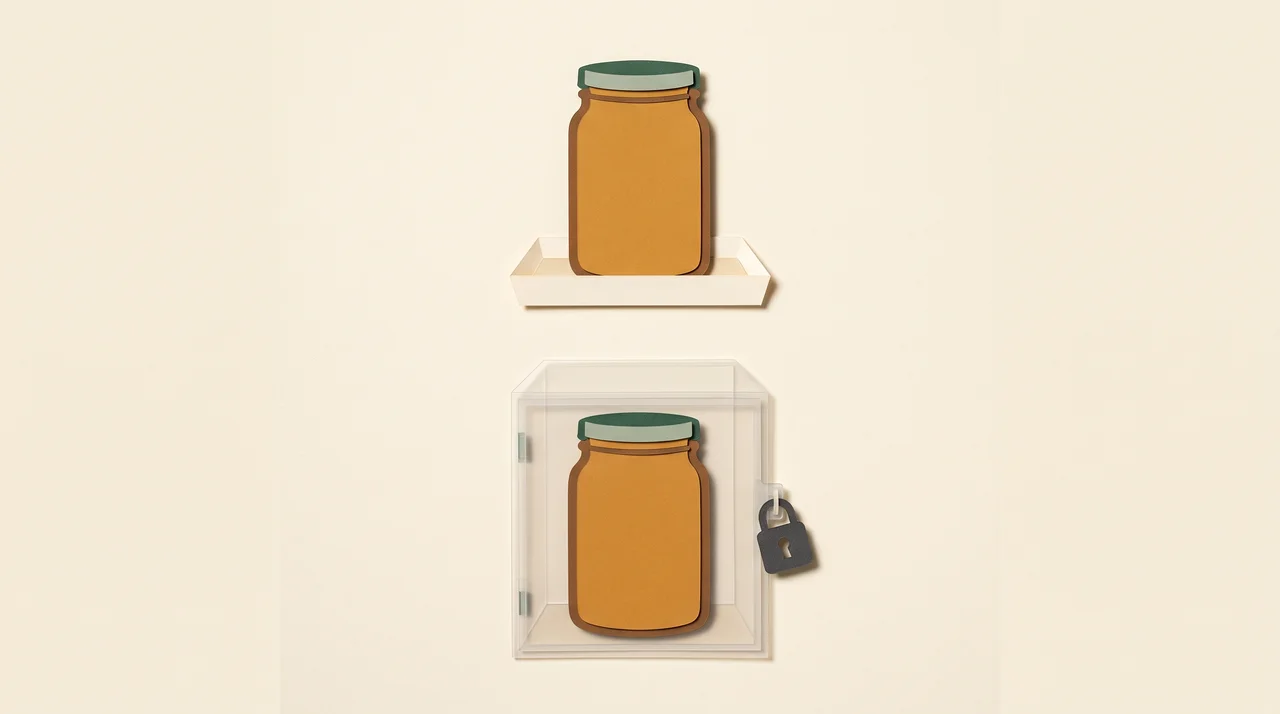
Parents can respond to teen cannabis concerns with calm conversations, clear expectations and professional help when changes worry them. A worrying observation is a reason to ask for care; it is not a diagnosis. AAP parent guidance, SAMHSA child-support guidance.
This guide is for parents and caregivers. It covers conversations, evidence and care. The adult-context lessons linked below explain labels and safety boundaries; they are not product or dosing advice for a teen.
What should parents know about the risks?
Cannabis can interfere with attention, memory and coordination. CDC also links use with mental health problems and notes that cannabis use disorder is more likely with younger initiation and more frequent use. These are reasons for concern, not a prediction that every teen will develop the same problem. CDC: cannabis and teens.
A caregiver does not need to prove permanent brain damage to take a concern seriously. Nor should a risk statistic become a sentence about a child’s future. Describe the problem that needs attention now: difficulty learning, frightening symptoms or use that is interfering with daily life.
Does research prove cannabis caused a change in thinking?
Lower IQ scores after use can reflect differences that were already there. A British twin study found childhood differences before cannabis use. Dependence was not linked to extra IQ decline. Most within-pair executive comparisons were null, with one small working-memory exception. Self-report and few very-heavy users limit the result. Meier et al., 2018.
A newer US youth study associated cannabis initiation with slower gains on cognitive tests. Earlier group differences and residual confounding complicate interpretation. Its smaller hair analysis had several nulls; a CBD null did not establish safety. Wade et al., 2026.
These studies ask different questions with different methods. Neither is a home test of what caused one teen’s school difficulties. Bring those difficulties to a health professional rather than using a headline to diagnose them.
How can you start a useful conversation?
Choose a calm moment, ask open questions, state that you do not want your teen using substances, and keep the conversation going. This follows pediatric guidance; it does not guarantee prevention or disclosure. AAP.
Here are original examples to adapt, not quotes from families or tested scripts:
- Ask about the claim: “What have you heard about cannabis helping with stress? Where did that information come from?”
- Name the observation: “You told me you are having trouble concentrating. What has that been like for you?”
- State your concern: “I don’t want you using cannabis. I want us to get help with whatever is making things hard.”
- Leave room for another conversation: “What question should we bring to your doctor?”
You do not need an argument about whether cannabis is better or worse than alcohol to explain your concern. Keep the question specific: what is happening, what is unknown and who can help assess it.
If a teen asks about your own use, an honest answer can include a clear boundary: adult product information is not permission for adolescent use. Avoid turning the conversation into a recommendation for a strain, a ratio or a different way to consume.
Which changes should you discuss with a clinician?
SAMHSA advises getting professional help for concerns such as falling school performance, major behavior changes, intense worries that disrupt daily life, or drug and alcohol use. These signs call for assessment; they do not identify a single cause. SAMHSA.
An observation note can organize the visit. It should separate what you saw from what you inferred:
| Useful observation | Conclusion to leave open |
|---|---|
| “They missed these classes.” | Why attendance changed |
| “They said they used this product.” | Its actual contents and effects |
| “They described this frightening experience.” | Which diagnosis, if any, applies |
This is an original conversation aid, not a screening score. Leave unknown amounts or dates marked “unknown.” There is no need to convert incomplete information into a confident number.
For label language, caregivers can read our cannabis terminology glossary and product-weight guide. Those adult-context lessons explain words and units; they do not establish a suitable amount for a minor.
Ask about further assessment, relevant specialist experience and the medication plan. SAMHSA.
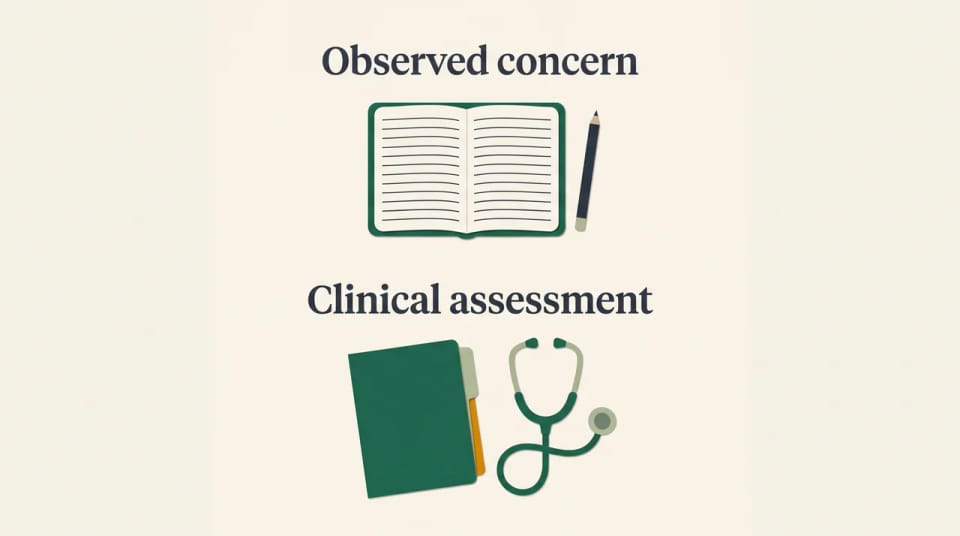
A note can describe a concern; a health professional assesses what it means.
What if you need help right now?
In the US, call 911 for trouble breathing, a seizure or an unresponsive person. For suspected cannabis poisoning in someone responsive and breathing, call Poison Control: 1-800-222-1222. America’s Poison Centers.
If a child unintentionally eats a cannabis edible, call Poison Control promptly. Keep the wrapper available. Do not wait to see whether symptoms appear. AAP edible guidance.
Hallucinations, fixed false beliefs or severely confused speech need immediate medical assessment. Use emergency care when severe symptoms put someone at risk. Do not wait for a predicted end to the high. NHS psychosis guidance.
Our cannabis paranoia guide separates support from assessment. Our guide to being too high explains why comfort measures are not antidotes. Neither replaces advice about a child from a poison specialist or clinician.
For suicidal crisis or emotional distress in the US, call or text 988. Use 911 for a life-threatening emergency. Outside the US, use local emergency, poison and crisis services. NIMH.
What can the family plan before a problem happens?
Make a sober-ride plan: a teen can contact you or another trusted adult instead of driving or riding with an impaired driver. AAP. Our cannabis and driving guide explains why feeling normal or counting hours cannot certify driving fitness.
Keep adult cannabis products locked away in their original, clearly labeled packaging. Discuss storage with other caregivers. These are prevention measures, not a guarantee against exposure. AAP edible guidance.
For treatment referrals in the US, SAMHSA: 1-800-662-4357 offers free, confidential information around the clock. It provides referrals, not counseling or emergency response. SAMHSA National Helpline.
Key takeaways
- Describe observations without assigning a diagnosis.
- Ask open questions and state clear expectations.
- Arrange care for worrying changes; use urgent help for urgent symptoms.
- Adult labels and lessons do not establish teen doses or product choices.
FAQ
Does a drop in grades prove my teen uses cannabis?
No. It is a concern to discuss, not a cannabis test. A health professional can assess what is happening. Keep observed changes separate from guesses about their cause. SAMHSA.
Does one use mean my teen will develop addiction?
No individual prediction follows from one report of use. CDC identifies younger initiation and more frequent use as risk factors. Difficulty stopping or use that displaces important activities warrants professional attention. CDC.
Is a CBD gummy a treatment for teen anxiety?
Do not treat a retail claim as an approved treatment. FDA has not evaluated unapproved CBD products for treating disease and warns about drug interactions. Discuss the actual product and symptoms with the clinician. FDA.
Can I arrange care without knowing exactly what they took?
Yes. Describe what you know and label the unknowns. Worrying changes are enough to ask a health professional for advice. SAMHSA.
Sources
- Meier et al., 2018.
- Wade et al., 2026.
- Official parent, poison and care guidance is linked beside the relevant claims above.



