The History of 4/20: How a Number Became Cannabis Culture
From five high schoolers in 1970s California to a global phenomenon, discover the surprising true origin story of 4/20.

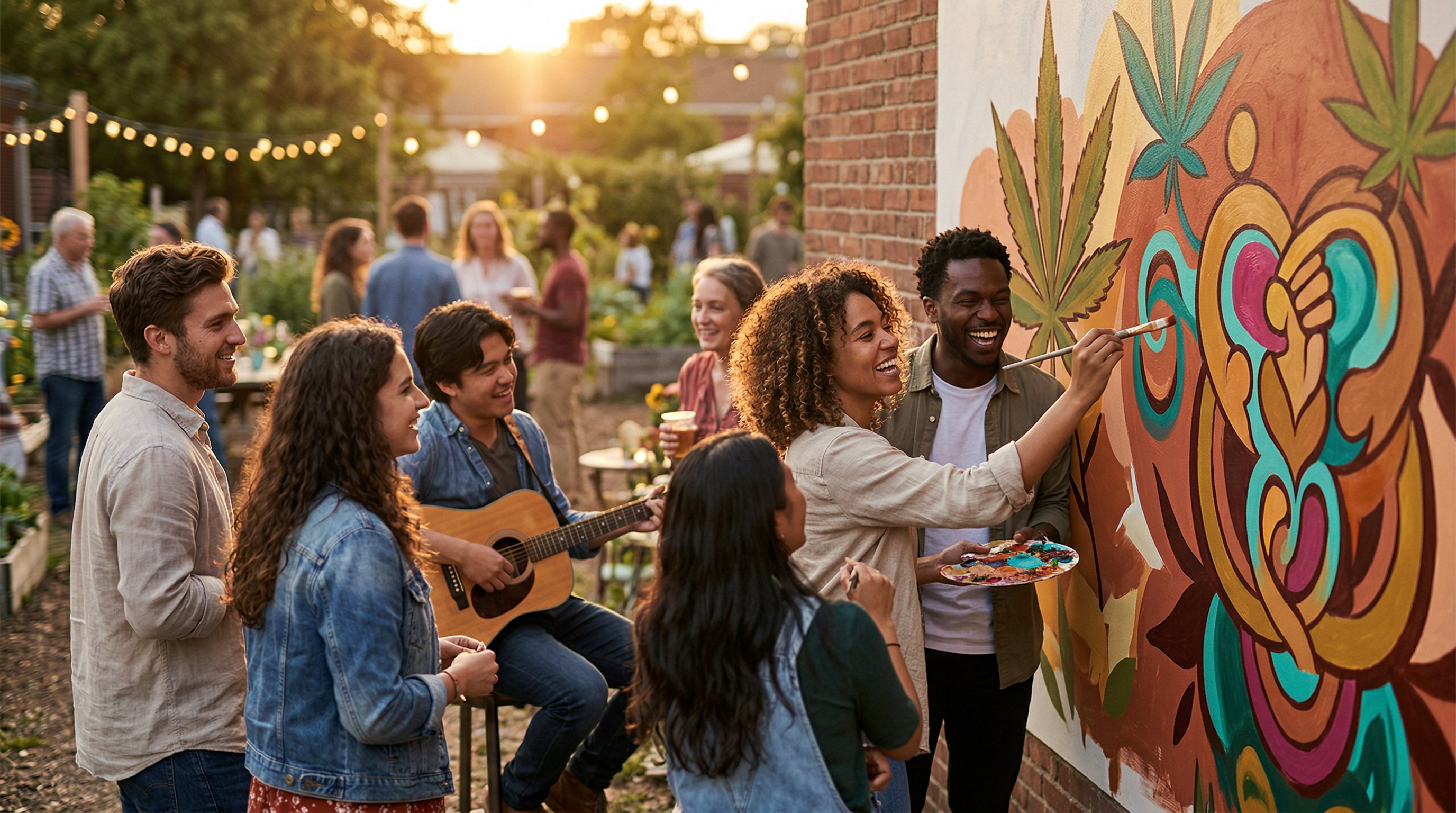
A Number That Changed Everything
Here’s a question for you: how does a random number scribbled on a piece of paper by five teenagers in 1970s California become the most recognized symbol in global cannabis culture?
Every April 20th, millions of people around the world celebrate 4/20—lighting up at exactly 4:20 PM, gathering in parks, sharing memes, and marking what has become the unofficial holiday of cannabis. But if you ask most people why 4/20 means what it means, you’ll get a dozen different answers. It’s a police code. It’s the number of chemical compounds in cannabis. Bob Marley’s birthday. None of these are true.
The real story is stranger, more human, and far more interesting than any myth. It involves a hand-drawn treasure map, a statue of Louis Pasteur, the Grateful Dead, and a group of high school athletes who called themselves “the Waldos.” And tracing this history isn’t just a fun exercise in cannabis trivia—it reveals how counterculture movements spread, how language evolves, and how a community built an identity around a shared, secret code.
Let’s walk through how “420” went from an inside joke between friends to a cultural force that shapes legislation, commerce, and community worldwide.
The Origin Story: Five Guys, a Map, and a Mission
The Waldos of San Rafael
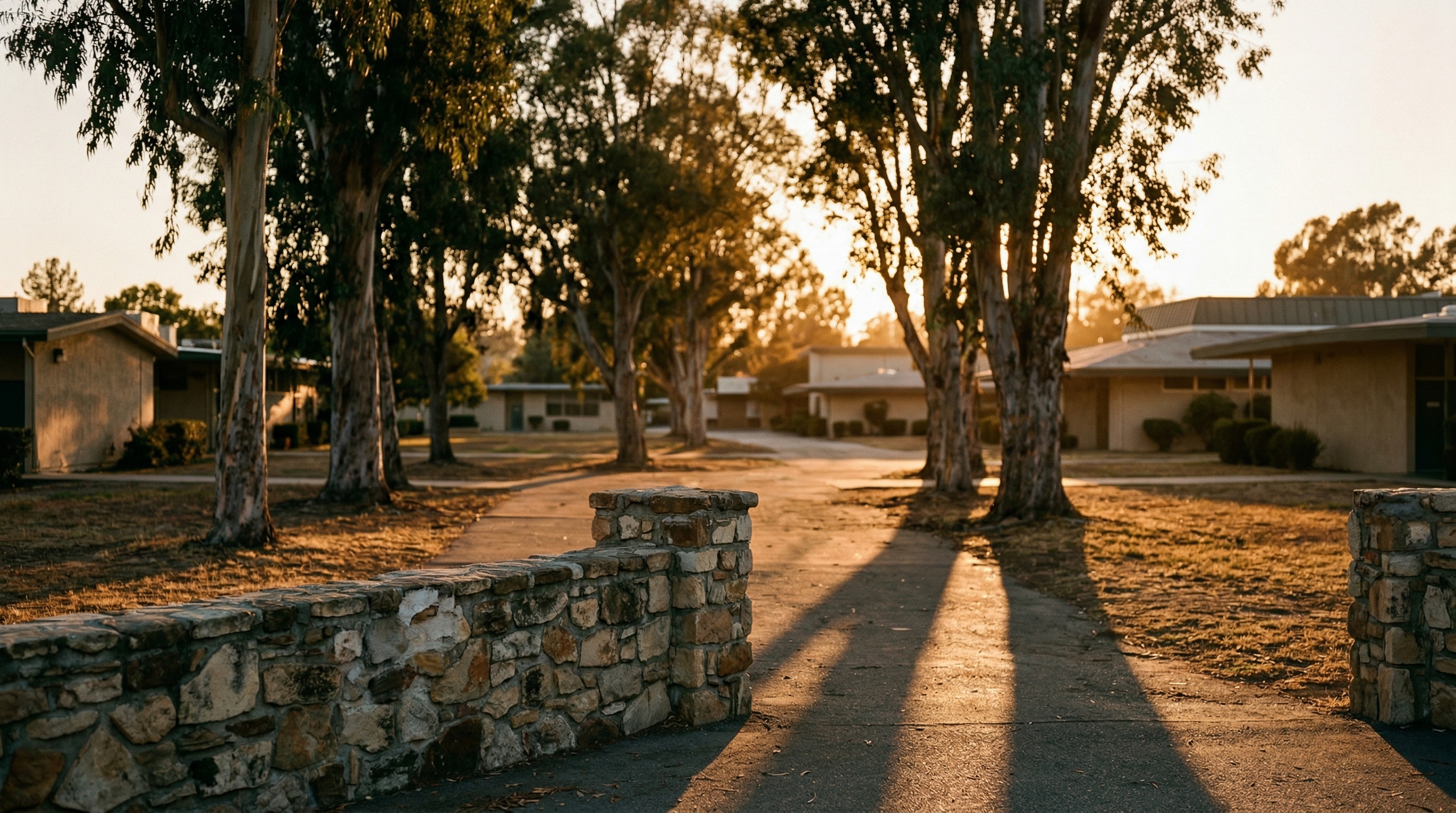
In the fall of 1971, five students at San Rafael High School in Marin County, California—Steve Capper, Dave Reddix, Jeffrey Noel, Larry Schwartz, and Mark Gravitch—got their hands on a hand-drawn map. The map supposedly led to an abandoned cannabis crop planted by a Coast Guard member who could no longer tend it. The five friends, who hung out by a wall outside school (hence “the Waldos”), decided to search for this mythical free harvest.
They agreed to meet at 4:20 PM, after sports practice ended, at the Louis Pasteur statue on campus. “420 Louis” became their shorthand reminder. They’d say it in the hallways. They’d murmur it in class. 4:20. Louis. We’re on.
They never found the crop [Halperin & Bloom, 2012]. Week after week, they piled into a car, smoked, and drove around Point Reyes searching. But the treasure hunt gave them something better than free cannabis: a code word. Over time, “420 Louis” shortened to just “420”—a term that meant everything from “Do you have any?” to “Are you high right now?” to simply “Let’s go.”
From Code Word to Cultural Phenomenon
Here’s where the story takes its critical turn. Dave Reddix’s older brother was close friends with Phil Lesh, bassist of the Grateful Dead. The Dead were based in Marin County, and the Waldos had access to the band’s inner circle—backstage passes, rehearsals, parties [Halperin & Bloom, 2012].
The term “420” seeped into Deadhead culture like smoke through a cracked window. Deadheads were a massive, nomadic community that followed the band from city to city, and they carried the term with them across the country. By the early 1990s, High Times magazine picked up the term after a flyer circulated at a Dead show in Oakland, and the publication helped cement “420” in the mainstream cannabis lexicon [Hager, 2009].
The Waldos still have the original hand-drawn map, postmarked letters from the early ’70s referencing “420,” and a flag that flew at Dead shows. These artifacts have been verified by journalists and historians as the earliest documented use of the term [Halperin & Bloom, 2012].
The Social Science of a Subculture’s Symbol
How Language Builds Community
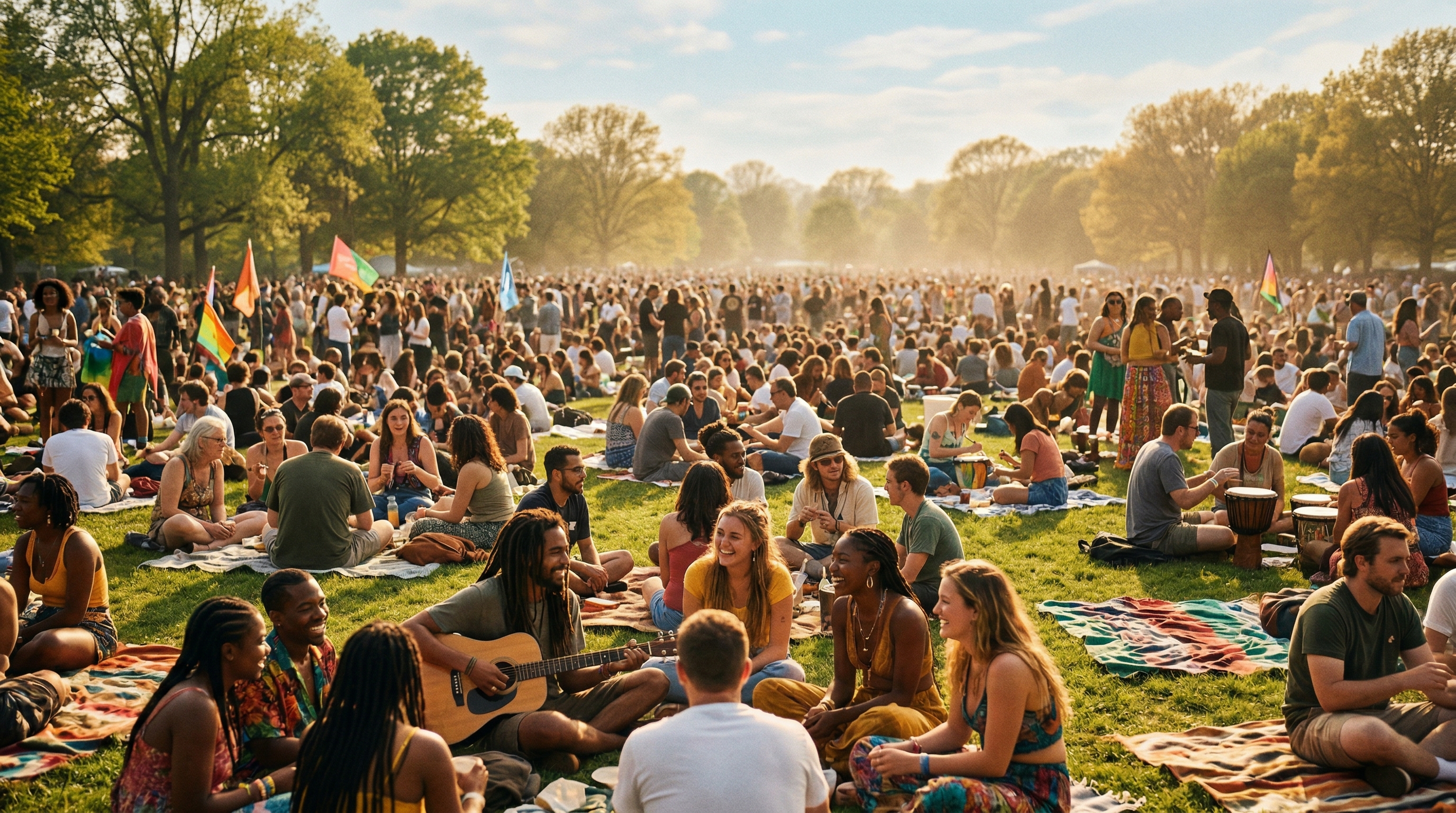
What makes 420 fascinating beyond its origin is how it functioned. Linguists and sociologists who study subcultural communication recognize “420” as a classic example of an in-group marker—a piece of shared knowledge that signals belonging [Eble, 1996]. When cannabis was widely criminalized, saying “420” in public was a way to identify allies without risk. It was a handshake, a wink, a test.
This kind of coded language has parallels across marginalized communities throughout history. Research on subcultural identity suggests that shared symbols strengthen group cohesion and create a sense of collective identity, especially under conditions of social stigma [Thornton, 1995]. For cannabis users living under prohibition, 420 wasn’t just slang—it was solidarity.
From Counterculture to Commerce
Today, 420 has transcended its countercultural roots. It’s a date on the marketing calendar for dispensaries. It’s a legislative strategy—multiple cannabis bills have been numbered “HB 420” or “SB 420” deliberately. California’s 2003 medical cannabis regulation law was literally named Senate Bill 420. Clocks in Pulp Fiction are set to 4:20. It appears on price tags, mile markers (Colorado famously replaced its Mile Marker 420 with “419.99” due to theft), and in countless songs and films.
This commercialization is a double-edged phenomenon. On one hand, it reflects normalization—cannabis culture moving from the shadows into the mainstream. On the other, some longtime advocates worry that corporate 4/20 sales events strip the date of its deeper meaning: community, resistance, and the ongoing fight for equitable legalization [Geluardi, 2010].
Practical Implications: What 4/20 Means Today
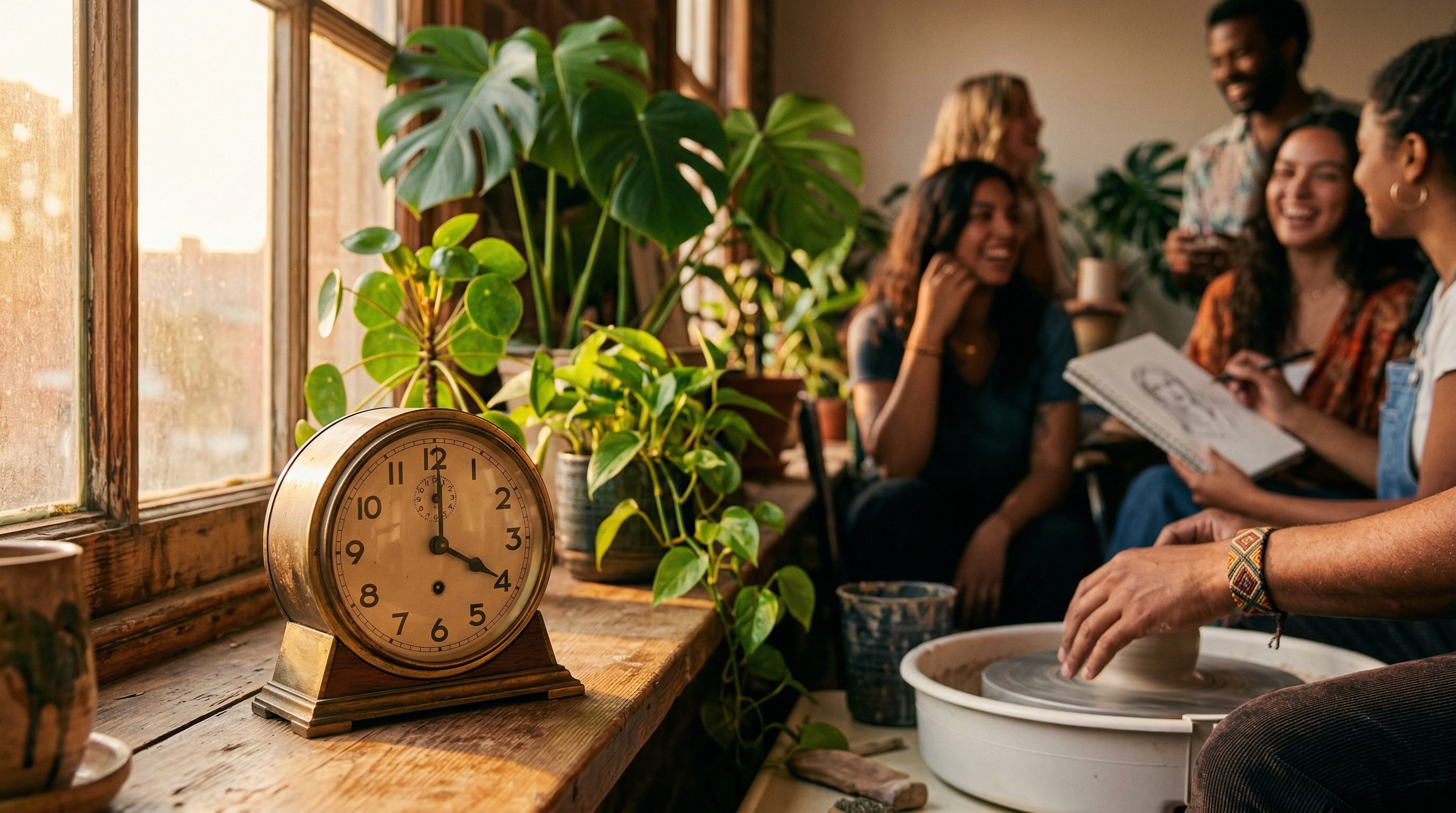
So what does all of this mean for you, whether you’re a seasoned enthusiast or someone who just discovered what 4/20 is?
It’s a reminder that culture is built from the ground up. No corporation invented 4/20. No marketing team designed it. Five friends with a map and a meeting time created something that outlived every attempt to suppress it. That grassroots energy still drives the best parts of cannabis culture—community events, mutual aid, advocacy for people still incarcerated for cannabis offenses.
It’s an invitation to learn the history behind what you celebrate. Understanding where 420 came from connects you to a lineage of people who took real risks to enjoy and advocate for this plant. If you’re exploring cannabis and wondering where to start, consider checking out the High Families system—our terpene-based approach to understanding different cannabis experiences, from the social energy of an Uplifting High to the deep calm of a Relaxing High. Knowing what you enjoy is just as important as knowing why you celebrate.
It’s also a call to keep pushing forward. Despite growing legalization, thousands of people remain incarcerated for cannabis-related offenses, and access to legal markets is deeply unequal. The spirit of 4/20—community, defiance, shared joy—is most meaningful when it drives action.
Key Takeaways
- 420 originated in 1971 with five high school students in San Rafael, California, who used “4:20” as a meeting time to search for an abandoned cannabis crop
- The Grateful Dead’s touring community carried the term across the country, transforming a private code into a national phenomenon
- 420 functioned as an in-group marker, giving cannabis users a way to identify each other safely during prohibition
- Today, 4/20 is both a celebration and a commercial event, and its meaning continues to evolve as cannabis culture enters the mainstream
- The grassroots origin of 420 reminds us that the most powerful cultural symbols often come from ordinary people, not institutions
FAQs
Is 420 really a police code for cannabis?
No. This is one of the most persistent myths, but no law enforcement agency has ever used “420” as a code for marijuana-related activity. The term traces directly to the Waldos of San Rafael High School in 1971 [Halperin & Bloom, 2012].
Did Bob Marley have anything to do with 4/20?
Bob Marley was born on February 6, 1945, and passed on May 11, 1981—neither date connects to April 20th. While Marley is an icon of cannabis culture, his connection to 420 is a coincidence of association, not origin.
Are there really 420 chemical compounds in cannabis?
Cannabis contains over 500 identified chemical compounds, including more than 100 cannabinoids and hundreds of terpenes, flavonoids, and other molecules [ElSohly & Gul, 2014]. The number 420 has no chemical significance.
Why is April 20th the main celebration and not just 4:20 PM?
As the term spread through Deadhead culture and then High Times magazine in the 1990s, the number naturally mapped onto the calendar date. April 20th became a rallying point for public gatherings, protests, and celebrations—a shared moment that an entire community could participate in simultaneously.
Sources
- Halperin, R. & Bloom, S. (2012). “Waldo History.” 420waldos.com. Verified primary source documents and journalist interviews.
- Hager, S. (2009). “The History of 420.” High Times Magazine.
- Eble, C. (1996). Slang and Sociability: In-Group Language Among College Students. University of North Carolina Press.
- Thornton, S. (1995). Club Cultures: Music, Media, and Subcultural Capital. Polity Press.
- Geluardi, J. (2010). Cannabiz: The Explosive Rise of the Medical Marijuana Industry. Polipoint Press.
- ElSohly, M.A. & Gul, W. (2014). “Constituents of Cannabis Sativa.” Handbook of Cannabis. Oxford University Press.


