Toad Venom Strain: Genetics, Lab Results, and the 2026 Hype
Toad Venom's genetics, Becky connection, September 2026 lab results, and latest releases. Separate verified batch data from strain hype.

Professor High
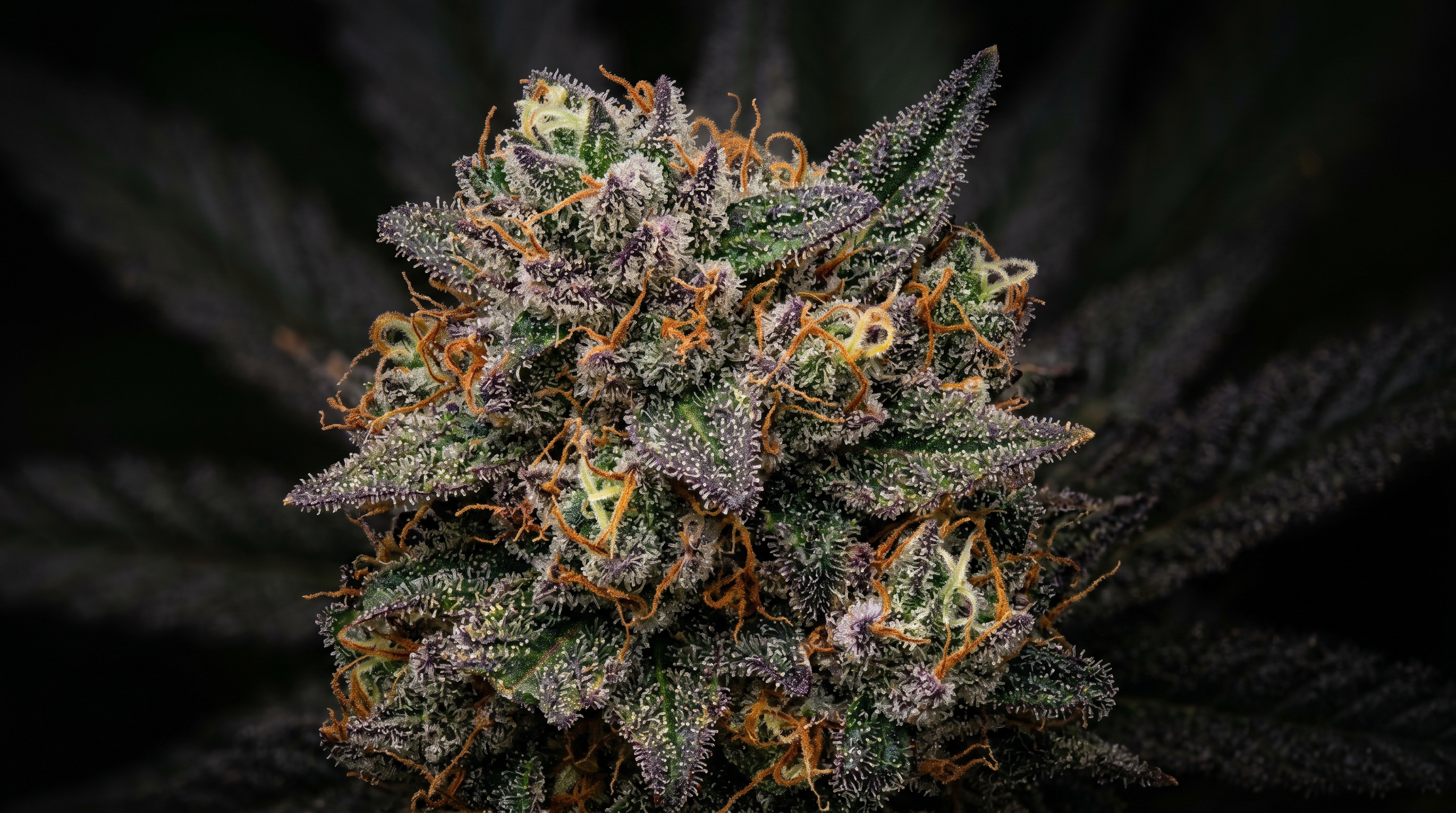
Toad Venom is a cannabis hybrid usually described as Animal Face × Sin Mintz, with a reputation built around pungent flavor, strong reported effects, and a disputed origin story. The useful question in September 2026 is which grower’s batch you are looking at—and what evidence comes with it.
The latest research gives us something better than another breathless review: a named Florida product, a recent laboratory report, and a clearer account of how the cultivar spread. It also gives us reasons to correct this article’s earlier claims about predictable daytime effects and a universally limonene-led profile.
Looking for the strain itself? Visit our Toad Venom strain profile for the researched overview, artwork, and soundtrack. For source material, start with PURPLEFARM’s Toad Venom cultivar profile for grower information, or The Flowery’s Talking Terps Toad Venom listing for a specific product and its linked certificate of analysis. These are different producers’ descriptions, not interchangeable batches.
Research updated September 17, 2026. Product listings, prices, and availability can change. This is a researched cultivar guide, not a firsthand TIWIH smoke review.
What is Toad Venom—and who created it?
First, separate breeding a cross from choosing the plant to keep. Reporting credits Ronin Seeds with the cross and Green Dragon with selecting the plant originally called Becky. Ronin subsequently popularized the Toad Venom name. Accounts disagree about how the selection changed hands; this guide cannot settle that dispute. David Downs’s February reporting explains the competing accounts.
For the family tree, SoLoud Genetics’ August 29 release notes identify Animal Face × Sin Mintz and describe Sin Mintz as Sin Mint Cookies × Zkittlez. That corrects this article’s earlier, unsupported Sin City Kush × Animal Mints description.
However, PURPLEFARM lists Animal Face × SinMint Cookies, credits Ronin Seeds + West Coast Connoisseurs, and classifies its offering as a balanced hybrid. Those accounts do not quite match. Both describe claimed parentage. We found no independent DNA record proving that every product sold as Toad Venom comes from the same plant.
If the names make your head spin, our guide to cannabis strain names explains why a familiar label is only the beginning of identification.
What changed since our May article?
The story has moved beyond scarcity rumors. Three developments deserve attention:
- May clone releases: June reporting in California Leaf documented Ronin and Green Dragon releases on May 10 and May 17. That provides a concrete route for wider cultivation, although it does not prove every later seller obtained an authentic cutting. Hot Toad Summer
- An August seed project: SoLoud announced Toad Venom S1 seeds on August 29, describing a selfed Becky selection. The seller says it verified the cut. We have no independent DNA report to confirm that. An S1 seed population should not be presented as a tray of identical clones. SoLoud’s release
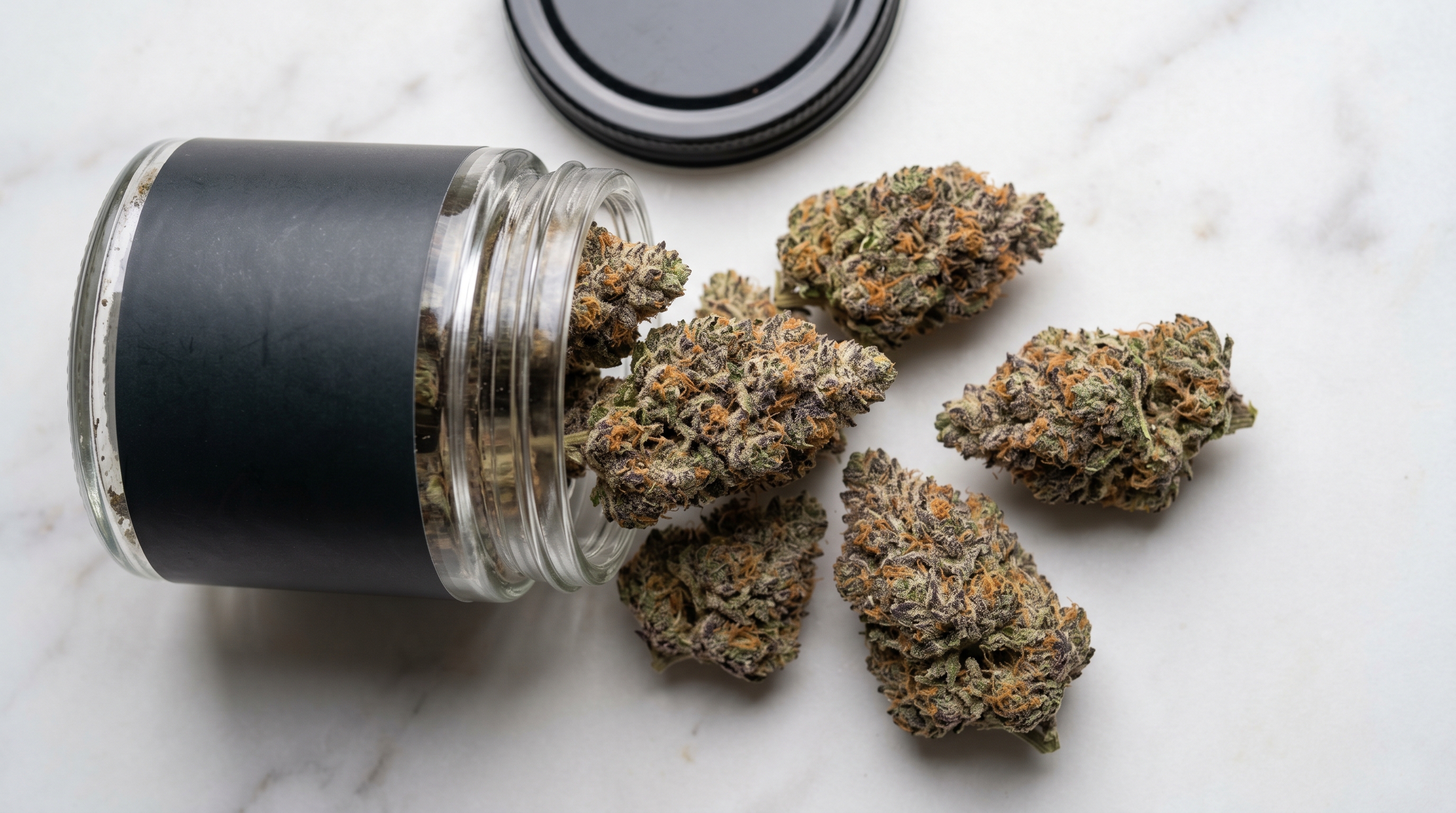
- A September Florida batch: The Flowery lists Talking Terps Toad Venom in a 3.5-gram glass jar, with a linked Kaycha Labs report completed September 3. That is a checkable product example rather than a claim that the strain is selling out everywhere. Product listing and COA
Correction: We removed the earlier Tuesday sellout story and Barcelona sales claim because we could not verify them.
What does a real Toad Venom lab report show?
The Kaycha Labs certificate linked by The Flowery identifies sample MI60831003-002, harvested August 4 and completed September 3, 2026. It reports 31.2% total THC and 3.78% total terpenes.
Its leading measured terpenes are:
| Terpene | Result by weight |
|---|---|
| Beta-caryophyllene | 1.07% |
| Limonene | 0.642% |
| Linalool | 0.449% |
| Beta-myrcene | 0.415% |
| Alpha-humulene | 0.408% |
Trans-nerolidol is present at 0.0728%, well below those five. This batch therefore does not support describing Toad Venom as invariably limonene-dominant or nerolidol-led. Nor does it support our previous shopping rule that authentic or desirable Toad Venom must exceed 1% limonene. Full seven-page COA
A lab result describes the sample tested. It cannot prove ancestry or effects in people. It does not set a THC range for every grower. For help interpreting the precision of those numbers, see measurement uncertainty on cannabis lab reports.
Professor High’s practical advice: match the report to the package in front of you. A familiar strain name at the top of an unrelated PDF is not enough.
Aroma, flavor, and effects: what can we actually say?
Descriptions repeatedly combine sweet bakery notes with citrus and a sharper savory edge, but individual accounts differ. PURPLEFARM describes dough, citrus, and spice; its published major-terpene list includes caryophyllene, limonene, and myrcene. Those are producer descriptions of its own offering. PURPLEFARM cultivar profile
A June review of Tilted Cannabis’s flower describes sour, funky character and substantial relaxation after several bowls. It is a useful firsthand account of that grower’s product, not a controlled experiment or a prediction for someone else’s dose. Wes Abney’s Northwest Leaf review
That matters because the old article promised a clear, social, functional experience with little couch-lock. The available reports do not justify that certainty. Even PURPLEFARM’s marketing includes both uplifting and racy descriptors. Calling something a balanced hybrid does not mean its effects will feel balanced to you.
A terpene table is a chemical description, not a timetable for your high. We have removed claims that individual terpenes explain a guaranteed onset, prevent heavy sedation, or make this strain suitable for anxiety. None of these product reports tested those claims in people. Our guide to terpene bioavailability explores why chemistry, exposure, and effects are separate questions.
Cannabis can cause anxiety, paranoia, and disorientation. A reassuring strain review does not cancel those risks. CDC: cannabis and mental health
Is Toad Venom worth the price?
On September 17, The Flowery’s listing displayed $55 for 3.5 grams. Treat that as a dated example from one retailer, not a national going rate or a promise of local stock. Current product page
Whether it is worth trying depends on what you value: the grower’s work, freshness, flavor, documentation, and your own previous experience. The name alone does not establish quality. We also lack blind, matched tests that would let us rank it above Runtz, Wedding Cake, or Lemon Cherry Gelato.
Before paying a premium, check:
- Producer and product: Who grew it, and is the listing flower, a concentrate, or a vape? Evidence about one format does not describe the others.
- Batch identity: Does the COA match the package’s batch number and product size?
- Dates and condition: Look at harvest, testing, and packaging information rather than relying on a promotional photo.
- Provenance: If a seller promises the original cut, ask what supports that claim. A catchy alias is not documentation.
- Your reason for buying: Curiosity about flavor is reasonable. Expecting a guaranteed therapeutic effect or paying extra because of panic about a sellout is a different proposition.
For shopping decisions, keep reviews in perspective. Our article on the limits of crowd-sourced strain reviews explains why someone else’s enthusiasm is not a personalized forecast.
Where do High Families fit?
TIWIH’s High Families organize discovery around the experiences people seek. They are a product classification system, not a clinically validated way to predict your response to this batch.
Use them to explore, then keep a record of the actual grower, batch, amount, consumption method, and effects. The High IQ app can help you track those observations. That record can reveal your own patterns. Do not assume every Toad Venom batch will feel the same.
Frequently asked questions
Is Toad Venom indica or sativa?
It is sold as a hybrid, but classifications vary: PURPLEFARM calls its offering balanced, while The Flowery labels its product Hybrid/Indica. Neither label establishes a precise genetic percentage or guarantees daytime versus bedtime effects. PURPLEFARM, The Flowery
Are Becky and Toad Venom the same thing?
Reporting connects Becky to the selection later popularized as Toad Venom. That history does not prove that every bag or cutting sold under either name has the same origin. California Leaf’s reporting
Is Frog Poison definitely the same strain?
We found no independent DNA test proving that link in this research pass. Treat the alias as an unverified claim unless a particular producer supplies traceable evidence. Similar descriptions and community comparisons do not settle identity.
Is it good for anxiety or sleep?
This refresh did not locate a clinical trial testing Toad Venom for either condition. Reviews and terpene measurements do not establish treatment benefits. Cannabis can itself produce anxiety and paranoia. CDC
Does the name mean it contains actual toad venom?
This article concerns a cannabis cultivar. The product listing and linked analysis describe cannabis flower, not an animal-derived preparation. The dramatic name is not evidence of an added ingredient. Talking Terps product listing
What’s the most useful takeaway before trying it?
Find the specific product, read its batch documentation, and leave room for your own response to differ from the reviews. Toad Venom has an interesting story. The next chapter worth paying attention to is what is actually in your jar.
