Cannabis for Epilepsy: The CBD Revolution That Changed Medicine
From Charlotte's Web to FDA approval: how CBD became the first cannabis-derived medicine and what clinical trials reveal about seizure reduction.


A Girl Named Charlotte Changed Everything
In 2013, a five-year-old from Colorado named Charlotte Figi appeared on CNN’s documentary Weed, hosted by Dr. Sanjay Gupta. Charlotte had Dravet syndrome—a rare, catastrophic form of epilepsy that was causing her to experience up to 300 grand mal seizures per week. She had tried every available pharmaceutical option. Nothing worked. Her parents were running out of options and out of hope.
Then they tried a cannabis extract rich in cannabidiol (CBD) and low in THC, developed by the Stanley Brothers in Colorado. They called the strain Charlotte’s Web. Charlotte’s seizures dropped to just two or three per month.
That single story cracked open a door that decades of prohibition had sealed shut. It forced the medical establishment, legislators, and the public to confront an uncomfortable question: what if one of the most stigmatized plants on Earth held a genuine key to treating one of the most devastating neurological conditions?
Within five years of Charlotte’s story going viral, the U.S. Food and Drug Administration did something unprecedented—it approved a cannabis-derived medication. Epidiolex (cannabidiol oral solution, 100 mg/mL) became the first FDA-approved drug derived from the cannabis plant [FDA, 2018].
This wasn’t anecdote anymore. This was peer-reviewed, double-blind, placebo-controlled science.
In this deep-dive, we’re going to walk through the complete story: how CBD works in the epileptic brain, what the landmark clinical trials actually found, how the FDA approval process unfolded, what the latest 2024 long-term data shows, and what this revolution means for you and the broader landscape of cannabis as medicine. This is the clearest example we have of how a single cannabinoid went from folk remedy to pharmaceutical reality—and the lessons it holds go far beyond seizure disorders.
Medical Disclaimer: This article is for educational purposes only and does not constitute medical advice. Epilepsy is a serious neurological condition requiring professional medical care. Nothing in this article should replace a conversation with a qualified neurologist or healthcare provider. If you or someone you love has epilepsy, please consult a specialist.

The Science Explained
Understanding Seizures and Why Conventional Drugs Fail
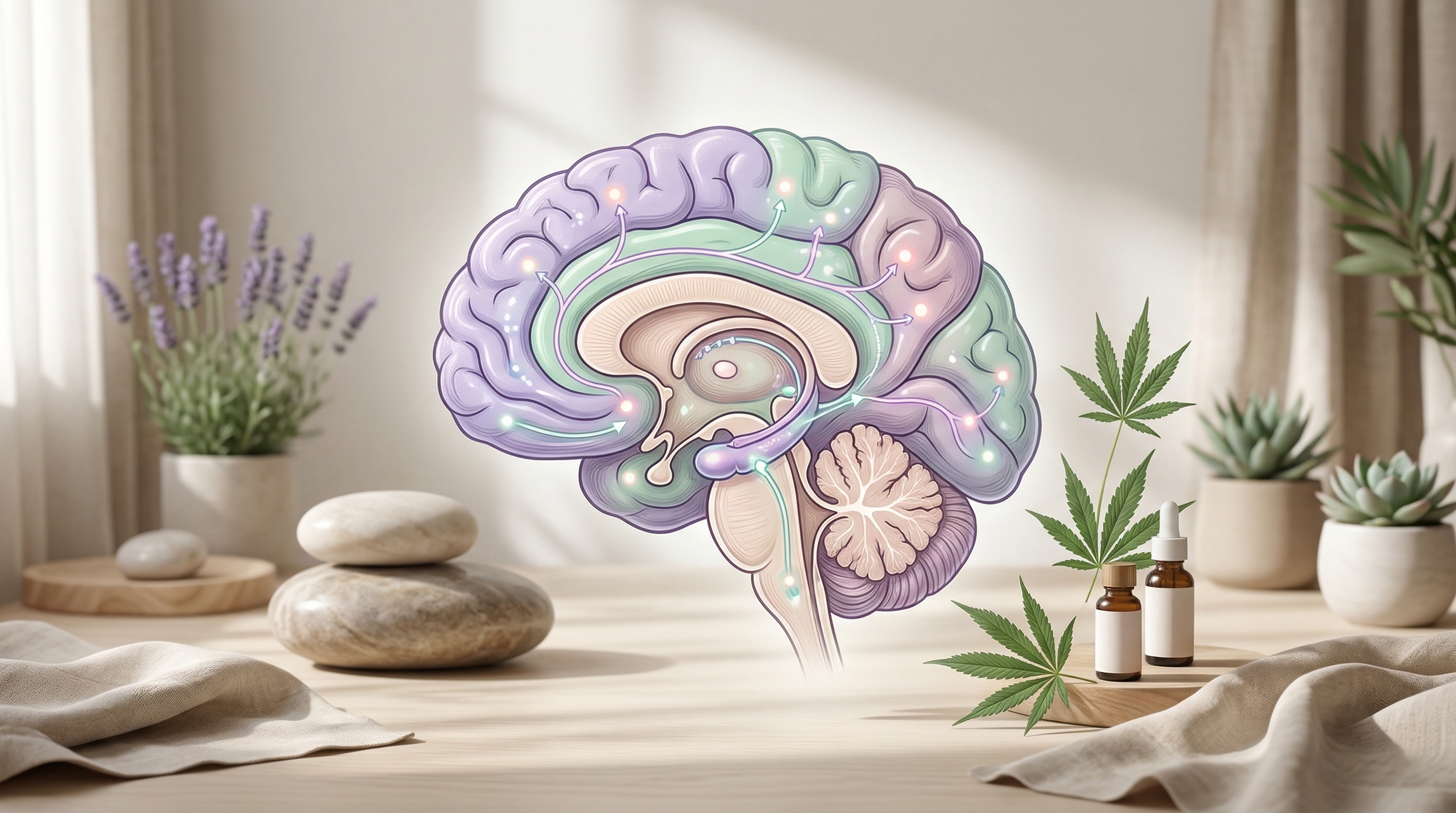
To understand why CBD can help control seizures, you first need to understand what a seizure actually is at the neurological level. Think of your brain as an extraordinarily complex electrical grid. Neurons communicate through carefully timed electrochemical signals. A seizure happens when that grid experiences a catastrophic surge—large populations of neurons fire simultaneously and uncontrollably, overwhelming the brain’s normal regulatory circuits.
In a healthy brain, there’s a precise balance between excitatory neurotransmission (signals that tell neurons to fire) and inhibitory neurotransmission (signals that tell neurons to calm down). Epilepsy disrupts this balance, tipping the scales toward runaway excitation.
About 30% of people with epilepsy have treatment-resistant disease—meaning two or more appropriately chosen anti-epileptic drugs (AEDs) have failed to control their seizures [Kwan & Brodie, 2000]. For Dravet syndrome and Lennox-Gastaut syndrome, that percentage is even higher. Most patients with these conditions fail to achieve adequate seizure control despite trying multiple pharmaceutical combinations.
Most conventional AEDs work through a single mechanism: they either block sodium or calcium channels to reduce excitatory neuron firing, or they enhance GABA (the brain’s primary inhibitory neurotransmitter). When a patient’s epilepsy doesn’t respond to these approaches, there are limited alternatives.
This is exactly where CBD’s unusual pharmacological profile becomes medically relevant.
How CBD Interacts With the Epileptic Brain
CBD’s anti-seizure mechanism is unlike any previously approved AED. Rather than targeting a single pathway, CBD appears to work through multiple simultaneous mechanisms, which researchers believe may explain why it succeeds in patients where single-mechanism drugs have failed [Devinsky et al., 2014].
The key pathways identified in preclinical and clinical research include:
GPR55 receptor antagonism: GPR55 is an orphan receptor that, when activated, increases excitatory neurotransmission and may lower seizure threshold. CBD appears to act as a GPR55 antagonist—blocking this receptor and reducing the likelihood of the excitatory cascade that initiates seizures [Kaplan et al., 2017].
TRPV1 (transient receptor potential vanilloid 1) modulation: CBD activates TRPV1 channels, which initially allows a calcium influx but subsequently desensitizes the channels—reducing neuronal excitability over time. Think of this as briefly opening a pressure valve and then sealing it more tightly [Iannotti et al., 2014].
Intracellular calcium regulation: CBD modulates how calcium moves inside neurons independent of TRPV1. Since calcium signaling is directly linked to neuronal firing patterns, this action may help stabilize overactive circuits involved in seizure generation [Ross et al., 2008].
Adenosine reuptake inhibition: CBD blocks the reuptake of adenosine—a naturally calming neuromodulator that acts as the brain’s internal “cool-down” signal. By preventing adenosine from being cleared, CBD may allow its inhibitory effects to persist longer [Carrier et al., 2006].
T-type voltage-gated calcium channel inhibition: CBD inhibits specific calcium channels involved in generating rhythmic electrical activity in the thalamus, a structure that coordinates neural synchrony across the cortex [Ross et al., 2008].
Critically, CBD produces no intoxication. Unlike THC, which binds directly to CB1 cannabinoid receptors to produce a psychoactive “high,” CBD has very low affinity for these receptors. This is precisely why CBD became an attractive candidate for pediatric epilepsy treatment—significant therapeutic potential without psychoactive effects.
Key scientific insight: CBD’s anti-seizure effect appears to be genuinely multi-target rather than single-mechanism. This may explain its effectiveness precisely where conventional AEDs have failed—in patients whose seizures are driven by mechanisms that no single-target drug can fully address.
The Endocannabinoid System Connection
Understanding CBD’s role in epilepsy also requires understanding the endocannabinoid system (ECS)—the vast network of receptors (CB1 and CB2), endogenous ligands (anandamide and 2-AG), and metabolic enzymes that regulate neurological homeostasis throughout the brain and body.
The ECS plays an active role in regulating neuronal excitability. When neurons become overactive, the ECS is one of the systems your brain deploys to restore balance—endocannabinoids released “on demand” bind to presynaptic CB1 receptors and suppress further excitatory neurotransmitter release. This is called retrograde inhibition, and it’s a fundamental brake on seizure activity.
Research suggests that dysfunction in endocannabinoid signaling may contribute to epilepsy in some patients. Animal models with disrupted CB1 receptor signaling show increased seizure susceptibility [Wallace et al., 2003]. CBD’s multiple interaction points with this regulatory system may help restore the neural inhibitory tone that seizure disorders disrupt.
The Clinical Trials: From Open-Label to Gold Standard
The Expanded Access Program (2014–2016)
Before formal randomized trials were complete, Dr. Orrin Devinsky at NYU Langone led an open-label Expanded Access Program (EAP) that allowed patients with severe, treatment-resistant epilepsy to receive CBD under compassionate use rules. This study enrolled 214 patients at 11 epilepsy centers across the United States.
The results provided strong early evidence: participants experienced a median reduction in monthly motor seizures of 36.5% over 12 weeks, with 9% of patients achieving complete seizure freedom [Devinsky et al., 2016]. This was an open-label study without a placebo control, so causation could not be definitively established—but the signal was clear and consistent enough to justify proceeding to gold-standard randomized controlled trials.
The Dravet Syndrome Trial — New England Journal of Medicine (2017)
The pivotal study was published in the New England Journal of Medicine in May 2017. This was a randomized, double-blind, placebo-controlled trial—the gold standard in pharmaceutical research. 120 children and young adults with Dravet syndrome and drug-resistant seizures received either CBD (20 mg/kg/day) or placebo for 14 weeks, on top of their existing medications.
The results were striking:
| Outcome | CBD Group | Placebo Group |
|---|---|---|
| Median monthly convulsive seizures (baseline) | 12.4 | 14.9 |
| Median monthly convulsive seizures (treatment) | 5.9 | 14.1 |
| Reduction in seizure frequency | 38.9% | 13.3% |
| Patients with 50%+ seizure reduction | 43% | 27% |
| Patients who became seizure-free | 5% | 0% |
[Devinsky et al., 2017 — NEJM]
The difference between groups was statistically significant (p=0.01). CBD also improved parent/caregiver global impression of change scores. Adverse events in the CBD group included drowsiness, decreased appetite, diarrhea, and elevated liver enzymes—the latter particularly in patients also taking valproate.
The Lennox-Gastaut Syndrome Trials (2018)
Two additional randomized controlled trials examined CBD for Lennox-Gastaut syndrome (LGS), a severe childhood epilepsy characterized by multiple seizure types including “drop seizures”—sudden episodes of complete loss of muscle tone that cause patients to collapse, often resulting in injury.
GWPCARE3 (Devinsky et al., 2018): 171 LGS patients received CBD 20 mg/kg/day, CBD 10 mg/kg/day, or placebo. Both CBD doses produced significantly greater reductions in drop seizure frequency than placebo (41.9% and 37.2% reductions vs. 17.2% for placebo; p=0.0047 and p=0.0016 respectively).
GWPCARE4 (Thiele et al., 2018): 225 LGS patients received CBD 20 mg/kg/day or placebo. CBD reduced drop seizure frequency by 43.9% vs. 21.8% for placebo (p<0.0001).
Across both LGS trials, approximately 57–66% of CBD patients were considered responders (≥50% reduction in drop seizures), compared to 41–44% in placebo groups.
FDA Approval and the DEA Paradox (June 2018)
Based on the three pivotal trials demonstrating statistically significant efficacy in two distinct rare epilepsy syndromes, the FDA approved Epidiolex in June 2018 for seizures associated with Dravet syndrome and Lennox-Gastaut syndrome in patients two years of age and older [FDA, 2018].
This created a remarkable regulatory paradox: the FDA’s approval forced the Drug Enforcement Administration to reschedule Epidiolex from Schedule I (no accepted medical use, high abuse potential) to Schedule V (lowest restriction category) within 90 days—even while the cannabis plant itself remained Schedule I. It was a fissure in the monolithic wall of federal cannabis prohibition, created by the weight of scientific evidence.
In 2020, the FDA expanded Epidiolex’s indication to include tuberous sclerosis complex (TSC), based on the GWPCARE6 randomized controlled trial, which demonstrated significant seizure reduction in TSC patients [Thiele et al., 2021].
The European Medicines Agency (EMA) approved the equivalent product—marketed as Epidyolex—in September 2019 for use in conjunction with clobazam for Dravet syndrome and Lennox-Gastaut syndrome.
Long-Term Data: What Four Years of Follow-Up Shows
The original trials were 14-week studies. Critics reasonably asked: does the effect last? Does tolerance develop? The long-term data has been reassuring.
A 2019 long-term Expanded Access Program analysis of LGS and Dravet syndrome patients found that CBD’s seizure-reducing effects remained consistent at 12 weeks, 48 weeks, and 96 weeks of treatment, with no evidence of tolerance development [Devinsky et al., 2019]. Median monthly major motor seizures were reduced by 50% at 12 weeks, and this reduction was maintained through 96 weeks.
More recently, a 2024 study presented at the American Academy of Neurology annual meeting reported four-year Expanded Access Program results in 892 patients with focal-onset seizures (mean age 15.8 years). At 144 weeks, all participants regardless of seizure type had experienced at least a 50% seizure reduction. CBD treatment was associated with median reductions of 67% to 99% in focal aware seizures, and the safety profile remained consistent with the original trials [Rajasekaran et al., 2024].
A German multicenter real-world study (2024) evaluated CBD in clinical practice across patients with LGS, Dravet syndrome, and tuberous sclerosis complex. Results showed seizure frequency reduction across all age groups, with 67% of patients remaining on treatment at 12 months—a strong retention rate reflecting both efficacy and tolerability [Strzelczyk et al., 2024].

What We Still Don’t Know
Science is a process, not a conclusion. Despite the remarkable progress, important questions remain:
Long-term effects on the developing brain: The longest clinical trial follow-ups now extend to about four years. We don’t yet have robust data on the effects of CBD use over decades in brains that are still developing—an important question when treating children with epilepsy from early childhood.
Optimal individualized dosing: Clinical trials used weight-based doses (10–20 mg/kg/day), but response varied significantly. There is no reliable biomarker that predicts who will respond optimally to CBD or at what dose.
Drug interactions: CBD is metabolized by liver enzymes CYP3A4 and CYP2C19, which also process many common AEDs. The most clinically significant interaction is with clobazam (CBD increases clobazam’s active metabolite N-desmethylclobazam, potentially enhancing both efficacy and side effects) and valproate (the combination increases risk of liver enzyme elevation, sometimes to clinically significant levels) [Devinsky et al., 2017]. Regular blood work is essential during treatment.
Mechanism of action gaps: While multiple CBD mechanisms have been identified in preclinical models, we don’t know with certainty which mechanism(s) are primarily responsible for anti-seizure effects in humans—or whether the relative importance differs across epilepsy types.
Pharmaceutical-grade vs. consumer CBD: Epidiolex is a pharmaceutical product manufactured to strict purity and consistency standards. A 2017 JAMA study found that only 31% of CBD products sold online were accurately labeled for CBD content [Bonn-Miller et al., 2017]. The distinction between pharmaceutical CBD and consumer products is not merely semantic for patients managing serious neurological conditions.
Practical Implications
What This Means for Epilepsy Patients and Caregivers
If you or someone you care for has treatment-resistant epilepsy, the most important takeaway from this research is to work with a neurologist who is current on this literature. Epidiolex is a prescription medication available through standard medical channels—it is not available over the counter, and it should not be substituted with dispensary CBD products.
Specific guidance for navigating this landscape:
-
Start the conversation with a neurologist specializing in epilepsy. Not all neurologists have experience prescribing Epidiolex, and specialist centers with epilepsy programs are more likely to have clinicians current on its use.
-
Understand the drug interactions before starting. If you or your child is on clobazam, valproate, or other AEDs, your prescribing physician needs to understand these interactions and set up appropriate monitoring.
-
Commit to regular monitoring. CBD can cause liver enzyme elevation, particularly when combined with valproate. Baseline liver function tests and periodic monitoring are standard of care.
-
Be skeptical of consumer CBD products making medical claims. Under FDA regulations, dietary supplements cannot legally claim to treat or cure disease. Products that do so are either making illegal claims or operating in an unregulated gray zone. For epilepsy management specifically, pharmaceutical-grade consistency matters.
-
Track seizures systematically. A detailed seizure diary—noting type, duration, frequency, time of day, and any apparent triggers—is valuable both for monitoring treatment response and for communicating with your medical team.
What This Means for the Broader Cannabis Wellness Community
The CBD-epilepsy story is significant far beyond seizure disorders. It established a precedent that has proven transformative for cannabis medicine research: a compound derived from the cannabis plant can pass the most rigorous standards of pharmaceutical evaluation. That precedent has opened institutional willingness, research funding, and regulatory pathways that previously didn’t exist.
It also carries important lessons about the nuances of cannabinoid science that are relevant to anyone interested in cannabis wellness:
The difference between CBD and THC matters profoundly. CBD’s lack of CB1 agonism is precisely what makes it medically useful in pediatric epilepsy. Understanding the THC vs. CBD difference isn’t just trivia—it’s mechanistically important. These are not interchangeable molecules.
The entourage effect is real but complicated. Charlotte’s Web was a whole-plant extract, not isolated CBD. Early reports suggested it worked better than isolated CBD for some patients. Subsequent research has been mixed on whether full-spectrum preparations outperform pharmaceutical-grade CBD in epilepsy contexts. The entourage hypothesis remains scientifically interesting and is being actively studied.
Minor cannabinoids are next. Early preclinical evidence suggests CBDV (cannabidivarin), a minor cannabinoid structurally similar to CBD, may also have anti-convulsant properties [Hill et al., 2012]. GW Pharmaceuticals (now part of Jazz Pharmaceuticals) has investigated CBDV in trials for autism spectrum disorder and Rett syndrome. The epilepsy story has inspired a pipeline of cannabinoid-based research that is still early but scientifically grounded.
The High Families Connection
For those exploring cannabis within a wellness framework, the epilepsy research underscores why understanding cannabinoid chemistry matters when choosing products. CBD-dominant cannabis strains tend to fall within our Relaxing High or Balancing High families—profiles characterized by high CBD content, gentler effects, and reduced psychoactivity.
Charlotte’s Web itself is a useful reference point: high CBD, minimal THC, with a terpene profile featuring myrcene and caryophyllene. The High Families framework helps you move beyond outdated indica/sativa categorizations toward a chemistry-based understanding of what cannabis products actually do in your body—which is exactly the level of precision that clinical research demands.
For those using our High IQ platform to track their cannabis experience, noting CBD:THC ratios and dominant terpenes provides the kind of systematic data that makes your personal experience genuinely informative rather than anecdotal.
Key Takeaways
- CBD’s anti-seizure effects are supported by gold-standard clinical evidence: Three randomized, double-blind, placebo-controlled trials led to the first-ever FDA approval of a cannabis-derived medication (Epidiolex) in 2018 [FDA, 2018].
- CBD works through multiple brain mechanisms simultaneously—including GPR55 antagonism, TRPV1 modulation, adenosine reuptake inhibition, and calcium channel regulation—which may explain its effectiveness in patients who have failed conventional single-mechanism AEDs [Devinsky et al., 2014].
- Long-term data confirms durability: Four-year follow-up shows seizure reductions are maintained without tolerance development, with 67–99% reductions in some patient populations [Rajasekaran et al., 2024; Devinsky et al., 2019].
- Pharmaceutical-grade CBD (Epidiolex) is not equivalent to over-the-counter CBD products—purity, dosing consistency, and medical supervision make a clinically significant difference, particularly for managing a serious neurological condition.
- The breakthrough opened the door for broader cannabis medicine research, establishing that cannabinoids can meet rigorous pharmaceutical standards and demonstrating the absurdity of Schedule I classification for compounds with documented medical value.
- Medical supervision is non-negotiable. CBD has clinically significant interactions with common AEDs, requires liver function monitoring, and should be prescribed by a knowledgeable specialist—not substituted with consumer products.
FAQs
Can I use CBD oil from a dispensary to manage epilepsy?
Dispensary and consumer CBD products are not equivalent to Epidiolex. They vary widely in actual CBD content (studies show most are inaccurately labeled), purity, and consistency. For epilepsy management, these inconsistencies matter clinically. If you believe CBD might be appropriate for a seizure condition, the path forward is a conversation with a neurologist about pharmaceutical-grade Epidiolex—not self-medication with unregulated products.
Does CBD cure epilepsy?
No. CBD does not cure epilepsy. In clinical trials, it significantly reduced seizure frequency for many patients—some achieving complete seizure freedom—but the majority of patients continued to have some seizures, and a minority did not respond. It is best understood as an additional tool for seizure management, not a cure.
Is CBD safe for children with epilepsy?
Epidiolex has been FDA-approved for patients as young as two years old, following clinical trials that specifically included pediatric patients. The most common side effects observed were drowsiness, decreased appetite, diarrhea, and elevated liver enzymes (the latter primarily when combined with valproate). Safety and monitoring should be managed by a pediatric neurologist.
Does Epidiolex get you high?
No. Epidiolex contains highly purified CBD with less than 0.1% THC—well below any psychoactive threshold. CBD does not bind meaningfully to the CB1 receptors that mediate THC’s psychoactive effects.
What’s the difference between Epidiolex and CBD sold at health food stores?
Epidiolex is a pharmaceutical product manufactured under FDA Good Manufacturing Practice (GMP) standards, with rigorously documented purity, potency, and consistency. It is a prescription medication. Consumer CBD products are sold as supplements and are not subject to the same quality controls—independent testing has repeatedly found that many products contain significantly less CBD (or more THC) than labeled. For treating a serious neurological condition, this difference matters enormously.
Why was cannabis classified as Schedule I if CBD could treat epilepsy?
That question is at the heart of one of the more remarkable regulatory contradictions in U.S. drug policy. The Schedule I classification—assigned to cannabis in 1970 under the Controlled Substances Act—defines substances as having “no currently accepted medical use.” The FDA approval of Epidiolex demonstrated that this classification was scientifically indefensible for at least one cannabis-derived compound. The DEA was legally required to reschedule Epidiolex within 90 days of FDA approval. The cannabis plant itself remains Schedule I, creating an ongoing paradox that has increasingly drawn scientific and policy criticism.
Sources
- Bonn-Miller, M.O. et al. (2017). “Labeling Accuracy of Cannabidiol Extracts Sold Online.” JAMA, 318(17):1708–1709. DOI: 10.1001/jama.2017.11909
- Carrier, E.J., Auchampach, J.A., & Hillard, C.J. (2006). “Inhibition of an equilibrative nucleoside transporter by cannabidiol: A mechanism of cannabinoid immunosuppression.” PNAS, 103(20), 7895–7900. DOI: 10.1073/pnas.0511232103
- Devinsky, O. et al. (2014). “Cannabidiol: Pharmacology and potential therapeutic role in epilepsy and other neuropsychiatric disorders.” Epilepsia, 55(6):791–802. PMID: 24854329
- Devinsky, O. et al. (2016). “Cannabidiol in patients with treatment-resistant epilepsy: an open-label interventional trial.” The Lancet Neurology, 15(3):270–278. DOI: 10.1016/S1474-4422(15)00379-8
- Devinsky, O. et al. (2017). “Trial of Cannabidiol for Drug-Resistant Seizures in the Dravet Syndrome.” New England Journal of Medicine, 376:2011–2020. DOI: 10.1056/NEJMoa1611618
- Devinsky, O. et al. (2018). “Effect of cannabidiol on drop seizures in the Lennox-Gastaut syndrome.” New England Journal of Medicine, 378:1888–1897. DOI: 10.1056/NEJMoa1714631
- Devinsky, O. et al. (2019). “Long-term safety and efficacy of cannabidiol in children and adults with treatment resistant Lennox-Gastaut syndrome or Dravet syndrome.” Epilepsy Research, 152:91–99. PMID: 31022635
- FDA (2018). “FDA Approves First Drug Comprised of an Active Ingredient Derived from Marijuana.” FDA Press Release, June 25, 2018.
- Hill, A.J. et al. (2012). “Cannabidivarin is anticonvulsant in mouse and rat.” British Journal of Pharmacology, 167(8):1629–1642.
- Iannotti, F.A. et al. (2014). “Nonpsychotropic plant cannabinoids, CBDV and CBD, activate and desensitize TRPV1.” British Journal of Pharmacology, 169(1):162–170.
- Kaplan, J.S. et al. (2017). “Cannabidiol attenuates seizures and social deficits in a mouse model of Dravet syndrome.” PNAS, 114(42):11229–11234.
- Kwan, P. & Brodie, M.J. (2000). “Early identification of refractory epilepsy.” New England Journal of Medicine, 342:314–319.
- Rajasekaran, K. et al. (2024). “Four-year expanded access program results for cannabidiol in focal-onset seizures.” Presented at American Academy of Neurology Annual Meeting, May 2024.
- Ross, H.R. et al. (2008). “Inhibition of recombinant human T-type calcium channels by the endocannabinoid N-arachidonoyl glycine.” Journal of Pharmacology and Experimental Therapeutics, 327(1).
- Strzelczyk, A. et al. (2024). “Retrospective multicenter chart review of adjunctive cannabidiol for seizures in LGS, DS, and TSC-associated epilepsy in Germany.” Neurotherapeutics. PMID: 40650804
- Thiele, E.A. et al. (2018). “Cannabidiol in patients with seizures associated with Lennox-Gastaut syndrome.” Lancet, 391(10125):1085–1096. DOI: 10.1016/S0140-6736(18)30136-3
- Thiele, E.A. et al. (2021). “Cannabidiol in tuberous sclerosis complex: evidence from randomized controlled trial GWPCARE6.” Neurology, 96(20).
- Wallace, M.J. et al. (2003). “The endogenous cannabinoid system regulates seizure frequency and duration in a model of temporal lobe epilepsy.” Journal of Pharmacology and Experimental Therapeutics, 307(1):129–137.


