The Rise of Cannabis Tourism: Best Legal Destinations in 2026
Where to travel for cannabis in 2026—top legal destinations, consumption lounges, practical tips, and the science of why location shapes your high.

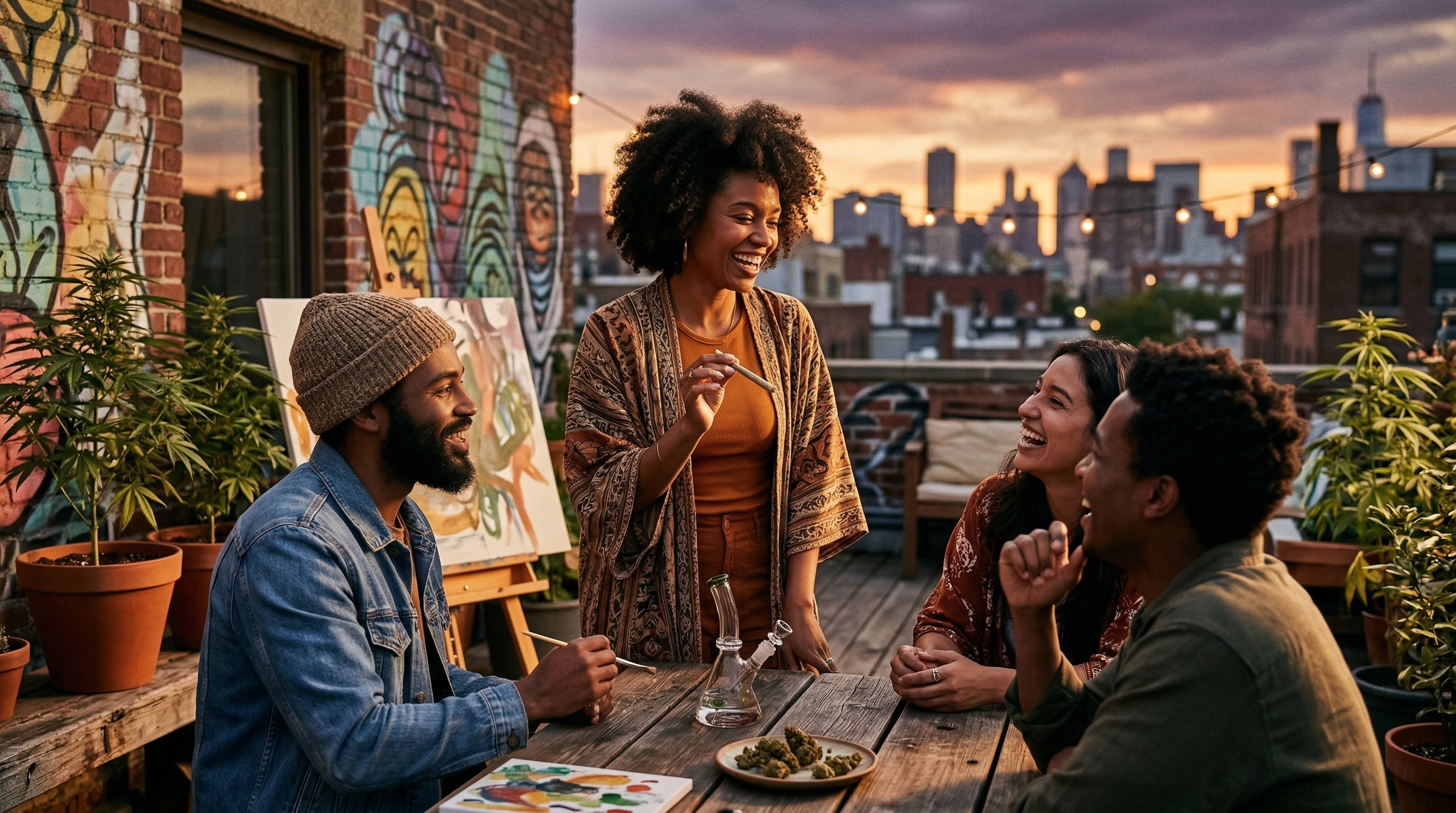
A New Kind of Travel Is Blooming
Here’s a number that might surprise you: cannabis tourism generated an estimated $17 billion globally in 2025, and analysts project even steeper growth heading into 2026. That’s not just people buying a pre-roll on vacation — it’s a full-blown travel industry built around dispensary tours, infused dining experiences, cannabis-friendly accommodations, and terpene-focused wellness retreats.
Think about that for a moment. A plant that was universally criminalized just decades ago now anchors an entire tourism sector spanning multiple continents.
But cannabis tourism isn’t just about where you can consume legally. It’s increasingly about how different destinations shape the experience itself — from the cultivars available in a region to the altitude, cuisine pairings, and cultural rituals that surround consumption. Whether you’re a seasoned traveler looking for your next adventure or someone considering their very first cannabis-friendly trip, the landscape in 2026 offers more thoughtful, diverse, and science-informed options than ever before.
In this guide, we’ll explore the top legal cannabis destinations for 2026, dig into the surprising science of how environment and setting influence your high, and give you practical tips for planning a trip that matches your ideal experience. Along the way, we’ll connect everything back to the High Families framework so you can choose destinations that align with the kind of experience you’re actually looking for.
Let’s pack our bags — metaphorically, and literally.
The Science of Set and Setting: Why Destination Matters
How Environment Shapes Your Cannabis Experience
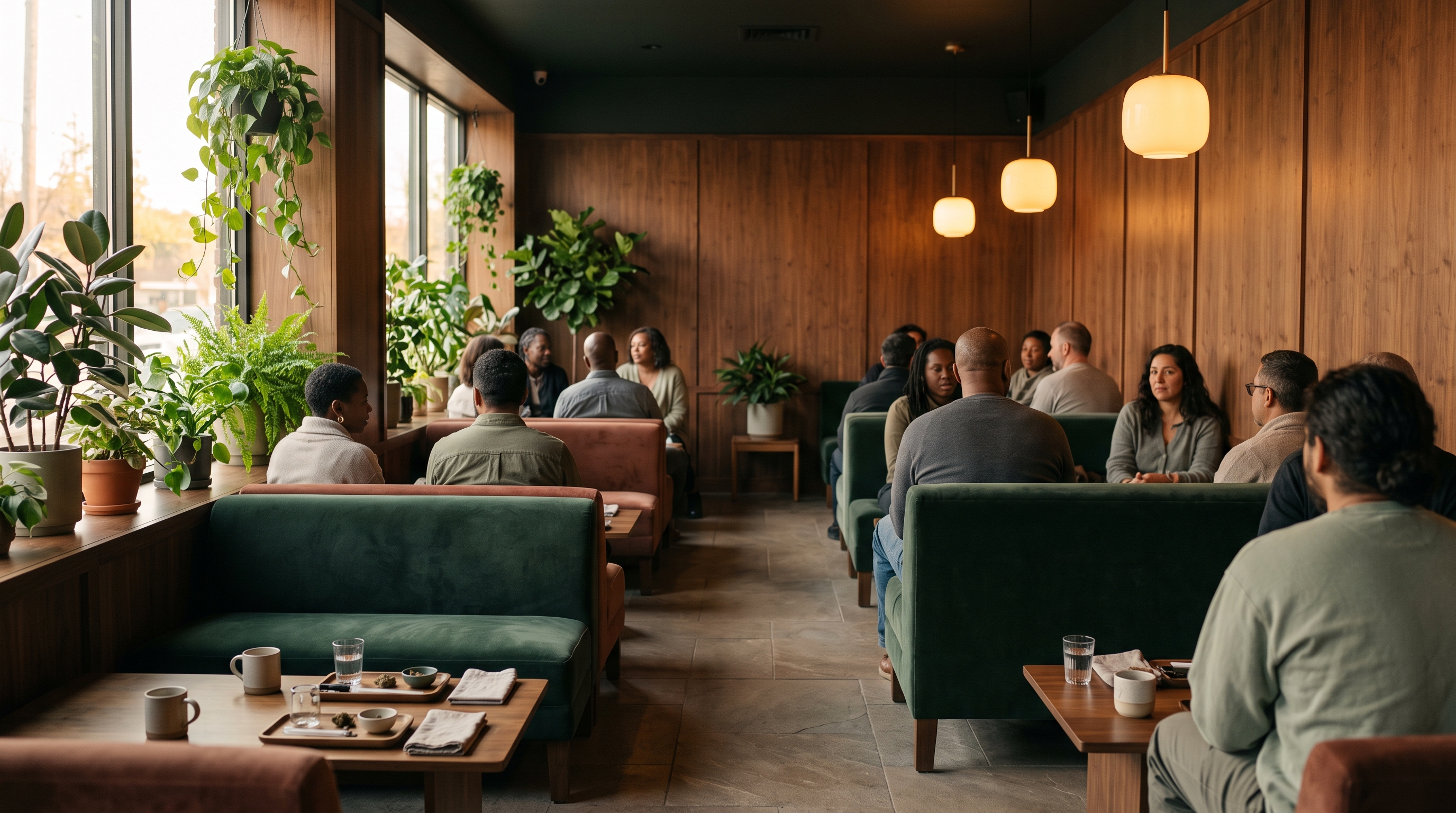
You might think a joint is a joint no matter where you smoke it. But decades of psychopharmacology research tell us something far more interesting: your environment profoundly influences how you experience any psychoactive substance, cannabis included.
The concept of “set and setting” was popularized by psychedelic researcher Timothy Leary in the 1960s, but the principle applies broadly. “Set” refers to your mindset — your mood, expectations, and mental state going into an experience. “Setting” is everything external: the physical environment, social context, ambient sounds, temperature, and even altitude.
Think of it like this: imagine listening to your favorite song through cheap earbuds on a crowded subway versus through premium speakers in a quiet room overlooking the ocean. Same song, radically different experience. Cannabis works similarly. The same cultivar consumed in a sterile hotel room versus a sun-drenched terrace in Barcelona can produce noticeably different subjective effects.
Research from the field of environmental psychopharmacology suggests that pleasant, nature-rich settings may amplify the mood-elevating properties of THC while reducing the likelihood of anxiety. This aligns with what we know about cortisol — the stress hormone. When your setting is relaxing, your baseline cortisol is lower, which may allow cannabis’s anxiolytic terpenes like linalool and myrcene to work more effectively without competing against a stress response.
What the Research Shows
Several findings help explain why cannabis tourism isn’t just a marketing gimmick — it’s grounded in real science:
-
Altitude and THC metabolism: Research suggests that higher altitudes may intensify the perceived effects of THC due to lower oxygen saturation and changes in blood circulation. Colorado travelers frequently report stronger effects than expected, and this isn’t purely psychological. If you’re visiting Denver or other high-altitude destinations, dosing conservatively is backed by science, not just caution.
-
Social context amplifies positive effects: A 2019 study published in Drug and Alcohol Dependence found that cannabis consumed in social, comfortable settings was associated with significantly higher reports of euphoria and lower reports of paranoia compared to isolated or unfamiliar settings. This is why group-friendly cannabis tours and social lounges are booming across every major legal market.
-
Terpene-environment synergy: Preliminary research suggests that environmental aromas may interact with cannabis terpenes through olfactory pathways. Consuming a limonene-dominant strain in a sun-drenched, citrus-rich coastal environment, for example, may create a more cohesive sensory experience that enhances the Uplifting High profile. This is exactly the kind of curated experience top cannabis destinations are now designing around.
-
The entourage effect of travel itself: Travel naturally elevates dopamine through novelty-seeking behavior. Combine that neurochemical boost with cannabis’s own dopaminergic activity, and you have a compounding positive experience that neither element could produce alone.
Key Insight: Your destination isn’t just a backdrop — it’s an active ingredient in your cannabis experience. Choosing where you consume is as important as choosing what you consume.
Top Legal Cannabis Destinations in 2026
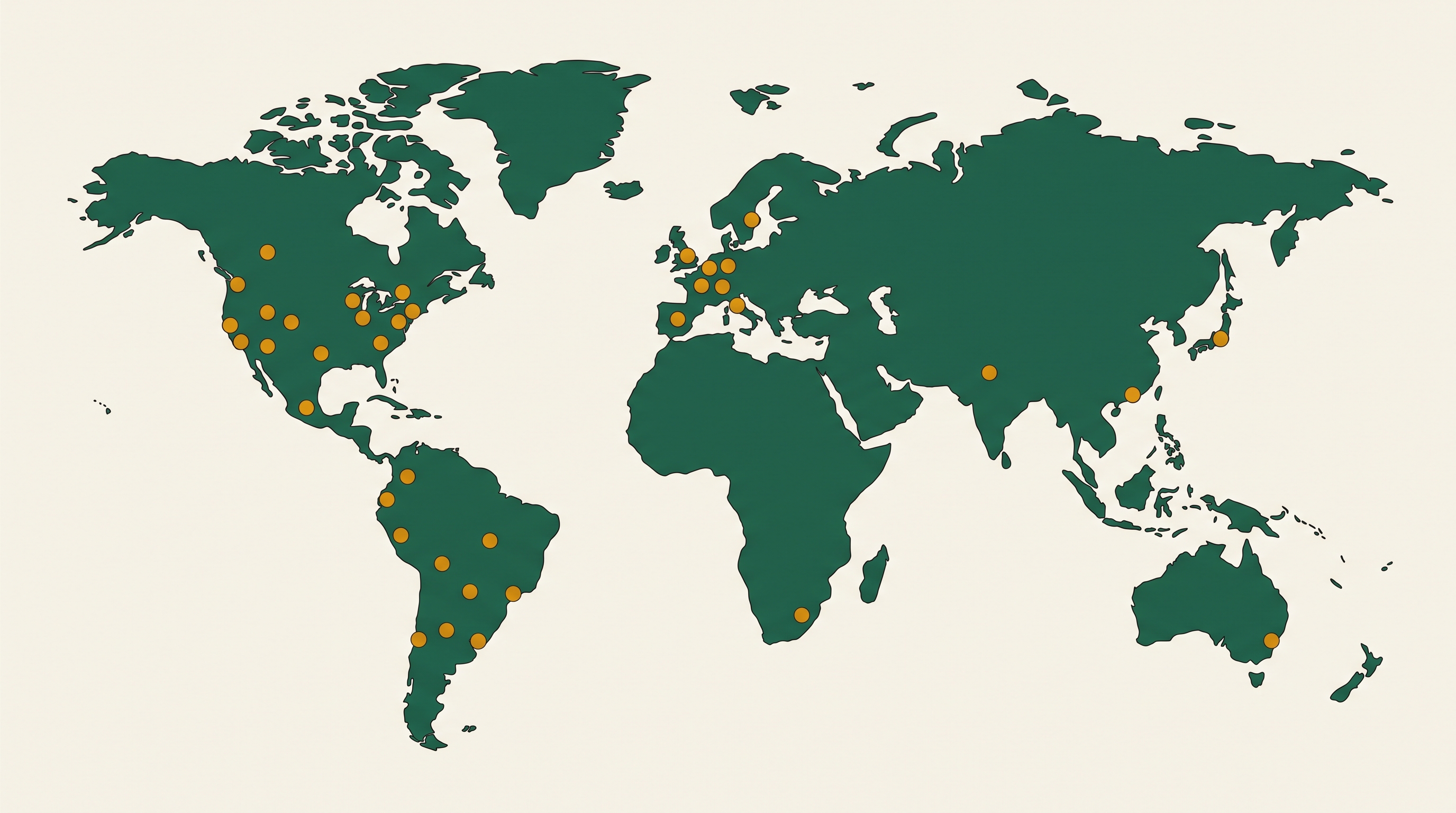
Now that you understand why destination matters, let’s explore where to go. The legal landscape has shifted dramatically, and 2026 offers more options than any previous year.
United States: The Mature Market
The U.S. remains the world’s largest legal cannabis market, with recreational cannabis now legal in 24 states and Washington D.C. — but the experience varies wildly by state.
Colorado continues to lead with the most developed cannabis tourism infrastructure. Denver’s consumption lounges, mountain-adjacent dispensaries, and infused dining scene have had over a decade to mature. The state pioneered regulated recreational cannabis back in 2012, and that head start shows: you’ll find knowledgeable budtenders, a full ecosystem of tours and experiences, and cultivar selections you can’t find elsewhere. The high altitude and outdoor recreation culture make Colorado ideal for the Energetic High family — think terpinolene-forward strains paired with hiking and mountain biking.
California offers the widest cultivar diversity on Earth. From the heritage farms of Humboldt County’s legendary Emerald Triangle to the sleek dispensaries of West Hollywood and Silver Lake, California caters to every preference. The state’s expansion of consumption café licenses means you can now enjoy infused meals in licensed establishments across major cities. The Mediterranean climate and coastal settings naturally complement Uplifting High and Balancing High experiences.
New York has finally hit its stride after a notoriously rocky regulatory rollout. Manhattan’s licensed lounges and Brooklyn’s cannabis culture scene offer a distinctly urban experience — think jazz clubs with consumption rooms and rooftop sessions with skyline views. The city’s density of creative industries means the social scene around cannabis is particularly vibrant.
Nevada (Las Vegas) deserves special mention for 2026. Vegas has leaned hard into cannabis tourism, with consumption lounges on the Strip, cannabis-friendly shows and experiences, and dispensaries that cater specifically to first-time visitors with extensive staff education. It’s the most tourist-optimized cannabis experience in the U.S.
Illinois, Massachusetts, Oregon, and Michigan also offer strong tourism options, each with unique regional character and an increasingly sophisticated cultivar marketplace.
Legal Reminder: Federal law still prohibits transporting cannabis across state lines — even between two legal states. Always purchase at your destination, never bring product from home.
The Netherlands: The OG Destination, Reimagined
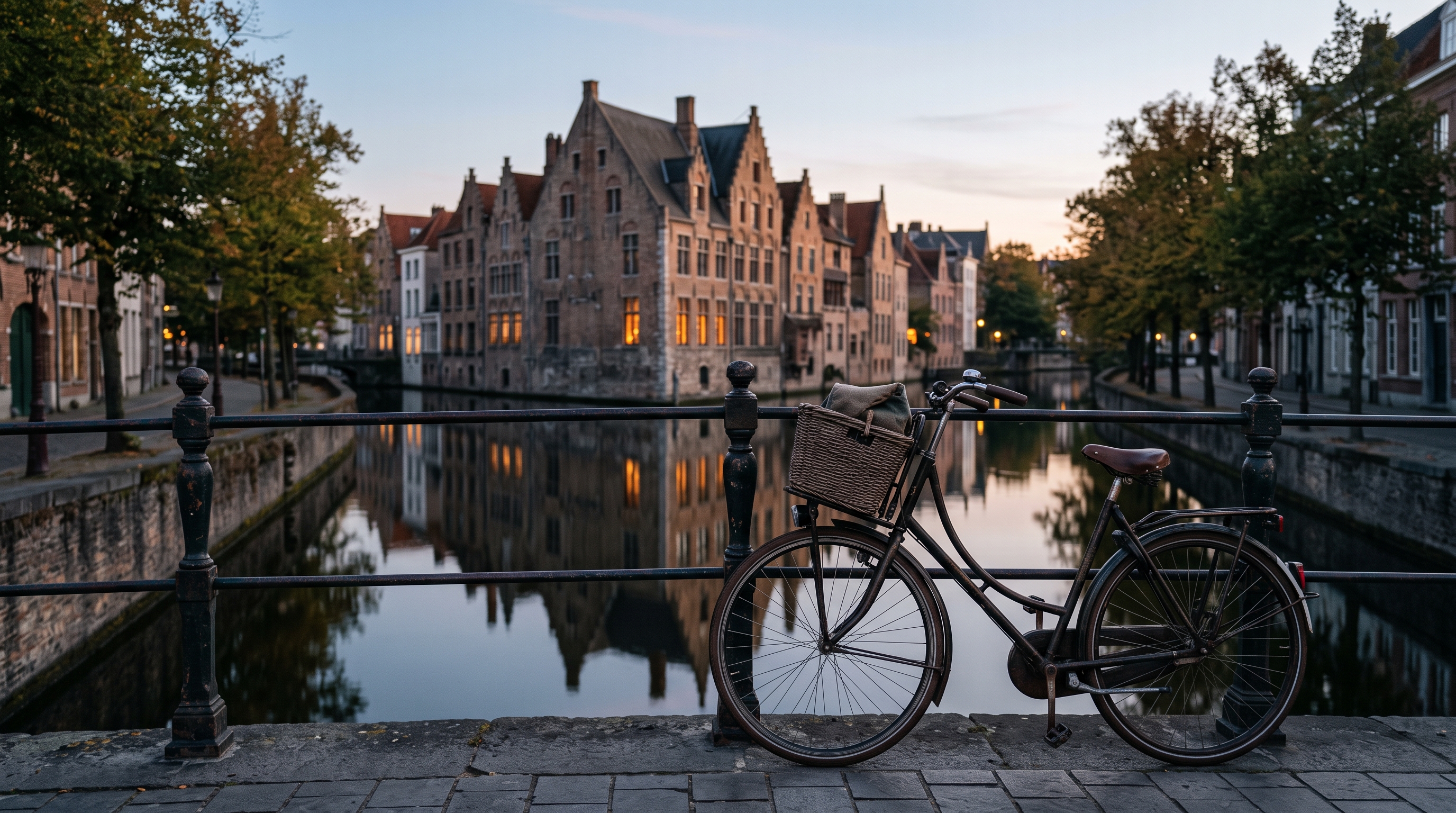
Amsterdam’s coffeeshop culture has been the world’s most iconic cannabis tourism draw for decades. But 2026 brings significant changes that actually improve the experience for informed travelers. The Dutch government’s “closed coffeeshop chain” experiment — which replaces illicit supply chains with regulated, domestically grown cannabis — has expanded to more municipalities, dramatically improving product quality and consistency.
What this means for tourists: you’re now far more likely to find lab-tested products with detailed terpene profiles in participating coffeeshops. Instead of guessing from a menu name like “Super Amnesia” whether you’ll get a stimulating or sedating experience, you can select by terpene dominant and High Family.
Beyond Amsterdam, cities like Rotterdam and Utrecht are developing their own cannabis culture scenes with less tourist saturation and more local authenticity. If you want the classic coffeeshop experience without the crowded tourist corridors of central Amsterdam, these cities offer a compelling alternative.
Key 2026 update: Amsterdam has continued enforcing stricter rules around public consumption and tourist access in certain areas of the city center. Plan to consume inside licensed coffeeshops rather than in public spaces.
Thailand: Asia’s Cannabis Pioneer
Thailand made global headlines when it decriminalized cannabis in 2022, becoming the first Asian nation to do so. By 2026, the regulatory framework has matured significantly. While the Thai government has tightened some recreational regulations since the initial free-for-all period, licensed cannabis cafés and wellness centers operate legally throughout Bangkok, Chiang Mai, Phuket, and the southern islands.
Thailand’s unique appeal lies in its integration of cannabis with traditional wellness practices. Many retreats now combine cannabis consumption with Thai massage, meditation, herbal medicine traditions, and farm-to-table infused cuisine. The tropical setting and wellness focus make Thailand particularly suited for the Relaxing High and Relieving High families — think myrcene-rich and caryophyllene-forward cultivars paired with spa treatments and beachside yoga.
The cost advantage is significant: Thailand offers some of the most affordable high-quality cannabis experiences globally, making it accessible for budget-conscious travelers without sacrificing quality.
Travel Tip: Thai cannabis regulations have changed multiple times since 2022. Always verify current laws at the Thai Food and Drug Administration website before traveling, and consume only at clearly licensed establishments displaying official permits.
Germany: Europe’s New Frontier
Germany’s landmark 2024 partial legalization sent shockwaves through Europe, and by 2026, the country’s cannabis social clubs and licensed infrastructure are fully operational across major cities. Berlin has predictably become the epicenter, with its famously progressive nightlife culture now incorporating legal cannabis social clubs and consumption spaces.
Germany’s scientific and regulatory rigor means products are exceptionally well-tested and labeled — arguably the most transparently documented cannabis in the world. Every product sold through the regulated system comes with detailed cannabinoid and terpene profiles. For the analytically-minded traveler who wants to truly understand what they’re consuming and why it produces specific effects, Germany may be unmatched.
The German approach also reflects a harm-reduction philosophy: staff at cannabis social clubs are trained in responsible consumption guidance, making it an excellent destination for travelers who are newer to cannabis and want a supported experience.
What to expect: Germany’s social club model means you typically need to register as a temporary member, which requires ID and a brief orientation. This isn’t a burden — it’s actually a feature that improves the quality of the experience.
Uruguay: The Quiet Pioneer
Uruguay was the first country in the world to fully legalize cannabis in 2013, yet it remains one of the least-discussed destinations for cannabis tourism. Historically, a citizen-only pharmacy dispensary system made tourist access difficult. But in 2025-2026, the country expanded access through licensed cannabis clubs welcoming international visitors with temporary memberships, and a growing number of cannabis-friendly accommodations in Montevideo and the beach resort town of Punta del Este.
Uruguay’s appeal is its authenticity — there’s no glitz, no marketing hype, no selfie-optimized dispensary. Cannabis culture here is integrated naturally into daily life, much like wine culture in neighboring Argentina. It’s an experience that feels genuinely local rather than curated for tourists.
The country’s regulatory framework is also notably progressive on research and education, making it a favorite destination for cannabis industry professionals and policy researchers.
Canada: Refined and Reliable
Canada’s federal legalization in 2018 gives it one of the most mature national frameworks globally. By 2026, the country has addressed many early supply challenges and retail gaps that characterized the first few years. British Columbia offers cannabis farm tours through the Okanagan Valley — think wine country, but for cannabis, with the same scenic landscape and educational “seed to sale” storytelling. Toronto and Montreal provide sophisticated urban experiences with a developed dispensary culture and cannabis-friendly social venues.
Canada’s primary strength for tourists is consistency and safety — every product is federally regulated with standardized testing for potency, pesticides, and microbials. For newer consumers wanting a reliable, low-stress introduction to cannabis in a familiar cultural context, Canada is the most straightforward option.
The Ontario Cannabis Store and BC Cannabis Stores both have excellent online menus you can browse before your trip, allowing you to research products and terpene profiles in advance.
Emerging Destinations to Watch
Several regions are in earlier stages of legalization but merit attention for 2026-2027 travel planning:
-
Malta and Luxembourg: Leading cannabis reform in the EU with social club models fully operational as of 2024. Both countries are small but offer authentic European experiences without the tourist density of Amsterdam.
-
South Africa: Personal use is legal following a landmark 2018 Constitutional Court ruling, and commercial regulatory frameworks are in active development. Cape Town’s cannabis culture scene is particularly vibrant.
-
Mexico: Full commercial legalization has faced political delays, but personal use is decriminalized and cannabis culture thrives authentically in Oaxaca (where it intersects richly with indigenous traditions) and Mexico City. Watch this space — commercial licensing could advance significantly in 2026.
-
Australia (ACT): The Australian Capital Territory allows personal cultivation and possession, with Canberra developing a small but genuine cannabis culture. Limited dispensary access means this is more for the culturally curious than the product-focused traveler.
-
Switzerland: A limited pilot program allowing regulated cannabis sales in several cities began in 2023 and continues to expand. Swiss product quality standards are predictably rigorous.
Planning Your Cannabis Trip by High Family
Here’s where the High Families framework becomes your most powerful travel planning tool. Instead of choosing a destination based on geography alone, match your ideal experience type to places that naturally complement it:
| Your Ideal Experience | High Family | Best Destinations |
|---|---|---|
| Social energy, nightlife, creativity | Uplifting High | Berlin, New York, Amsterdam |
| Focused adventure, outdoor activities | Energetic High | Colorado, British Columbia |
| Deep relaxation, spa and wellness | Relaxing High | Thailand, Uruguay |
| Gentle introduction, low-key vibes | Balancing High | Canada, Netherlands |
| Physical comfort, body-focused | Relieving High | Thailand wellness retreats |
| Full-spectrum, complex experiences | Entourage High | California, Colorado craft scene |
Essential Travel Tips for Cannabis Tourists
1. Research current laws obsessively — from official sources. Cannabis legality changes fast. What was accurate six months ago may not apply today. Check government websites directly, not just travel blogs. For U.S. state laws, use NORML’s state-by-state guide as a starting point, then verify with official state agency sites.
2. Start low and go slow — especially at altitude. If you’re visiting Colorado, other Rocky Mountain destinations, or any high-elevation location, reduce your typical dose by 25-50%. The altitude effect on THC perception is real and well-documented. Give yourself at least 30 minutes longer than usual before considering redosing.
3. Ask for terpene profiles, not just THC percentages. In mature markets like California, Colorado, Canada, and Germany, dispensaries can provide detailed terpene data. THC percentage tells you very little about the actual experience you’ll have. Terpenes — and the High Family they point toward — are far more predictive. Ask your budtender: “What’s the dominant terpene in this, and what kind of effect does it tend to produce?”
4. Never transport cannabis across any border. Even between two legal jurisdictions, crossing an international border with cannabis remains a serious criminal offense in virtually every country. This includes Canada-US border crossings, even though both countries have legal markets. Always purchase at your destination.
5. Budget for experiences, not just products. The most memorable cannabis tourism in 2026 is curated: infused dinners, guided farm tours, terpene workshops, cannabis-paired yoga retreats, and educational sessions with master growers. These experiences cost more than a dispensary stop, but they deliver something genuinely different — and they’re transferable to better choices back home.
6. Find cannabis-friendly accommodations before you book. Many standard hotels still prohibit cannabis use even in legal states. Several booking platforms now specialize in 420-friendly stays. Look for properties explicitly marketed as “cannabis-welcome.” Major cannabis tourism companies in Colorado, California, and the Netherlands offer packages that bundle accommodations, experiences, and dispensary access.
7. Respect local culture and consumption etiquette. Legal doesn’t mean universally welcome. Be mindful about consumption in outdoor public spaces, near families with children, and in culturally sensitive areas. In Thailand especially, cultural respect around any substance use is important. The best cannabis travelers are ambassadors for the broader cannabis community — how you act shapes how locals and other visitors perceive cannabis tourism.
Key Takeaways
- Cannabis tourism is a legitimate, multi-billion dollar industry with well-regulated options across North America, Europe, Asia, and South America in 2026.
- Your environment actively shapes your high — set and setting aren’t just psychedelic concepts. Altitude, social context, and sensory environment all measurably influence how cannabis affects you.
- Use the High Families framework as your trip-planning compass to match your ideal experience type to destinations that naturally complement it.
- Mature markets (U.S., Canada, Netherlands, Germany) offer the most transparent experiences for tourists, with lab-tested products and clear terpene data available.
- Emerging destinations like Thailand, Uruguay, and Germany represent exciting new chapters in global cannabis culture, each with a distinct character.
- Always verify current local laws before traveling, start with lower doses in unfamiliar settings, and never cross international borders with cannabis products.
FAQs
Can I fly with cannabis within the United States?
Cannabis remains federally illegal in the U.S., and airports fall under federal jurisdiction — TSA is a federal agency. While TSA states they don’t actively search for cannabis, carrying it through airports is a legal gray area with real risk. The vast majority of experienced cannabis travelers simply purchase at their destination rather than risk complications. Don’t chance it.
Is cannabis tourism safe for beginners?
Yes — legal destinations may actually be the safest way for beginners to try cannabis for the first time. Licensed dispensaries in mature markets employ trained staff who can guide you toward low-dose, beginner-friendly products in the Balancing High family. Curated cannabis tours also provide structured, supportive environments where staff are specifically trained to assist new consumers. You’re far more protected in a licensed lounge in Denver or Amsterdam than you would be in an unregulated setting.
Which destination offers the most affordable cannabis tourism?
Uruguay and Thailand generally offer the most budget-friendly options — lower product costs and lower cost of living overall mean you can have a meaningful cannabis travel experience without a premium price tag. Colorado and California offer unmatched variety and infrastructure but at Western market prices. Canada sits in the middle, with federal pricing standards keeping costs relatively predictable.
How do I find cannabis-friendly accommodations?
Search for properties explicitly marketed as “420-friendly” or “cannabis-welcome.” In major legal markets, platforms like Bud and Breakfast specialize in cannabis-friendly stays. In Colorado, the state has a dedicated cannabis tourism section on its official tourism website listing compliant accommodations. In Amsterdam, most centrally-located hotels are de facto cannabis-tolerant, though always confirm policies before booking.
What’s the single best destination for a first-time cannabis traveler?
Canada or Colorado, depending on your preferences. Both offer federally or state-regulated frameworks with exceptional product transparency, well-trained retail staff, and a full ecosystem of tourism experiences built around responsible consumption. Canada’s national system provides the most consistency; Colorado offers the most depth of experience and the most developed cannabis tourism infrastructure of any single destination globally.
Sources
Carhart-Harris, R.L. & Nutt, D.J. (2017). “Serotonin and brain function: a tale of two receptors.” Journal of Psychopharmacology, 31(9), 1091-1120.
Cuttler, C., Mischley, L.K., & Sexton, M. (2019). “Sex differences in cannabis use and effects: A cross-sectional survey of cannabis users.” Cannabis and Cannabinoid Research, 1(1), 166-175.
Düzel, E., Bunzeck, N., Guitart-Masip, M., & Düzel, S. (2010). “NOvelty-related motivation of anticipation and exploration by dopamine (NOMAD).” Annals of the New York Academy of Sciences, 1201, 31-38.
Grand View Research (2025). Cannabis Tourism Market Size & Growth Report 2025-2030. San Francisco: Grand View Research.
Russo, E.B. (2011). “Taming THC: potential cannabis synergy and phytocannabinoid-terpenoid entourage effects.” British Journal of Pharmacology, 163(7), 1344-1364.


