Best Cannabis Strains for Social Anxiety: A Science Guide
Discover which cannabis strains may help ease social anxiety, backed by terpene science, CBD research, and the High Families system.


The Party You Almost Didn’t Attend
Here’s a fact that might surprise you: roughly 15 million American adults live with social anxiety disorder (SAD), making it the third most common mental health condition in the United States [ADAA, 2023]. And here’s another one — a significant number of those people have quietly turned to cannabis as a way to take the edge off before social situations. But here’s the catch: the wrong strain can make social anxiety dramatically worse.
If you’ve ever taken a hit before a gathering and suddenly felt your heart racing, your thoughts spiraling into “does everyone think I’m weird right now?” territory — you’re not alone, and it’s not your fault. The relationship between cannabis and anxiety is one of the most complex and dose-dependent interactions in all of pharmacology. The same plant that can melt away tension for one person can send another into a full-blown panic spiral.
That’s exactly why understanding the science behind strain selection matters so much. This isn’t about grabbing whatever your budtender recommends or picking the strain with the coolest name. It’s about understanding how specific terpenes, cannabinoid ratios, and dosing strategies interact with your brain’s anxiety circuitry — and using that knowledge to find strains that genuinely support your social well-being.
In this guide, you’ll learn exactly how cannabis interacts with the neuroscience of social anxiety, which chemical profiles are most likely to help (and which to avoid), and how to use the High Families system to navigate strain selection with confidence. Whether you’re preparing for a dinner party, a networking event, or just a casual hangout that feels anything but casual, this is your evidence-based roadmap.
Updated May 2026: This guide now includes results from a completed NYU Langone Phase 2 RCT on CBD for social anxiety, a large-scale India Phase 3 trial showing CBD efficacy (p<0.0001), and a 2026 naturalistic study of 345 participants confirming CBD-dominant flower reduces anxiety 35% more than THC-only products. We’ve also added links to 6 newer deep-dive articles published since this guide’s original release.

The Science Explained
How Cannabis Interacts with Your Anxiety Circuitry
To understand why some strains help social anxiety while others amplify it, you need to meet two key players in your brain: the endocannabinoid system (ECS) and the amygdala.
Think of the amygdala as your brain’s smoke detector. Its job is to scan your environment for threats and sound the alarm when it detects danger. In people with social anxiety, this smoke detector may be miscalibrated — it can treat a coworker’s glance or a moment of silence in conversation as if it were a genuine threat. The result? Racing heart, sweaty palms, the overwhelming urge to flee.
Your endocannabinoid system acts as a volume knob for this alarm system. Your body naturally produces compounds called endocannabinoids — most notably anandamide (named after the Sanskrit word for “bliss”) — that bind to CB1 receptors in the amygdala and essentially tell it to calm down [Gunduz-Cinar et al., 2013]. (Learn more about how your brain’s endocannabinoid system works.) When this system is working well, you can process social cues without catastrophizing. When it’s underperforming, the alarm stays stuck on high.
Here’s where cannabis enters the picture. THC mimics anandamide and binds to those same CB1 receptors. At low doses, this can enhance the calming signal your endocannabinoid system is already trying to send. But at high doses, THC can actually overstimulate the amygdala and produce the opposite effect — heightened anxiety, paranoia, and hypervigilance [Crippa et al., 2009]. This is the classic biphasic response: low dose calms, high dose alarms.
CBD, on the other hand, works through a completely different mechanism. Rather than binding directly to CB1 receptors, CBD appears to modulate serotonin receptors (specifically 5-HT1A), the same receptors targeted by common anti-anxiety medications like buspirone [Blessing et al., 2015]. For a deeper look at this pathway, see our guide on cannabis and serotonin. CBD also inhibits the enzyme FAAH, which breaks down anandamide — effectively boosting your brain’s natural chill-out compound [Leweke et al., 2012].
This is why cannabinoid ratio is arguably the single most important factor in choosing a strain for social anxiety. It’s not about THC vs. CBD — it’s about the balance between them.
What the Research Shows
The clinical evidence here is increasingly compelling — and notably specific to social anxiety.
A landmark double-blind, placebo-controlled trial by Bergamaschi and colleagues (2011) gave participants with diagnosed social anxiety disorder either 600mg of CBD or a placebo before a simulated public speaking test. The CBD group showed significantly reduced anxiety, cognitive impairment, and discomfort during their speech, with brain imaging confirming decreased activation in the amygdala, hippocampus, and prefrontal cortex — all regions hyperactive in social anxiety. This is one of the most-cited studies in cannabis anxiety research, and it used CBD-only.
A 2023 systematic literature review published in PMC analyzed 7 human studies (278 total participants, including 71 with diagnosed SAD) and found consistent support for CBD’s anxiolytic effects. The optimal single dose appears to follow an inverted U-shaped curve: 300mg showed the strongest effects, while both lower (100mg) and higher (900mg) doses were less effective. In studies using chronic dosing, 300mg daily for one month produced 25% symptom reduction compared to no change in the placebo group [Kayser et al., 2023].
Since this guide’s original publication, several important studies have strengthened the evidence base. A completed Phase 2 RCT at NYU Langone (NCT05571592, completed December 2025) tested two CBD dose levels (400mg/day and 800mg/day) against placebo in 60 participants with diagnosed SAD, using enhanced-bioavailability formulations and fMRI neuroimaging — results are expected to clarify optimal dosing for social anxiety specifically. Meanwhile, a Phase 3 trial in India (178 participants, 12 weeks) found that nanodispersible CBD 300–600mg significantly outperformed placebo on both the GAD-7 and HAM-A scales (p<0.0001), with excellent tolerability and no withdrawal anxiety upon tapering. And a 2026 naturalistic study of 345 adults using cannabis specifically for anxiety found that CBD-dominant flower produced 34.8% anxiety reduction over 30 days, THC+CBD products produced 39.5% reduction, while THC-only products produced just 7.8% reduction — reinforcing why cannabinoid ratio matters so much for anxiety management.
Perhaps the most exciting 2024 development: a double-blind, placebo-controlled crossover study by researchers at Johns Hopkins University and the University of Colorado demonstrated clinical proof of the “entourage effect” for anxiety management. The study (published April 2024 in the Journal of Drug and Alcohol Dependence) found that vaporized d-limonene combined with THC significantly reduced anxiety and paranoia compared to THC alone. Specifically, 30mg THC + 15mg d-limonene reduced “anxious/nervous” and “paranoid” ratings (p < 0.05) without diminishing THC’s intended effects or altering pharmacokinetics. Lead author Tory Spindle noted this was “a first step in uncovering how we can mitigate risks of THC when used in medicine” [Spindle et al., 2024].
This is landmark research. For the first time, we have clinical human evidence that limonene specifically counteracts THC-induced anxiety — making limonene content a genuinely important factor when selecting strains for social anxiety.
Research on other terpenes adds further texture. Linalool, the terpene responsible for lavender’s calming scent, modulates glutamate and GABA neurotransmission to produce anxiolytic effects in multiple animal models [Guzmán-Gutiérrez et al., 2015]. A December 2024 study in Neurochemistry found sex-specific anxiolytic effects for linalool and beta-myrcene in mice — with linalool showing particular efficacy in reducing social anxiety-like behaviors [Kaplan et al., 2024]. And beta-caryophyllene, a terpene that uniquely binds to CB2 receptors, has demonstrated anti-anxiety effects in animal models without any psychoactive component [Bahi et al., 2014].
Key insight: The research consistently points toward the same conclusion — for social anxiety, you want low-to-moderate THC, meaningful CBD content, and anxiety-friendly terpenes like limonene, linalool, and beta-caryophyllene.
Terpene Deep Dive: The Social Anxiety Toolkit
Before we get to specific strains, let’s understand the three terpenes the science points to most strongly for social anxiety management.
Limonene: Your Mood Lifter and Paranoia Shield
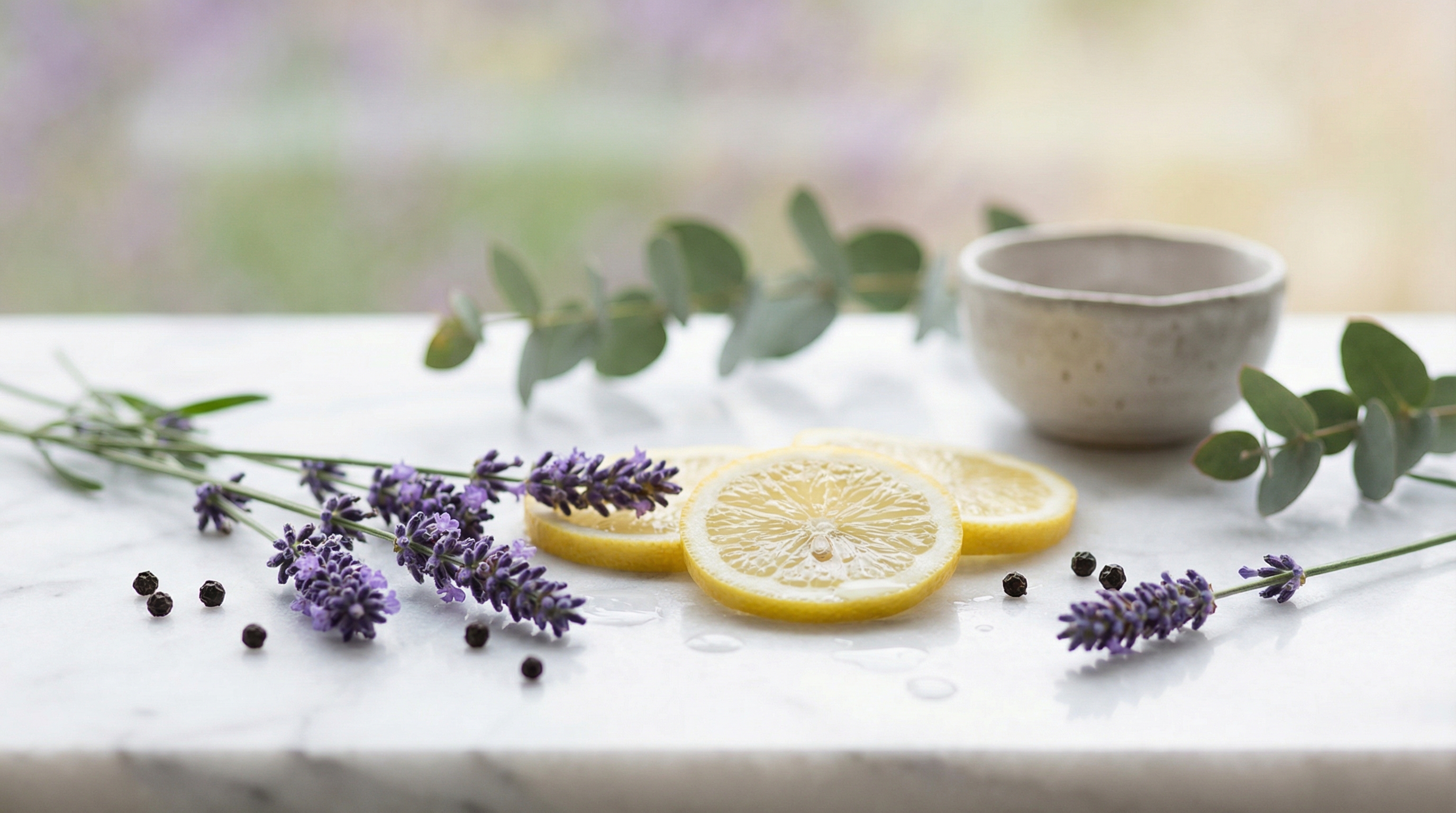
Limonene is the bright, citrusy terpene found in lemon rinds, orange peels, and many cannabis cultivars. For social anxiety specifically, it’s become the terpene to watch following the 2024 Johns Hopkins study.
What limonene appears to do is modulate serotonin and dopamine activity — the same neurotransmitter systems targeted by common antidepressant and anti-anxiety medications. This produces a mood-elevating effect that feels less like sedation and more like a gentle brightening. Several preclinical studies have shown limonene reduces anxiety-like behaviors in animal models by increasing serotonin in the prefrontal cortex and dopamine in the hippocampus [Komiya et al., 2006].
The real-world implication: limonene-rich strains tend to produce social warmth and conversational ease without the heavy sedation that can make you want to hide in a corner. And now we know that limonene may actively blunt the paranoia-inducing effects of THC — making it doubly valuable in a social context.
Look for strains with limonene listed in the top 3 terpenes, and check that the percentage is above 0.3% (anything below that may not produce noticeable effects).
Linalool: The Nervous System Soother
Linalool is lavender’s signature terpene, and its calming reputation is well-earned. In the context of social anxiety, linalool works primarily through GABA enhancement — essentially turning up the signal of your brain’s primary inhibitory neurotransmitter. GABA is the brake pedal of your nervous system, and social anxiety often feels like the brake pedal isn’t working.
Research suggests linalool doesn’t just reduce anxiety subjectively — it appears to produce measurable physiological changes, including lower heart rate and reduced cortisol markers in some studies [Nakamura et al., 2009]. For someone whose social anxiety shows up primarily as physical symptoms (racing heart, shallow breathing, trembling hands), linalool-rich strains may be particularly valuable.
Beta-Caryophyllene: The Body Relaxer
Beta-caryophyllene is unique in the terpene world because it’s the only terpene known to directly activate cannabinoid receptors — specifically CB2 receptors, which are concentrated in the immune system and peripheral tissues. It’s also found abundantly in black pepper, which is why chewing peppercorns is an old folk remedy for cannabis-induced anxiety (it actually has some pharmacological basis).
For social anxiety, caryophyllene targets the physical dimension — the chest tightness, shoulder tension, and stomach knots that accompany the mental aspects of anxiety. It doesn’t produce the psychoactive effects you’d get from THC, but it may help your body feel less like it’s bracing for impact, making it easier to relax into social situations.
Strain Selection by High Family
Now let’s connect the terpene science to real strain recommendations. The High Families system classifies cannabis experiences by terpene chemistry rather than the outdated indica/sativa binary — which is exactly the framework you need for intentional strain selection.
The Uplift High Family: Your Social Sweet Spot
For most people navigating social anxiety, the Uplift High family is the optimal starting point. These strains are defined by dominant limonene and linalool terpene profiles — exactly the compounds the research suggests may help with mood elevation, social ease, and paranoia reduction.
Strains in this family tend to produce:
- Mood elevation without racing thoughts
- Social energy that feels natural, not forced
- Creative conversational flow — ideas come easier
- A general sense of warmth and openness
Strains to explore:
-
Strawberry Cough — A classic for a reason. Limonene-dominant with a gentle, euphoric lift that many describe as naturally social. The slightly sweet, strawberry scent is approachable and the cerebral effect tends to enhance conversation without overwhelming.
-
Jack Herer — A terpinolene and limonene blend named after the cannabis activist. Often described as clear-headed, confident, and focused — qualities that social anxiety robs from you.
-
Lemon Haze — High limonene content with an unmistakably citrus aroma. Frequently reported to produce bright, uplifted energy that makes social interaction feel lighter.
-
Pineapple Express — A limonene and myrcene hybrid with a reputation for sociability without heavy sedation. Good for daytime social situations.
-
Sour Diesel — A limonene-forward classic known for energetic, socially engaging effects. Best for experienced users given its typically higher THC content; start low.
-
Super Lemon Haze — A double-limonene powerhouse that tends toward upbeat social energy. One of the most consistently reported “social” strains in the community.
-
Green Crack — Despite the provocative name, this strain is popular for its sharp mental focus and social energy. High in terpinolene and limonene. Best at low doses for anxiety-prone consumers.
The Balancing High Family: The Beginner-Friendly Option
If you’re new to cannabis, particularly THC-sensitive, or prefer minimal psychoactive effects, the Balance High family deserves your attention. These strains feature lower THC, higher CBD content (often 1:1 or 2:1 CBD:THC ratios), making them the gentlest on-ramp to social cannabis use.
The CBD in these strains provides meaningful anxiety relief through its serotonin-modulating mechanism, while the modest THC adds a subtle mood lift without risking paranoia. This is the profile most similar to what the Bergamaschi et al. (2011) clinical study actually used.
Strains to explore:
-
Harlequin — Typically a 2:1 CBD:THC ratio, consistently gentle, and widely available. An excellent first choice for anxiety-prone consumers. The CBD content creates a natural buffer against THC-induced anxiety.
-
Cannatonic — Often near 1:1 CBD:THC ratio, subtle and highly manageable. Many people describe it as “functional calm” — you can feel yourself relaxing without feeling impaired.
-
ACDC — Very high CBD with minimal THC (often 20:1 CBD:THC). Produces almost no psychoactive effect but may offer meaningful physiological anxiety relief. A good choice if you want the benefits without any intoxication.
-
Ringo’s Gift — Another high-CBD cultivar with a balanced profile. Named after CBD pioneer Lawrence Ringo, this strain is known for its gentle, clear-headed calm.
-
Pennywise — Despite the unsettling name, this 1:1 CBD:THC strain is prized for its gentle, meditative effects. Particularly good for anxiety that shows up as overthinking or rumination.
The Relax High Family (With Caution): For Social Anxiety + Physical Tension
The Relax High family (myrcene-dominant) warrants a nuanced discussion. These strains can be deeply helpful when social anxiety manifests primarily as physical tension — and when you’re not trying to be actively social but rather preparing for social events or decompressing afterward.
However, heavy myrcene strains can produce sedation that makes active social engagement difficult. The recommendation here is strategic: consider myrcene-dominant strains for pre-event preparation (unwinding and releasing tension before getting ready), not for use immediately before or during social situations.
Strategic use strains:
- Northern Lights — A classic myrcene strain for deep physical relaxation. Best for post-event recovery or evening preparation.
- Granddaddy Purple — High linalool content alongside myrcene makes this one a nuanced choice. The linalool provides anxiolytic effects while the myrcene grounds the experience.
Caryophyllene-Rich Strains: For the Physical Symptoms of Social Anxiety
Social anxiety isn’t just mental — for many people, it’s intensely physical: tight chest, tense shoulders, churning stomach, a voice that won’t stop trembling. If your social anxiety manifests primarily as body symptoms, strains rich in beta-caryophyllene may be especially useful.
These strains target CB2 receptors in peripheral tissues and may help address the physical dimension that purely mental relaxation techniques miss.
Strains to explore:
- GSC (Girl Scout Cookies) — High caryophyllene content with moderate THC. Frequently described as body-relaxing with a gentle mental uplift — addressing both the physical and social dimensions of anxiety.
- OG Kush — A caryophyllene-rich classic known for its ability to ease physical tension. Best at low doses for anxiety management.
- Bubba Kush — Rich in caryophyllene and myrcene, deeply physically relaxing. Best for post-social decompression rather than active social use.
- Blue Dream — A myrcene and caryophyllene hybrid that balances physical relaxation with mental clarity. A popular option for mild-to-moderate social anxiety.
Caution: Strains with very high THC (above 25%) and minimal CBD are consistently the highest-risk profile for social anxiety, regardless of terpene content. The terpenes matter, but they can’t fully compensate for an overwhelming THC-to-CBD imbalance. When in doubt, choose strains under 18% THC with at least some CBD content.
Strains to Approach with Caution
| Profile | Why It’s Risky | Examples |
|---|---|---|
| Very high THC (>25%) | Overstimulates amygdala, may trigger paranoia | Concentrates, many top-shelf dispensary strains |
| Pure THC, no CBD | No cannabinoid “safety net” to buffer anxiety | Many modern high-THC cultivars |
| High myrcene in social settings | Sedation and withdrawal from engagement | Classic “couch-lock” strains |
| Heavy terpinolene without CBD | Can produce racing, unfocused energy in sensitive users | Some “sativa” strains |
Quick-Reference Strain Comparison
| Strain | Key Terpenes | THC/CBD | Best For | High Family |
|---|---|---|---|---|
| Harlequin | Myrcene, CBD | Low THC, High CBD | Anxiety beginners | Balance |
| ACDC | Myrcene, CBD | Very low THC | No-buzz anxiety relief | Balance |
| Strawberry Cough | Limonene, Caryophyllene | Moderate THC | Social uplift | Uplift |
| Jack Herer | Terpinolene, Limonene | Moderate THC | Clear-headed confidence | Uplift |
| GSC | Caryophyllene, Limonene | Moderate THC | Physical tension | Relieve |
| Cannatonic | Myrcene, CBD | 1:1 CBD:THC | Functional calm | Balance |
| Blue Dream | Myrcene, Caryophyllene | Moderate THC | Mild social anxiety | Balance |
Practical Implications: Your Social Anxiety Toolkit
Dosing Strategy: Start Low, Stay Low
The research is unambiguous on this point: dose is everything. The biphasic dose-response curve for THC means that there’s a narrow optimal window for anxiety relief — and most people blow past it by trying to “feel something.”
Here’s a practical dosing framework for social situations:
- Microdose first: Start with one small inhalation or 2.5mg THC (ideally with equal or greater CBD). The goal is a subtle shift in ease, not intoxication.
- Wait before redosing: 15 minutes for inhalation, 90 minutes for edibles. Resist the urge to redose early.
- Set a cap before you begin: Decide your maximum before you start, not in the moment when your judgment is already altered.
- Have CBD on hand: Pure CBD (oil or capsule) can help counteract THC-induced anxiety if you overdo it [Niesink & van Laar, 2013]. Keep some accessible.
Remember the Cuttler et al. (2018) study finding that just two puffs was the sweet spot for anxiety relief. That’s remarkably modest. Many people self-administer five to ten times that amount and wonder why they feel worse.
Consumption Method Matters
- Dry herb vaporizer: Best control over dose, fast onset (2-5 min), easy to titrate — the gold standard for anxiety management
- Low-dose edibles (2.5-5mg): Longer lasting but harder to adjust; ideal once you’ve calibrated your dose
- Tinctures (sublingual): A middle ground — faster than edibles (15-45 min), more precise than smoking
- Avoid: Dabs, concentrates, and high-potency edibles (10mg+) if social anxiety is a concern
The Pre-Social Ritual
Consider building a mindful pre-social routine rather than using cannabis impulsively:
- 30 minutes before the event: Take your chosen low dose in a calm, familiar setting
- Set an intention: “I’m using this to soften my edges, not to get high”
- Pair with breathwork: Box breathing (4-4-4-4 count) or 4-7-8 breathing can amplify the calming effect and help you arrive from a grounded state
- Understand your stress hormones: Cannabis interacts directly with your cortisol and HPA axis — timing your dose relative to stress exposure matters
- Have an exit plan: Knowing you can leave reduces pressure and paradoxically makes it easier to stay
Cannabis and Cognitive Behavioral Therapy: A Promising Combination?
One notable finding from the clinical literature: CBD may actually enhance the effectiveness of exposure therapy for social anxiety. A 2022 randomized controlled trial by Kwee and colleagues found that CBD augmented exposure-based therapy in treatment-refractory social anxiety disorder and panic disorder patients, with the CBD group showing greater gains and more willingness to pursue continued therapy [Kwee et al., 2022].
This suggests that cannabis isn’t just a standalone tool — for some people, it may lower the activation threshold that makes engaging with therapy feel more accessible. If you’re working with a therapist on social anxiety, it’s worth having an honest conversation about whether cannabis might complement your treatment plan.
Key Takeaways
- Limonene is the standout terpene for social anxiety — the 2024 Johns Hopkins study showed clinical evidence that it reduces THC-induced paranoia (p < 0.05). Prioritize strains with limonene in the top 3.
- Cannabinoid ratio matters more than strain name. Look for low-to-moderate THC with meaningful CBD content (1:1 or 2:1 CBD:THC ratios are a strong starting point for anxiety-prone consumers).
- Dose is the single biggest variable. The research sweet spot is remarkably small — one to two inhalations. Start lower than you think you need to.
- Match your terpene profile to your symptom pattern: limonene + linalool for mood and social ease, caryophyllene for physical tension, high-CBD strains for beginners or severe cases.
- Use the High Families system: Uplift for social energy and mood lift, Balance for beginners and CBD-forward relief, caryophyllene-rich strains for physical symptoms.
- Cannabis is a tool, not a cure. It may complement therapy and mindfulness practices — but it works best as part of a broader approach to social well-being, not a replacement for professional support.
- New clinical evidence keeps mounting. Multiple completed RCTs and a large naturalistic study now support CBD’s role in social anxiety management — see our roundup of what 28 clinical trials found about cannabis and mental health and the Lancet’s cannabis mental health study.
Important disclaimer: This article is for educational purposes only. Cannabis affects everyone differently, and social anxiety disorder is a real medical condition. If social anxiety significantly impacts your daily life, please consult a healthcare professional. Cannabis should not replace evidence-based treatments like cognitive behavioral therapy (CBT) or prescribed medications.
FAQs
Can cannabis make social anxiety worse?
Absolutely, yes — particularly at high doses or with high-THC, low-CBD strains. The biphasic nature of THC means that the same compound that calms you at a low dose can trigger paranoia and heightened anxiety at a higher dose [Crippa et al., 2009]. This is why strain selection and dosing are so critical. If you’ve ever had a cannabis experience that made a social situation feel worse, it was almost certainly a dose or strain profile mismatch — not evidence that cannabis can’t help. A 2026 naturalistic study confirmed this pattern: THC-only products reduced anxiety by just 7.8% over 30 days, while CBD-dominant products achieved 34.8% — underscoring the importance of choosing the right cannabinoid ratio.
Is CBD alone enough for social anxiety, or do I need THC?
For some people, CBD alone may provide meaningful relief. The Bergamaschi et al. (2011) study used CBD-only and found significant anxiety reduction compared to placebo. However, many consumers report that a small amount of THC alongside CBD creates a more noticeable shift in social ease — likely due to the entourage effect. If you’re THC-sensitive, start with a CBD-dominant strain like ACDC or Harlequin before adding THC to the picture.
What’s the difference between social anxiety and general anxiety when choosing a strain?
Social anxiety is situationally specific — it’s triggered by or in anticipation of social evaluation. General anxiety tends to be more pervasive. For social anxiety, you generally want strains that produce social warmth and openness (limonene-forward, Uplift family) rather than sedation (myrcene-dominant). The goal is ease in connection, not withdrawal from the world. Our general anxiety guide covers the broader landscape if you’re navigating both.
What’s the best consumption method for social anxiety?
A dry herb vaporizer offers the best combination of fast onset (2-5 minutes), dose control (you can take one puff and wait), and discretion. Tinctures are a close second for dose precision. Edibles can work beautifully once you know your dose, but their delayed onset (60-120 minutes) and longer duration make them harder to fine-tune in real time — a challenging variable when you have a social event at a specific time.
Should I use cannabis every time I’m in a social situation?
This is an important question to ask yourself honestly. Cannabis can be a helpful tool for occasional social discomfort, but relying on it as the only way you can tolerate social situations is a warning sign worth taking seriously. A 2024 study found that 57.7% of frequent cannabis users with diagnosed social anxiety disorder met criteria for cannabis use disorder — notably higher than the general population [Le Foll et al., 2024]. The goal is to use cannabis as a support for your social growth, not a requirement for basic social functioning. If you find you can’t engage socially without it, that’s a good signal to bring in additional support like therapy.
Does the entourage effect matter for social anxiety?
Yes — and we now have clinical human evidence. The 2024 Johns Hopkins d-limonene study showed that the combination of limonene + THC reduced anxiety significantly more than THC alone, even though limonene by itself had no effect. This is the entourage effect in practice: the whole is different from the sum of its parts. Look for whole-plant products (flower, rosin, live resin) rather than THC isolates, and prioritize products that list their full terpene profiles.
How do I find strains with specific terpene profiles?
The best dispensaries now publish Certificates of Analysis (CoA) that include terpene percentage breakdowns. Ask your budtender specifically for the terpene report, not just the THC percentage. Look for limonene, linalool, and beta-caryophyllene in the top 3. Some dispensary software and apps also let you filter by terpene profile. You can also use High IQ — our strain intelligence app — to search for strains by terpene profile and see personalized recommendations based on your experience history.
Sources
- Bergamaschi, M.M., et al. (2011). “Cannabidiol Reduces the Anxiety Induced by Simulated Public Speaking in Treatment-Naive Social Phobia Patients.” Neuropsychopharmacology, 36(6), 1219-1226.
- Blessing, E.M., et al. (2015). “Cannabidiol as a Potential Treatment for Anxiety Disorders.” Neurotherapeutics, 12(4), 825-836.
- Bahi, A., et al. (2014). “Beta-caryophyllene, a CB2 receptor agonist produces multiple behavioral changes relevant to anxiety and depression in mice.” Physiology & Behavior, 135, 119-124.
- Crippa, J.A., et al. (2009). “Cannabis and anxiety: a critical review of the evidence.” Human Psychopharmacology, 24(7), 515-523.
- Crippa, J.A., et al. (2011). “Neural basis of anxiolytic effects of cannabidiol in generalized social anxiety disorder.” Journal of Psychopharmacology, 25(1), 121-130.
- Cuttler, C., et al. (2018). “A naturalistic examination of the perceived effects of cannabis on negative affect.” Journal of Affective Disorders, 235, 198-205.
- Gunduz-Cinar, O., et al. (2013). “Convergent translational evidence of a role for anandamide in amygdala-mediated fear extinction, threat processing and stress-reactivity.” Molecular Psychiatry, 18(7), 813-823.
- Guzmán-Gutiérrez, S.L., et al. (2015). “Linalool and beta-pinene exert their anxiolytic activity through GABA receptors.” Neuropharmacology, 92, 65-72.
- Kaplan, J.S., et al. (2024). “Sex Differences in the Anxiolytic Properties of Common Cannabis Terpenes, Linalool and beta-Myrcene, in Mice.” Neurochemistry, 5(4), 45.
- Kayser, R.R., et al. (2023). “Systematic literature review of human studies assessing the efficacy of cannabidiol for social anxiety.” PMC/NIH.
- Komiya, M., et al. (2006). “Lemon oil vapor causes an anti-stress effect via modulating the 5-HT and DA activities in mice.” Behavioural Brain Research, 172(2), 240-249.
- Kwee, C.M.B., et al. (2022). “Cannabidiol enhancement of exposure therapy in treatment refractory patients with social anxiety disorder and panic disorder with agoraphobia.” European Neuropsychopharmacology, 60, 40-51.
- Le Foll, B., et al. (2024). “Expectancies of the Effects of Cannabis Use in Individuals with Social Anxiety Disorder (SAD).” Brain Sciences, 14(3), 246.
- Leweke, F.M., et al. (2012). “Cannabidiol enhances anandamide signaling and alleviates psychotic symptoms of schizophrenia.” Translational Psychiatry, 2, e94.
- Nakamura, A., et al. (2009). “Stress Repression in Restrained Rats by (R)-(-)-Linalool Inhalation.” Journal of Agricultural and Food Chemistry, 57(12), 5480-5485.
- Niesink, R.J., & van Laar, M.W. (2013). “Does Cannabidiol Protect Against Adverse Psychological Effects of THC?” Frontiers in Psychiatry, 4, 130.
- Spindle, T.R., et al. (2024). “Vaporized D-Limonene Selectively Mitigates the Acute Anxiogenic Effects of delta-9-Tetrahydrocannabinol in Healthy Adults Who Intermittently Use Cannabis.” Drug and Alcohol Dependence, 258, 111280.
- EmpowerPharm Inc. (2024). “Phase 2 Clinical Trial Assessing CBD for Social Anxiety Disorder.” 239 patients across 19 U.S. centers demonstrated efficacy for moderate-to-severe SAD. Phase 3 planned.
- NCT05571592, NYU Langone Health (2025). “Randomized Placebo-controlled Trial to Determine the Biological Signature of Cannabidiol as a Treatment for Social Anxiety Disorder.” Phase 2, 60 participants, completed December 2025.
- Bidwell, L.C., et al. (2026). “Therapeutically Motivated Cannabis Use for Anxiety: Daily and Longitudinal Reductions Vary Between Flower and Edible Products.” International Journal of Environmental Research and Public Health, 23(2), 224. 345 participants over 30 days; CBD-dominant flower reduced anxiety 34.8%.


