CBG: The Mother Cannabinoid with Clinical Breakthroughs
Explore CBG (cannabigerol), the mother of all cannabinoids. Discover clinical research on anxiety, neuroprotection, MRSA, and cancer.

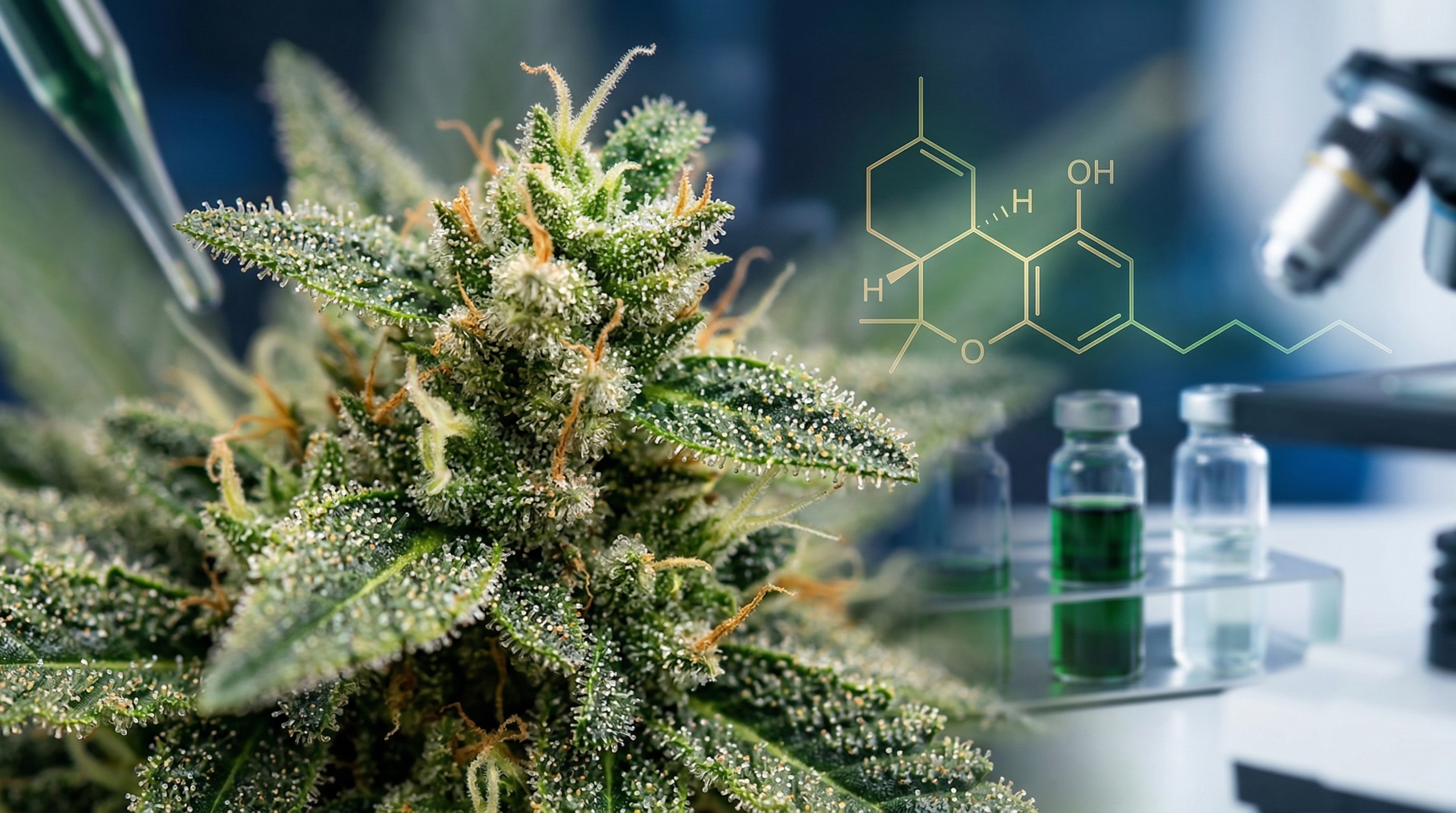
Every cannabinoid in cannabis – THC, CBD, CBC, and over a hundred more – traces its origin to a single molecule. That molecule is cannabigerolic acid (CBGA), and its decarboxylated form, cannabigerol (CBG), is rapidly emerging from the shadows of its more famous offspring. Scientists call CBGA “the mother of all cannabinoids” because it is the biochemical precursor from which the plant’s entire pharmacological toolkit is built.
For decades, CBG attracted little research attention. Most mature cannabis flowers contain less than 1% CBG because the plant’s enzymes efficiently convert nearly all of it into other cannabinoids during growth. But a convergence of new breeding techniques, advanced extraction methods, and – most critically – a wave of clinical and preclinical research is pushing CBG into the scientific spotlight.
A landmark 2024 human clinical trial published in Scientific Reports found that a 20 mg dose of hemp-derived CBG significantly reduced anxiety and stress compared to placebo, without causing intoxication (Cuttler et al., 2024). Meanwhile, preclinical studies have revealed CBG’s potent antibacterial activity against drug-resistant MRSA, neuroprotective effects in Huntington’s disease models, and antiproliferative action against colorectal cancer cells.
In this deep dive, we will trace CBG from its biochemical origins to the clinical breakthroughs emerging from labs around the world. You will learn how CBG works at the molecular level, what peer-reviewed research says (and does not say), and how this connects to your real-world cannabis experience.
This article is for educational purposes only. CBG has not been approved by the FDA for the treatment, cure, or prevention of any disease. Always consult a healthcare professional before using cannabinoid products for health conditions.
What Is CBG? The Biochemical Foundation of Cannabis
The Biosynthesis Pathway: How the “Mother Cannabinoid” Is Born
To understand why CBG deserves its maternal nickname, you need to understand a bit of plant chemistry.
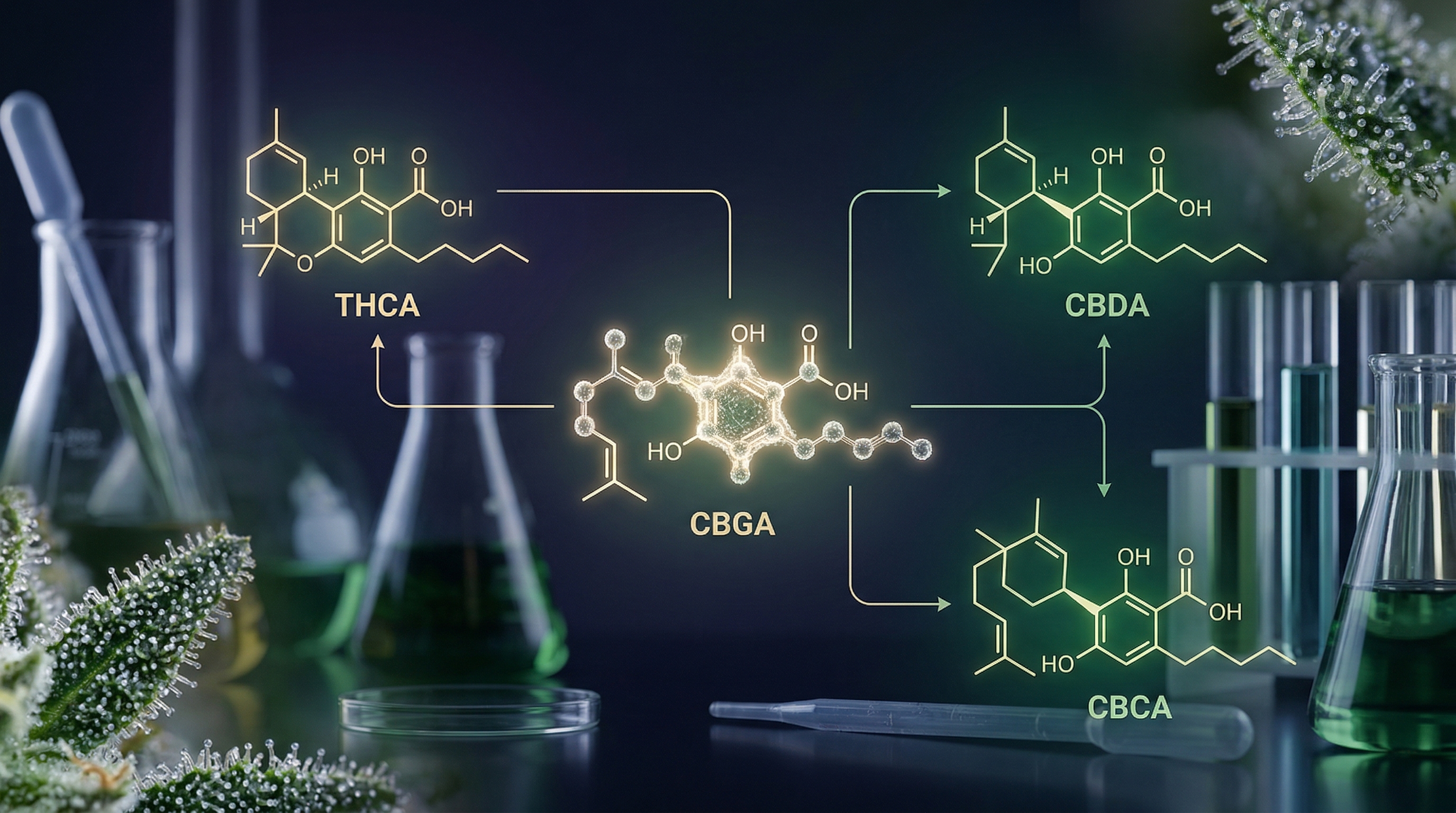
Deep inside the cannabis plant’s trichomes – those tiny, mushroom-shaped resin glands covering the flowers – raw materials are assembled on a molecular production line. The first major product off that line is cannabigerolic acid (CBGA).
CBGA is synthesized when two precursor molecules, geranyl pyrophosphate and olivetolic acid, are joined together by an enzyme called geranylpyrophosphate:olivetolate geranyltransferase (Fellermeier & Zenk, 1998). Think of it as two building blocks clicking together to form the foundational piece upon which every other cannabinoid structure is built.
Once CBGA exists, the plant deploys three specialized enzymes – each converting CBGA into a different product:
- THCA synthase converts CBGA into THCA (which becomes THC when heated)
- CBDA synthase converts CBGA into CBDA (which becomes CBD when heated)
- CBCA synthase converts CBGA into CBCA (which becomes CBC when heated)
This is why CBGA earns the “mother” title – it is literally the biochemical parent of the three major cannabinoid lineages. Whatever CBGA the enzymes do not convert remains in the plant, and when exposed to heat or UV light through decarboxylation, it becomes CBG.
In most cannabis chemotypes, the enzymes are so efficient that very little CBGA survives to harvest. That is why traditional strains contain only trace amounts of CBG. However, breeders have developed CBG-dominant cultivars by selecting for plants with reduced or nonfunctional synthase activity, allowing CBGA to accumulate instead of being converted. Some of these cultivars can contain 15-20% CBG by dry weight.
How CBG Was First Discovered
CBG was first isolated and characterized by Gaoni and Mechoulam in 1964 – the same researchers who identified THC’s structure. A few years later, in vivo assays confirmed that CBG was non-psychoactive (Grunfeld & Edery, 1969). The combination of low concentration in mature plants and the absence of intoxicating effects meant CBG was overshadowed by THC for decades. It was not until the 2010s that the scientific community began systematically investigating CBG’s unique therapeutic potential.
How CBG Works: A Multi-Target Pharmacological Profile
CBG does not behave like THC or CBD in your endocannabinoid system – it has its own distinctive pharmacological fingerprint. And it is this multi-target activity that makes CBG so scientifically fascinating.
Cannabinoid Receptor Activity
Your endocannabinoid system has two primary receptors: CB1 (concentrated in the brain and nervous system) and CB2 (found mainly in immune cells and peripheral tissues). THC produces its psychoactive effects by binding strongly to CB1 receptors. CBD has very low affinity for either receptor and works through indirect mechanisms.
CBG sits in between. A detailed pharmacological study published in Frontiers in Pharmacology established that CBG acts as a partial agonist at CB2 receptors, exhibiting what scientists call “biased agonism” – meaning it activates certain signaling pathways (like ERK phosphorylation) more strongly than others (like cAMP modulation) (Navarro et al., 2018). At CB1 receptors, CBG behaves as a weak agonist, primarily affecting Gi-mediated signaling with minimal influence on other downstream pathways. This weak CB1 engagement likely explains why CBG does not produce intoxication.
Beyond the Endocannabinoid System
What truly sets CBG apart is its activity at receptor systems outside the traditional cannabinoid pathway:
-
Alpha-2 adrenergic receptors: CBG is a potent agonist at these receptors, with an exceptionally high affinity (EC50 = 0.2 nM). This interaction may reduce noradrenaline release from sympathetic nerve fibers, contributing to blood pressure reduction and pain modulation (Cascio et al., 2010; Kloza et al., 2025).
-
Serotonin 5-HT1A receptors: CBG acts as an antagonist at 5-HT1A, which may have implications for mood regulation, nausea, and neuroprotection. This is a key difference from CBD, which is a partial agonist at the same receptor (Cascio et al., 2010).
-
TRPV1 and TRPM8 channels: These transient receptor potential (TRP) ion channels are involved in pain perception, temperature sensing, and inflammation. CBG activates TRPV1 while antagonizing TRPM8, creating a distinctive pain-modulation profile (De Petrocellis et al., 2011).
-
PPARgamma receptors: These nuclear receptors play essential roles in metabolism, inflammation, and cellular differentiation. CBG’s PPARgamma agonism has been linked to its anti-inflammatory effects in the gut and its potential neuroprotective activity (Granja et al., 2012).
-
NF-kB pathway: CBG reduces the activity of nuclear factor kappa-B, a central regulator of pro-inflammatory gene expression. This mechanism underlies many of CBG’s observed anti-inflammatory effects across multiple tissue types (Li et al., 2024).
This multi-receptor profile is why a 2024 comprehensive review in Molecules described CBG as having a “broad spectrum of biological effects” spanning neuroprotection, inflammation, antibacterial activity, metabolic syndrome, pain management, and cancer (Li et al., 2024).
Medical disclaimer: The receptor interactions described above are based on laboratory findings. How these translate to real-world therapeutic effects in humans requires further clinical investigation.
CBG vs. CBD: Understanding the Key Differences
Since both CBG and CBD are non-intoxicating cannabinoids with therapeutic potential, many consumers wonder how they compare. While they share some properties, there are meaningful pharmacological differences.
| Property | CBG | CBD |
|---|---|---|
| Psychoactive? | No | No |
| CB1 receptor | Weak partial agonist | Negative allosteric modulator |
| CB2 receptor | Partial agonist (biased) | Low affinity |
| 5-HT1A serotonin | Antagonist | Partial agonist |
| Alpha-2 adrenergic | Potent agonist (EC50 = 0.2 nM) | Minimal activity |
| PPARgamma | Agonist | Agonist |
| Abundance in flower | Typically <1% (unless CBG-dominant cultivar) | Variable (1-25%) |
| Human clinical trials | Very few (first published 2024) | Hundreds (Epidiolex FDA-approved) |
The key takeaway: CBG and CBD work through different mechanisms. CBD’s primary mode of action involves indirect modulation of endocannabinoid tone and broad-spectrum receptor activity. CBG engages more directly with alpha-2 adrenergic and serotonin receptors, creating a fundamentally different pharmacological profile.
Some researchers and consumers are exploring CBG + CBD combinations, hypothesizing that the two compounds may work synergistically. This aligns with the broader concept of the entourage effect – the theory that cannabis compounds produce enhanced effects when used together rather than in isolation. However, rigorous clinical data on this specific combination remains limited.
Research Breakthroughs: What the Science Actually Shows

Let us walk through the most compelling areas of CBG research. A critical caveat: the majority of this work remains preclinical, conducted in cell cultures or animal models. The first human clinical trial results for CBG were only published in 2024. That said, the preclinical findings are striking enough to have generated significant scientific momentum.
Anxiety and Stress Reduction: The First Human Trial
The most significant CBG milestone to date is a 2024 randomized, double-blind, placebo-controlled trial published in Scientific Reports (a Nature journal). Led by Cuttler et al., this study examined the acute effects of CBG on anxiety, stress, and mood in healthy adults.
Key findings:
- A 20 mg dose of hemp-derived CBG significantly reduced anxiety and stress compared to placebo
- CBG enhanced verbal memory relative to placebo – a cognitive benefit not typically associated with cannabinoids
- There was no evidence of subjective drug effects or impairment, confirming CBG’s non-intoxicating profile
- The study used the Trier Social Stress Test, a validated laboratory stress paradigm
The authors concluded that CBG may represent a novel option for reducing stress and anxiety in healthy adults (Cuttler et al., 2024). This trial is registered as NCT05257044 on ClinicalTrials.gov. As of early 2025, the site lists 10 studies for the term “cannabigerol,” six of which involve administration of pure CBG (Kloza et al., 2025).
This is a single study with a modest sample size. While the results are promising, larger trials are needed to confirm these findings and establish optimal dosing.
Neuroprotection: Huntington’s Disease Studies
One of the most compelling areas of CBG research involves neurodegenerative diseases. A landmark study by Valdeolivas et al. (2015), published in Neurotherapeutics, examined CBG at a dose of 10 mg/kg in two mouse models of Huntington’s disease:
In the 3-nitropropionate (3NP) model:
- CBG was described as “extremely active as a neuroprotectant,” improving motor deficits including hindlimb clasping and dystonia
- CBG significantly attenuated proinflammatory markers including COX-2, TNF-alpha, and IL-6
- CBG restored antioxidant defenses – catalase, superoxide dismutase (SOD) activity, and glutathione levels that had been reduced by 3NP toxicity
- CBG preserved striatal neurons against 3NP toxicity and reduced reactive microgliosis
In the R6/2 transgenic model:
- CBG produced a modest recovery in rotarod performance
- Seven key disease-related genes showed partial normalization with CBG treatment, including symplekin, Sin3a, histone deacetylase 2, and huntingtin-associated protein 1
A separate 2021 study found that CBG (2.5-10 micromolar) protected neural cells against hydrogen peroxide-induced neurotoxicity by reducing oxidative stress and mitochondrial dysfunction (Echeverry et al., 2021). The 5-HT1A receptor was identified as relevant to CBG’s neuroprotective mechanism.
These findings remain preclinical. No human clinical trials for CBG in Huntington’s disease or other neurodegenerative conditions have been conducted.
Antibacterial Activity: Fighting MRSA
In a finding that surprised the microbiology community, CBG demonstrated potent antibacterial activity against methicillin-resistant Staphylococcus aureus (MRSA) – one of the most dangerous antibiotic-resistant pathogens.
A pivotal 2020 study by Farha et al. at McMaster University, published in ACS Infectious Diseases, investigated 18 commercially available cannabinoids. The team found that CBG had the most promising antibacterial activity of all cannabinoids tested. Specific findings included:
- CBG showed dose-dependent antibacterial activity against 96 clinical MRSA isolates, with MIC values ranging from 2 to 8 micrograms/mL
- CBG prevented biofilm formation, destroyed preformed biofilms, and killed antibiotic-resistant persister cells
- CBG achieved these effects by targeting the bacterial cell membrane
- In an in vivo mouse model of MRSA infection, CBG was effective at treating the infection
- Crucially, when MRSA was repeatedly exposed to CBG, resistance did not develop
Study lead Eric Brown noted that the findings suggest potential therapeutic applications, though he cautioned that CBG showed some toxicity to host cells, meaning the therapeutic window is narrow (Farha et al., 2020).
Subsequent research has expanded these findings. Aqawi et al. (2021) demonstrated CBG’s antibacterial properties against Streptococcus mutans, a key bacterium in dental caries. A 2023 study showed that CBG-coated surgical meshes inhibited S. aureus biofilm formation and reduced inflammatory cytokine secretion (Abudalu et al., 2023). Another 2023 study confirmed that CBG exerts antimicrobial activity without compromising beneficial skin microbiota (Luz-Veiga et al., 2023).
Colorectal Cancer: Preclinical Cell Studies
Several preclinical studies have explored CBG’s effects on cancer cell lines:
Borrelli et al. (2014), published in Carcinogenesis, found that CBG inhibited colorectal cancer cell growth through TRPM8 channel antagonism. This was one of the first studies to identify a specific mechanism for CBG’s anti-cancer activity.
Park et al. (2024) examined CBG’s effects on two human colorectal cancer cell lines (SW480 and LoVo cells). Key findings:
- CBG showed growth inhibitory effects with IC50 concentrations of 34.89 micromolar (SW480) and 23.51 micromolar (LoVo)
- CBG induced G1 cell cycle arrest
- CBG increased expression of cell death-related proteins including cleaved PARP-1, cleaved caspase 9, p53, and caspase 3
- The authors concluded CBG is “applicable as a promising anticancer drug”
Beben et al. (2024) tested CBG and CBG-A on the colon cancer cell line SW-620, finding:
- All cannabinoids tested were cytotoxic at concentrations as low as 3 micrograms/mL
- IC50 values ranged from 3.90 to 8.24 micrograms/mL (p < 0.05 compared to control)
- CBG-A showed stronger antioxidant properties than CBG, inducing a 31-39% reduction in reactive oxygen species
Critical disclaimer: Cancer cell studies in laboratory dishes are an extremely early stage of research. These findings cannot be extrapolated to human cancer treatment. No clinical trials have tested CBG as a cancer therapy in humans.
Inflammatory Bowel Disease
Borrelli et al. (2013) tested CBG in a mouse model of colitis and found that it reduced inflammation markers, decreased nitric oxide production, and reduced reactive oxygen species formation. A 2024 rat study by Sztolsztener et al. found that CBG administration (30 mg/kg for 14 days) inhibited inflammation in the colon (Sztolsztener et al., 2024).
Glaucoma: Reducing Intraocular Pressure
CBG has shown potential in reducing intraocular pressure (IOP), the primary modifiable risk factor for glaucoma. Preclinical studies in feline models demonstrated that CBG effectively reduced IOP, with a more pronounced effect observed following chronic administration. Notably, CBG did not induce the ocular or neurotoxic adverse effects observed with some other cannabinoids (Li et al., 2024).
Appetite Stimulation
A 2016 study in rats found that CBG stimulated appetite and increased food intake without producing intoxicating effects (Brierley et al., 2016). This could have implications for patients dealing with appetite loss from medical treatments.
Cardiovascular Effects
A 2025 comprehensive review in Frontiers in Pharmacology by Kloza et al. examined CBG’s effects on the cardiovascular system:
- Single doses of CBG (3.3-10 mg/kg) in normotensive mice reduced mean blood pressure
- The hypotensive effect was sensitive to alpha-2 adrenergic receptor blockade, confirming the mechanism
- The review speculates that CBG may have applications in metabolic syndrome, particularly hypertension and diabetes
- However, the authors note reports of adverse effects on liver architecture and function at high doses, highlighting the need for chronic administration studies
Finding CBG-Rich Cannabis: Strains and Products
Why CBG-Rich Strains Are Rare (and Getting Less So)
In typical cannabis varieties, CBGA is almost entirely converted to THCA, CBDA, or CBCA by the time the plant reaches maturity. CBG-dominant plants result from either:
- Genetic selection: Breeders identify and cross plants with reduced or nonfunctional synthase enzymes, allowing CBGA to accumulate. Some CBG-dominant hemp cultivars now test at 15-20% CBG with less than 0.3% THC.
- Early harvest: Harvesting cannabis before the synthase enzymes have finished converting CBGA yields higher CBG content, though this trades off total cannabinoid yield.
Notable CBG-rich cultivars include White CBG, Jack Frost CBG, and various proprietary hemp cultivars. If you are shopping for CBG products, look for third-party lab results (Certificates of Analysis) confirming CBG content.
What to Look For
- CBG-dominant flower: Lab reports showing 10%+ CBG with minimal THC
- Full-spectrum extracts: These preserve the plant’s natural cannabinoid ratios, including CBG. They align with the entourage effect approach.
- CBG + CBD blends: Some manufacturers combine CBG isolate with CBD for a non-intoxicating product
- CBG isolate: Pure CBG for those who want to experiment with the compound individually
If you are interested in strains with notable terpene profiles that complement CBG’s effects, consider strains rich in caryophyllene (which also engages CB2 receptors) or pinene (which may enhance alertness and counteract cognitive fog).
Dosing Considerations
Because human clinical trials for CBG are extremely limited, there are no established dosing guidelines. The Cuttler et al. (2024) trial used 20 mg as a single dose, which is a reasonable reference point for those exploring CBG for stress and anxiety. As with any cannabinoid, starting low and titrating gradually is the most responsible approach.
Always consult a healthcare provider before starting any new supplement, especially if you are taking other medications. CBG may interact with drugs metabolized by the cytochrome P450 enzyme system.
CBG and the Entourage Effect
If you have explored our deep dive on the entourage effect, you know that cannabis compounds may work better together than in isolation. CBG fits naturally into this framework.
Even in strains where CBG is present at modest levels (1-3%), it may contribute to the overall effect profile through its unique receptor interactions. CBG’s alpha-2 adrenergic activity, 5-HT1A antagonism, and TRP channel modulation are mechanisms that THC and CBD do not strongly engage. This complementary pharmacology suggests CBG could serve as a meaningful contributor to the entourage effect even at low concentrations.
This is particularly relevant if you are interested in full-spectrum products, which preserve the natural ratios of cannabinoids and terpenes present in the original plant material.
The Road Ahead: What We Still Do Not Know
Despite the exciting preclinical findings, it is important to maintain perspective on the current state of CBG research:
-
Very few human clinical trials exist. The Cuttler et al. (2024) anxiety study is essentially the first published human CBG trial. Much more clinical data is needed.
-
Long-term safety is unstudied. The Kloza et al. (2025) review specifically flagged the absence of chronic administration studies and noted potential liver concerns at high doses.
-
Optimal dosing is unknown. Without dose-ranging studies across different conditions, we cannot determine the most effective or safest doses for specific applications.
-
Drug interactions are poorly characterized. CBG’s interactions with prescription medications have not been systematically evaluated.
-
Most impressive results are from cell and animal models. Findings from petri dishes and mice frequently do not translate to humans. The history of drug development is filled with compounds that looked promising preclinically but failed in clinical trials.
The ten registered studies on ClinicalTrials.gov represent a growing interest in resolving these knowledge gaps. The next few years will likely produce the clinical data needed to move CBG from “promising preclinical compound” to either validated therapeutic agent or cautionary tale.
Key Takeaways
-
CBG is the biochemical precursor to THC, CBD, and CBC – CBGA is the foundational molecule from which the cannabis plant’s entire cannabinoid toolkit is built, earning it the nickname “mother of all cannabinoids.”
-
CBG interacts with multiple receptor systems beyond CB1 and CB2, including alpha-2 adrenergic receptors, serotonin 5-HT1A, TRP channels, PPARgamma, and NF-kB – giving it a uniquely broad pharmacological profile.
-
The first human clinical trial (2024) showed CBG reduced anxiety and stress at a 20 mg dose without intoxication or impairment, and it even enhanced verbal memory.
-
Preclinical research reveals striking results in neuroprotection (Huntington’s disease models), antibacterial activity (MRSA), colorectal cancer cell inhibition, IBD, and glaucoma – but human trials are in their infancy.
-
CBG is pharmacologically distinct from CBD. They work through different receptor mechanisms and may complement each other through the entourage effect.
-
CBG-dominant products are increasingly available, but quality lab testing, cautious dosing, and medical consultation remain essential.
FAQs
Will CBG get me high?
CBG is considered non-intoxicating. While it interacts weakly with CB1 receptors, it does so as a partial agonist with much lower efficacy than THC. The 2024 Cuttler et al. trial confirmed no evidence of subjective drug effects or impairment at 20 mg. CBG may subtly influence the overall experience when combined with THC-containing products, but it does not produce a “high” on its own.
How is CBG different from CBN?
CBG and CBN are both minor cannabinoids, but they have very different origins and effects. CBG is the precursor cannabinoid from which others are synthesized, while CBN is a degradation product of THC formed through oxidation. CBG is associated with stress reduction and alertness; CBN has been marketed for sleep (though clinical evidence for that claim is limited).
Is CBG better than CBD?
“Better” depends on what you are looking for. CBG and CBD have different pharmacological profiles – they interact with different receptors and may support different aspects of wellness. The 2024 clinical trial specifically measured CBG for anxiety, where CBD also has evidence. Some researchers hypothesize they may work synergistically together, consistent with the entourage effect.
Is CBG legal?
In the United States, CBG derived from hemp (cannabis containing less than 0.3% THC by dry weight) is generally legal under the 2018 Farm Bill. However, state laws vary significantly, and the regulatory landscape continues to evolve. Always check your local regulations before purchasing.
What are the side effects of CBG?
Human safety data for CBG is limited. The Cuttler et al. (2024) trial reported no adverse effects at 20 mg. However, animal studies using higher doses have flagged potential concerns regarding liver function (Kloza et al., 2025). Until more comprehensive safety studies are completed, caution is warranted – particularly with high doses or long-term use.
Sources and Further Reading
- Cuttler, C. et al. (2024). Acute effects of cannabigerol on anxiety, stress, and mood. Scientific Reports, 14, 16191. doi:10.1038/s41598-024-66879-0
- Valdeolivas, S. et al. (2015). Neuroprotective properties of cannabigerol in Huntington’s disease. Neurotherapeutics, 12(1), 185-199. doi:10.1007/s13311-014-0304-z
- Farha, M.A. et al. (2020). Uncovering the hidden antibiotic potential of cannabis. ACS Infectious Diseases, 6(3), 338-346.
- Li, S. et al. (2024). Cannabigerol (CBG): A comprehensive review of its molecular mechanisms and therapeutic potential. Molecules, 29(22), 5471. doi:10.3390/molecules29225471
- Kloza, M. et al. (2025). Comprehensive mini-review: therapeutic potential of cannabigerol – focus on the cardiovascular system. Frontiers in Pharmacology, 16, 1561385. doi:10.3389/fphar.2025.1561385
- Park, J.H. et al. (2024). Cannabigerol treatment shows antiproliferative activity and causes apoptosis of human colorectal cancer cells. J Cancer Prev, 29(4).
- Beben, D. et al. (2024). Phytocannabinoids CBD, CBG, and their derivatives induced in vitro cytotoxicity in 2D and 3D colon cancer cell models. Curr Issues Mol Biol, 46(4), 3626-3639.
- Navarro, G. et al. (2018). Cannabigerol action at cannabinoid CB1 and CB2 receptors and at CB1-CB2 heteroreceptor complexes. Frontiers in Pharmacology, 9, 632.
- Borrelli, F. et al. (2013). Beneficial effect of the non-psychotropic plant cannabinoid cannabigerol on experimental inflammatory bowel disease. Biochem Pharmacol, 85(9), 1306-1316.
- Borrelli, F. et al. (2014). Colon carcinogenesis is inhibited by the TRPM8 antagonist cannabigerol, a cannabis-derived non-psychotropic cannabinoid. Carcinogenesis, 35(12), 2787-2797.
- Brierley, D.I. et al. (2016). Cannabigerol is a novel, well-tolerated appetite stimulant in pre-satiated rats. Psychopharmacology, 233(19-20), 3603-3613.
- Cascio, M.G. et al. (2010). Evidence that the plant cannabinoid cannabigerol is a highly potent alpha-2 adrenoceptor agonist and moderately potent 5HT1A receptor antagonist. Br J Pharmacol, 159(1), 129-141.
- De Petrocellis, L. et al. (2011). Effects of cannabinoids and cannabinoid-enriched cannabis extracts on TRP channels and endocannabinoid metabolic enzymes. Br J Pharmacol, 163(7), 1479-1494.
- Echeverry, C. et al. (2021). A comparative in vitro study of the neuroprotective effect induced by cannabidiol, cannabigerol, and their respective acid forms. Neurotox Res, 39(2), 335-348.
- Aqawi, M. et al. (2021). Anti-bacterial properties of cannabigerol toward Streptococcus mutans. Front Microbiol, 12, 656471.
- Fellermeier, M. & Zenk, M.H. (1998). Prenylation of olivetolate by a hemp transferase yields cannabigerolic acid. FEBS Lett, 427(2), 283-285.


