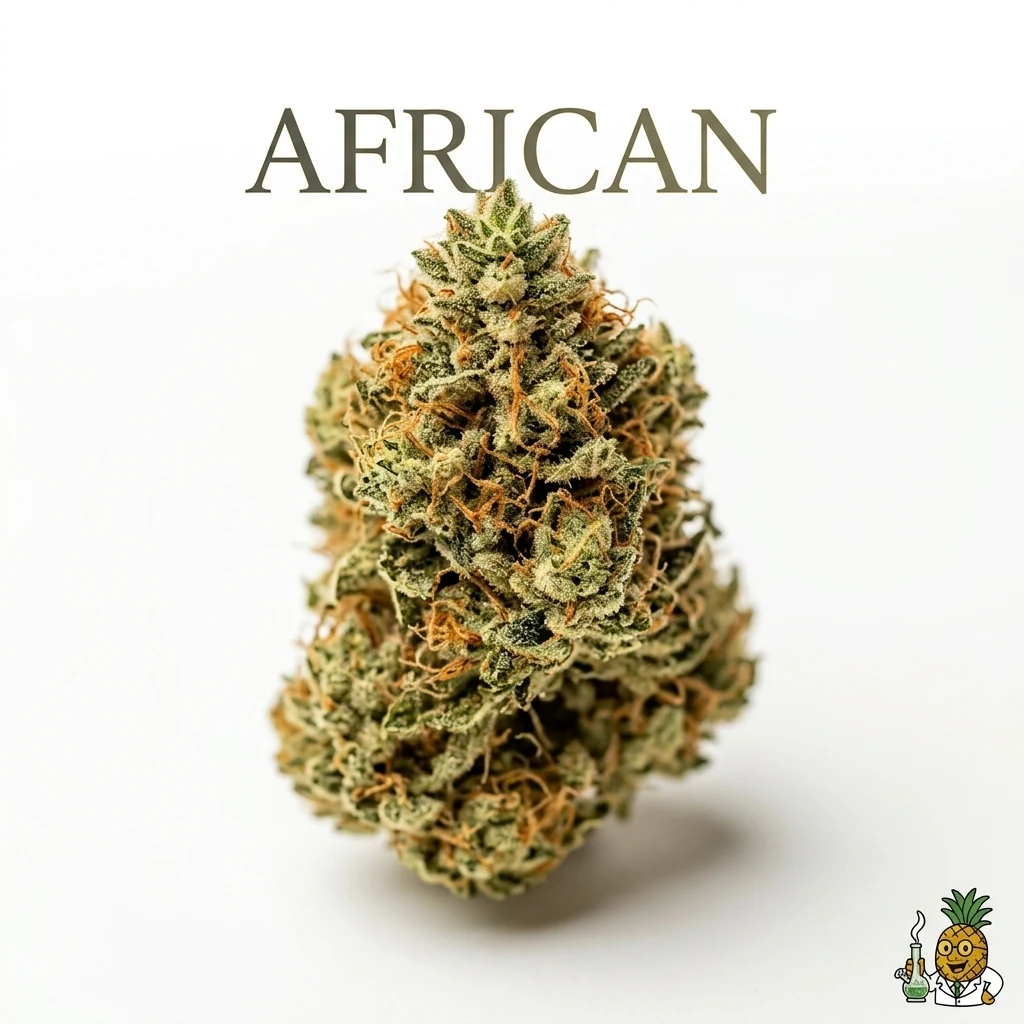

Strain experience guide
African Strain
Also known as Afr
Users describe an energetic, euphoric, creative lift with a spicy-sweet, herbal flavor and earthy, woody aromas. Caryophyllene is the terpene most often cited, though the data is anecdotal. It is a morning-friendly pick for creative work, focus and getting moving, with dry mouth and dry eyes as common side effects. Read more Show less
- Type
- Pure Sativa (100%)
- Typical THC
- about 16% reported 10–21% Batches vary — check the label
- CBD
- about 2%
- Top effects
- Energetic, Euphoric, Uplifted
- Lead terpene
- Caryophyllene
- Flavors
- Spicy, Sweet, Herbal
Quick Hits
What kind of high is African?
A pure sativa (100%) reported as energetic, euphoric and uplifted. Picked for wake & bake and morning routine in the morning. The profile features herbal citrus flavor, earthy aroma and caryophyllene as the lead terpene.
Terpenes are natural compounds that give cannabis its smell. Compare citrus, pine, and earthy notes to find what you like. They are clues, not a promise of how it feels.
Terpene percentages belong to the jar, not the strain. They move with harvest timing, drying, cure and shelf age — the lighter ones literally evaporate. What holds steady is which terpenes lead, so that is what we rank.
Research associations
- Anti inflammatory
- Pain relief
- Anti anxiety
General terpene associations, not effects confirmed for this strain. Evidence varies.
Listed as reported — no measured order on file for this strain.
Activities people report choosing this strain for.
See the full list →The reported taste, first to last. The batch and how you consume it can change it.
See the full profile →- Spicy
- Sweet
- Best Time Morning
- Era —
- Rarity —
Genetics Pure Sativa (100%) Lineage is a guide, not a reliable predictor of the high.
Potency Check the label, not the strain Varies by batch, grower and harvest — check the label on the product you are buying. Scan your label → Reported ranges →
Heads up Reported: dry mouth and dry eyes. Responses vary. Review safety →
In short
African quick answers
What are the effects of African?
African is a sativa strain known for energetic, euphoric, uplifted, creative and hungry effects. It is best enjoyed during the morning.
What does African taste and smell like?
African has aromas of earthy, spicy, sweet and pungent and flavors of spicy, sweet and herbal. Its dominant terpene is Caryophyllene.
Is African indica or sativa?
African is a sativa (0% Indica / 100% Sativa) cannabis strain, classified as a Balancing High strain.
How strong is African?
African is usually 10–21% THC. THC levels vary with growing conditions and the phenotype.
What terpenes are in African?
The dominant terpene in African is Caryophyllene. Other notable terpenes include Humulene, Limonene, Terpinolene.
When is the best time to use African?
African is best enjoyed during the morning. People often choose it for staying active and focused.
Worth knowing
African effects and experience
The memorable details
- 100% sativa reported at roughly 10-21% THC with minimal CBD
- Energetic, euphoric and creative effects suit morning and daytime use
- Spicy-sweet, herbal flavor with earthy, woody aromas; caryophyllene most cited
- Dry mouth, dry eyes and occasional paranoia are the main reported downsides
Explore the full profile Complete experience record
Mind, body, and energy
Activities people choose it for
Reported uses
Reported Use Sources
4 verified sources
What people report, not medical advice: These are uses that growers, reviewers and consumers report for this strain, gathered from the sources above and summarized by AI. They are not measured results, clinical findings or treatment guidance. Cannabis affects everyone differently. Talk to a healthcare professional before you use cannabis for a health condition, and do not use it if you are pregnant or nursing.
Mental Effects
- •Depression Support
Reported to help with low mood and depression
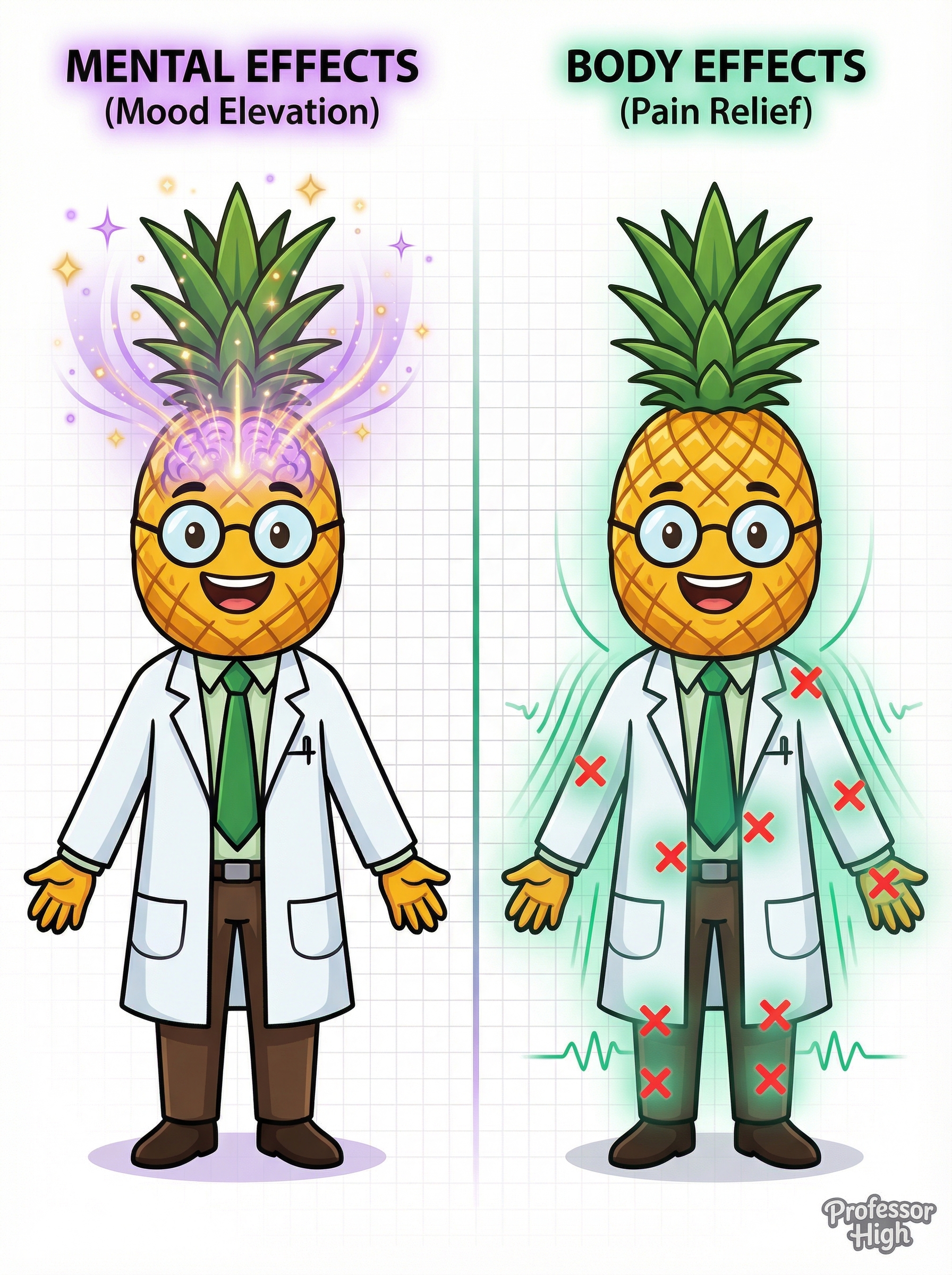
Professor High visualization
Body Effects
- •Chronic Pain Relief
Reported to ease long-lasting pain
- •Inflammation Reduction
Reported to help with inflammation
- •Arthritis Relief
Reported use for arthritis discomfort
- •Appetite Stimulation
Reported to help with lack of appetite
- •Fatigue Relief
Reported to help with tiredness and low energy
African side effects and safer use
Keep listening Music neighborhood
Sound neighborhood
Follow African into Balancing High music.
This Is Why I'm High classifies this strain within the Balancing High chemistry pattern. Separately, our editorial music map associates the same family with these sounds. It is a creative bridge—not a prediction or artist endorsement.



Open the jar
African aroma, flavor, and terpenes
High Print
African's High Print
African's High Print is caryophyllene-led: three pointed lobes, a peppery note. Then humulene and limonene. Estimated from terpene names, not from measured amounts, so it is drawn dotted and hollow.
- Estimate
Listed terpenes
- Caryophyllene peppery
- Humulene hoppy and woody
- Limonene citrus
How to read it
- The outline
- The loudest terpenes cut the edge. Each terpene has its own number of lobes, so five round lobes always mean limonene.
- The ring of dots
- Twelve dots sit in the same place on every print. A bigger dot means that terpene is louder in the mix.
- The fine lines
- These show the whole mix at once, like sand settling on a plate that plays a chord.
- Solid, dashed or dotted
- Solid means measured. Dashed means partly measured. Dotted and hollow means an estimate.
- What it is not
- A print shows chemistry only. It does not show strength, and it does not predict how you will feel.
Look closer Full sensory specimen
Aroma and flavor
African terpene profile
Appearance
Batch context Complete cannabinoid record

03 · AI interpretation
Professor High on African
Okay, first thing I notice is the lift. Within minutes my thoughts feel brighter and more energized, like someone opened a window in a stuffy room. The euphoria is clean rather than heavy, and my attention starts jumping toward projects, sketches and half-formed ideas. There is a faint tingle through my body, but nothing sedating. My head does the talking here. The spicy, peppery inhale fits the caryophyllene that sources list as dominant, though that terpene data is anecdotal. I also feel a nudge of appetite, so a snack nearby makes sense. My mouth gets dry and my eyes feel a bit parched, so I keep water close. If my mind starts racing, I slow down and ground myself, because a bright sativa like this can tip into paranoia for some people. Best treated as fuel for the daytime.
Read this as an interpretation of the profile—not clinical advice, a product rating, or a guarantee.
Learn more with AI
Open your assistant with a ready-made prompt about African.
- Ask ChatGPT Opens with the prompt filled in
- Ask Claude Opens with the prompt filled in
- Ask Gemini Copies the prompt to paste in
- Ask Grok Opens with the prompt filled in
- Ask Perplexity Opens with the prompt filled in
We copy the prompt to your clipboard as you go, so you can paste it if the assistant opens with an empty box. Answers come from the assistant, not from us — always double-check them against this page.
Go deeper
The story of African
Practical guide How people use it
Watch Reviews and videos
Strain reviews and videos
Finding strain review videos...
Keep exploring Similar strains


Related profiles
Popular profiles near African, with strain type and chemistry context.


More sativa profiles
Other sativa profiles to compare with African.
Terpene neighbors
Other profiles led by Caryophyllene.


Compare African with…
See chemistry, reported effects and terpenes side by side.


Follow us on social media
New strain profiles and terpene breakdowns as they publish.
Evidence and limits
African research and sources
This profile assembles public facts in original language, links its supporting sources, and keeps gaps or disagreements visible. It is research provenance—not product or lab certification.
- Linked sources
- 7
- Sourced sections
- 7
- Claims under review
- 55
- Profile updated
- Nov 26, 2026
Research Edition Current profile edition
Updated November 26, 2026 · 7 profile areas with section-level sourcing Researched profile
This edition records This Is Why I'm High’s synthesis of published information about African. It describes source-supported patterns and uncertainty; it does not certify genetics, potency, safety, or any product batch.
- Profile sources
- 9
- Research evidence confidence
- 68%
- Edition date
- November 26, 2026
Evidence confidence summarizes source coverage and consistency for this profile synthesis. It is not a product rating, potency score, or guarantee about any batch.
Source coverage in this edition
- Classification 9 sources
- Cannabinoids 5 sources
- Terpenes 3 sources
- Reported effects 7 sources
- Aromas 6 sources
- Flavors 6 sources
- Reported medical uses 4 sources
History tracking is active
Material changes are recorded as new editions using factual categories and source metadata. Source article prose and reviews are not copied into the history.
Research context What published research says
Power-user detail Open sources and methodology
Research Methodology
How we compiled this strain profile
This strain profile was compiled from 8 published sources covering 'African'. Our research pipeline cross-references these sources and reports how strongly they agree — see the confidence breakdown below.
Data Quality by Section
View all 8 sources
- leafly.com (opens in new tab)
https://www.leafly.com/strains/african
- leafwell.com (opens in new tab)
https://leafwell.com/cannabis-strains/african
- khalifagenetics.com
- crushed.app (opens in new tab)
https://crushed.app/strains/african
- lahaze.com (opens in new tab)
https://lahaze.com/strains/african
- piffinten.com (opens in new tab)
https://www.piffinten.com/2026/01/African-Landrace.html
- allbud.com (opens in new tab)
https://www.allbud.com/marijuana-strains/sativa/african-spirit
- growappcannabis.guide (opens in new tab)
https://growappcannabis.guide/strain-search/strains/african.html
Suggest a Factual Correction
Flag a name, lineage, source, image, or chemistry issue for private editorial review.
Suggest a Factual Correction
Flag a name, lineage, source, image, or chemistry issue for private editorial review.