Bisabolol: The Anti-Inflammatory Terpene You Should Know
Alpha-bisabolol fights inflammation, soothes skin, and blocks pain signals via Cav3.2 channels. Meet cannabis's most underrated terpene.

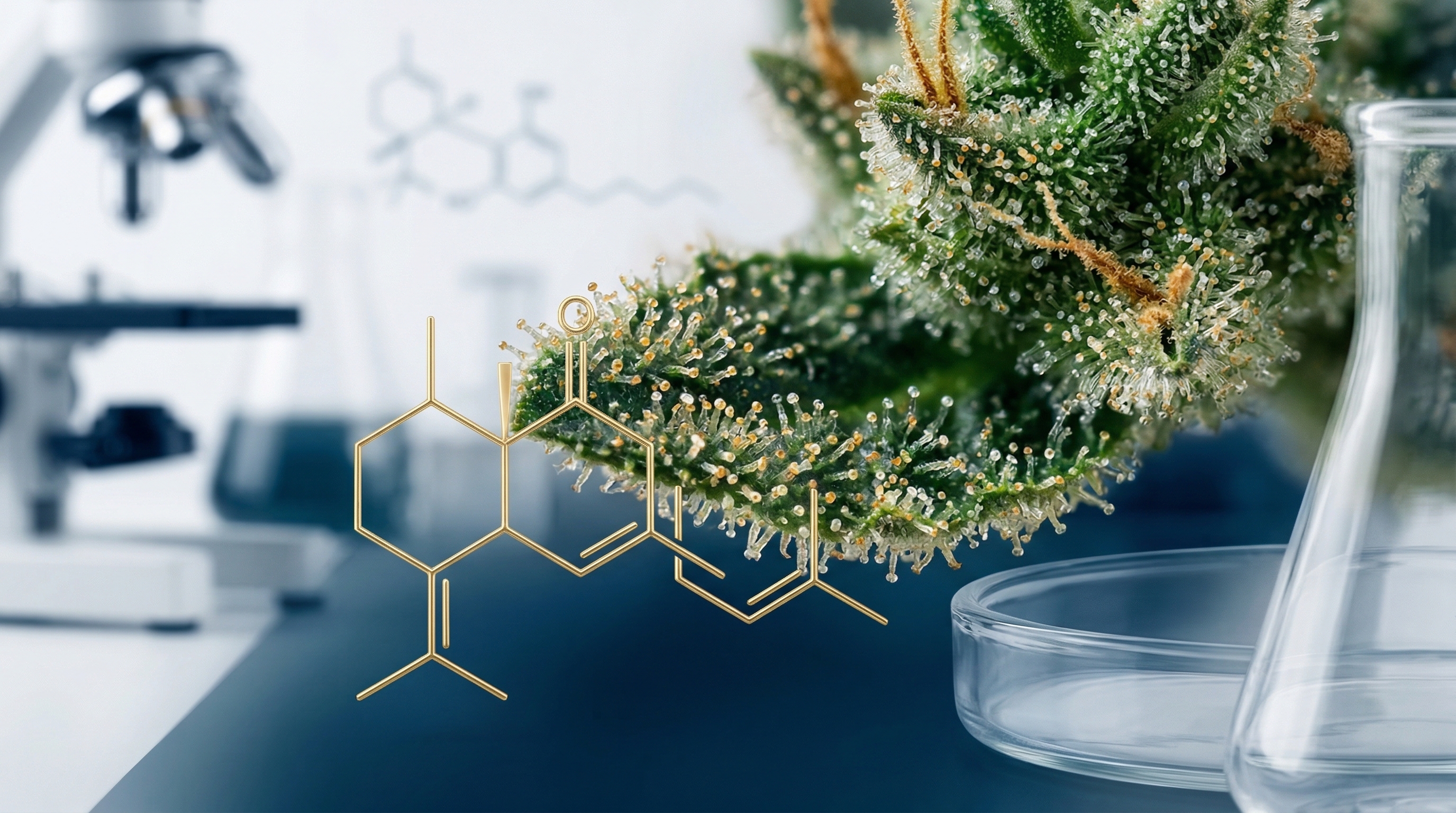
When cannabis consumers talk terpenes, the conversation usually starts with the heavy hitters: myrcene, caryophyllene, limonene. But there’s a quieter compound doing remarkable work in the background. Skincare scientists figured it out decades before cannabis researchers did. It’s called alpha-bisabolol — and it may be the most underrated terpene in the plant.
Bisabolol doesn’t shout. It’s soft, floral, and slightly sweet — the same gentle compound that makes chamomile tea soothing. But the science behind it is anything but mild. Research suggests bisabolol blocks inflammatory signals, inhibits pain-sensing calcium channels, may protect neurons from damage, and helps other cannabis compounds absorb through your skin.
Here’s what bisabolol actually does — and why it deserves a spot in how you choose cannabis.
What Is Alpha-Bisabolol?
Alpha-bisabolol (say bih-SAB-uh-lol or bee-SAH-buh-lol — both are fine) is a monocyclic sesquiterpene alcohol. Like caryophyllene, it’s a sesquiterpene — a larger terpene molecule than simpler ones like pinene or limonene.
The (-) designation in its full name matters: it’s the naturally occurring levorotatory form, which has the strongest biological activity. Synthetic bisabolol is often a 50/50 mix of both mirror-image forms, so natural-source bisabolol is preferred in cosmetics and cannabis therapeutics.
Where it was first found: Matricaria chamomilla (German chamomile) — which can contain bisabolol at up to 50% of its essential oil. It’s also abundant in the Brazilian candeia tree, a key commercial source.
In cannabis: Bisabolol is a minor terpene. It typically shows up at 0.05–0.5% by weight in lab-tested flower — but research shows its effects are significant even at low amounts.

Bisabolol’s Natural Sources
| Source | Bisabolol Content | Aroma Profile |
|---|---|---|
| German chamomile | Up to 50% of essential oil | Floral, apple-like, sweet |
| Brazilian candeia tree | Very high (commercial source) | Earthy, woody, mild |
| Roman chamomile | Moderate | Herbal, sweet |
| Cannabis | 0.05–0.5% of flower | Subtle floral, powdery |
| Myrrh | Trace amounts | Warm, resinous |
The scent is described as sweet, floral, and slightly powdery — the characteristic aroma of chamomile that you recognize from chamomile tea bags. In cannabis, you’re unlikely to detect it as the dominant note, but it contributes warmth and softness to strains that feature it.
The Science: How Bisabolol Works
Most terpenes work indirectly — nudging neurotransmitter systems, tweaking receptors, or blocking enzymes. Bisabolol takes a broader approach. Research has identified at least three distinct pathways behind its anti-inflammatory and pain-relieving effects.
Mechanism 1: Pro-Inflammatory Cytokine Inhibition
Bisabolol’s main anti-inflammatory action involves blocking key inflammatory signals. Studies suggest it may inhibit:
- TNF-α: A key driver of systemic inflammation
- IL-1β: Involved in pain and fever signaling
- NF-κB pathway: The “on switch” for hundreds of inflammatory genes
- COX-2 enzyme: The same target as ibuprofen and other NSAIDs
A 2022 review published in Pharmacognosy Reviews documented bisabolol’s ability to stimulate PPAR-γ (peroxisome proliferator-activated receptor gamma) transcription — a nuclear receptor that acts as a natural brake on inflammatory gene expression [Eddin et al., 2022]. This PPAR-γ activation was confirmed in a colon inflammation model where bisabolol may significantly reduce colon inflammation [Venkataraman et al., 2022].
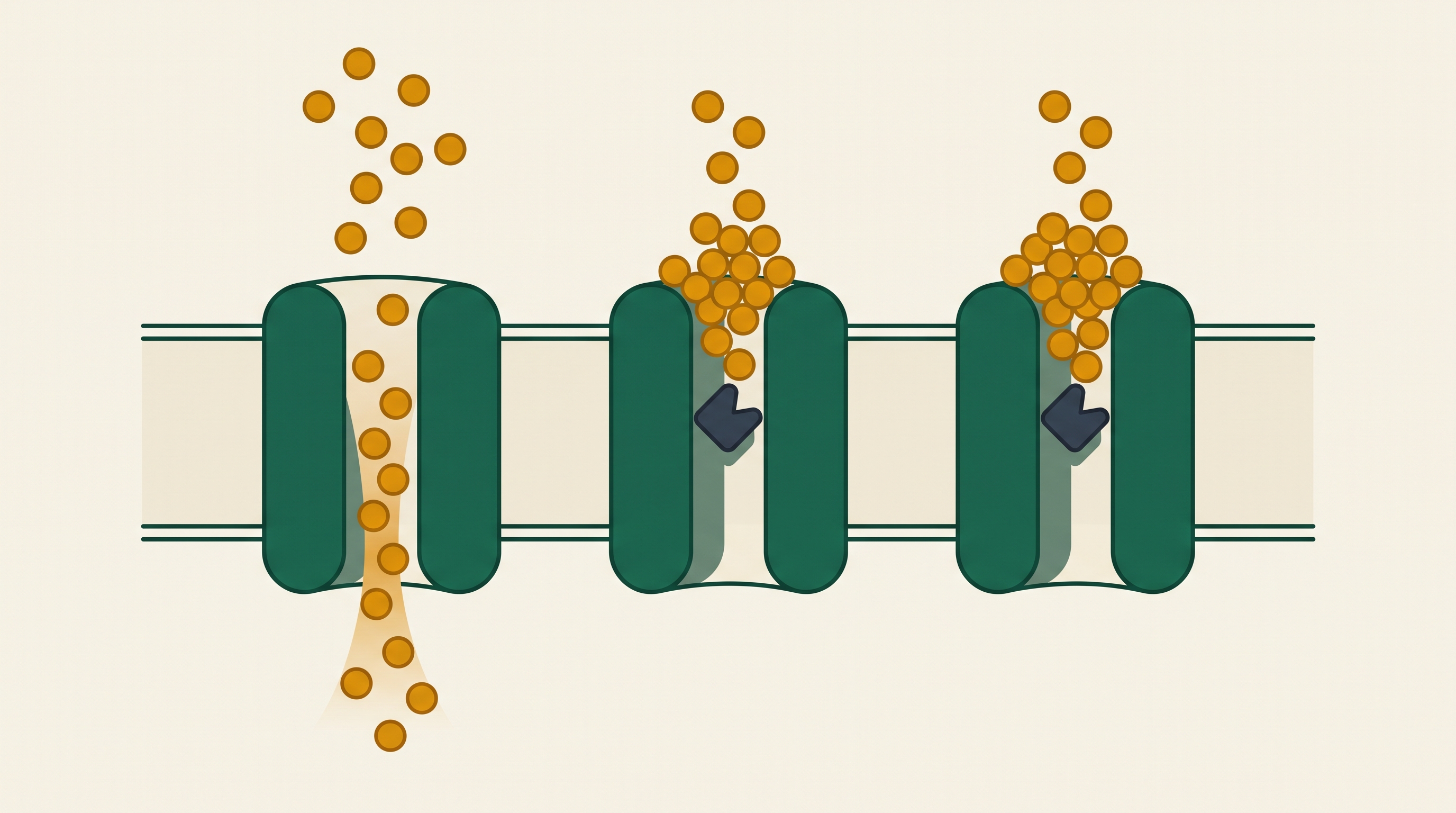
Mechanism 2: Cav3.2 T-Type Calcium Channel Inhibition
This is the discovery that elevated bisabolol from interesting to genuinely exciting for pain researchers.
In 2021, researchers at the University of Calgary published a study in European Journal of Pharmacology screening eight cannabis terpenes for activity on Cav3.2 T-type calcium channels [Gadotti et al., 2021]. These channels are critical gatekeepers of pain signal transmission — they sit on pain-sensing neurons and help amplify nociceptive (pain) signals. Several cannabinoids and endocannabinoids are known to inhibit them, but little was known about terpenes.
The results were clear. Among all eight terpenes tested, alpha-bisabolol showed the strongest effect on Cav3.2 channels. When given directly into the spinal space in mice:
- Bisabolol significantly inhibited pain responses to formalin injection (a standard inflammatory pain test)
- It reduced thermal hyperalgesia in a model of chronic inflammatory pain (Complete Freund’s adjuvant model)
- It reduced mechanical hypersensitivity in a neuropathic pain model
- All analgesic effects disappeared in Cav3.2 knockout mice, confirming this was the primary mechanism
This matters for cannabis users. Bisabolol targets pain through a completely separate route — one that doesn’t involve opioid receptors or CB1/CB2 receptors. Its analgesic action doesn’t depend on THC at all. It adds to the entourage effect rather than overlapping with it.
Mechanism 3: Enhanced Skin Penetration and Dermal Bioavailability
Bisabolol is a penetration enhancer — it increases the permeability of the skin barrier, allowing other compounds to absorb more effectively. This isn’t just relevant for skincare; it’s significant for cannabis topicals.
Research shows bisabolol increases the transdermal absorption of:
- Hydrophilic (water-soluble) compounds
- Anti-inflammatory agents like ketoprofen
- Other cannabinoids when present in topical formulations
A 2024 study in Cosmetics found bisabolol-loaded micellar solutions demonstrated both anti-inflammatory action and improved delivery of active compounds, along with antimicrobial activity against Staphylococcus aureus, E. coli, and Candida albicans [Ivanova et al., 2024].
For cannabis topicals, this means bisabolol-rich formulations may deliver CBD, THC, or other cannabinoids more effectively through the skin than formulations without it. The terpene acts as a carrier as much as an active ingredient.
Bisabolol’s Therapeutic Properties
Anti-Inflammatory Effects
The breadth of bisabolol’s anti-inflammatory activity spans multiple tissues and models:
Skin inflammation: Bisabolol is well-studied as a natural anti-inflammatory for skin. It may reduce redness, soothe irritation, and speed healing in eczema, acne, and UV damage. Studies also suggest it promotes collagen production and slows the enzymes that break down skin tissue.
Gut inflammation: A 2022 study found bisabolol may reduce colon inflammation through PPAR-γ activation. Human trials haven’t been done yet, but pre-clinical results are promising for conditions like IBD.
Whole-body inflammation: Animal studies suggest bisabolol reduces key inflammatory markers (CRP, TNF-α, IL-6) throughout the body — not just at the site of application.
Neuroprotection
The neuroprotective data for bisabolol is among the most compelling in terpene science.
A 2019 pre-clinical study investigated bisabolol in a mouse model of ischemic stroke [Fernandes et al., 2019]. At 100–200 mg/kg oral dosing, researchers observed:
- Significantly reduced infarcted brain area (amount of tissue destroyed by stroke)
- Improved neurological function and motor recovery
- Restored working, spatial, and object recognition memory
- Reduced myeloperoxidase (MPO) activity, TNF-α, and iNOS — all markers of neuroinflammation
- Prevention of astrogliosis (a form of brain scarring from chronic inflammation)
A 2022 study published in Medicinal Usage of Cannabis and Cannabinoids examined bisabolol as a cannabis terpene in neurodegeneration models [McPartland et al., 2022]. In NSC-34 motor neuron cells — a model relevant to ALS — bisabolol may provide:
- Significant neuroprotection against amyloid-β (Aβ) toxicity — the plaques associated with Alzheimer’s disease
- Direct inhibition of Aβ fibril formation, not just protection after the fact
- Modest antioxidant effects against lipid peroxidation
Of the three cannabis terpenes tested — bisabolol, myrcene, and caryophyllene — bisabolol showed the strongest protection against amyloid-β damage. It also provided modest antioxidant benefits against cell damage caused by oxidative stress.
Anxiety and Sedation
Linalool gets most of the attention for cannabis-related anxiety relief, but bisabolol is also calming — through a distinct mechanism.
Research suggests bisabolol may interact with GABA-A receptors — the same receptors targeted by benzodiazepines, alcohol, and linalool. GABA is the brain’s main “calm down” signal. When these receptors are activated, the result is relaxation and mild sedation.
Chamomile tea’s soothing aroma comes largely from bisabolol. In cannabis, it likely contributes to that “smooth landing” feeling in calm strains — working with linalool and myrcene rather than duplicating them.
Antimicrobial Properties
Research on the Brazilian candeia tree, one of bisabolol’s richest natural sources, revealed strong antimicrobial activity. Studies show bisabolol inhibits:
- Staphylococcus aureus (including MRSA in some studies)
- Candida albicans and other fungi
- E. coli and other gram-negative bacteria
- Various dermatophytes (fungi that cause skin infections)
These combined properties explain why bisabolol shows up in so many wound care, acne, and sensitive-skin products.
Anti-Cancer Research
The most recent direction for bisabolol research is oncology. A 2025 review surveyed bisabolol’s potential anticancer mechanisms across multiple pre-clinical models including leukemia, pancreatic cancer, lung cancer, and glioblastoma [Prasher et al., 2025]. Mechanisms identified in laboratory studies include:
- Induction of mitochondrial apoptosis (programmed cancer cell death)
- Disruption of PI3K/Akt/FAK/BRAF pathways — growth and survival signaling that many cancers hijack
- Modulation of lipid-raft-associated signaling
- Favorable pharmacokinetics: high GI absorption, minimal P-glycoprotein interactions
This research is still early and pre-clinical. But bisabolol’s strong bioavailability and low toxicity make it a promising candidate for future study.
Bisabolol and the Entourage Effect
The entourage effect is the idea that cannabis compounds work better together than any one does alone. Bisabolol contributes in both direct and indirect ways.
Direct contributions:
- Fights inflammation through a different pathway than caryophyllene’s CB2 route
- Reduces pain through Cav3.2 channels — completely separate from cannabinoid receptors
- Calms anxiety through GABA receptors
Indirect contributions:
- As a penetration enhancer, it may help CBD, THC, and other cannabinoids absorb better — especially in topicals
- Its mild calming quality adds to myrcene and linalool without repeating the same mechanism
The combination of bisabolol + caryophyllene + myrcene hits three entirely separate anti-inflammatory pathways: PPAR-γ/COX-2, CB2 receptors, and Cav3.2 calcium channels. That’s not redundancy — that’s coverage. Each terpene adds something the others don’t.
Cannabis Strains High in Bisabolol
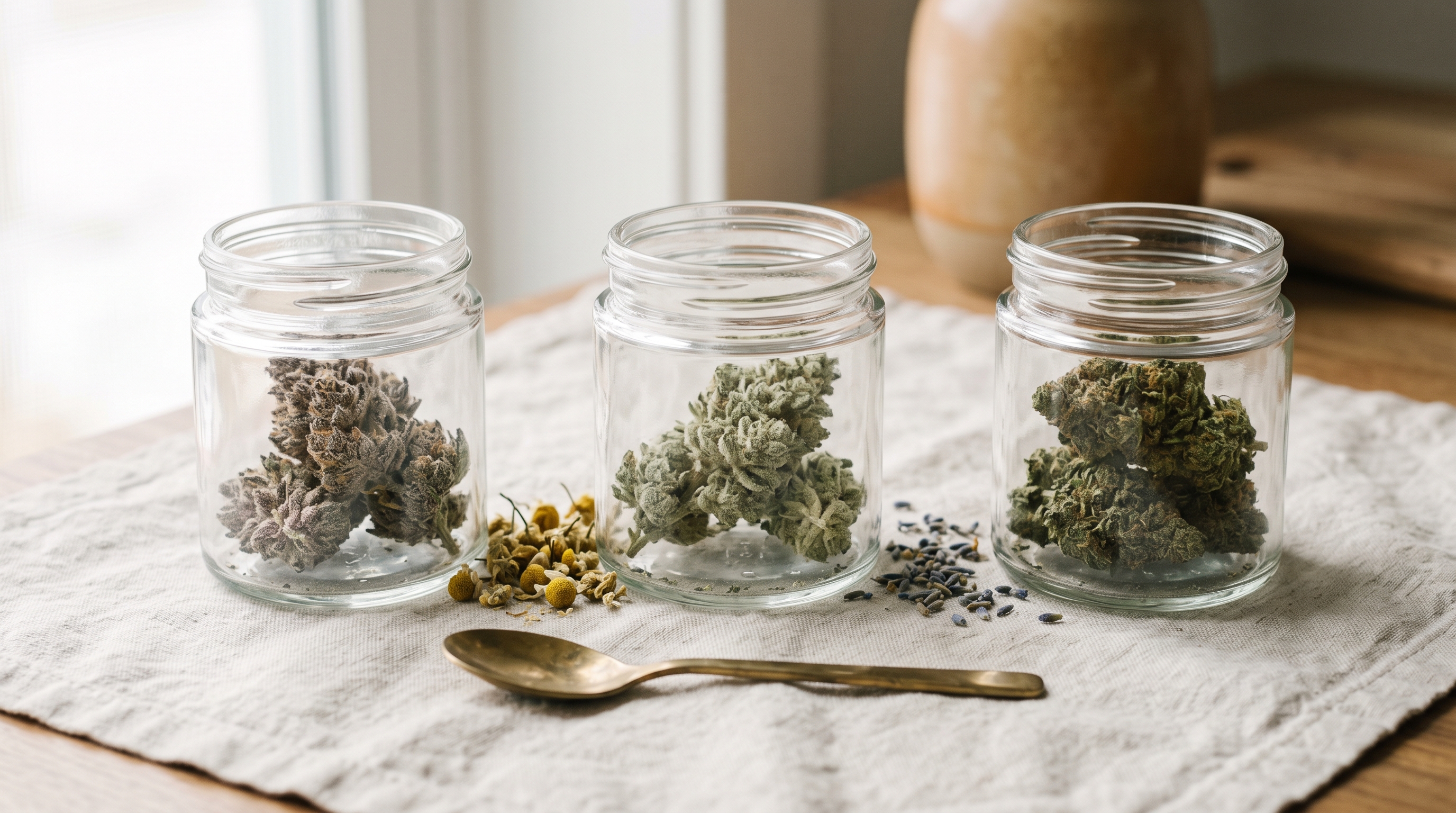
Bisabolol-dominant strains tend toward calm, body-focused, and anti-inflammatory effects. You’ll often find elevated bisabolol in strains associated with the Rest High Family or Relief High Family — profiles built around physical ease and sedation rather than cerebral stimulation.
Look for strains with floral, powdery, or subtly sweet aromatic notes alongside deeper earthy or herbal tones.
Top Bisabolol-Rich Strains
| Strain | Typical Effect Profile | Notes |
|---|---|---|
| ACDC | Calm, clear, pain relief | High-CBD, low bisabolol amplifies therapeutic action |
| Headband | Relaxing, pressure-relieving | Often bisabolol + caryophyllene combo |
| Master Kush | Deep body relaxation | Classic indica, floral bisabolol notes |
| OG Kush | Euphoric, soothing | Bisabolol contributes to skin-soothing reputation |
| Pink Kush | Heavy body, floral | Bisabolol + linalool = very soft landing |
| Skywalker OG | Deep relaxation, sleepy | Bisabolol supports the heavy sedative profile |
| Do-Si-Dos | Euphoric, body-heavy | Sweet floral profile with strong body effects |
| Zkittlez | Calming, fruity, anti-stress | Light bisabolol presence adds smoothness |
How to Identify High-Bisabolol Strains
When shopping at a dispensary, bisabolol won’t always appear on lab panels — it’s a minor terpene that some labs don’t test for. Here’s how to find it:
- Ask for the full terpene panel, not just the top 3 — bisabolol often appears as a minor terpene
- Aroma clues: Floral, powdery, faintly sweet, or chamomile-adjacent notes suggest bisabolol
- Strain lineage: Kush-family genetics (OG Kush, Master Kush, Pink Kush) tend to carry bisabolol
- Effect descriptions: Strains noted for “smooth,” “gentle,” or “body-soothing” experiences often feature bisabolol
- Topicals and tinctures: Bisabolol is increasingly listed on cannabis topicals where its skin-penetrating properties are intentional
The High Families Connection
At High IQ, we classify strains into High Families based on dominant terpene-driven effect profiles. Bisabolol doesn’t define a single family on its own — it’s a supporting cast member that enriches whatever primary terpene it’s paired with:
- Paired with myrcene: Deepens the Rest Family experience — body sedation with a smooth, anti-inflammatory edge
- Paired with caryophyllene: Amplifies the Relief Family with multi-pathway inflammation control
- Paired with linalool: Enriches the calming profile with complementary GABA activity
- In CBD-dominant strains: Bisabolol’s penetration-enhancing properties improve how CBD absorbs and acts on skin tissue
Understanding bisabolol’s supporting role helps explain why certain strains feel more thoroughly soothing than their primary terpene alone would predict.
FAQs About Bisabolol
Is bisabolol safe?
Yes. Bisabolol has FDA GRAS (Generally Recognized As Safe) status as a food additive and flavoring agent. It is one of the most widely used cosmetic ingredients in the world, with decades of safety data from dermatological use. Most studies report no significant adverse effects. People with chamomile allergies should use caution, as cross-reactivity is possible.
Does bisabolol get you high?
No. Bisabolol does not interact with CB1 receptors. It has no psychoactive properties. Its calming effects come from GABA receptor modulation — a subtle, non-intoxicating relaxation, not a high.
How does bisabolol compare to linalool for anxiety?
Both interact with GABA receptors and produce calming, anxiolytic effects. Linalool is typically present at higher concentrations in cannabis and has more established research in this area. Bisabolol is gentler and more commonly noted for skin and anti-inflammatory benefits. Together, they’re additive.
Why isn’t bisabolol more famous?
Partly because it’s a minor terpene — present in small amounts that often don’t appear on abbreviated lab reports. Partly because the cosmetics industry captured the narrative before cannabis science did. And partly because its effects are subtle and additive rather than dramatic. It doesn’t define a strain the way caryophyllene’s peppery punch does. But subtlety isn’t weakness — bisabolol quietly does a lot of important work.
Can bisabolol be detected in drug tests?
No. Drug tests screen for THC metabolites (THC-COOH), not terpenes. Bisabolol metabolizes independently and is not flagged by any standard drug testing protocol.
Is bisabolol better for topicals or inhalation?
Both routes deliver different aspects of bisabolol’s benefits. Topical use leverages its skin-penetrating, anti-inflammatory, and antimicrobial properties most directly. Inhalation or ingestion (via edibles) delivers systemic anti-inflammatory, analgesic (via Cav3.2), and anxiolytic effects. For skin conditions specifically, topical delivery is optimal. For pain and anxiety, inhalation or oral routes provide systemic coverage.
Key Takeaways
- Bisabolol is a monocyclic sesquiterpene alcohol first isolated from German chamomile, found as a minor terpene in cannabis
- Three anti-inflammatory mechanisms: cytokine suppression (TNF-α, IL-1β, COX-2), Cav3.2 calcium channel inhibition, and PPAR-γ activation
- Uniquely effective for pain: Among cannabis terpenes, bisabolol showed the greatest efficacy as a Cav3.2 channel inhibitor — a pain mechanism independent of cannabinoid receptors
- Neuroprotective: Pre-clinical data shows protection against Alzheimer’s-related amyloid-β damage and ischemic stroke injury
- Penetration enhancer: Improves absorption of other compounds through skin — relevant for cannabis topicals
- Anxiolytic via GABA: Complements linalool with overlapping but distinct calming mechanisms
- FDA GRAS status: Safe for food and cosmetic use; one of the most extensively safety-tested terpenes
- Best in combination: Bisabolol’s effects add to, rather than duplicate, those of caryophyllene, myrcene, and linalool — making it a genuine entourage effect contributor
The Bottom Line
Bisabolol has been doing its quiet work for centuries — in chamomile teas brewed for restless minds, in healing ointments applied to skin, in a Brazilian tree that commercial chemists harvest for cosmetics worldwide. Cannabis science just caught up.
What sets bisabolol apart isn’t one dramatic mechanism. It’s the combination: anti-inflammatory across multiple pathways, analgesic via a calcium channel route that bypasses cannabinoid receptors entirely, neuroprotective in models that matter for aging and neurological injury, and capable of making other compounds more effective when it’s in the mix.
That’s not a minor terpene. That’s a sophisticated therapeutic molecule that happens to be present in modest concentrations.
Next time you’re reading a strain’s terpene panel and you see bisabolol — even at 0.1% — know that it’s not just floral background noise. It’s a compound with some of the most interesting mechanistic depth in the cannabis plant.
Want to track how bisabolol-rich strains affect your inflammation, pain, or skin-related symptoms? The High IQ app lets you log your experiences by terpene profile and discover which compounds actually work for your biology.
Sources
-
Eddin LB, et al. (2022). “Health Benefits, Pharmacological Effects, Molecular Mechanisms, and Therapeutic Potential of α-Bisabolol.” Pharmacognosy Reviews, 16(31):1-15.
-
Gadotti VM, et al. (2021). “The terpenes camphene and alpha-bisabolol inhibit inflammatory and neuropathic pain via Cav3.2 T-type calcium channels.” European Journal of Pharmacology, 913:174648. DOI: 10.1016/j.ejphar.2021.174648
-
Fernandes MY, et al. (2019). “α-Bisabolol may reduce neuronal damage and memory deficits by lowering proinflammatory markers in a mouse stroke model.” European Journal of Pharmacology, 853:120-131. DOI: 10.1016/j.ejphar.2019.03.019
-
Venkataraman B, et al. (2022). “α-Bisabolol Mitigates Colon Inflammation by Stimulating Colon PPAR-γ Transcription Factor: In Vivo and In Vitro Studies.” Biomedicine & Pharmacotherapy, 148:112-723.
-
McPartland JM, et al. (2022). “Cannabis terpenes as neuroprotective agents: A focus on α-bisabolol.” In: Medicinal Usage of Cannabis and Cannabinoids, pp. 207-215.
-
Ivanova N, Ermenlieva N, Andonova V. (2024). “Alpha-Bisabolol-Loaded Cosmetic Micellar Solution with Cleansing and Antimicrobial Action for Facial Skin Hygiene.” Cosmetics, 11(5):173. DOI: 10.3390/cosmetics11050173
-
Prasher P, et al. (2025). “Bisabolol as a natural anticancer agent: molecular insights and therapeutic potential in oncology.” PubMed (PMID: 40974418).
-
El Mihyaoui A, et al. (2022). “Chamomile (Matricaria chamomilla L.): A Review of Ethnomedicinal Use, Phytochemistry and Pharmacological Activities.” Plants, 11(8):1026.
-
Lorente A, et al. (2023). “Alpha-bisabolol: a cosmetic and pharmaceutical ingredient with promising biological activities.” Cosmetics, 10(2):55.
-
Ganzera M, Schneider P, Stuppner H. (2006). “Inhibitory effects of the essential oil of chamomile (Matricaria recutita L.) and its major constituents on human cytochrome P450 enzymes.” Life Sciences, 78(8):856-861.


