

Illinois Foster Parents: Cannabis Eligibility vs Home Rules
Illinois foster parents can remain eligible despite cannabis use. The care residence has separate possession rules; a locked box does not override them.

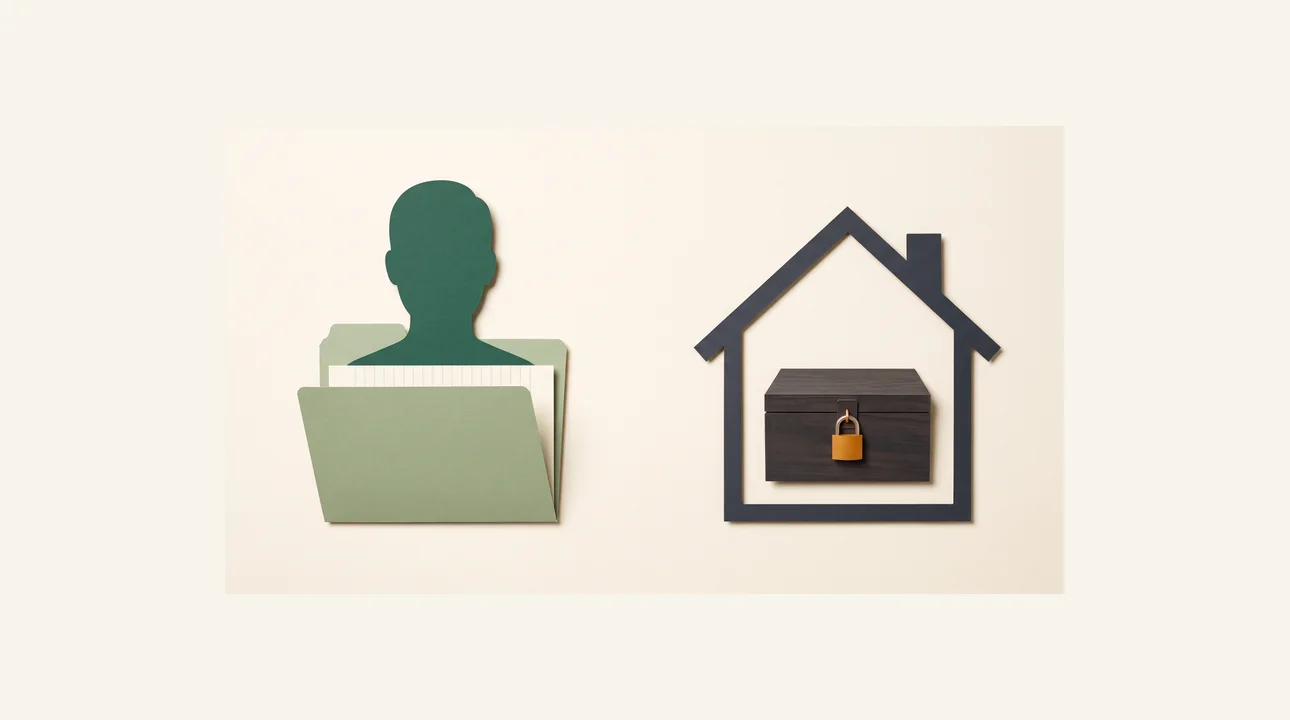
Illinois cannabis users can remain eligible to foster, but separate rules restrict cannabis at a foster-care home. A locked box does not give an eligible person permission to keep cannabis there.
That is the distinction in DCFS Policy Guide 2020.02. Illinois DCFS still lists the January 2020 guide among its policy guides currently in effect. The sources below were checked on October 11, 2026. This lesson concerns adult cannabis at foster-care homes. It does not describe a ban at every family home where a child lives.
Can a cannabis user still be eligible to foster in Illinois?
Yes. The DCFS guide says a cannabis user can remain eligible for a first or renewed child-care-facility license. It expressly includes unlicensed relative foster homes. That answers the question about the person. It does not promise a license or a placement.
The guide then asks where cannabis may be kept or used. It says the Acts do not permit either at a private home used at any time for care. That includes licensed or unlicensed child care, foster care and similar social-service care. Both statements appear on page 2 of the same guide.
| Question | What the guidance establishes |
|---|---|
| Can this adult remain eligible to foster? | Cannabis use does not rule out the person on its own. Approval is not guaranteed. |
| Can cannabis be kept or used at this care home? | The home has a separate rule. An eligible person must still meet it. |
An eligible person and a permitted place are two different answers. Keeping them separate clears up the confusion.
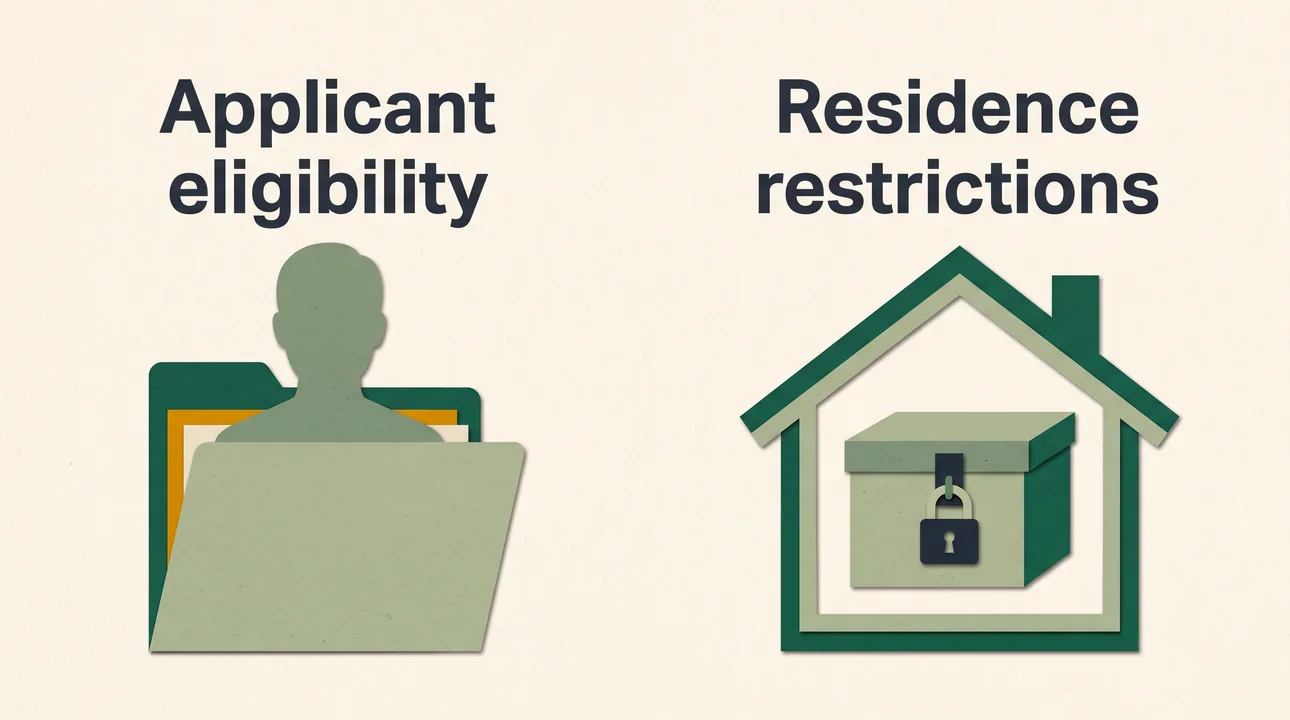
Applicant eligibility and residence restrictions are separate questions. A locked box does not override the restriction at a foster-care residence.
What do the Illinois statutes actually say about the residence?
Both the adult-use and medical Acts restrict cannabis at these homes. They refer to a private residence used at any time to provide licensed child care or other similar social-service care on the premises.
In the adult-use Act, 410 ILCS 705 § 10-35(a)(2)(E) addresses possession. Subsection (a)(3)(E) separately addresses use. In the medical Act, 410 ILCS 130 § 30(a)(2)(F) addresses possession; (a)(3)(E) addresses use.
Keep the two sources clear: the statutes use the licensed-care wording. DCFS’s guide expressly includes unlicensed relative foster homes. That extension comes from the guide. It is not a direct quote from the statute.
These rules name a care setting. A parent living with a child does not, by itself, make an ordinary home a licensed-care residence.
Does a lockbox make possession at the foster home allowed?
No. A storage step and a rule about the place answer different questions. The rules restrict possession itself. They do not apply only when cannabis is within reach.
Our edible safety-storage lesson explains locked boxes and original packaging, kept apart from ordinary food. Those steps help prevent accidental access. They do not create an exception to the Illinois foster-home rule.
Product labels have a different job, too. Comparing cannabis formats and label units helps identify what a product is. Reading edible serving and label information helps describe its contents. Neither answers whether it may be kept at a care home.
Do parenting protections override the residence rule?
No. The protection has conditions. The adult-use Act’s § 10-30(a) protects foster parents against adverse fitness findings based on cannabis-related conduct. It has an exception for unreasonable danger to the minor or evidence that the person is not competent. That exception requires clear and convincing evidence. The protection expressly applies only to conduct protected by the Act.
The medical Act’s § 40(b) addresses custody, visitation and parenting time for conduct allowed under that Act. It also has a danger exception. Protecting allowed conduct does not remove the separate home rule. It does not guarantee a foster license.
State and type of case matter. Our Arizona custody-law comparison explains why two cannabis protections in one state can have different terms. Its Arizona rules are not Illinois licensing rules.
What questions help keep the discussion clear?
Keep the health question and the foster-care question separate. Our cannabis appointment preparation lesson helps you describe products and actual use to a clinician. That medical discussion does not give permission to keep cannabis at the care home.
For the foster-care discussion, ask about this home. Does the home rule apply here? Which current written rule or guide supports the answer? Is the answer about the adult, cannabis at the home, or another license requirement?
Those questions seek the rule that applies. They do not assume a lockbox, a medical card or a product type settles it.
Key takeaways
- DCFS guidance says a cannabis user can remain eligible to foster. Approval is not guaranteed.
- Possession and use at the care residence have separate restrictions.
- Locked storage addresses access, not legal permission.
- DCFS’s guide includes unlicensed relative foster homes. Keep that source distinct from the statute.
FAQ
Does a medical cannabis card automatically disqualify an Illinois foster applicant?
No. DCFS’s currently listed guide says a cannabis user can remain eligible for a first or renewed license. That is not a promise of approval. A card does not remove the medical Act’s care-home rule.
Does the guidance include unlicensed relative foster homes?
Yes. Policy Guide 2020.02 expressly includes them when it discusses who can qualify and the rules at the home. That wording comes from the agency guide. The cited statutes use licensed-care language.
Are edibles exempt because nobody is smoking?
No. The guide includes cannabis-infused foods, drinks and other non-smoked products. A rule against keeping cannabis at the home is different from a rule about smoke exposure.
Does the restriction disappear whenever foster children are out of the house?
The cited wording does not provide that exception. It describes a residence used at any time for the specified care. A child’s temporary absence is not a stated permission to possess or use cannabis there.
Sources
- DCFS Policy Guide 2020.02, January 3, 2020. Page 2 separates the person and the care home.
- DCFS policy guides currently in effect. The index lists 2020.02; checked October 11, 2026.
- Illinois adult-use Act, Article 10. Sections 10-30 and 10-35 set out protected conduct and limits.
- Illinois medical Act. Sections 30 and 40 set out limits and parenting protections.


