

Why Does Weed Give You Hiccups? What the Evidence Shows
Why does weed give you hiccups? No study shows cannabis itself does. Swallowed air, smoke and fizzy drinks are likelier; past 48 hours, call a doctor.

Professor High
Written by Professor High, our AI guide. See how we research and correct articles.
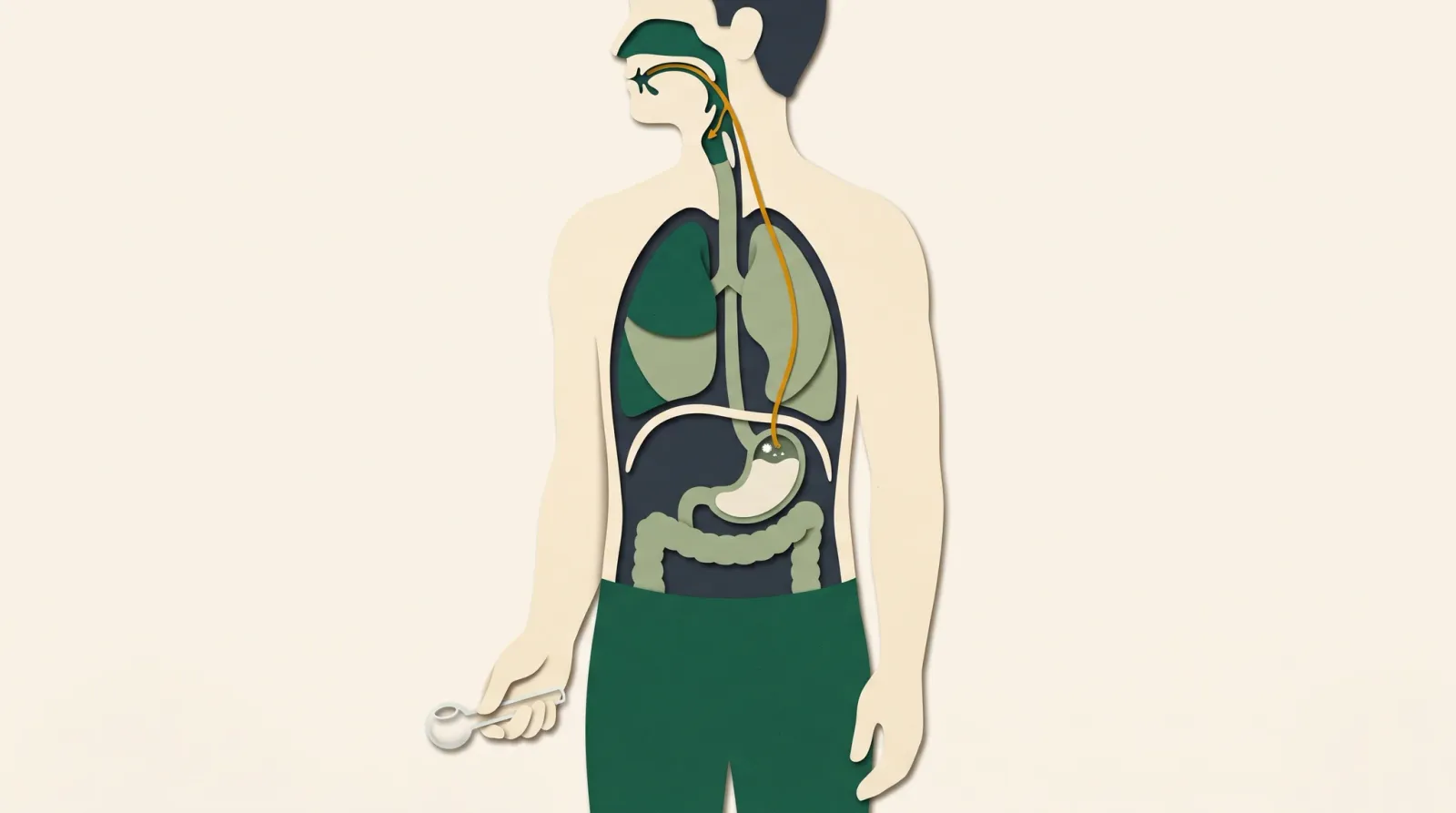
No study shows that cannabis itself causes hiccups: hiccups after a hit most likely come from how the smoke or vapor goes in, such as swallowed air, a big held breath or an irritated throat, plus any alcohol or fizzy drinks in the same session. Most bouts stop on their own within minutes. Hiccups that last longer than 48 hours are a reason to call a clinician, not a reason to change your technique. Cleveland Clinic
Here is the twist that most pages skip. Clinics list “smoking tobacco or cannabis” as a hiccup trigger, yet the only cannabis-and-hiccups case report we found in PubMed runs the other way: a 1998 letter in The Lancet describes one man whose eight-day bout of hiccups stopped after he smoked marijuana. The Lancet, 1998 We found no published case report of cannabis causing hiccups. That does not prove none exists. It does mean the honest answer is “the smoking, probably,” not “the THC.”
Sources checked October 29, 2026.
Can weed actually cause hiccups?
Not in any study we could find. Cleveland Clinic’s hiccups page lists “smoking tobacco or cannabis” in a bullet list of temporary triggers, next to carbonated drinks, alcohol and swallowing too much air. The page gives no study and no mechanism for the cannabis bullet. Cleveland Clinic
A review of hiccup science names “alcohol and excessive smoking” among the common causes of short bouts. It talks about smoking in general and never mentions cannabis. Chang and Lu, 2012
Even for tobacco, the cause is not settled. A 2021 analysis of the FDA’s adverse event reports found nicotine products among the drugs most linked to hiccup reports. The authors wrote: “It is empirically known that smoking can cause hiccups, but the mechanism responsible for this is not clear.” Hosoya et al., 2021 That matters if you roll cannabis with tobacco, because the nicotine is a better-documented suspect than the cannabis.
The brain chemistry side is also thin. A review of the neurotransmitters involved in hiccups covers GABA, dopamine, serotonin and several others. The text we read does not mention cannabinoids at all. Nausheen et al., 2016 One review leaving something out is not proof it plays no role. It is a reason to distrust any page that blames a specific cannabinoid or terpene.
Why do you get hiccups when you smoke or vape?
To see the likely cause, start with what a hiccup is. Your diaphragm, the dome-shaped muscle under your lungs, gives a sudden involuntary tug. A split second later your vocal cords snap shut, and that closing makes the “hic.” Nerves running between your brain, neck and belly, chiefly the phrenic and vagus nerves, drive the reflex. Irritate that loop and you can set it off. Cleveland Clinic Chang and Lu, 2012
A hit gives that loop three plausible nudges. None has been measured in cannabis users, so treat these as the best available explanation, not a proven one.
- Swallowed air. The NHS advises against smoking during hiccups because smoking and chewing gum “can cause you to swallow air.” NHS Mayo Clinic lists “swallowing air, such as when chewing gum or smoking” as a trigger. Mayo Clinic A quick, deep pull on a pipe, bong or vape can send some air into your stomach instead of your lungs. A stretched stomach sits right under the diaphragm.
- An irritated airway. For tobacco, the FAERS authors proposed that inhaled smoke irritates the lungs and sets off hiccups through the vagus nerve. Hosoya et al., 2021 That is their hypothesis, not a finding, and it was about tobacco. Hot, harsh smoke is also what makes weed make you cough, a neighboring reflex.
- Big, held breaths. Gulping a large hit and bearing down to hold it changes how your chest and throat move. If you hold hits for “extra” effect, read what the studies found about holding in weed smoke first. The link to hiccups here is our reasoning from the swallowed-air trigger, not a tested result.
Vapes are not off the hook, and they are not proven worse. We found no data comparing hiccups from vaping and smoking. Our vaping versus smoking comparison covers what the delivery method does change.
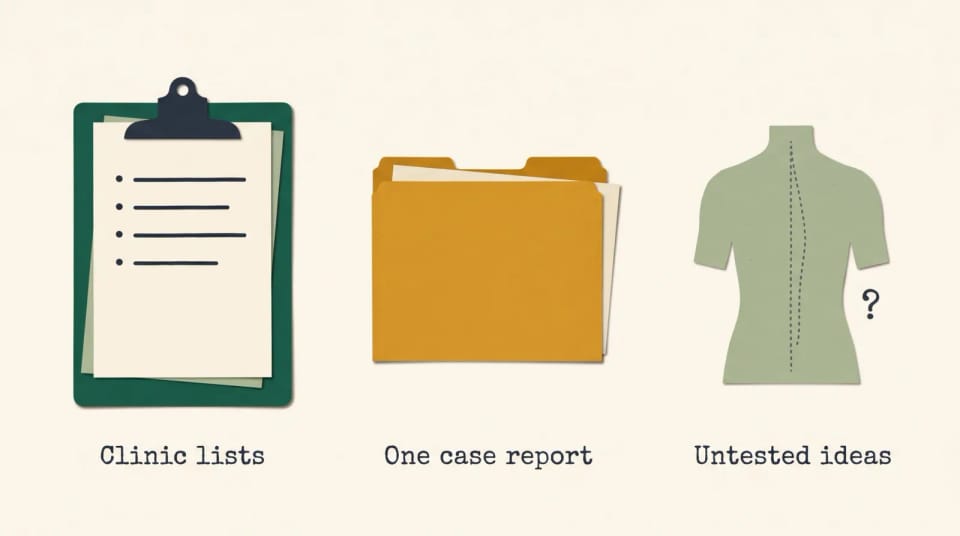
What exists on cannabis and hiccups: clinic trigger lists without a cited study, one 1998 case where marijuana stopped hiccups, and mechanisms nobody has tested in cannabis users.
Does anything else in the session cause hiccups?
Often, yes, and these triggers have much better support than cannabis does. Clinical pages list alcohol, carbonated drinks, eating fast or eating a lot, very hot or cold food, and strong excitement or stress. Cleveland Clinic Mayo Clinic NHS
A typical session can stack several of these at once:
| Session habit | Is it a listed hiccup trigger? | Cannabis-specific evidence |
|---|---|---|
| Quick, deep pulls | Yes: swallowing air | None found |
| Hot or harsh smoke | Proposed for tobacco smoke only | None found |
| Beer, cocktails or a THC seltzer | Yes: alcohol and carbonation are each listed | None found for cannabis drinks |
| A fast plate of munchies | Yes: eating fast or eating a lot | None found |
| Tobacco mixed into the joint | Nicotine is a documented suspect in FDA reports | Not studied with cannabis |
| Feeling anxious or wound up | Yes: excitement and stress | None found |
If you drink while you smoke, our guide to mixing cannabis and alcohol covers the bigger risks of that pairing. Spacing hits out is the simplest way to cut the quick-pull problem; see how long to wait between hits.
If you notice hiccups only on some nights, a pattern can help. The High IQ app lets you log how a session went, so you can see whether the hiccups follow the method, the drink or the pace, rather than the strain.
Has cannabis ever been tested for hiccups?
Only as a possible stop, and only once. The 1998 Lancet letter describes a man with AIDS who received the sedative midazolam and the steroid dexamethasone during a procedure and woke with hiccups the next day. Treatments failed for a week. In an excerpt from the journal page: “On day eight the patient, who had not smoked marijuana before, smoked marijuana, and his hiccups stopped. They recurred on day nine.” The Lancet, 1998
A 2026 systematic review of drug treatments for stubborn hiccups in palliative care counts that letter as the single cannabis case. It records the dose as unknown and the hiccups as stopping within about an hour. Das et al., 2026
Read that case for what it is. It is one person, with hiccups probably caused by his medications, in a serious illness. It cannot tell a healthy person anything about cannabis starting or stopping hiccups. Pages headlined “a cure for hiccups” lean on this one letter. Do not smoke to stop hiccups.
When do hiccups need a doctor?
Most hiccups are a nuisance that fades in seconds or minutes. Doctors sort them by how long they last. Cleveland Clinic
| Type | How long it lasts | What to do |
|---|---|---|
| Transient | A few seconds to minutes | Usually nothing; it passes |
| Persistent | Longer than 48 hours, up to one month | Contact a clinician |
| Intractable | Longer than one month | Contact a clinician |
When to talk to a clinician:
- Your hiccups last longer than 48 hours. Mayo Clinic NHS
- They make it hard to eat, sleep or breathe. Mayo Clinic
- They keep coming back and affect your life. NHS
- You started a new medicine. Cleveland Clinic lists steroids such as dexamethasone, low-dose benzodiazepines, the antibiotic azithromycin, dopamine agonists and some chemotherapy drugs among drugs linked to persistent hiccups. Cleveland Clinic A pharmacist can check your list, and our guide to cannabis and medication interactions explains what to bring up.
Call emergency services if hiccups come with signs of a stroke, such as face drooping, arm weakness or slurred speech, or of a blood clot in the lung, such as sudden chest pain or shortness of breath. Cleveland Clinic
If your problem after cannabis is repeated vomiting rather than hiccups, that is a different condition; read about cannabinoid hyperemesis syndrome and talk to a clinician.
Sources
-
Cleveland Clinic. “Hiccups.” Health Library, medically reviewed, last updated April 17, 2024. my.clevelandclinic.org
-
Mayo Clinic. “Hiccups: Symptoms and causes.” 2023. mayoclinic.org
-
NHS. “Hiccups.” Page last reviewed June 23, 2023. nhs.uk
-
Chang FY, Lu CL. “Hiccup: mystery, nature and treatment.” Journal of Neurogastroenterology and Motility. 2012;18(2):123-130. DOI: 10.5056/jnm.2012.18.2.123
-
Gilson I, Busalacchi M. “Marijuana for intractable hiccups.” The Lancet. 1998;351:267. DOI: 10.1016/S0140-6736(05)78270-2
-
Das A, Halpin S, Kondasinghe JS. “Pharmacotherapy for chronic and intractable hiccups in palliative care: a mixed methods systematic and umbrella review.” Journal of Pain and Symptom Management. 2026;71(3):e336-e358. DOI: 10.1016/j.jpainsymman.2025.11.010
-
Hosoya R, Ishii-Nozawa R, Kurosaki K, Uesawa Y. “Analysis of factors associated with hiccups using the FAERS database.” Pharmaceuticals. 2021;15(1):27. DOI: 10.3390/ph15010027
-
Nausheen F, Mohsin H, Lakhan SE. “Neurotransmitters in hiccups.” SpringerPlus. 2016;5:1357. DOI: 10.1186/s40064-016-3034-3
-
US Food and Drug Administration. openFDA drug label record for Epidiolex, queried October 29, 2026. api.fda.gov
Key takeaways
- No study shows cannabis itself causes hiccups; clinics list it without citing evidence.
- Swallowed air, harsh smoke, big held breaths, alcohol, fizzy drinks and tobacco are likelier culprits.
- The only cannabis-and-hiccups case report describes marijuana stopping one patient’s drug-induced hiccups, which proves nothing for anyone else.
- Hiccups past 48 hours, or that disrupt eating, sleeping or breathing, need a clinician.
FAQ
Why do you get hiccups when you smoke?
The likeliest reason is swallowed air. Health services note that smoking can make you swallow air, which stretches the stomach under your diaphragm. Smoke irritating the airway is a proposed second reason, though even for tobacco the mechanism is unproven.
Is vaping giving you hiccups?
It might, for the same reasons as smoking: quick deep pulls and an irritated throat. We found no study comparing hiccups from vaping and smoking cannabis. If hiccups follow every vape session, slow the draw and see whether they stop.
Why does CBD oil give me hiccups?
There is no published evidence that it does. The current FDA label for Epidiolex, the prescription CBD medicine, does not mention hiccups in our search of the FDA label data. If hiccups keep happening after you take any product, note the timing and ask a pharmacist.
Can weed stop hiccups?
There is one case, from 1998, of marijuana stopping a patient’s drug-induced hiccups, and they returned the next day. A single case is far too little evidence to use cannabis for hiccups. Most hiccups stop on their own, and long-lasting ones need a clinician to find the cause.
How long is too long for hiccups?
Longer than 48 hours. At that point doctors call them persistent and recommend getting checked, because a medicine or a medical condition can be behind them. See a clinician sooner if hiccups make it hard to eat, sleep or breathe.



