Best Cannabis Strains for Cooking and Culinary Creativity
The strain you cook with matters as much as the recipe. Discover 15 picks for flavor-forward infusions, terpene pairings, and culinary creativity.

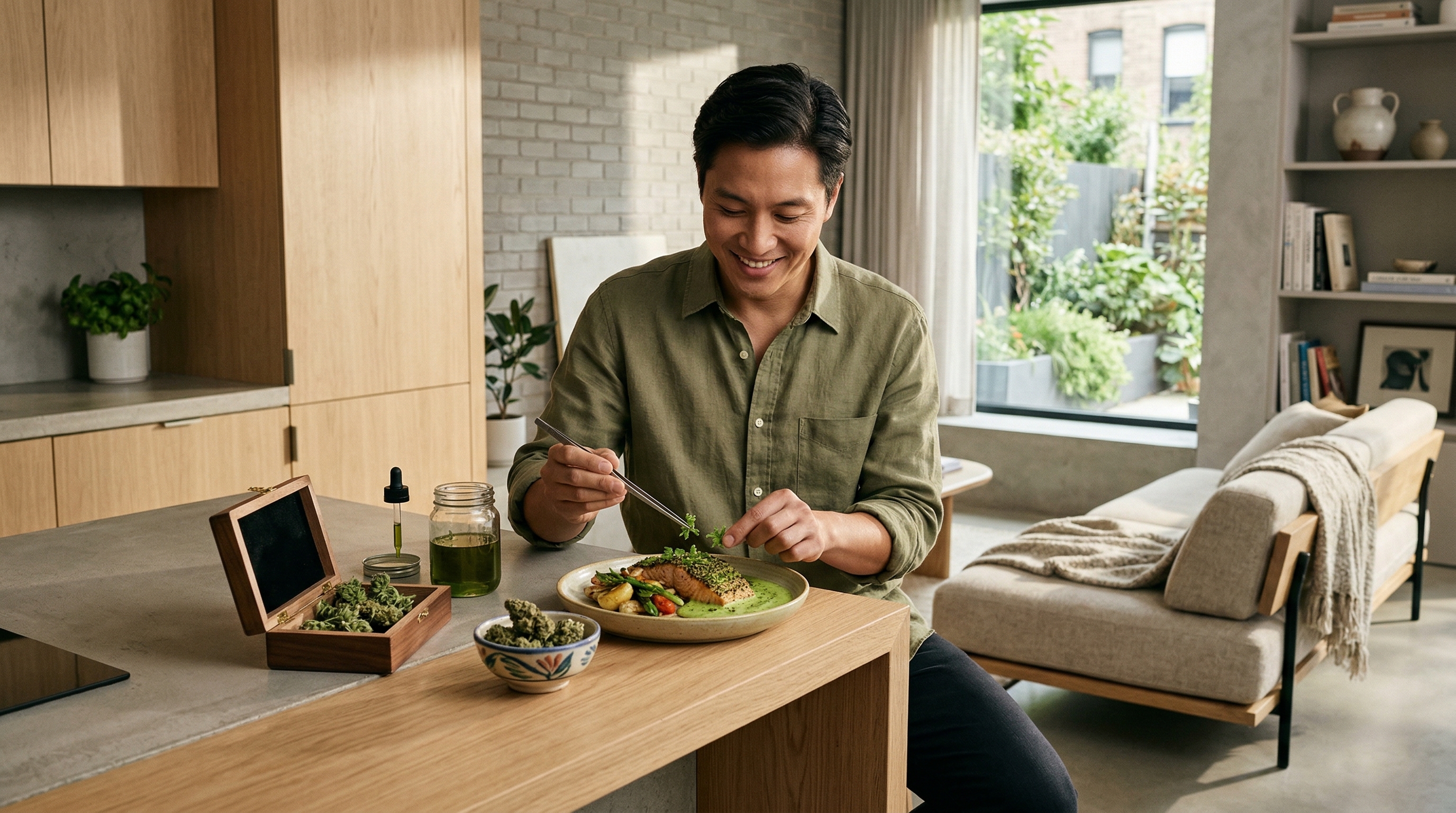
There’s a quiet revolution happening in kitchens across the country. It’s not a new gadget or a trendy superfood — it’s the thoughtful, intentional integration of cannabis into the culinary arts. Whether you’re infusing a batch of butter for weekend brownies or crafting a multi-course dinner where each dish is calibrated to a specific terpene profile, cooking with cannabis has evolved far beyond the “special brownie” era.
But here’s what most recipes won’t tell you: the strain you choose matters as much as the recipe itself. Just like you wouldn’t use the same olive oil for a delicate ceviche and a hearty braise, different cannabis strains bring dramatically different flavors, aromas, and effects to your dishes. The terpene chemistry in your flower is essentially a spice rack — and learning how to use it is what separates a forgettable edible from a transcendent one.
This guide covers 15 strains that shine in the kitchen, organized by culinary use case, with the terpene science behind why they work. Whether you’re a first-time infuser or a seasoned cannabis cook, you’ll leave here with a framework for making intentional choices that improve every dish you make.
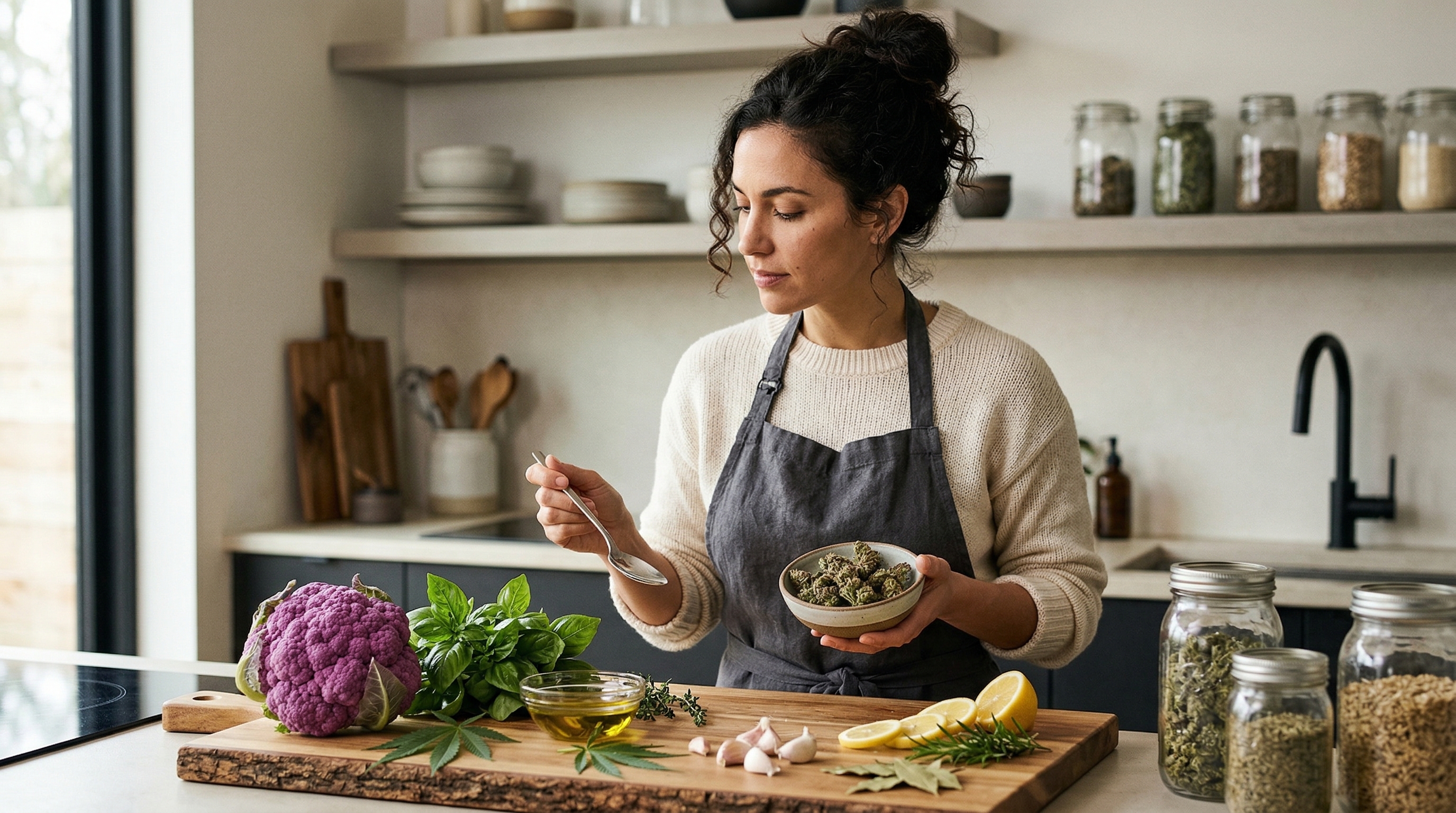
Why Strain Selection Matters in the Kitchen
When you cook with cannabis, you’re not just adding THC or CBD to food. You’re introducing an entire orchestra of compounds — cannabinoids, terpenes, flavonoids — that interact with your ingredients, your cooking method, and ultimately, your body and the body of everyone eating your food.
Terpenes are the aromatic compounds responsible for how cannabis smells and tastes. They’re also found throughout the natural world, in the herbs, spices, and fruits you already cook with every day:
- Limonene is the bright citrus note in lemon zest and orange peel
- Myrcene is the earthy, musky depth in fresh thyme and bay leaf
- Caryophyllene is the warm, peppery bite in black pepper and cloves
- Linalool is the soft floral sweetness in lavender and bergamot
- Pinene is the clean, resinous sharpness of rosemary and pine needles
- Humulene is the dry, earthy bitterness in hops and sage
- Terpinolene is the complex, slightly floral note in fresh nutmeg and tea tree
When you select a strain for cooking, you’re essentially choosing a spice. And like spices, some pairings are natural while others clash. A piney, terpinolene-heavy strain might be perfect in a rosemary-infused focaccia but overwhelm a delicate vanilla custard. A linalool-dominant strain that sings in a lavender crème brûlée would be a misfit in a spicy Thai curry.
Beyond flavor, your strain choice also determines the type of experience your dish will deliver. That’s where thinking in High Families becomes your kitchen compass.
The High Families Kitchen Framework
Rather than relying on the outdated indica/sativa binary — which tells you almost nothing useful about how a strain will actually taste or feel — the High Families system classifies strains by their terpene chemistry. This maps directly onto both flavor profile and effect, making it uniquely useful for culinary planning.
| High Family | Dominant Terpenes | Culinary Flavor Profile | Best Occasions |
|---|---|---|---|
| Uplifting | Limonene, Terpinolene | Bright, citrusy, floral | Brunch, desserts, social dinners |
| Energetic | Terpinolene, Pinene | Herbaceous, complex, fresh | Morning baked goods, creative cooking |
| Relaxing | Myrcene, Linalool | Earthy, warm, musky | Evening comfort food, nightcaps |
| Balancing | Myrcene, Pinene, Caryophyllene | Mild, neutral, versatile | Beginner infusions, everyday cooking |
| Relieving | Caryophyllene, Myrcene | Spicy, peppery, warming | Savory dishes, broths, hearty meals |
| Entourage | Full-spectrum, complex | Multi-layered, nuanced | Sophisticated multi-course meals |
Now let’s get into the specific strains.
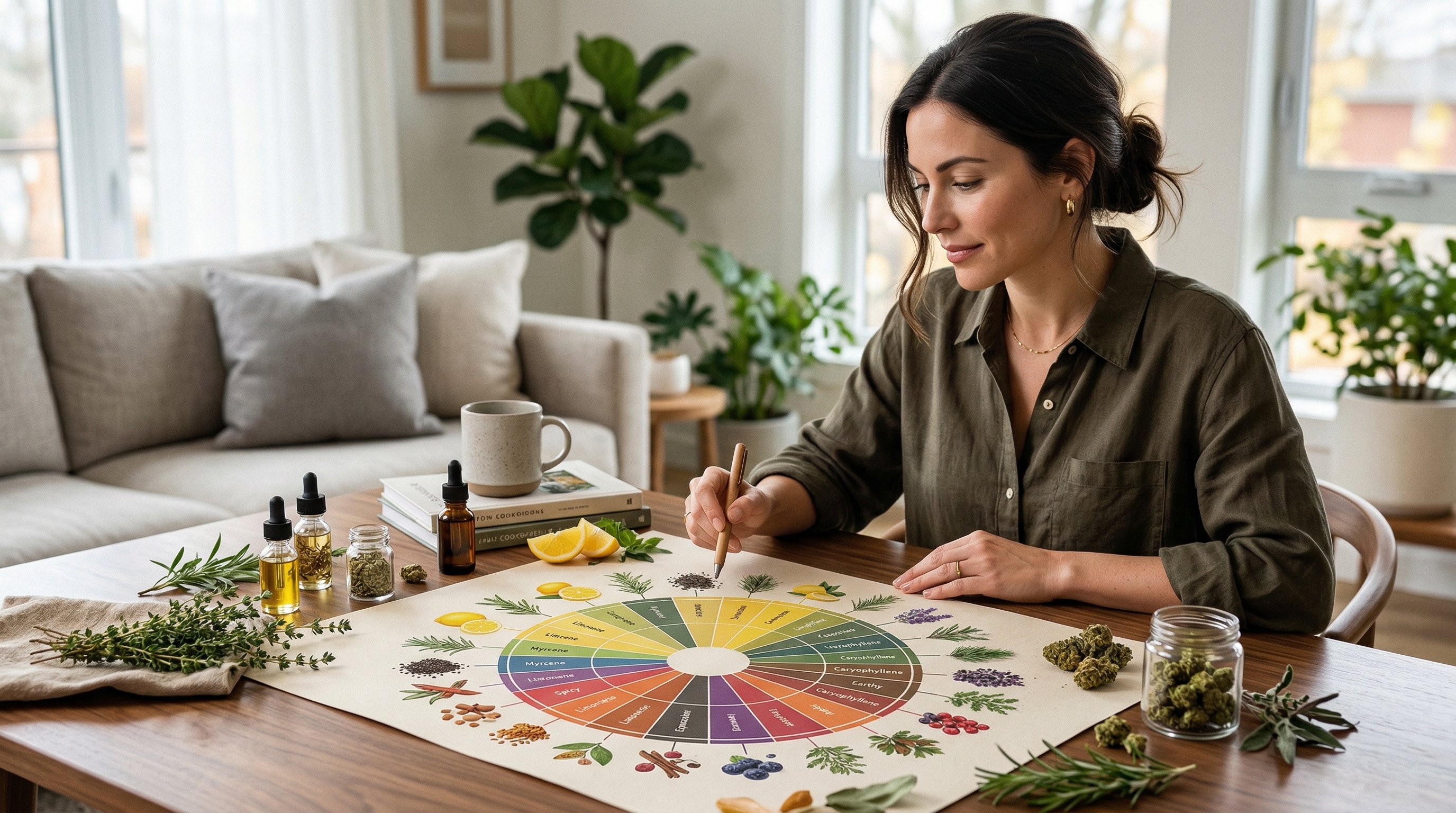
Best Strains for Citrus and Bright Dishes
1. Lemon Haze — The Citrus Workhorse
High Family: Uplifting High Dominant Terpenes: Limonene, Terpinolene, Caryophyllene
If you could pick only one strain for your cannabis kitchen, Lemon Haze would be a strong contender for the role. Its limonene-dominant profile makes it a natural partner for anything citrusy — lemon bars, vinaigrettes, ceviche, citrus-glazed salmon, lemon curd tarts. The bright terpene character integrates so seamlessly with acidic, sunny dishes that it enhances rather than competes.
The uplifting effect profile makes it especially ideal for daytime entertaining. Guests feel social, energized, and talkative rather than couch-locked. This is the strain for a cannabis brunch.
Kitchen tip: Infuse Lemon Haze into coconut oil and use it as the fat base for lemon poppy seed muffins. The limonene amplifies the lemon flavor while the coconut fat binds the cannabinoids efficiently.
2. Tangie — The Breakfast Strain
High Family: Uplifting High Dominant Terpenes: Limonene, Myrcene, Pinene
Tangie is essentially a glass of fresh-squeezed tangerine in strain form. Its intense, candy-sweet citrus aroma makes it one of the most food-friendly strains on the market. Users often find it works well in:
- Citrus marmalades and preserves
- Tropical smoothies (infuse into coconut cream first)
- Orange-glazed carrots or duck breast
- Fruit tarts, sorbets, and granitas
The pinene adds a subtle evergreen freshness that prevents it from being one-dimensional. This is a strain that makes brunch feel like an event.
3. Super Lemon Haze — The Amplifier
High Family: Uplifting High Dominant Terpenes: Limonene, Terpinolene, Caryophyllene
Where Lemon Haze is elegant, Super Lemon Haze is assertive. The terpinolene adds a creative, almost electric quality to the uplifting effect that makes this strain a favorite among home cooks who want their infusions to actually inspire them in the kitchen — not just medicate.
Use it in preparations where you want cannabis to announce itself: a bright cannabis limoncello, a zesty salad dressing meant to spark conversation, or a citrus-forward dessert sauce.
Best Strains for Floral and Dessert Cooking
4. Lavender — The Floral Sophisticate
High Family: Relaxing High Dominant Terpenes: Linalool, Myrcene, Caryophyllene
Named for its unmistakable floral aroma, Lavender is a strain that practically begs to be cooked with. Its linalool content — the same terpene found in culinary lavender — makes it a dream for desserts, teas, and anything where you’d normally reach for floral notes.
Think lavender honey drizzled over goat cheese, infused cream for panna cotta, a calming nighttime tea blended with chamomile and honey, or lavender shortbread. Because Lavender falls in the Relaxing High family, it’s best suited for evening meals designed to wind down and transition into a restful night.
Kitchen tip: Infuse Lavender into heavy cream using a low-heat double boiler at no more than 180°F (82°C) to preserve the delicate linalool. Use in panna cotta or a simple no-bake cheesecake.
5. Zkittlez — The Candy Bowl
High Family: Relaxing High Dominant Terpenes: Linalool, Caryophyllene, Limonene
Zkittlez brings a rainbow of tropical fruit notes — think passion fruit, berry, and sweet candy — with a linalool base that keeps it smooth and not overwhelming. It’s ideal for colorful, fruit-forward desserts: berry crumbles, tropical fruit tarts, mango sorbets, rainbow layer cakes.
Its relaxing effect profile makes it better suited for a dessert course than an appetizer. End the meal on a sweet, gentle note.
6. Wedding Cake — The Pastry Chef’s Strain
High Family: Entourage High Dominant Terpenes: Caryophyllene, Limonene, Myrcene
Wedding Cake has a rich, doughy sweetness — like vanilla frosting with a hint of earthiness — that makes it an obvious pick for baked goods, custards, and cream-based desserts. Its complex terpene profile gives infusions a depth that more single-note strains can’t match.
Use it in cannabis-infused cream cheese frosting, rich custard bases, or a brown butter chocolate chip cookie where you want layers of flavor that evolve as the dish sits on the palate.
Best Strains for Savory Cooking
7. GSC (Girl Scout Cookies) — The All-Rounder
High Family: Entourage High Dominant Terpenes: Caryophyllene, Limonene, Humulene
GSC is the culinary chameleon of cannabis. Its complex terpene profile — peppery from caryophyllene, sweet from limonene, and subtly earthy from humulene — means it works across an enormous range of savory dishes:
- Cannabis-infused brown butter for pasta or risotto
- Barbecue sauces and savory marinades
- Mushroom-based dishes where earthy depth is welcome
- Dark chocolate preparations (chocolate straddles the savory-sweet divide)
As an Entourage High strain, GSC delivers a full-spectrum, nuanced experience — the multi-terpene complexity tends to produce effects that feel balanced and layered, making it ideal for a dinner party where you want a sophisticated, well-rounded experience rather than an overwhelming one.
8. OG Kush — The Umami King
High Family: Relieving High Dominant Terpenes: Myrcene, Limonene, Caryophyllene
OG Kush has a funky, earthy, almost savory depth that makes it a natural fit for umami-rich cooking. Think miso-based sauces, slow-cooked stews, mushroom gravies, beef bone broth, and dashi. Its caryophyllene content adds a warming, peppery quality that complements hearty winter cooking.
The caryophyllene in OG Kush is particularly interesting from a culinary perspective: it’s the same compound responsible for the spiciness of black pepper, and research suggests it may interact with CB2 receptors, potentially supporting physical comfort [Gertsch et al., 2008].
Kitchen tip: Infuse OG Kush into ghee and use it as the base for a slow-cooked dal or curry. The earthy terpenes blend seamlessly with cumin, turmeric, and coriander — you may find you need less of each.
9. Sour Diesel — The Herb Garden Strain
High Family: Energetic High Dominant Terpenes: Myrcene, Limonene, Caryophyllene
Sour Diesel has a pungent, herbaceous, almost savory character that pairs exceptionally well with Mediterranean cooking — olive oil infusions for bruschetta, herb-forward pasta sauces, and roasted vegetables. Its energetic effect profile also makes it a good choice if you want to feel inspired while you’re actually cooking rather than just after you eat.
The alertness and mental clarity this strain tends to produce means you’re less likely to lose track of your mise en place or forget you have something on the stove.
10. Blue Cheese — The Bold Choice
High Family: Relaxing High Dominant Terpenes: Myrcene, Caryophyllene, Limonene
Blue Cheese is exactly what it sounds like — pungent, funky, and unapologetically bold. This isn’t a strain for subtle infusions. It’s for dishes where you want that dank, savory depth: aged cheese sauces, herbed focaccia, truffle-style preparations, savory compound butters, or creamy mushroom soups.
Its deeply relaxing profile makes it best saved for late dinners where the intention is to settle in for the evening. This is Friday night comfort food territory.
Best Strains for Herbal and Earthy Preparations
11. Jack Herer — The Herbal Enthusiast
High Family: Energetic High Dominant Terpenes: Terpinolene, Pinene, Myrcene
Jack Herer is the quintessential herbal-forward strain. Its blend of terpinolene and pinene creates an aroma that reads like a cross between fresh pine, sage, and citrus peel — essentially a fresh herb garden in strain form. It pairs beautifully with:
- Rosemary and thyme-infused olive oils
- Cannabis pesto (blend into basil-based preparations)
- Herbed bread and focaccia
- Pine nut and herb-based stuffings
The energetic, clear-headed effect profile means this strain won’t leave you staring into the middle distance. It keeps you present, engaged, and enjoying the process of cooking itself.
12. Durban Poison — The Focused Cook
High Family: Energetic High Dominant Terpenes: Terpinolene, Myrcene, Ocimene
Durban Poison is a pure landrace sativa with an anise-like sweetness and an unusually high terpinolene content. From a culinary standpoint, its flavor profile lends itself to dishes with fennel, anise, or licorice notes — Mediterranean fish preparations, French bouillabaisse, or anise-forward baked goods like biscotti.
From an effects standpoint, Durban Poison’s clear, focused energy makes it one of the few strains you’d actually want to cook with while consuming, not just infuse into food. The terpinolene tends to produce a sharp, alert mental state that supports creative problem-solving in the kitchen.
Best Strains for Beginners
13. Harlequin — The Gentle Introduction
High Family: Balancing High Dominant Terpenes: Myrcene, Pinene, Caryophyllene CBD:THC Ratio: Approximately 5:2
If you’re new to cannabis cooking — or cooking for guests with varying tolerance levels — Harlequin is your safety net. Its high CBD content and lower THC levels produce gentle, functional effects that won’t overwhelm anyone at the table.
The terpene profile is mild and earthy, making it versatile enough to work in almost any recipe without dominating the flavor. Think of it as the training wheels of cannabis cooking. There’s no shame in starting here — in fact, it’s the smart choice when you’re still dialing in your dosing and technique.
14. ACDC — The Near-Zero THC Option
High Family: Balancing High Dominant Terpenes: Myrcene, Pinene, Caryophyllene CBD:THC Ratio: Up to 20:1
For those who want the wellness experience and culinary exploration without significant psychoactive effects, ACDC is remarkable. With CBD:THC ratios as high as 20:1, you can cook freely without agonizing over dosing precision. It’s perfect for daily-use infusions: salad dressings, morning smoothie oils, herbal teas, or a daily wellness butter you spread on toast.
15. Cannatonic — The Balanced Bridge
High Family: Balancing High Dominant Terpenes: Myrcene, Pinene, Limonene CBD:THC Ratio: Approximately 1:1
Cannatonic lives between the ACDC low-THC world and the full-potency territory of most strains. Its roughly 1:1 CBD:THC ratio produces a mild, clear-headed effect that most people find gentle and manageable. It makes an excellent bridge for someone ready to step up from CBD-only cooking but not yet ready for high-THC preparations.
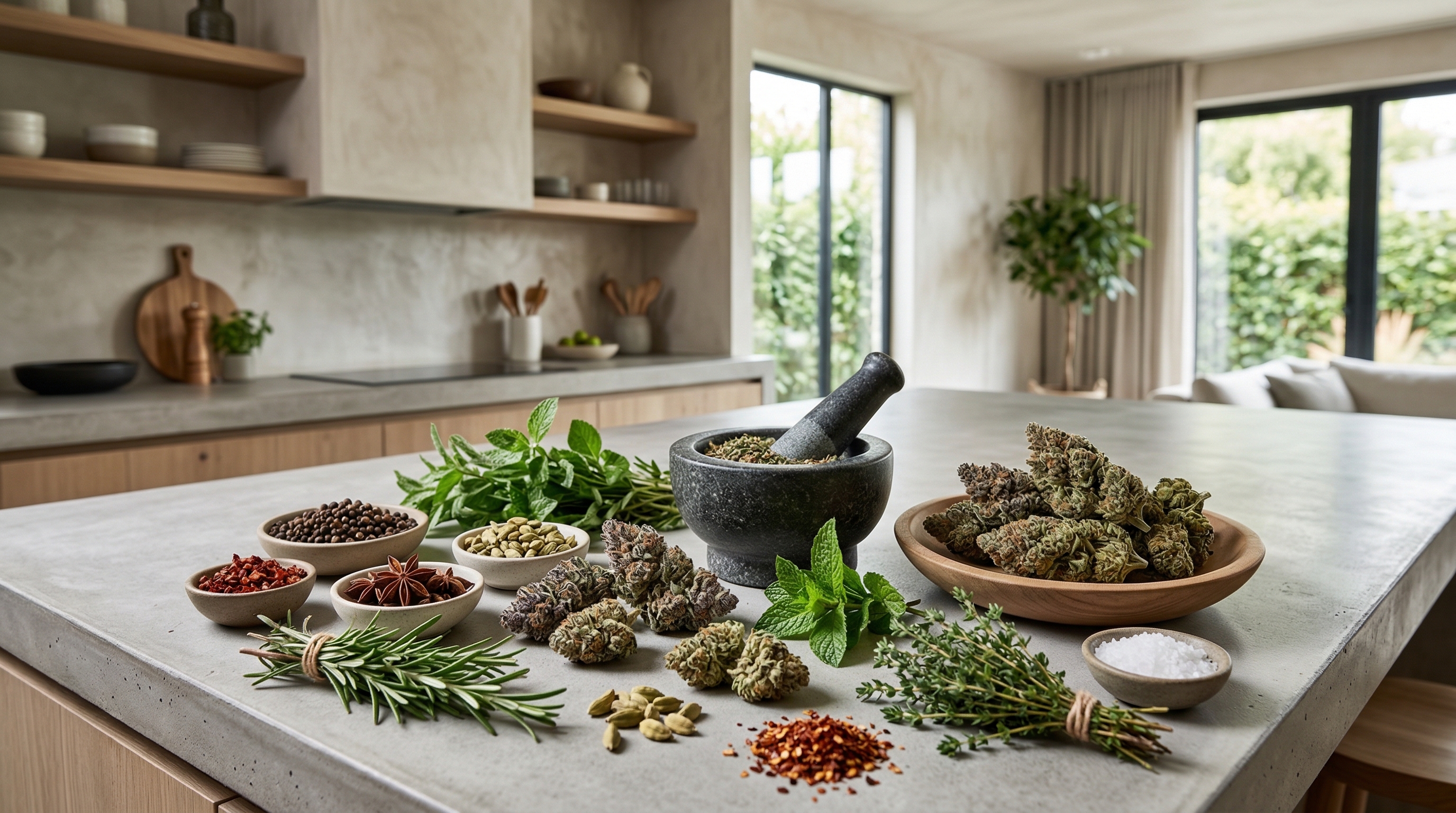
The Science of Terpene-Flavor Pairing
One of the most underused frameworks in cannabis cooking comes from the world of flavor chemistry. Terpenes are not unique to cannabis — they’re the same volatile aromatic compounds found throughout the plant kingdom. When you identify the dominant terpenes in a strain, you can predict with reasonable accuracy which foods it will harmonize with.
Here’s a practical pairing guide:
| Terpene | Found In | Pairs Best With |
|---|---|---|
| Limonene | Lemon, orange, grapefruit | Citrus dishes, seafood, light vinaigrettes, fruit desserts |
| Myrcene | Thyme, bay leaf, mango | Braised meats, mushrooms, earthy vegetables, tropical fruit |
| Caryophyllene | Black pepper, cloves, cinnamon | Spiced dishes, dark chocolate, red meat, warming soups |
| Linalool | Lavender, bergamot, coriander seed | Floral desserts, teas, honey-based dishes, light pastries |
| Pinene | Rosemary, pine nuts, sage | Herbed breads, olive oil, Mediterranean dishes |
| Humulene | Hops, sage, ginseng | Bitter greens, beer-braised dishes, charcuterie |
| Terpinolene | Nutmeg, tea tree, fresh herbs | Baked goods with warm spice, herbal preparations |
The deeper principle here is one that fine dining chefs have practiced for decades: ingredients that share aromatic compounds tend to taste good together. When a cannabis strain and a culinary ingredient share key terpenes, the infusion tastes cohesive rather than like two separate things sitting awkwardly next to each other.
Essential Technique: Getting Infusions Right
Choosing a great strain is only the first step. You also need to execute the infusion correctly to preserve those terpenes you selected for.
Decarboxylation Comes First
Before any infusion, you need to decarboxylate. Raw cannabis contains THCA and CBDA — the acidic, non-psychoactive precursors to THC and CBD. Heat converts them through a process called decarboxylation, which is non-negotiable if you want your infusion to have any effect.
Standard decarb: 220–245°F (105–120°C) for 30–45 minutes in a covered oven-safe dish [Wang et al., 2016].
Important: Don’t rely on cooking temperature to decarb. Stovetop and oven temperatures during normal cooking are too variable and often too low to ensure complete conversion. Decarb first, then infuse.
Temperature Is Everything for Terpene Preservation
Many terpenes have relatively low boiling points and will evaporate if you cook too hot. For reference:
- Linalool begins evaporating around 388°F (198°C)
- Limonene starts to volatilize around 349°F (176°C)
- Myrcene boils off at around 334°F (168°C)
- Pinene evaporates as low as 311°F (155°C)
If you’re cooking at high heat, you’ll lose the very terpenes you selected your strain for. For maximum flavor and effect:
- Infuse at low temperatures: 160–200°F (71–93°C) for oils and butters
- Add infused fats at the end of cooking when possible, off direct heat
- Avoid deep frying or high-heat searing with infused oils
- Consider no-bake recipes for the most terpene-forward experience
Choose the Right Carrier Fat
Cannabinoids are lipophilic — they dissolve in fats, not water. Your infusion base should always be a fat, and the choice of fat shapes both the flavor and effectiveness of your infusion:
- Butter: Classic and versatile, works in almost all baking and finishing
- Coconut oil: Higher saturated fat content; excellent absorption, neutral flavor
- Olive oil: Perfect for savory applications; adds its own flavor complexity
- Ghee: Ideal for high-heat cooking (after infusion) and South Asian cuisines; long shelf life
For a deep dive into the process, our complete guide to cannabis cooking basics walks through every step of the infusion process in detail.
Dose Thoughtfully
A standard starting dose for most adults is 2.5–5mg of THC per serving. For a multi-course cannabis meal, think in cumulative terms — 3mg per course across three courses is 9mg total, which can be a significant amount for someone with lower tolerance, especially since edibles can take 30–90 minutes to fully manifest. Understanding why edibles hit harder than smoking will help you plan appropriately.
Always label your infusions, inform guests before they eat anything cannabis-infused, and never serve infused food without clear consent.
A Sample Cannabis-Infused Dinner Menu
Here’s how you might architect a complete cannabis dinner using High Families as your guide:
| Course | Dish | Strain | Why It Works |
|---|---|---|---|
| Aperitif | Citrus spritz with infused simple syrup | Super Lemon Haze | Limonene amplifies the citrus; uplifting effect sets a social tone |
| Appetizer | Ceviche with infused olive oil | Tangie | Bright citrus terpenes echo the lime and orange; gentle onset |
| Main | Mushroom risotto with infused brown butter | GSC | Complex terpenes complement umami; balanced, full-spectrum effect |
| Cheese | Aged cheese board with infused honey | Lavender | Linalool bridges the floral honey; relaxing effect begins transition |
| Dessert | Panna cotta with infused cream | Zkittlez | Fruity, sweet terpenes finish the meal; gentle evening landing |
Dosing note: In a multi-course cannabis meal, keep total THC per person well within comfortable limits — 2–3mg per course, not per dish. Communicate with your guests, pace the meal deliberately, and have non-infused versions of dishes available.
Culinary Creativity as a Cannabis Superpower
There’s a reason so many celebrated chefs have quietly incorporated cannabis into their creative process — not necessarily into the food itself, but into the creative sessions that precede it. Strains like Jack Herer, Durban Poison, and Super Lemon Haze have terpene profiles specifically associated with the kind of open, associative thinking that generates flavor ideas, menu narratives, and unexpected pairings.
The research on cannabis and creativity suggests a meaningful connection — particularly at moderate doses — through mechanisms involving the brain’s default mode network, where free association and imaginative thinking live [Schafer et al., 2012]. The same divergent thinking that helps a painter see a canvas differently can help a cook see an ingredient differently. The key, as always, is the right strain at the right dose.
Even if you never infuse a single dish, using cannabis intentionally before a cooking session — choosing a terpene profile that matches the kind of meal you’re trying to create — can transform the experience of cooking itself. Sour Diesel before a complex technical preparation. Lavender before a slow, meditative Sunday bake. Tangie before a summery brunch. The kitchen, it turns out, is an excellent place to explore your High Family.
Key Takeaways
- Terpenes are your spice rack. Every cannabis strain carries a terpene signature that maps directly to flavors found in herbs, spices, and fruits you already cook with. Matching those signatures to your ingredients is the foundation of great cannabis cooking.
- High Families beat indica/sativa. The High Families system tells you both how a strain may taste and how it may feel — far more useful for menu planning than the outdated binary.
- Decarb before you infuse. Raw cannabis won’t produce effects without heat activation. Always decarboxylate at 220–245°F for 30–45 minutes before building your infusion.
- Keep temperatures low during infusion. Most flavor terpenes start evaporating between 311°F and 388°F. Slow, low-heat infusion at 160–200°F preserves both flavor and effect.
- Start with 2.5–5mg THC per serving. Edibles are slower and often stronger than other consumption methods. Build doses conservatively, especially when cooking for others.
- Beginners should start with high-CBD strains. Harlequin, ACDC, and Cannatonic offer a forgiving, low-risk entry point into cannabis cooking.
- Always label and get consent. Cannabis-infused food should never be served to someone without their full knowledge and agreement. This is non-negotiable.
Sources
- Gertsch, J., et al. (2008). Beta-caryophyllene is a dietary cannabinoid. Proceedings of the National Academy of Sciences, 105(26), 9099–9104.
- Schafer, G., et al. (2012). Investigating the interaction between schizotypy, divergent thinking and cannabis use. Consciousness and Cognition, 21(1), 292–298.
- Wang, M., et al. (2016). Decarboxylation study of acidic cannabinoids: a novel approach using ultra-high-performance supercritical fluid chromatography/photodiode array-mass spectrometry. Cannabis and Cannabinoid Research, 1(1), 262–271.
Ready to start infusing? Our complete cannabis cooking guide covers every technique from cannabutter to tinctures. And if you want to understand the science of why edibles feel different from smoking, start with the 11-OH-THC explainer.


