Cannabis and Schizophrenia Risk: Who Should Avoid THC
The science on cannabis, psychosis, and schizophrenia risk — including who faces the highest danger, genetic factors, adolescent vulnerability, and CBD's role.


Medical Disclaimer: This article is for educational purposes only and does not constitute medical advice. Psychosis and schizophrenia are serious mental health conditions requiring professional diagnosis and treatment. If you or someone you know is experiencing psychotic symptoms — including hallucinations, delusions, disorganized thinking, or paranoia — please seek immediate help from a qualified mental health professional or emergency services. The National Alliance on Mental Illness (NAMI) Helpline is available at 1-800-950-NAMI (6264). Nothing in this article should be used to delay, replace, or contradict professional psychiatric care.
The Question That Deserves a Straight Answer
Cannabis culture has a complicated relationship with this topic. Mention cannabis and schizophrenia in the same sentence and you’ll trigger two equally unhelpful reactions: the “reefer madness” overclaim that cannabis causes psychosis in everyone, and the defensive dismissal that any risk talk is just anti-cannabis propaganda.
The truth, as the research shows, is far more nuanced — and far more important — than either camp admits.
Here is what the science actually says: for most adults, recreational cannabis use does not cause schizophrenia. But for a specific, identifiable subset of people — those with particular genetic profiles, a family history of psychosis, or who begin using heavily during adolescence — cannabis may meaningfully raise the risk of triggering or accelerating psychotic illness. The latest meta-analyses put the overall increased risk at roughly two-to-three times baseline for heavy users, with certain subgroups facing substantially higher odds.
This is public health information. It is not meant to frighten, and it is not anti-cannabis. It is exactly the kind of evidence-based, non-judgmental information that the cannabis community should be leading with — not hiding from.
Let’s go through it carefully.
Understanding the Evidence: What “Increased Risk” Actually Means
Before diving into who faces elevated risk, it’s worth calibrating what the research is and is not saying.
Relative vs. Absolute Risk: Putting Numbers in Context
Most cannabis-psychosis studies report relative risk (how much your risk multiplies), not absolute risk (your actual probability). Schizophrenia affects roughly 1% of the general population. Even a 3x relative risk increase moves that to ~3% — still a minority of users, but a meaningfully elevated number. For adolescents with family history and heavy daily use of high-potency THC, multiple compounding risk factors may push estimated absolute risk substantially higher. This context matters: most cannabis users do not develop psychosis. But for specific subgroups, the risk is clinically significant enough to warrant serious caution.
The Population-Level Data
Decades of epidemiological research have established a consistent association between cannabis use and psychosis. A comprehensive 2020 systematic review published in Brain Sciences analyzed 56 studies and found that frequent cannabis use — particularly daily use — and high-potency cannabis are associated with higher psychosis risk [Colizzi & Bhattacharyya, 2020].
A 2025 meta-analysis applying Hill causality criteria to 18 studies calculated an overall odds ratio of 2.88 (CI: 2.24–3.70) for cannabis use and schizophrenia or psychotic-like experiences. The authors concluded that cannabis “likely contributes” causally to schizophrenia development — particularly during adolescence [Pourebrahim et al., 2025].
A 2021 systematic review and meta-analysis in Substance Abuse confirmed adolescent cannabis use increases psychosis risk with a relative risk of 1.71 (95% CI: 1.47–2.00) [Kiburi et al., 2021]. Among the most concerning findings: early-onset use also predicts earlier age of psychosis onset — meaning not just higher lifetime risk, but faster progression.
The Cannabis-Induced Psychosis Gateway
Perhaps the most alarming finding in recent literature comes from a 2026 meta-analysis in BMC Psychiatry tracking what happens after a diagnosis of cannabis-induced psychosis (CIP). Across 13 studies involving 7,515 patients, researchers found that approximately 1 in 5 people (20%) who experience cannabis-induced psychosis go on to develop full schizophrenia spectrum disorder [Fazio et al., 2026]. Another 5% develop bipolar disorder. Cannabis-induced psychosis is not always a temporary state — for a significant minority, it is the first chapter of a chronic illness.
Correlation, Causation, and the Bidirectional Problem
Here is where intellectual honesty is critical: the cannabis-schizophrenia association does not straightforwardly prove causation for the general population. Three competing hypotheses exist in the literature:
- Cannabis causes schizophrenia (direct causal pathway) — THC dysregulates dopamine in ways that can trigger illness in vulnerable individuals
- Schizophrenia causes cannabis use (reverse causation) — people in the early prodromal phase of psychosis self-medicate with cannabis
- Shared genetic architecture — common genes predispose people to both cannabis use disorder and schizophrenia
A 2025 polygenic study in the All of Us Research Program found evidence for all three — schizophrenia polygenic risk and cannabis use disorder polygenic risk are independently associated with heavy cannabis use, with complex bidirectional relationships [Meyers et al., 2025]. A 2022 study in Psychological Medicine used polygenic risk scores and found that cannabis use remains a risk factor for psychotic-like experiences even after controlling for genetic predisposition to schizophrenia — meaning cannabis use carries independent risk above and beyond heritable vulnerability [Li et al., 2022].
The current scientific consensus: cannabis is a contributing cause of psychosis in susceptible individuals, not a universal cause in everyone who uses it. The key question is who is susceptible.
The Neuroscience: How THC Disrupts the Psychosis-Prone Brain
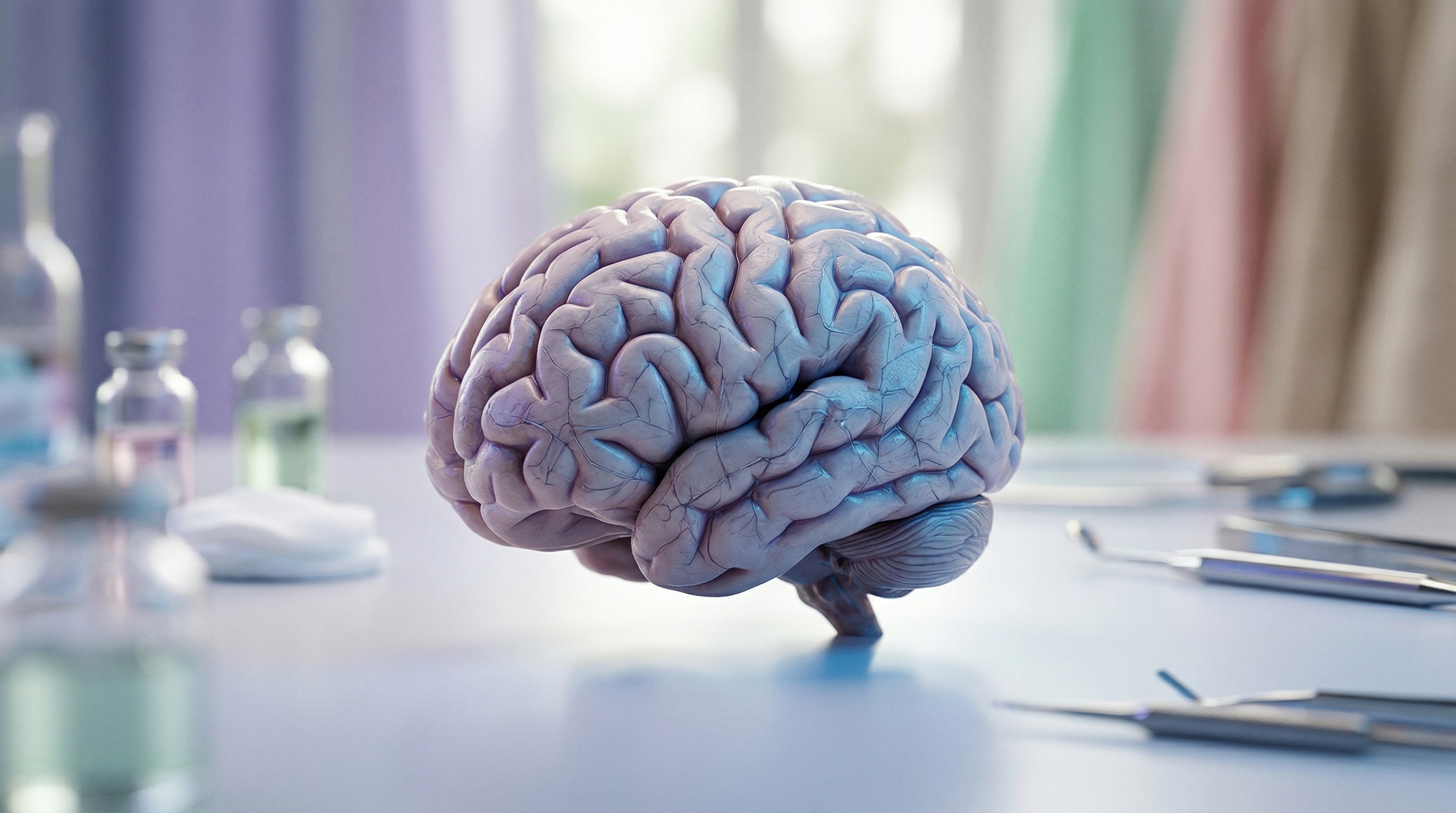
To understand risk, you need to understand the mechanism. Cannabis affects the brain primarily through THC’s action on CB1 receptors, which are densely concentrated in the prefrontal cortex, striatum, hippocampus, and limbic system — precisely the regions most implicated in psychosis.
The Dopamine Dysregulation Pathway
The strongest neurobiological link between THC and psychosis runs through dopamine. Dopamine dysregulation is central to the positive symptoms of schizophrenia (hallucinations, delusions, disorganized thinking) — and THC is a potent dopamine amplifier.
THC activates CB1 receptors on GABA interneurons in the prefrontal cortex. These interneurons normally act as brakes on dopamine release in the striatum. When THC suppresses them, it removes the brake, causing a surge of dopamine activity in the mesolimbic pathway — the same dopamine system that antipsychotic medications work to dampen.
In people with schizophrenia, the dopamine system is already dysregulated in this direction. THC essentially does what the disease does — and in vulnerable individuals, it may trigger the cascade permanently.
The Glutamate and GABA Disruption
THC also disrupts glutamatergic signaling — the brain’s main excitatory neurotransmitter system. A disrupted glutamate/GABA balance is another hallmark of schizophrenia pathophysiology, and THC’s effects on both systems partially mimic what’s seen in the illness. This is part of why acute high-dose THC can produce a state that closely resembles early-stage psychosis in anyone, and why that state persists or becomes permanent in susceptible individuals.
Why High-Potency Cannabis Is Particularly Dangerous
Modern high-THC cannabis has changed the risk calculation. The average THC content in US cannabis products has risen from roughly 4% in the 1990s to over 20-25% in many current flower strains, with concentrates reaching 70-90% THC.
The 2020 Brain Sciences systematic review specifically found that high-potency cannabis (>10% THC) carries a disproportionately higher psychosis risk compared to lower-potency preparations. A large London epidemiological study (Di Forti et al., 2019) found that daily use of high-potency cannabis (skunk) was associated with a five-fold increased risk of psychosis compared to non-use — and that removing high-potency cannabis from the market could theoretically prevent 12.2% of new psychosis cases.
This isn’t about cannabis in the abstract. It is specifically about the concentrated, high-THC products that dominate the modern legal market.
Who Faces the Highest Risk? The Five Key Vulnerabilities
The research is now detailed enough to identify who faces meaningfully elevated risk. These are not always additive — they can compound each other substantially.
1. Adolescents: The Most Vulnerable Window (Ages 14–18)
This is the clearest and most consistent finding across the entire literature: starting heavy cannabis use during adolescence dramatically elevates schizophrenia risk compared to adult-onset use.
A 2025 meta-analysis found that the overall risk OR of 2.88 was dwarfed by the adolescent-specific finding — one major longitudinal study found an OR of 26.7 for those who began use at ages 12–19 versus 1.8 for adult onset [Pourebrahim et al., 2025]. A 2024 rodent meta-analysis in Molecular Psychiatry analyzing 359 experiments across 108 articles found robust evidence that adolescent cannabinoid exposure produces broad schizophrenia-like behavioral alterations, including impaired working memory (g = -0.56), disrupted social behavior, and reduced pre-pulse inhibition — a specific biomarker for schizophrenia spectrum disorders [Di Forti et al., 2024].
Why is adolescence so dangerous? The prefrontal cortex — the region most vulnerable to THC disruption — does not fully mature until the mid-20s. During adolescence, it is undergoing active synaptic pruning and myelination. THC’s interference with CB1-mediated signaling during this critical period may permanently alter the trajectory of brain development, shifting it toward vulnerability patterns that look like those seen in schizophrenia.
The practical bottom line: If you are under 21 — ideally under 25 — there is no safe level of heavy THC use from a psychosis risk standpoint. The earlier you start, the higher the risk.
2. Family History of Schizophrenia or Psychosis
If you have a first-degree relative (parent, sibling) with schizophrenia, schizoaffective disorder, or a psychotic disorder, your baseline risk for those conditions is already 10 times higher than the general population (roughly 10% vs. 1%). Cannabis does not create this vulnerability — it amplifies it.
Multiple studies have found that family history significantly moderates the cannabis-psychosis association. Cannabis use may precipitate psychosis in genetically predisposed individuals who might otherwise have reached adulthood without incident. The 2026 BMC Psychiatry meta-analysis noted that having a first-degree relative with schizophrenia is a risk factor for cannabis-induced psychosis specifically — not just primary schizophrenia [Fazio et al., 2026].
If you have a family history of psychosis, the risk calculus is fundamentally different for you than for someone without that history. This is not speculative — it is one of the most consistent findings in the literature.
3. Genetic Risk Factors: AKT1 and COMT
The research on specific genetic variants has produced nuanced findings that deserve careful interpretation.
The AKT1 Gene (rs2494732)
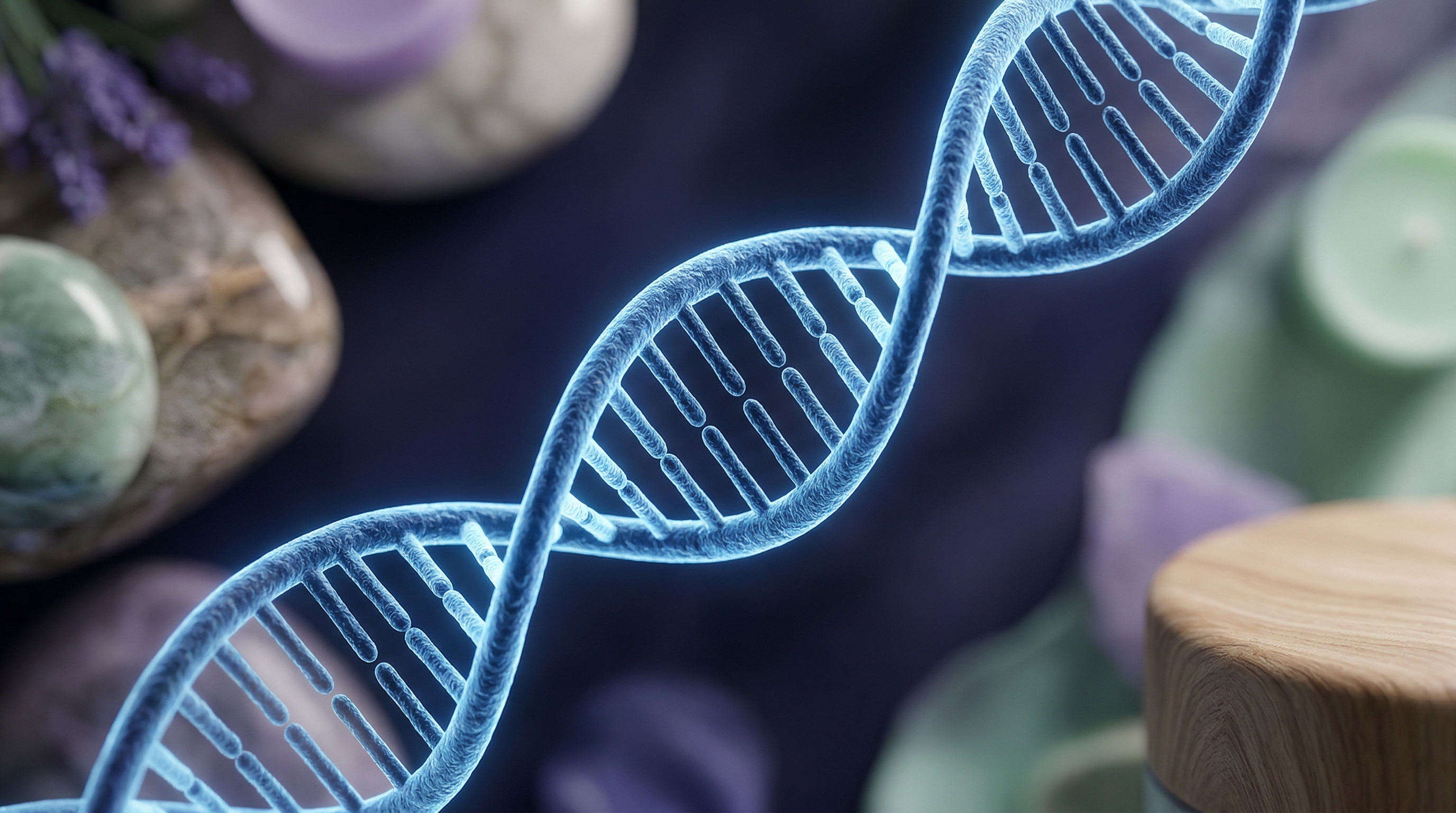
AKT1 encodes a serine/threonine kinase that is a critical downstream component of dopamine D2 receptor signaling. The AKT1 rs2494732 polymorphism has been associated in multiple studies with increased likelihood of developing a psychotic disorder in individuals with a history of cannabis use. A 2025 Cureus systematic review confirmed that AKT1 polymorphisms are significant modifiers of cannabis-induced psychosis risk — individuals with high-risk AKT1 variants may be more susceptible to THC’s dopaminergic effects [Masroor et al., 2025].
However, a 2024 Nature Mental Health mega-analysis found that in population-level models, candidate genes including AKT1 did not predict acute cannabis-associated psychotic symptoms at the group level, and that the genetic risk underlying cannabis-induced psychosis is likely polygenic (involving many variants) rather than concentrated in a single gene [Kuhns et al., 2024]. The implication: current commercial genetic tests screening for AKT1 or COMT variants alone are unlikely to capture full genetic risk.
The COMT Val158Met Polymorphism
COMT (catechol-O-methyltransferase) is the enzyme that breaks down dopamine in the prefrontal cortex. The Val158Met variant produces a less efficient version of this enzyme, meaning dopamine lingers longer in the synapse — which in the context of THC’s additional dopamine amplification, could compound psychosis risk.
Early studies showed a strong interaction between COMT Val158Met and cannabis use in predicting psychosis. More recent, larger meta-analyses have shown mixed results — some studies replicate the interaction, others do not [Vaessen et al., 2018]. The consensus is that COMT moderation is real but smaller and more context-dependent than initially thought.
What this means practically: Knowing you carry AKT1 rs2494732 or COMT Val/Val variants may be mildly informative, but it does not give a clean “safe” or “unsafe” designation. The polygenic risk architecture means that whole-genome risk profiling — not single-gene testing — is the direction science is heading. For now, family history remains the more actionable proxy.
4. High Frequency and High Potency Use
The dose-response relationship is one of the most robustly replicated findings in this literature. Risk is not binary — it scales with how much THC you are consuming and how often.
A 2016 meta-analysis by Marconi et al. in Schizophrenia Bulletin found a clear dose-response: casual users showed modest increased risk, while the heaviest users showed approximately 3.9 times the risk of psychosis compared to non-users. Daily use of high-potency cannabis compounds this further.
The 2021 Kiburi meta-analysis confirmed that frequency of cannabis use is one of the primary moderators of the cannabis-psychosis relationship. Using once a week is not the same as using daily, and using a 15% THC flower is not the same as dabbing 80% THC concentrate.
For high-risk individuals (adolescents, family history, high polygenic burden), even moderate use may cross into dangerous territory faster than it would for a lower-risk adult.
5. Prior Psychotic Experiences or Subclinical Symptoms
If you have ever experienced psychotic-like episodes — hearing voices that others couldn’t hear, seeing things that weren’t there, believing things that others found implausible, or feeling like your thoughts were being broadcast or inserted — cannabis use may be actively dangerous for you regardless of other risk factors.
People who are in the clinical high-risk (CHR) phase — showing prodromal symptoms but not yet meeting criteria for full psychosis — are particularly vulnerable. Cannabis use in CHR populations is associated with accelerated transition to full psychotic illness [Colizzi & Bhattacharyya, 2020]. This is perhaps the clearest contraindication: if there are already signals in the system, THC amplifies them.
Correlation vs. Causation: The Intellectually Honest View
Given the complexity of the data, some nuance is warranted — not to minimize the risk, but to represent the science faithfully.
What we know with high confidence:
- Cannabis use is consistently associated with increased psychosis risk across dozens of studies
- The association is strongest in adolescents, heavy users, and people with family history
- High-potency THC carries disproportionate risk
- Cannabis-induced psychosis transitions to schizophrenia spectrum disorder in roughly 20% of cases
What remains scientifically contested:
- The precise size of population attributable risk (how many schizophrenia cases would be prevented if cannabis use were eliminated)
- Whether common genetic architecture entirely explains the association (current evidence suggests it does not — cannabis carries independent risk)
- Whether the risk applies equally across different THC:CBD ratios and product types
- Individual-level risk prediction from genetic testing
What we do not know:
- Whether low-to-moderate adult use with high-CBD products carries meaningful risk
- The precise biological threshold at which THC exposure triggers irreversible pathological changes
- Why only some heavy users develop psychosis while others do not
This is science operating as it should — with honest uncertainty about specific questions, while maintaining strong consensus on others. The public health message does not require resolving every nuance: heavy, high-potency THC use during adolescence or in genetically predisposed people carries meaningful, elevated risk of psychosis and should be avoided.
CBD: A Protective Counterbalance?
No discussion of cannabis and schizophrenia risk would be complete without addressing CBD’s role — and here, the science is genuinely promising, though not without caveats.

CBD’s Antipsychotic Mechanism
CBD operates through fundamentally different pathways than THC. Rather than activating CB1 receptors to amplify dopamine, CBD:
- Inhibits FAAH, the enzyme that breaks down anandamide (your body’s natural endocannabinoid), allowing mood-stabilizing endocannabinoid tone to persist
- Acts as an agonist at 5-HT1A serotonin receptors — the same receptors targeted by some antipsychotic and anxiolytic medications
- Blocks the TRPV1 ion channel, involved in the sensitization pathways linked to psychosis
- May buffer excess dopamine activity rather than amplifying it
A landmark small trial published in JAMA Psychiatry found that CBD 800 mg/day was as effective as amisulpride (a standard antipsychotic) in reducing positive symptoms of schizophrenia, with fewer side effects. A 2024 Frontiers in Psychiatry review confirmed that CBD “buffers the psychoactive effects of delta-9-THC” and has antipsychotic properties, suggesting it may work as an adjunct treatment for schizophrenia [Thompson & Bhattacharyya, 2024].
In healthy volunteers, CBD (600 mg) has been shown to attenuate the psychotomimetic effects produced by THC (10 mg), reducing paranoia, psychotic-like experiences, and striatal dopamine dysregulation [Davies & Bhattacharyya, 2019]. A naturalistic study with cannabis social club members confirmed that participants using THC+CBD showed lower psychotomimetic scores than those using THC alone [Colell et al., 2021].
The Critical Caveat for People with Schizophrenia
A 2025 RCT in Neuropsychopharmacology produced an important counterintuitive finding: in patients with schizophrenia and comorbid cannabis use disorder, CBD pretreatment did not attenuate — and may have worsened — the acute psychotic effects of cannabis [Chesney et al., 2025]. The mechanism appears pharmacodynamic rather than pharmacokinetic, and may be specific to the schizophrenia population rather than generalizable to healthy individuals.
The nuanced takeaway: For general population risk reduction, higher CBD:THC ratios in cannabis products may offer some protective buffering against THC-induced acute psychotomimetic effects. However, CBD is not a safety guarantee for high-risk individuals, and people with established schizophrenia or psychotic disorders should not self-medicate with any cannabis product. For therapeutic use of CBD in psychosis, the evidence points toward high-dose pharmaceutical-grade preparations, not recreational products.
What the THC:CBD Ratio Means for Risk
The shift in modern cannabis toward ever-higher THC content — often with near-zero CBD — has likely contributed to the population-level increase in cannabis-associated psychosis. Traditional landrace cannabis contained roughly 1:1 or lower THC:CBD ratios. Most modern commercial products are heavily skewed toward THC, removing the natural buffer that CBD may provide.
If you are a general-population adult who chooses to use cannabis and wants to minimize psychosis risk, understanding your THC:CBD ratio is one of the most practical levers available. Products with CBD content at or above THC content represent meaningfully different risk profiles than high-potency THC isolates.
A Practical Risk Framework: Who Should Avoid THC
Drawing from the research, here is a clear framework for who should avoid or strictly limit THC use:
Strong Contraindications (Avoid THC Entirely)
- You have a personal history of psychosis, schizophrenia, schizoaffective disorder, or bipolar disorder with psychotic features — THC is likely to worsen your symptoms and can precipitate relapse
- You are currently in a clinical high-risk or prodromal state — any cannabis use may accelerate transition to full psychosis
- You are under 18 — the adolescent risk data is among the most consistent in this literature; there is no established safe level of THC for teenagers
- You have a first-degree relative with schizophrenia or psychotic disorder AND you are under 25 — the combination of genetic predisposition and an immature prefrontal cortex represents the highest-risk profile in the literature
Significant Caution (Consult a Physician Before Any Use)
- You are ages 18–25 with family history of psychosis — your prefrontal cortex is still maturing and genetic risk compounds the developmental vulnerability
- You have experienced psychotic-like symptoms (hearing voices, paranoid episodes) during previous cannabis use — your individual vulnerability is confirmed; this will likely recur and may worsen with repeated exposure
- You are ages 18–25 with no family history but are considering heavy or daily use — the dose-response data suggests heavy adolescent-to-young-adult use elevates risk meaningfully even without other vulnerabilities
- You have a diagnosed anxiety disorder — cannabis and anxiety have a complex bidirectional relationship, and THC-induced anxiety is one of the precursors to paranoid-like states
Moderate Risk Considerations (Harm Reduction Approach)
- Adult (25+) with no family history, no prior psychotic experiences, and no current mental health conditions — population-level risk is present but lower; harm reduction involves frequency limits, THC:CBD ratio management, avoiding concentrates, and avoiding use during periods of high stress or sleep deprivation
- Heavy daily users — even without other risk factors, daily high-potency use carries dose-dependent elevated risk; tolerance breaks may help reset endocannabinoid sensitivity (see our guide on cannabis tolerance breaks)
The Endocannabinoid System Connection
Understanding why some people are more vulnerable than others requires understanding the endocannabinoid system and its role in mood and reality processing.
The endocannabinoid system (ECS) is not just a recreational target — it is deeply involved in how the brain regulates dopamine activity, stress response, and perceptual coherence. When the ECS is running in a dysregulated state — whether from genetic predisposition, developmental disruption, or chronic exogenous THC exposure — it becomes harder for the brain to filter irrelevant stimuli, a function called “cognitive gating” that is impaired in schizophrenia.
Chronic heavy THC use downregulates CB1 receptors, particularly in the prefrontal cortex. This chronic downregulation may produce a state of endocannabinoid hypofunction that paradoxically resembles some of the negative symptoms of schizophrenia (emotional blunting, motivation loss, cognitive slowing) and may set the stage for more severe dysregulation when the system is stressed.
This is also why neuroplasticity matters here: research suggests that the brain changes associated with heavy THC use may not fully reverse when use stops. In adolescents especially, they may contribute to altered development of circuits that are still forming — though the long-term extent of these changes is still being studied.
Harm Reduction for Those Who Choose to Use
For adults who understand the risks and make an informed decision to continue using cannabis, the research points to several meaningful harm reduction strategies:
1. Prioritize THC:CBD ratio over THC potency alone A 1:1 or CBD-dominant product may offer meaningful risk reduction compared to high-THC products. Understanding the difference between THC and CBD is foundational to harm reduction here.
2. Avoid concentrates and high-potency products Wax, shatter, live resin, and other concentrates routinely exceed 70% THC. The dose-response relationship means these products carry disproportionate risk relative to moderate-THC flower.
3. Limit frequency Daily use produces qualitatively different risk than occasional use. The research consistently distinguishes between ever-use, occasional use, and heavy/daily use — with risk steeply escalating in the heavy daily use category.
4. Monitor for warning signs If you begin experiencing paranoia that extends beyond your cannabis session, hearing things others do not hear, unusual beliefs that persist when sober, or significant sleep disruption — stop using and consult a mental health professional. These are early warning signs that your risk profile may be higher than baseline.
5. Avoid cannabis during stress, sleep deprivation, or high-stakes developmental periods The interaction between cannabis and stress-induced dopamine dysregulation is well-documented. High-stress periods already dysregulate the systems that THC further disrupts.
6. Never use cannabis as a self-medication for mental health conditions Cannabis and serotonin have a complex relationship, and using THC to manage anxiety, depression, or mood instability without professional guidance can mask symptoms that are early indicators of conditions requiring proper treatment.
What About Medical Cannabis and Schizophrenia Treatment?
A frequently asked question: can cannabis be used therapeutically in people with schizophrenia?
The research on this is nuanced. THC is contraindicated in people with established schizophrenia — it reliably worsens positive symptoms and can precipitate relapse. This is one of the most consistent findings in the clinical literature.
CBD is a different story. Multiple trials have found that high-dose CBD (600–1000 mg/day) can reduce positive symptoms of schizophrenia, with some studies showing efficacy comparable to second-generation antipsychotics. The mechanism — bolstering anandamide signaling and modulating serotonin and TRPV1 pathways — is mechanistically distinct from existing antipsychotics and represents a genuinely novel approach.
However: these are pharmaceutical-grade, precisely dosed interventions in clinical trial settings, not recreational CBD products. The CBD content in most dispensary products is too low and too variable to replicate clinical trial doses. People with schizophrenia interested in CBD as an adjunct treatment should discuss it with their psychiatrist and use only pharmaceutical-grade preparations — not attempt to replicate trial doses with retail products.
The bottom line: for people with schizophrenia, cannabis use in any form should be discussed with a psychiatrist, with the general guidance being to avoid THC-containing products entirely and approach CBD only under medical supervision.
The Professor High Take: Informed Consent Is Non-Negotiable
This is an uncomfortable topic for the cannabis community, and I understand why. The history of anti-cannabis propaganda weaponizing mental health associations — cherry-picking studies, ignoring bidirectional causality, exaggerating risk for the general population — has made many advocates reflexively defensive about any psychosis risk discussion.
But here is where I land: the science has moved past the “is there a link?” debate. There is a link. It is real, it is dose-dependent, it is age-dependent, and it is genetically moderated. The people who need to know about it most — teenagers, young adults with family history of psychosis, people who have already had psychotic episodes — are often the last to hear an honest account because the cannabis industry has conflicting incentives.
Responsible cannabis education means saying clearly: for most adults, moderate cannabis use does not cause schizophrenia. AND saying equally clearly: for a subset of people with identifiable risk factors, heavy THC use — especially starting in adolescence — can meaningfully increase the risk of triggering psychotic illness.
Both things are true. The second does not negate the first, and the first does not dismiss the second.
Cannabis is not uniquely dangerous. Alcohol carries its own serious neurological risks. So does sleep deprivation, chronic stress, and social isolation. But the cannabis industry’s maturation as a legitimate sector depends on it treating its customers as adults who deserve real information, not marketing-filtered half-truths.
If you or someone you love falls into a high-risk category: please take this seriously. The brain changes we’re discussing are not abstract — they are the kind that alter the shape of someone’s life. And if you’re a beginner to cannabis, understanding these risks before you establish your habits is the single most important thing you can do for long-term well-being.
Quick Reference: The Research Basis
| Finding | Study | Key Number |
|---|---|---|
| Overall psychosis OR for cannabis users | Pourebrahim et al., 2025 | OR = 2.88 |
| Adolescent cannabis use → psychosis RR | Kiburi et al., 2021 | RR = 1.71 |
| CIP transitioning to schizophrenia spectrum | Fazio et al., 2026 | ~20% |
| Adolescent OR (ages 12–19) for schizophrenia | Pourebrahim et al., 2025 | OR = 26.7 |
| Daily high-potency cannabis → psychosis risk | Di Forti et al., 2019 | ~5x non-users |
| CBD vs. amisulpride efficacy (schizophrenia) | Leweke et al. | Comparable |
| THC+CBD vs. THC alone psychotomimetic scores | Colell et al., 2021 | Significantly lower |
| Adolescent cannabinoid exposure → working memory impairment | Di Forti et al., 2024 | g = -0.56 |
Key Takeaways
- Cannabis and schizophrenia risk is real but not universal. For most adults, moderate occasional use does not appear to cause psychosis. For specific high-risk groups, the risk is meaningfully elevated.
- Adolescents face the highest risk. Starting heavy cannabis use before age 18 — and especially before 16 — is associated with dramatically elevated odds of later psychosis. The developing prefrontal cortex is the most vulnerable target.
- Family history matters. Having a first-degree relative with schizophrenia or psychosis is among the strongest known risk factors for cannabis-related psychosis. If this applies to you, avoiding THC is the safest choice.
- Dose and potency are key variables. Daily heavy use, and especially high-potency THC products or concentrates, carries disproportionate risk. Risk scales with exposure.
- Genetics play a role but are not cleanly predictive. AKT1 and COMT variants may modulate susceptibility, but risk is polygenic — single-gene tests do not capture the full picture.
- CBD may offer some buffering. Products with higher CBD relative to THC may carry lower psychotomimetic risk, though CBD is not a safety guarantee and does not override the other risk factors above.
- Cannabis-induced psychosis is serious. Roughly 1 in 5 people who experience it go on to develop schizophrenia spectrum disorder. It is not always temporary.
- Warning signs demand action. Persistent paranoia, hallucinations, or unusual beliefs beyond the cannabis session are reasons to stop use immediately and seek professional evaluation.
Sources
- Pourebrahim, S., Ahmad, T., Rottmann, E., Schulze, J., & Scheller, B. (2025). Does Cannabis Use Contribute to Schizophrenia? A Causation Analysis Based on Epidemiological Evidence. Global Wellness Network.
- Kiburi, S.K., Molebatsi, K., Ntlantsana, V., & Lynskey, M.T. (2021). Cannabis Use in Adolescence and Risk of Psychosis: Are there Factors that Moderate this Relationship? A Systematic Review and Meta-Analysis. Substance Abuse, 42(4).
- Colizzi, M., & Bhattacharyya, S. (2020). Cannabis Use and the Risk of Psychosis. Brain Sciences, 10(2), 97.
- Fazio, J., et al. (2026). Prevalence of schizophrenia spectrum and bipolar disorder among patients with cannabis induced psychosis: a systematic review and meta-analysis. BMC Psychiatry, 26, 186.
- Di Forti, M., et al. (2024). Systematic review and meta-analysis on the effects of chronic peri-adolescent cannabinoid exposure on schizophrenia-like behaviour in rodents. Molecular Psychiatry, 30, 285–295.
- Li, J., et al. (2022). Independent contribution of polygenic risk for schizophrenia and cannabis use in predicting psychotic-like experiences in young adulthood. Psychological Medicine.
- Meyers, J.L., et al. (2025). Investigating the Polygenic Relationship Between Cannabis Use and Schizophrenia in the All of Us Research Program. medRxiv.
- Kuhns, L., et al. (2024). Cannabis-associated psychotic symptoms: a meta-analysis and systematic review. Nature Mental Health, 2, 865–876.
- Masroor, N., et al. (2025). The Relationship Between Cannabis Use and Schizophrenia as a Risk Factor or for Its Therapeutic Potential: A Systematic Review of Evidence. Cureus.
- Thompson, A., & Bhattacharyya, S. (2024). Differential effects of cannabis constituents on schizophrenia-related psychosis: a rationale for incorporating cannabidiol into a schizophrenia therapeutic regimen. Frontiers in Psychiatry, 15.
- Chesney, E., et al. (2025). Does cannabidiol reduce the adverse effects of cannabis in schizophrenia? A randomised, double-blind, cross-over trial. Neuropsychopharmacology, 50, 1759–1767.
- Davies, C., & Bhattacharyya, S. (2019). Cannabidiol as a potential treatment for psychosis. Therapeutic Advances in Psychopharmacology, 9.
- Colell, A., et al. (2021). Opposite Roles for Cannabidiol and δ-9-Tetrahydrocannabinol in Psychotomimetic Effects of Cannabis Extracts. Journal of Clinical Psychopharmacology, 41(5), 561–570.
- Marconi, A., Di Forti, M., Lewis, C.M., Murray, R.M., & Vassos, E. (2016). Meta-analysis of the Association Between the Level of Cannabis Use and Risk of Psychosis. Schizophrenia Bulletin, 42(5), 1262–1269.
If you are experiencing a mental health crisis, call or text 988 (Suicide & Crisis Lifeline) or go to your nearest emergency room. NAMI Helpline: 1-800-950-NAMI (6264).


