Cannabis for Anorexia: What the Clinical Evidence Says
What does the research actually say about cannabis, THC, and anorexia nervosa? A hedged, science-first look at a limited and mixed evidence base.

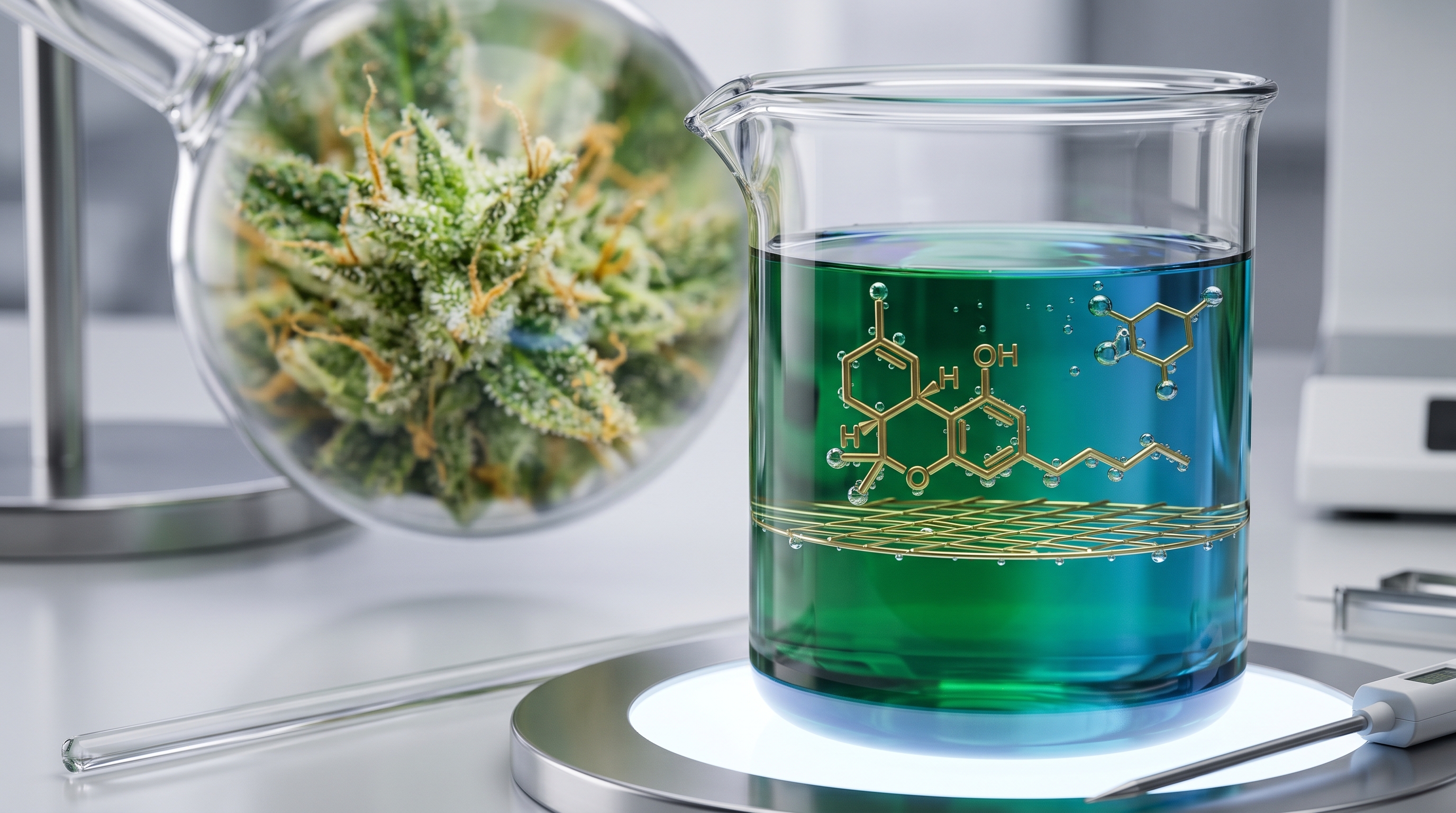
If you have ever wondered whether cannabis could help with anorexia or another eating disorder, you are asking a fair and very human question. Cannabis is famous for stoking appetite, and anorexia nervosa is, at its surface, an illness of not eating. It seems like the puzzle pieces should snap together.
They do not snap together cleanly. And before we go a single sentence further, I want to be direct with you: eating disorders are serious, sometimes life-threatening psychiatric illnesses, and nothing in this article is medical advice. Anorexia nervosa has one of the highest mortality rates of any mental health condition. If you or someone you love is struggling, please reach out to a doctor, a specialist eating-disorder team, or a crisis line. Cannabis is not a treatment plan. With that said, let’s look honestly at what the science actually shows.

First, what anorexia and eating disorders actually are
It is tempting to think of anorexia nervosa (AN) as “a person who won’t eat.” But clinicians describe it as a psychiatric disorder. It is driven by intense fear of weight gain, a distorted relationship with body image, and behaviors that resist the body’s hunger signals — severe restriction, over-exercise, sometimes purging. The not-eating is a symptom, not the root.
That distinction matters enormously for our topic. The other eating disorders — bulimia nervosa, binge eating disorder, ARFID — each have their own patterns. None of them are simply “appetite problems” that a hunger-boosting compound could fix. The frustrating truth is that AN’s danger lives partly in the mind, and appetite chemistry is only one thread of a much larger knot. (For the broader picture, see how cannabis affects serotonin and mood and what research says about cannabis, weight, and metabolism.)
So when we ask “can cannabis help anorexia,” we are really asking two separate questions: can it nudge appetite and weight, and can it touch the psychiatric core of the illness? The evidence answers those very differently.
The endocannabinoid system, appetite, and reward
Your body makes its own cannabis-like molecules — anandamide and 2-AG — that act on cannabinoid receptors. This network, the endocannabinoid system, helps regulate appetite, mood, stress, and the brain’s reward signals. It is also why cannabis affects hunger in the first place. If you have ever experienced the munchies, you have felt the CB1 receptor doing its work in the hypothalamus and reward circuitry.
THC is a CB1 agonist, which is the technical way of saying it switches on the same appetite-promoting receptor your own anandamide uses. That is the mechanistic hook for the whole idea: if AN involves blunted appetite drive, perhaps gently nudging CB1 could help. Researchers have explored which strains stimulate appetite and, interestingly, the opposite — THCV is a cannabinoid that suppresses appetite, a reminder that “cannabis” is not one uniform effect.
The reward angle is just as important. The endocannabinoid system shapes dopamine signaling and the way we experience pleasure from food. It also helps explain why cannabis hits differently on an empty stomach. In AN, food-related reward appears genuinely altered — which hints that the problem is not just “low appetite” but a deeper rewiring of how the brain values eating.
The dronabinol trials in anorexia nervosa (read this carefully)
Here is the single most-cited piece of evidence, and I want to hedge it heavily because it is small.
Andries and colleagues [Andries, 2014] ran a randomized, double-blind, placebo-controlled crossover trial in Denmark. Twenty-five women took part, with 24 completing it. All had severe, enduring anorexia of at least five years’ duration. They received dronabinol (a synthetic THC) at 2.5 mg twice daily for four weeks, and a matching placebo for four weeks, with a washout in between. The result: during the dronabinol phase, participants gained about 0.73 kg above placebo (p<0.01), with no significant psychotropic adverse events.
Real, statistically significant, well-tolerated — and also tiny. Under a kilogram, in two dozen chronically ill women, over four weeks. Crucially, the scores on the Eating Disorder Inventory-2 — the psychological core of the illness — did not significantly improve. The drug nudged the scale; it did not touch the disorder’s mind.
A companion analysis [Andries et al., 2015] found dronabinol modestly increased the intensity of physical activity by about 20%. In a population already prone to compulsive over-exercise, that is not obviously good news — it underscores how a “more appetite” intervention can have crosswinds in AN.
And it gets more cautionary. The earliest controlled trial, Gross et al. [Gross, 1983], tested delta-9-THC directly in AN. It reported severe adverse reactions in some patients, including paranoid ideation and feelings of loss of control. Those are exactly the experiences that could destabilize someone whose illness is built around control and anxiety.
A 2023 scoping review [Scoping, 2023] pulled together the cannabinoid-treatment studies — just three studies and five reports, with sample sizes from a single case to 24 people. It concluded the evidence is genuinely mixed: some weight gain and symptom benefit, but also null effects and harms. None of those studies tested CBD. Researchers note CBD might theoretically blunt THC’s anxiety without losing the appetite effect, but that is hypothesis, not proof.

What’s actually broken: endocannabinoid dysregulation in AN
If THC works through CB1, you would expect the endocannabinoid system itself to be off-kilter in AN. It appears to be — and in complicated ways.
Brain imaging tells part of the story. A PET study by Ceccarini and colleagues [Ceccarini, 2016] measured CB1 receptor availability across 54 patients with food-intake disorders. Receptor availability was inversely linked to BMI. In patients, this extended across the mesolimbic reward system, not just appetite centers. Other work has reported elevated CB1 availability in the insula in AN — possibly a way the brain tries to compensate for chronic hunger.
The endocannabinoids themselves look dysregulated too. Monteleone and colleagues [Monteleone, 2012] showed that the normal endocannabinoid response to “hedonic eating” — eating favorite foods purely for pleasure — is deranged in AN, both when underweight and after weight restoration. A pilot study found anandamide levels were significantly lower in AN patients and stayed abnormal even after weight recovery — a hint that this is not merely a consequence of starvation. More recent work has even identified coordinated epigenetic changes in the CNR1 (CB1) and FAAH genes that would, together, reduce overall endocannabinoid tone.
This connects to the broader idea of endocannabinoid tone and theories of clinical endocannabinoid deficiency. Tantalizing — but research suggests “the system is dysregulated” is a long way from any claim that added THC could resolve the disorder. Dysregulation may mean the system is already trying to compensate, and external cannabinoids may not push it in a helpful direction.
A very different story: cancer and HIV-related anorexia
It’s worth separating AN from a completely different clinical situation: the appetite loss and wasting (cachexia) that come with cancer or HIV/AIDS. People often blur these together, but the evidence base — and the biology — are distinct.
Dronabinol is actually FDA-approved for anorexia and weight loss in HIV/AIDS. There, it works as a straightforward appetite stimulant for people whose drive to eat has been suppressed by illness or medication. A systematic review and meta-analysis [Mücke et al., 2018] found cannabinoids superior to placebo for weight gain and appetite in HIV patients, though not in cancer. Dronabinol’s place in HIV care has been reviewed in detail [Badowski, 2018]. For cancer-related symptoms like appetite loss, nausea, and pain, the cannabinoid evidence is weaker and inconsistent — multiple meta-analyses of cancer cachexia found no high-quality evidence of benefit for appetite or weight, and one even flagged possible declines in quality of life.
Why does this matter for AN? Because the cancer/HIV story is one of biology suppressing a normal appetite — and even there the evidence is shaky. Anorexia nervosa is a psychiatric illness overriding appetite. They are not the same problem, and you cannot transplant the (modest, FDA-approved) HIV indication onto AN.
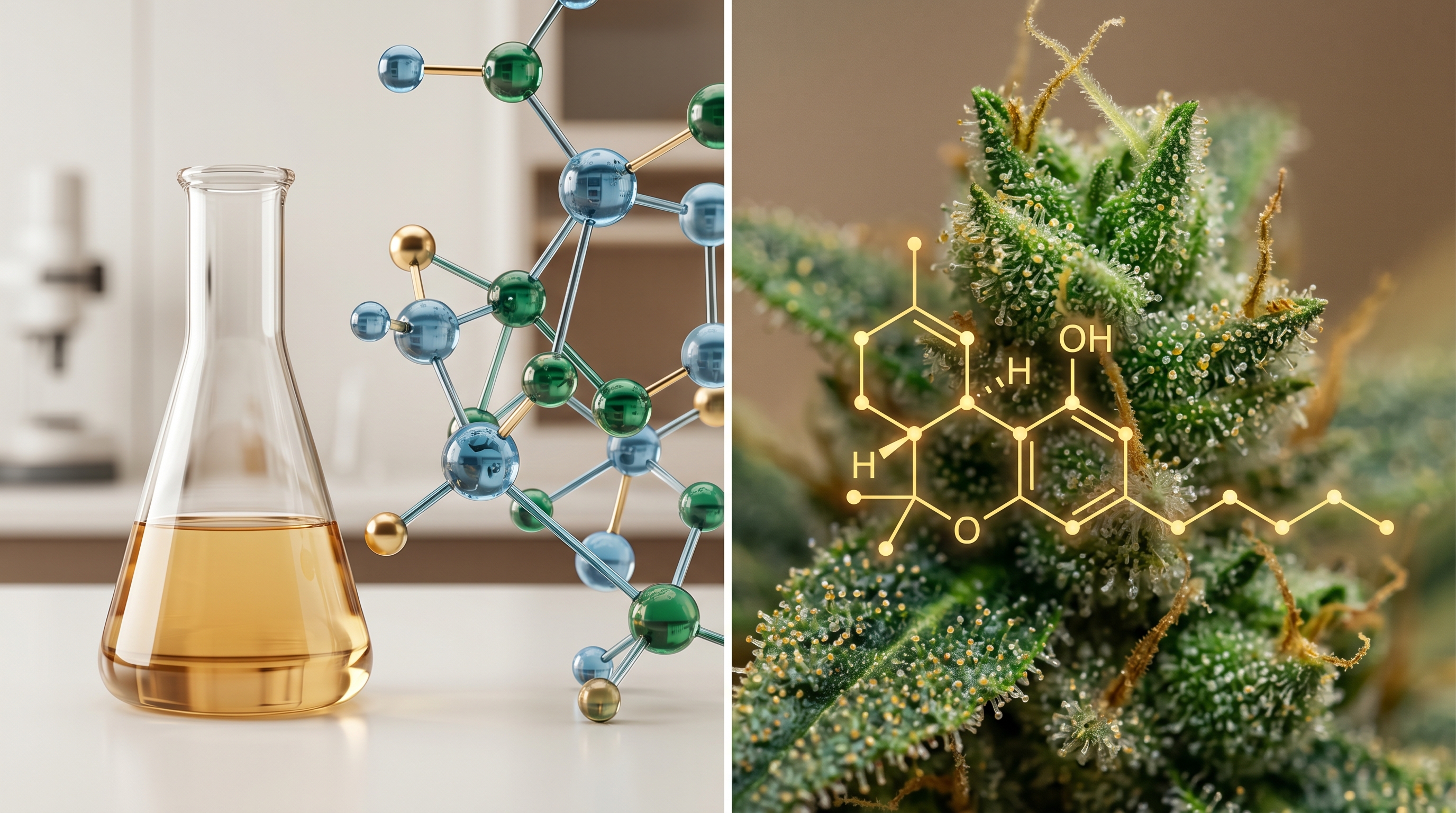
Why cannabis is not a standalone treatment — and the real risks
Let me be blunt, in true Professor High fashion: the science does not support cannabis or THC as a treatment for anorexia nervosa or any eating disorder. Here’s the honest accounting.
- The effect is small and narrow. The best trial moved weight by under a kilogram and left the psychological illness untouched.
- AN is psychiatric, not appetite-driven. No appetite chemical addresses fear of weight gain, body-image distortion, or the behaviors that maintain the disorder. Those need evidence-based psychotherapy and specialist care.
- THC can backfire. Anxiety and paranoia are real cannabis risks, and in a population built around anxiety and control, that’s dangerous. The 1983 trial saw exactly this.
- There are genetic and behavioral links between AN risk and cannabis use disorder, plus documented cases of compensatory behaviors and cannabinoid hyperemesis syndrome with chronic use.
- Cannabis is not benign for everyone. Effects vary hugely person to person, and self-medicating a serious illness can delay the care that actually saves lives.
The promising-sounding biology — dysregulated endocannabinoid tone, CB1 changes in reward circuits — is a reason to fund careful research, not a reason to reach for a pre-roll.
Please talk to a professional — and seek help
If this article resonated because you or someone close to you is struggling, that’s the most important sentence here: eating disorders are serious, and help works. Recovery happens, especially with early, specialized treatment.
Talk to a doctor before changing anything about your health, and please don’t use cannabis as a substitute for care. In the US, you can reach the National Alliance for Eating Disorders helpline or call/text 988 (Suicide and Crisis Lifeline) if you’re in distress. Outside the US, search for your national eating-disorder association. You deserve real support, not a workaround.
Frequently asked questions
Does cannabis cure anorexia? No. Research suggests it does not. One small trial showed minor weight gain from synthetic THC, but no improvement in the psychological illness itself. There is no evidence to support cannabis as a remedy here.
Is THC FDA-approved for any kind of anorexia? Yes, but only for anorexia and weight loss in HIV/AIDS — a different clinical situation from anorexia nervosa. It is not approved for eating disorders.
Could CBD help instead of THC? It’s an open research question. CBD may reduce anxiety, which is theoretically appealing, but no published trials have tested CBD in anorexia nervosa. There is no evidence to recommend it.
Why does cannabis cause munchies but not “cure” anorexia? The munchies are a short-term appetite nudge. Anorexia nervosa is a psychiatric disorder where fear and distorted body image override hunger — a temporary appetite boost doesn’t address that core.
Is it safe to use cannabis if I have an eating disorder? Talk to your doctor. There are documented risks, including anxiety, paranoia, and behavioral complications, and self-medicating can delay effective treatment.
Key takeaways
Cannabis and anorexia share a real biological connection through the endocannabinoid system — but a shared mechanism is not a treatment. The clinical evidence is limited, mixed, and modest at best, and eating disorders are serious psychiatric illnesses that need professional, evidence-based care. If you take one thing from Professor High today: be curious about the science, and be careful with your health. Reach out for help.
This article is educational and not medical advice. Always consult a qualified healthcare provider.
Sources
- Andries A, Frystyk J, Flyvbjerg A, Støving RK. (2014). Dronabinol in severe, enduring anorexia nervosa: a randomized controlled trial. International Journal of Eating Disorders, 47(1), 18–23. DOI: 10.1002/eat.22173
- Andries A, Gram B, Støving RK. (2015). Effect of dronabinol therapy on physical activity in anorexia nervosa: a randomised, controlled trial. Eating and Weight Disorders, 20(1), 13–21. DOI: 10.1007/s40519-014-0132-5
- Gross H, Ebert MH, Faden VB, et al. (1983). A double-blind trial of delta-9-tetrahydrocannabinol in primary anorexia nervosa. Journal of Clinical Psychopharmacology, 3(3), 165–171. PMID: 6308069
- Scoping review: The relationship between cannabis and anorexia nervosa. (2023). Journal of Eating Disorders. DOI: 10.1186/s40337-023-00887-9
- Ceccarini J, et al. (2016). Association between cerebral cannabinoid-1 receptor availability and body mass index in patients with food intake disorders and healthy subjects: a [18F]MK-9470 PET study. Translational Psychiatry, 6, e1163. DOI: 10.1038/tp.2016.118
- Monteleone AM, et al. Deranged endocannabinoid responses to hedonic eating in underweight and recently weight-restored patients with anorexia nervosa. American Journal of Clinical Nutrition. DOI: 10.3945/ajcn.115.110817
- Badowski ME, Yanful PK. (2018). Dronabinol oral solution in the management of anorexia and weight loss in AIDS and cancer. Therapeutics and Clinical Risk Management, 14, 643–651. DOI: 10.2147/TCRM.S126849
- Mücke M, et al. (2018). Systematic review and meta-analysis of cannabinoids in palliative medicine. Journal of Cachexia, Sarcopenia and Muscle, 9(2), 220–234. DOI: 10.1002/jcsm.12273


