Why the Same Strain Hits You Differently Each Time
The science behind inconsistent cannabis experiences, from terpene batch variation to your endocannabinoid system state.

Professor High
Your friendly cannabis educator, making science accessible since day one.
You Are Not Imagining It
You have been there. You pick up your favorite strain – the one that always leaves you feeling creative and chatty – and this time it pins you to the couch like a weighted blanket made of gravity. Same dispensary, same label, same name on the jar. So what changed?
Here is the surprising truth: almost everything could have changed, and most of it has nothing to do with the flower itself.
Cannabis is one of the most chemically complex plants humans consume. A single cultivar can contain over 500 distinct chemical compounds, including more than 100 cannabinoids, over 200 terpenes, and dozens of flavonoids and other bioactive molecules. But the variability does not stop at the plant. Your body – specifically your endocannabinoid system (ECS) – is a moving target too. It shifts based on your sleep, your stress, what you ate, your hormonal cycle, and even how often you have consumed cannabis recently.
The experience of getting high is not just about what is in the joint. It is about the collision between a wildly variable plant and a constantly changing body.
In this article, we are going to unpack every major factor that explains why the same strain can feel completely different from one session to the next. We will cover the plant-side chemistry, the body-side biology, the environmental wildcards, and the testing system that is supposed to keep it all honest. By the end, you will understand why chasing a perfectly repeatable high is a bit like trying to step in the same river twice – and what you can actually do to get more consistent results.
Factor 1: The Plant Is Never Exactly the Same
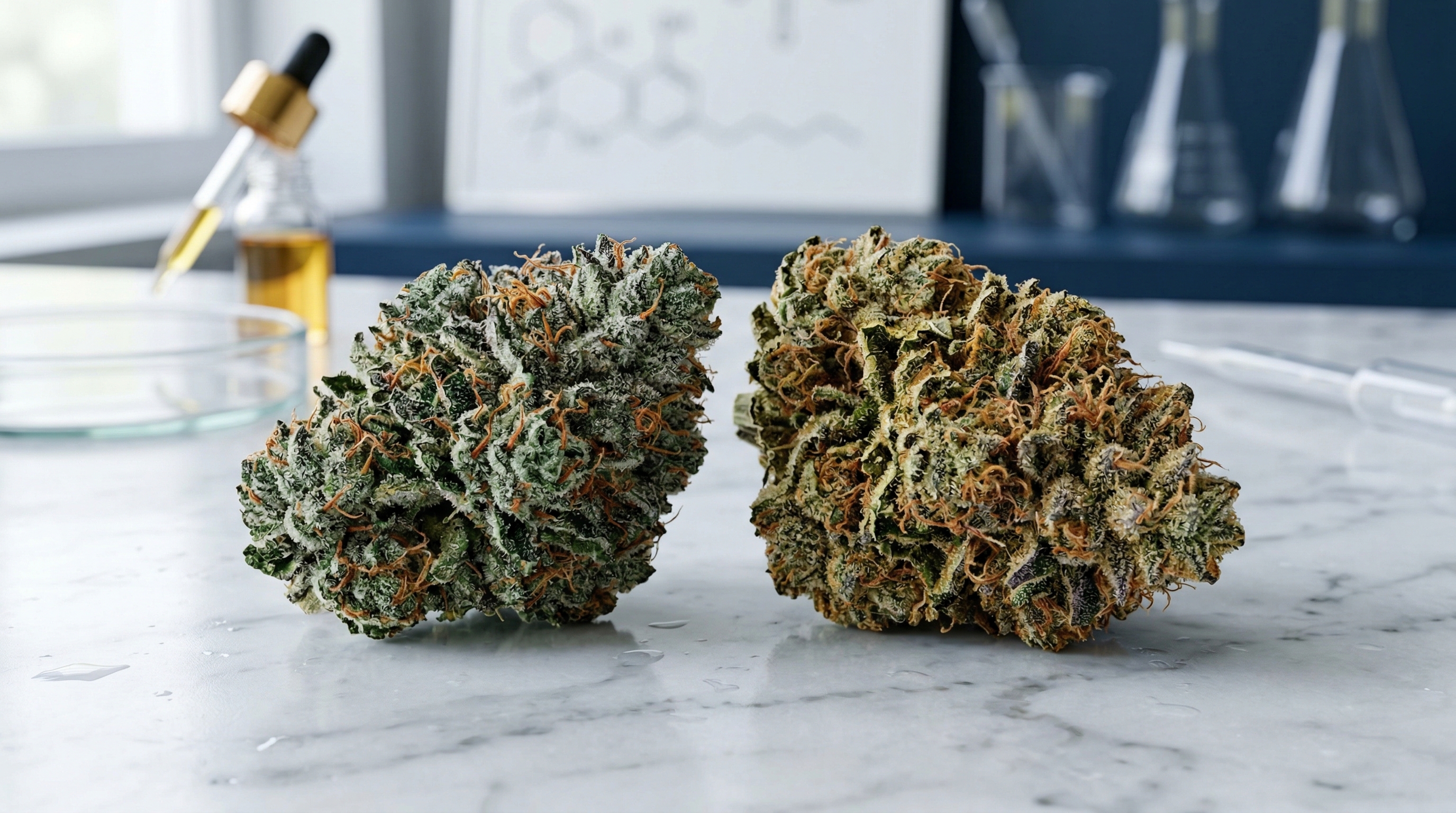
Let us start with the most straightforward variable: the cannabis itself. Even when you buy the “same strain” twice, you are almost certainly not getting an identical chemical product.
Strain Names Are Marketing, Not Chemistry
A strain name is essentially a brand label, not a precise chemical specification. This is not an exaggeration – it is a conclusion backed by rigorous genetics research.
A landmark 2021 study published in Nature Plants analyzed over 100 cannabis samples using 116,296 genetic markers and found that samples labeled as Indica and Sativa were genetically indistinct on a genome-wide scale (Watts et al., 2021). Even more damning: samples sharing identical cultivar names like OG Kush were often as genetically and chemically distant from each other as samples with completely different names.
The researchers found that of 40 measured compounds, only 12 (30%) showed any statistically significant correlation with the Indica-Sativa labeling scale. The strongest correlation was with myrcene – and even that explained only 21.2% of labeling variation. In other words, the labels you rely on to predict your experience are barely better than a coin flip.
This is one reason we developed the High Families classification system. Rather than relying on a strain name or an Indica/Sativa label to predict your experience, High Families group cannabis by dominant terpene profiles and the type of experience they tend to produce. It is a more reliable compass than a name on a jar.
Phenotype Variation: Same Genetics, Different Plants
Even when cannabis plants share identical genetics, they can express remarkably different chemical profiles. Think of it like identical twins raised in different environments – same DNA, different outcomes.
A comprehensive study of cannabis terpene synthase genes identified 33 different terpene synthase (CsTPS) genes across cultivars, with each showing elevated expression in at least one cultivar variety (Booth et al., 2020). The study found “as much variation among plants with the same cultivar label as between plants labeled as different cultivars.” This is not minor drift – it is a fundamental challenge to the idea that a strain name guarantees a specific experience.
The genetic architecture of terpene production is controlled by specific chromosomal regions. Three key clusters on chromosomes 5 and 6 control the production of major terpenes like myrcene, guaiol, and eudesmol. But these gene clusters can be expressed differently depending on growing conditions, developmental stage, and even the individual plant’s epigenetic state.
Growing Conditions Reshape the Chemistry
The environment a plant grows in can dramatically alter its chemical output. A 2023 study comparing genetically identical cannabis plants grown indoors versus outdoors found striking differences (PMC, 2023):
- Outdoor samples showed substantially higher levels of sesquiterpenes like beta-caryophyllene, humulene, alpha-bergamotene, and germacrene B
- Indoor samples had significantly more oxidized and degraded cannabinoids, with over two orders of magnitude more CBNA compared to CBN
- One indoor-grown cultivar completely lacked beta-myrcene, a major monoterpene responsible for the sedating “couch lock” effect associated with many Relaxing High strains
The researchers concluded that genetically identical plants grown under artificial light produce “markedly different chemical profiles” compared to those grown in natural sunlight and living soil. The implications are significant: the Blue Dream from an indoor facility in Colorado and the Blue Dream from an outdoor farm in California could be chemically distinct products.
Environmental factors that shift a plant’s chemistry include:
- Light spectrum and intensity during flowering – UV exposure increases terpene production as a protective response
- Temperature and humidity fluctuations – heat stress can degrade monoterpenes while concentrating sesquiterpenes
- Soil microbiome and nutrient availability – organic growing methods produce different terpene expressions than hydroponic systems
- Harvest timing – even a few days’ difference changes cannabinoid and terpene ratios. Mature flowers contain 9.3-13.6 mg/g of terpenes compared to 4.9-7.3 mg/g in juvenile flowers
- Curing and storage conditions post-harvest – improper curing destroys volatile terpenes
Terpene Volatility: The Disappearing Act
Here is a factor most people overlook: terpenes are volatile compounds, meaning they evaporate at room temperature. From the moment a cannabis flower is harvested, its terpene profile begins to degrade.
Monoterpenes like limonene and myrcene – which play major roles in the Uplifting High and Relaxing High families, respectively – are especially prone to evaporation. A jar of flower that has been sitting on a dispensary shelf for months has a measurably different terpene composition than the same batch tested on day one.
Cannabis flowers in the vegetative stage contain a “much lower proportion of monoterpenes than the flowering stage,” and this ratio continues to shift post-harvest as the more volatile monoterpenes evaporate first (Sommano et al., 2020). This means that same jar of Girl Scout Cookies might be a different chemical product by the time you finish it compared to when you opened it.
Five cannabis chemotypes have been identified based on dominant terpene profiles: myrcene-dominant, pinene-dominant, caryophyllene-and-limonene, caryophyllene-dominant, and terpinolene-dominant. But these categories represent snapshots – the actual profile is a moving target that shifts with every day of storage.
Factor 2: Your Body Is Never Exactly the Same
Now let us flip to the other half of the equation: you.

The Endocannabinoid System Is Dynamic
Your endocannabinoid system (ECS) is the biological network that THC and other cannabinoids interact with. It consists of two primary receptor types – CB1 (concentrated in the brain and central nervous system) and CB2 (found throughout the immune system and peripheral tissues) – along with endogenous cannabinoids your body produces naturally, like anandamide and 2-AG.
The critical insight is that your ECS is not static. It is a homeostatic regulator, constantly adjusting to maintain balance. The density and sensitivity of your CB1 receptors fluctuate based on numerous factors, meaning no two cannabis sessions start from the same biological baseline.
Tolerance: The 0.5% Problem
If you consume cannabis regularly, your CB1 receptors undergo a process called downregulation – they become less numerous and less responsive. A landmark 2012 brain imaging study using PET scans showed that daily cannabis users had significantly reduced CB1 receptor availability compared to non-users, particularly in cortical regions (Hirvonen et al., 2012).
Recent research from Frontiers in Pharmacology has quantified this with unprecedented precision: patients experienced approximately a 0.5% decrease in symptom relief with each subsequent cannabis session (Frontiers, 2025). While that sounds small, it compounds. After 100 daily sessions – roughly three months – you might experience roughly half the effect from the same dose.
The same study found that patients adapted by increasing their dose consumed rather than seeking higher-THC products. But here is the hopeful part: CB1 receptor density begins recovering within just 48 hours of abstinence, with substantial normalization by about four weeks. Your brain wants to return to baseline – you just need to give it the opportunity.
For a complete guide on managing this process, see our Cannabis Tolerance Breaks guide.
Sleep, Stress, and Hormones
Your ECS does not exist in isolation – it is deeply intertwined with other biological systems:
- Sleep deprivation alters endocannabinoid signaling. Research shows that poor sleep elevates 2-AG levels, which changes how exogenous cannabinoids like THC interact with your system (Hanlon et al., 2016)
- Chronic stress affects CB1 receptor density in the prefrontal cortex and amygdala, potentially shifting the emotional and cognitive effects of cannabis. If you are stressed, that Gelato might trigger anxiety rather than relaxation
- Hormonal fluctuations – including those related to menstrual cycles – modulate endocannabinoid tone. Estrogen appears to enhance sensitivity to THC, meaning the same dose could feel stronger or weaker depending on hormonal state (Craft et al., 2013)
- Age matters too. The endocannabinoid system changes throughout life, with CB1 receptor density and endocannabinoid levels shifting across different life stages (MDPI, 2024)
Food, Metabolism, and Bioavailability
What you have eaten (or have not) matters more than most people realize. THC is lipophilic – it dissolves in fat. Consuming cannabis on an empty stomach versus after a fatty meal can alter absorption rates, onset timing, and peak intensity.
Your metabolic rate, body composition, and hydration status all influence how cannabinoids are processed. This is why the same Sour Diesel can feel like a rocket ship on a Saturday morning before breakfast but barely register after a heavy dinner.
For a deeper understanding of how different consumption methods affect bioavailability, see our guide on Cannabis Consumption Methods Ranked by Bioavailability. And for the science of why edibles feel so different, check out Why Edibles Hit Harder.
Factor 3: Set and Setting
Borrowed from psychedelic research, the concept of set and setting applies powerfully to cannabis. Your mindset (set) and your physical/social environment (setting) shape the subjective experience of any psychoactive substance.
Think of it this way: the same Wedding Cake consumed alone on your couch while you are anxious about work is going to feel profoundly different from that same strain shared with friends at a sunny backyard gathering. Your nervous system sets the stage; cannabis amplifies what is already playing.
Research has confirmed that contextual factors – including mood, social company, and physical location – are significant predictors of whether a cannabis session is experienced as positive or negative, independent of the product consumed. This is why a strain that was amazing on vacation might feel mediocre in your living room. The cannabis did not change. You did.
This is particularly relevant for strains in the Energizing High family. Terpinolene-dominant cultivars like Jack Herer or Dutch Treat tend to amplify existing mental states. If you are already energized and social, they can be electrifying. If you are anxious and overstimulated, they might push you into uncomfortable territory.
For practical strategies on managing this, see our Cannabis and Anxiety guide.
Factor 4: The Testing System Is Broken
Even the numbers on the label might not be telling you the truth.
THC Inflation Is Rampant
A 2025 study published in Scientific Reports by researchers at the University of Colorado Boulder found that only 56.7% of cannabis flower products were accurately labeled within a 15% accuracy threshold for THC content (Nature, 2025). The vast majority of inaccurately labeled products were over-labeled – meaning the label claimed more THC than was actually present.
This is not a fringe finding. A separate study of 107 recreational flower products collected by law enforcement across California, Oregon, and Colorado found over 70% fell outside a 20% accuracy threshold for THC potency. Of these inaccurately labeled products, all but one were over-labeled.
A 2024 investigation by Ripple, a Colorado cannabis manufacturer, found even worse results: identical samples sent to different testing labs returned THC values varying by up to 38%. One flower sample returned values ranging from 15.8% to 22.8% depending on the lab. The company’s CEO called the results “staggeringly bad.”
Why Labs Get It Wrong
The problems are systemic:
- “Lab shopping” – producers send samples to labs known to return higher numbers
- Sample heterogeneity – different parts of the same plant test differently. Research shows that tops and middles of cannabis plants produce higher THC than bottom sections, and this variation is statistically significant
- Chromatographic interference – a 2025 NIST study found that compounds like CBNA and synthetic delta-8-THC byproducts can inflate delta-9-THC readings in common testing methods (NIST, 2025)
- Lack of standardized methods – unlike pharmaceutical testing, cannabis testing lacks federal oversight and mandatory method standardization
What This Means for You
That jar labeled at 28% THC? It might actually test at 20%. Or 32%. There is no way to know without independent verification. This uncertainty is yet another variable contributing to inconsistent experiences. The 28% THC Gorilla Glue that absolutely floored you last month might have actually been 22% – and the “same” batch you bought this time could test at 25% from a different lab.
For a deeper exploration of this issue, see our article on THC Percentage Is a Terrible Way to Choose Cannabis and How to Read Cannabis Lab Results.
Factor 5: The Entourage Effect Multiplies the Variability
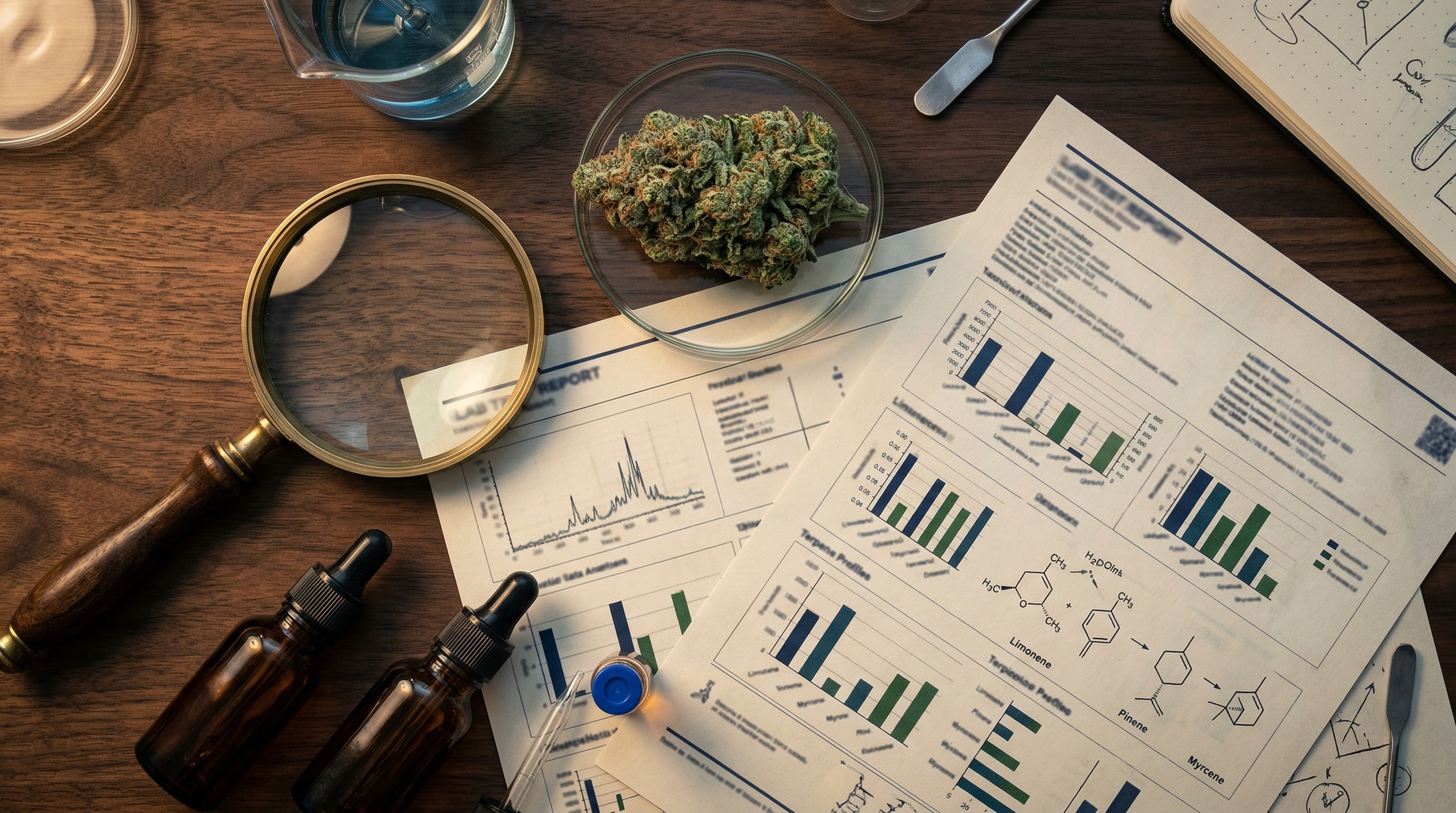
All of these variables converge through what is known as the entourage effect – the theory that cannabis compounds work synergistically, with the overall experience shaped by the full ensemble of cannabinoids, terpenes, and flavonoids rather than any single molecule (Russo, 2011).
Research confirms that “phytocannabinoid-terpenoid synergy could enhance the treatments of pain, inflammation, depression, anxiety, addiction, epilepsy, cancer, fungal, and bacterial infections” – but this synergy works in both directions. When the ensemble changes, the experience changes.
Consider the terpene beta-caryophyllene, the most abundant sesquiterpene in cannabis. It functions as “an agonist with the CB2 receptor without psychoactivity.” If your batch happens to be particularly high in caryophyllene, it could shift the entire experience toward a more body-focused, anti-inflammatory effect. If the next batch is lower in caryophyllene but higher in limonene – which elevates serotonin and dopamine – the same strain name could feel more cerebral and uplifting.
And then there is the myrcene threshold. Research suggests that if the level of myrcene exceeds 0.5%, it may result in a “couch lock” effect, while low levels can produce a higher energy experience (Sommano et al., 2020). Since myrcene content can swing based on growing conditions and storage, the same strain could land on either side of this threshold from batch to batch.
Additionally, modulated biological effects from terpenes only occur “when the concentration of the terpene in the full-spectrum cannabis extract is above 0.05% v/w.” If terpene degradation drops a key compound below this threshold, the entourage effect changes – and so does your experience.
If the entourage effect is an orchestra, then variability in any section – whether the terpene violins are evaporating from the jar, or your CB1 receptor brass section is downregulated from heavy use – changes the entire symphony.
Practical Implications: What You Can Actually Do
So if perfect consistency is impossible, what can you do to get more predictable results? Quite a lot, actually.
1. Shop by Chemistry, Not by Name
Stop chasing strain names and start reading lab test results. Look for the cannabinoid percentages (THC, CBD, CBG) and the dominant terpene profile. This is exactly the approach behind our High Families system – matching the terpene chemistry to the experience you are seeking.
For example, if you want a consistently relaxing experience, look for strains high in myrcene that fall into the Relaxing High family, like Granddaddy Purple or Northern Lights. If you want focused creativity, look for pinene-forward cultivars in the Creative High family. The name on the jar matters far less than the chemical profile inside it.
2. Control Your Baseline
Since your body’s state is a major variable, pay attention to your baseline before consuming:
- Sleep: Are you well-rested or running on fumes? Sleep deprivation changes your endocannabinoid tone
- Food: Have you eaten? A small fatty snack 30-60 minutes before can help moderate absorption
- Stress: Are you calm or wound up? Consider a few minutes of deep breathing or light exercise before your session
- Hydration: Dehydration intensifies uncomfortable side effects like dry mouth and dizziness
- Recent consumption: How long since your last session? Even a 24-hour gap allows some CB1 receptor recovery
3. Keep a Cannabis Journal
This might sound nerdy, but it is the single most effective tool for understanding your personal patterns. Track:
- The product name and any available lab data (THC/CBD percentages, dominant terpenes)
- Time of day, what you ate, how you slept
- Your mood and energy level before consuming
- The method of consumption and dose
- The experience itself – onset, peak, duration, character
After a few weeks, patterns will emerge that no amount of general advice can replicate. You will become your own best expert. (Our app, High IQ, is built for exactly this kind of tracking.)
4. Manage Your Tolerance Intentionally
If you notice your experiences becoming muted or inconsistent, a short tolerance break can make a meaningful difference. Even 48-72 hours allows CB1 receptor recovery to begin. For a complete protocol, see our tolerance break guide.
Alternatively, rotating between different High Families may help prevent the specific receptor adaptation that comes from consuming the same terpene-cannabinoid profile repeatedly. If you have been smoking myrcene-heavy indicas all week, switch to a terpinolene-dominant sativa like Durban Poison – the different terpene-receptor interactions may feel notably different.
5. Buy Fresh and Store Properly
Since terpene degradation is a major source of variability:
- Ask your dispensary about harvest and packaging dates
- Store cannabis in airtight, opaque containers away from heat and light
- Keep humidity controlled with a boveda pack at 58-62% relative humidity
- Do not grind flower until immediately before use – grinding dramatically accelerates terpene evaporation
For detailed guidance, see our Complete Guide to Storing Cannabis.
6. Respect the Variability
Sometimes the best approach is simply adjusting your expectations. Cannabis is a natural product interacting with a living, changing body. Embracing that variability – rather than fighting it – can actually make your relationship with cannabis more mindful and enjoyable.
The bottom line: You are not consuming a pharmaceutical with a precise, repeatable mechanism. You are engaging with one of nature’s most complex plants through one of your body’s most dynamic systems. Variability is not a bug – it is the fundamental nature of the experience.
Key Takeaways
- Strain names are unreliable predictors. Genetic studies show samples with the same name can be as chemically different as samples with different names. Indica and Sativa labels are genetically meaningless.
- Growing conditions reshape chemistry. Light, temperature, soil, and harvest timing all alter terpene and cannabinoid profiles – even in genetically identical plants.
- Your endocannabinoid system is a moving target. Sleep, stress, hormones, food, and tolerance all change how your CB1 and CB2 receptors respond from session to session.
- Set and setting shape the experience. Your mood, environment, and social context matter as much as the product itself.
- Lab testing is unreliable. Over 40% of flower products have inaccurate THC labels, and results can vary by up to 38% between labs.
- Terpenes degrade over time. Volatile monoterpenes evaporate during storage, fundamentally changing the chemical profile of your flower.
- Shop by terpene profile, not strain name. Using systems like High Families gives you a more reliable framework for predicting effects.
FAQs
Can two batches of the same strain really be that different?
Absolutely. Research shows as much variation among plants with the same cultivar label as between plants labeled as different cultivars (Booth et al., 2020). Growing conditions, phenotype expression, harvest timing, and post-harvest handling all contribute. A genetically identical Purple Punch grown indoors under LED lights will have a measurably different terpene profile than one grown outdoors in natural sunlight.
Does tolerance explain most of the inconsistency?
Tolerance is a major factor, but far from the only one. CB1 receptor downregulation from regular use certainly blunts and alters effects, but even people who consume infrequently report session-to-session variability. Your sleep quality, stress levels, hormonal state, what you ate, and how the flower was stored all play significant roles.
Is Indica vs. Sativa a reliable way to predict effects?
No. The Indica/Sativa distinction describes plant morphology (how the plant grows), not its chemical profile or effects. A 2021 Nature Plants study found these labels were “genetically indistinct” at the genome level. A more reliable approach is to look at the actual terpene and cannabinoid composition. Our High Families system was designed specifically for this purpose.
How long does a tolerance break need to be?
Brain imaging research suggests CB1 receptor availability begins recovering within about 48 hours of abstinence, with more substantial normalization occurring over four weeks (Hirvonen et al., 2012). Even a short 48-72 hour break may noticeably shift your experience, though individual results vary.
Why did my favorite strain suddenly cause anxiety?
Several factors could be at play: your stress levels may have been elevated, the batch’s terpene profile may have shifted (less linalool, more pinene), or the THC content may have been higher than your previous purchase. Cannabis amplifies existing mental states, so the same strain can feel calming when you are relaxed and anxiety-inducing when you are stressed. See our cannabis and anxiety guide for strategies.
Should I trust the THC percentage on the label?
With significant skepticism. Research shows only 56.7% of flower products meet a 15% accuracy threshold, and most inaccurate labels over-report THC. Use the percentage as a rough guide, but prioritize the terpene profile and your own experience tracking over the number on the sticker. For more on this, read THC Percentage Is a Terrible Way to Choose Cannabis.
Sources
-
Booth, J.K., Page, J.E., & Bohlmann, J. (2020). “Terpene synthases from Cannabis sativa.” PLoS ONE, 15(6), e0235067. PMC7479917
-
Craft, R.M., Marusich, J.A., & Wiley, J.L. (2013). “Sex differences in cannabinoid pharmacology: a reflection of differences in the endocannabinoid system?” Life Sciences, 92(8-9), 476-481. PMID: 22728714
-
Frontiers in Pharmacology. (2025). “Cannabis tolerance reduces symptom relief.” Frontiers in Pharmacology. Full text
-
Hanlon, E.C., Tasali, E., Leproult, R., et al. (2016). “Sleep restriction enhances the daily rhythm of circulating levels of endocannabinoid 2-arachidonoylglycerol.” Sleep, 39(3), 653-664. PMID: 26612385
-
Hirvonen, J., Goodwin, R.S., Li, C.T., et al. (2012). “Reversible and regionally selective downregulation of brain cannabinoid CB1 receptors in chronic daily cannabis users.” Molecular Psychiatry, 17(6), 642-649. PMID: 22205724
-
Nature Scientific Reports. (2025). “Accuracy of labeled THC potency across flower and concentrate cannabis products.” Scientific Reports. Full text
-
Nature Scientific Reports. (2025). “Variability of total THC in greenhouse cultivated dried Cannabis.” Scientific Reports. Full text
-
NIST. (2025). “Chromatographic interferences potentially inflating the levels of delta-9-THC in Cannabis Sativa plant samples and possible solutions.” Journal of Chromatography A, 1748. Full text
-
Russo, E.B. (2011). “Taming THC: potential cannabis synergy and phytocannabinoid-terpenoid entourage effects.” British Journal of Pharmacology, 163(7), 1344-1364. PMID: 21749363
-
Sommano, S.R., Chittasupho, C., Ruksiriwanich, W., & Jantrawut, P. (2020). “The Cannabis Terpenes.” Molecules, 25(24), 5792. PMC7763918
-
Watts, S., McElroy, M., Migicovsky, Z., et al. (2021). “Cannabis labelling is associated with genetic variation in terpene synthase genes.” Nature Plants, 7, 1330-1334. PMC8516649
-
Zarebska-Michaluk, D., & Comparison Study. (2023). “Comparison of the Cannabinoid and Terpene Profiles in Commercial Cannabis from Natural and Artificial Cultivation.” Molecules, 28(2), 833. PMC9861703


