The Science of Terpene Synergy: Why Combinations Beat Single Compounds
Discover the peer-reviewed science behind terpene synergy — why cannabis terpene combinations produce effects no single compound can match alone.

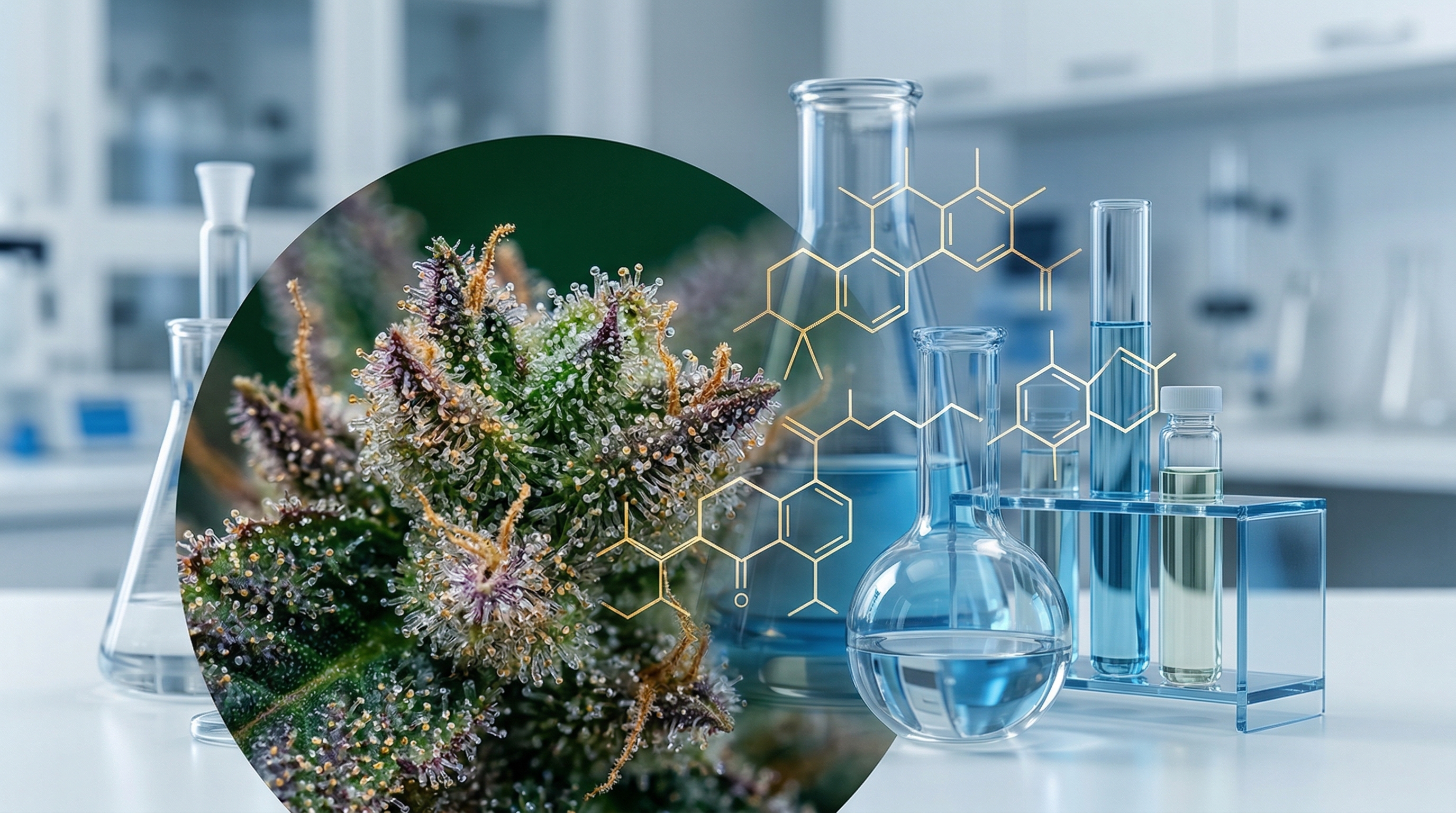
You’ve probably heard that terpenes give cannabis its smell. What most people don’t realize is that terpenes are doing something far more interesting — they’re engaging in a sophisticated chemical conversation with each other, with cannabinoids, and with your nervous system. And the most important finding emerging from cannabis science over the last decade is this: that conversation produces effects that no single compound, studied alone, could ever predict.
This is terpene synergy. It’s not a marketing term. It’s a measurable, reproducible pharmacological phenomenon backed by peer-reviewed research. Understanding it will change how you choose your cannabis.
Why “Single Compound” Science Misses the Point
Modern pharmacology has a bias toward isolation. The standard approach in drug development is: take one active molecule, purify it, test it, patent it. This has produced remarkable medicines — but it leads us astray when applied to whole-plant botanicals.
Consider what happened with cannabis. For decades, drug companies pursued THC in isolation. The result was Marinol (dronabinol) — pure synthetic THC in a capsule. Patients hated it. It felt “wrong” — overwhelming and dysphoric, without the nuanced effects of whole-plant cannabis. Meanwhile, patients using flower with the same THC level reported far more manageable experiences.
The difference wasn’t the THC. It was everything else.
When scientists began testing cannabis compounds in combination, they found something that upended decades of assumptions: the whole is measurably greater than the sum of its parts. And at the center of this discovery are terpenes.
Cannabis contains over 200 identified terpenes. Even at low concentrations — typically 0.5% to 4% of dry weight — these aromatic compounds are pharmacologically active. They cross the blood-brain barrier. They bind to receptors. They shape neurotransmitter systems. And when multiple terpenes are present at the same time, their interactions create effects that none of them produce alone.
What Synergy Means in Pharmacology
Before looking at specific combinations, it helps to be precise about what “synergy” means scientifically, because the word gets used loosely.
Additive effects happen when two compounds produce a result equal to the sum of their individual effects. If compound A reduces pain by 30% and compound B reduces pain by 30%, an additive interaction produces about 60% pain relief.
Synergistic effects happen when the combination produces a result greater than that sum. The same compounds might together reduce pain by 90% — far beyond what either could achieve alone.
Potentiation is a type of synergy where one compound amplifies another’s effects without having strong activity on its own at that dose.
Antagonism is the opposite — one compound reduces another’s effects. This can actually be useful for cutting side effects while keeping the main benefit intact.
All four of these interactions have been found in terpene research. The picture that emerges is not of passive aromatic molecules tagging along with cannabinoids. These are active pharmacological agents that fine-tune and direct the cannabis experience at a receptor level.
The Foundational Research: From Theory to Clinical Proof
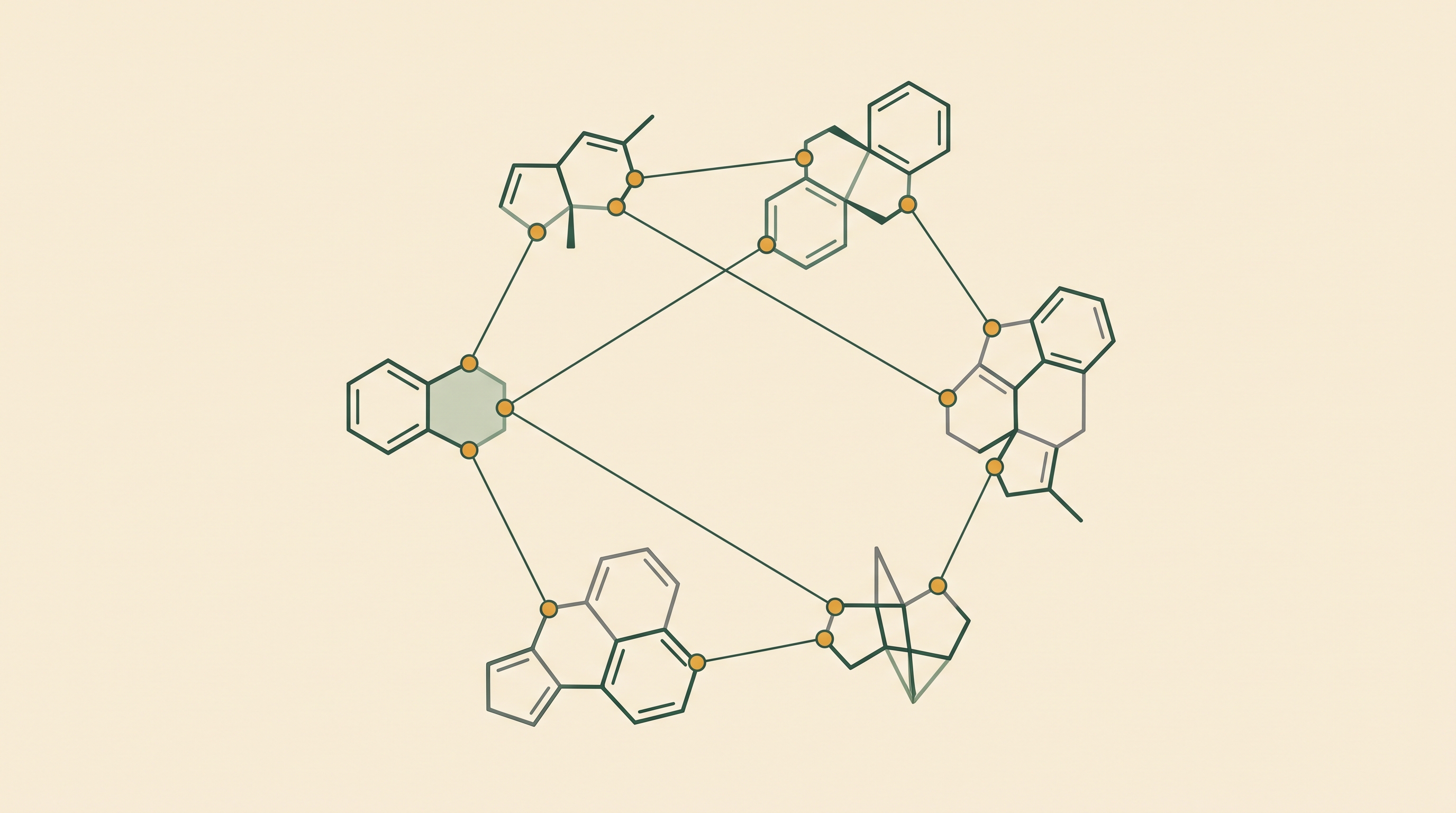
The idea of plant-compound synergy has roots in traditional medicine spanning thousands of years. Modern scientific proof came step by step, but several landmark studies stand out.
Mechoulam and the Entourage Effect (1998)
Israeli chemist Dr. Raphael Mechoulam — the man who first isolated THC in 1964 — coined the term “entourage effect” in 1998 while studying endocannabinoids [Ben-Shabat and Mechoulam, 1998]. He observed that 2-AG, a natural endocannabinoid, traveled with companion molecules that couldn’t bind to receptors on their own. Yet those “inactive” companions dramatically amplified 2-AG’s biological activity when present together.
The principle extended naturally to cannabis: its hundreds of compounds might work together in ways that no isolated compound could replicate. At the time, this was a hypothesis. Over the next two decades, it became evidence.
The Russo Review (2011): A Framework for Terpene Synergy
Neurologist and cannabis researcher Dr. Ethan Russo published a landmark review in British Journal of Pharmacology that systematically examined terpene-cannabinoid interactions [Russo, 2011]. He proposed specific mechanisms by which terpenes could modify THC and CBD effects — not metaphorically, but through identified receptor systems and neurotransmitter pathways.
His key proposals included:
- Myrcene may enhance THC’s sedative effects via GABA receptor activity and could increase blood-brain barrier permeability, allowing more THC uptake
- Limonene may modulate serotonin and dopamine, potentially countering THC-induced anxiety
- Linalool showed anxiolytic effects through GABA receptor activity — the same basic mechanism as benzodiazepines, but without their side-effect profile
- Beta-caryophyllene bound directly to CB2 receptors, making it the first dietary cannabinoid that is technically a terpene
- Alpha-pinene inhibited acetylcholinesterase — the enzyme that breaks down acetylcholine — which could counter THC’s short-term memory impairment
Each claim was grounded in published pharmacological research on the individual compounds. Russo’s contribution was connecting the dots — showing how these properties would interact when the compounds were present together in cannabis.
The Johns Hopkins Clinical Trial (2024): Human Proof
For years, terpene synergy was largely a preclinical concept — well-supported in animal models and lab studies, but lacking rigorous human clinical evidence. That changed in 2024.
Researchers at Johns Hopkins University led by Dr. Tory Spindle conducted a double-blind, placebo-controlled study examining how d-limonene modified the acute effects of THC in humans [Spindle et al., 2024]. Twenty healthy adults received vaporized THC alone (15mg and 30mg doses), d-limonene alone (15mg), and combinations of both.
The results were clear. At the 30mg THC dose — one that reliably produced significant anxiety and paranoia — the addition of d-limonene selectively and significantly reduced those adverse effects. Not slightly. Not variably. The anxiety-inducing properties of THC were measurably blunted while the psychoactive experience remained intact.
Crucially, the researchers confirmed this wasn’t a pharmacokinetic effect: blood THC levels were identical whether limonene was present or not. The terpene wasn’t preventing THC from reaching the brain — it was changing what happened when it got there. This is synergy at the receptor level.
The 2024 MDPI Pharmaceuticals comprehensive review [André et al., 2024] examined decades of entourage research. It concluded that terpenes demonstrate wide-ranging physiological effects — from anti-inflammatory to analgesic to anxiolytic — and that their co-presence with cannabinoids is a genuine pharmacological phenomenon.
The Key Synergistic Pairs: What the Research Shows
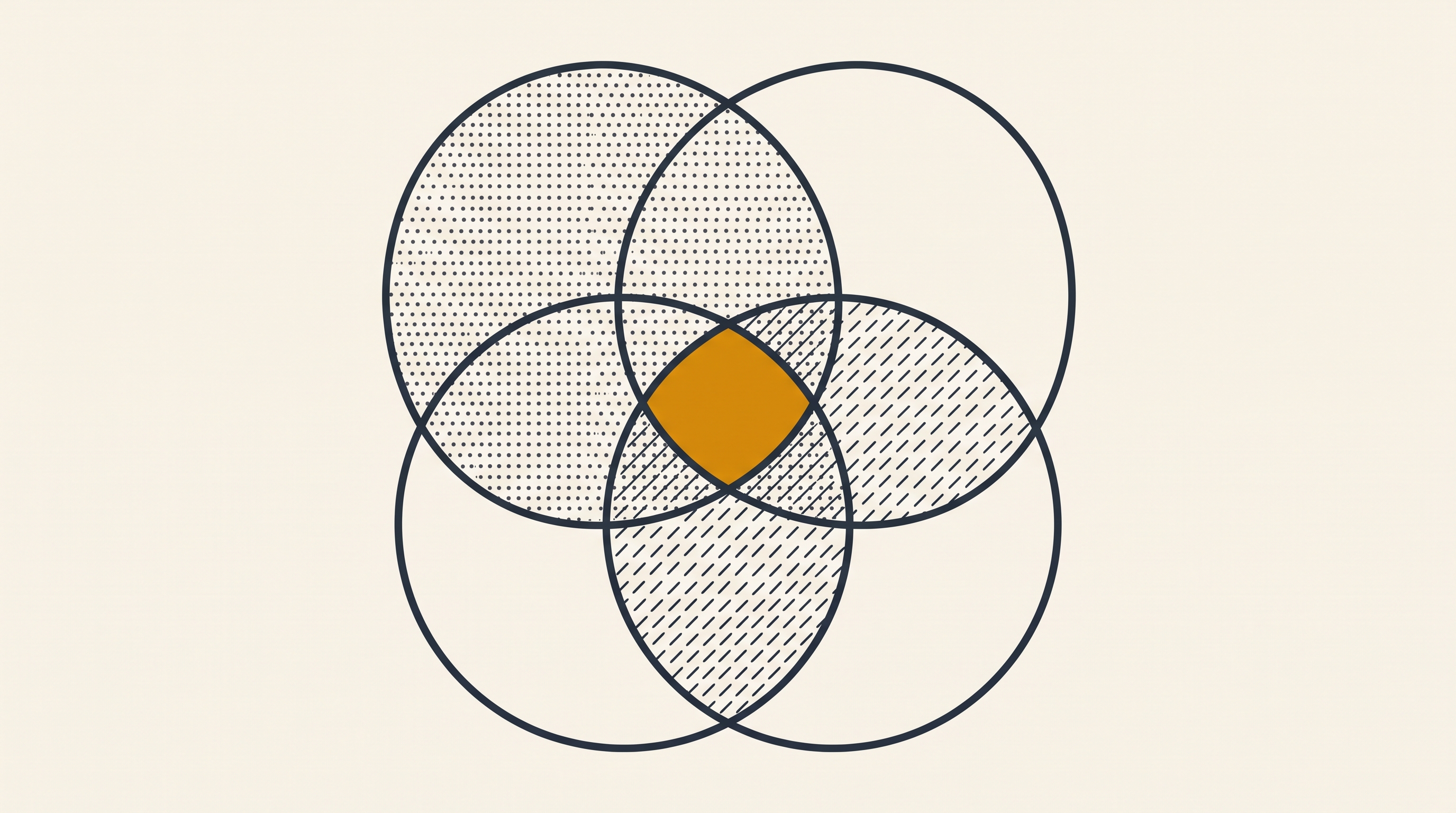
Let’s look at specific documented combinations. These are grounded in published research.
1. Limonene + THC: Anxiety Without the Edge
This is the best clinically-documented terpene synergy pair in cannabis science, thanks to the 2024 Johns Hopkins study [Spindle et al., 2024]. D-limonene works as a “THC modifier” — it preserves the euphoric, mood-elevating properties while blunting the anxiety and paranoia that high THC doses commonly produce.
The proposed mechanism involves limonene’s demonstrated ability to modulate 5-HT (serotonin) receptors, particularly 5-HT1A. THC’s anxiety-producing effects are partly mediated by serotonergic pathways; limonene’s activity on the same system appears to counter the dysregulation THC can cause at high doses.
Practical implication: Strains high in both THC and limonene tend to produce more euphoric, energetic, social highs with less anxiety than high-THC strains lacking significant limonene. This may explain why many users find citrus-forward cultivars more reliably pleasant than their potency would suggest.
2. Linalool + CBD: Synergistic Anxiolysis
A 2024 study in NeuroSci [Wagner et al., 2024] provided the first direct evidence of a synergistic interaction between linalool and CBD in an anxiety context. Researchers tested both compounds individually and in combination on mice using the elevated plus maze — the standard preclinical model for anxiety.
At sub-effective doses of both compounds (doses that produced no significant anxiety reduction when given alone), their combination produced robust, statistically significant anxiolytic effects. This is textbook pharmacological synergy: two compounds that are individually insufficient become collectively potent.
The researchers proposed that linalool and CBD modulate overlapping but distinct anxiolytic pathways — linalool primarily via GABA-A receptor activity and CBD via its complex interactions with serotonin receptors and the endocannabinoid system. The convergence of these mechanisms produces an effect neither could achieve alone at those doses.
This has real implications for CBD product formulation. Full-spectrum CBD products retaining their native linalool content may be substantially more effective at lower doses than isolate-based products — consistent with the well-documented “full-spectrum advantage” found across multiple therapeutic contexts.
3. Beta-Caryophyllene + CBD: Synergistic Pain Relief
A 2022 study in International Journal of Molecular Sciences [Blanton et al., 2022] directly examined the combination of CBD and beta-caryophyllene (BCP) on pain and inflammation. The findings were striking: the combination produced synergistic analgesic effects that exceeded what either compound achieved individually, and importantly, without the CB1-associated side effects that THC-based pain treatments often carry.
Beta-caryophyllene is unique among terpenes — it’s the only one classified as a “dietary cannabinoid” because it binds directly and selectively to CB2 receptors [Gertsch et al., 2008]. CBD, by contrast, has complex multi-receptor pharmacology including endocannabinoid reuptake inhibition and serotonin receptor activity. Together, their complementary receptor profiles create broader anti-nociceptive effects than either achieves alone.
Both compounds also reduce inflammatory cytokines independently. Together, they appear to do this through partially non-overlapping pathways, which may explain the supra-additive outcomes observed.
4. Linalool + Beta-Pinene: Antidepressant Synergy
A 2015 study in Life Sciences [Guzman-Gutierrez et al., 2015] examined the antidepressant-like mechanisms of two co-occurring terpenes: linalool and beta-pinene. Both are found in the essential oil of Litsea glaucescens, a plant used traditionally in Mexican folk medicine for depression and anxiety.
Both compounds produced antidepressant-like effects through the monoaminergic pathway — interacting with serotonin (5-HT1A) and adrenergic receptors. Crucially, they operated through partially distinct receptor subtypes: linalool primarily through 5-HT1A and alpha-2 adrenergic receptors; beta-pinene through beta-adrenergic receptors. Their combination thus modulates the monoaminergic system more broadly than either alone.
In cannabis, linalool and pinene frequently co-occur in the same cultivars. This research suggests their co-presence may contribute to the mood-elevating properties of those strains through a mechanism separate from cannabinoid activity.
5. Myrcene + Cannabinoids: The Gateway Amplifier
Myrcene is the most abundant terpene in most cannabis cultivars, and its relationship with cannabinoids is among the most studied. The traditional claim that strains with more than 0.5% myrcene produce sedative “couch-lock” effects has partial pharmacological support.
Myrcene demonstrates sedative and muscle-relaxant properties through CNS depression mechanisms, and research suggests it may enhance blood-brain barrier permeability — potentially increasing the rate at which THC and other cannabinoids reach the brain. Studies have shown that myrcene can enhance the sedative effects of barbiturates in animal models, increasing drug-induced sleeping time by up to 2.6 times. Whether a similar potentiation occurs with THC in humans remains an area of active investigation, but the mechanism is plausible and the traditional observation is pharmacologically coherent.
6. Alpha-Pinene as a Memory Protector
One of the more fascinating proposed synergies involves alpha-pinene as a natural counterweight to one of THC’s best-known side effects: short-term memory impairment.
THC produces its memory-impairing effects partly through acetylcholine inhibition. Alpha-pinene inhibits acetylcholinesterase — the enzyme that breaks down acetylcholine — which would tend to preserve acetylcholine availability and counter THC’s amnestic effects [Johnson et al., 2022]. This mechanism is proposed and not yet definitively proven in humans, but it offers a coherent explanation for why some cannabis users with high-pinene cultivars report clearer-headed experiences despite significant THC content.
[Russo, 2011] noted that combining cannabinoids with pinene-rich profiles might offer “a strategy to reduce adverse effects while retaining therapeutic benefit” — using the natural terpene profile to calibrate the experience.
Beyond Terpene Pairs: Whole-Profile Complexity
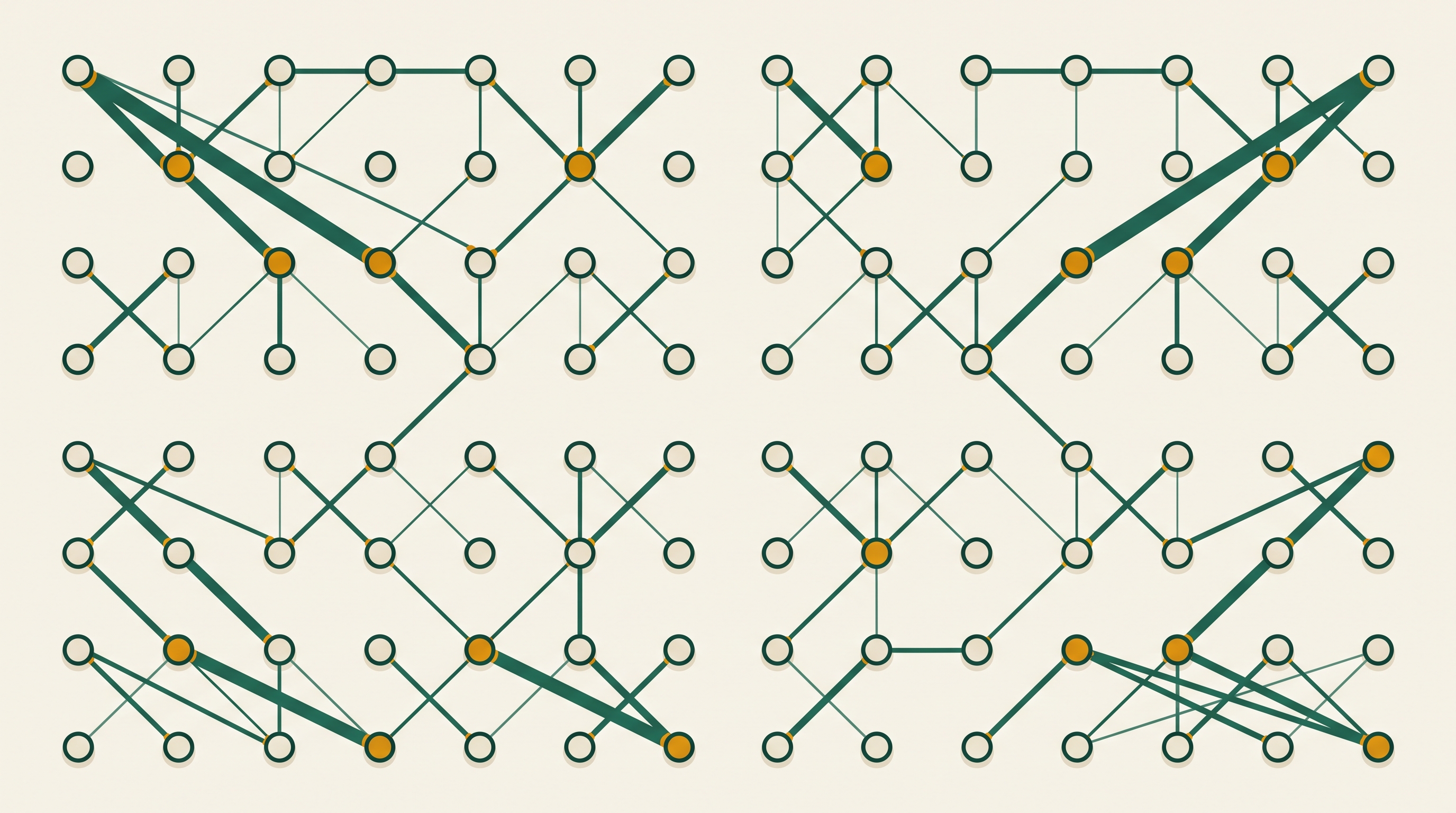
The terpene pairs discussed above are tractable because researchers can isolate and test two compounds at a time. But the actual cannabis experience involves a far more complex chemical conversation.
A typical high-quality cannabis flower contains 20–60 identifiable terpene compounds, with perhaps 5–10 present above pharmacologically meaningful thresholds. The number of possible pairwise interactions alone is enormous — and three-way, four-way, and higher-order interactions add another layer of complexity that current research is only beginning to map.
This is why the same THC percentage in two different cultivars can produce profoundly different experiences. It’s not just about the terpene profile — it’s about the specific combination of terpenes and how they interact with each other and with the cannabinoid backdrop.
The High Families Framework
This is part of why the High Families framework represents such a meaningful advance over strain-name or THC-percentage classification. Rather than grouping cannabis by arbitrary cultivar names or indica/sativa labels (which have little genetic or pharmacological meaning), High Families group cultivars by their dominant terpene profiles.
The science of terpene synergy supports this approach directly. If terpene combinations determine the qualitative character of the high more than any single compound does, then classifying cannabis by terpene family captures the most pharmacologically relevant information available to consumers.
Why “More Terpenes = Better” Isn’t Quite Right
One nuance worth emphasizing: terpene synergy isn’t simply about having more terpenes. The profile matters — the specific combination, the ratios, and how terpenes interact with cannabinoids all shape outcomes.
High-myrcene profiles without balancing terpenes like limonene or pinene may produce deep sedation that some users find uncomfortable. High-limonene profiles might produce stimulating effects that don’t suit someone seeking sleep support. The entourage effect isn’t about maximum terpene content — it’s about the right combination for the intended effect.
Research from the Lautenberg Center demonstrated this in the context of CBD: full-spectrum CBD extracts showed effective results at roughly 30mg/day, while CBD isolate required approximately 300mg/day for comparable outcomes. That’s a ten-fold difference in required dose — entirely attributable to synergistic interactions between plant compounds.
Terpene Synergy by Desired Outcome: A Research-Informed Guide
Given the growing body of evidence, here’s how to apply terpene synergy science to your cannabis choices:
For Anxiety Reduction
Target profile: High limonene + linalool, with CBD presence
The Johns Hopkins limonene-THC study [Spindle et al., 2024] and the linalool-CBD synergy research [Wagner et al., 2024] both point to the same conclusion: for anxiety management, the combination of limonene (serotonergic modulation) and linalool (GABAergic activity) alongside CBD creates a multi-pathway anxiolytic effect that isolates cannot replicate.
Limonene + linalool + CBD is arguably the best-evidenced terpene combination for anxiety in the current literature.
For Deep Relaxation and Sleep
Target profile: High myrcene + linalool, moderate humulene
Myrcene’s GABAergic sedative properties and potential cannabinoid permeability enhancement, combined with linalool’s anxiolytic and sleep-supporting effects, create a complementary sedative stack. The 2024 NeuroSci study [Wagner et al., 2024] specifically found that linalool had anxiolytic effects in female mice at relevant inhalation doses — directly applicable to cannabis consumption patterns.
For Pain Relief
Target profile: High beta-caryophyllene + CBD, with myrcene secondary
The Blanton et al. (2022) study directly demonstrated synergistic analgesia between beta-caryophyllene and CBD [Blanton et al., 2022]. The CB2 agonism of BCP combined with CBD’s anti-inflammatory and analgesic mechanisms creates broader pain coverage than either achieves alone. Adding myrcene (CB1 modulation and anti-inflammatory topical properties) completes a well-evidenced pain-relief terpene stack.
For Focus and Cognitive Clarity
Target profile: High alpha-pinene + terpinolene, lower myrcene
Pinene’s acetylcholinesterase inhibition supports memory and attention, while terpinolene shows uplifting, cerebral properties in preclinical literature [Johnson et al., 2022]. Combined with moderate THC and lower myrcene (to avoid sedation), this profile supports the focused, creative high many users describe in pine-forward cultivars.
For Mood Elevation
Target profile: High limonene + ocimene + beta-caryophyllene
Limonene’s documented effects on serotonin and dopamine pathways combine with beta-caryophyllene’s antidepressant-relevant CB2 activity (demonstrated in multiple animal models) and ocimene’s energizing, uplifting character. This terpene combination appears across many cultivars associated with euphoric, social highs.
The Limits of Current Evidence
Scientific honesty requires acknowledging where the evidence ends. Despite significant progress, terpene synergy research has real limitations.
Most studies are preclinical. The linalool-CBD synergy study used mice [Wagner et al., 2024]. The BCP-CBD pain study used rodent models [Blanton et al., 2022]. The limonene-THC study is the major exception, conducted in humans, but with just 20 participants [Spindle et al., 2024]. We’re extrapolating from animal models and small human studies — which is standard in early-phase pharmacology, but means conclusions should be held with appropriate uncertainty.
Individual variation is substantial. Sex differences in terpene response were specifically documented in the 2024 NeuroSci study [Wagner et al., 2024] — the linalool-CBD synergy was only shown in female mice, not male. This suggests terpene synergy effects may vary by biological sex, body composition, genetics, and consumption history. The genetics-cannabis experience connection is an active research area.
Dose and route matter enormously. Many terpene studies use doses that are difficult to translate directly to cannabis consumption. Whether the concentrations present in typical flower use are sufficient to produce the observed pharmacological effects is an ongoing question. The Johns Hopkins study was carefully designed to use terpene doses achievable through vaporization [Spindle et al., 2024] — most other studies haven’t been as rigorous about this translation.
The full complexity is unmapped. Two-compound synergy studies barely scratch the surface of what happens in whole-plant cannabis with 30+ active terpenes interacting at once. The combinatorial complexity exceeds what controlled research can currently address.
None of this invalidates the evidence for terpene synergy. It means we should use the science as a guide, not a guarantee, and pay attention to personal experience.
Practical Application: Buying for Synergy
Understanding terpene synergy changes how a thoughtful cannabis consumer shops. Here’s what to look for:
Request terpene lab reports. Quality dispensaries provide Certificates of Analysis listing terpene percentages. Total terpene content above 1% is a baseline; above 2% is preferable. But pay attention to the profile, not just the total.
Match your terpene combination to your goal. Use the evidence-based guide above. For anxiety, seek limonene + linalool profiles. For deep relaxation, seek myrcene + linalool dominance. For focused creativity, seek pinene + terpinolene.
Prioritize flower and full-spectrum extracts. Distillate products lose terpenes entirely during production; re-added botanical terpenes don’t replicate the native profile. Live resin, rosin, and cured resin products preserve the original terpene matrix. Whole flower remains the gold standard for experiencing authentic terpene synergy.
Be skeptical of re-terped products. Many vape cartridges use distillate with added botanical (not cannabis-derived) terpenes. These may provide some benefit, but the specific compounds and ratios rarely match what’s found in whole-plant cannabis.
Consider the cannabinoid backbone. Terpene synergy doesn’t operate in a vacuum — it interacts with the cannabinoid profile. A high-CBD, low-THC product with the same terpene profile as a high-THC product will behave very differently. Think of cannabinoids as the structural framework and terpenes as the fine-tuning mechanism.
Key Takeaways
Terpene synergy is one of the most compelling frontiers in cannabis science. The research — while still early — is pointing clearly in one direction:
- Single terpenes have real pharmacological activity at concentrations achievable through cannabis consumption
- Specific combinations produce synergistic effects that exceed what either compound achieves alone — including well-documented pairs like limonene + THC (anxiety), linalool + CBD (anxiety), and BCP + CBD (pain)
- Clinical evidence now exists — the Johns Hopkins 2024 human trial [Spindle et al., 2024] confirmed the basic mechanism in people
- Whole-plant cannabis captures these interactions in ways that isolated or re-terped products cannot
- The terpene profile predicts your experience more reliably than THC percentage alone
For a deeper foundation in the entourage effect science, see our complete guide to the entourage effect. To understand how terpene profiles map onto qualitative cannabis experiences, explore our High Families guide — it applies exactly this science to practical strain selection.
The next time you pick up flower, don’t just glance at the THC number. Ask for the terpene profile. Ask what dominant terpenes are present and which secondary terpenes accompany them. That information will tell you far more about your experience than any percentage ever could.
Sources
- [Spindle et al., 2024] Spindle, T.R. et al. “Vaporized D-limonene selectively mitigates the acute anxiogenic effects of Δ9-tetrahydrocannabinol in healthy adults who intermittently use cannabis.” Drug and Alcohol Dependence. PubMed
- [Wagner et al., 2024] Wagner, J.K. et al. “Sex Differences in the Anxiolytic Properties of Common Cannabis Terpenes, Linalool and β-Myrcene, in Mice.” NeuroSci, 5(4), 635–649. MDPI
- [Blanton et al., 2022] Blanton, H. et al. “Cannabidiol and Beta-Caryophyllene in Combination: A Therapeutic Functional Interaction.” International Journal of Molecular Sciences, 23(24), 15470. MDPI
- [André et al., 2024] André, R. et al. “The Entourage Effect in Cannabis Medicinal Products: A Comprehensive Review.” Pharmaceuticals, 17(11), 1543. MDPI
- [Russo, 2011] Russo, E.B. “Taming THC: potential cannabis synergy and phytocannabinoid-terpenoid entourage effects.” British Journal of Pharmacology, 163(7), 1344–1364. PMC
- [Guzman-Gutierrez et al., 2015] Guzman-Gutierrez, S.L. et al. “Linalool and β-pinene exert their antidepressant-like activity through the monoaminergic pathway.” Life Sciences, 128, 24–29. ScienceDirect
- [Johnson et al., 2022] Johnson, A. et al. “Effects of super-class cannabis terpenes beta-caryophyllene and alpha-pinene.” Scientific Reports. Nature
- [Gertsch et al., 2008] Gertsch, J. et al. “Beta-caryophyllene is a dietary cannabinoid.” PNAS, 105(26), 9099–9104.
- [Ben-Shabat and Mechoulam, 1998] Ben-Shabat, S. & Mechoulam, R. “An entourage effect: inactive endogenous fatty acid glycerol esters enhance 2-arachidonoyl-glycerol cannabinoid activity.” European Journal of Pharmacology, 353(1), 23–31.


