CBDV: The Cannabinoid in Trials for Autism and Epilepsy
Cannabidivarin (CBDV) is a non-intoxicating cannabinoid studied for epilepsy and autism. Here's the honest science, including the trials that fell short.

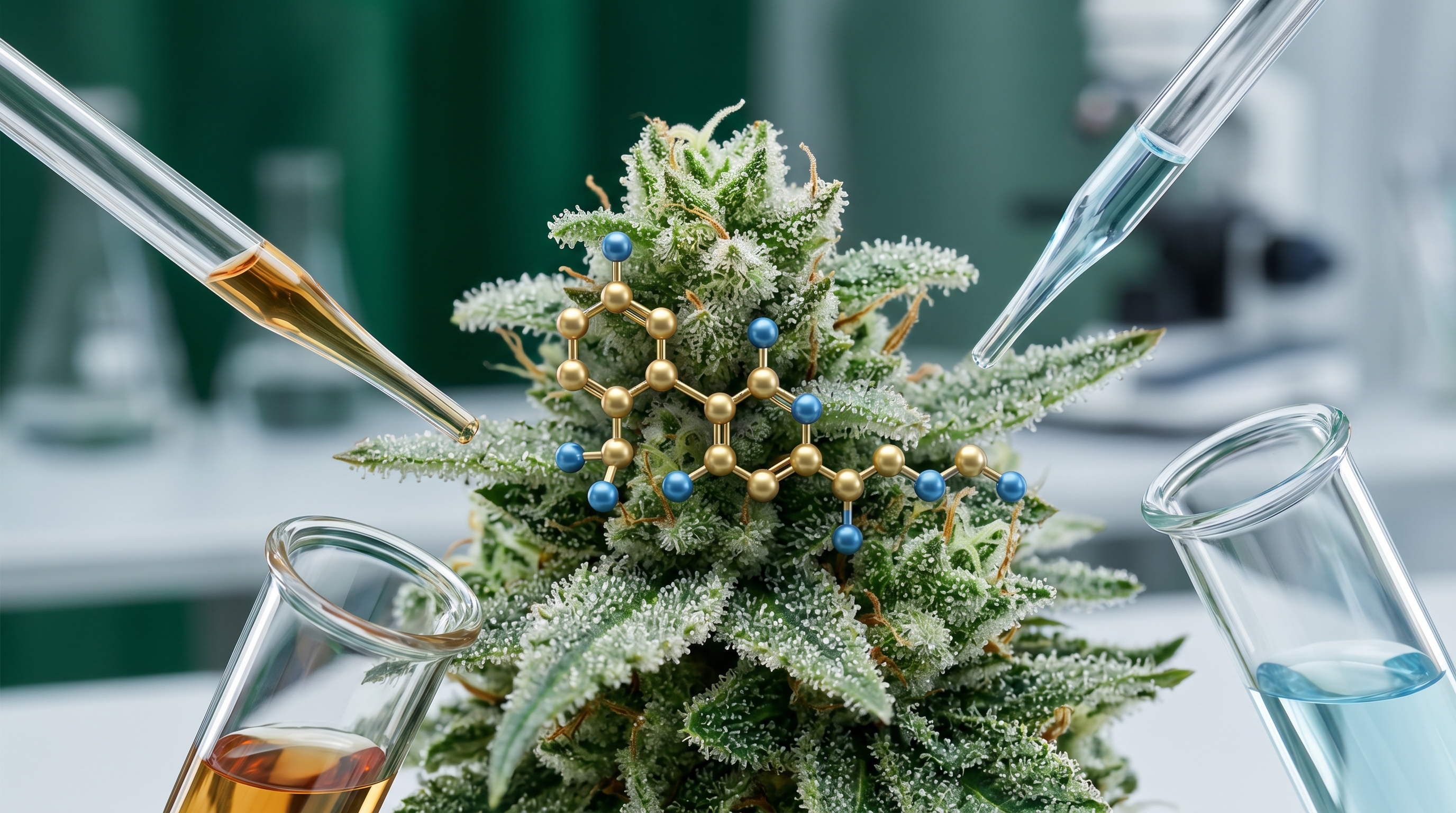
Every few years, a “minor” cannabinoid steps into the lab spotlight and people start whispering the word breakthrough. Cannabidivarin, or CBDV, is one of those compounds. It has been put through real clinical trials for epilepsy. It has been studied in adults with autism using brain scans. It has a tidy, plausible mechanism behind it.
And yet the honest version of the CBDV story is more sober. It goes like this: a promising idea, strong animal data, and human results that have so far been mixed at best. That tension is exactly what makes CBDV worth understanding. So let’s walk through what this cannabinoid actually is, what the science shows, and where the hype outruns the evidence.
One important note first. Nothing here is medical advice, and CBDV is not an approved treatment for epilepsy, autism, or anything else. If you or someone you love is managing seizures or an autism diagnosis, treat the research below as context for a talk with a qualified clinician. It is not a substitute for one.

What CBDV actually is
CBDV stands for cannabidivarin. The simplest way to picture it: CBDV is to CBD what THCV is to THC. It’s the propyl analog — structurally almost identical to its more famous sibling, but with a side chain that is two carbon atoms shorter.
That small structural change matters less than what it doesn’t change. Like CBD, CBDV is non-intoxicating. It does not bind meaningfully to the CB1 receptor, the site responsible for the classic THC “high.” So no matter how much CBDV is in a flower, it isn’t going to get anyone stoned. If you’ve read our breakdown of the endocannabinoid system, this is the same reason CBD itself stays clear-headed.
CBDV tends to show up alongside CBD in certain landrace and CBD-rich cannabis chemotypes — think indica-leaning landraces from regions like northwest India and Nepal, and many hemp-derived varieties. It is almost always a minor component, which is part of why most of the serious research uses purified or extract-concentrated CBDV rather than asking you to find a CBDV-rich strain at the dispensary. For a sense of how these lesser-known compounds fit the bigger picture, our guide to CBG, the “mother cannabinoid,” and the overview of CBC are good companions.
The mechanism: why researchers got excited
CBDV’s appeal isn’t random. It interacts with several targets that are genuinely relevant to nervous-system disorders.
The headline target is TRPV1 — a receptor best known for sensing heat and capsaicin, the “spicy” molecule in chili peppers. TRPV1 also helps regulate how easily neurons fire. CBDV, like CBD, acts on TRPV1 and related TRP channels (TRPA1, TRPM8). Researchers have proposed that calming these channels could quiet the kind of runaway electrical activity seen in seizures. Notably, the anticonvulsant action does not appear to depend on CB1, which fits the non-intoxicating profile. This receptor diversity is part of why cannabinoids rarely have one clean “lever” — something we explore in the entourage effect explainer.
In animal models, the preclinical signal was strong. A foundational 2012 study by Hill and colleagues in the British Journal of Pharmacology tested CBDV across four different rodent seizure models [Hill et al., 2012] — maximal electroshock, audiogenic seizures, pentylenetetrazole (PTZ), and pilocarpine. CBDV cut seizure activity in each one. Better still, it did this with little impact on normal motor function. A 2013 follow-up showed CBDV-rich cannabis extracts were also anticonvulsant, and confirmed the effect worked through a CB1-independent mechanism [Hill et al., 2013]. A separate 2013 study found CBDV blunted the PTZ-induced rise in epilepsy-related gene expression [Amada et al., 2013], hinting at effects at the molecular level too.
That’s a respectable preclinical résumé. The hard part, as it almost always is, was translating it to humans.
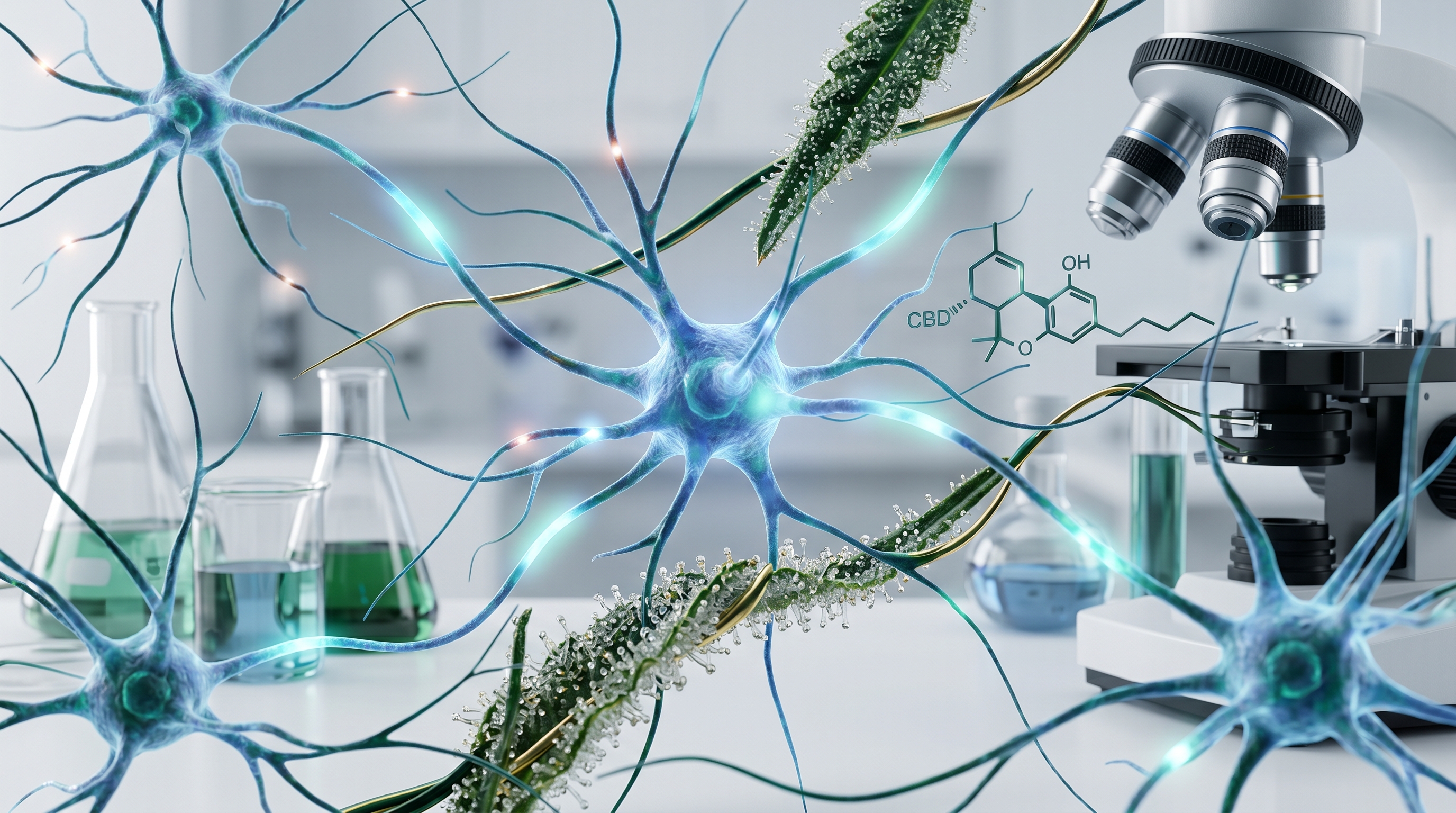
The epilepsy trials: a sobering result
This is where intellectual honesty matters most.
On the strength of that animal data, GW Pharmaceuticals (the company behind Epidiolex, the FDA-approved CBD medicine, later acquired by Jazz Pharmaceuticals) developed a purified CBDV formulation called GWP42006. It advanced into a Phase 2 randomized, placebo-controlled trial in adults with focal (partial-onset) seizures — the most common seizure type in adults.
The result, announced in 2018, was a disappointment. GWP42006 did not meet its primary endpoint. CBDV failed to reduce focal seizure frequency much more than placebo did. In fact, the placebo group in that trial responded unusually well, which is a recurring headache in epilepsy research. But the bottom line stood. The drug did not show the benefit the company had hoped for, and GW set CBDV aside as a standalone epilepsy treatment.
It’s worth sitting with that for a moment. Strong rodent data does not guarantee human benefit. This is the rule, not the exception, in neuroscience — and it’s a useful reality check whenever a cannabinoid gets marketed as a miracle. (For the cannabinoid that did succeed in epilepsy, see our piece on how CBD changed seizure medicine.)
The CBDV epilepsy story isn’t entirely closed, though. Researchers have continued to explore it in rarer, genetically driven conditions. A 2022 Phase 1 trial published in Epilepsia examined CBDV’s safety in girls with Rett syndrome who had drug-resistant seizures [Hurley et al., 2022]. That was an early-stage study focused on tolerability, not on proving the drug works. Work like this keeps a narrow door open. But it is preliminary, and “safe in a small Phase 1” is a very different claim than “effective.”
The autism research: promising mechanism, early evidence
CBDV’s second research frontier is autism spectrum disorder (ASD), and this is an area that calls for real care and respect.
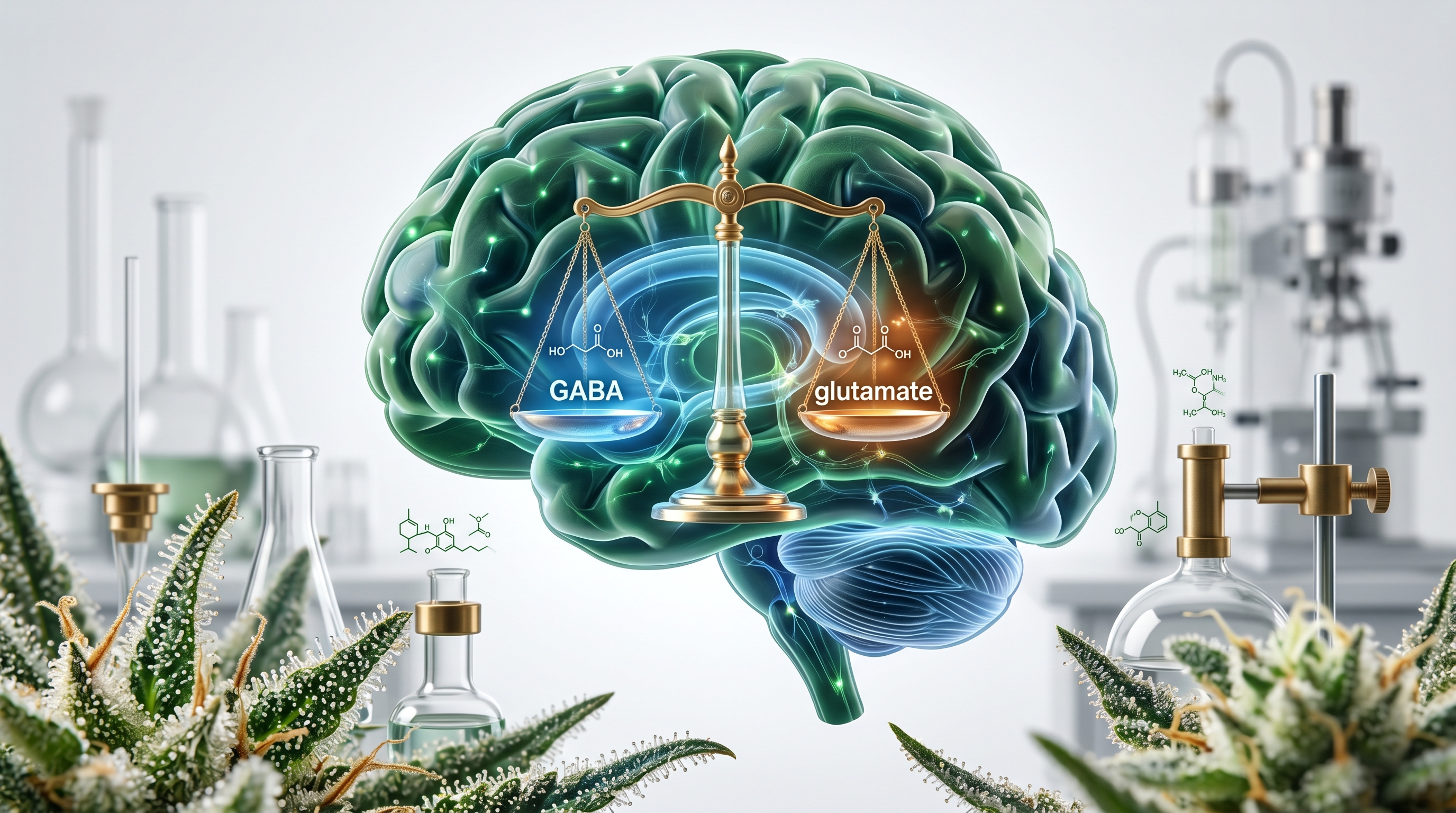
First, the framing. Autism is not a disease to be “cured,” and the responsible research here is not chasing a cure. Instead, it asks whether CBDV might help with specific, distressing co-occurring symptoms — things like irritability, anxiety, or repetitive behaviors — that some autistic people and their families seek support for. The rationale is biological. A leading theory of autism involves an imbalance between the brain’s excitatory (glutamate) and inhibitory (GABA) signaling systems. CBDV appears to nudge those systems.
The most-cited human work comes from a group at King’s College London. In a 2019 study in Translational Psychiatry, researchers gave a single 600 mg dose of CBDV to 34 adult men — 17 with ASD and 17 without [Pretzsch et al., 2019]. They then used magnetic resonance spectroscopy to measure brain chemistry. CBDV significantly increased glutamate (Glx) in the basal ganglia in both groups. Intriguingly, in the ASD group the size of that shift depended on each person’s baseline brain chemistry. A 2021 follow-up in Molecular Autism used resting-state fMRI in 28 adult men [Pretzsch et al., 2021]. It reported that a single CBDV dose could shift atypical striatal connectivity in the ASD group toward the neurotypical pattern.
Here’s the honest read on those findings. They are genuinely interesting proof-of-mechanism studies. They show CBDV does something measurable to the exact brain systems theorized to be involved in autism. But they are single-dose, small, all-male, brain-imaging studies. They were never designed to prove that CBDV improves anyone’s day-to-day life, and they don’t. Turning “CBDV moved a brain metabolite” into “CBDV helps autistic people” requires large, long-term, behavior-focused trials. As of now, those have not delivered a clear positive result.
If this topic matters to you personally, our broader overview of cannabis and autism spectrum research goes deeper, and the neuroplasticity and neuroinflammation explainers add useful context on how cannabinoids interact with the developing and adult brain.
Nausea and other early threads
Beyond seizures and autism, CBDV pops up in a few smaller research stories.
The most established is nausea. CBD is already known to reduce nausea, and researchers led by Parker and colleagues found that CBDV did too. In rodent and shrew models, it lowered both toxin-induced and anticipatory nausea-like behavior, with TRPV1 again implicated as part of the pathway. It’s preclinical work, but it threads neatly with the TRPV1 mechanism we’ve already met. If nausea is your area of interest, our science-backed roundup of strains for nausea relief and the deep dive on cannabinoid hyperemesis syndrome are worth a look.
CBDV has also drawn interest for Duchenne muscular dystrophy (early preclinical work on muscle inflammation) and for inflammatory conditions more broadly, but these threads are even earlier and shouldn’t be oversold. They’re reasons to keep watching, not reasons to act.
Where you’ll find CBDV
If after all this you’re curious where CBDV actually lives in the plant: it co-occurs with CBD in CBD-rich, low-THC chemotypes, including certain landrace varieties and a lot of modern hemp genetics. But because it’s typically present in small amounts, you’re far more likely to encounter meaningful CBDV in a lab-tested extract or research formulation than in a random eighth of flower.
That’s a useful reminder of how the whole entourage of a plant works — minor cannabinoids and terpenes shape the experience in subtle ways. If you want to understand your own responses to different chemotypes, paying attention to what’s actually in your flower (and how you react to it) beats chasing any single trendy molecule. That’s the whole idea behind tracking your sessions in the High IQ app — your data, not a label’s marketing.
Key takeaways: the honest state of the evidence
A 2021 review pulled the animal and human data together in one place [Zamberletti et al., 2021], and the picture it paints is the same one we’ve drawn here. Let’s tie it together plainly:
- Mechanism: Strong and biologically sensible (TRPV1/TRP channels, CB1-independent, effects on glutamate-GABA balance).
- Animal data: Genuinely promising for seizures.
- Human epilepsy: A well-run Phase 2 trial of purified CBDV failed its primary endpoint for focal seizures. Early Rett syndrome work continues.
- Human autism: Small single-dose brain-imaging studies show CBDV affects the right systems, but there’s no convincing evidence yet that it improves real-world symptoms.
- Nausea and other uses: Early and preclinical.
CBDV is a perfect case study in why we should respect both the promise and the limits of cannabinoid science. The molecule does real things. Whether those things translate into help for real people is still an open question — and pretending otherwise does a disservice to the families watching this research most closely.
Talk to your doctor
If you’re considering anything cannabinoid-related for a seizure disorder, an autism diagnosis, or chronic nausea, please loop in a qualified healthcare provider. Cannabinoids can interact with medications (including some anti-seizure drugs), and conditions like epilepsy require careful, individualized management. This article is educational, not medical advice, and CBDV is not an approved treatment. Your doctor — not a blog, and not a budtender — is the right partner for those decisions.
Frequently asked questions
Is CBDV psychoactive or will it get me high? No. CBDV is non-intoxicating. Like CBD, it doesn’t meaningfully activate the CB1 receptor responsible for the THC high.
Is CBDV approved to treat epilepsy? No. A purified CBDV drug candidate (GWP42006) was tested in a Phase 2 trial for adult focal seizures and did not meet its primary endpoint. CBD (Epidiolex) is the cannabinoid that gained FDA approval for certain epilepsies, not CBDV.
Does CBDV help autism? There’s no proven benefit yet. Early single-dose brain-imaging studies show CBDV affects the glutamate-GABA systems implicated in autism, but those studies weren’t designed to measure symptom improvement, and larger behavioral trials haven’t established a clear effect.
How is CBDV different from CBD? CBDV is the propyl analog of CBD — almost the same molecule with a slightly shorter side chain. They share targets like TRPV1 and a non-intoxicating profile, much like the THCV-versus-THC relationship.
Can I find a CBDV-rich strain? It’s uncommon. CBDV usually appears in small amounts in CBD-rich, low-THC chemotypes and certain landraces. Most research uses concentrated extracts rather than flower.
Is CBDV the same as CBN or CBG? No — those are different cannabinoids. CBN is associated with sedation and CBG is the precursor “mother” cannabinoid. CBDV is its own propyl-CBD compound.
Sources
- Hill AJ, Mercier MS, Hill TD, et al. “Cannabidivarin is anticonvulsant in mouse and rat.” British Journal of Pharmacology, 2012;167(8):1629–1642. DOI: 10.1111/j.1476-5381.2012.02207.x
- Hill TD, Cascio MG, Romano B, et al. “Cannabidivarin-rich cannabis extracts are anticonvulsant in mouse and rat via a CB1 receptor-independent mechanism.” British Journal of Pharmacology, 2013;170(3):679–692. DOI: 10.1111/bph.12321 (PMID: 23902406)
- Amada N, Yamasaki Y, Williams CM, Whalley BJ. “Cannabidivarin (CBDV) suppresses pentylenetetrazole (PTZ)-induced increases in epilepsy-related gene expression.” PeerJ, 2013;1:e214. (PMID: 24282673)
- Pretzsch CM, Freyberg J, Voinescu B, et al. “Effects of cannabidivarin (CBDV) on brain excitation and inhibition systems in adults with and without Autism Spectrum Disorder (ASD): a single dose trial during magnetic resonance spectroscopy.” Translational Psychiatry, 2019;9(1):313. DOI: 10.1038/s41398-019-0654-8 (PMID: 31748505)
- Pretzsch CM, Voinescu B, Lythgoe D, et al. “Modulation of striatal functional connectivity differences in adults with and without autism spectrum disorder in a single-dose randomized trial of cannabidivarin.” Molecular Autism, 2021;12(1):49. DOI: 10.1186/s13229-021-00454-6 (PMID: 34210360)
- Hurley EN, Ellaway CJ, Johnson AM, et al. “Efficacy and safety of cannabidivarin treatment of epilepsy in girls with Rett syndrome: A phase 1 clinical trial.” Epilepsia, 2022;63(7):1736–1747. (PMID: 35364618)
- Zamberletti E, Rubino T, Parolaro D. “Therapeutic potential of cannabidivarin for epilepsy and autism spectrum disorder.” Pharmacology & Therapeutics, 2021;226:107878. DOI: 10.1016/j.pharmthera.2021.107878 (PMID: 33895189)


