CBC: The Overlooked Cannabinoid You Need to Know
Explore CBC (cannabichromene), the minor cannabinoid showing striking preclinical results in cancer, depression, and neurogenesis research.

Professor High
Your friendly cannabis educator, bringing science-backed knowledge to the community.
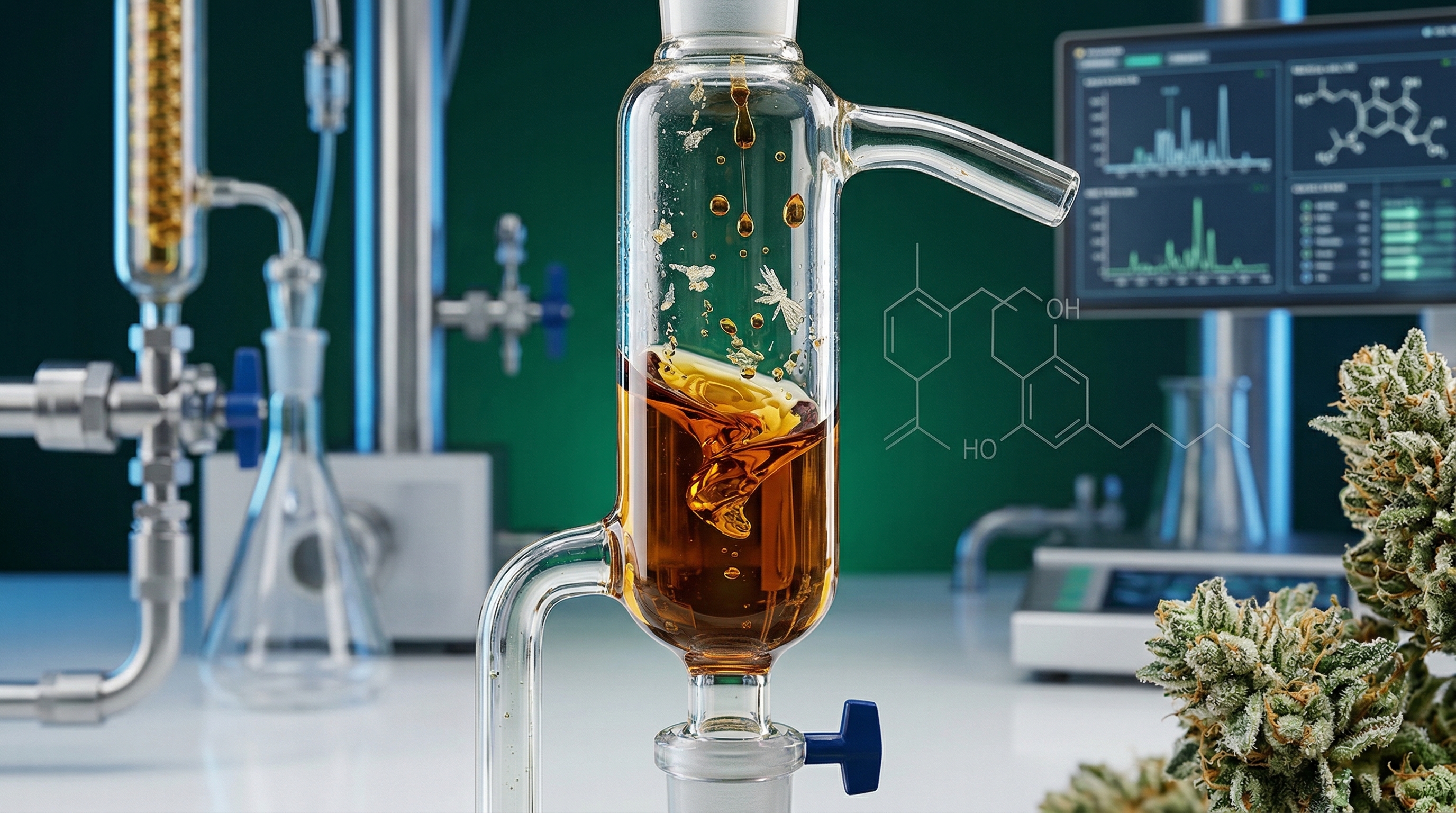
What If One of Cannabis’s Most Promising Compounds Has Been Hiding in Plain Sight?
When most people think about cannabinoids, THC and CBD dominate the conversation. THC gets you high. CBD calms things down. End of story, right? Not even close.
The cannabis plant produces over 150 identified cannabinoids, and one of the most fascinating has been quietly accumulating a body of research that demands your attention: cannabichromene, better known as CBC.
Here is a fact that might surprise you: CBC is actually one of the most abundant cannabinoids in the cannabis plant, often ranking third behind THC and CBD in many cultivars. Yet most consumers have never heard of it. That is partly because CBC is non-intoxicating — it will not get you high on its own — and partly because the cannabis industry has historically fixated on THC percentages as the primary measure of quality.
But the science tells a different story. In the past few years — especially 2024 and 2025 — research on CBC has taken off. Scientists are studying its roles in neurogenesis (the birth of new brain cells), anti-inflammatory activity, pain relief, and — most intriguingly — anti-cancer and antidepressant effects.
A 2024 review in The Journal of Pharmacology and Experimental Therapeutics called CBC one of the most underexplored cannabinoids with “unique therapeutic potential that warrants further investigation” [Sepulveda et al., 2024].
In this deep dive, we break down what CBC is, how it works in your body, and what the latest research says about its potential. We also cover what it means for your real-world cannabis choices. Whether you love the science or just want to know what is beyond THC and CBD, you are in the right place.
Let’s wake up this sleeping giant.
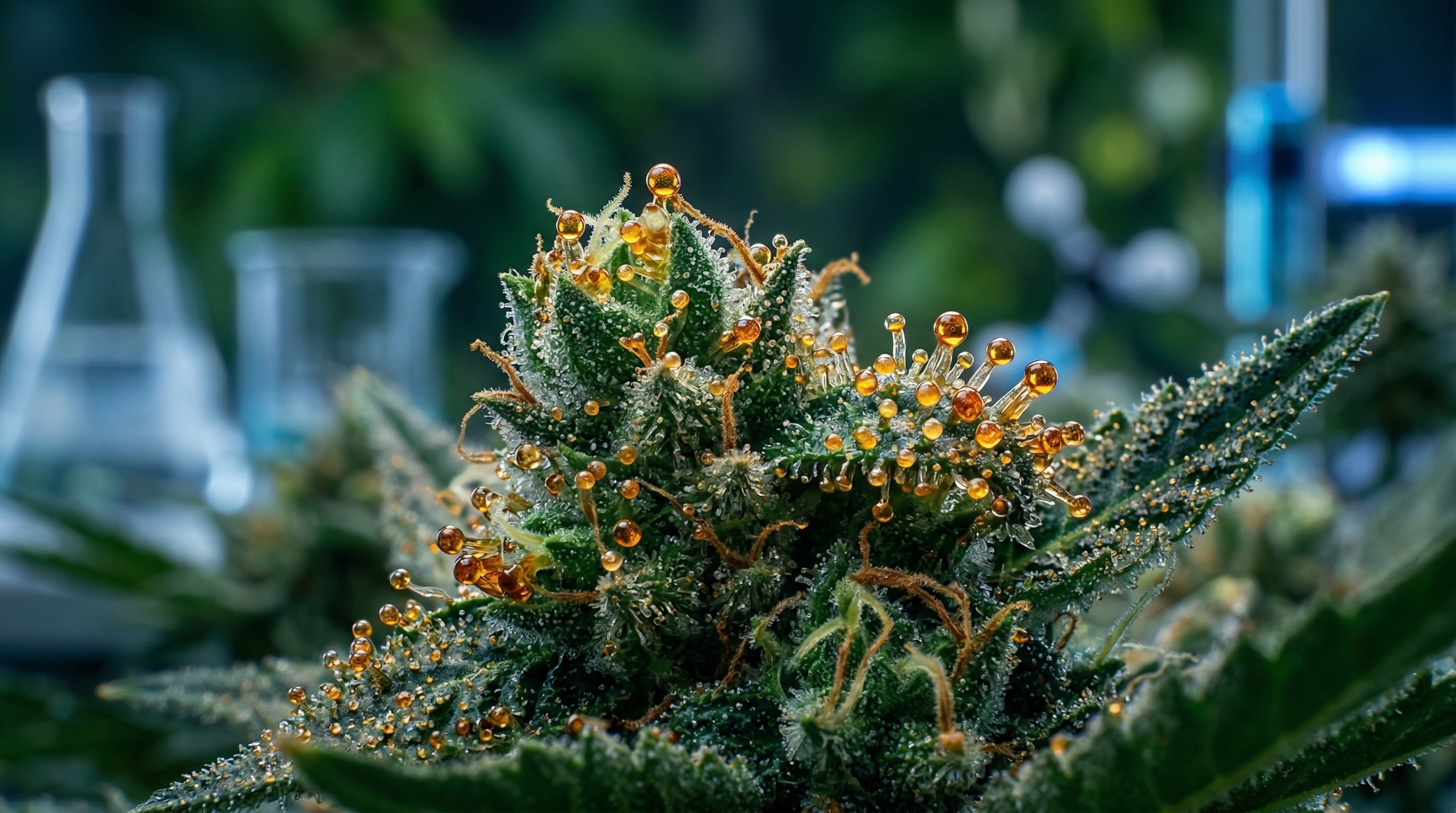
The Basics: What Is CBC and Where Does It Come From?
Biosynthesis: From Mother Cannabinoid to CBC
To understand CBC, it helps to know a bit about how cannabinoids are born. Every major cannabinoid in the cannabis plant starts from the same parent molecule: cannabigerolic acid (CBGA), often called the “mother cannabinoid.”
Think of CBGA as a stem cell — it has the potential to become many different things. Specific enzymes in the plant act like switches, converting CBGA into one of three major precursor acids:
- THCA (which becomes THC when heated)
- CBDA (which becomes CBD when heated)
- CBCA (which becomes CBC when heated)
The enzyme that creates CBCA is called CBCA synthase. Once formed, CBCA converts to CBC through decarboxylation — the same heat-driven process that activates THC and CBD when you smoke, vape, or cook cannabis.
This means CBC is not some rare trace compound. It is a primary cannabinoid with its own dedicated production pathway, just like THC and CBD. How much CBC a plant produces depends on its genetics — specifically, how active its CBCA synthase enzyme is compared to the enzymes that make THCA and CBDA.
A Brief History
CBC was first isolated in 1966 by Gaoni and Mechoulam — the same team that discovered THC and CBD. Despite being identified over six decades ago, CBC has received a fraction of the research attention devoted to its more famous siblings. That is beginning to change rapidly. Following the legalization of hemp under the 2018 Farm Bill, CBC products became commercially available over the counter, and the pace of scientific investigation has accelerated considerably.
How CBC Interacts with Your Body
Here is where things get really interesting. Unlike THC, CBC does not bind strongly to the CB1 receptors in your brain — which is why it does not produce intoxication. But CBC is far from idle in your system. It interacts with your body through several distinct pathways:
TRPV1 and TRPA1 Receptors (The Pain and Temperature Channels)
CBC strongly activates transient receptor potential (TRP) channels, specifically TRPV1 and TRPA1 [De Petrocellis et al., 2011]. Think of these as your body’s alarm system for pain and temperature. When CBC triggers these channels, it may help tune down pain signals over time. The mechanism is similar to capsaicin — the compound that makes hot peppers burn. First it activates the receptor, then it desensitizes it. The result may be reduced pain perception with continued use.
Anandamide Reuptake Inhibition
CBC appears to slow the breakdown of anandamide, one of your body’s own endocannabinoids [De Petrocellis et al., 2011]. Anandamide is sometimes called the “bliss molecule” because it plays roles in mood, pleasure, and pain. Think of anandamide as water in a bathtub — CBC slows the drain, keeping levels higher for longer. CBC may also weakly inhibit MAGL, an enzyme that breaks down another key endocannabinoid called 2-AG.
CB2 Receptor Agonism
While CBC barely touches CB1 receptors, research shows it is a stronger CB2 receptor agonist than THC [Udoh et al., 2019]. CB2 receptors sit mainly in the immune system and help control inflammation. This CB2 activity likely drives many of CBC’s anti-inflammatory effects. A 2025 study by Sharma et al. confirmed that CB2 interaction is also a key part of how CBC may fight depression.
PPAR Receptors
Emerging evidence suggests CBC may also interact with peroxisome proliferator-activated receptors (PPARs), nuclear receptors involved in gene expression related to metabolism, inflammation, and cell differentiation. The 2024 JPET review specifically identified PPAR receptor activity as an area requiring further investigation [Sepulveda et al., 2024].
Human Pharmacokinetics: What We Know So Far
A 2021 study in the European Journal of Clinical Pharmacology gave us the first human data on how CBC moves through the body. The results were surprising. Even though the CBC dose was 18 times lower than the CBD dose in the same product, blood levels of CBC were only about 7 to 10 times lower than CBD’s. In plain terms: your body may absorb CBC more efficiently than CBD or THC.
Peak blood levels hit between 1.6 and 4.3 hours after dosing. At daily doses up to 26.4 mg, CBC appeared well-tolerated with no notable side effects.
The Anti-Cancer Evidence: From Petri Dish to Living Models
Let us be clear upfront: no cannabinoid has been proven to cure cancer in humans, and anyone making that claim is getting ahead of the science. What we do have is a rapidly growing body of preclinical research — meaning laboratory studies and animal models — that suggests CBC may have anti-tumor properties worth investigating further. And in 2025 and 2026, that body of evidence grew substantially.
The Foundation: Early Findings (2006-2020)
A landmark 2006 study by Ligresti et al. tested several cannabinoids against tumor growth. CBC ranked as the second most potent (after CBG) at stopping new cancer cells from growing. It was especially active against breast cancer cells in lab dishes.
The twist: CBC’s anti-tumor action appeared to be independent of CB1 and CB2 receptors. It likely works through other channels — perhaps TRPV1 or by boosting endocannabinoid levels that slow cancer cell growth on their own.
The Breakthrough: CBC Against Pancreatic Cancer (2025)
A major 2025 study in Cell Death Discovery (a Nature journal) delivered the most detailed look yet at how CBC fights cancer cells [Hwang et al., 2025]. The target: human pancreatic cancer — one of the deadliest cancers, with only a 2 to 9 percent five-year survival rate.
Here is what the team found:
- CBC treatment changed the activity of over 2,500 genes in pancreatic cancer cells. Many of those changes turned on genes involved in killing cancer cells.
- CBC triggered cancer cell death through three separate pathways at once: apoptosis (programmed cell death), ferroptosis (iron-dependent cell death), and endocannabinoid receptor signaling.
- In live mouse models, CBC treatment made tumors shrink — they got smaller, lighter, and lost volume compared to untreated tumors.
- Blocking one cell death pathway (ferroptosis) partly reversed the tumor-shrinking effect. This confirms ferroptosis is a real part of how CBC works — not just a side effect.
- The different death pathways used different receptors. Apoptosis depended on CB2 and TRPV1 receptors, while ferroptosis worked on its own. This multi-pronged attack is important: it means cancer cells may struggle to develop resistance, since they would need to evade multiple kill switches at once.
The team concluded that CBC works through “integrative modulation of multiple cell death pathways” — science-speak for attacking cancer from several angles at the same time [Hwang et al., 2025].
CBC Against Drug-Resistant Breast Cancer (2026)
In February 2026, Aare et al. published a study in Drug Delivery and Translational Research testing CBC plus CBD against one of the toughest cancer types: doxorubicin-resistant triple-negative breast cancer (TNBC). Standard chemo had stopped working on these cells. The results were notable:
- CBC and CBD together killed drug-resistant cancer cells more effectively than either one alone — a true synergistic effect, confirmed in both flat-culture and 3D tumor models
- The combo shut down signaling pathways that help tumors grow and survive
- When given together in rats, CBC and CBD boosted each other’s blood levels, meaning your body absorbs more of each compound
- The authors called this “the first study of its kind” and highlighted CBC plus CBD as “a promising strategy to overcome DOX resistance in TNBC”
This matters because drug resistance is one of the biggest problems in cancer treatment. Finding compounds that can bypass resistance — especially non-toxic, plant-derived ones — opens new doors.
CBC Against Bladder and Brain Cancers (2025-2026)
The anti-cancer evidence extends beyond breast and pancreatic cancers:
- A January 2026 study tested CBC- and THC-rich cannabis strains against bladder cancer cells and live tissue samples. The extracts showed “significant anticancer activity” and also slowed cancer cell migration — a key factor in stopping tumors from spreading.
- A June 2025 study in the International Journal of Molecular Sciences tested CBC against brain cancer (glioblastoma). CBC showed the strongest binding to GPR55, a receptor tied to glioblastoma growth, and killed brain cancer cells in lab tests [Turizo Smith et al., 2025].
Important caveat: These are lab and animal studies. Cancer is complex, and what works in a petri dish does not always work in people. No human clinical trials on CBC for cancer have been completed yet. That said, the evidence now spans multiple cancer types from multiple research teams around the world. The pattern is real — but the human proof is still missing.

The Antidepressant Evidence: From Animal Models to Mechanistic Understanding
The antidepressant angle is equally fascinating — and may be closer to practical relevance for everyday cannabis users.
The Foundation: El-Alfy et al. (2010)
In 2010, El-Alfy and colleagues tested CBC in standard rodent models of depression — the forced swim test and the tail suspension test. These are the go-to lab methods for screening antidepressant compounds. CBC at 20 mg/kg showed clear antidepressant-like effects, on par with known antidepressants. The team suggested CBC works by boosting endocannabinoid levels rather than binding to the usual receptors.
The 2025 Breakthrough: CBC as Effective as Imipramine
A 2025 study by Sharma et al. in Naunyn-Schmiedeberg’s Archives of Pharmacology gave us the strongest evidence yet for CBC as an antidepressant. The team used both computer models and live animal tests.
The researchers started with computer modeling to find where CBC’s targets overlap with genes linked to depression. The CB2 receptor gene stood out as a key connection point. Digital docking simulations showed that CBC binds more tightly to CB2 receptors (score: -9.4) than both CBD (-8.8) and THC (-9.1).
Next came animal testing. Mice were exposed to three weeks of random, unpredictable stressors — a standard way to create depression-like behavior in rodents. The stressed mice then received CBC (10 or 20 mg/kg) or imipramine (15 mg/kg), a well-known prescription antidepressant, for 21 days.
The results were compelling:
- CBC at 20 mg/kg cut immobility time as much as imipramine did — a clear sign of antidepressant-like action
- CBC lowered stress hormones (corticosterone, the mouse version of cortisol)
- CBC reduced oxidative stress markers in the blood
- CBC blocked MAO-A, the same enzyme targeted by a whole class of prescription antidepressants (MAO inhibitors)
- CBC restored catalase activity, an antioxidant enzyme that stress had shut down
- These effects happened without changing movement levels — proof the mice were not just sedated or jittery, but genuinely less depressed
The team called CBC “a potential novel therapeutic agent for depression” but stressed that human trials are still needed [Sharma et al., 2025].
Why This Matters: The CB2-Depression Connection
Why does the CB2 finding matter? For decades, depression research focused almost entirely on serotonin, norepinephrine, and dopamine. But scientists now know the endocannabinoid system also plays a major role in mood. CB2 receptors — once thought to exist only in the immune system — have been found in brain regions tied to emotion.
CBC hits depression from multiple angles at once: CB2 activation, MAO-A inhibition, stress hormone reduction, and anti-inflammatory action. Most prescription antidepressants target just one neurotransmitter system. A compound that works through several systems at once could, in theory, help a broader range of patients — though that remains to be tested in human trials.
Neurogenesis: Growing New Brain Cells
Perhaps the most remarkable piece of the CBC puzzle involves neurogenesis — the growth of new brain cells in the adult brain.
The Shinjyo and Di Marzo Discovery (2013)
In 2013, Shinjyo and Di Marzo published a study in Neurochemistry International that changed the conversation about CBC. They found that CBC helped neural stem progenitor cells (NSPCs) — the building blocks that become brain cells — survive and thrive. Here is what CBC did:
- Kept stem cells alive during the tricky phase when they mature into specialized cells
- Boosted nestin — a stem cell marker — meaning cells kept their growth potential
- Reduced GFAP — an astrocyte marker — meaning fewer cells became support cells and more could become neurons
- Turned on the ERK1/2 pathway, which drives cell growth and survival
- Raised ATP levels, giving cells more energy for the demanding job of building new neurons
The bottom line: CBC may tip the balance toward making more neurons. Instead of stem cells turning into generic support cells, CBC nudges them toward becoming actual brain cells.
Italian Confirmation: Seven Mechanisms of Neuroprotection (2023)
Ten years later, Valeri et al. (2023) confirmed and expanded on these results. Published in Life, their study tracked gene-level changes in nerve cells exposed to CBC and found seven ways CBC protects and rebuilds the nervous system:
- It turned on Neurod1 and Tubb3 — markers that show neurons are actively forming
- It activated Pax6, a gene that signals cells are becoming neurons
- It helped dopamine neurons and glutamate receptors mature properly
- It helped regulate the myelin sheath — the protective coating around nerves
- It changed cholinergic signaling in ways that may work together with THC
The team called CBC a “neurogenesis enhancer” and said it “could represent an important addition to the regeneration of the nervous system” [Valeri et al., 2023].
The Depression-Neurogenesis Connection
This brain-cell research connects directly to CBC’s antidepressant potential. New neuron growth in the hippocampus — the brain’s memory and mood center — is closely linked to antidepressant effects. Some scientists believe depression involves a breakdown in this process. Roughly half of all depression patients do not respond to standard antidepressants, which has fueled the search for compounds that boost neurogenesis through new pathways.
CBC’s mood-lifting activity and its brain-cell-growing ability may be two sides of the same coin. By helping new neurons survive and mature in mood-critical brain regions, CBC may target the root biology of depression — not just cover up symptoms. For more on how cannabinoids shape brain connections, see our neuroplasticity deep dive.
Beyond Cancer and Depression: CBC’s Broader Therapeutic Profile
Anti-Inflammatory Powerhouse
Multiple studies have demonstrated significant anti-inflammatory activity for CBC, operating through mechanisms distinct from traditional NSAIDs:
- A 2023 study by Hong et al. showed CBC cut nitric oxide production in half in immune cells and turned down key inflammatory signals (TNF-alpha, IL-1beta, IL-6) by blocking two master switches of inflammation: NF-kB and MAPK
- A 2024 study found CBC calms atopic dermatitis (eczema) in mice. Topical CBC at just 0.1 mg/kg reduced skin damage, swelling, and immune cell buildup (
p < 0.001versus controls). It works by blocking the JAK/STAT pathway — the same target as some new eczema drugs [Kim et al., 2024] - A 2012 study by Izzo et al. showed CBC normalizes gut motility during inflammation — relevant for conditions like inflammatory bowel disease — through pathways that do not involve cannabinoid receptors at all
Arthritis and Joint Pain
A 2023 study tested CBC and CBD on mice with arthritis. The combo reduced swelling more than either compound alone and changed the expression of genes tied to joint inflammation. This is another example of cannabinoid synergy — the entourage effect at work in a disease model.
Anticonvulsant Properties
Anderson et al. (2021) showed that CBC fights seizures in a mouse model of Dravet syndrome — a severe form of epilepsy. CBC was roughly as effective as CBD at reducing seizures. That matters because CBD (sold as Epidiolex) is already FDA-approved for this exact condition. CBC might offer a similar benefit through a different pathway.
Antibacterial Activity
CBC has shown potent antibacterial effects against a range of bacteria, including MRSA (methicillin-resistant Staphylococcus aureus), adding antimicrobial potential to its therapeutic portfolio.
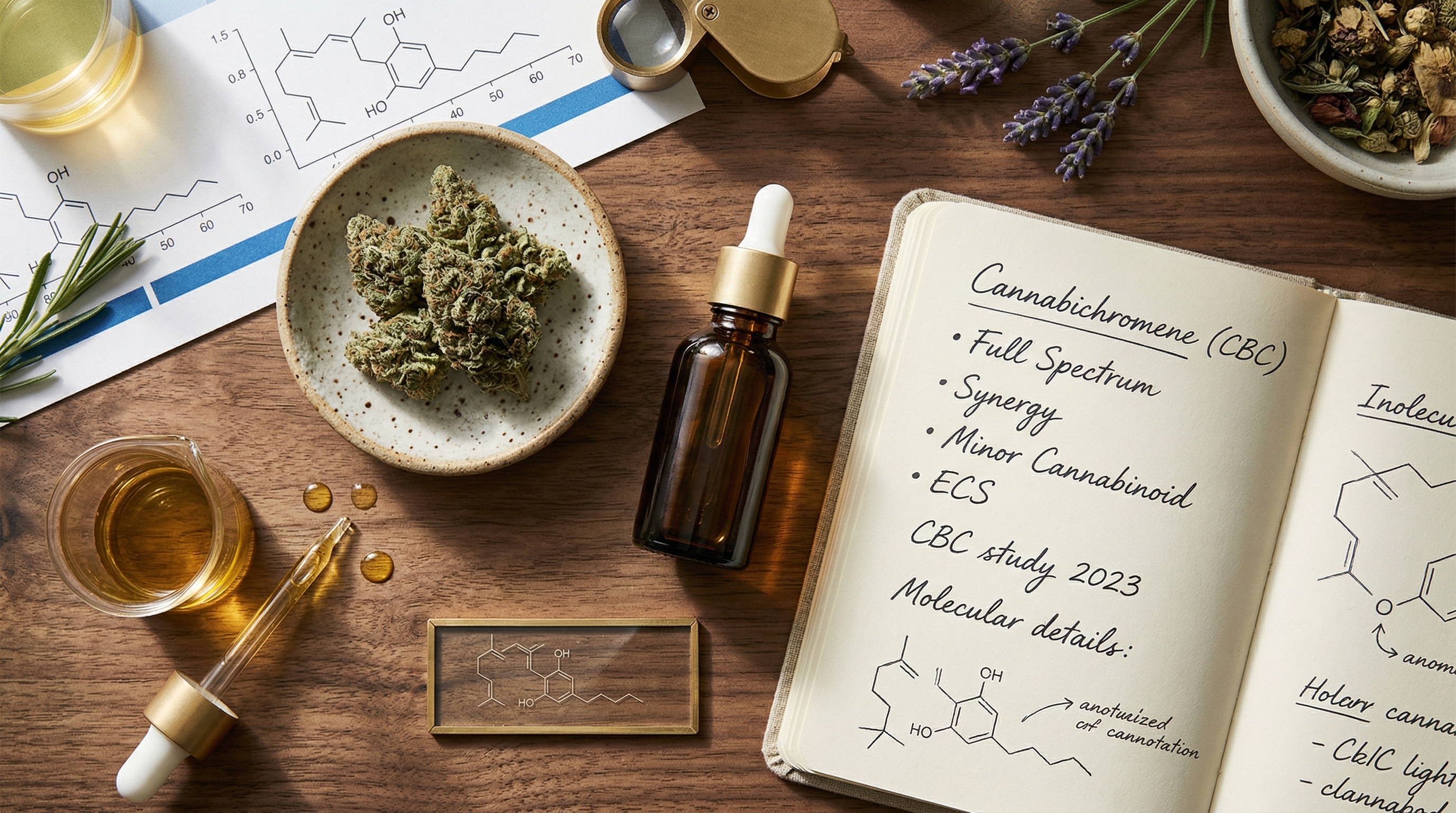
Practical Implications: What This Means for Your Cannabis Experience
So CBC may fight cancer cells in the lab, act like an antidepressant in animal models, promote brain cell growth, and reduce inflammation across multiple pathways. What does all of this mean for you — the person actually using cannabis?
The Entourage Effect Connection
CBC’s story is one of the strongest arguments for the entourage effect — the theory that cannabinoids, terpenes, and other plant compounds work better together than in isolation. When you consume full-spectrum cannabis (as opposed to pure THC isolate), you are getting CBC along with dozens of other compounds that may amplify each other’s effects.
The 2026 breast cancer study demonstrated this directly: CBC and CBD together showed synergistic effects that neither compound achieved alone, and their co-administration actually improved each other’s pharmacokinetics. The arthritis study found the same pattern — the combination outperformed individual cannabinoids.
This is directly relevant to how we think about the High Families at This Is Why I’m High. Rather than fixating on THC percentage, the High Families system classifies cannabis experiences by their terpene and cannabinoid profiles — because it is the combination of compounds that shapes your experience.
CBC is particularly relevant to the Entourage High family, which features multi-terpene, multi-cannabinoid complexity. Cultivars that retain a rich diversity of minor cannabinoids — including CBC — may deliver more nuanced, well-rounded effects than high-THC monocultures.
For those seeking physical comfort and body-focused relief, CBC’s anti-inflammatory and pain-modulating properties also connect to the Relieving High family, especially when CBC appears alongside caryophyllene and humulene — terpenes that share overlapping anti-inflammatory pathways.
How to Find CBC-Rich Cannabis
Here is the practical challenge: most dispensaries do not test for or label CBC content. But you can increase your chances of finding CBC-rich products by:
- Choosing full-spectrum or whole-plant products over isolates or distillates, which often strip out minor cannabinoids during processing
- Looking for cultivars with diverse cannabinoid profiles — lab reports showing detectable levels of CBG, CBC, and CBN suggest a more complete chemical profile
- Seeking out CBC-specific tinctures or oils — a growing number of specialty brands now offer CBC isolate or CBC-enriched formulations, particularly in the hemp-derived market
- Asking your budtender about minor cannabinoid content — consumer demand drives testing, so asking the question helps move the industry forward
- Checking for certificates of analysis (COAs) that include a full cannabinoid panel, not just THC and CBD percentages
A Note on Pharmacokinetics
Remember the 2021 human study we discussed? It showed CBC may be better absorbed than CBD or THC in oral products. Even though CBC levels look small on a label, your body may soak up a bigger share than you would expect. This is one more reason why reading full lab results — not just THC/CBD percentages — matters.
Dosing Considerations
There are no established human dosing guidelines for CBC yet. The 2021 study used up to 26.4 mg daily and found it safe. Mouse doses do not translate directly to people — that takes clinical trials.
If you try CBC products, start low and go slow — the golden rule for any new cannabinoid. And if you are managing a health condition, talk to a doctor who knows cannabinoid medicine before making changes.
The Road Ahead: What Needs to Happen Next
The lab evidence for CBC is strong and growing. But several big gaps remain:
-
Human trials: The top priority. We need proper clinical trials testing CBC in people — for depression, pain, and cancer therapy. CBC’s safety profile and lack of intoxication make it a great candidate.
-
Dosing studies: We need to know what doses are safe and effective in humans across different conditions.
-
Drug interaction testing: CBC may affect liver enzymes that process prescription drugs. Formal studies are needed before doctors can recommend CBC alongside other medications. If you take prescriptions, see our guide on cannabis and medication interactions.
-
Combination research: CBC works best with other cannabinoids. We need studies testing these combos — not just CBC alone.
-
Long-term safety: Short-term use looks safe, but no one has studied CBC use over months or years.
The pace of CBC research has exploded. Between the 2025 pancreatic cancer breakthrough, the 2026 breast cancer findings, and the solid antidepressant data, CBC has moved from curiosity to serious contender. The question is no longer if CBC does something useful — it clearly does — but how to bring that into real-world medicine.
Key Takeaways
- CBC is one of the most abundant cannabinoids in cannabis, yet it remains largely unknown to consumers because it is non-intoxicating and rarely labeled on products
- 2025-2026 research has dramatically strengthened the anti-cancer evidence, with CBC shown to trigger tumor regression in mouse models of pancreatic cancer via simultaneous activation of apoptosis, ferroptosis, and endocannabinoid signaling pathways
- CBC demonstrates antidepressant effects comparable to imipramine in animal models, likely through CB2 receptor interaction, MAO-A inhibition, and endocannabinoid modulation
- CBC promotes neurogenesis — the growth of new brain cells — through at least seven identified mechanisms, potentially addressing the root neurobiology of depression
- CBC works through unique mechanisms, including TRPV1/TRPA1 activation, anandamide reuptake inhibition, and CB2 receptor agonism, rather than directly binding CB1 receptors like THC
- Synergy matters: CBC’s effects are consistently amplified when combined with other cannabinoids, making a strong case for full-spectrum cannabis products
- Human clinical trials are still needed to confirm these preclinical findings and establish dosing guidelines
FAQs
Will CBC get me high?
No. CBC does not strongly bind to CB1 receptors in the brain, so it does not produce intoxication on its own. However, it may subtly influence your overall experience when consumed alongside THC and other cannabinoids as part of the entourage effect.
Can CBC cure cancer or treat depression?
No cannabinoid has been proven to cure cancer or serve as a standalone treatment for depression in humans. The research on CBC is preclinical — meaning it comes from laboratory studies and animal models. The results are promising and may warrant further clinical investigation, but they do not constitute medical proof. Always consult a healthcare provider for serious health conditions.
How is CBC different from CBD?
While both are non-intoxicating, CBC and CBD work through different primary mechanisms. CBD interacts with a wide range of receptors (including serotonin receptors) and modulates the endocannabinoid system broadly. CBC primarily activates TRP channels, inhibits anandamide reuptake, and acts as a CB2 receptor agonist. They are complementary compounds, not interchangeable ones — and research suggests they may work synergistically when combined.
Where can I find CBC products?
Full-spectrum cannabis oils, tinctures, and flower naturally contain CBC alongside other cannabinoids. Some specialty brands in the hemp-derived market now offer CBC isolate or CBC-enriched formulations. Check lab reports (COAs) for CBC content, and look for products labeled “full-spectrum” or “whole-plant extract.”
Is CBC legal?
CBC derived from hemp (cannabis plants containing less than 0.3 percent THC by dry weight) is federally legal in the United States under the 2018 Farm Bill, though some states have enacted additional restrictions on hemp-derived cannabinoids. CBC derived from marijuana-type cannabis follows the same legal framework as other cannabinoids in that product. Check your state’s specific regulations.
Does CBC show up on a drug test?
Standard drug tests screen for THC metabolites, not CBC. CBC alone should not cause a positive drug test result. However, full-spectrum products containing CBC typically also contain trace amounts of THC, which could potentially trigger a positive result depending on the amount consumed and the sensitivity of the test.
Sources
- Aare, M., Padakanti, S.C., Bagde, A. et al. (2026). “Pharmacokinetic studies and synergistic antitumor effects of cannabichromene and cannabidiol in drug-resistant breast cancers.” Drug Delivery and Translational Research. https://doi.org/10.1007/s13346-026-02057-1
- Anderson, L.L., Ametovski, A., Lin Luo, J. et al. (2021). “Cannabichromene, related phytocannabinoids, and 5-fluoro-cannabichromene have anticonvulsant properties in a mouse model of Dravet syndrome.” ACS Chemical Neuroscience, 12(2), 330-339.
- De Petrocellis, L. et al. (2011). “Effects of cannabinoids and cannabinoid-enriched Cannabis extracts on TRP channels and endocannabinoid metabolic enzymes.” British Journal of Pharmacology, 163(7), 1479-1494.
- El-Alfy, A.T., Ivey, K., Robinson, K. et al. (2010). “Antidepressant-like effect of delta9-tetrahydrocannabinol and other cannabinoids isolated from Cannabis sativa L.” Pharmacology Biochemistry and Behavior, 95(4), 434-442.
- Hong, M., Kim, J.H., Han, J.H. et al. (2023). “In vitro and in vivo anti-inflammatory potential of cannabichromene isolated from hemp.” Plants, 12, 3966.
- Hwang, Y.N., Park, J.H., Na, H.H. et al. (2025). “Cannabichromene: integrative modulation of apoptosis, ferroptosis, and endocannabinoid signaling in pancreatic cancer therapy.” Cell Death Discovery, 11, 377. https://doi.org/10.1038/s41420-025-02674-8
- Izzo, A.A. et al. (2012). “Inhibitory effect of cannabichromene, a major non-psychotropic cannabinoid extracted from Cannabis sativa, on inflammation-induced hypermotility in mice.” British Journal of Pharmacology, 166(4), 1444-1460.
- Kim, H.J. et al. (2024). “Cannabichromene as a Novel Inhibitor of Th2 Cytokine and JAK/STAT Pathway Activation in Atopic Dermatitis Models.” Biomedicines, 13(1), 40.
- Ligresti, A. et al. (2006). “Antitumor activity of plant cannabinoids with emphasis on the effect of cannabidiol on human breast carcinoma.” Journal of Pharmacology and Experimental Therapeutics, 318(3), 1375-1387.
- Sepulveda, D.E., Vrana, K.E., Kellogg, J.J. et al. (2024). “The Potential of Cannabichromene (CBC) as a Therapeutic Agent.” Journal of Pharmacology and Experimental Therapeutics, 391, 206-213.
- Sharma, A. et al. (2025). “Cannabichromene, a key non-psychotropic phytocannabinoid in treatment of major depressive disorder: in silico and in vivo explorations.” Naunyn-Schmiedeberg’s Archives of Pharmacology, 398, 15611-15630.
- Shinjyo, N. & Di Marzo, V. (2013). “The effect of cannabichromene on adult neural stem/progenitor cells.” Neurochemistry International, 63(5), 432-437.
- Turizo Smith, A.D., Montoya Moreno, N. & Arboleda Bustos, G. (2025). “Evaluating the Antitumor Potential of Cannabichromene, Cannabigerol, and Related Compounds from Cannabis sativa and Piper nigrum Against Malignant Glioma.” International Journal of Molecular Sciences, 26(12), 5688.
- Udoh, M., Santiago, M., Devenish, S., McGregor, I.S. & Connor, M. (2019). “Cannabichromene is a cannabinoid CB2 receptor agonist.” British Journal of Pharmacology, 176(23), 4537-4547.
- Valeri, A., Chiricosta, L., D’Angiolini, S. et al. (2023). “Cannabichromene Induces Neuronal Differentiation in NSC-34 Cells: Insights from Transcriptomic Analysis.” Life, 13(3), 742.


